Plan and listen to Port Of Karachi with Audiala.
Audio guide in your pocket, itinerary in your browser. Built for the way you actually visit.
Introduction to the Port of Karachi
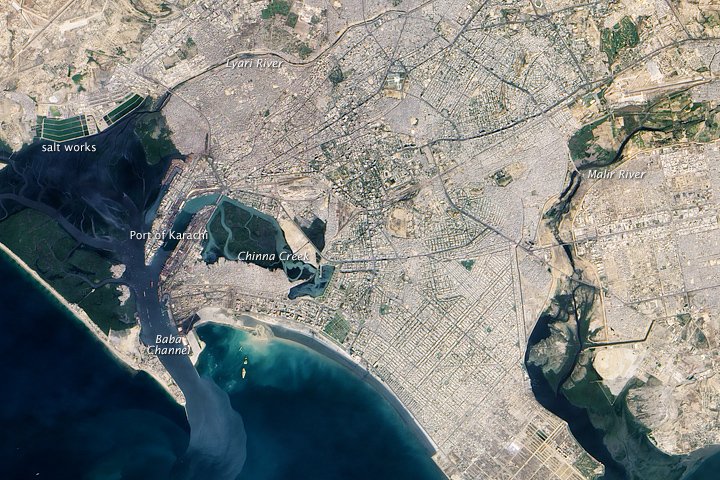
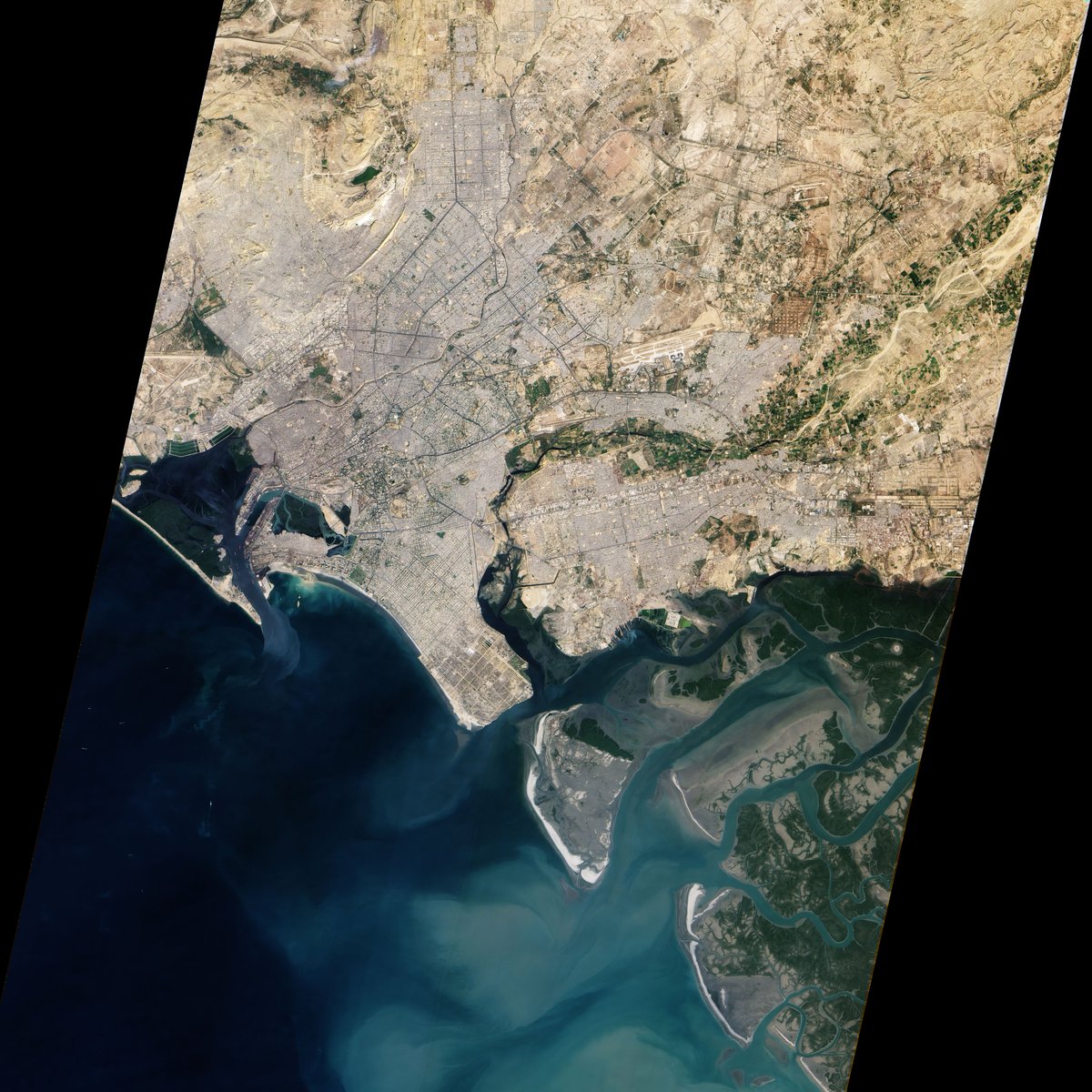
The Port of Karachi is not only Pakistan’s largest and busiest seaport but also a site of immense historical and cultural significance. As a maritime gateway connecting South Asia with global trade routes, the port has evolved from its ancient Bronze Age roots through colonial expansion to its current role as a commercial powerhouse. Visitors can expect a blend of architectural heritage, modern infrastructure, and access to some of Karachi’s most compelling attractions (worldofhistorycheatsheet.com; britannica.com).
Strategically positioned on the Arabian Sea, the port’s history spans ancient settlements, British colonial development, and pivotal roles in world conflicts. Today, it handles the majority of Pakistan's trade and continues to expand its influence regionally, especially as a conduit for commerce with Central Asia and Afghanistan (ProPakistani; kpt.gov.pk). The port area features guided tours, historic buildings, and proximity to major city landmarks, making it a fascinating destination for both tourists and maritime enthusiasts (kpt.gov.pk; KarachiViews).

Early Origins and Pre-Colonial Development
The Port of Karachi’s history extends back to the Bronze Age and the Indus Valley Civilization, when the natural harbor supported fishing communities and acted as a minor trading outpost. The area, historically referred to as “Krokola” in Greek sources, is even believed to have hosted Alexander the Great during his campaign in 326 BCE (worldofhistorycheatsheet.com; britannica.com).
By the 18th century, the fortified village of Kolachi marked Karachi's shift from a fishing settlement to a regional trade center.
British Colonial Era and Modern Transformation
Annexation and Expansion
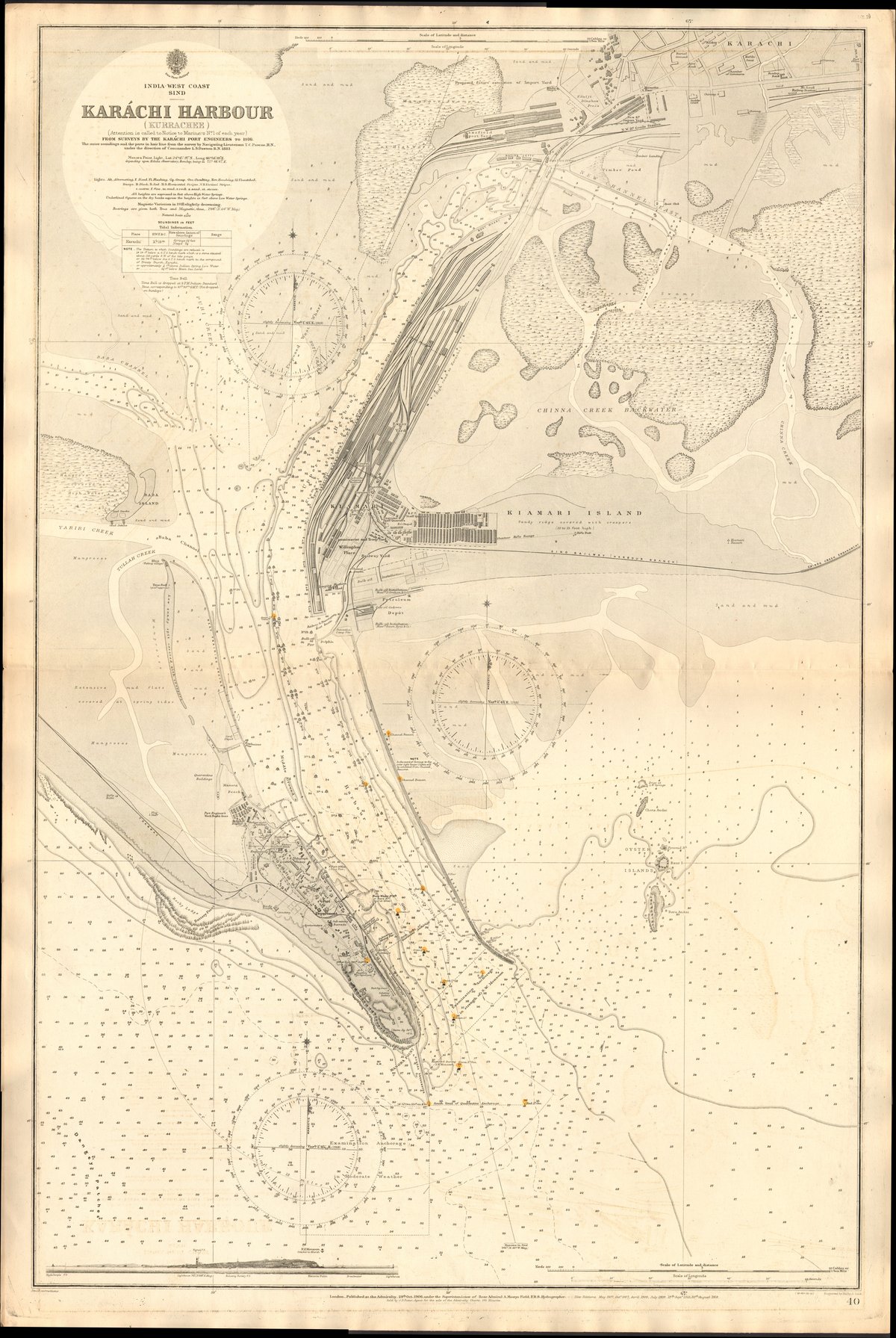
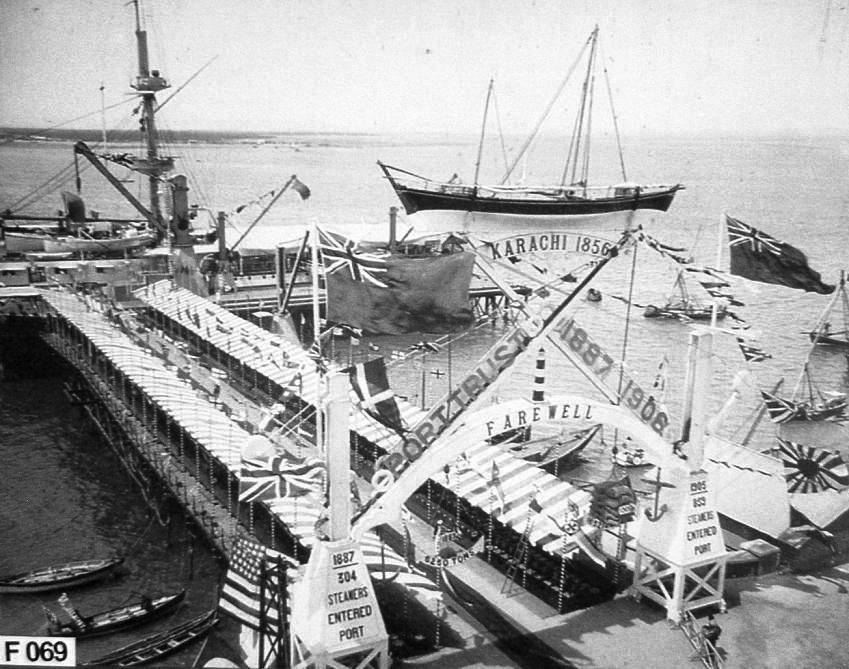
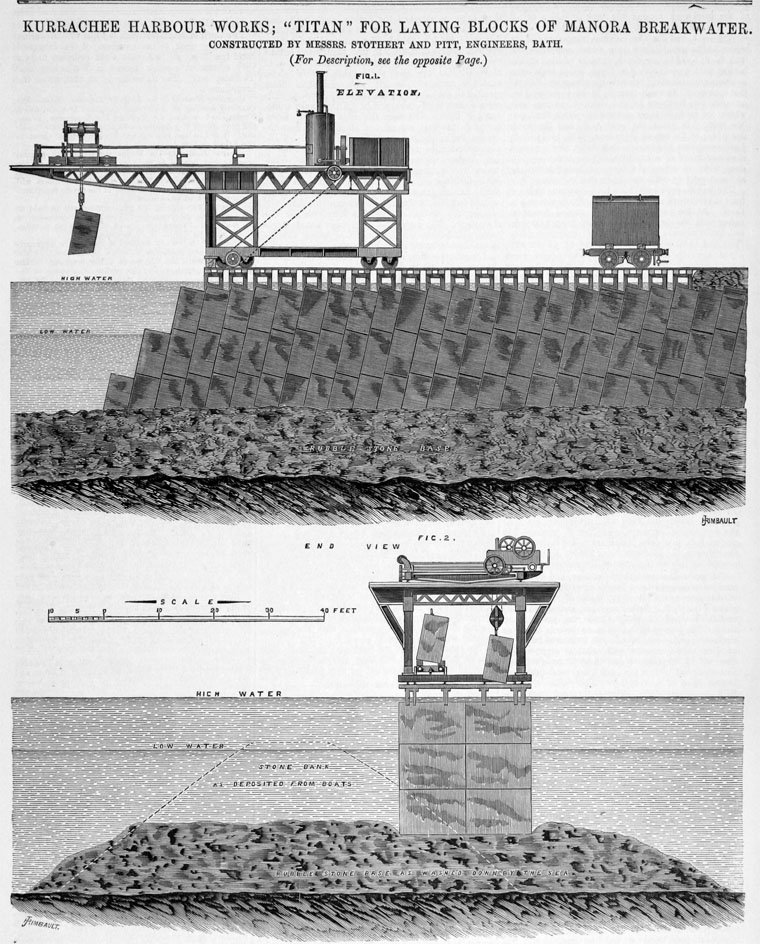
In 1839, the British East India Company seized Karachi, recognizing its strategic value as a port and military base. Rapid development followed, with the dredging of navigation channels, construction of breakwaters, and the linking of the harbor to the city. Infrastructure such as the Manora breakwater, Keamari Groyne, and Native Jetty Bridge laid the foundation for modern port operations (kpt.gov.pk; pakpedia.pk).
Urban Growth and Architectural Heritage
The opening of the Suez Canal in 1869 catalyzed Karachi’s transformation into South Asia’s largest wheat and cotton trading port. By the early 20th century, the port featured continuous berths, advanced cranes, and direct rail connections to the Punjab and Delhi, cementing its economic prominence (kpt.gov.pk).
A highlight of this era is the Karachi Port Trust (KPT) Head Office, constructed in 1915. Designed by G. Wittet, it is a striking blend of British, Hindu, and Gothic architecture and remains a protected heritage site (en.wikipedia.org).
The Port in the World Wars
During both World Wars, Karachi's port played a crucial role as a logistics and supply base for British and Allied operations, supporting military campaigns in Afghanistan and beyond. By the 1920s, the port had also become an industrial hub, with the establishment of an aerodrome in 1924 marking Karachi as a main entry point by air to the Indian subcontinent (britannica.com).
Post-Independence Modernization
After Pakistan’s independence in 1947, Karachi became the nation’s capital and the port its primary trade gateway. The city’s population and commerce surged, reinforcing the port’s status as the economic heart of Pakistan. Modernization efforts expanded its capacity, and today, it remains vital for trade with landlocked neighbors and for the nation’s connectivity to global markets (pakpedia.pk; francis-press.com).
Visiting the Port: Practical Information
Visiting Hours and Tickets
- Hours: Guided tours and educational visits can typically be arranged on weekdays between 9:00 AM and 5:00 PM.
- Tickets: There is no standard public ticketing system. Entry to operational areas requires prior permission, which can be obtained through the Karachi Port Trust or authorized tour operators (kpt.gov.pk).
Guided Tours and Visitor Experience
Tours offer insight into port operations, heritage buildings, and sites such as the KPT Head Office and Manora Lighthouse. Many tours include boat rides and are best booked in advance.
Accessibility and Safety
The port is accessible by public transport, taxis, and private vehicles. Operational areas require adherence to safety protocols; comfortable attire and sun protection are recommended.
Events and Cultural Activities
Occasionally, the port hosts maritime exhibitions and heritage walks. Check official resources for event schedules.
Nearby Attractions
- Quaid-e-Azam Mausoleum: The final resting place of Pakistan’s founder, open daily 9:00 AM–5:00 PM, free entry (quaid-e-azam.gov.pk).
- Port Grand: A vibrant waterfront with dining, events, and live music (KarachiViews).
- Empress Market, Saddar: A bustling colonial-era marketplace.
- Frere Hall and Karachi Maritime Museum: Nearby sites for culture and history.
Strategic and Economic Importance
Karachi Port is a linchpin in Pakistan’s trade, handling over 90% of national imports and exports (ProPakistani). Its location links South Asia with Central Asia, Afghanistan, and Western China, with well-developed road and rail infrastructure (kpt.gov.pk). The port’s capacity is underutilized, presenting opportunities for increased regional trade and growth.
Infrastructure and Modernization
With 30 dry cargo berths and 3 liquid cargo berths, Karachi Port features two major container terminals (KICT and PICT) and advanced facilities. Recent foreign investment has driven expansion, including long-term terminal operations by AD Ports Group and development of logistics corridors (ProPakistani).
International Partnerships
International investment from global maritime leaders such as AD Ports Group and DP World is modernizing Karachi Port, enhancing its appeal as a transshipment hub and integrating it into global supply chains (ProPakistani).
Role in the Maritime Economy
The port supports shipping, logistics, and manufacturing industries, generating employment and national revenue. Its adaptability and 24/7 operations make it a cornerstone of Pakistan’s economy (kpt.gov.pk).
FAQs
Q: Can the general public visit Karachi Port?
A: Only with prior arrangements for guided tours or educational group visits.
Q: Are there entry fees?
A: No standard fees, but permissions are required.
Q: Is photography allowed?
A: Restricted in operational areas; permission needed.
Q: How do I reach the port?
A: By taxi, ride-sharing, or private vehicle via central Karachi.
Q: Are historic buildings open to visitors?
A: Exterior viewing is possible; interior access via tours or special events.
Visitor Guide: Quaid-e-Azam Mausoleum
The mausoleum, completed in 1970 and designed by Yahya C. Merchant, is a national symbol honoring Muhammad Ali Jinnah, Pakistan’s founder. The white marble structure blends Islamic and Mughal influences and is a focal point for national celebrations.
Visiting Information
- Hours: Daily, 9:00 AM–5:00 PM
- Tickets: Free entry
- Accessibility: Wheelchair friendly, with ramps and accessible restrooms.
- Facilities: Restrooms, cafeteria, souvenir shops
- Photography: Permitted outdoors; restricted inside the mausoleum chamber
Visitor Tips
- Visit early or late for cooler weather.
- Dress modestly.
- Check for special events that may affect visiting hours.
For more, visit: Quaid-e-Azam official page
Visitor Guide: Port Grand Waterfront
Location and Accessibility
Located on Native Jetty Bridge, Port Grand is easily accessible from central Karachi by car, taxi, or public transport (HamariWeb).
Attractions
- Dining: Wide range of Pakistani and international cuisine
- Art & Culture: Murals, performances, and exhibitions
- Leisure: Live music, boating, musical fountain
- Family Fun: Play areas, rides
Hours and Tickets
- Hours: Weekdays 4:00 PM–11:45 PM; weekends 8:30 AM–11:45 PM
- Entry Fee: ~PKR 1000 (includes PKR 500 redeemable food voucher) (PakLivings)
- Best Time: November–February for pleasant weather
Facilities
- Wheelchair accessible
- Parking and valet services
- Security and child-friendly amenities
Plan your visit: Port Grand official site
Summary and Visitor Tips
The Port of Karachi is a living testament to the city’s maritime past and present. Its evolution from ancient harbor to modern trade hub reflects Karachi’s resilience and diversity (worldofhistorycheatsheet.com; kpt.gov.pk). The port’s economic importance is matched by its cultural and architectural heritage, making it a unique destination for visitors, history buffs, and trade professionals alike (ProPakistani).
Visitor tips:
- Arrange guided tours in advance through official channels.
- Explore nearby historical sites for a richer experience.
- Follow safety protocols and carry required identification.
- Download the Audiala app for guided audio tours and updates.
Listen to the full story in the app
The whole Port Of Karachi,
told well.
Audio guides for 1,100+ cities across 96 countries. History, stories, and local insight — offline ready.
Verified, and shown.
Researched and written by the Audiala editorial team from historical records, architectural archives, and local expertise.
Researched from Wikidata, Wikipedia & official sources · fact-checked · How we make our guides →