Introduction
The first thing that catches you off-guard in Islamabad, Pakistan is the hush — a low, leafy quiet broken only by the call to prayer rolling over the Margalla Hills and the occasional thud of a rhesus macaque landing on a diplomat’s roof. You came expecting South-Asian congestion, but instead you find grid-planned avenues wide enough to land a small plane, air that smells of pine after rain, and a 1960s Greek architect’s experiment in utopian city-making still stubbornly alive.
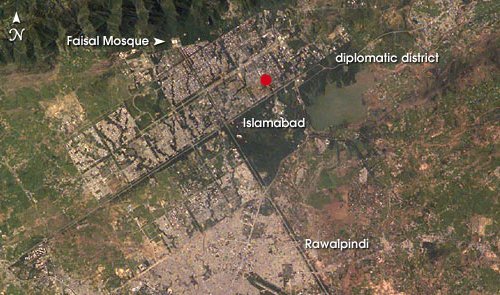
Everything here is coded in letters and numbers — F-7 for cappuccinos, G-9 for 6 a.m. nihari, E-5 for embassies hiding behind bougainvillea. The sectors were drawn by Constantinos Doxiadis to expand forever southward while the Himalayas form a fixed northern wall; drive the ridge road at dusk and you’ll see the plan breathing, streetlights snapping on in perfect diagonal rows below you.
Islamabad’s genius is that it doesn’t feel like a capital. Parliament House hides behind perforated marble screens designed by the same man who gave Washington its Kennedy Center, while shepherds still graze goats beside the 16th-century village of Saidpur, its Hindu temple repurposed as an art gallery. You can breakfast on chapli kebab with construction workers, hike a leopard trail by mid-morning, and still reach the rooftop of the continent at Pir Sohawa for dinner — city lights on one side, tribal territories on the other, the Indus glinting silver in the distance.
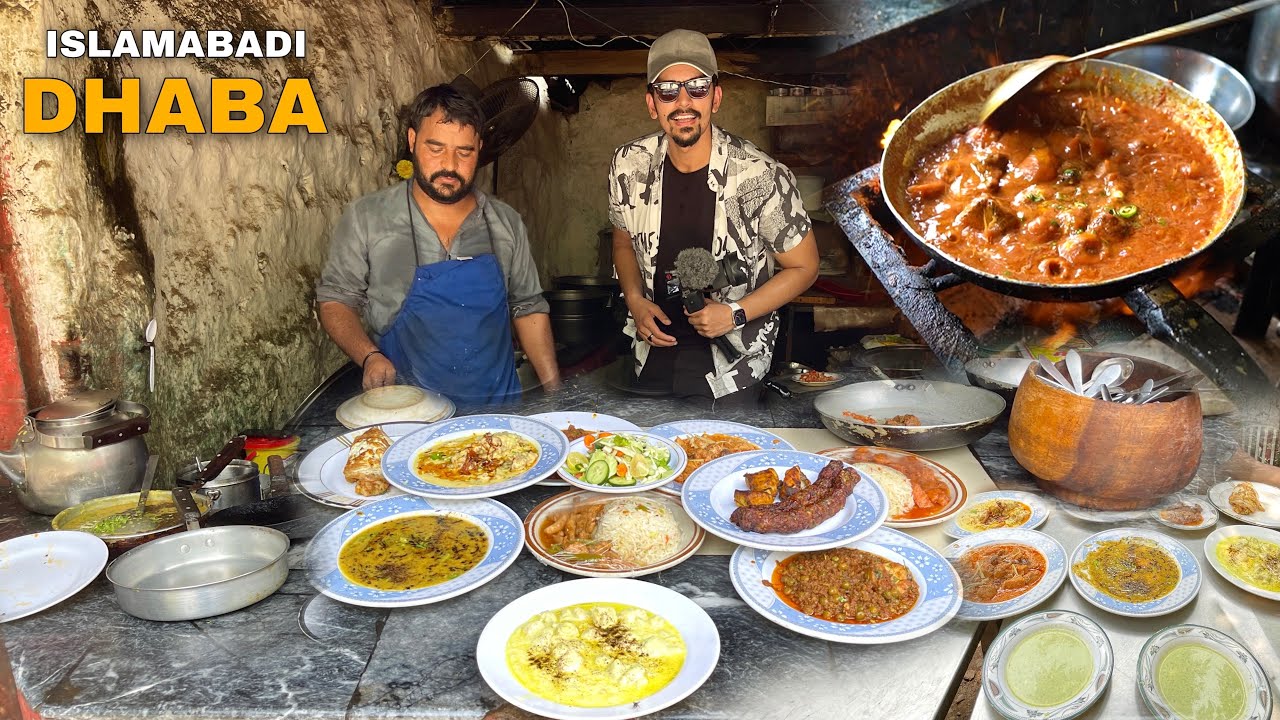
1000 Rupees Food challenge | Real Taste of Islamabad Street Food 🇵🇰 F10 Markaz #foodvlog
Ch Danish OfficialPlaces to Visit
The Most Interesting Places in Islamabad
Faisal Mosque
The Faisal Mosque in Islamabad stands as a monumental testament to Pakistan’s Islamic heritage, architectural ingenuity, and cultural identity.
Daman-E-Koh
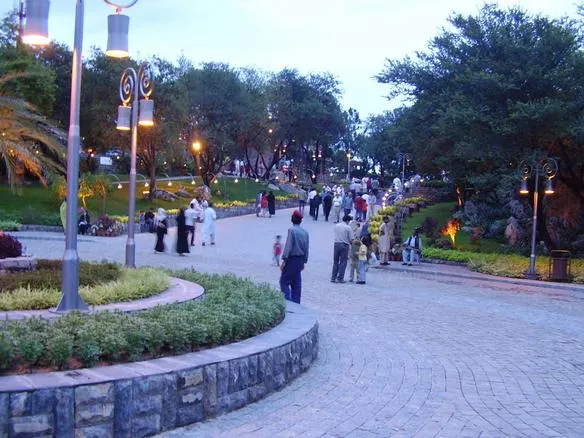
Islamabad makes sense from up here: a planned capital beneath monkey-haunted pines, evening chai stalls, and Faisal Mosque gleaming in the grid below.
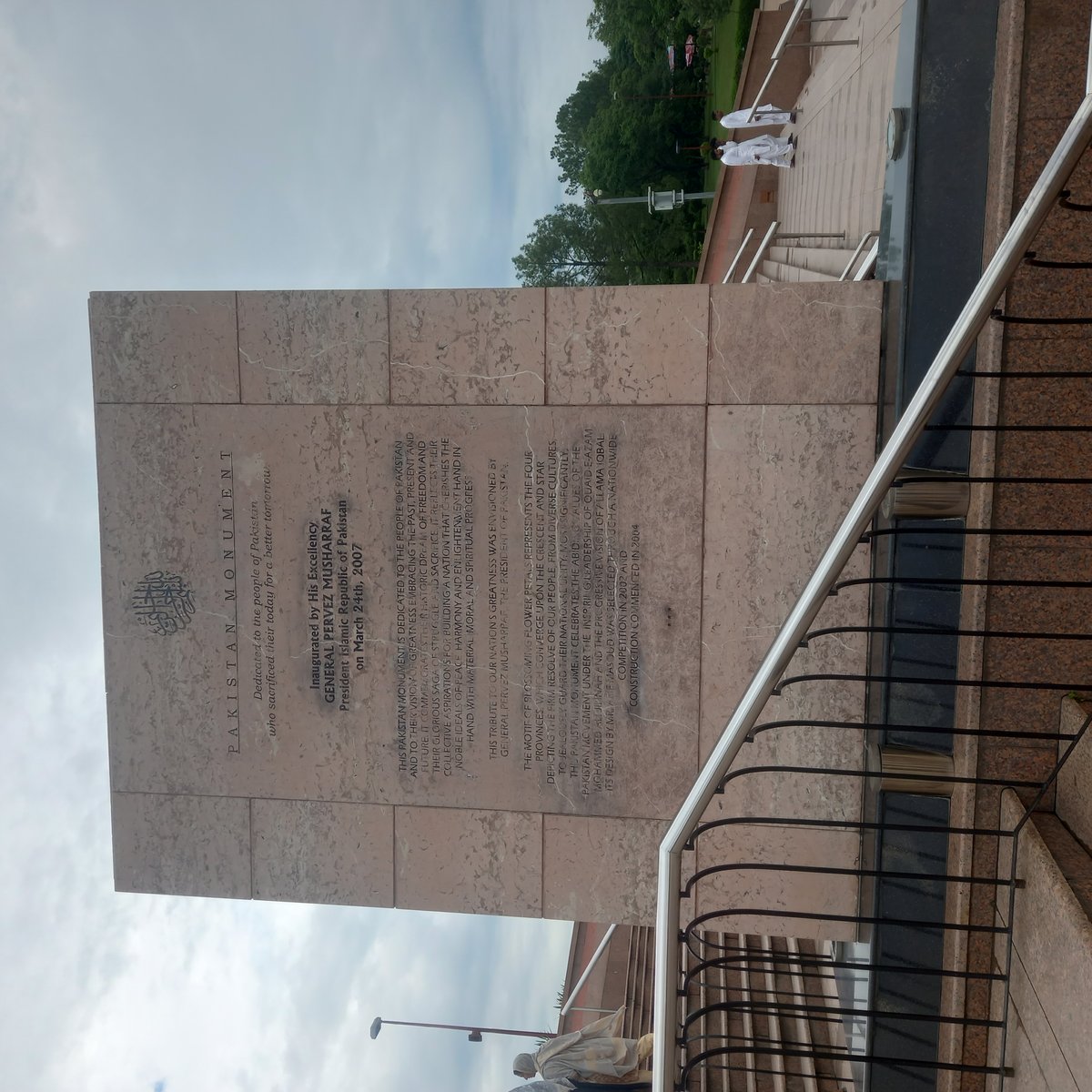
Pakistan Monument
The پاکستان یادگار (Pakistan Monument) in Islamabad is not merely an architectural marvel; it stands as a profound symbol of the nation's unity and cultural…
Lok Virsa Museum
Nestled amidst the picturesque Shakarparian Hills in Islamabad, the Lok Virsa Museum stands as a monumental tribute to Pakistan's rich and multifaceted…
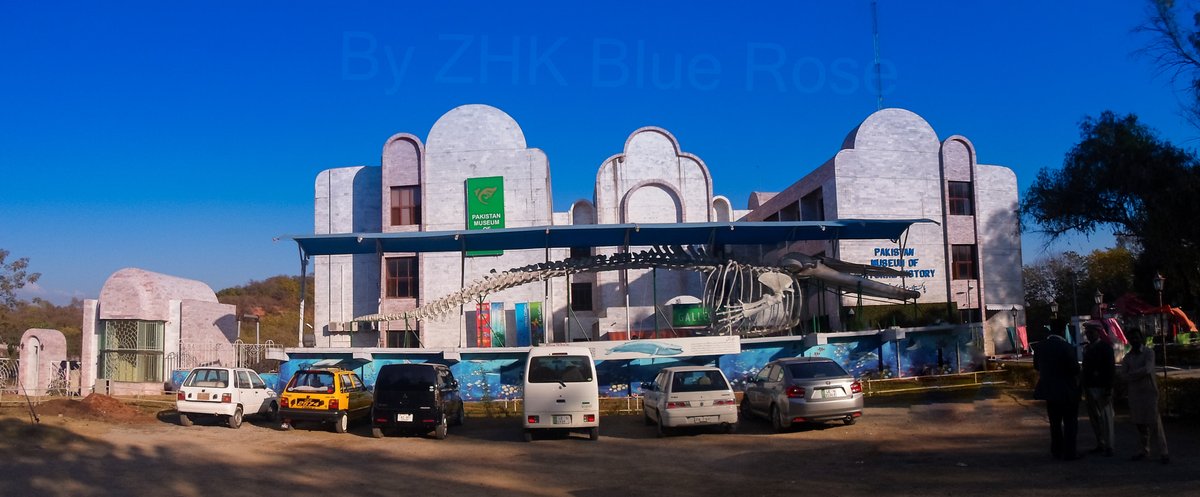
Pakistan Museum of Natural History
Welcome to the Pakistan Museum of Natural History, an essential destination for anyone intrigued by the wonders of biodiversity, geology, and history.
National Art Gallery, Pakistan
Nestled in the heart of Pakistan’s capital, the National Art Gallery Islamabad stands as a beacon of the country’s rich artistic heritage and cultural identity.
Fatima Jinnah Park
Fatima Jinnah Park, commonly referred to as F-9 Park, stands as one of Islamabad’s most expansive and cherished urban green spaces, sprawling over…
Lake View Park
Bird Park in Islamabad, Pakistan, is a premier destination that offers a captivating blend of natural beauty and avian biodiversity.
Islamabad Stock Exchange Tower
The Islamabad Stock Exchange Tower, commonly known as the ISE Tower, stands as a striking emblem of Islamabad’s economic vitality and architectural modernity,…
Shakarparian
Shakarparian, often hailed as one of Islamabad's most enchanting attractions, is a blend of natural beauty, historical significance, and cultural richness.
Margala Hills National Park
Nestled at the northern edge of Pakistan's capital, Islamabad, Margalla Hills National Park stands as a remarkable natural sanctuary that intricately weaves…
Benazir Bhutto International Airport
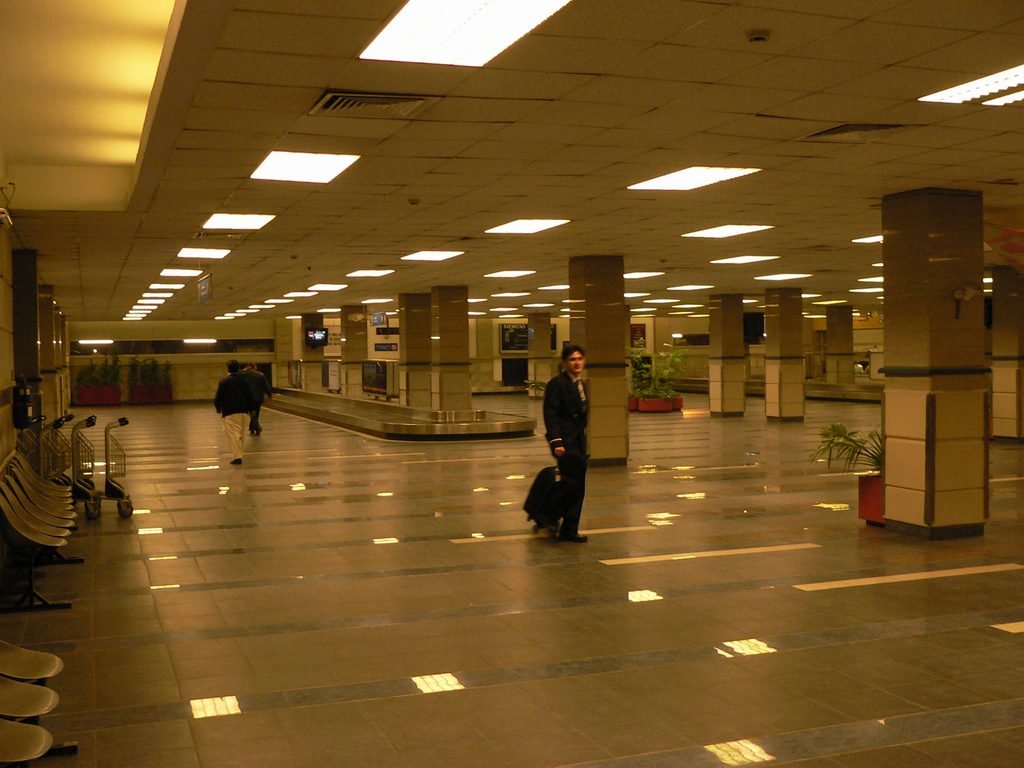
Benazir Bhutto International Airport (BBIA) has been a cornerstone of Pakistan’s air travel history, serving as the primary gateway to the capital region of…
What Makes This City Special
Faisal Mosque
King Faisal’s 1986 gift to Pakistan: a concrete tent of eight 88 m minarets, no dome, echoing Bedouin geometry and the Margalla ridge behind. Walk the marble at dusk when the shells glow like back-lit parchment and the city lights flicker 540 m below.
Margalla Hills National Park
17,000 ha of Himalayan foothills inside the city limits—leopard country, 250 bird species, pine-scented trails that start 15 minutes from your café table. Trail 3 climbs 4.5 km to Daman-e-Koh; the view from the top is Islamabad’s daily weather report written in haze or clarity.
A Capital Drawn by Greeks & Italians
Doxiadis’s 1960 grid (F-6, G-9…) is only half the story: Edward Durell Stone’s Parliament colonnade and Gio Ponti’s Presidency marble give the capital a mid-century modern gloss you’d expect in Brasília, not between Punjab and Khyber.
Historical Timeline
From Stone Tools to a City Drawn on Graph Paper
A 500,000-year journey that ends with a Greek architect plotting Pakistan’s future on a blank plateau
Soanian Stones Echo
On the banks of the Soan River, someone strikes two stones and sparks the first tool. The flake’s sharp edge opens carcasses, skins, minds. Scatterings of these pebble choppers still turn up after monsoon rains, whispering that people have been working this ridge longer than Homo sapiens has existed.
Persian Satraps Collect Tribute
Darius I’s heralds ride up the Jhelum gorge and plant the Achaemenid standard where Islamabad’s airport runway will later land. Taxila, a day’s march north, becomes a satrapal mint; coins bearing the Great King’s image pass through caravanserais that will one day feed the capital’s markets.
Alexander’s Shadow Falls
The Macedonian camps on the opposite bank, accepting King Ambhi’s gift of elephants and grain. Greek infantrymen sketch the strange eight-sided shells they will later see in Taxila—patterns a Turkish architect will borrow 2,300 years later for Faisal Mosque.
Ashoka’s Edicts Ring Out
The Mauryan emperor has his scorers chisel rock edicts into boulders above the Soan, ordering mercy to wildlife and fairness in trade. Monks carve a stupa at nearby Dharmarajika; its carved lotus petals will reappear on Pakistan Monument’s marble petals two millennia later.
Kanishka’s Golden Monastery
Under the Kushan king, masons layer schist into the soaring monastery of Jaulian. Gilded statues of the Buddha radiate light across the plateau; traders on the Silk Road rest here, swapping stories that drift southward toward future caravan halts at Rawalpindi.
Mahmud Smashes the Hindu Shahis
The Ghaznavid war elephant charge breaks Jayapala’s army at Peshawar; the plateau becomes a supply corridor for slave-raids into India. Villages that will one day be Islamabad’s sectors send grain north to the conqueror’s garrisons.
Sher Shah’s Highway Cuts Through
The Afghan reformer rebuilds the Grand Trunk Road, laying a 4-metre-wide stone spine that still runs beside today’s Islamabad Expressway. Caravanserais every 12 kilometres—one at what is now Rawat Fort—standardise rest, water, and royal post.
British Cantonment Rises Next Door
Colonel Beville’s engineers raise barracks and a parade ground 15 kilometres south of the future capital. Rawalpindi Cantonment becomes the Raj’s north-west hinge; Islamabad’s future site remains scrub jungle where leopards drink from the Soan.
Steam Locomotives Reach Rawalpindi
The first locomotive whistle echoes off the Margalla Hills as the North-Western Railway opens. Engineers survey the plateau for a future junction—lines they draw will later slot perfectly into Doxiadis’s 1960 grid, sector lines aligning with old rail easements.
Partition’s Refugees Stream Past
Karachi is suddenly Pakistan’s capital, but the army keeps GHQ in Rawalpindi. Refugee columns tramp the Grand Trunk Road through empty scrub that will later be Islamabad; some camp at Saidpur village, planting the first post-colonial demographic seeds.
Ayub Orders a New Capital
After a bloodless coup, Field Marshal Ayub Khan tells his cabinet Karachi ‘doesn’t suit us.’ A secret Capital Commission flies over the Margalla ridge, sees a clean slate at 540 m elevation, and circles it in red grease-pencil.
Constantinos Doxiadis Is Born
In a small Greek hill-town, the boy who will sketch Islamabad’s grid enters the world. His later ‘ekistics’ theory—cities as living organisms—will turn a tree-covered plateau into sectors named F-6, G-9, H-12 like chromosomes of a planned DNA.
Bulldozers Cross Rawal Dam Site
American earth-movers scrape the first contour line across the Korang River gorge. Within a year a 3-kilometre earthen wall will create Rawal Lake, the capital’s future mirror and water-lung, drowning apricot orchards and a Mughal-era caravanserai.
Secretariat Flags Go Up
Civil servants lock their Karachi desks and drive 1,400 kilometres north. On 14 August the Pakistan Secretariat’s flagpoles snap in a cool Margalla breeze; Islamabad is suddenly, quietly, the seat of a 120-million nation.
A.Q. Khan, Future Bomb-maker, Is Born
Born in Bhopal, the metallurgist will spend his decisive decades in Islamabad—first in a discreet E-7 villa, later under house arrest in a house whose lawn still hums with centrifuge rumours. He will be buried in Islamabad’s H-8 graveyard in 2021.
Junaid Jamshed Learns Guitar at Quetta College
The teenager who will form Vital Signs in an Islamabad university dorm picks up his first Sears acoustic. In 1987 his band will record ‘Dil Dil Pakistan’ in an H-11 studio, turning the capital into the cradle of Pakistani pop.
Faisal Mosque Opens Its Tent to the Sky
King Faisal’s Saudi riyals and Vedat Dalokay’s pencil converge: eight concrete shells—no dome—rise 40 metres, sheltering 10,000 worshippers. Night floodlights make the Margalla ridge glow like a Bedouin camp, stamping the skyline with a symbol younger than the city itself.
Earthquake Sways Margalla Towers Down
At 08:52 the ground convulses; 74 people die when a luxury F-10 apartment block pancakes. Rescue crews hear phones ringing under rubble for days. The disaster rewrites building codes and etches seismic anxiety into the capital’s psyche.
Pakistan Monument Blossoms in Marble
Four 17-metre petals—one per province—unfold on Shakarparian Hill, catching the dusk like a stone lotus. Inside, black-granite murals freeze the Lahore Resolution, while outside visitors see both city and parliament framed through the petals’ scallops.
New Airport Lifts the City South-west
At Fateh Jang, 25 kilometres from zero-point, a glass-and-steel terminal opens with 15 jet-bridges and prayer rooms facing Mecca. The old Chaklala runway reverts to military use; Islamabad finally separates civilian departures from the generals’ tarmac.
Notable Figures
Vedat Dalokay
1927–1991 · Architect of Faisal MosqueThe Turkish maverick scrapped the traditional dome and planted eight concrete petals that still look like a Bedouin tent frozen mid-flutter. He never lived to see Islamabad’s skyline grow around his creation, but every dusk the lit shells echo his belief that prayer should feel open to the sky.
Constantinos A. Doxiadis
1913–1975 · Greek urban plannerWith a slide rule and the Ekistics theory he carved a grid that drifts northeast like migrating birds, forever chasing the Margalla ‘north wall’. Drive from G-6 to F-10 today and you’re riding the mathematical spine he drew on blue paper over sixty years ago.
Ali Sethi
born 1984 · Singer-authorThe ghazal-pop troubadour grew up sneaking out to PNCA open-mics and Chaaye Khana jam sessions, turning childhood qawwali echoes into global playlists. He still calls the city ‘the quiet note before the chorus’ whenever he flies in for a wedding gig.
Photo Gallery
Explore Islamabad in Pictures
The Pakistan Monument in Islamabad glows beautifully at night, showcasing its unique petal-shaped design and intricate stone carvings.
Hamza Ali on Pexels · Pexels License
An impressive aerial perspective of the Faisal Mosque, a landmark architectural marvel nestled against the backdrop of the Margalla Hills in Islamabad, Pakistan.
Shafiq 🇺🇸 on Pexels · Pexels License
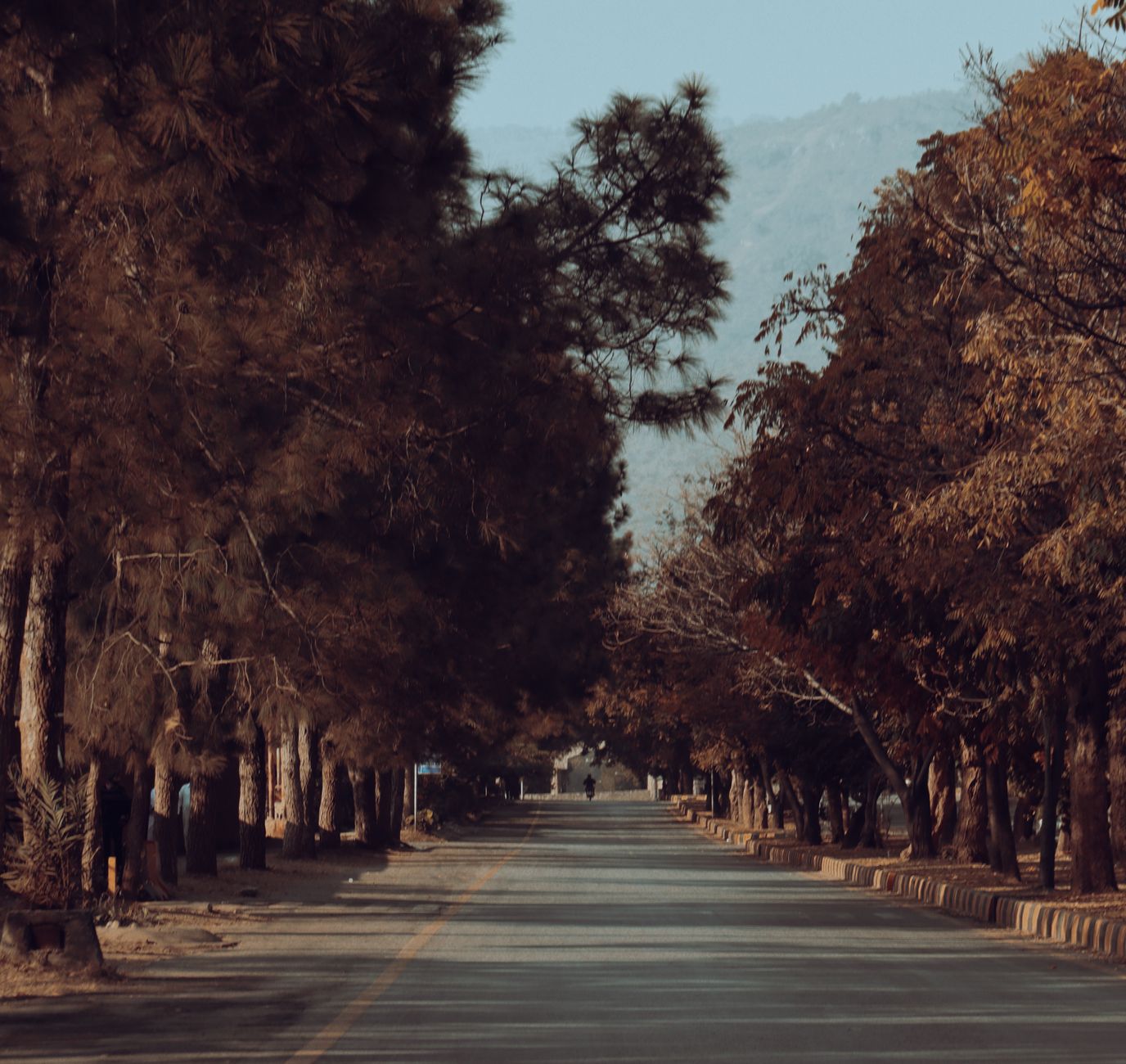
A peaceful, sun-drenched avenue in Islamabad, Pakistan, framed by lush trees and distant mountain views.
Ali Hamza Tullah on Pexels · Pexels License
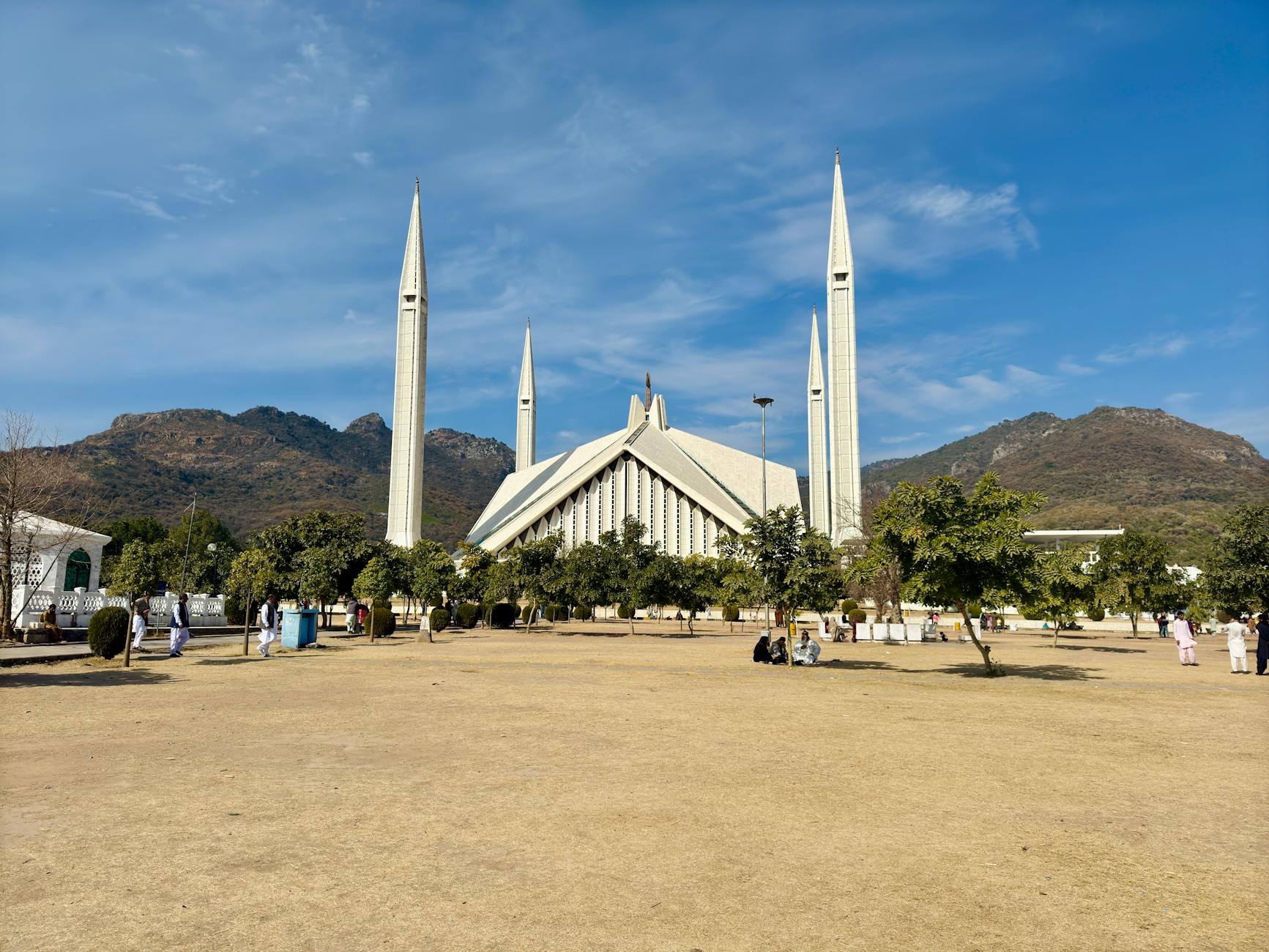
The majestic Faisal Mosque stands as a prominent landmark in Islamabad, Pakistan, framed by the scenic Margalla Hills under a clear blue sky.
Mohsin Shabbir on Pexels · Pexels License
An aerial perspective of the majestic Faisal Mosque, a landmark of modern Islamic architecture nestled against the scenic Margalla Hills in Islamabad, Pakistan.
Wasif Mehmood on Pexels · Pexels License
A peaceful afternoon commute along a tree-lined road in the capital city of Islamabad, Pakistan.
Ali Hamza Tullah on Pexels · Pexels License
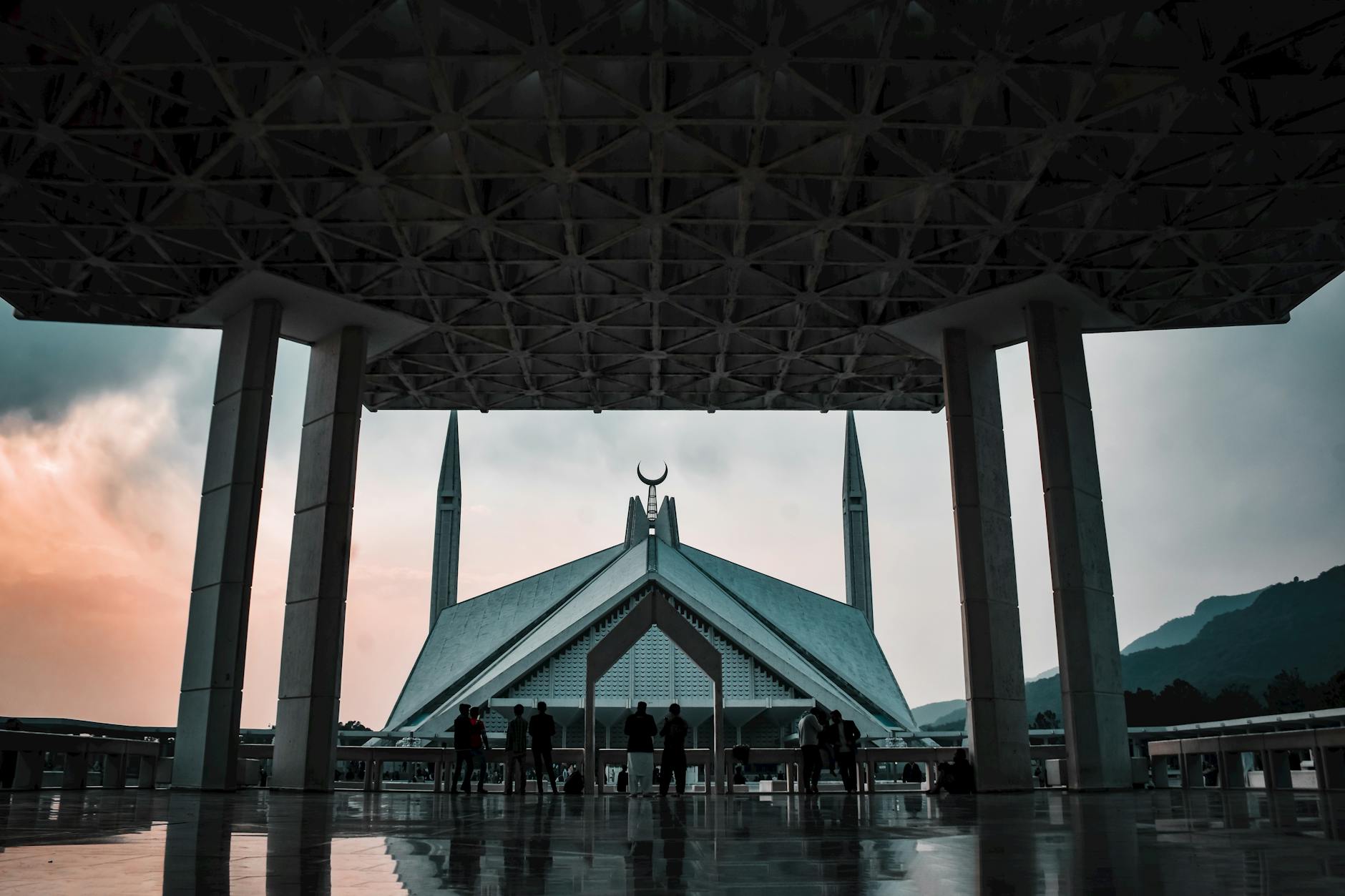
A striking view of the iconic Faisal Mosque in Islamabad, Pakistan, framed by the geometric architecture of the courtyard canopy at dusk.
Hassan Shah on Pexels · Pexels License
The iconic Faisal Mosque stands as a majestic landmark in Islamabad, Pakistan, glowing under the warm hues of a golden sunset.
FAYSAL KHAN on Pexels · Pexels License
The majestic Faisal Mosque stands as a prominent landmark in Islamabad, Pakistan, known for its striking modern design and towering minarets.
M Y Dogar on Pexels · Pexels License
Videos
Watch & Explore Islamabad
Islamabad, Pakistan 🇵🇰 - The Most Beautiful Capital City in The World
Desi Nashta, Village Food aur Italian Platter in Islamabad | 3 Best Food Spots in the Capital
DHABA STREET FOOD IN ISLAMABAD - Chicken Lazeeza, Malai Chicken & Many More in Pakistan
Practical Information
Getting There
Fly into New Islamabad International Airport (ISB), 35 km north-east of the Blue Area. Rawalpindi’s main rail junction (G-8) connects to Lahore (4h30) and Karachi (20h) on Pakistan Railways. Motorways M-1 and M-2 feed in from Peshawar and Lahore; plan 40–60 min airport-to-city at rush hour.
Getting Around
No metro rail—use the Islamabad–Rawalpindi Metro Bus: one 24-station line from Pak Secretariat to Saddar, PKR 30 flat fare (smart card required). Careem and Uber cover every sector; a ride F-6 to Faisal Mosque runs ~PKR 250. Shared Suzuki vans ply internal grids for PKR 20–50; cycling is recreational only—no protected lanes yet.
Climate & Best Time
October–November post-monsoon: 25 °C days, crystal hills, rose gardens in bloom. February–March spring hovers 18–24 °C. Summer (May–June) spikes to 40 °C before July–August monsoon dumps 300 mm/month. Visit outside June–August for clear trails and open-air cafés.
Language & Currency
Urdu is universal, English signs abound in F-6/F-7 markets and museums. Carry Pakistani rupees (PKR): ATMs (HBL, Standard Chartered) dispense up to PKR 50,000; street food stalls and Suzukis are cash-only. Exchange at Aabpara or F-8 markaz for rates within 1 % of interbank.
Where to Eat
Don't Leave Without Trying
TKR 3
local favoriteOrder: The charsi karahi — mutton cooked frontier-style in ghee and tomatoes, no onion. Order with fresh naan and don't skip the raita.
Thirty thousand reviews don't lie — TKR 3 is the most beloved restaurant in Islamabad by sheer volume of devotion. The Shakarparian Road location means you're eating proper Pakistani BBQ with a view of the hills, which makes everything taste better.
Tandoori Restaurant G-8
local favoriteOrder: Seekh kebab straight off the tandoor, and the chicken karahi if you're with a group. The tandoor-baked naan here is worth the trip alone.
A G-8 institution that's been packing in families for years — the kind of place where the waiter knows your order before you sit down. Reliably excellent, never tries too hard, and the smoky tandoor perfume hits you from the street.
Haleem Ghar Blue Area
quick biteOrder: The haleem — slow-cooked wheat, lentils, and beef reduced to a thick, spiced porridge. Top it with fried onions, fresh ginger, and a squeeze of lemon. It's a complete meal in a bowl.
Haleem is one of those dishes that separates serious cooks from casual ones, and Haleem Ghar has earned its nearly 10,000 reviews by doing it properly. Right in Blue Area, it's the lunchtime escape hatch for half of Islamabad's office workers.
Loafology Bakery & Cafe
cafeOrder: The sourdough loaves and croissants in the morning, or a proper flat white with one of their quiches at lunch. Their cakes are some of the most carefully made in the city.
Loafology brought actual artisan bread culture to Islamabad and it landed. This is where the coffee-snob crowd, diplomats, and anyone who needs a break from the intensity of Blue Area goes to breathe — proper European-standard baking in an unlikely city.
Zia Balti & BBQ
local favoriteOrder: The balti karahi — a wok-style preparation with butter, tomatoes, and chillies that's messier and more satisfying than anything in a sit-down restaurant. Eat with your hands.
Tucked into Saidpur Market, this is no-frills Islamabad at its most honest — plastic chairs, paper napkins, and karahi that will ruin you for anything fancier. The kind of place locals drive across town for.
Lala Jee Fry Chanay
quick biteOrder: Fry chanay — chickpeas fried with cumin, dried mango powder, and green chillies, served with fresh naan. Morning only, gone by mid-afternoon. Come early.
A 4.6 rating with a loyal following tells you everything — this is a word-of-mouth institution hiding in plain sight at the I&T Centre. The fry chanay are aggressively spiced and cost almost nothing, which is the whole point.
Zahoor Balti & BarBQ
local favoriteOrder: The mutton balti — a cast-iron wok of slow-simmered mutton with whole spices and a slick of clarified butter on top. Pair with the house-made naan for the full effect.
Right next door to Zia in the Saidpur Market cluster, Zahoor is the quieter sibling that regulars swear by for mutton specifically. If Zia has a queue, come here — you won't be disappointed.
Shireen Corner, Sweets & Bakers
quick biteOrder: The mithai tray — especially the barfi and gulab jamun when fresh. If you're there in the morning, the freshly baked naan khatai (butter shortbread cookies) are the move.
Islamabad's sweet shop culture is underrated, and Shireen Corner is where you go when you want traditional Pakistani confectionery without the tourist markup. It opens at 6:30am, which tells you something about who eats here.
Gourmet Foods - Sitara Market
quick biteOrder: The cream rolls and rusks — old-school Lahori bakery staples that Gourmet does better than almost anyone in Islamabad. Also grab a box of their cookies for the road.
The Islamabad outpost of the Lahore-born Gourmet chain, and one of the few places in the city where you can get proper Punjabi bakery goods done with consistency. Opens at 6am, which is exactly when you want it.
Shakarparian Cafe
cafeOrder: Keep it simple — tea and samosas or a light snack. You're here for the location, not haute cuisine, and the views over the city from Shakarparian are genuinely worth it.
The setting does the heavy lifting here: perched in Shakarparian Hills, it's the practical pit-stop for anyone walking the trails or visiting the Pakistan Monument. Not the best food in Islamabad, but arguably the best view while eating it.
Quetta Tea Time
cafeOrder: Quetta-style pink chai (noon chai) — salty, creamy, and the color of a rose, served with rusks or biscuits. It's the opposite of what you expect from tea and exactly what you want.
Open 24 hours and serving the most distinctive tea in the city — Balochi pink salt chai is a conversation in a cup, and this G-8 spot is one of the few places in Islamabad doing it properly. A late-night revelation.
The Café Zee
cafeOrder: The brunch plates and specialty coffee — this is a proper sit-down cafe experience, so take your time with eggs and a good cappuccino rather than rushing through.
A 4.5 rating with a smaller but fiercely loyal following suggests a neighborhood gem that hasn't been discovered by the masses yet. Rose Garden Plaza is a pleasant spot, and Café Zee has the unhurried atmosphere that G-8 locals guard jealously.
Dining Tips
- check Cash is king at local karahi joints and street spots — carry small bills; most dhabas in G-7/Saidpur and G-9 don't accept cards at all
- check Lunch runs 1–3pm, dinner from 8pm onwards; Islamabadis eat late, and the best karahi spots don't hit their stride until after 9pm
- check No formal reservation culture at mid-range and casual spots — show up early on weekends or expect a wait, especially at places like TKR 3
- check Tipping is not mandatory but appreciated; 10% is generous at sit-down restaurants, rounding up is fine at casual spots
- check Many quality spots are unlicensed (no alcohol) — this is a dry city officially, so don't arrive expecting a wine list
- check Friday and weekend evenings are when the whole city eats out — avoid peak hours (8–10pm) if you want a table without a long wait
- check Street and dhaba food is safest when you see high turnover — busy spots with constant fresh cooking are your friend
- check Ask for extra naan rather than ordering more dishes — portions are generous and the bread is always freshly made
Restaurant data powered by Google
Tips for Visitors
Beat the Chapli Queue
At Savour Foods, join the shorter 'take-away' line even if eating in—carry your tray to any empty table. Peak rush is 1-3 pm and 8-9 pm; arrive 15 minutes early.
Trail 3 Dawn Start
Begin Trail 3 before 6 am in summer—you’ll hear kalij pheasants and meet langurs before the sun hits the limestone. Carry 1 L water; the only tap is halfway up.
Cash Only Caves
Shah Allah Ditta villagers expect PKR 200–500 tip for guiding you through the 5th-century caves; no cards, no QR codes, and zero change.
Nihari Clock
Waris Nihari in G-9 regularly sells out by 9:30 am; aim for 7 am when the cauldron is freshest and you’ll share tables with night-shift bus drivers.
Faisal at Blue Hour
The mosque’s concrete shells glow steel-blue for exactly twelve minutes after sunset—stand on the upper car-park deck, not the courtyard, for a people-free frame.
Airport Fare Hack
Uber/Careem from the new airport to F-7 costs PKR 1 500–2 500; walk past the prepaid-taxi desk to the ride-hail pickup lane—drivers lose the queue fee and pass the saving on.
Explore the city with a personal guide in your pocket
Your Personal Curator, in Your Pocket.
Audio guides for 1,100+ cities across 96 countries. History, stories, and local insight — offline ready.
Audiala App
Available on iOS & Android
Join 50k+ Curators
Frequently Asked
Is Islamabad worth visiting compared to Lahore or Karachi? add
Yes—Islamabad trades Mughal chaos for Himalayan horizon. Where else can you breakfast on nihari at dawn, hike a leopard trail by eight, and still reach a world-class modern-art gallery for coffee? It’s the decompressing counter-weight to Pakistan’s megacities.
How many days do I need in Islamabad? add
Three full days covers the essentials: Faisal Mosque, Pakistan Monument and Lok Virsa on day one; Margalla Trails 3 & 5 plus Daman-e-Koh sunset on day two; Saidpur Village, PNCA galleries and a chapli-kebab crawl through G-9 on day three. Add a fourth if you plan a day-trip to Hasan Abdal or Nathia Gali.
Is it safe to walk around Islamabad at night? add
In the grid sectors (F-6, F-7, F-8) and the Blue Area you’ll see families strolling until midnight under streetlights and police pickets. Stick to main roads, avoid unlit stretches towards G-10 and beyond, and use Careem after 11 pm rather than hailing a street taxi.
Can I use credit cards or do I need cash everywhere? add
Cards work at upscale hotels, Centaurus Mall and most F-6 cafés, but chapli kebab stalls, trail-head kiosks, auto-rickshaws and even the Pakistan Monument ticket booth are cash-only. Keep PKR 5 000 in small notes on you; ATMs are plentiful in F-7 and Blue Area.
What is the cheapest way to get from the airport to the city? add
The Metro Bus doesn’t reach the terminal, so the ride-hail lane is your budget friend: UberGo or Careem Go to F-7 runs PKR 1 300–1 800—half the official prepaid-taxi rate and fixed in the app, so no haggling.
Which Margalla trail is best for beginners? add
Trail 6 starting from F-6/2 is the gentlest—broad path, 45 minutes to the viewpoint, plenty of monkey sightings and zero scrambling. Go between 7–9 am to avoid summer heat and catch birdsong echoing off the limestone cliffs.
Do I need to cover my head to enter Faisal Mosque? add
Women must cover hair; carry a large scarf. Men should wear long trousers and sleeves; shorts are refused at the gate. Both sexes leave shoes on the racks provided—bring a plastic bag if you’re squeaky about bare feet on cool marble.
Sources
- verified Deep-dive research notes compiled for Audiala — Covers attractions, food, transport, safety, day-trips and hidden gems based on training data through August 2025.
- verified Wikivoyage Islamabad — Practical transport, climate and safety updates; used to cross-check metro-bus routes and taxi fares.
Last reviewed: