
Origins and Historical Significance
A Legacy of Preservation
Founded in 1998 by the influential Zubair family, Bait Al Zubair Museum was established to protect and share Oman’s rich and diverse heritage. The Zubair family’s private collection—spanning weaponry, costumes, jewelry, manuscripts, and household items—forms the nucleus of the museum’s holdings. The institution's mission aligns with Oman’s broader efforts, especially during Sultan Qaboos bin Said’s reign, to balance modernization with the preservation of traditional culture (Oman Ministry of Heritage and Tourism; Oman Observer).
Architectural Features and Museum Complex
Traditional Omani Architecture
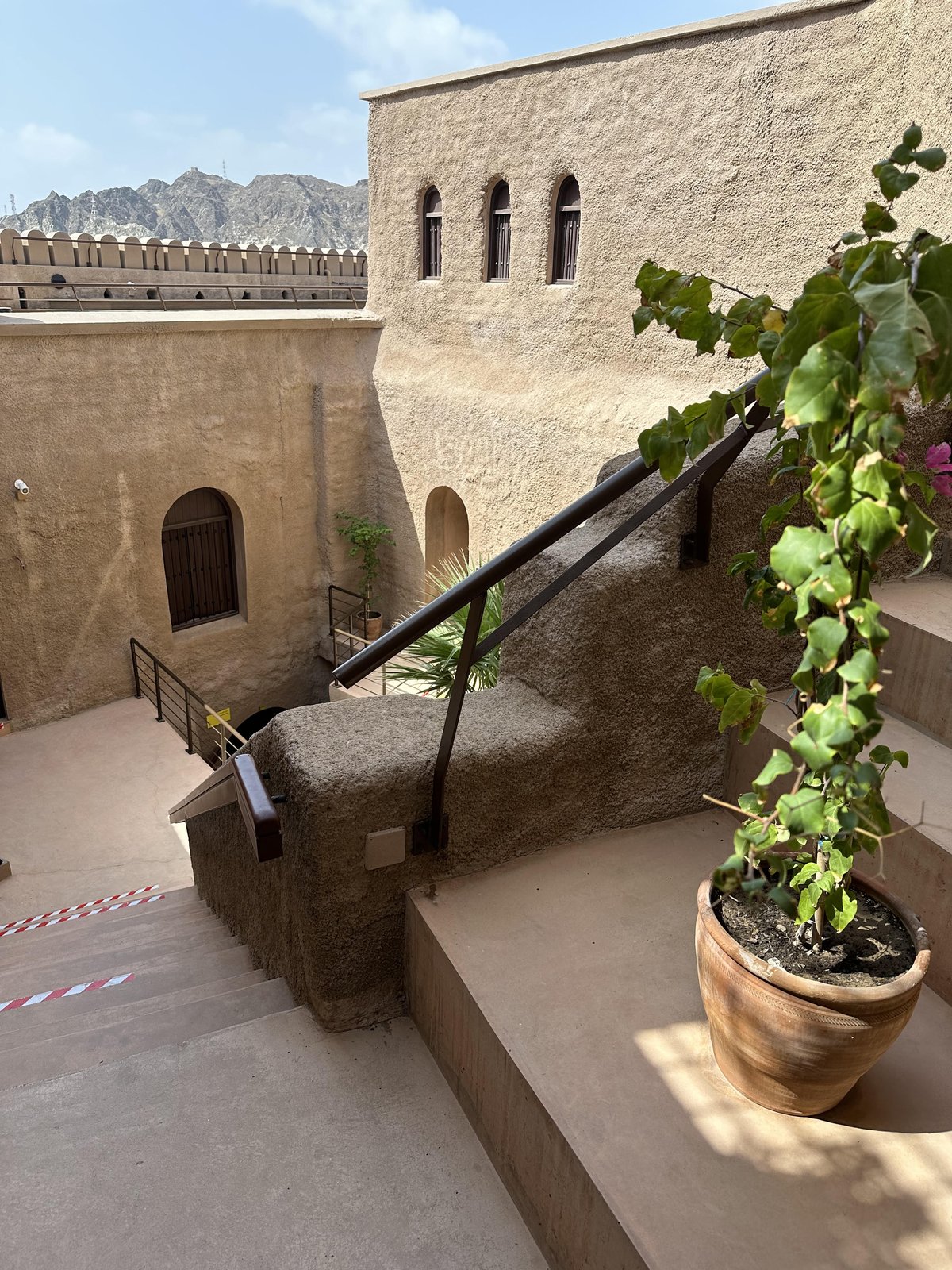
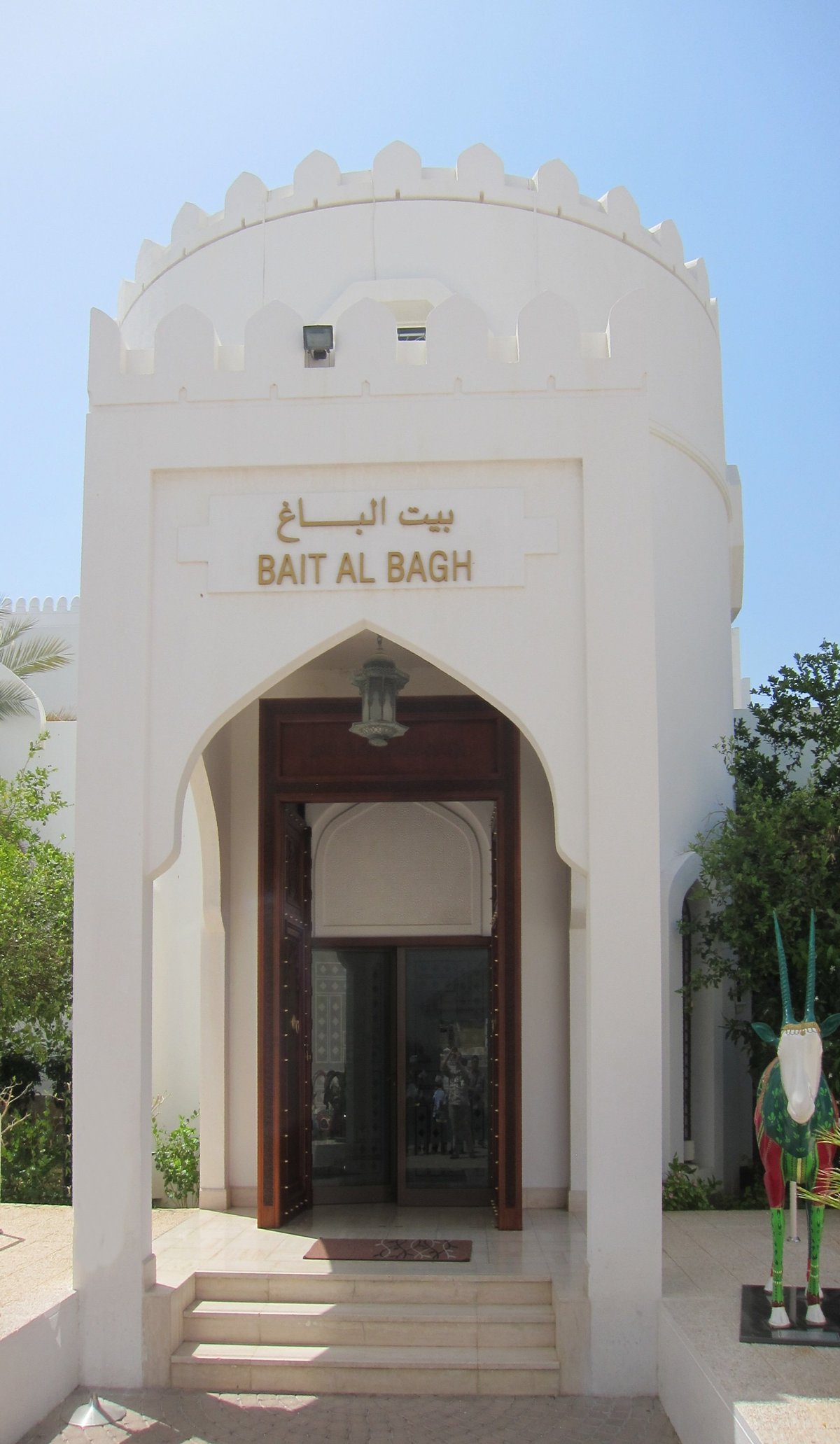
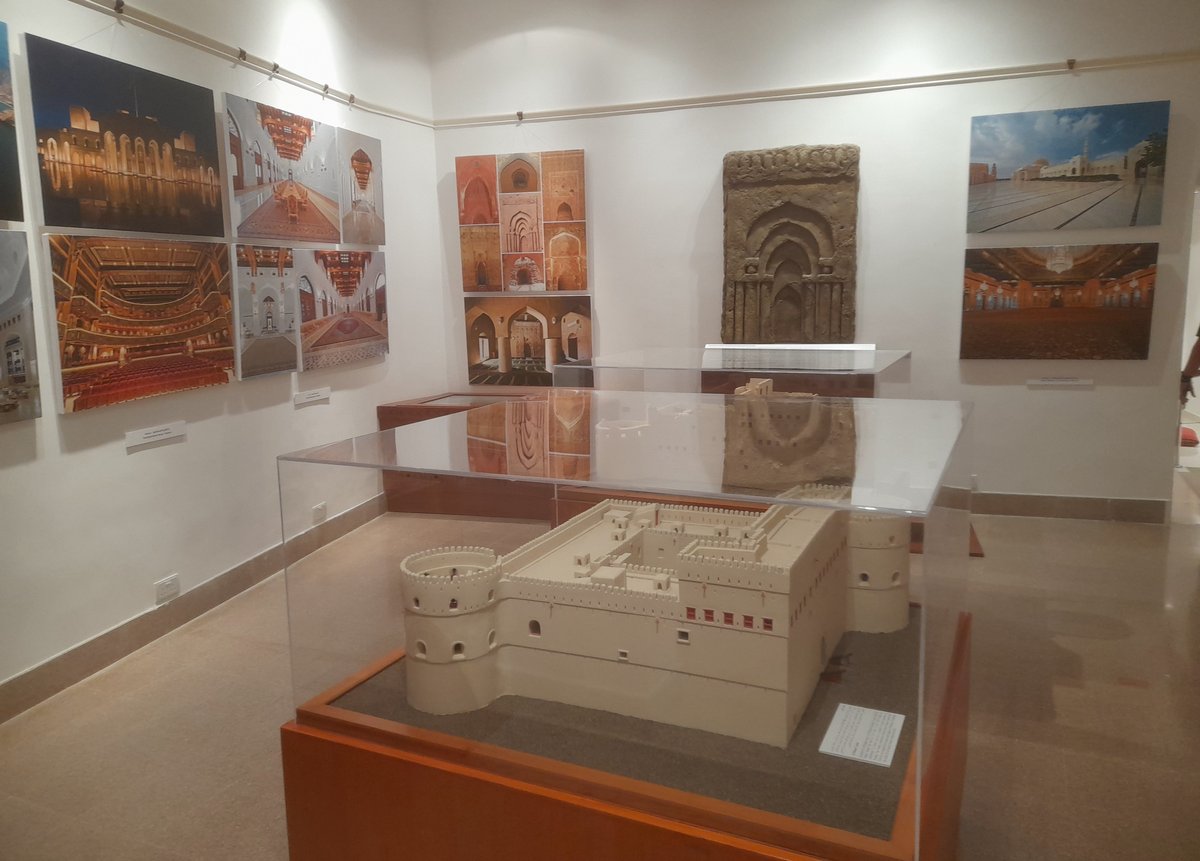
The museum complex encompasses several restored traditional houses, each exemplifying Omani architectural styles with thick mud-brick walls, carved wooden doors, and shaded courtyards. The main building, Bait Al Bagh, retains its residential charm, while newer structures like Bait Al Nahdhah blend modern design with local motifs (Oman Observer).
Key Buildings
- Bait Al Bagh The original house and main exhibition space.
- Bait Al Oud Hosts temporary exhibitions and events.
- Bait Al Dalaleel A restored guest house showcasing traditional hospitality.
- Bait Al Nahdhah A modern gallery for educational programs and workshops.
- Bait Al Diwan Reception, ticket office, and museum shop.
Outdoor Spaces
- Traditional Omani Village Features a falaj (irrigation channel), mud-brick houses, and a model dhow.
- Gardens Landscaped with indigenous plants and traditional water features.
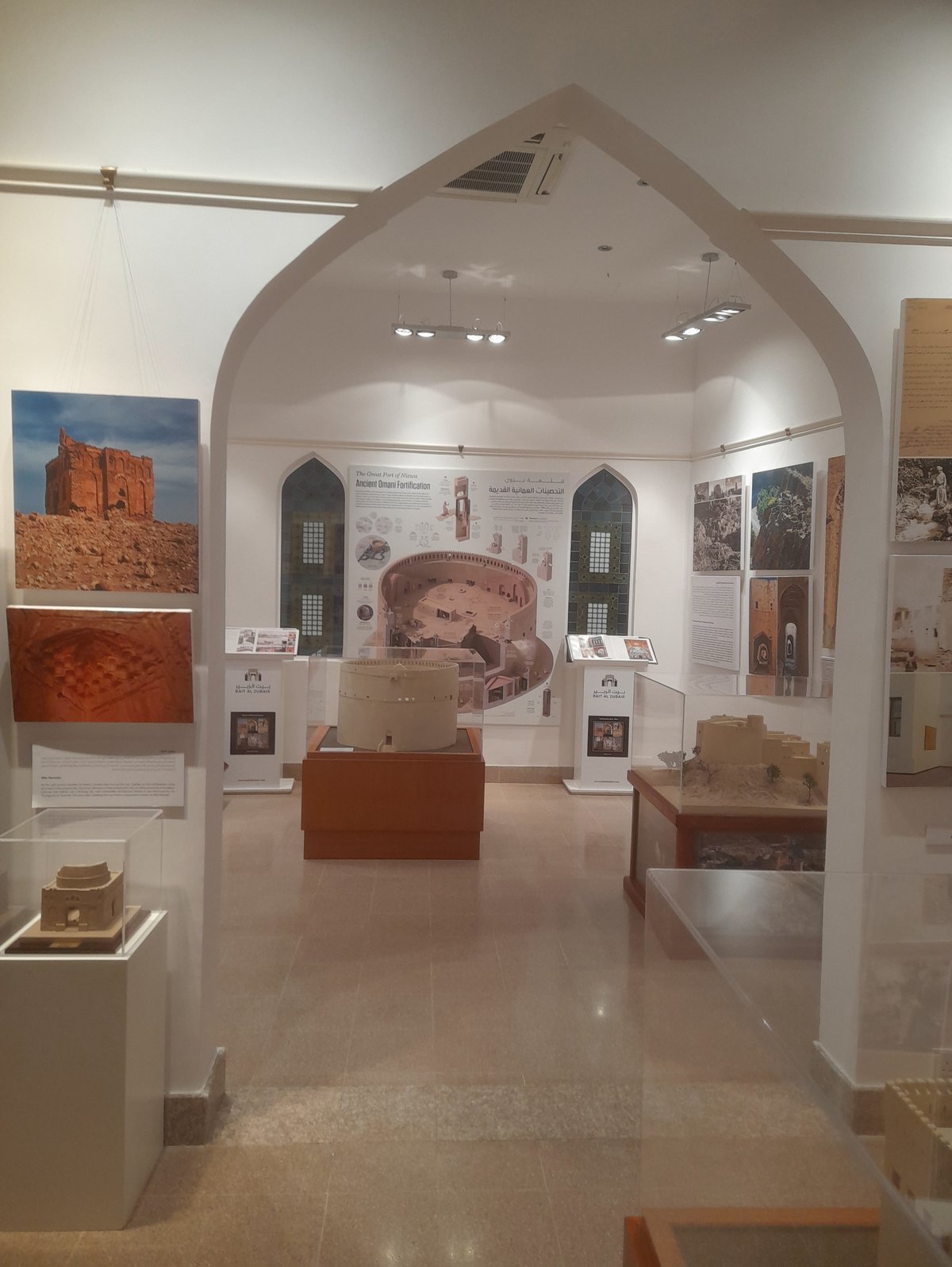
Decorative elements like geometric carvings and calligraphy adorn the interiors, while the falaj system and a replica watchtower on the grounds illustrate the ingenuity and defensive priorities of historic Oman (UNESCO Falaj).
Core Exhibits and Collections
Highlights
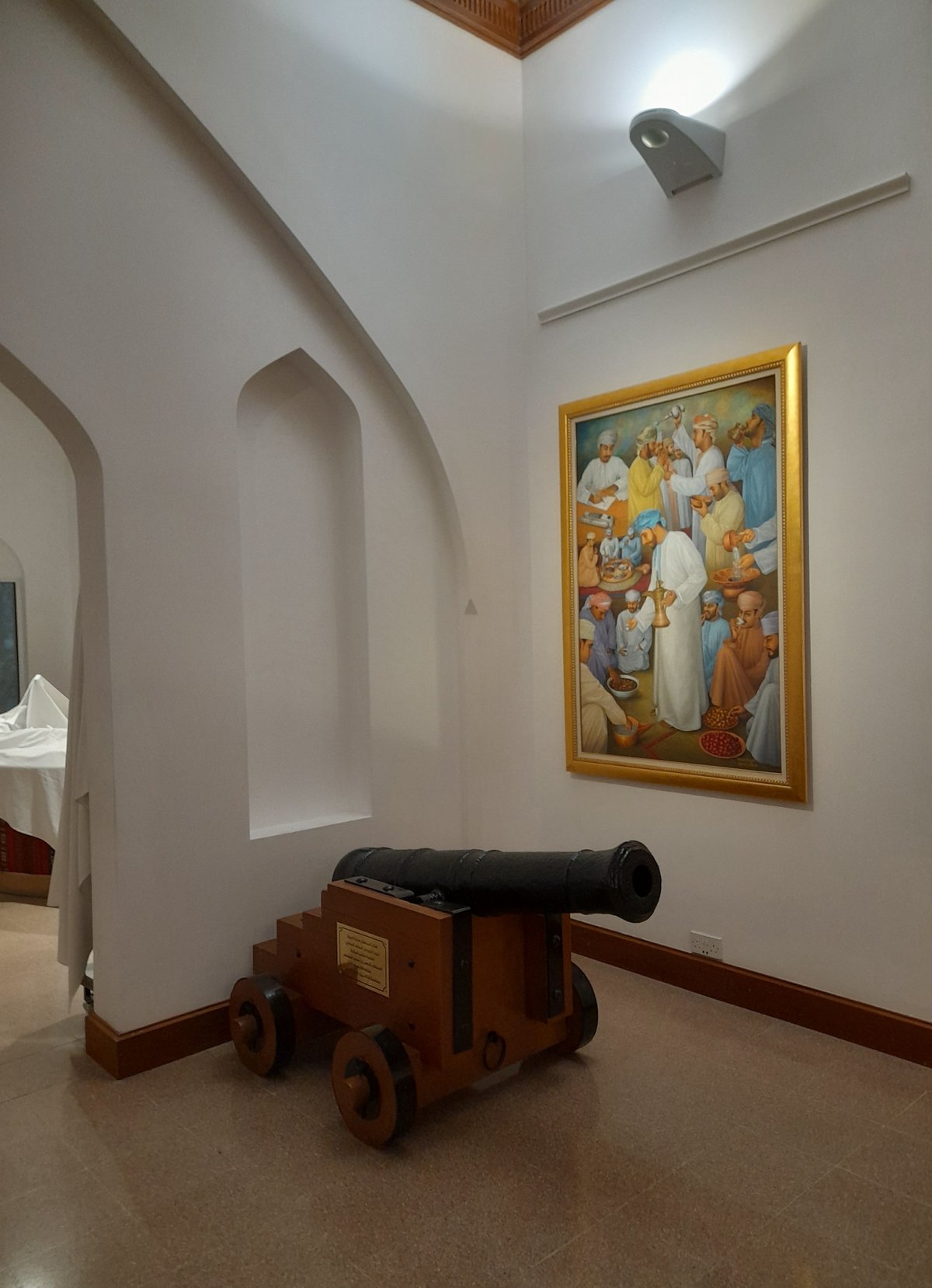
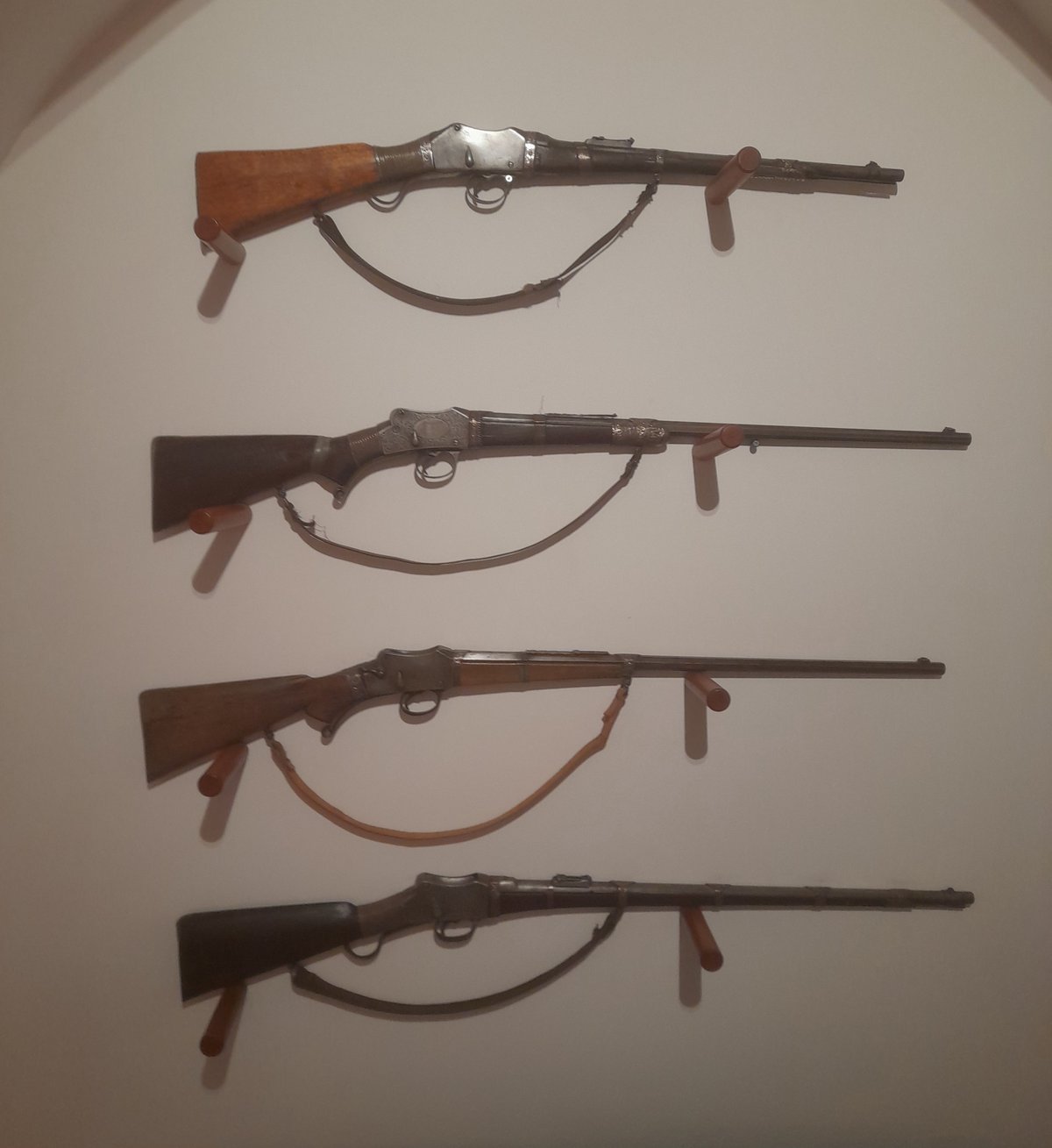
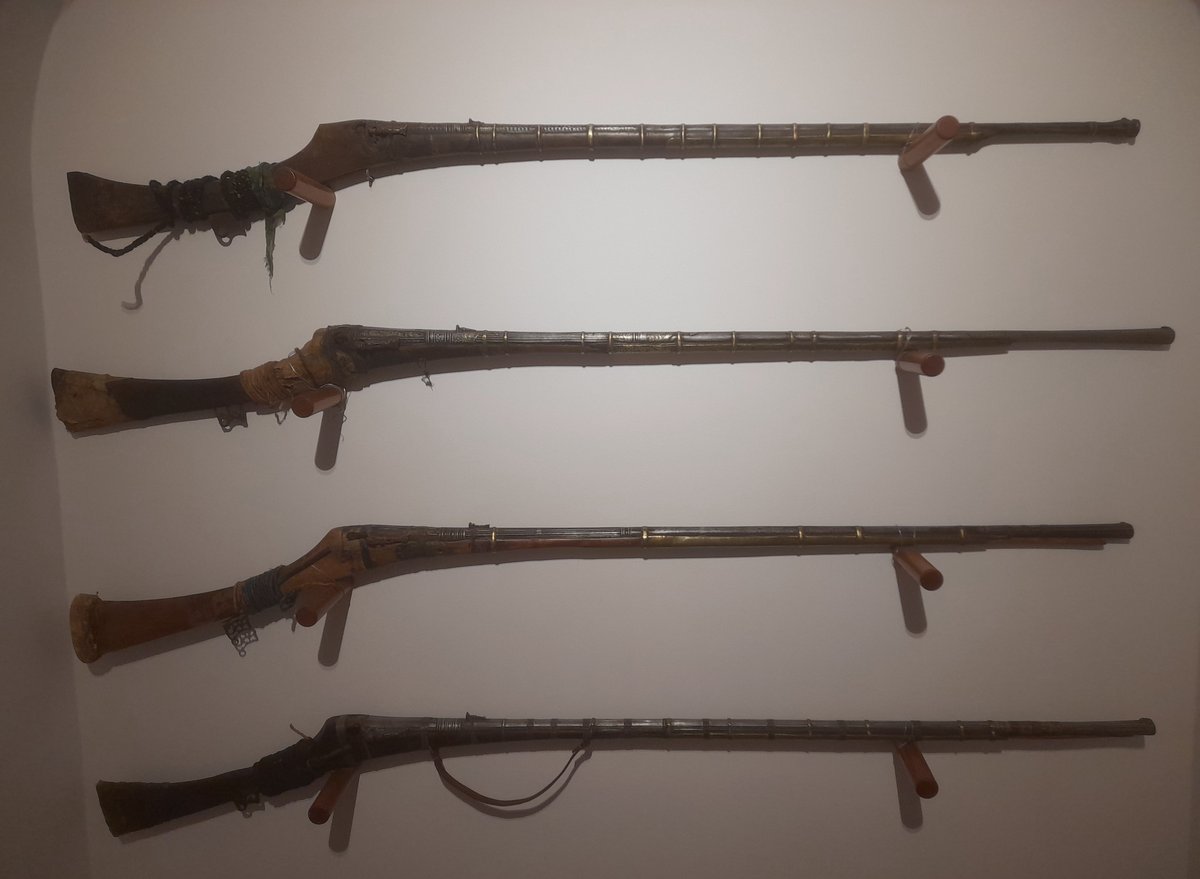
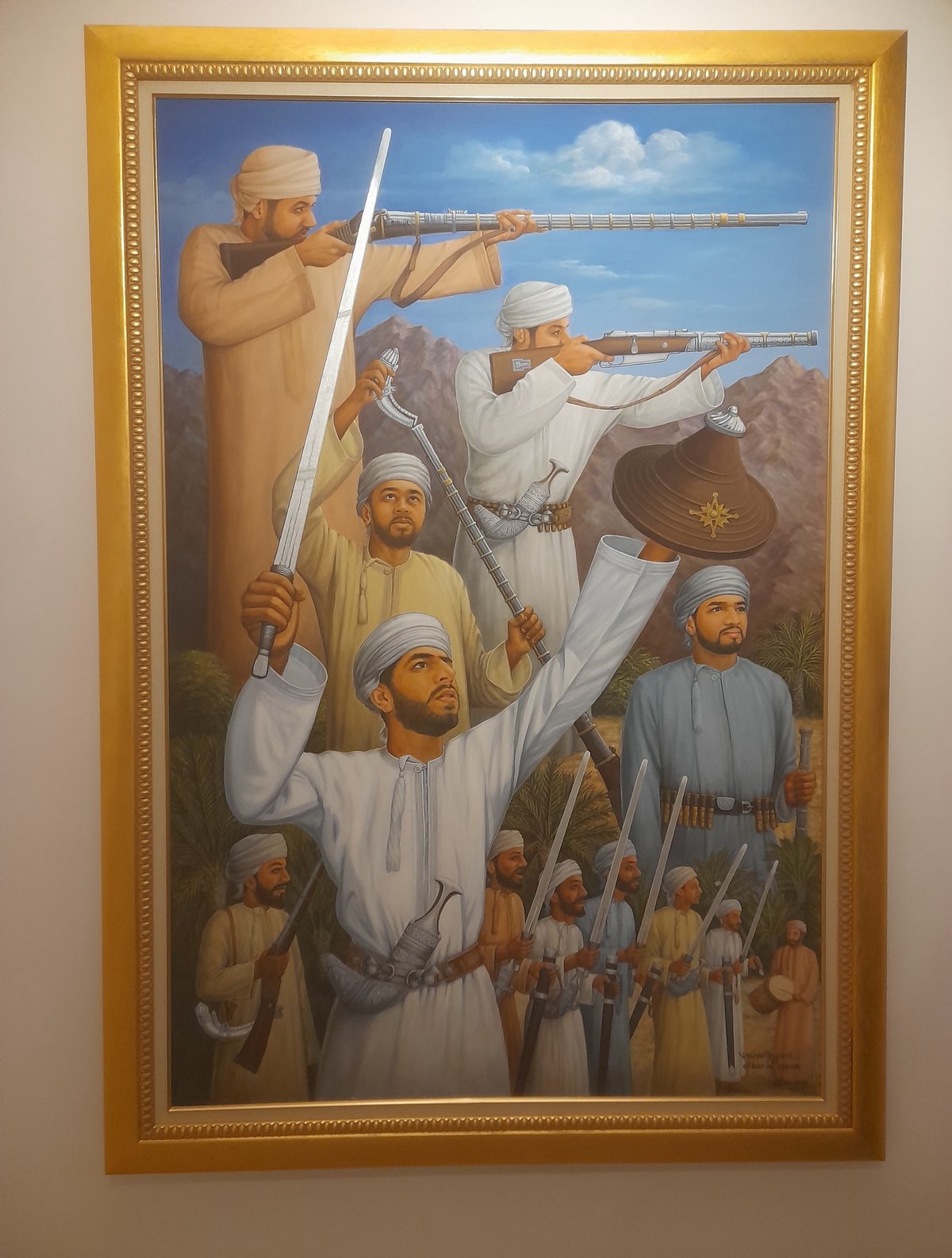
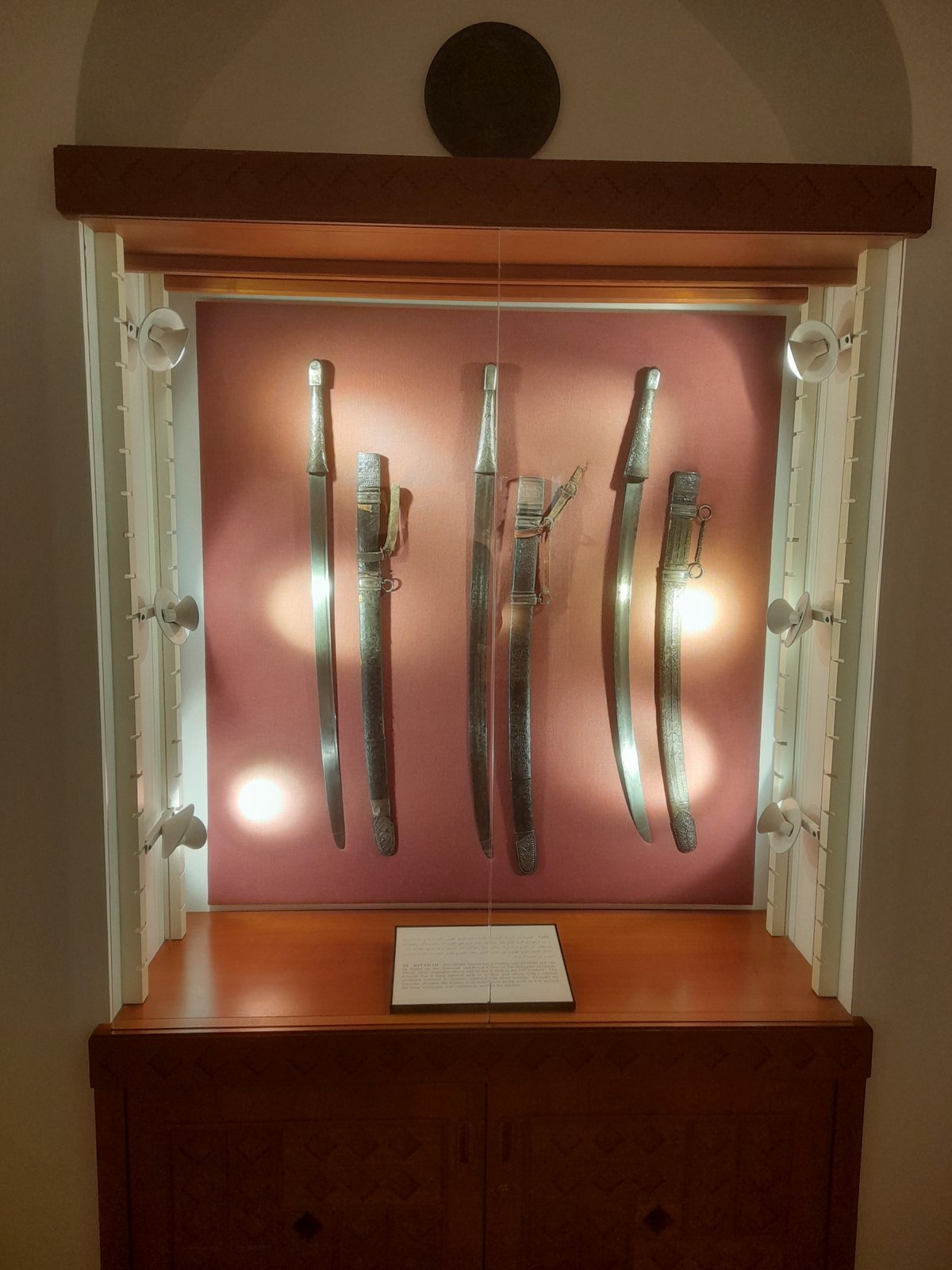
- Weaponry Khanjars (curved daggers), swords, rifles, and pistols, representing Omani martial heritage (Lonely Planet).
- Traditional Dress & Jewelry Regional costumes for men and women, ceremonial belts, prayer beads, and intricate silver adornments.
- Domestic Life Cooking utensils, pottery, handwoven textiles, and carved furniture.
- Maritime Heritage Model dhows, navigation tools, and pearling equipment.
- Manuscripts & Coins Illuminated Qur’ans, trade documents, and coins used in Oman and the wider region.
- Contemporary Art Rotating exhibitions of Omani artists and themed displays.
- Interactive Workshops Opportunities to engage in silverwork, weaving, and calligraphy.
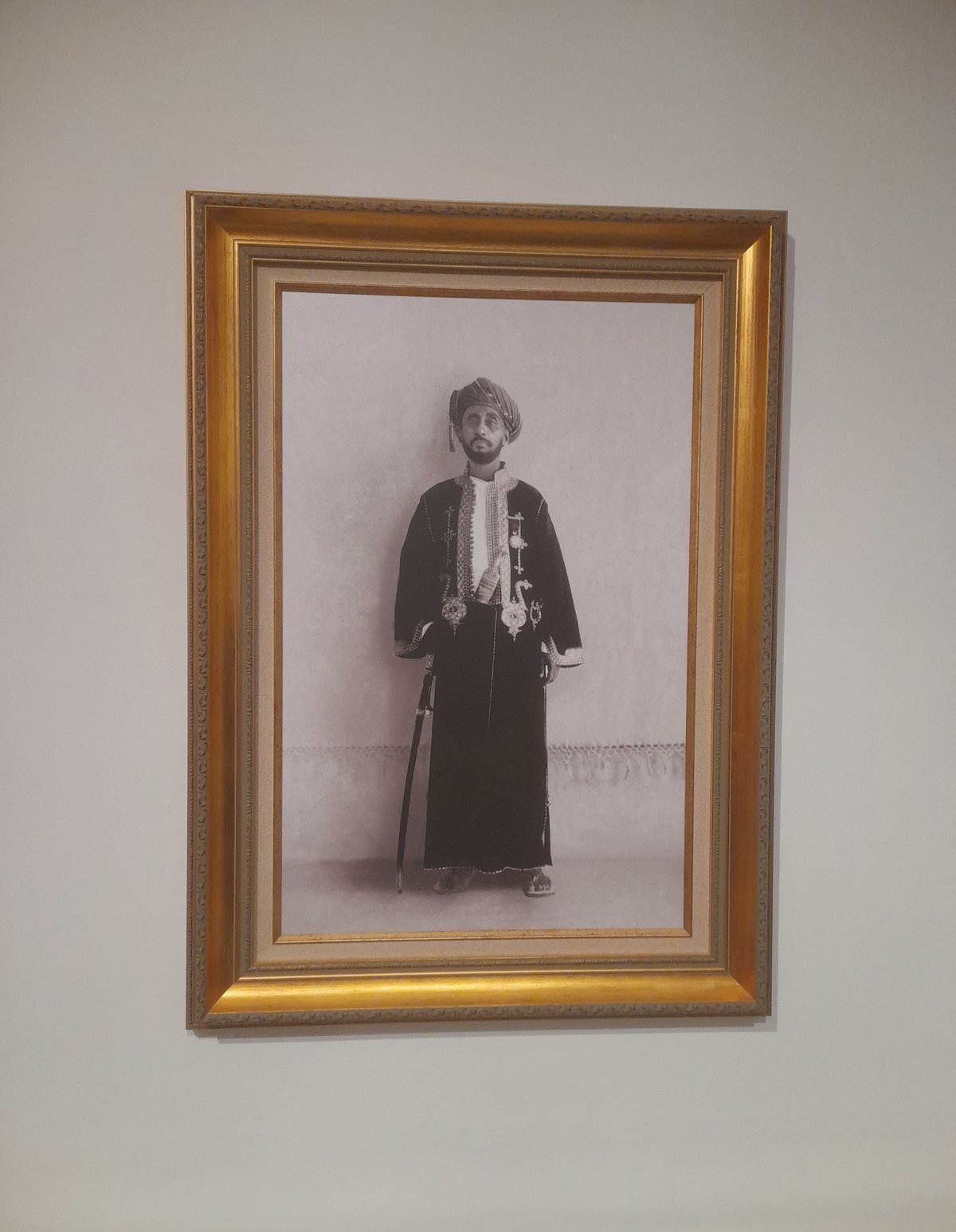
Special collections include the personal belongings and writings of Princess Sayyida Salma bint Sa’id al-Busa’idi, offering insights into the role of women in Omani and Arab history (Salalah Safari).
Educational and Community Initiatives
Bait Al Zubair Institute of Culture and Knowledge (BAZICK)
Launched in 2024, BAZICK aims to promote Arabic language and culture to non-native speakers and foster cross-cultural understanding within Oman. The Learning Center offers youth programs, school workshops, and curriculum-linked tours that connect students to Oman’s maritime and social heritage (Muscat Daily; Bait Al Zubair).
Supporting Omani Artists
Bait Al Zubair provides a vital platform for local artists and artisans, hosting exhibitions, demonstrations, and a dedicated gallery for contemporary works (TravelSetu).
Community Events
Annual festivals, public lectures, and cultural performances take place in the museum’s gardens and open-air venues, fostering a strong sense of community engagement (Salalah Safari).
Visitor Information: Hours, Tickets, Accessibility
Visiting Hours
- Saturday to Thursday 9:00 AM – 5:00 PM (some variations: up to 6:00 PM on occasion)
- Friday Closed or open in the afternoon (typically 3:00 PM – 7:00 PM during special periods)
- Public Holidays Check the official website for updates.
Tickets and Admission
- Adults 2–5 OMR (check for latest prices and special exhibitions)
- Children under 12 Free or discounted
- Omani Nationals Often free
- Group discounts Available
- Purchase At the entrance or online (Uniland Tours)
Accessibility
- Wheelchair ramps and elevators
- Accessible restrooms and parking
- Multilingual signage (Arabic & English)
- Contact ahead for special accommodation needs (Bait Al Zubair official site)
Facilities
- Café serving Omani refreshments (Uniland Tours)
- Gift shop with local crafts
- Rest areas and gardens for relaxation
- Guided tours and audio guides (My Guide Oman)
Practical Tips and Itinerary Suggestions
Getting There
- Location Al Saidiya Street, Old Muscat (Bait Al Zubair official site)
- Access By car or taxi (public transport limited)
- Parking Free and nearby
Visitor Flow and Best Time
- Duration Plan 1–2 hours for a relaxed visit (TripHobo)
- Best Months October–April (cooler weather)
- Best Time of Day Mornings for quiet and optimal photography (Salalah Safari)
Dress Code & Conduct
- Modest attire is recommended
- Photography without flash/tripods is permitted in most areas
- Respect cultural sensitivities, especially in religious or delicate exhibit spaces
Nearby Muscat Historical Sites
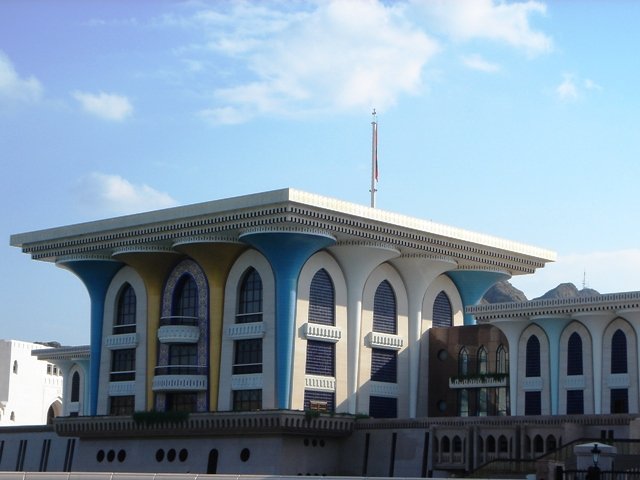
- Al Alam Palace (8-minute walk)
- Al Jalali & Al Mirani Forts
- National Museum of Oman
- Mutrah Souq & Corniche
- Muscat Gate Museum (10-minute walk) (Trek Zone)
FAQ
Q: What are the Bait Al Zubair Museum’s visiting hours?
A: Saturday to Thursday, 9:00 AM–5:00 PM; closed on Fridays (except special occasions).
Q: How much are tickets?
A: Adults 2–5 OMR; children and Omani nationals may enter free or at a discount.
Q: Is the museum accessible for wheelchair users?
A: Yes, with ramps, elevators, and accessible facilities.
Q: Can I buy tickets online?
A: Yes, online and at the entrance (Bait Al Zubair official site).
Q: Are photography and video allowed?
A: Yes, but without flash or tripods.
Q: Are there guided tours?
A: Yes, in Arabic and English. Audio guides are also available.
Q: What other historical sites are nearby?
A: Al Alam Palace, Mutrah Souq, National Museum of Oman, Al Jalali and Al Mirani Forts.