Plan and listen to Hovedbygningen with Audiala.
Audio guide in your pocket, itinerary in your browser. Built for the way you actually visit.
Introduction
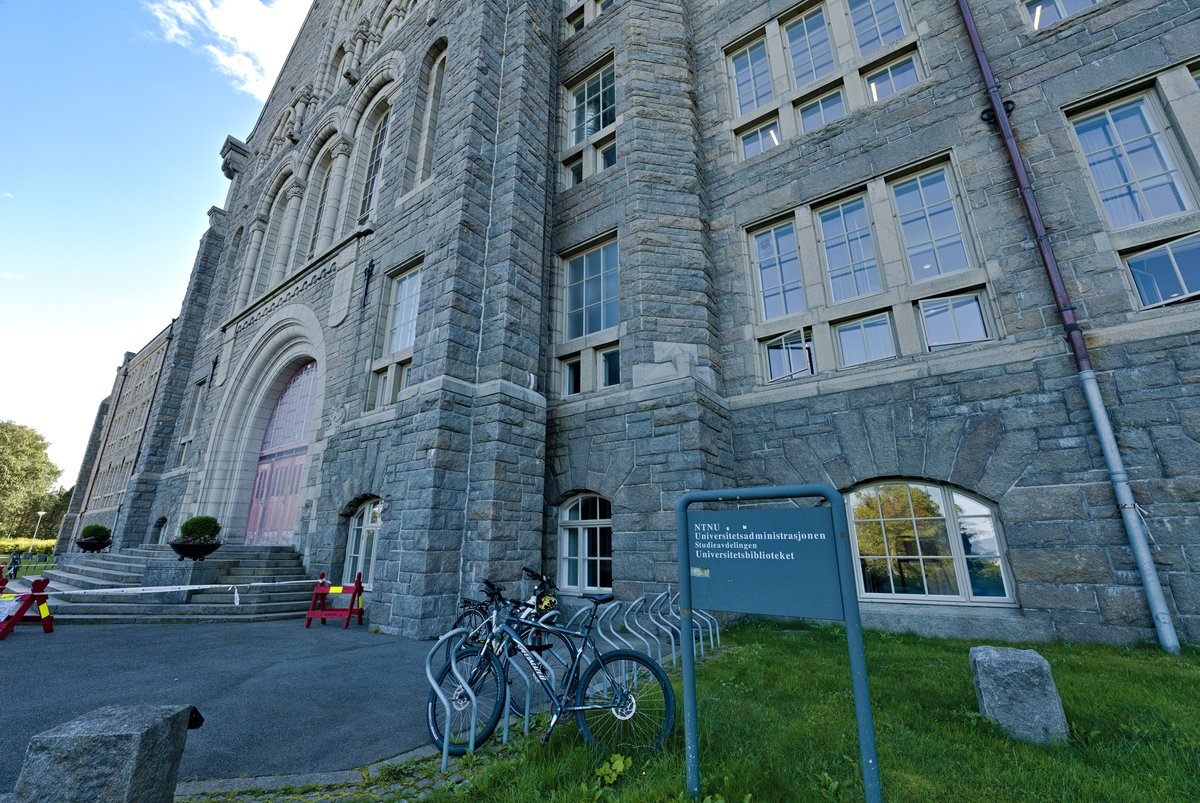
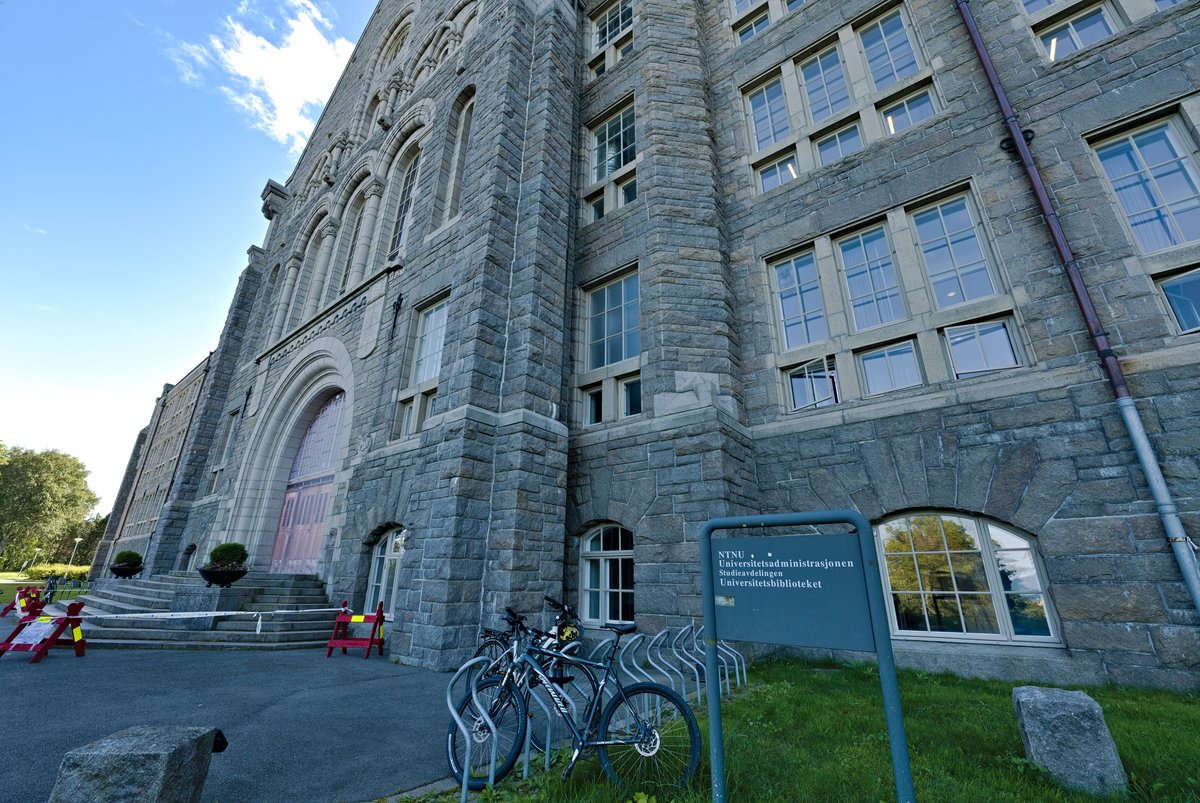
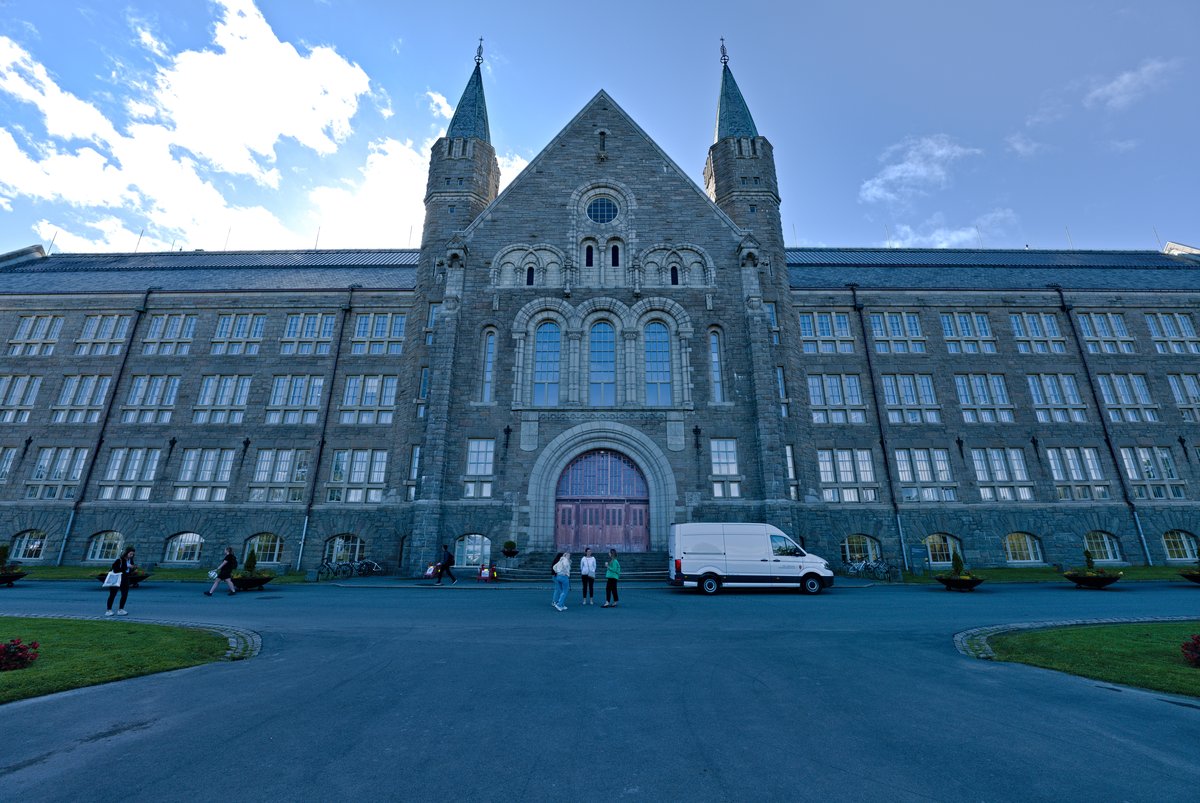
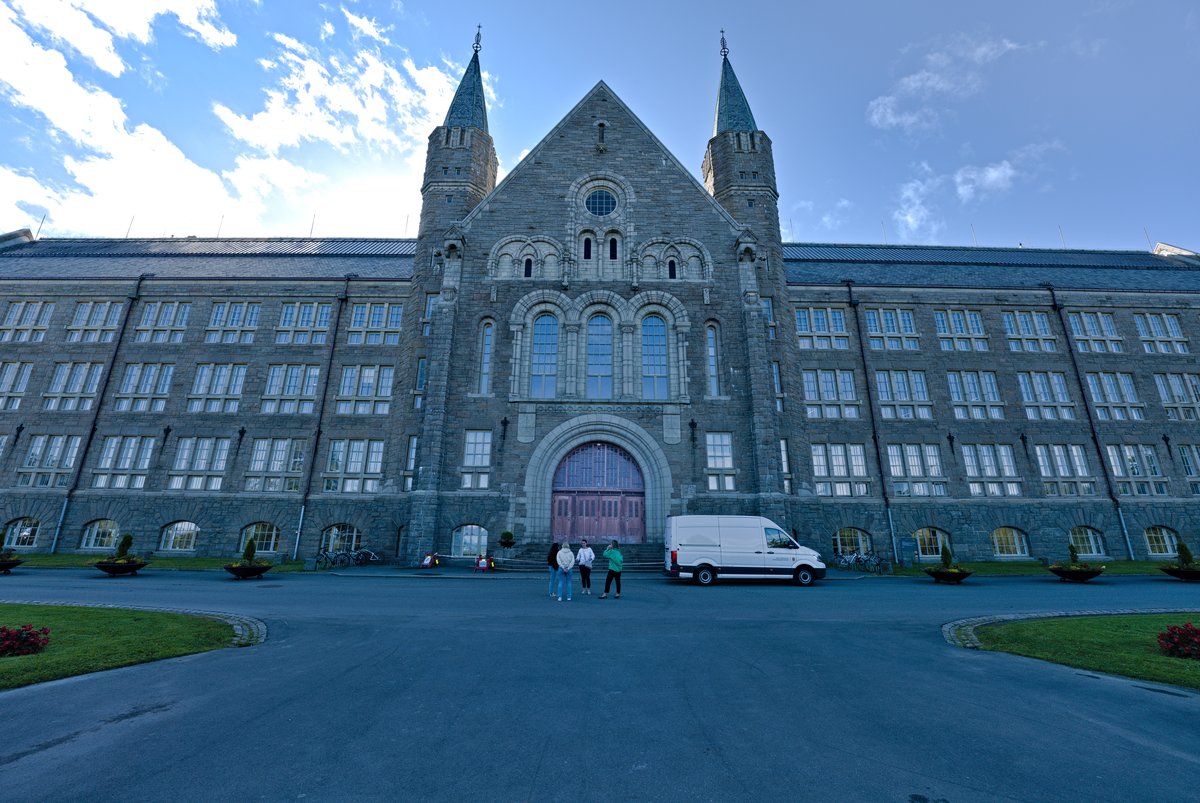
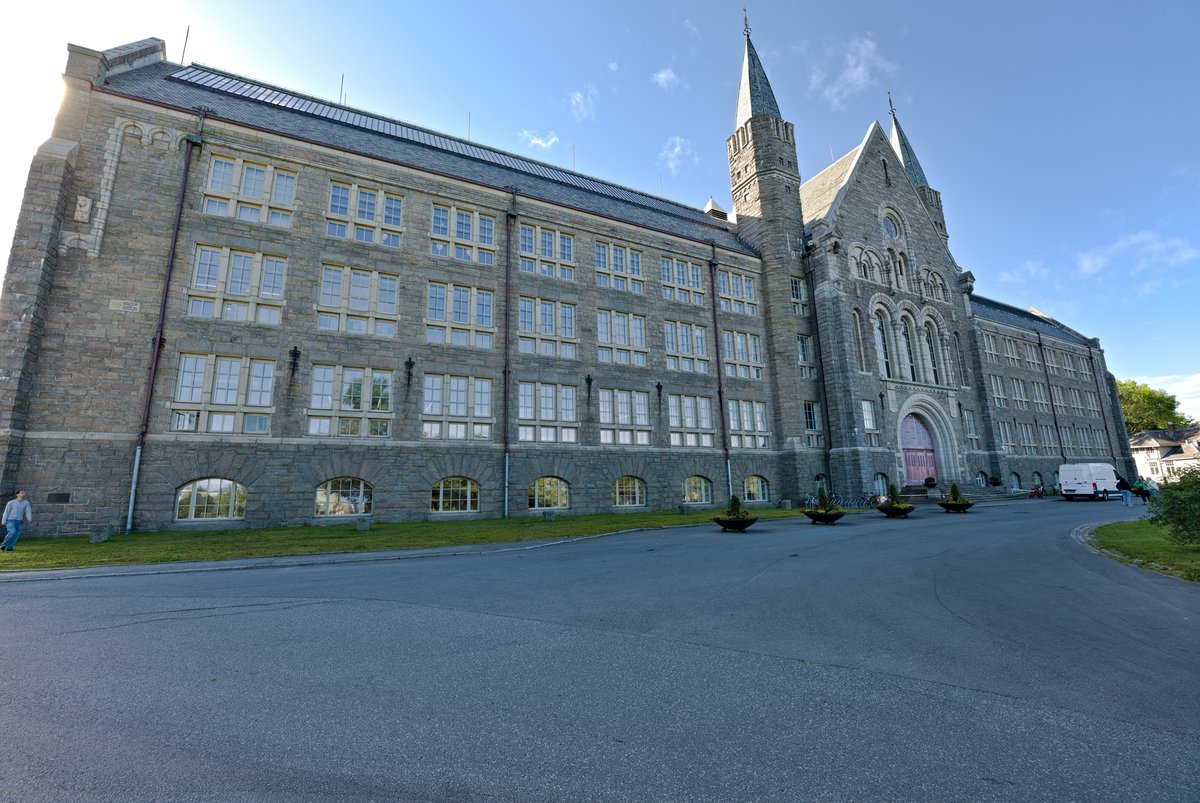
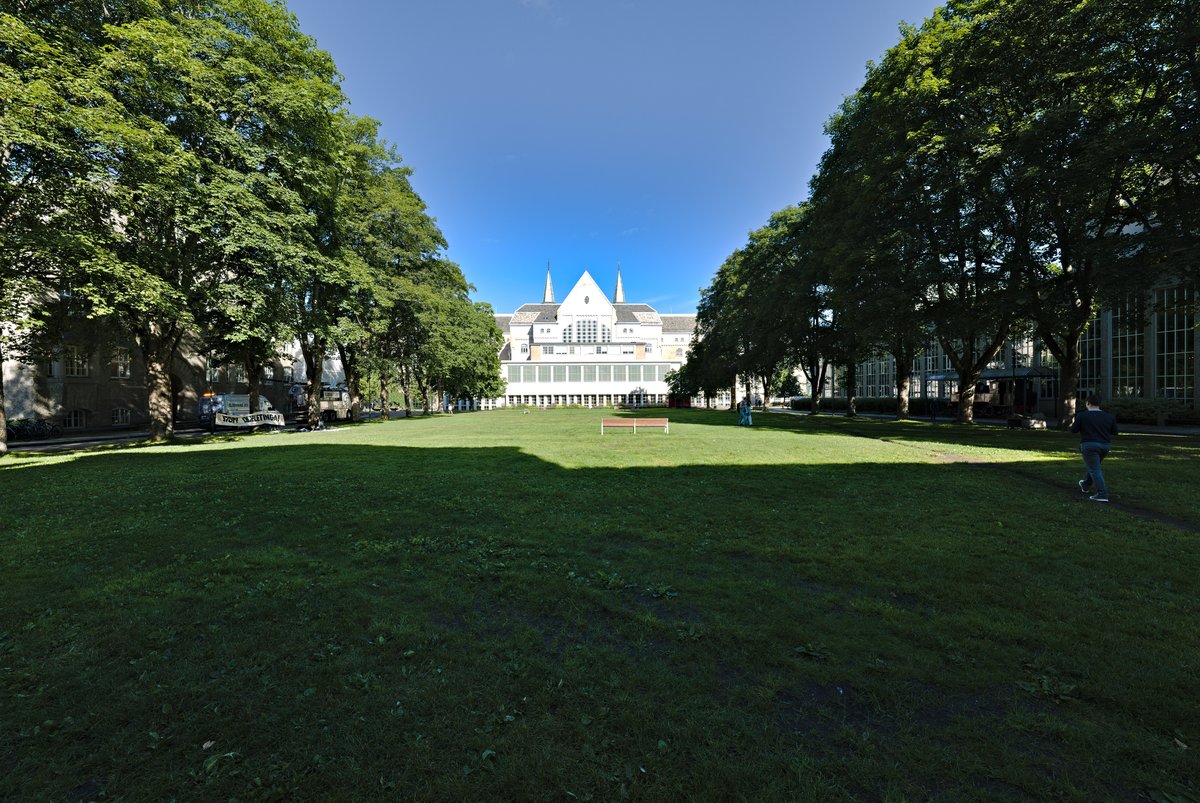
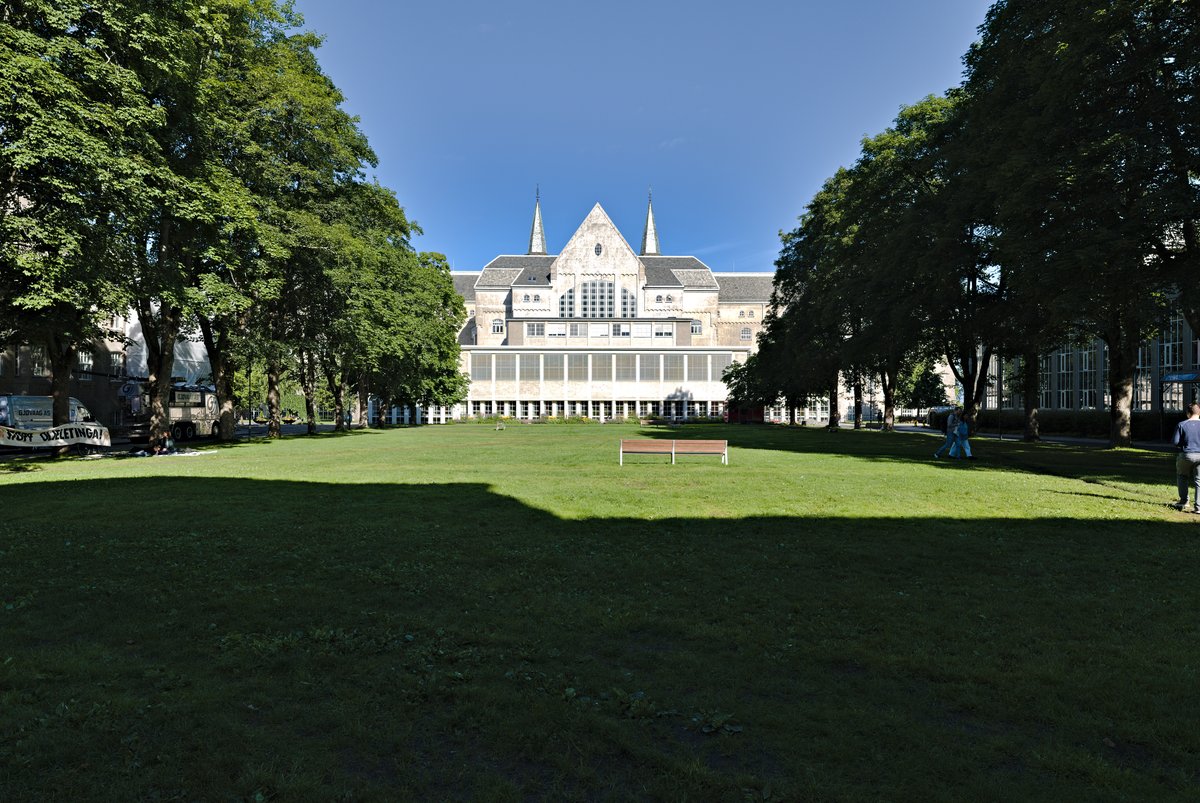
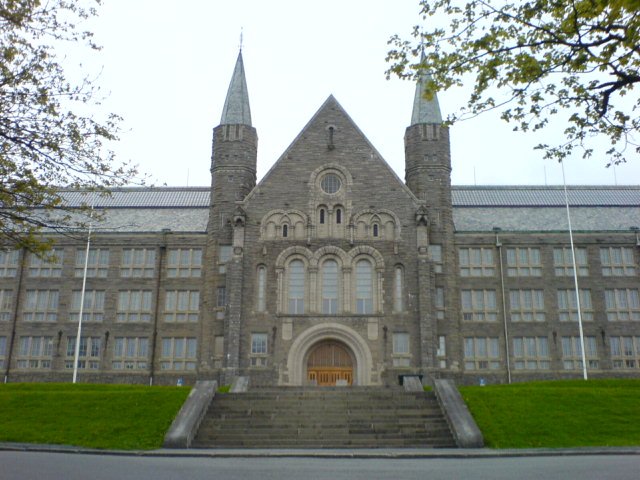
Hovedbygningen, or the Main Building, is a prominent landmark on the Norwegian University of Science and Technology (NTNU) campus in Trondheim, Norway. As a monument of early 20th-century Norwegian ambition and educational progress, Hovedbygningen embodies the city’s long-standing role as a center of knowledge, innovation, and national identity. Designed by architect Bredo Greve in the National Romantic style and completed between 1910 and 1915, its architecture draws inspiration from Trondheim’s medieval heritage, particularly the Nidaros Cathedral. Today, it stands not only as the heart of NTNU but also as a significant cultural and historical attraction for visitors to Trondheim (Wikipedia; Aroundus).
This detailed guide covers Hovedbygningen’s history, architecture, visitor information, and practical tips, helping you make the most of your visit to one of Trondheim’s most treasured symbols.

Historical Foundations and National Context
The establishment of Hovedbygningen is closely tied to Norway’s drive for technological advancement and national identity in the early 20th century. In 1900, after extensive debate, the Norwegian parliament resolved to situate the national college of technology in Trondheim. This move reflected both a desire to decentralize higher education and to recognize Trondheim’s established tradition of technical education (en.wikipedia.org). The chosen site, Gløshaugen plateau, provided a commanding view over the city and fjord, symbolizing the institution's prominence (no.wikipedia.org).
Architectural Competition and Design
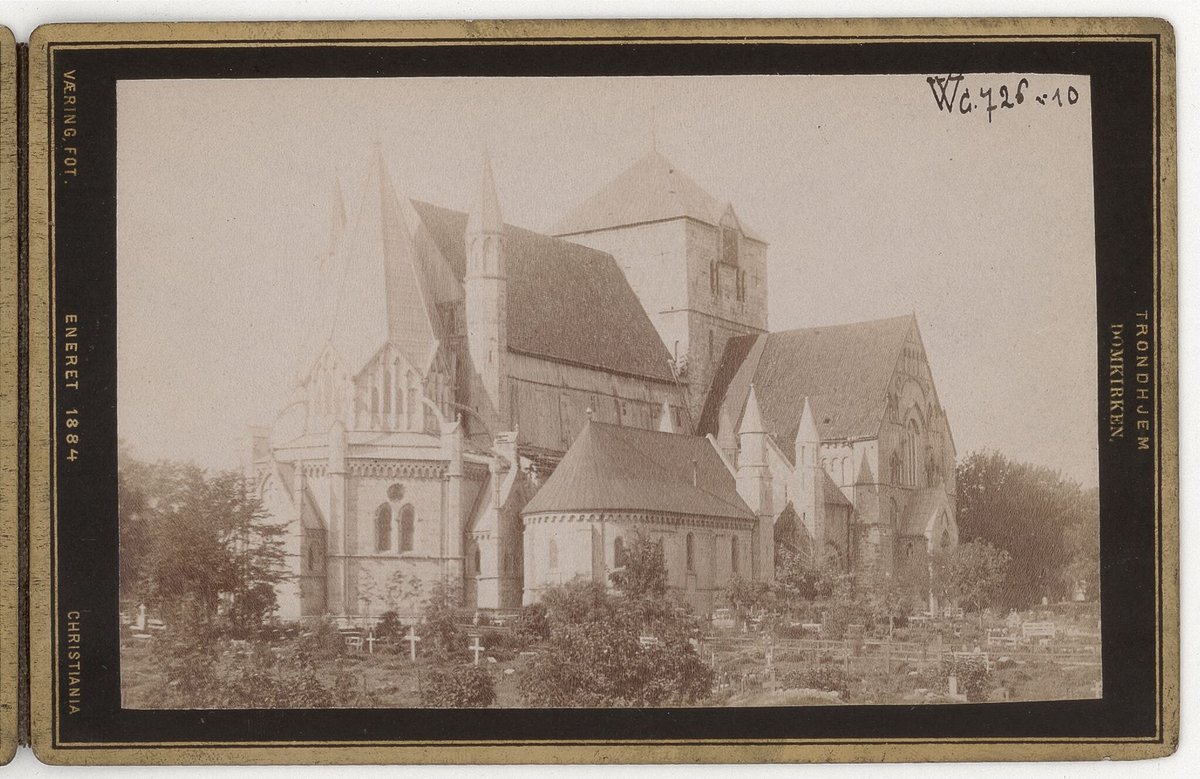
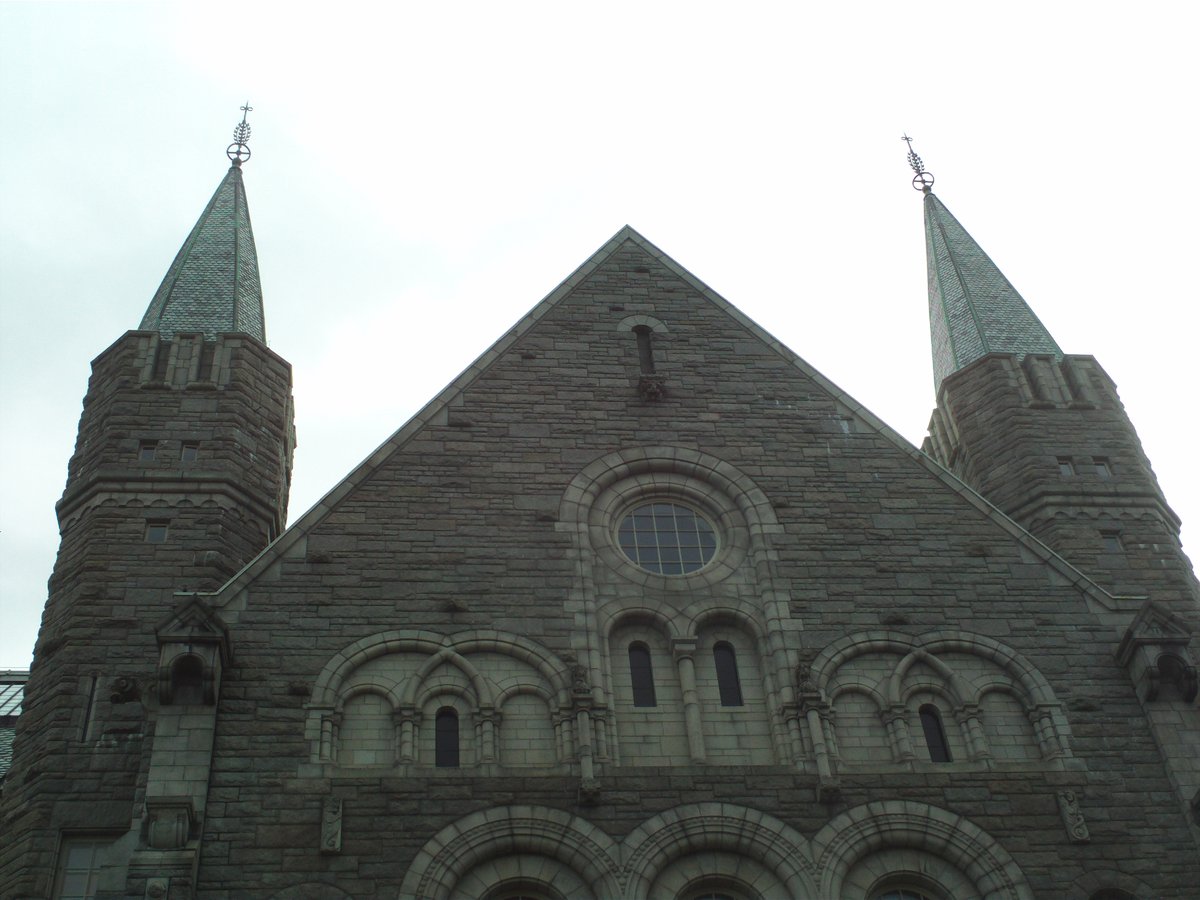
An architectural competition defined the vision for Hovedbygningen. Architect Bredo Greve’s winning entry, “Vis à vis Domkirken” (“Facing the Cathedral”), created a deliberate dialogue with Nidaros Cathedral. Greve’s design, rooted in the National Romantic style, integrated medieval and Norwegian folk motifs in both the exterior and interior, establishing a strong visual and symbolic connection to Trondheim’s historical identity (no.wikipedia.org). Construction began in 1906, with the northern wing completed for the 1910 opening of the Norwegian Institute of Technology and the southern wing finished in 1915 (aroundus.com).
Construction and Technical Features
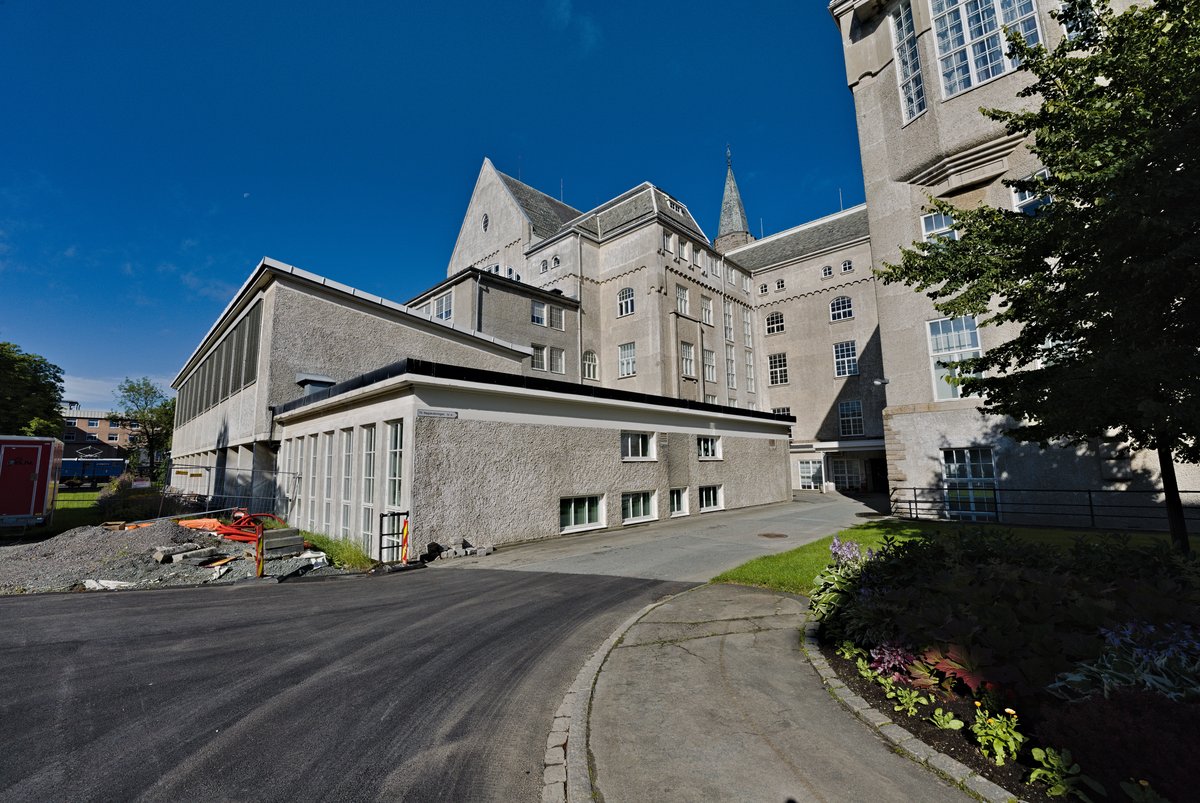
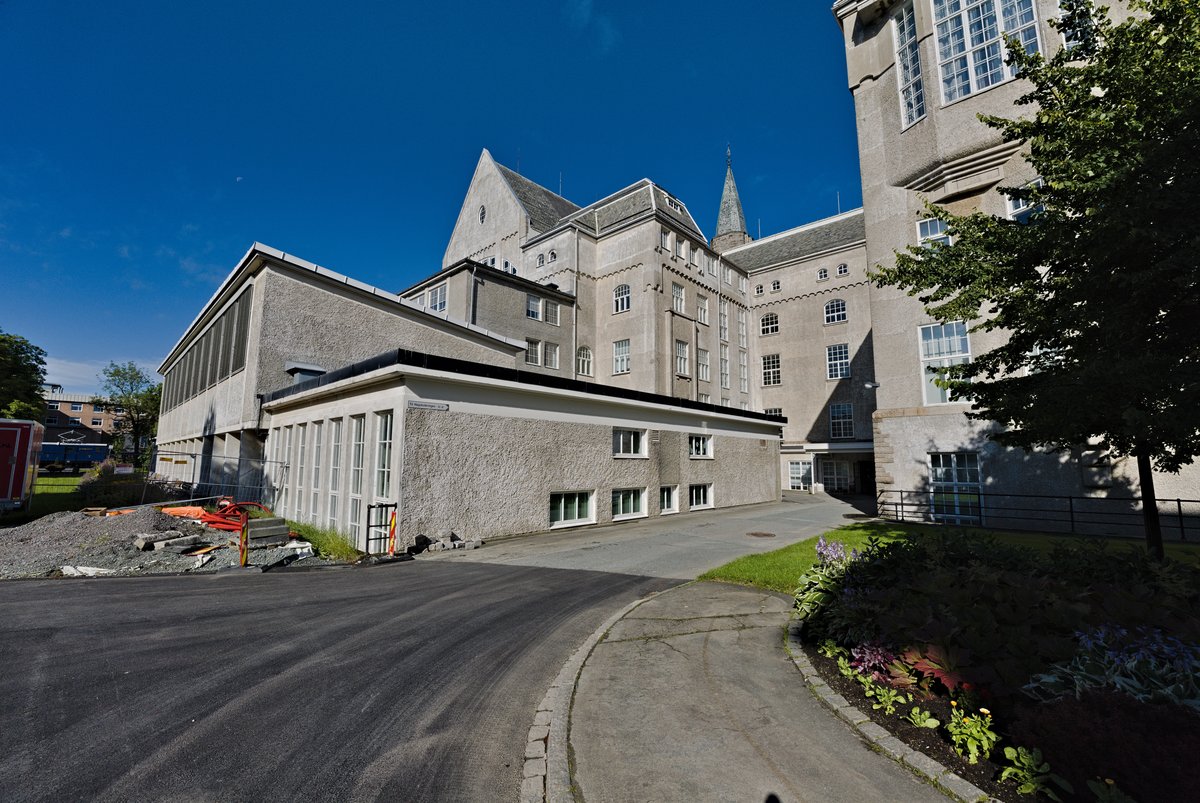
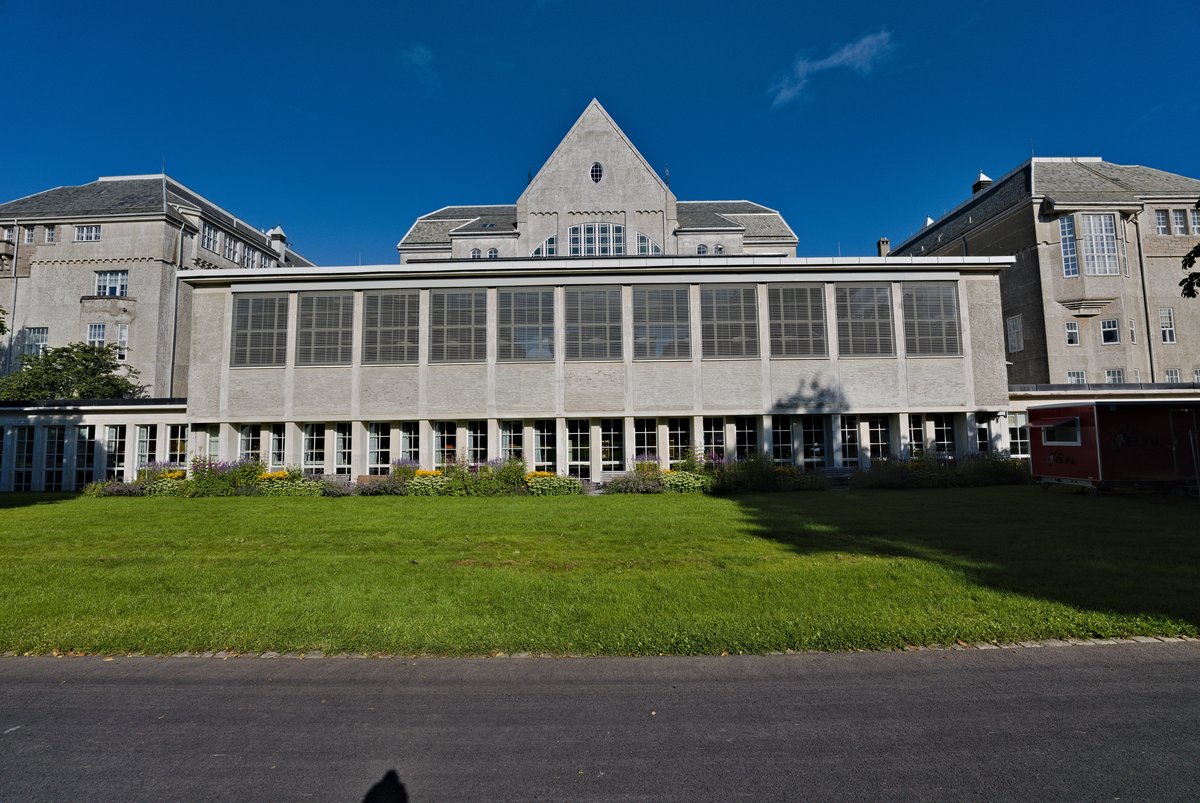
Hovedbygningen’s construction was marked by technical innovation and attention to detail. Built primarily of granite with a slate-covered wooden roof, the structure features fireproof concrete floors and iron-supported vaults. The main entrance, adorned with granite panels, displays symbols representing engineering and architecture (aroundus.com). Skylights maximize attic space, and the interior showcases mural paintings, ironwork, and ornamental details inspired by Norwegian folk art.
Symbolism and Significance
Hovedbygningen was conceived as more than just an academic building—it is a national symbol. Its positioning on the Gløshaugen plateau, facing both the city and the fjord, reflects Norway’s aspirations for cultural independence and international stature (no.wikipedia.org). The building’s monumental façade and symbolic references to Nidaros Cathedral bridge Norway’s medieval legacy with its modern ambitions.
Hovedbygningen’s Role in Trondheim’s Academic Life
After its inauguration, Hovedbygningen became the nucleus of the Norwegian Institute of Technology and, later, NTNU. It has long housed auditoriums, meeting rooms, the university library, and administrative offices. Over time, the campus expanded, but Hovedbygningen remained the architectural and symbolic centerpiece (ntnu.edu). Today, it continues to host major academic ceremonies, cultural events, and the offices of NTNU’s rector.
Preservation and Modernization
Recognizing its historical value, Hovedbygningen was officially protected in 1994 (no.wikipedia.org). Recent modernization efforts have enhanced accessibility—with ramps, elevators, and updated facilities—while respecting its protected status. The library now serves both technology and humanities disciplines, reflecting NTNU’s interdisciplinary focus (ntnu.no).
Visitor Information: Hours, Tickets, and Accessibility
- Location: Høgskoleringen 1, 7034 Trondheim, Norway (Gløshaugen campus, ~1.5 km from city center)
- Public Transport: Accessible via AtB bus lines 5, 22, and 63 from Trondheim city center (Life in Norway)
- Parking: Limited on campus; public transport or walking recommended
Visiting Hours
- Monday–Friday: 8:00 AM – 6:00 PM
- Weekends and holidays: Limited access; check NTNU’s visitor page for current info
Tickets and Entry
- Free entry to public areas
- Guided tours: Available during peak seasons (advance booking and modest fee may apply)
- Some special exhibitions or events may require tickets
Accessibility
- Wheelchair accessible with ramps and elevators
- Accessible restrooms available
- Assistance can be arranged with advance notice (NTNU Accessibility)
Photography
- Allowed in most public areas—no flash or tripods in official spaces
Highlights and Nearby Attractions
- The Aula: Grand ceremonial hall renowned for architecture and acoustics
- Panoramic Views: From Gløshaugen hill, enjoy vistas of Trondheim, Nidelva river, and Trondheimsfjord
- Campus Art: Contemporary sculptures and installations
- Nearby Landmarks:
- Nidaros Cathedral: Norway’s national sanctuary (Visit Norway)
- Archbishop’s Palace: Medieval residence and museum
- Bakklandet: Historic district with colorful wooden houses and cafés
- Old Town Bridge: Iconic spot for river views
Events and Activities
- Academic Ceremonies: Graduations, honorary degree presentations
- Public Lectures: Featuring prominent speakers
- Concerts: Aula’s acoustics make it a premier venue
- Festivals: Hosts events during St. Olav Festival and Trøndelag Food Festival (Life in Norway)
Check the NTNU events calendar for up-to-date listings.
Travel Tips
- Combine Visits: Pair Hovedbygningen with Nidaros Cathedral and Bakklandet for a well-rounded experience
- Best Time: Spring and summer (May–August) offer pleasant weather and vibrant campus life (Destination Abroad)
- Photography: Morning and late afternoon light are ideal
- Student Cafés: Enjoy affordable Norwegian pastries and coffee on campus
- Check for Events: Some areas may be closed during academic functions
Frequently Asked Questions (FAQ)
Q: What are the main visiting hours?
A: Monday–Friday, 8:00 AM–6:00 PM. Weekend hours may vary; check the NTNU visitor page.
Q: Is there an admission fee?
A: Entry to public areas is free. Special events and guided tours may require a ticket or registration.
Q: Is Hovedbygningen accessible for people with disabilities?
A: Yes, with ramps, elevators, and accessible restrooms.
Q: Are guided tours available?
A: Yes, especially during peak tourist seasons and university open days. Check NTNU’s website for availability.
Q: What public transport options are available?
A: Bus lines 5, 22, and 63 from the city center serve the Gløshaugen campus.
Q: What nearby attractions should I visit?
A: Nidaros Cathedral, Archbishop’s Palace, Bakklandet, and the Old Town Bridge.
Listen to the full story in the app
The whole Hovedbygningen,
told well.
Audio guides for 1,100+ cities across 96 countries. History, stories, and local insight — offline ready.
Verified, and shown.
Researched and written by the Audiala editorial team from historical records, architectural archives, and local expertise.
Researched from Wikidata, Wikipedia & official sources · fact-checked · How we make our guides →