Plan and listen to Wessels Plass with Audiala.
Audio guide in your pocket, itinerary in your browser. Built for the way you actually visit.
Introduction
Wessels Plass is a historic urban square in the heart of Oslo, Norway, seamlessly blending the city’s rich literary, political, and architectural heritage with modern urban life. Named after the celebrated poet Johan Herman Wessel, the square is a testament to Norway’s appreciation for culture, democracy, and public engagement. This guide provides a thorough overview of Wessels Plass, including its history, cultural and political significance, architectural highlights, practical visitor information, transportation options, and tips for making the most of your visit (Oppdag Kvadraturen, Visit Oslo, Wikipedia).


Historical Background
Origins and Evolution
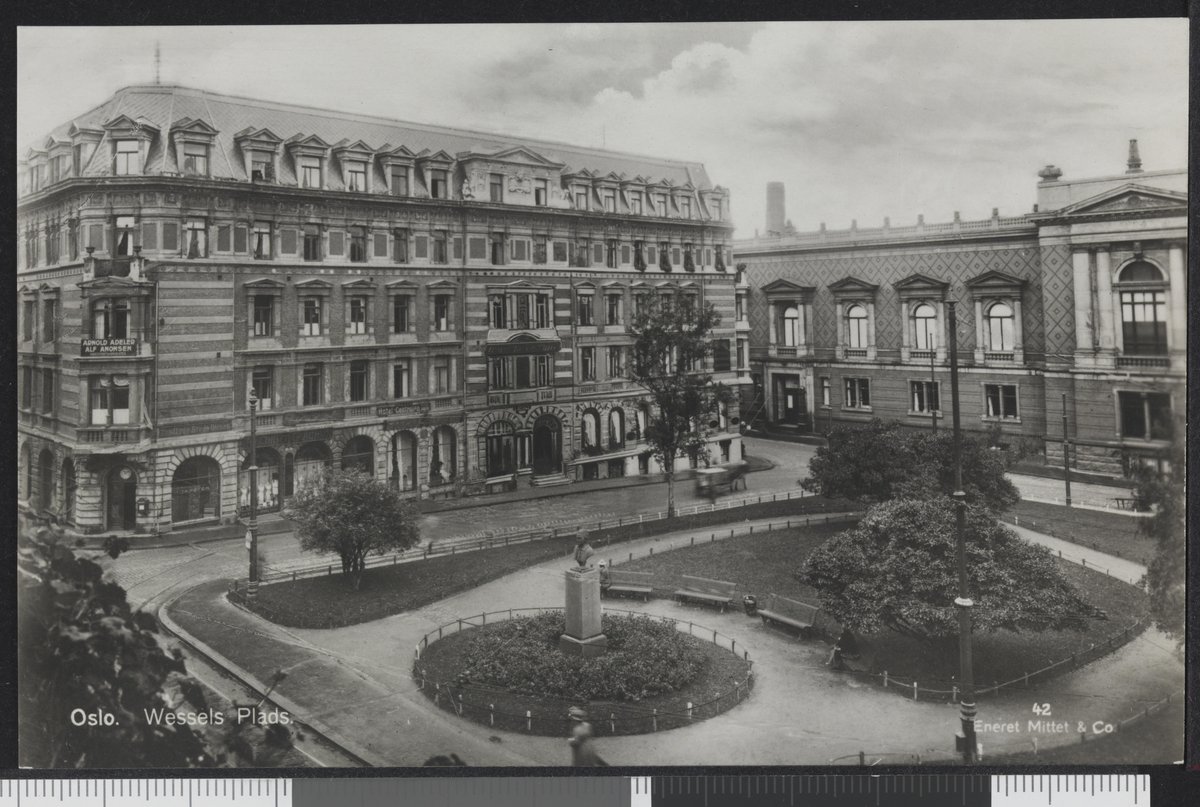
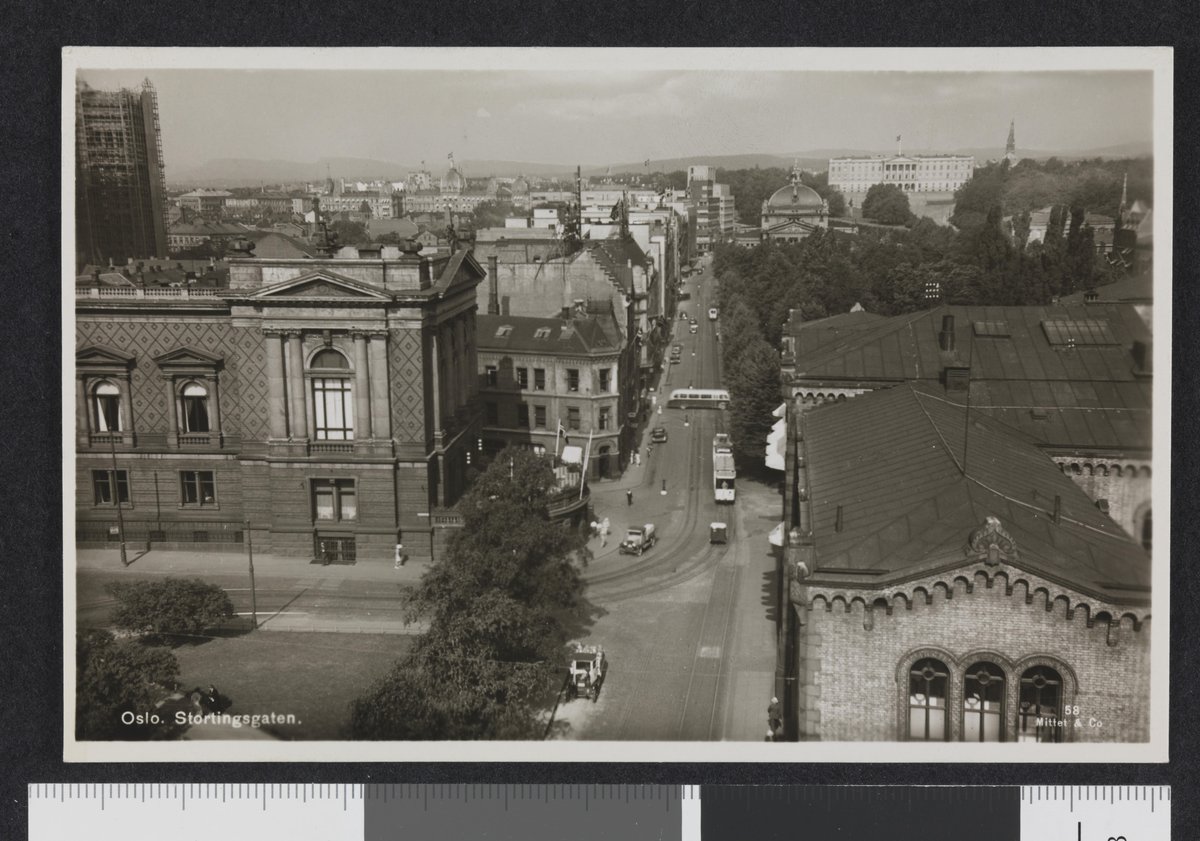
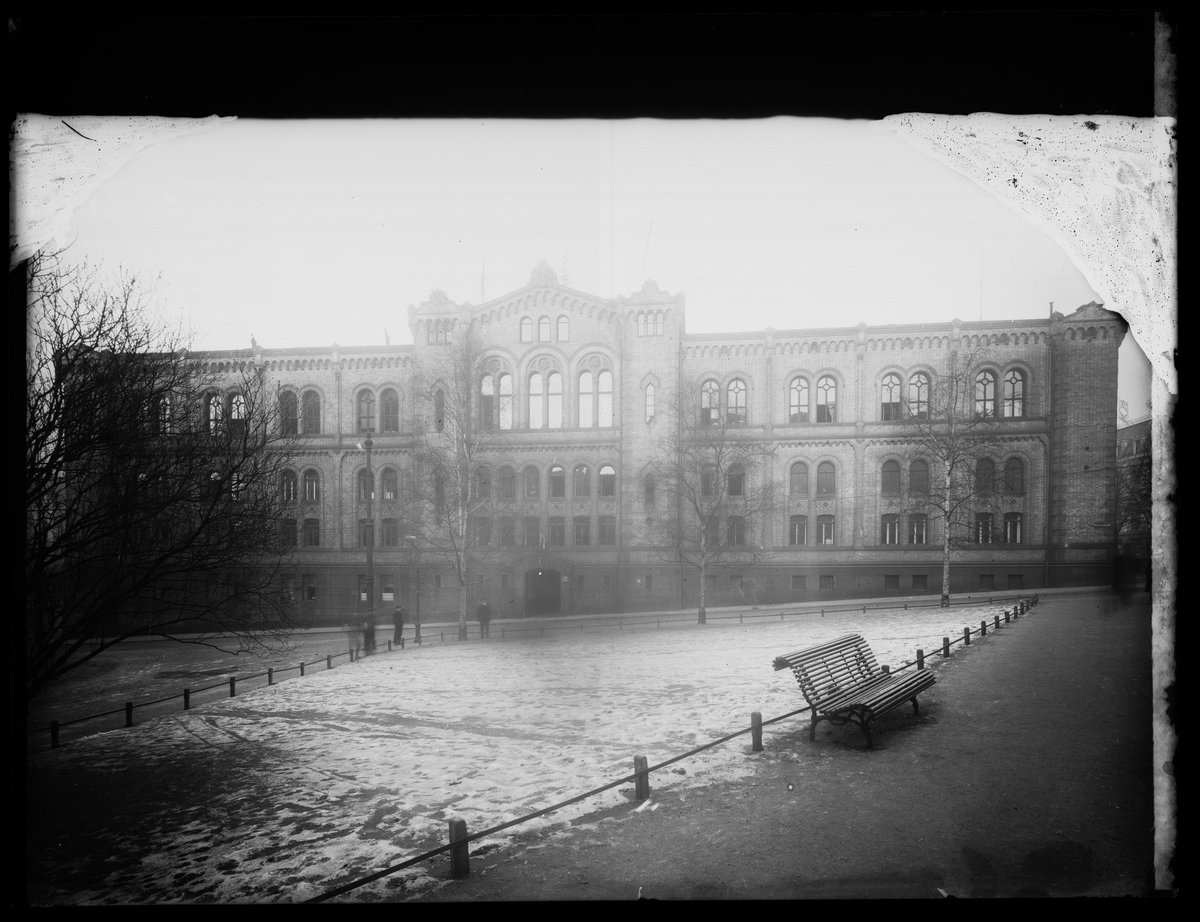
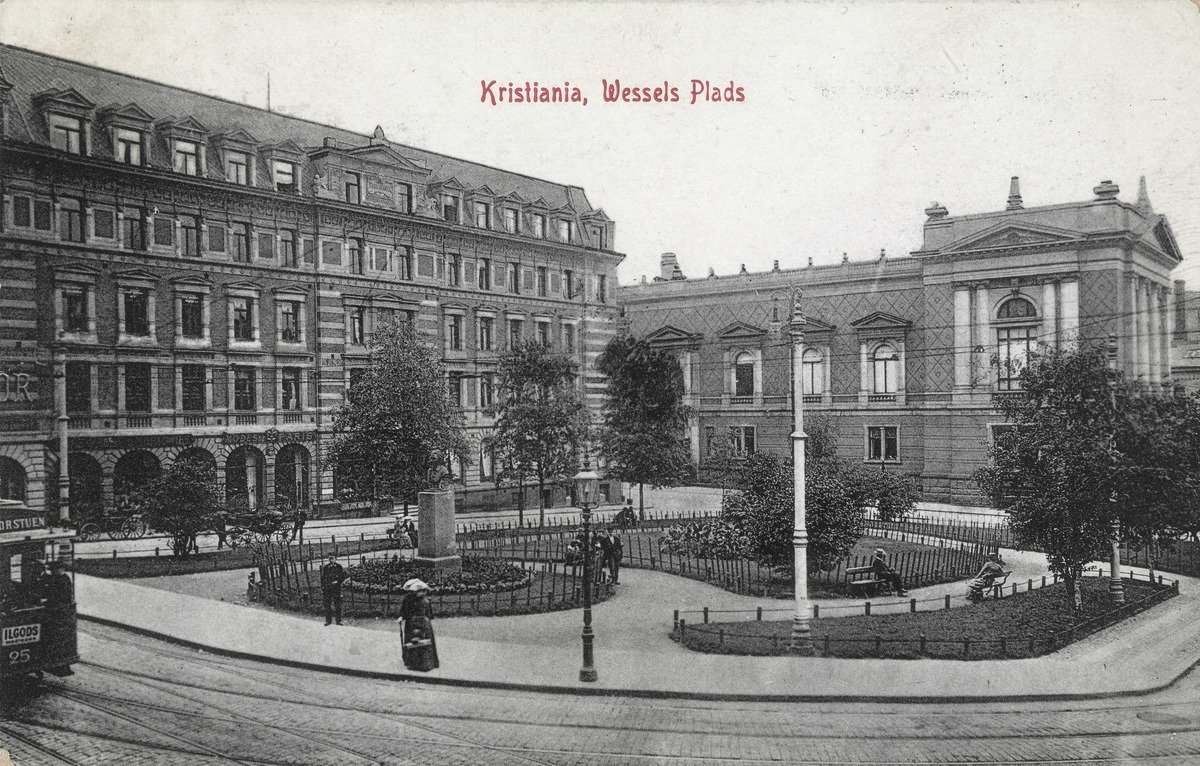
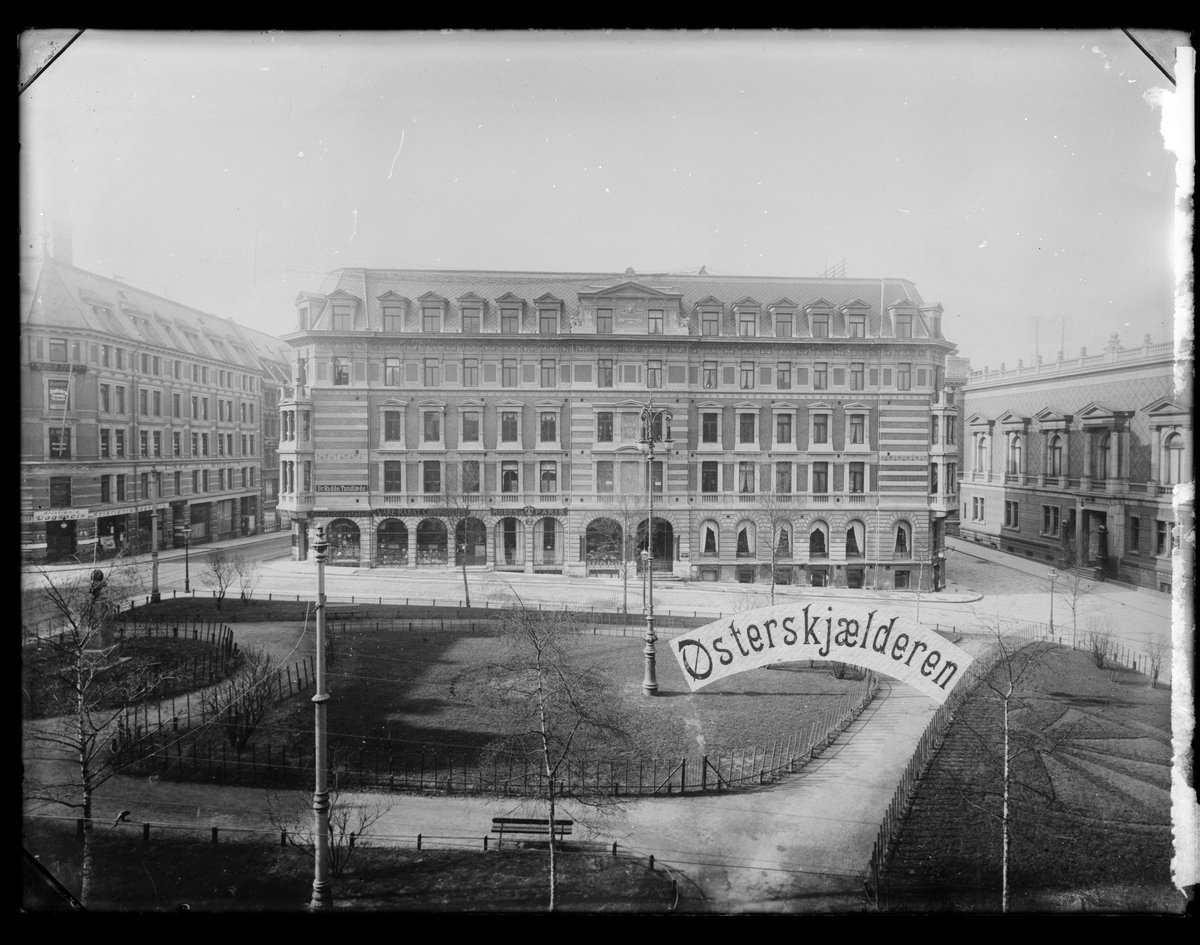
Wessels Plass occupies land that was once part of Oslo’s old city fortifications, originally known as “Bukkebjerget.” It later became the private estate of fideikommissarius Huitfeldt, famous for its house and garden called “Madame Hammers gård.” In 1873, the municipality acquired the property, demolished the existing structures, and leveled the rocky knoll to develop a public square. By 1880, a park-like space emerged, symbolizing Oslo’s commitment to modernization and accessible urban design (Oppdag Kvadraturen).
Naming and Commemoration
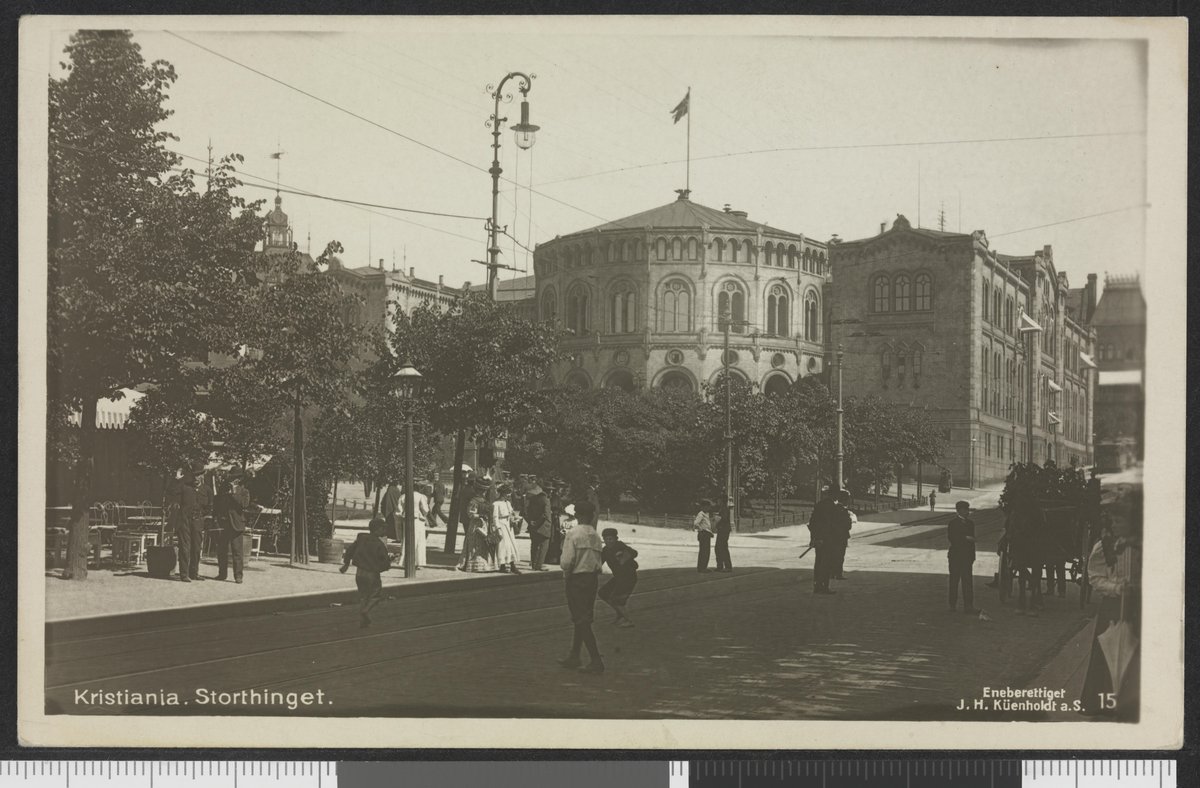
The square was initially called Stortingspladsen due to its proximity to the Parliament (Stortinget), but was renamed Wessels Plass in 1891 to honor Johan Herman Wessel (1742–1785), a key figure in Norwegian-Danish literature. That same year, a bronze bust of Wessel was unveiled; later, in 1964, a statue of Johan Sverdrup, Norway’s first parliamentary prime minister, was added, reinforcing the square’s importance as a space of national memory (Wikipedia).
Cultural and Political Significance
Literary Heritage
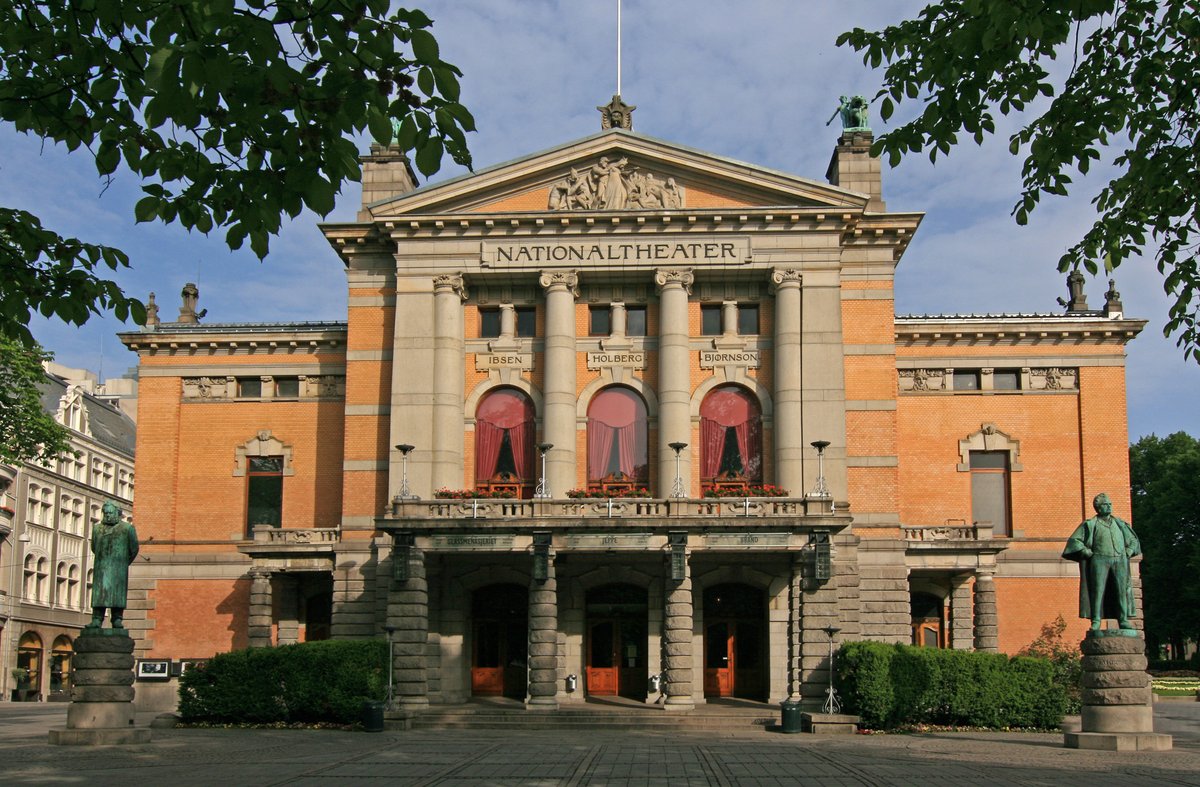
Wessels Plass celebrates Norway’s literary tradition, with Wessel’s legacy recognized through public art and commemorative plaques. The district is home to several cultural institutions, including the National Theatre, which regularly stages works by Norwegian playwrights such as Ibsen and Bjørnson, further connecting the square to Norway’s literary heritage (Mapcarta).
Civic Engagement
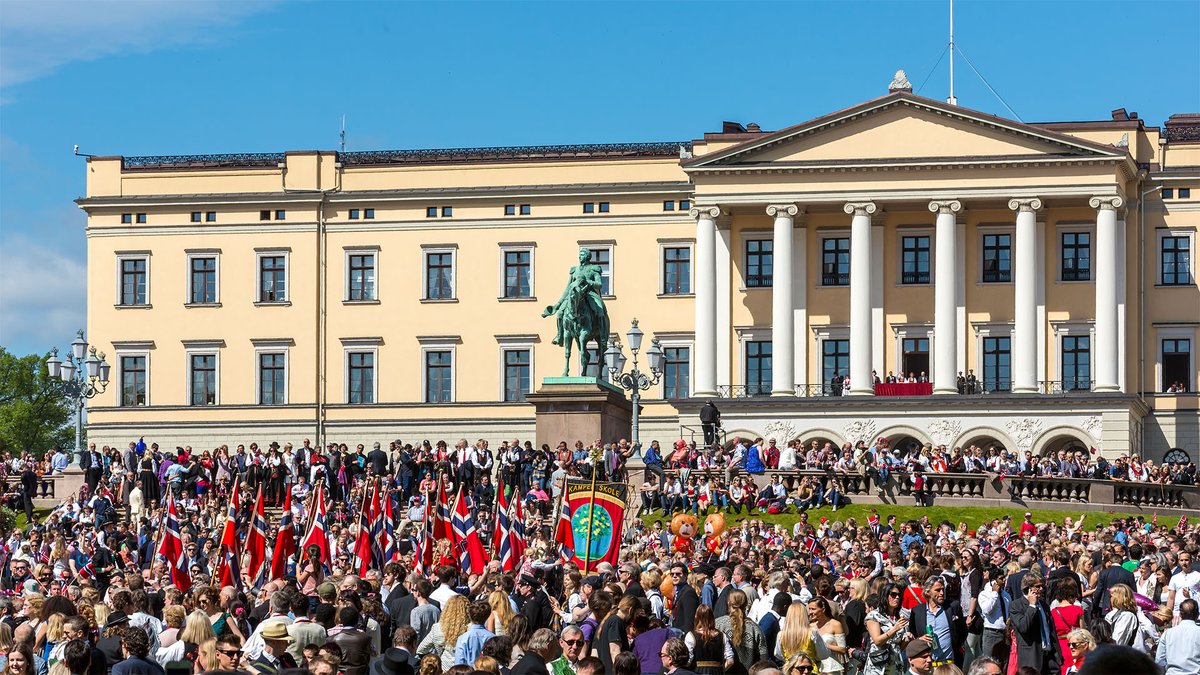
Located adjacent to Oslo’s government quarter and City Hall, Wessels Plass is a symbolic center for public discourse, demonstrations, and national celebrations. The square’s open design and accessibility make it a true democratic space, often used for rallies and large gatherings, alongside Eidsvolls plass, another key public forum (Mapcarta).
Architectural and Urban Context
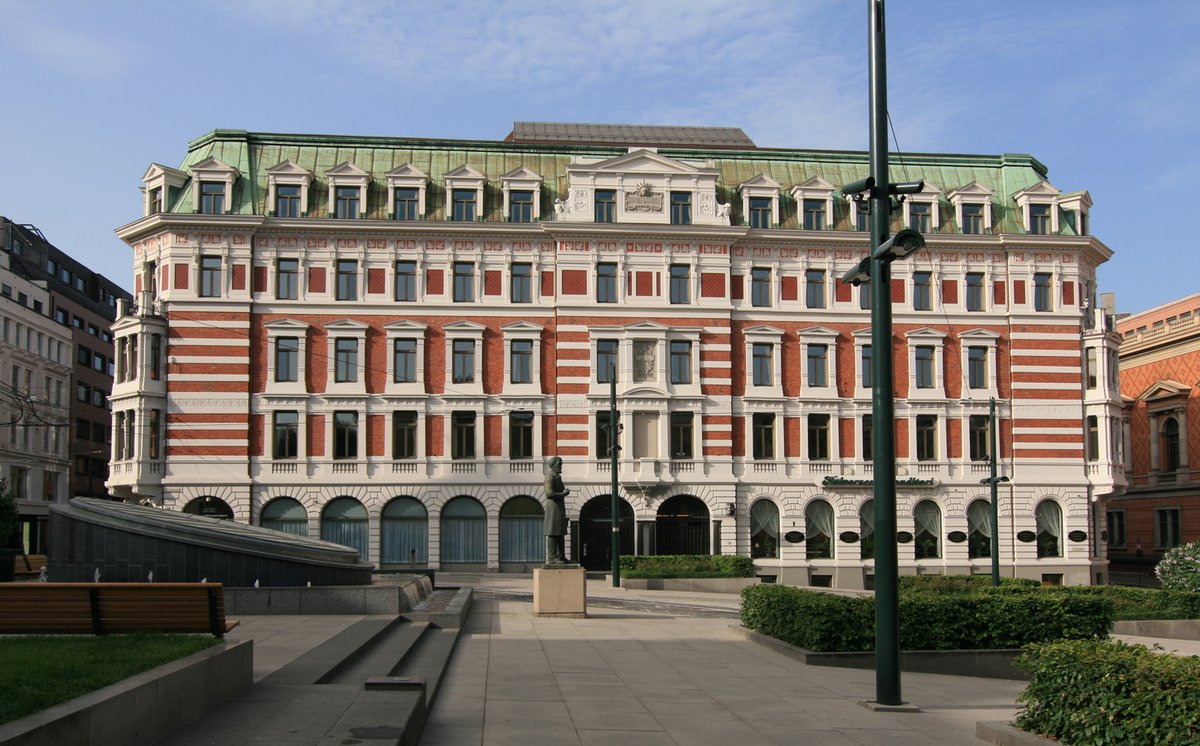
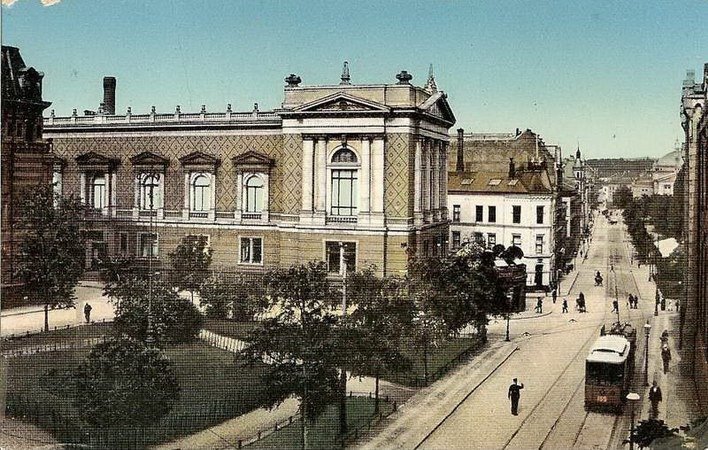
Wessels Plass is at the intersection of Stortingsgata, Akersgata, Prinsens gate, and Nedre Vollgate, in the Kvadraturen district. Notable architectural features include:
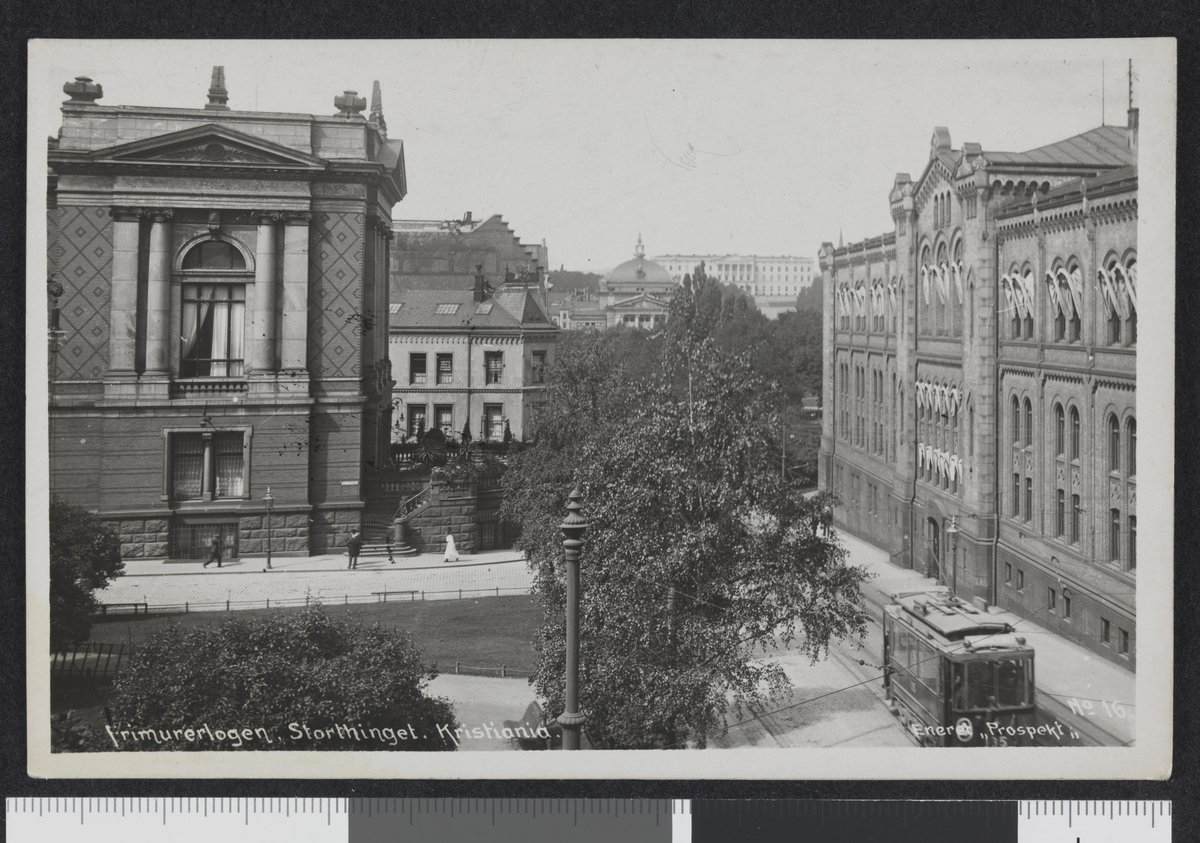
- Stortinget (Parliament Building): Completed in 1866, designed by Emil Victor Langlet, this yellow-brick structure is a symbol of Norwegian democracy.
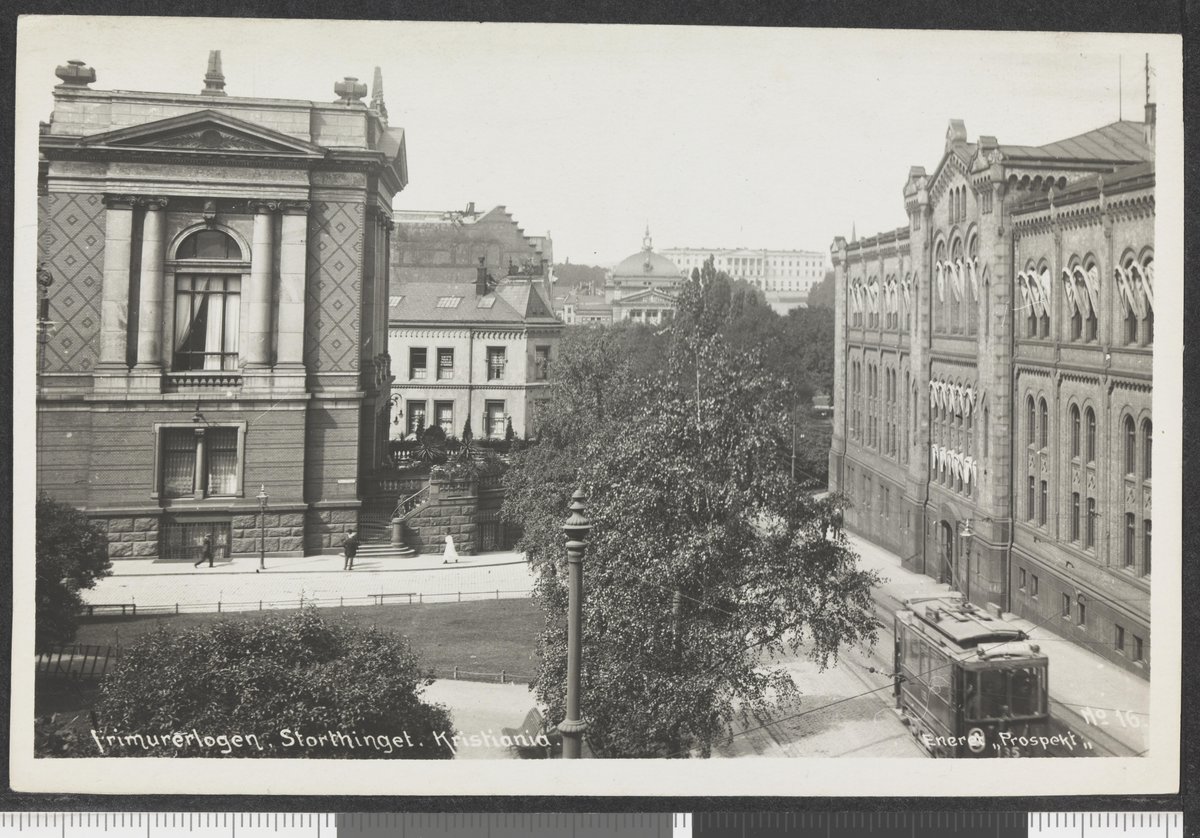
- Frimurerlogen (Freemasons’ Lodge): Built in the 1890s, this building features elaborate interiors and a rich history, including wartime occupation.
- Halvorsens Konditori: A historic café with outdoor seating, a favorite among politicians and locals.
- Skreddergården: An 1894 commercial building known for its decorative façade (Oppdag Kvadraturen).
The square’s recent renovation (2016–2020) by Dronninga Landskap preserved its historic layout while enhancing green spaces and integrating security discretely (Dronninga Landskap).
Visitor Information
Hours and Admission
- Opening Hours: Wessels Plass is open 24 hours a day, year-round.
- Admission: Free. No tickets are required to enter or explore the square.
Accessibility
- The square is fully accessible with paved paths and gentle slopes.
- Public transportation (bus, tram, metro) and nearby facilities are adapted for mobility needs (VisitOSLO).
Getting There
- Bus: Multiple lines serve the area (e.g., 30, 31, 37, 70, night buses) (Moovit).
- Tram: Closest stop is Tinghuset (Line 12).
- Metro: Stortinget station is a 4-minute walk, served by all metro lines.
- Train: Oslo S and Nationaltheatret stations are within a 10-minute walk.
- Ferry: Accessible via B10 at Aker Brygge.
Wessels Plass is also ideal for pedestrians and cyclists, with easy access from major city attractions (Trek Zone).
Guided Tours
- No official guided tours are dedicated solely to Wessels Plass, but many walking tours of Kvadraturen and Oslo’s government quarter feature the square.
- The Parliament offers scheduled guided tours; check their website for times and booking.
Facilities and Amenities
- Seating: Numerous benches and terraced seating areas.
- Green Spaces: Landscaped terraces and tree-lined avenues.
- Restrooms: Available in nearby public buildings and cafés.
- Wi-Fi: Accessible in many surrounding cafés and public spaces.
- Shops and Dining: Halvorsens Konditori and other cafés, plus shops and the historic Steen & Strøm department store.
Tips for Photographers
- Capture the Parliament and historic facades during golden hour for optimal lighting.
- Statues of Wessel and Sverdrup are popular photo subjects.
- Evening visits are enhanced by award-winning lighting design (LIT Lighting Design Awards).
Nearby Attractions
- Stortinget (Parliament): Guided tours available; learn about Norway’s democracy.
- National Theatre: A hub for performing arts, five minutes’ walk away.
- Oslo City Hall: Site of the Nobel Peace Prize ceremony, six minutes’ walk.
- Eidsvolls plass: Central civic square adjacent to the Parliament.
- Akershus Fortress: Medieval castle complex, accessible by foot.
- Egertorget: Lively shopping and café area nearby.
Frequently Asked Questions (FAQ)
Q: What are the visiting hours for Wessels Plass?
A: It is open 24/7 as a public square, with free access.
Q: Are tickets or reservations required?
A: No tickets are needed for the square. Guided tours of the Parliament require booking.
Q: Is Wessels Plass wheelchair accessible?
A: Yes, with flat, paved surfaces and accessible public transport options.
Q: What is the best time to visit?
A: Summer for outdoor events and lively atmosphere; winter for festive lights and a quieter experience.
Q: Are there guided tours?
A: Many city walking tours and Parliament tours include Wessels Plass.
Q: Are public events held here?
A: Yes, Wessels Plass frequently hosts demonstrations, cultural performances, and seasonal celebrations.
Discover More
Wessels Plass embodies Oslo’s historical depth, architectural diversity, and vibrant civic life. Its transformation from a fortified knoll to a beloved public square reflects Norway’s values of inclusivity, accessibility, and respect for heritage. Whether you’re attracted by its literary connections, political relevance, or simply seeking a beautiful place to relax, Wessels Plass offers a rich and rewarding visitor experience.
Plan your visit to Wessels Plass and explore nearby attractions to fully appreciate Oslo’s unique blend of history and modernity. For an enhanced experience, download the Audiala app for curated tours, and follow us on social media for updates and insider tips.
Listen to the full story in the app
The whole Wessels Plass,
told well.
Audio guides for 1,100+ cities across 96 countries. History, stories, and local insight — offline ready.
Verified, and shown.
Researched and written by the Audiala editorial team from historical records, architectural archives, and local expertise.
Researched from Wikidata, Wikipedia & official sources · fact-checked · How we make our guides →