Plan and listen to Villa Gjøa with Audiala.
Audio guide in your pocket, itinerary in your browser. Built for the way you actually visit.
Introduction: Villa Gjøa’s Historical and Cultural Significance
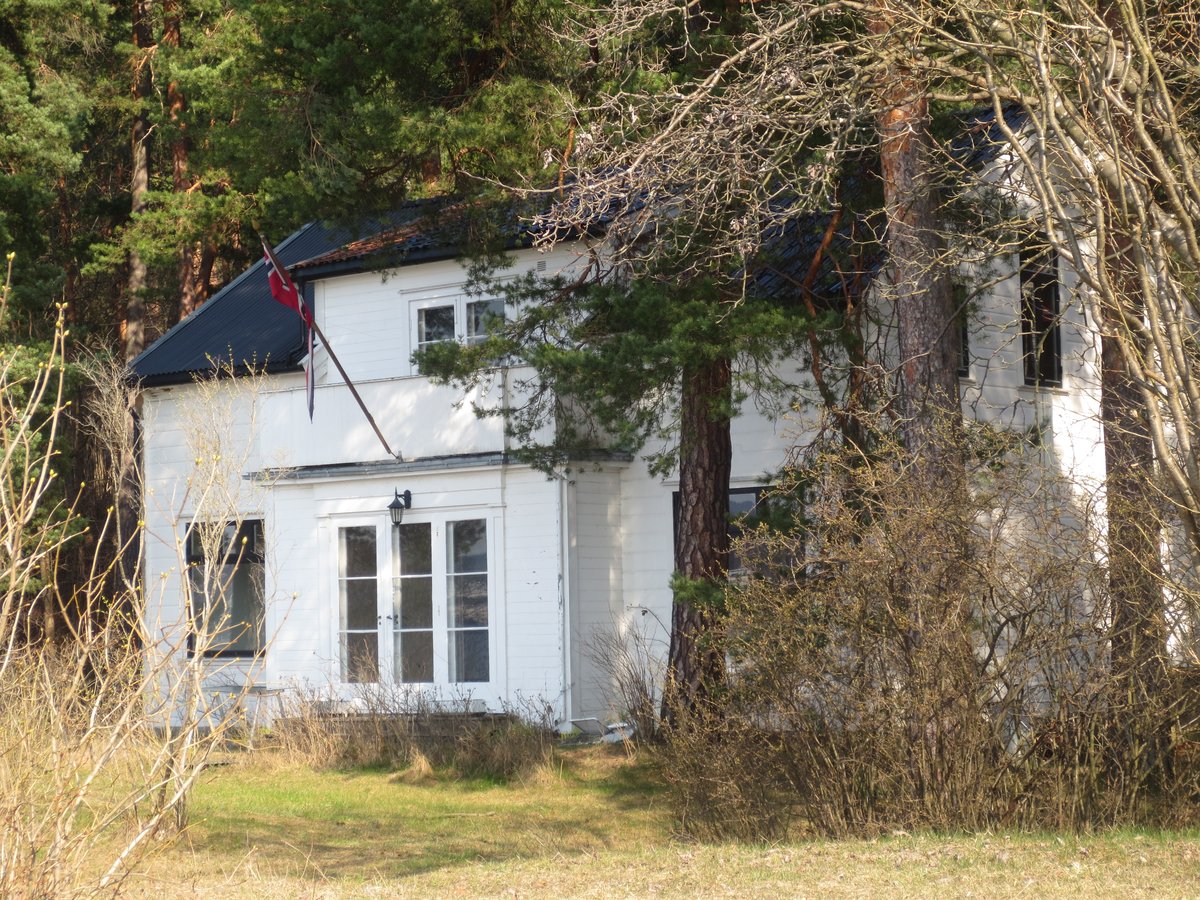
Nestled on Oslo’s scenic Bygdøy Peninsula, Villa Gjøa is a rare and distinguished relic of Norway’s royal and architectural heritage. As the last surviving royal summer villa (“kongevilla”) on Bygdøy’s western shore, Villa Gjøa offers visitors an evocative glimpse into late 19th-century Norwegian design and the lifestyle of King Oscar II. Commissioned as a private retreat and completed in 1878 by architect Hjalmar Welhaven, the villa stands as a testament to the romantic historicist style of its era and the broader cultural landscape of Bygdøy. Although primarily a private residence with limited public access, Villa Gjøa’s exterior charm, historical narrative, and proximity to Oslo’s major museums make it an essential destination for those interested in Norway’s royal and cultural legacy. (Bygdø Kongsgård official site; VisitOSLO; Regjeringen PDF)

Origins and Architectural Design
Villa Gjøa was designed by Hjalmar Welhaven and constructed between 1877–1878 as a royal summer residence for King Oscar II. The villa’s romantic historicist style reflects the era’s taste for picturesque architecture, blending harmoniously with the natural landscape near Paradisbukta and Bygdøy’s tranquil recreational areas. Much of Welhaven’s original design and character remain intact, maintained through careful preservation efforts.
Royal Significance and Historical Context
Villa Gjøa’s proximity to Bygdøy kongsgård (the Royal Farm) connected it to a larger network of royal leisure residences. King Oscar II, known for his patronage of the arts and sciences, used the villa for private retreats and gatherings, helping to shape Norway’s cultural and intellectual development during the late 19th century. The villa’s preservation as Oslo’s last royal summer house on Bygdøy underscores its cultural importance.
Preservation and Heritage Status
Recognized by local heritage authorities, Villa Gjøa is a protected monument (Verneklasse 1, fredning) and a focal point for conservation in Oslo. Preservation efforts focus on maintaining historical authenticity while allowing for modern needs, ensuring that future generations can appreciate its architectural and historical value (Regjeringen PDF).
Visiting Hours, Tickets, and Accessibility
Interior Access:
Villa Gjøa is primarily a private residence and is generally not open for interior tours. There are no regular visiting hours or tickets available for entry. However, its exterior can be admired year-round from Christian Frederiks vei—a scenic, historic route ideal for walking and cycling.
Special Events and Tours:
Occasionally, special guided tours or cultural events provide rare opportunities to access the villa’s interior. These are typically organized during summer months and require advance booking through Bygdø Kongsgård or local tourism operators.
Grounds and Surroundings:
The villa’s grounds, including nature trails leading towards Paraplyen and Paradisbukta beach, are generally open to the public year-round.
Travel Tips and Guided Tours
- Transportation: Bus number 30 from Oslo’s city center offers the most direct route, while a summer ferry from Aker Brygge to Dronningen pier provides a scenic alternative.
- Guided Walks: While the villa itself doesn’t offer regular tours, several Bygdøy walking tours include exterior stops and historical context about royal villas and the peninsula.
- Oslo Pass: Consider the Oslo Pass for convenient access to nearby museums and public transport.
Nearby Attractions and Suggested Itineraries
Bygdøy is home to several of Oslo’s most celebrated cultural sites, all within walking distance of Villa Gjøa:
- Norwegian Folk Museum: Open-air museum with over 150 historic buildings, including the Gol Stave Church.
- Viking Ship Museum: Showcases the world’s best-preserved Viking ships and artifacts.
- Fram Museum: Dedicated to polar exploration, including Roald Amundsen’s ship Gjøa.
- Beaches and Nature Trails: Paradisbukta and Huk beaches are popular in summer for swimming and picnics. Forested trails and scenic viewpoints abound.
Suggested itinerary: Begin with a walk around Villa Gjøa, then explore one or more of Bygdøy’s renowned museums or relax at the nearby beaches.
Facilities and Visitor Amenities
- Restrooms: Available at larger museums on Bygdøy.
- Picnic Areas: Benches and picnic spots are found along nature trails and near the villa grounds.
- Food and Drink: Cafés and restaurants are located near the Norwegian Folk Museum and Bygdøy ferry terminal.
- Accessibility: The grounds feature level paths and gentle slopes suitable for most visitors; however, the historic villa itself may have some accessibility limitations.
Accessibility Details
- Mobility: The grounds are largely accessible with level paths; however, steps and narrow doorways in the villa may restrict access.
- Guide Dogs: Service animals are welcome according to Norwegian regulations.
- Parking: Limited parking is available; public transportation and cycling are recommended.
Photography and Special Events
The villa’s architecture and setting provide excellent photo opportunities, particularly in the soft light of morning or late afternoon. Special heritage events or open days sometimes allow for interior photography—always check event guidelines. Bygdøy also hosts outdoor festivals and cultural celebrations, enhancing any visit.
Frequently Asked Questions (FAQ)
Q: Can I visit the interior of Villa Gjøa?
A: No, the villa is not generally open for interior tours, except during special events requiring advance booking.
Q: Are there regular visiting hours or tickets?
A: No regular hours or ticket sales. Check for occasional special events or tours.
Q: Is Villa Gjøa wheelchair accessible?
A: The surrounding grounds are mostly accessible, but the villa’s historic architecture may pose challenges. Contact Bygdø Kongsgård for specific accommodations.
Q: How do I get to Villa Gjøa from Oslo city center?
A: Take bus 30 or the summer ferry from Aker Brygge to Dronningen pier, then walk a short distance to the villa.
Q: What else can I see nearby?
A: Explore the Norwegian Folk Museum, Viking Ship Museum, Fram Museum, and Bygdøy’s beaches and nature trails.
Listen to the full story in the app
The whole Villa Gjøa,
told well.
Audio guides for 1,100+ cities across 96 countries. History, stories, and local insight — offline ready.
Verified, and shown.
Researched and written by the Audiala editorial team from historical records, architectural archives, and local expertise.
Researched from Wikidata, Wikipedia & official sources · fact-checked · How we make our guides →