Plan and listen to Vigeland Museum with Audiala.
Audio guide in your pocket, itinerary in your browser. Built for the way you actually visit.
Introduction: The Vigeland Museum's Artistic and Cultural Importance
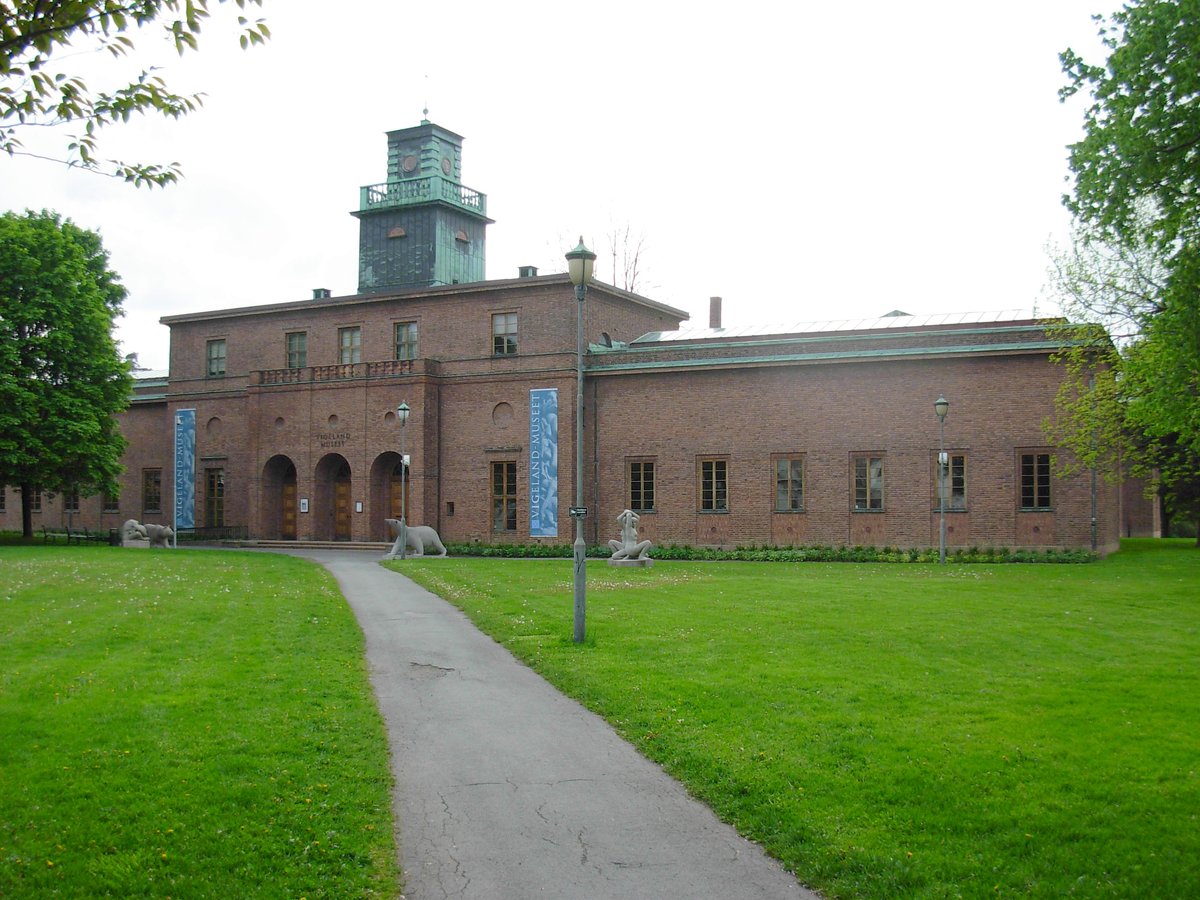
Situated in Oslo’s Frogner district, the Vigeland Museum—alongside the world-renowned Vigeland Park—serves as a profound testament to the creative genius of Gustav Vigeland (1869–1943), Norway’s preeminent sculptor. The museum occupies Vigeland’s former studio and residence, an architectural landmark designed by Lorentz Harboe Ree in the neoclassical style. Together, the museum and adjacent park comprise Norway’s most significant sculptural ensemble, offering visitors a unique opportunity to engage with Vigeland’s exploration of the human condition through art.
For travelers and art enthusiasts, this guide provides comprehensive information on Vigeland Museum visiting hours, ticketing, accessibility, guided tours, and practical visitor tips. Whether you wish to explore the iconic Monolith, discover Vigeland’s personal studio, or participate in family workshops, this resource ensures an enriching experience at one of Oslo’s most celebrated historical sites.
To prepare for your visit, consult the official Vigeland Museum website. Additional perspectives and advice are available from travel experts such as Norway With Pål and Holidify. This synergy of rich artistic heritage and accessible visitor services makes the Vigeland Museum and Park essential destinations within Oslo’s vibrant cultural landscape.

Gustav Vigeland: Life, Influences, and Early Career
Gustav Vigeland began his artistic journey in Mandal, southern Norway, where his father’s cabinet-making trade instilled a fascination with craftsmanship and form. Relocating to Oslo (then Christiania) in the late 1880s, Vigeland debuted at the Norwegian State Exhibition in 1889 with "Hagar and Ismael," created in the studio of Brynjulf Bergslien, his mentor. His education included classes at the Royal College of Drawing and an influential period in Mathias Skeibrok’s studio (Vigeland Museum Collection).
A government grant in 1891 enabled Vigeland to study in Copenhagen, producing his first life-sized group, "Accursed," and exposing him to European art movements. In Paris (1893), Vigeland met Auguste Rodin, whose "Gates of Hell" profoundly shaped his approach to sculpture and themes of human emotion (Norway With Pål).
Throughout the 1890s, Vigeland’s work evolved, embracing Impressionism, Realism, and Symbolism. Sculptures like "Old woman watching her husband die" (1894) and "Old man and woman" (1898) reflect an empathetic portrayal of human experience, marking a departure from idealized forms toward honest depictions of individuality.
The Vigeland Museum: Origins, Architecture, and Visitor Information
Museum Origins and Design
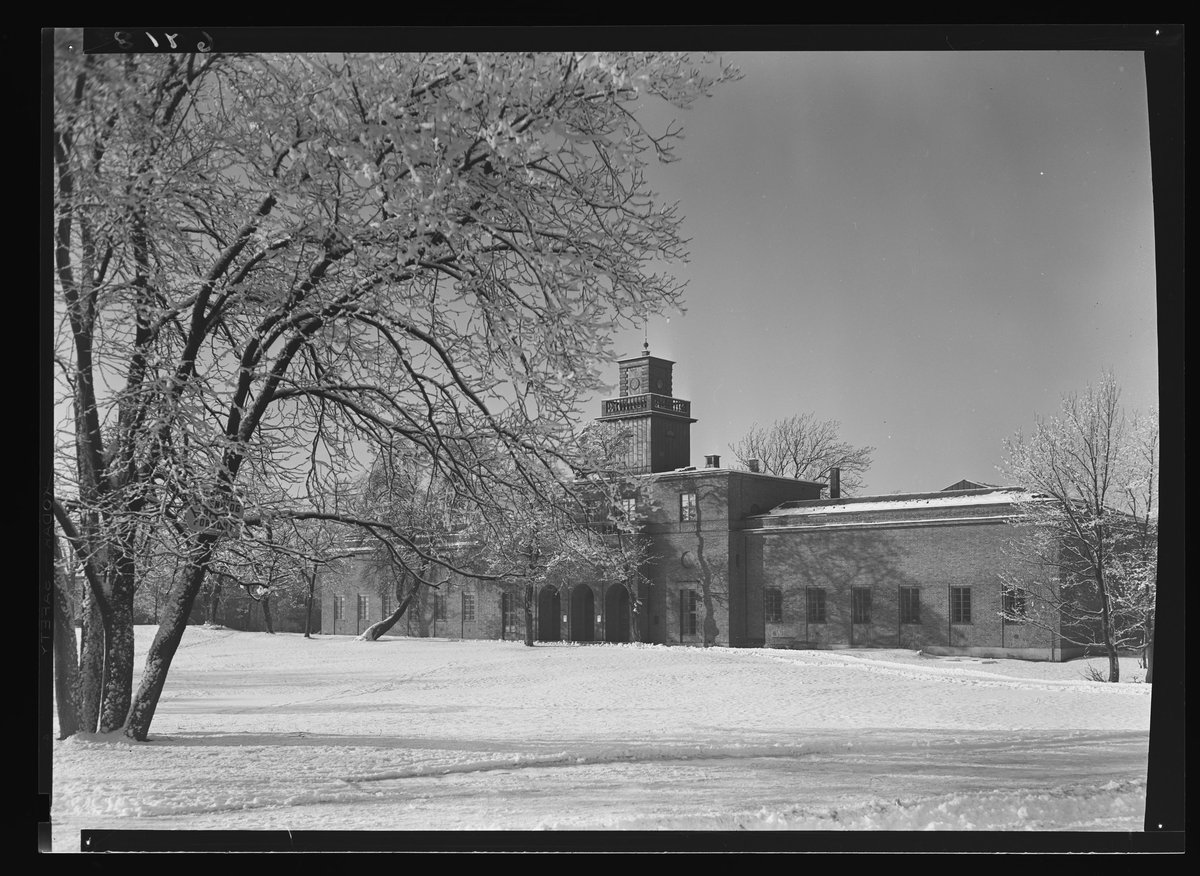
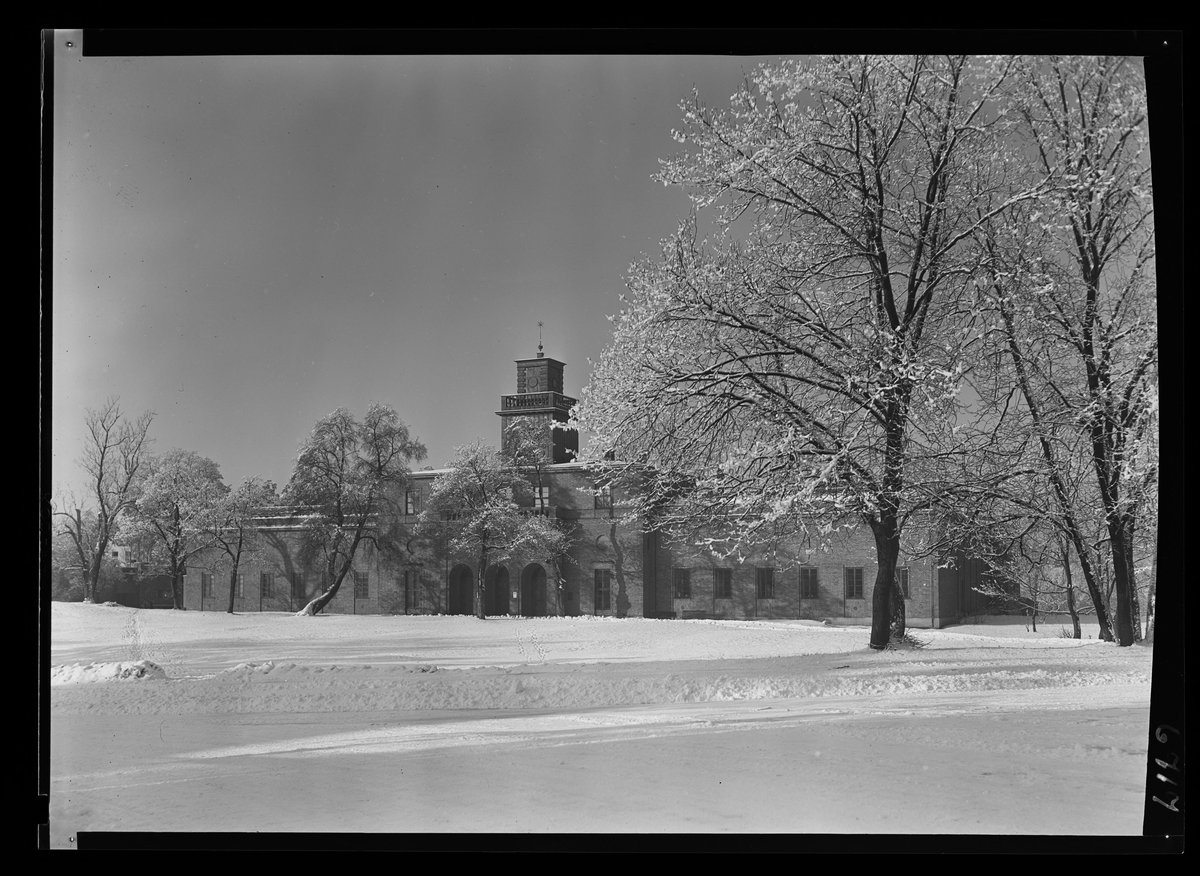
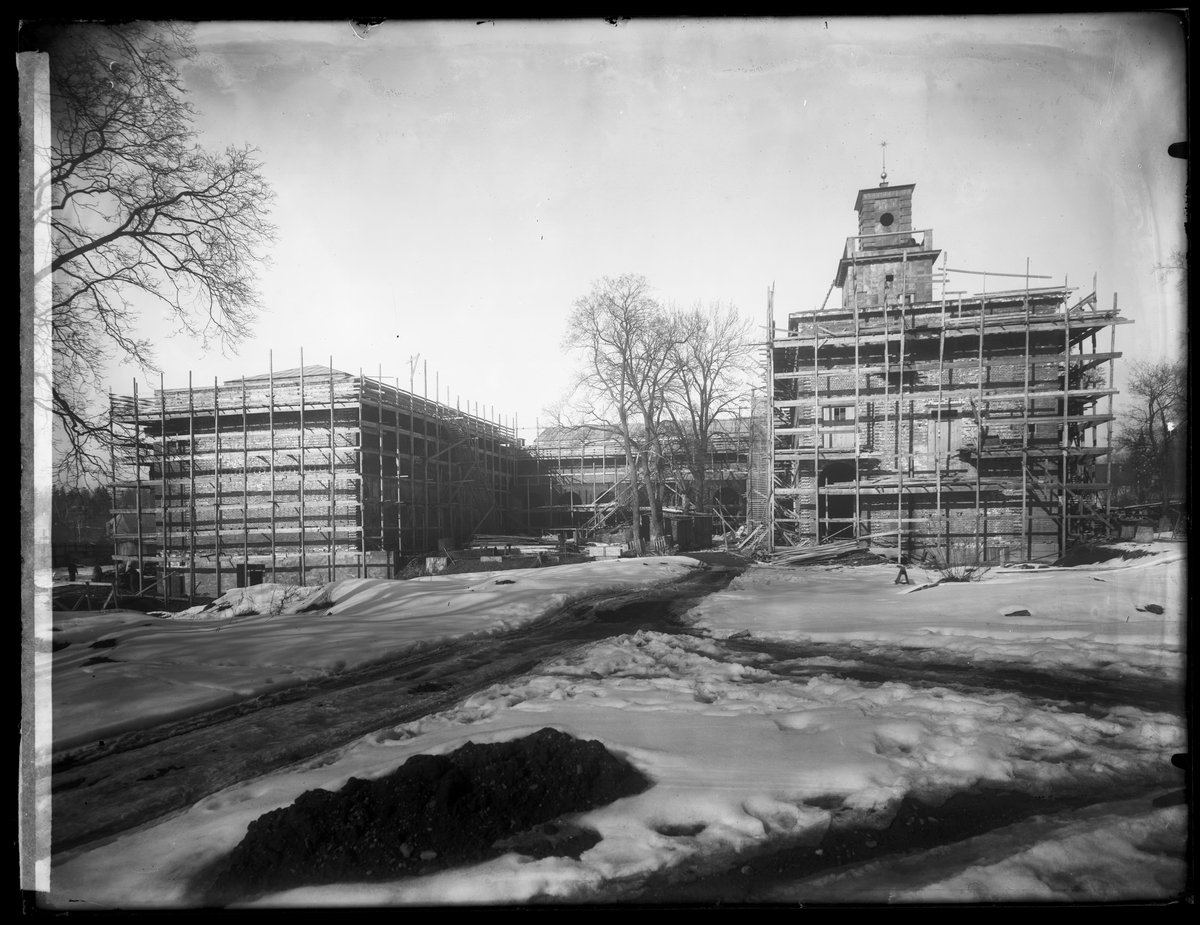
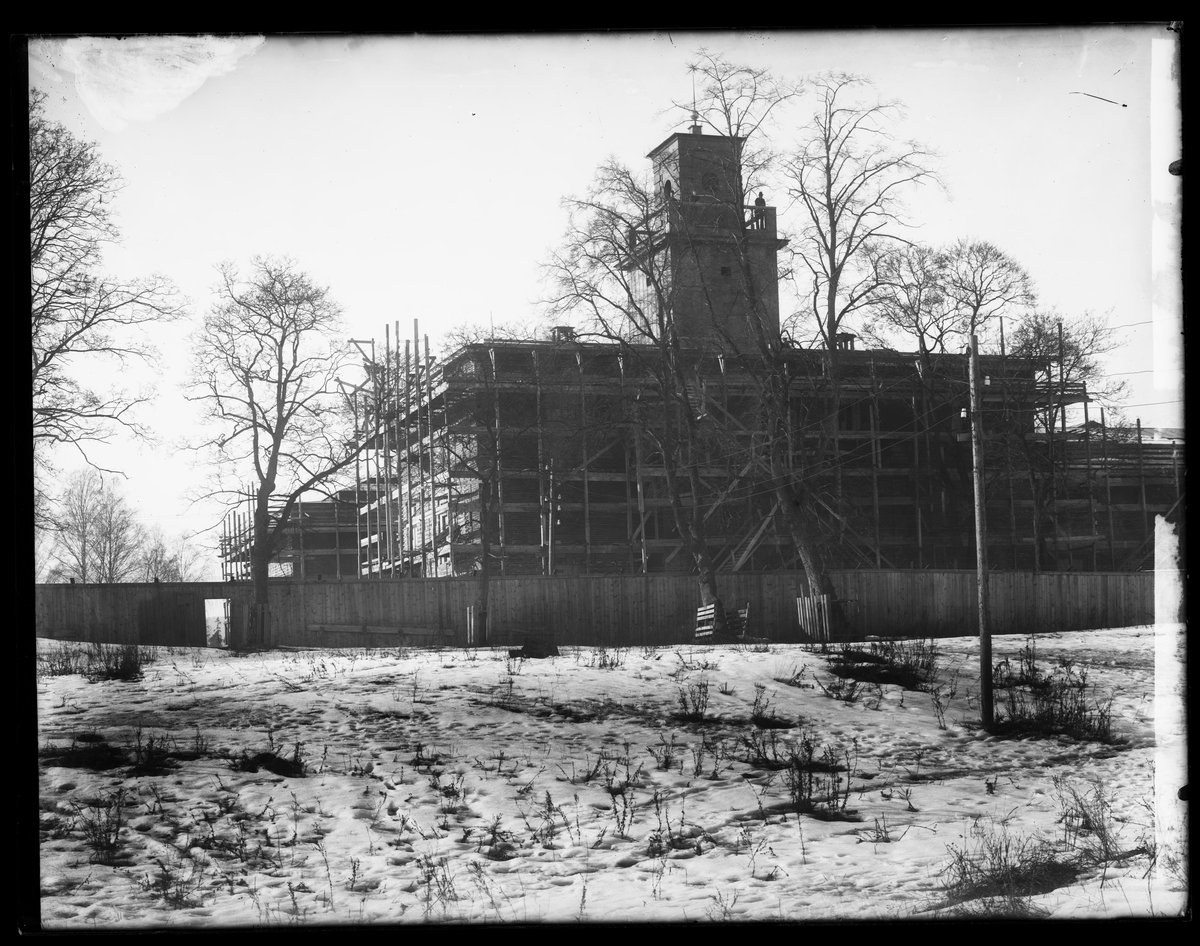
The Vigeland Museum, completed in 1929, embodies Norwegian neoclassicism and reflects a unique agreement: Vigeland donated his entire oeuvre to Oslo in exchange for a purpose-built atelier and residence. Architect Lorentz Harboe Ree’s design features a monumental façade, hand-beaten red brick, and a distinctive tower housing Vigeland’s bronze urn (Vigeland Museum: Architecture). The south wing, added later, embraces functionalist elements with expansive windows and minimal ornamentation.
Visiting Hours and Tickets
- Opening Hours: Tuesday–Sunday, 10:00–17:00; closed Mondays (Holidify)
- Ticket Prices:
- Adults: NOK 100
- Seniors/Students: NOK 50
- Children (0–7): Free
- Children (8–18): NOK 50
- Groups (10+): Discounted rates
- Free entry for Oslo residents with valid ID (National Traveller)
Tickets can be purchased online or at the museum. Advance booking is recommended during peak times and for special exhibitions.
Getting There and Accessibility
- Location: Nobels gate 32, adjacent to Vigeland Park (Frogner Park), Oslo.
- Public Transport: Tram lines 12 and 13 (stop: Frogner plass); bus routes 20 and 30; accessible for wheelchairs.
- By Car: Limited parking; public garages nearby.
- Accessibility: Step-free main entrance, elevators, accessible restrooms. Vigeland’s restored apartment (third floor) has limited accessibility due to preservation. Contact the museum for specific needs (Vigeland Museum – Visitor Info).
Facilities and Services
- Cloakroom and Lockers: Available for coats and small items; large luggage not permitted.
- Restrooms: Modern, accessible, with family facilities.
- Museum Shop: Books, prints, and Vigeland-inspired souvenirs.
- Wi-Fi: Free throughout the museum.
- Refreshments: Vending machines; nearby cafés in Frogner; picnics welcome in the park.
Vigeland Park: Access, Highlights, and Visitor Tips
Entry and Guided Tours
- Admission: Free, open year-round.
- Guided Tours: Available via the museum or local providers; recommended for in-depth context.
Must-See Sculptures
- The Monolith: A 17-meter granite column with 121 intertwined figures, symbolizing human striving (Life in Norway: Vigeland Monolith).
- The Angry Boy (Sinnataggen): Vigeland’s most beloved sculpture.
- The Fountain and Trees of Life: Representing the cycle of life.
Visitor Tips
- Best Time to Visit: Weekday mornings for fewer crowds.
- Photography: Permitted in the park; flash/tripods may be restricted in the museum.
- Accessibility: Paths are generally accessible but may be uneven in places.
- Amenities: Benches, rest areas, and playgrounds in the park (Travelpander).
The Artistic Legacy: Museum Collections and Vigeland’s Creative Process
The Vigeland Museum’s permanent collection encompasses nearly the full breadth of Vigeland’s artistic output: original plaster models, bronze and granite sculptures, woodcarvings, drawings, and personal artifacts (Vigeland Museum). Highlights include:
- Plaster Models: Prototypes for monumental works, revealing the process of scaling from clay to granite (nlsnorwegian.no).
- Studio and Living Quarters: Preserved rooms offer insight into Vigeland’s daily routines and creative environment.
- The Tower: Houses Vigeland’s ashes in a bronze urn of his own design (Holidify).
In addition to the permanent collection, the museum hosts temporary exhibitions spotlighting both historical and contemporary sculpture. Recent and upcoming shows include explorations of Scandinavian artists and feminist aesthetics (Vigeland Museum – Kai Nielsen, Vigeland Museum – Gernild & Mancoba).
Frequently Asked Questions (FAQ)
Q: What are the Vigeland Museum visiting hours?
A: Tuesday–Sunday, 10:00–17:00; closed Mondays.
Q: How can I purchase Vigeland Museum tickets?
A: Buy tickets online or at the museum. Advance purchase is recommended during busy periods.
Q: Is the museum wheelchair accessible?
A: Yes, with the exception of Vigeland’s restored apartment on the third floor.
Q: Are guided tours available?
A: Yes, in Norwegian and English; book in advance for group or specialized tours.
Q: Can I visit the museum shop without a ticket?
A: Yes, the shop is open to all during museum hours.
Q: Are there family-friendly activities?
A: Yes, including workshops for children and interactive stations.
Q: Is photography allowed?
A: Yes, without flash; restrictions may apply in certain galleries.
Plan Your Visit and Final Tips
To make the most of your visit to the Vigeland Museum and Park:
- Consult the official Vigeland Museum website for the latest on visiting hours, tickets, and current exhibitions.
- Download the Audiala app for audio guides and interactive maps.
- Combine your museum tour with a stroll through Vigeland Park and visits to nearby Oslo attractions like the Royal Palace and Norwegian Museum of Cultural History.
- Take advantage of public transport for ease of access.
- Stay connected via free Wi-Fi and follow official channels for updates on events and programs.
Whether you are a first-time visitor or returning to explore new exhibitions, the Vigeland Museum and Park provide a rich, contemplative environment to experience the best of Norwegian art and culture.
Listen to the full story in the app
The whole Vigeland Museum,
told well.
Audio guides for 1,100+ cities across 96 countries. History, stories, and local insight — offline ready.
Verified, and shown.
Researched and written by the Audiala editorial team from historical records, architectural archives, and local expertise.
Researched from Wikidata, Wikipedia & official sources · fact-checked · How we make our guides →