Plan and listen to Ullevaal Stadion with Audiala.
Audio guide in your pocket, itinerary in your browser. Built for the way you actually visit.
Introduction: History and Significance
Ullevaal Stadion stands as Norway’s largest football-specific stadium and a central figure in Oslo’s sporting and cultural landscape. Since its inauguration in 1926 in the Nordre Aker district, Ullevaal has been the home of the Norwegian national football team and the venue for countless historic moments, including Norwegian Cup finals, international matches, and major concerts. The stadium’s evolution, from accommodating local clubs to its present UEFA-compliant status, reflects both Norway’s sporting ambitions and a commitment to architectural innovation. Recent renovations have fused Scandinavian minimalism with native materials, ensuring Ullevaal remains both functional and visually striking. For visitors, Ullevaal offers much more than match-day excitement—guided tours, the Norwegian Football Museum, and its proximity to Oslo’s cultural sites make it a top destination for locals and tourists alike (Ullevaal Stadion Official; 1BoxOffice; Snohetta).

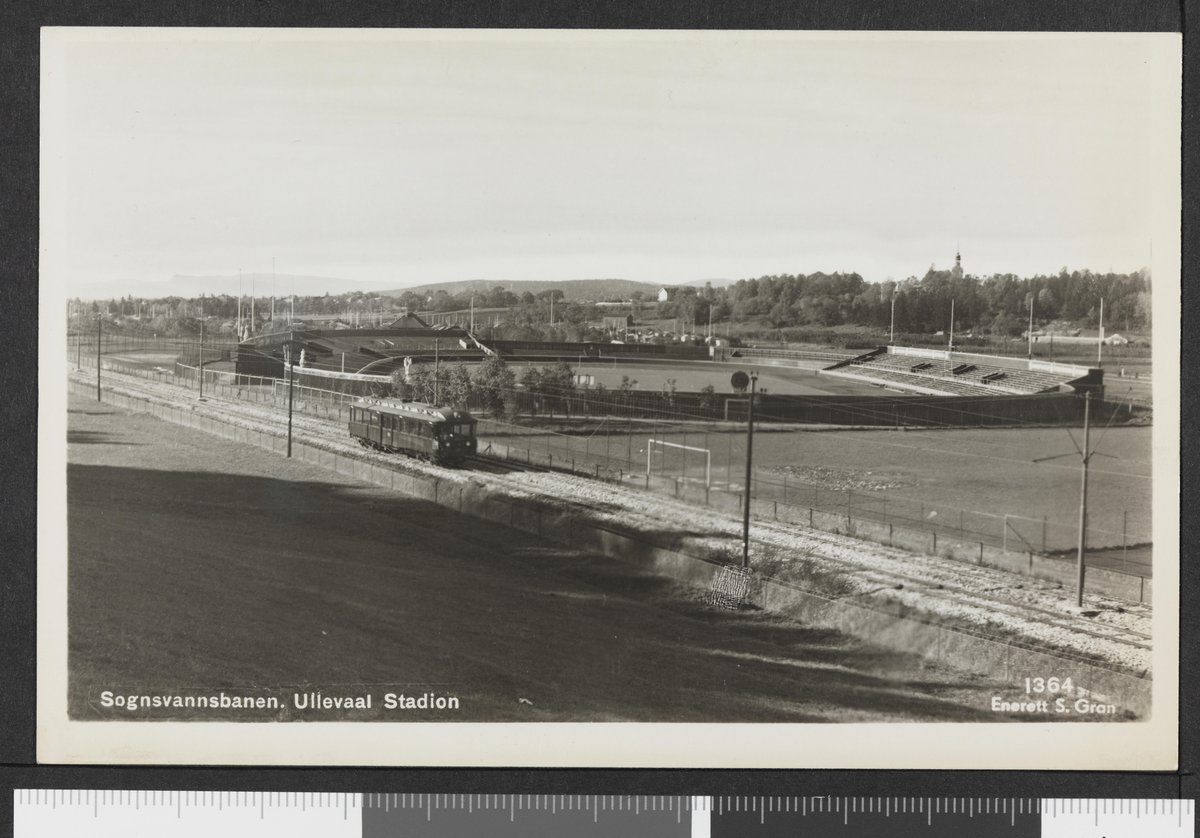
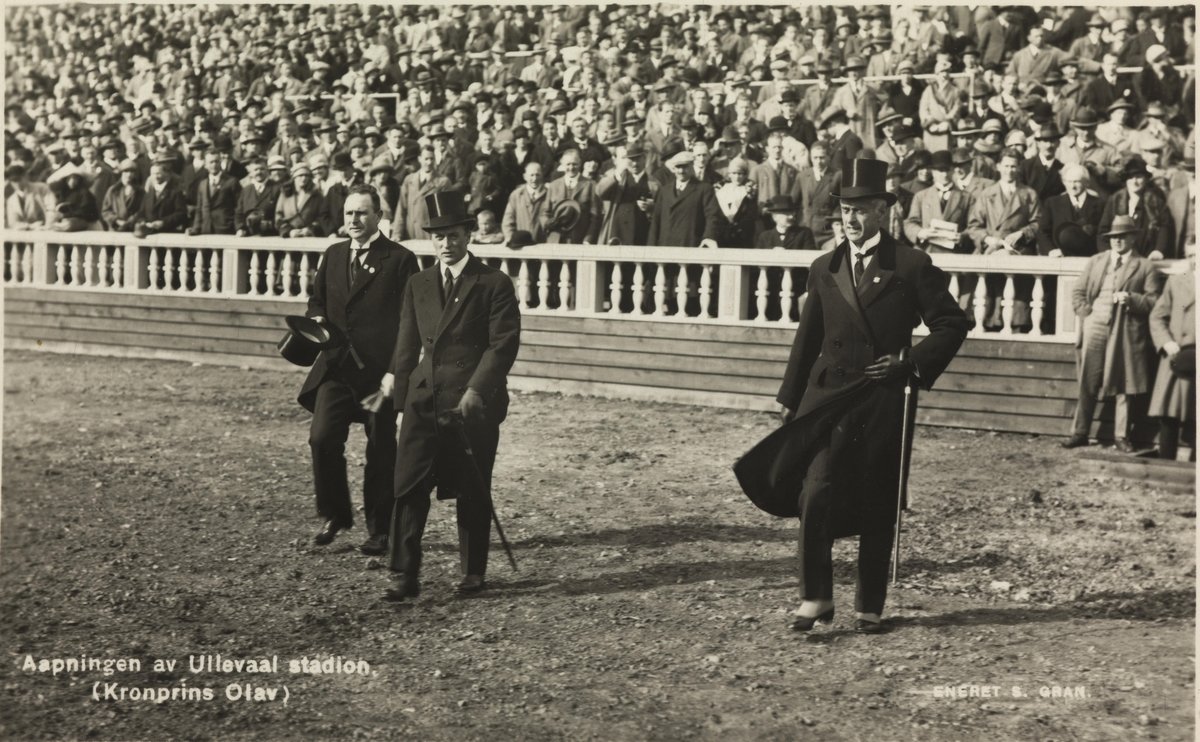
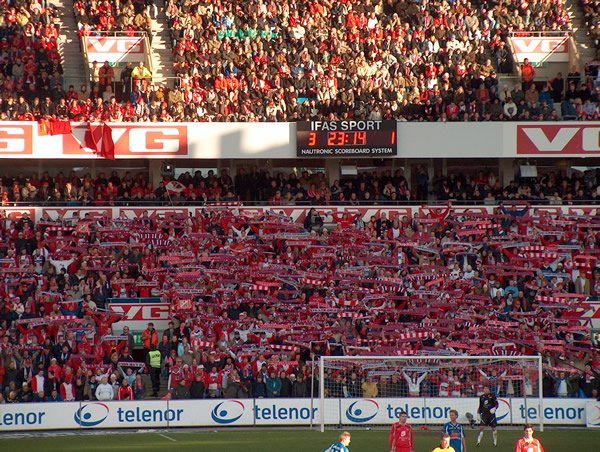
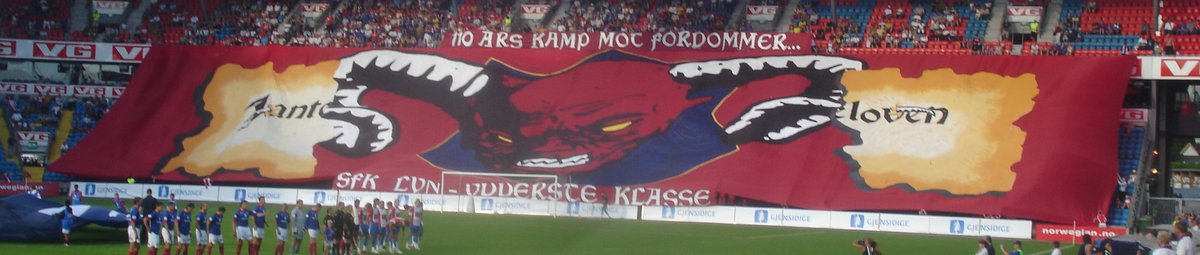
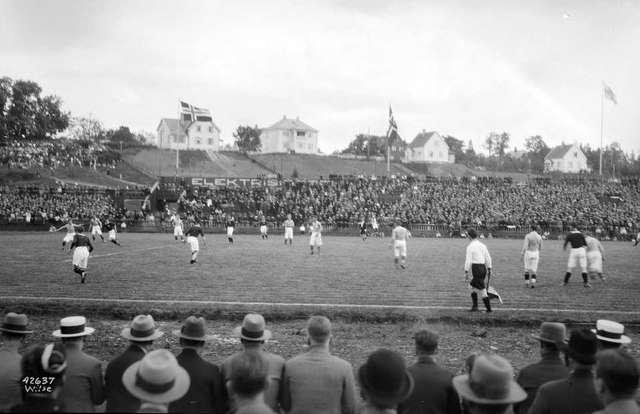
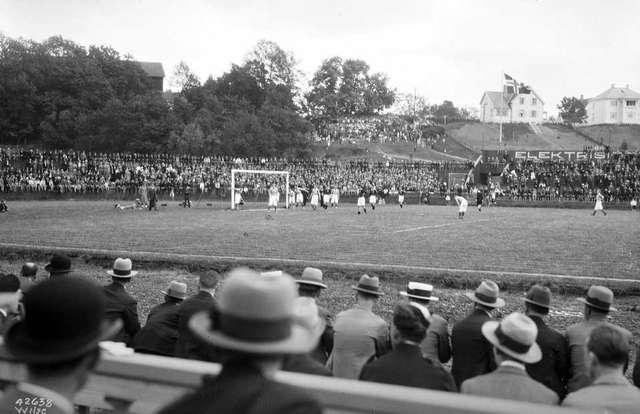
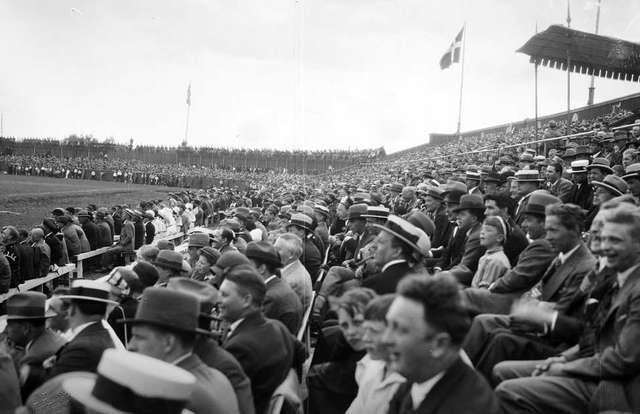
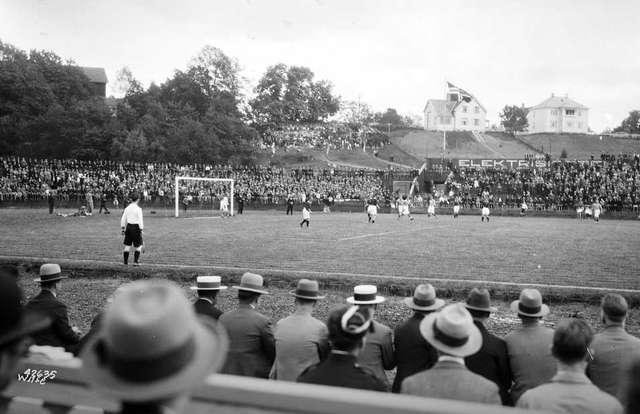
Ullevaal Stadion Through the Years
Early Development (1920s–1940s)
Constructed in 1925 and opened a year later, Ullevaal Stadion quickly established itself as Oslo’s football hub. Initially serving clubs like Lyn and FK Ready, it regularly hosted the Norwegian Cup finals and public events, rapidly becoming the country’s premier football venue (1BoxOffice).
Becoming Norway’s Football Home (1950s–1980s)
By the 1950s, Ullevaal was officially designated as the home of the Norwegian national football team. It also played a prominent role in the 1952 Oslo Winter Olympics, hosting key ceremonies and matches (Snohetta). The stadium underwent several expansions and renovations during this period, establishing the four-stand format it retains today.
Modernization and Expansion (1990s–2010s)
Driven by UEFA standards and rising attendance, the stadium was thoroughly modernized in the 1990s and 2000s. This included converting to all-seater stands, upgrading amenities, and enhancing safety features. Ullevaal’s capacity now stands at around 27,200 spectators, making it the largest football-specific venue in Norway (1BoxOffice).
Recent Innovations (2020s)
The latest renovations, led by Snøhetta, have focused on player facilities, including new tunnels and locker rooms crafted from Norwegian birch plywood and Oppdal slate (Snohetta). These updates ensure both functionality and a celebration of football heritage.
Visiting Information
Visiting Hours
- Stadium Tours: Guided tours are typically available Monday to Friday, 10:00 AM–4:00 PM. Availability may change due to events, so confirm via the official website before planning your visit.
- Norwegian Football Museum: Open Monday–Friday, 10:00 AM–3:30 PM; Saturday, 11:00 AM–4:00 PM.
Tickets & Guided Tours
- Event Tickets: Purchase tickets for matches and concerts online through 1BoxOffice or the stadium’s site. Early booking is recommended for high-demand events.
- Guided Tours: Book in advance. Tours include access to locker rooms, VIP lounges, the pitch, and historical exhibits.
Accessibility
Ullevaal is fully accessible, with 28 dedicated wheelchair spaces, ramps, elevators, and accessible restrooms. For special accommodations, contact stadium customer service in advance (ullevaal-stadion.no).
Getting There
- Location: Sognsveien 75 A, 0855 Oslo, in the Nordre Aker district.
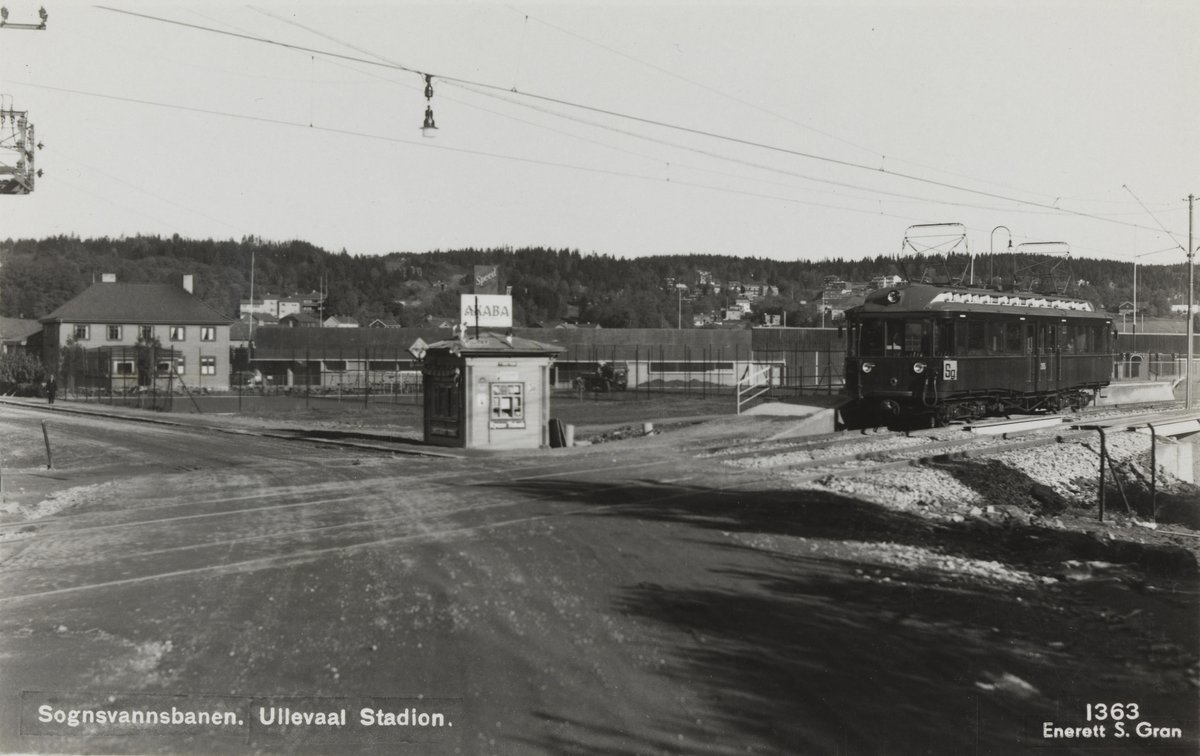
- Metro: Ullevål Stadion station (Line 5), approximately 10 minutes from city center.
- Tram: John Collets plass (Routes 17/18), 10-minute walk.
- Bus: Several lines, including airport buses 23 and 24.
- Train: Oslo Central Station with metro or tram connections.
Parking
Parking is limited and primarily reserved for VIPs and disabled visitors. Alternative parking is available at Rikshospitalet, Domus Atletica, and Sogn Upper Secondary School. Public transport is strongly recommended (Oslo Transport Planner).
Amenities and Facilities
- Food & Beverage: Numerous kiosks offer Norwegian and international fare.
- Merchandise: Official outlets for team gear and memorabilia.
- Restrooms: Modern, accessible facilities throughout.
- Safety: Security checks at entry points and well-marked emergency procedures.
Norwegian Football Museum
Located within Ullevaal Stadion, the museum features interactive exhibits and memorabilia chronicling Norwegian football history. Museum entry is NOK 90.00 (free with Oslo Pass). Guided museum tours depart every 45 minutes; for details, call +47 23 00 83 07 or email [email protected] (Football Museum Info).
Stadium Atmosphere and Seating
With a capacity of around 27,200, Ullevaal offers an electric atmosphere during national team matches, Cup finals, and concerts. All seats provide excellent views, and VIP packages offer exclusive amenities. The four main stands—Postbanken (north), VG (west), Hafslund (south), and Bendit (east)—are each steeped in tradition.
Events and Activities
Ullevaal hosts Norway’s most important football matches, including World Cup and Euro qualifiers, and the annual Norwegian Cup final. The stadium also hosts concerts by international stars and various community and cultural events.
Nearby Attractions
- Vigeland Park: The world’s largest sculpture park by a single artist.
- Norwegian Museum of Cultural History: Open-air displays of Norwegian heritage.
- Oslo City Centre: Royal Palace, Karl Johans gate, Oslo Opera House.
- Sognsvann Lake: Popular for outdoor recreation.
Future Developments
Planned upgrades include completing the fourth stand, expanding capacity to over 30,000, enhancing digital infrastructure (Wi-Fi, LED screens), updating the playing surface, and introducing advanced sustainability measures such as solar panels and energy-efficient climate control. New hospitality suites and improved accessibility will further elevate the fan experience (Toolack).
Frequently Asked Questions (FAQs)
What are the visiting hours for Ullevaal Stadion?
Stadium tours: Mon–Fri, 10:00 AM–4:00 PM. Football Museum: Mon–Fri, 10:00 AM–3:30 PM; Sat, 11:00 AM–4:00 PM. Check for event-specific variations.
How do I buy tickets?
Purchase online via official platforms or 1BoxOffice.
Is Ullevaal Stadion accessible to wheelchair users?
Yes, with dedicated spaces, ramps, elevators, and facilities.
Are guided tours available?
Yes, book in advance for behind-the-scenes access.
How do I get there by public transport?
Metro Line 5 (Ullevål Stadion station), trams 17/18 (John Collets plass), and several bus routes serve the stadium.
Is parking available?
Parking is limited; public transport is strongly recommended.
Summary of Key Visitor Information & Tips
Ullevaal Stadion is a dynamic symbol of Norwegian football and culture. Visitors benefit from modern amenities, comprehensive accessibility, and proximity to Oslo’s top cultural sites. For the best experience:
- Confirm visiting hours and book tickets early.
- Use public transport for easy access.
- Explore the Norwegian Football Museum.
- Interact with local fans for an authentic experience.
- Consider using the Audiala app for real-time updates.
Visuals, Maps, and Virtual Tours

Alt: Ullevaal Stadion exterior view showcasing Scandinavian minimalist architecture.

Alt: Covered seating area inside Ullevaal Stadion with spectators.
View Ullevaal Stadion on Map
Virtual Tour of Ullevaal Stadion
Explore More
- Top Oslo Historical Sites to Visit
- Norwegian Football: History and Highlights
- Guide to Norway’s Premier Football Clubs
- Oslo Tourism and Public Transport Planner
- Norwegian Football Museum Information
Listen to the full story in the app
The whole Ullevaal Stadion,
told well.
Audio guides for 1,100+ cities across 96 countries. History, stories, and local insight — offline ready.
Verified, and shown.
Researched and written by the Audiala editorial team from historical records, architectural archives, and local expertise.
Researched from Wikidata, Wikipedia & official sources · fact-checked · How we make our guides →