Plan and listen to Trinity Church with Audiala.
Audio guide in your pocket, itinerary in your browser. Built for the way you actually visit.
Introduction
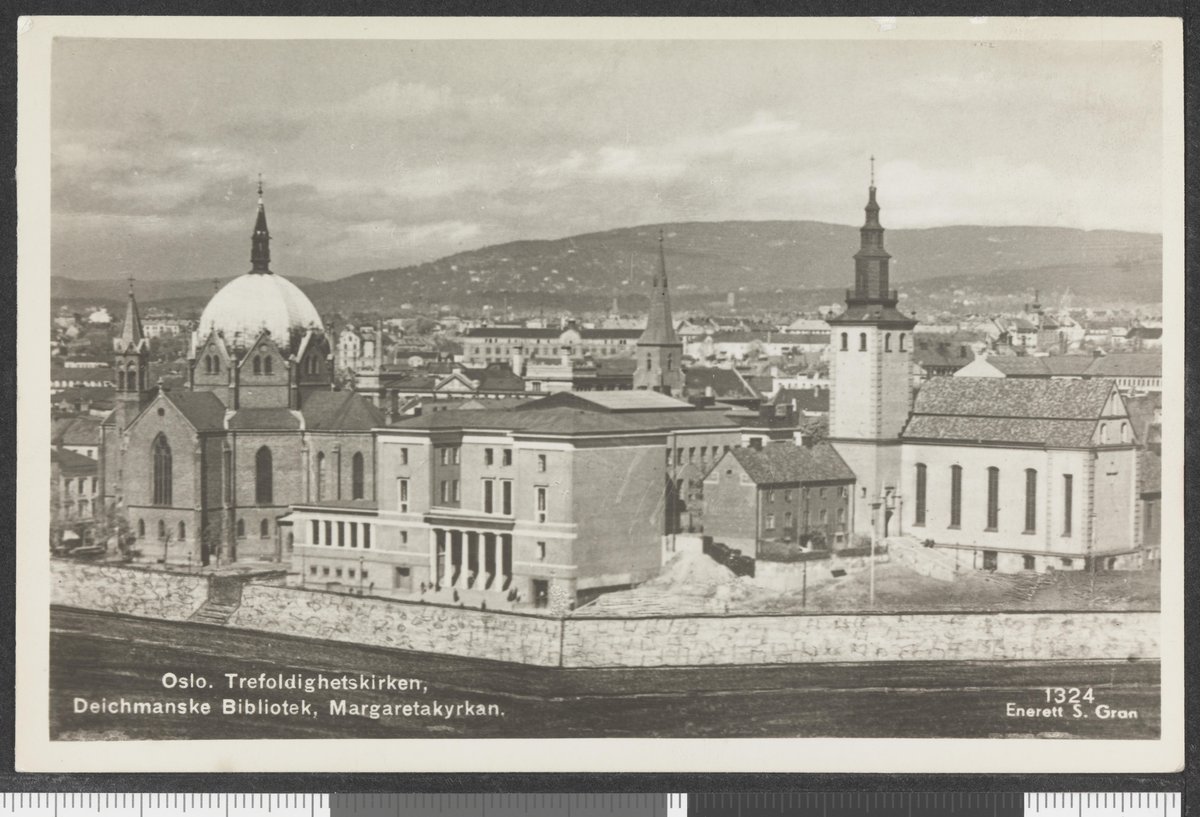
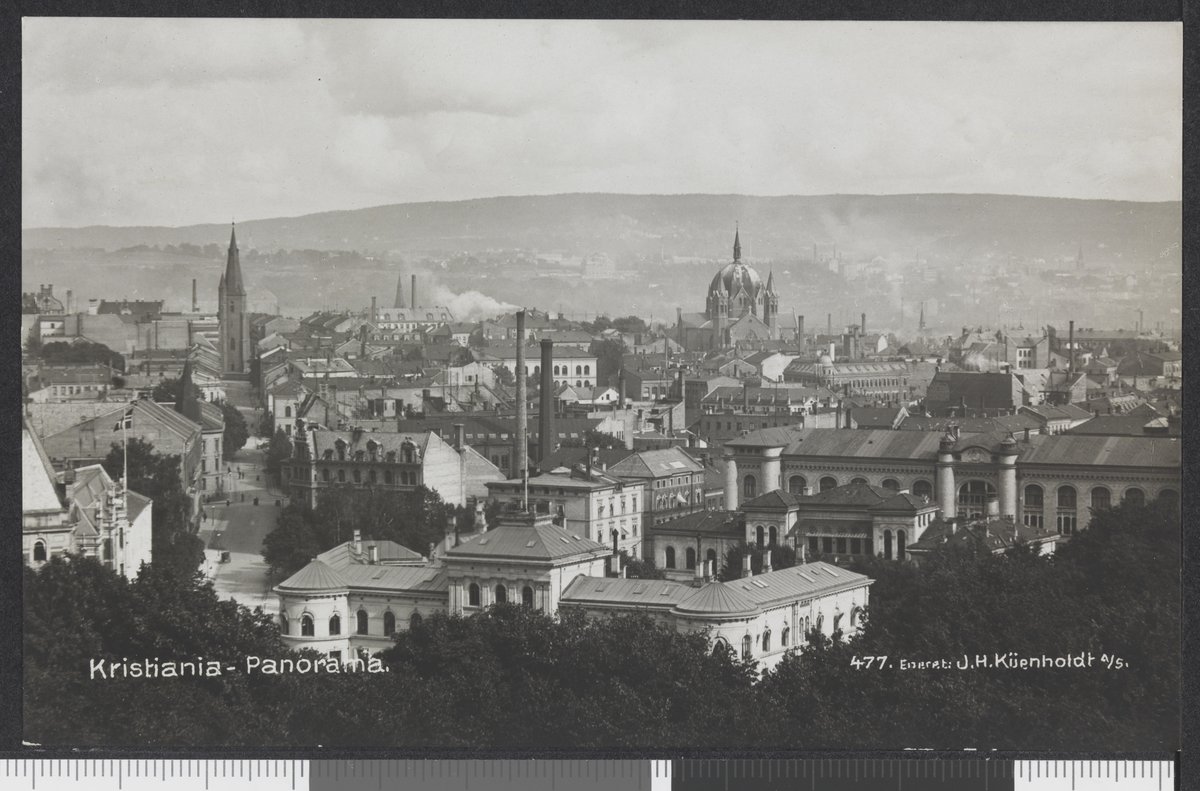
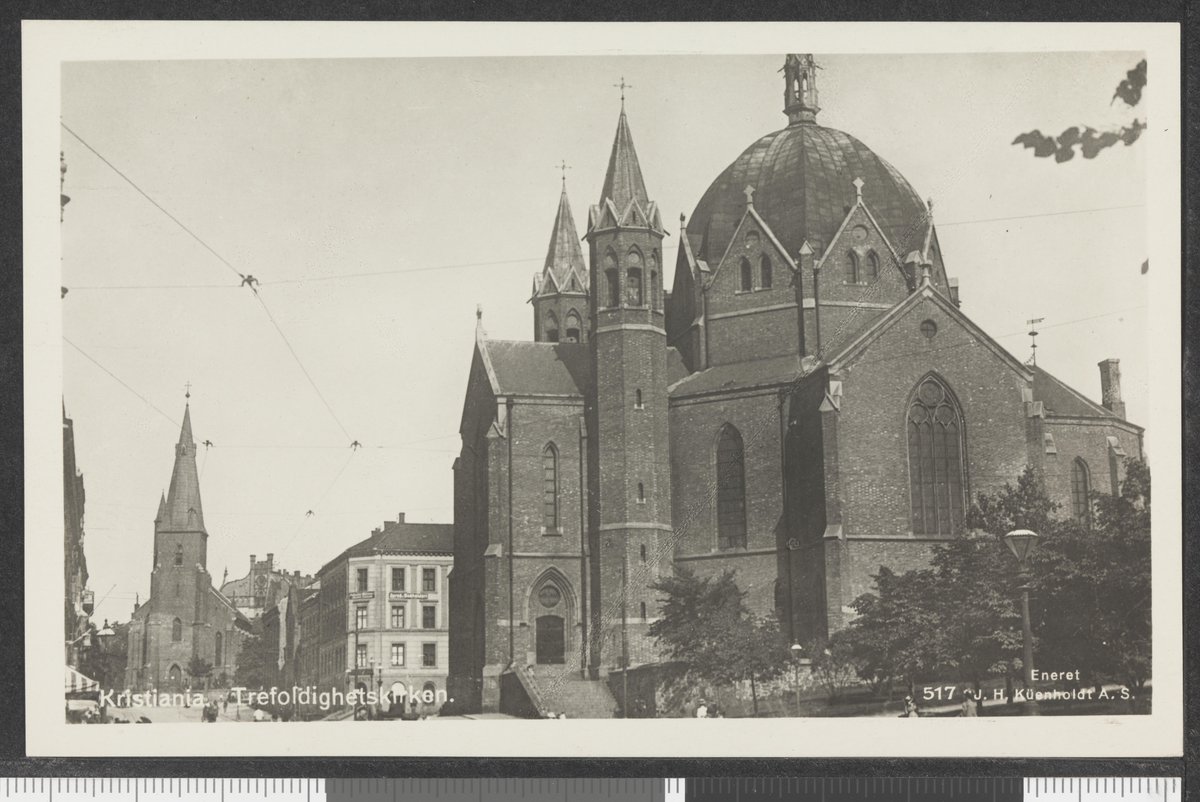
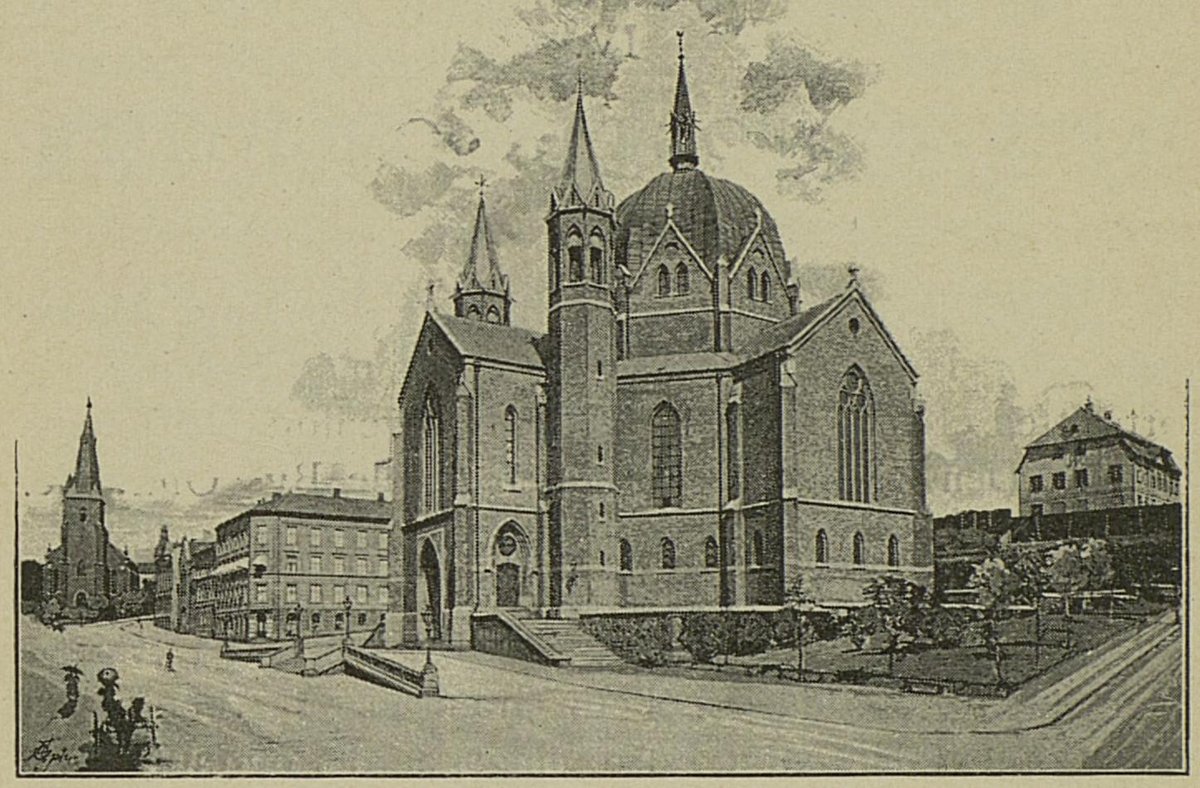
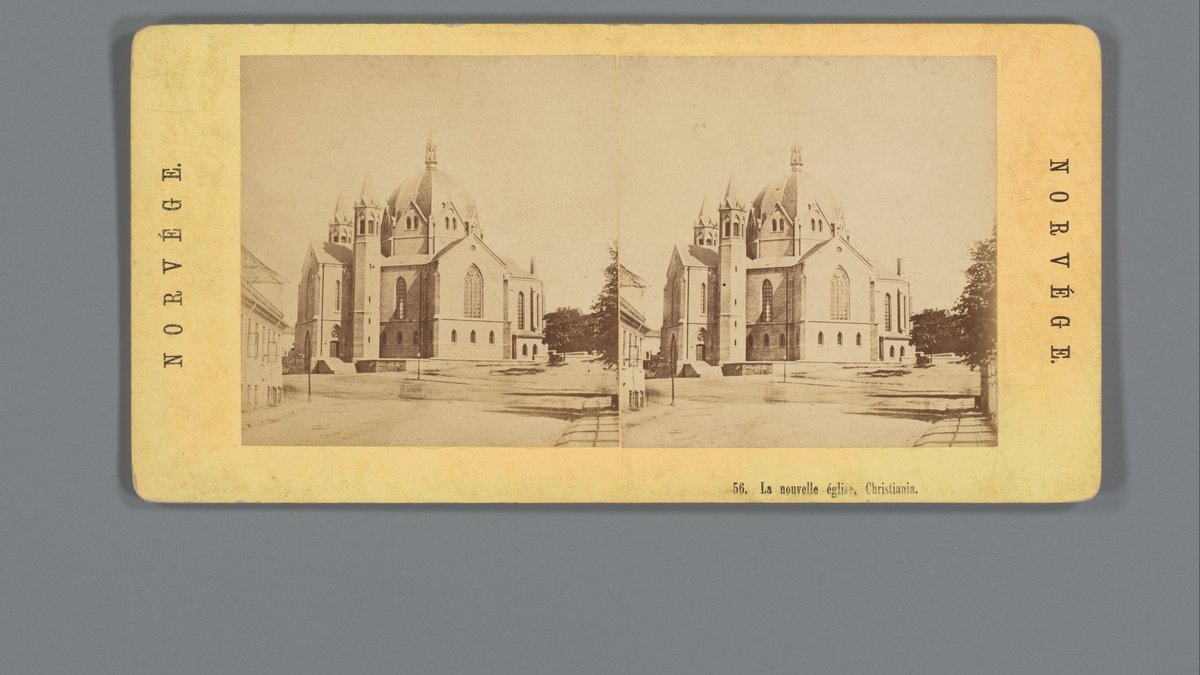
Trinity Church (Trefoldighetskirken) stands at the heart of Oslo as an architectural and cultural treasure, reflecting both Norway’s religious heritage and the city’s 19th-century urban transformation. Consecrated in 1858, this neo-Gothic landmark is renowned for its striking red brick exterior, unique octagonal nave, and richly adorned interior. Designed initially by Alexis de Chateauneuf and completed by Wilhelm von Hanno, the church combines Gothic and Byzantine influences, further embellished by masterpieces from artists such as Adolph Tidemand and Emanuel Vigeland.
This detailed guide presents everything a visitor needs to know about Trinity Church in Oslo: its history, architectural highlights, opening hours, ticketing, accessibility, and nearby attractions. Whether you are passionate about architecture, history, or cultural experiences, this article equips you with essential insights and practical tips for a memorable visit to one of Oslo’s most iconic landmarks (SpottingHistory, VisitNorway).


Historical and Architectural Significance
Origins and Construction
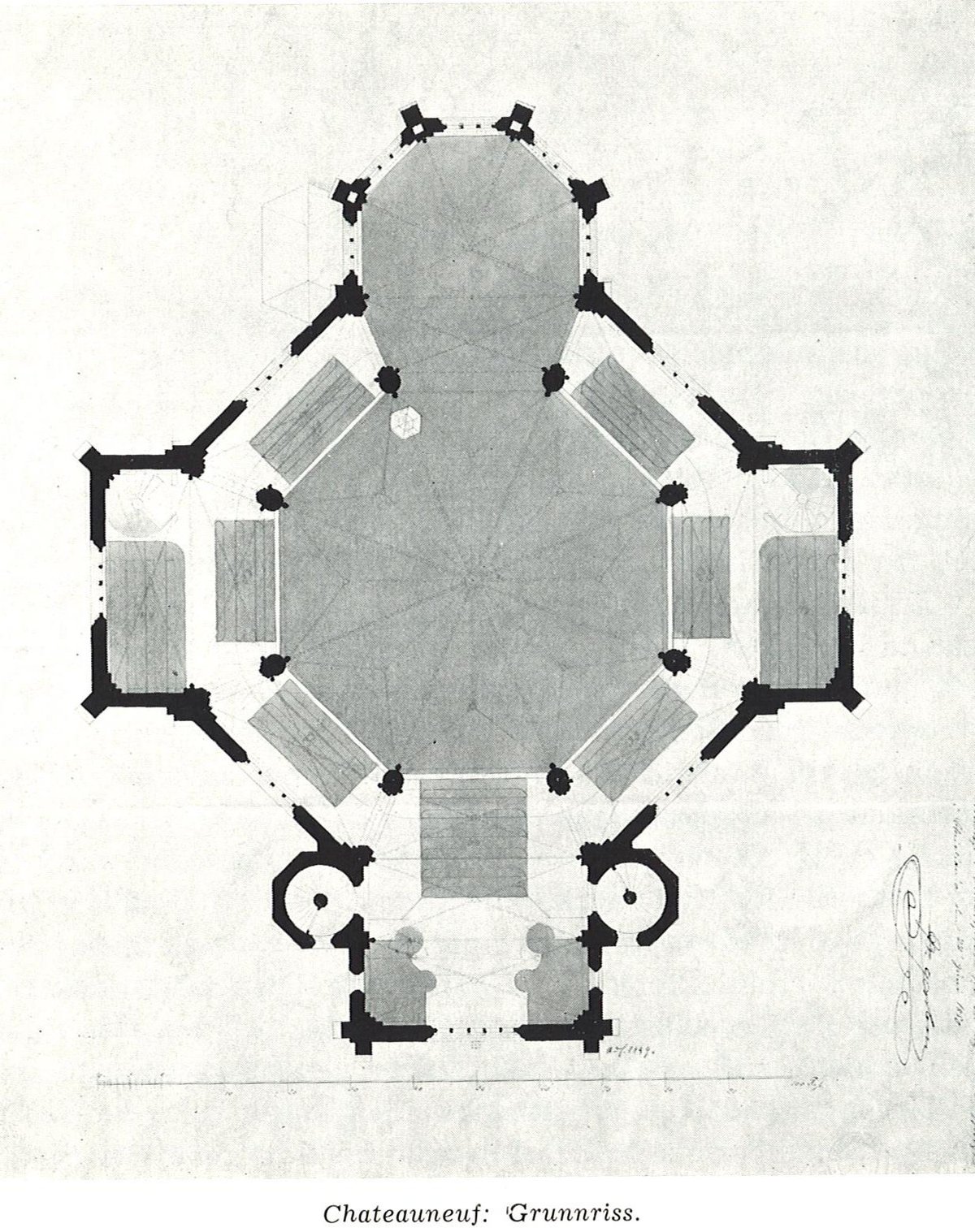
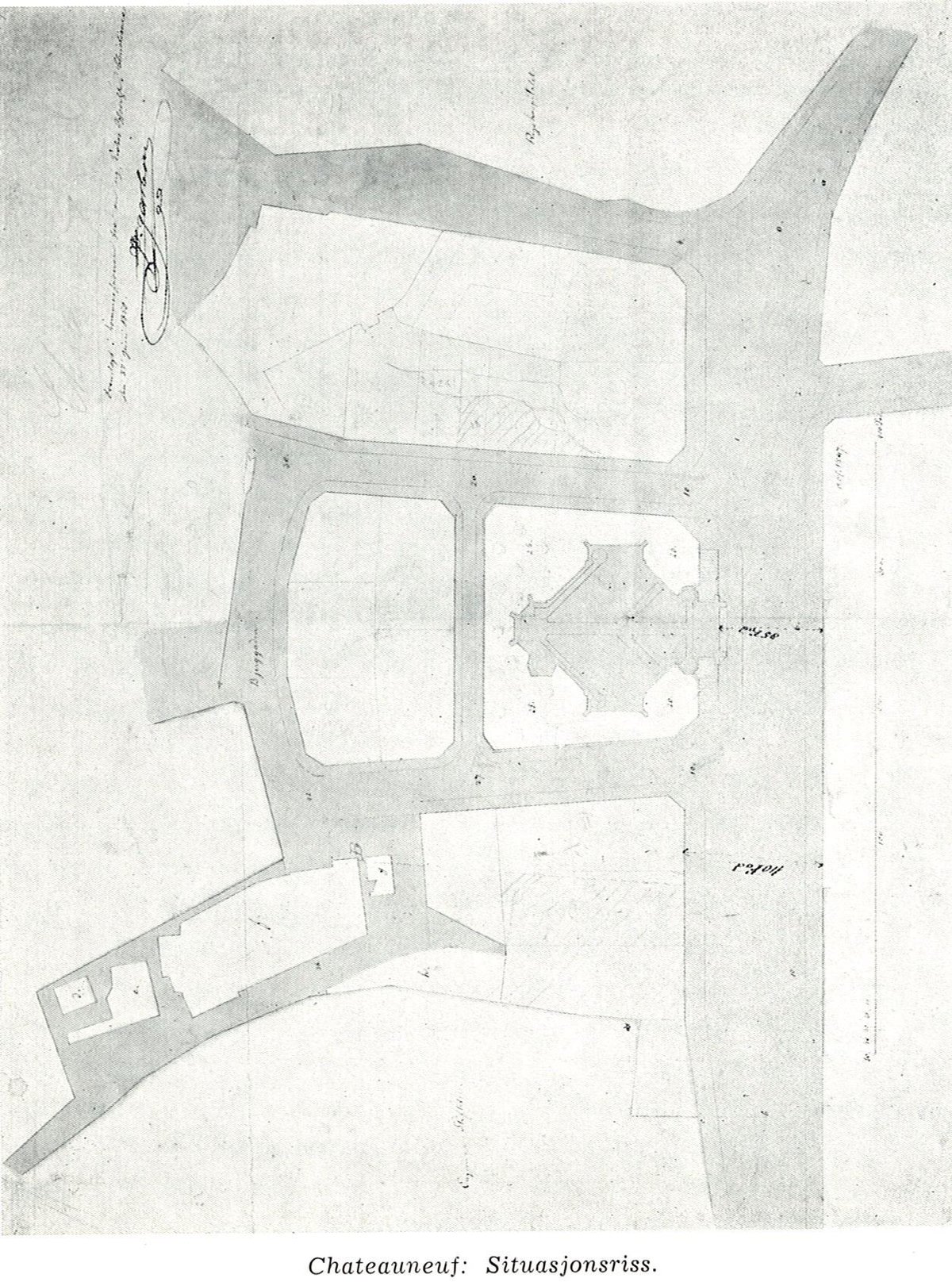
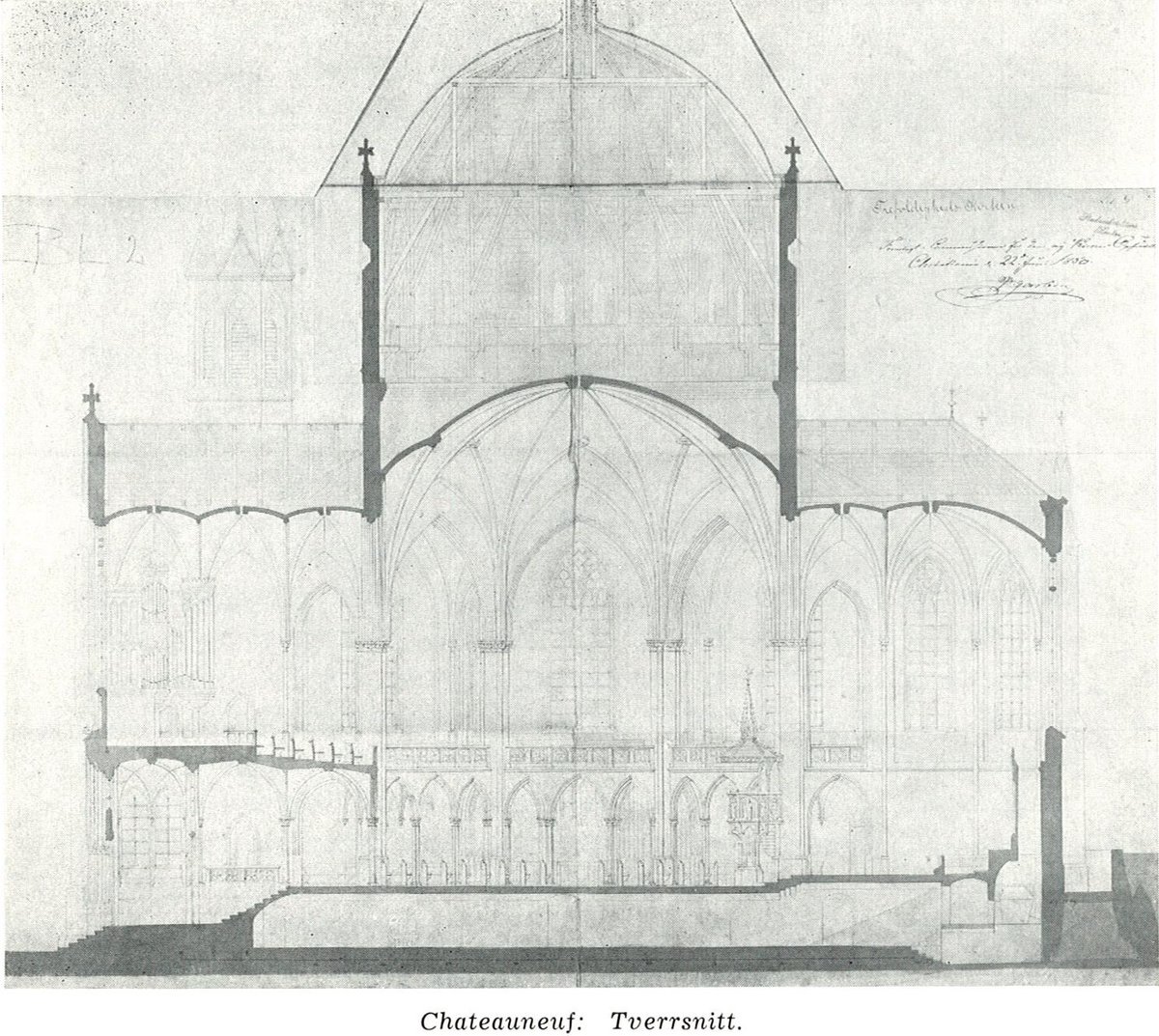
Trinity Church was consecrated in 1858 during a period of rapid growth and national awakening in Oslo (then Christiania). Its initial neo-Gothic design was conceived by Alexis de Chateauneuf—an acclaimed Hamburg architect—before his pupil, Wilhelm von Hanno, completed the interior. The church’s construction introduced innovative use of raw red brick, a material both practical and visually impactful in 19th-century Scandinavia (Wikipedia).
The church’s most distinctive feature is its octagonal nave, topped by a central dome and flanked by two octagonal bell towers. This layout, superimposed with a Greek cross, reflects both symbolic and functional design, supporting the church’s excellent acoustics and unifying architectural intent.
The Church’s Role in Oslo
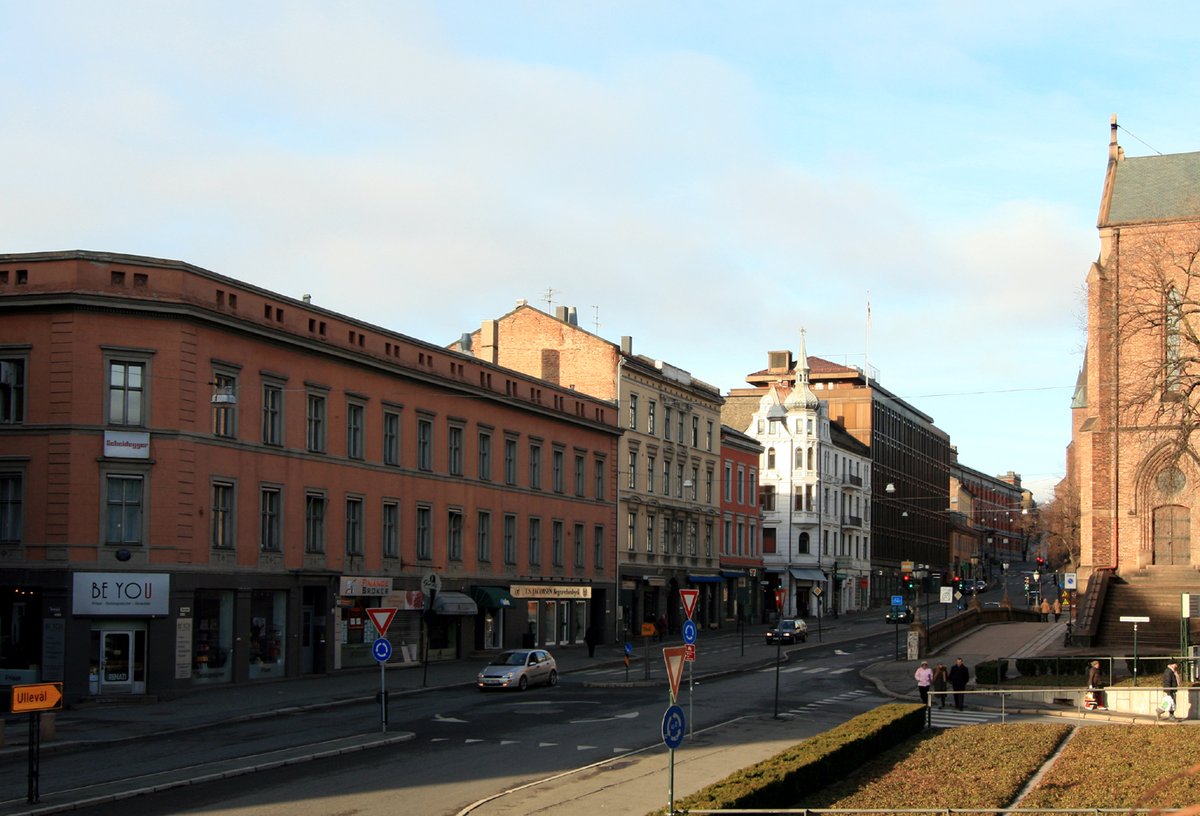
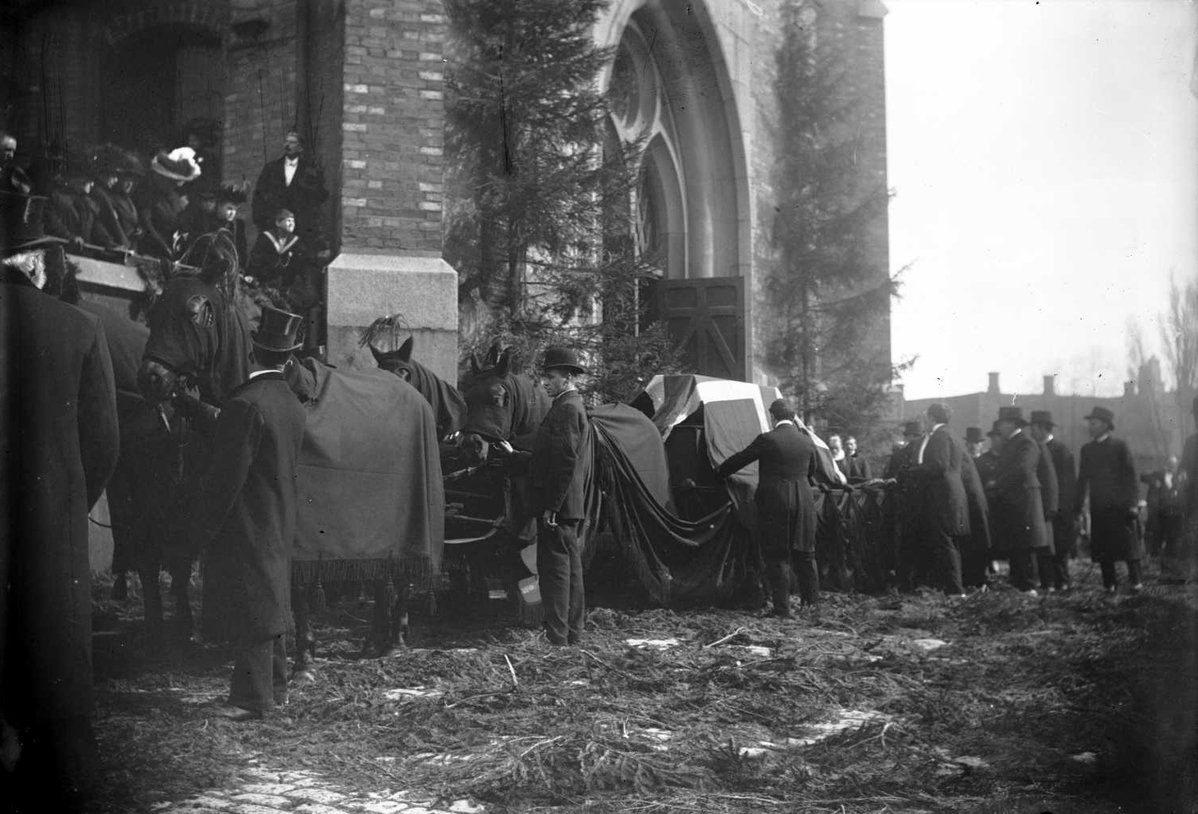
From its opening, Trinity Church became one of Oslo’s most significant religious and civic venues, accommodating approximately 1,000 worshippers. Its location near government buildings and cultural landmarks positioned it as a center for both spiritual and community life. Throughout its history, it has hosted countless ceremonies, public gatherings, and national events, serving as a living symbol of Norway’s evolving identity (SpottingHistory, NLS Norwegian).
Artistic and Musical Heritage
Trinity Church is celebrated for its rich artistic collaborations:
- Altarpiece: Painted by Adolph Tidemand in 1866, depicting the Baptism of Jesus.
- Chandeliers: Created by Emanuel Vigeland in 1923, adding elegance to the nave.
- Stained Glass: The vibrant windows by Frøydis Haavardsholm illuminate biblical scenes and fill the sanctuary with colored light.
The church is also known for its exceptional acoustics and grand pipe organ, making it a sought-after venue for classical concerts and choral performances (Tripomatic).
Preservation efforts ensure the church’s continued splendor, safeguarding its structure and art for future generations (NLS Norwegian).
Visitor Information
Visiting Hours
- General Opening: Monday–Saturday: 10:00 AM – 5:00 PM
- Sundays: Open during worship services
- Note: Visiting hours may vary for holidays and special events. Confirm current times via the official website or parish office (VisitNorway).
Tickets and Entry
- General Admission: Free
- Concerts & Special Events: Ticket required (available online or at the church)
- Donations: Appreciated to support the church’s maintenance and community work.
Accessibility
- Wheelchair Access: Ramps and accessible restrooms available
- Special Assistance: Arrangements can be made in advance
- Multilingual Materials: Information available in English, Norwegian, and sometimes German
Guided Tours and Events
- Guided Tours: Available at scheduled times or by arrangement, offering in-depth architectural and historical insights
- Concerts and Festivals: Regularly feature local and international artists, especially highlighting the church’s historic organ
- Cultural Activities: Includes art exhibitions, seasonal celebrations, and community events
Location and Getting There
- Address: Akersgata 60, Oslo
- Public Transport:
- Nearest Tram/Bus Stops: St. Olavs plass, Tullinløkka
- Metro: Nationaltheatret and Stortinget stations nearby
- Parking: Limited street parking; public garages such as Sentrum P-hus and Saga P-hus are in walking distance
- Walking/Cycling: Central, pedestrian-friendly area with bike racks available
Nearby Attractions
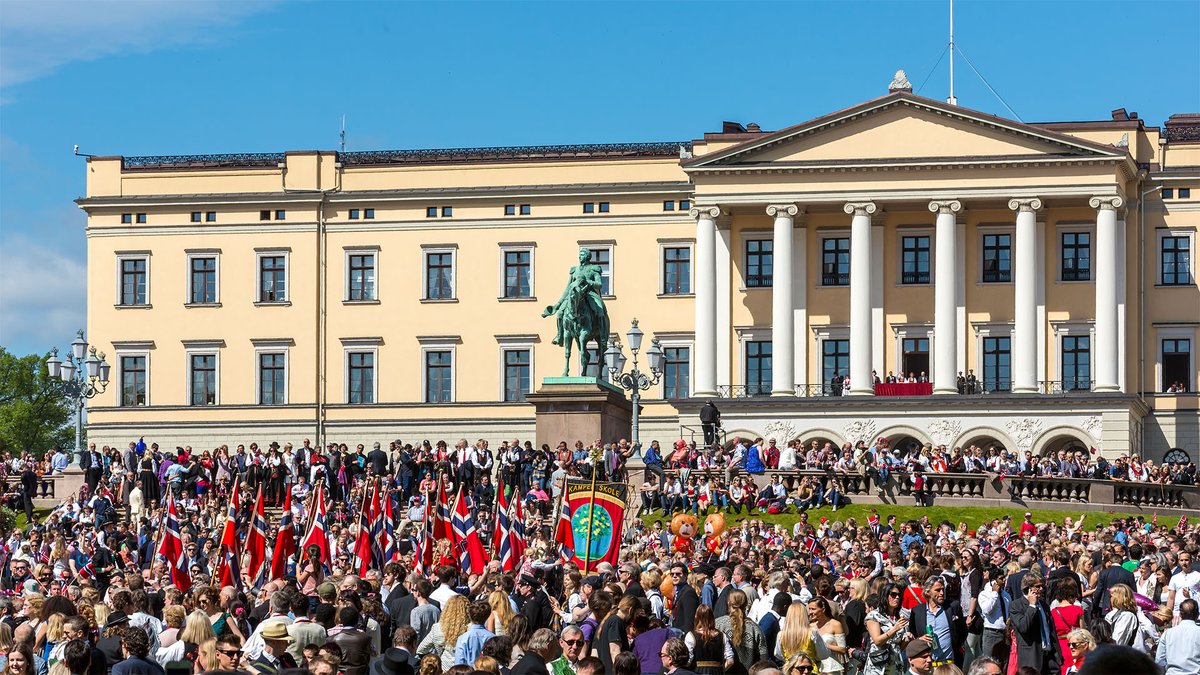
- Royal Palace: Oslo’s iconic residence and park
- Oslo Cathedral: Baroque interior and lively square
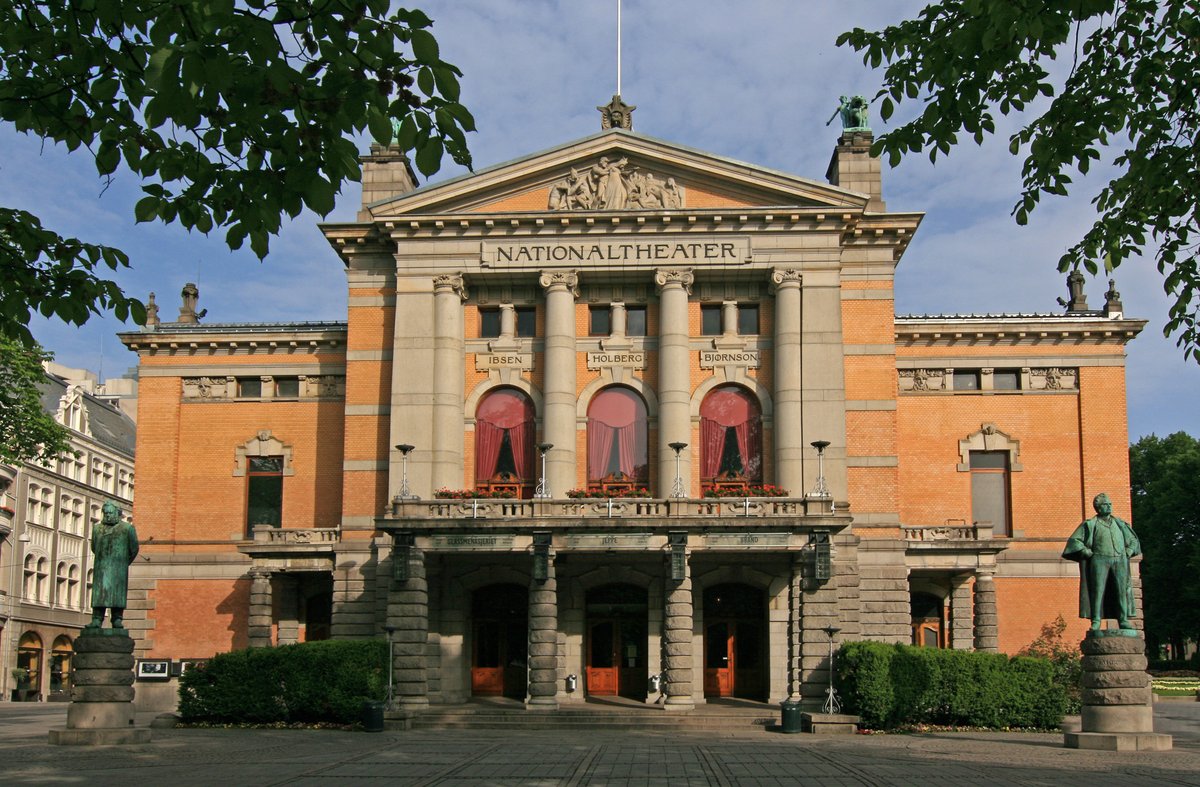
- National Theatre, City Hall, Karl Johans gate: All within a 10–15 minute walk
- Akershus Fortress: Medieval stronghold with panoramic views
- Local Cafés and Shops: Numerous options for refreshments and shopping nearby
Visitor Etiquette and Tips
- Dress Code: Modest attire recommended
- Quiet Reflection: Maintain silence during services and respect the sacred space
- Photography: Permitted outside of services; avoid flash and tripods
- Donations: Welcomed at the entrance and during events
- Language: Most staff and volunteers speak English
For families, the church is stroller-friendly and located near St. Hanshaugen Park for outdoor relaxation.
Frequently Asked Questions (FAQs)
Q: What are Trinity Church’s visiting hours?
A: Generally 10:00 AM–5:00 PM Monday–Saturday, with Sunday opening during services. Always check the official website for current times.
Q: Is there an entrance fee?
A: No, general admission is free. Tickets are required for special concerts and tours.
Q: Is Trinity Church accessible for wheelchair users?
A: Yes, with ramps, accessible restrooms, and step-free access.
Q: Are guided tours available?
A: Yes, at set times or by arrangement via the parish office.
Q: Can I take photos inside?
A: Yes, but be discreet and respectful, especially during services.
Q: Which nearby attractions can I visit?
A: The Royal Palace, Oslo Cathedral, National Gallery, and Akershus Fortress are all within walking distance.
Visuals and Multimedia
- 
- 
- Interactive map and virtual tour available on the official website
Discover More
Trinity Church Oslo is more than a historical monument; it is an enduring testament to Norway’s national identity, artistic heritage, and community spirit. Its neo-Gothic architecture, exceptional acoustics, and vibrant cultural calendar make it a must-see for anyone exploring Oslo.
Before your visit, check current opening hours and event calendars via the official Trinity Church website or Oslo’s tourism resources. Enhance your experience by downloading the Audiala app for audio guides and following us on social media for the latest updates.
Make Trinity Church a highlight of your Oslo itinerary—immerse yourself in its history, culture, and beauty.
Listen to the full story in the app
The whole Trinity Church,
told well.
Audio guides for 1,100+ cities across 96 countries. History, stories, and local insight — offline ready.
Verified, and shown.
Researched and written by the Audiala editorial team from historical records, architectural archives, and local expertise.
Researched from Wikidata, Wikipedia & official sources · fact-checked · How we make our guides →