Origins and Early Ownership
Strømsborg’s history begins in the early 19th century as Hougen, a traditional Norwegian “løkke” or small country estate. In 1825, Carl Gustav Strøm purchased the property and renamed it Strømsborg, combining his surname with "borg" (castle/fortress), though the estate was never a literal fortress (Oslo Byleksikon, Liavaag.org).
19th-Century Development & Architectural Heritage
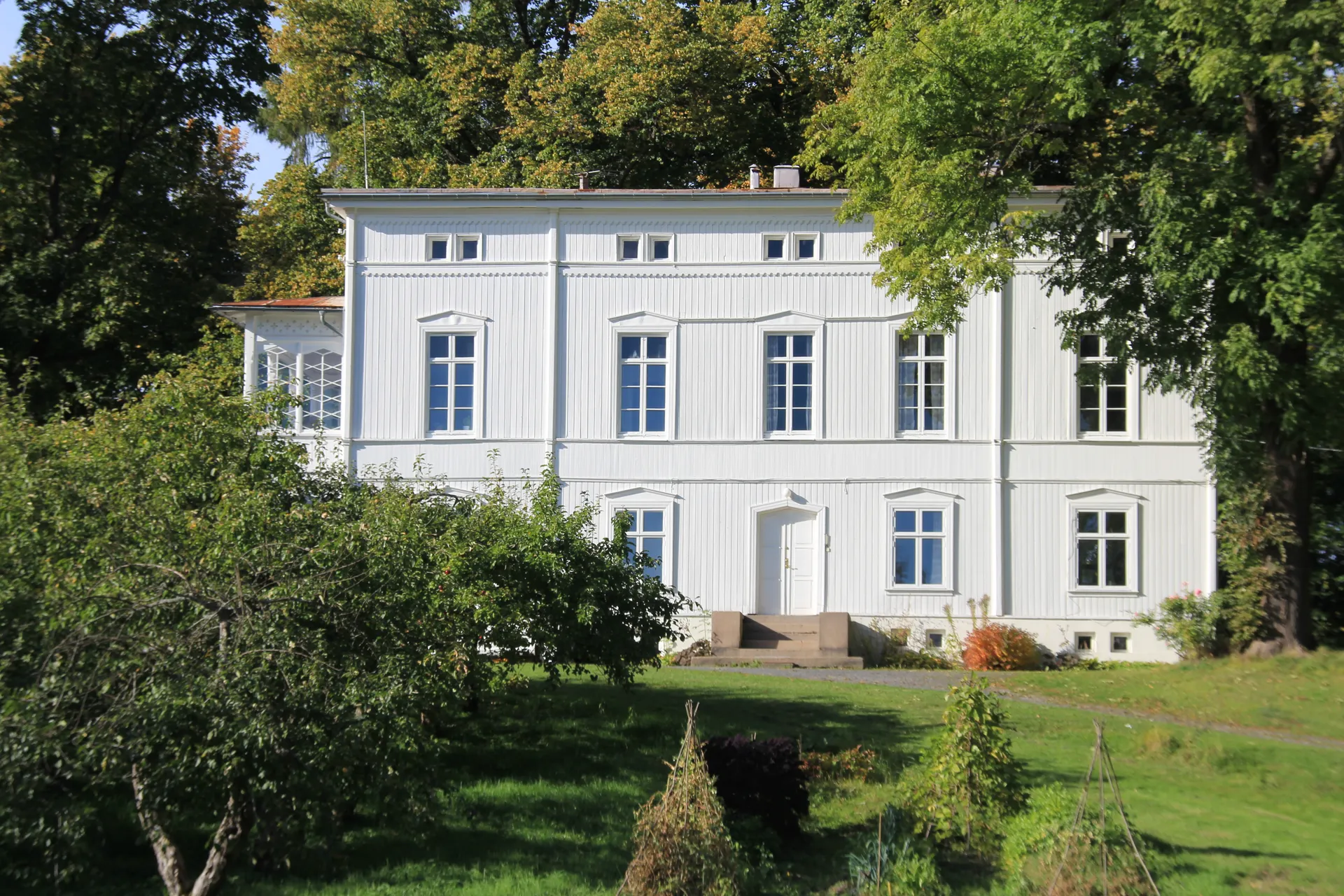
The current main house, built around 1865, exemplifies the wooden architecture characteristic of Norwegian rural estates of that era. The property formerly included Strømsborgdammen, a pond filled in 1947. Adjacent Lille Strømsborg, now part of Bygdøy School, preserves further 19th-century architectural elements (Oslo Byleksikon).
Integration into Royal Holdings
King Oscar II acquired Strømsborg in 1876, integrating it into Bygdø Kongsgård (the royal estate), following King Carl Johan’s earlier acquisition of Bygdøy as a public space for Christiania residents (Bygdø Kongsgård). Strømsborg also served as barracks for H.M. Kongens Garde, underscoring its strategic and ceremonial importance.
State Ownership & Preservation
In 2004, King Harald V relinquished rights over most of the estate, retaining only the main building and Oscarshall for royal use. Administration passed to the Stiftelsen Norsk Folkemuseum and Statsbygg, ensuring the site’s preservation as a cultural heritage landmark (Oslo Byleksikon).
Visitor Information: Access, Hours, and Tickets
Is Strømsborg Open to the Public?
Strømsborg estate’s interior is not open for public tours. However, its exterior and the broader Bygdøy peninsula are accessible, offering scenic walks and proximity to major museums.
Visiting Hours & Tickets
- Strømsborg Estate No regular public hours or tickets for interior access.
- Bygdøy Museums Open year-round (hours vary seasonally), with ticketed entry.
- Strømsborg Islet (Oslofjord) Open year-round; ferry services primarily operate May–September, typically from 9:00 AM to 7:00 PM (Ruter).
- Ferry Tickets Single ride ~38 NOK; 24-hour pass ~110 NOK (covering ferries, buses, trams).
Tip: Use the Ruter app for real-time schedules and ticket purchases.
Cultural and Historical Significance
Strømsborg reflects Oslo’s transformation from private estates to public cultural landscapes. Its royal connections, role as military barracks, and architectural character embody centuries of Norwegian history, while current stewardship by cultural foundations preserves its legacy (Bygdø Kongsgård).
Notable Events
- 1825 Carl Gustav Strøm purchases and renames Hougen to Strømsborg.
- 1865 Construction of the current main house.
- 1876 Integration into Bygdø Kongsgård by King Oscar II.
- Late 19th–20th Century Served as King’s Guard barracks.
- 1947 Strømsborgdammen pond filled in.
- 2004 Transition to state and museum management.
Practical Travel Tips
- Best Time to Visit May–September for optimal weather and ferry service (Global Highlights).
- Getting There By bus (lines 30/31), ferry from Aker Brygge, or bicycle; check Ruter for schedules.
- Packing Bring food and water for island visits; no shops or facilities on Strømsborg islet.
- Weather Dress in layers; prepare for changeable conditions.
Activities and Nearby Attractions
-
On Bygdøy
- Norsk Folkemuseum – Cultural heritage exhibitions.
- Viking Ship Museum – Viking Age artifacts.
- Oscarshall Palace – Guided tours available seasonally.
- Walking Trails – Enjoy the natural and historic surroundings.
-
On Strømsborg Islet
- Picnicking, Swimming, Photography
- Island Hopping Ferries connect to Hovedøya (monastery ruins), Gressholmen, and Lindøya (beaches, walking trails).
- Fjord Activities Kayak and paddleboard rentals from Aker Brygge (timeout.com).
-
Nearby in Oslo
- Aker Brygge & Tjuvholmen Dining, art, and architecture.
- Nobel Peace Centre, Oslo Opera House, Vigeland Park (see Lonely Planet).
Accessibility & Environmental Considerations
- Estate Grounds Accessible by foot; interior closed.
- Strømsborg Islet Not wheelchair accessible; terrain is uneven.
- Sustainability Oslo prioritizes environmental care (Tourist Maps); carry out all trash, no fires.
Frequently Asked Questions (FAQ)
Q: Can I tour inside Strømsborg estate?
A: No, interior access is restricted. The estate can be appreciated from public walkways.
Q: Are guided tours available?
A: Some Bygdøy walking tours feature Strømsborg’s history, but do not include interior visits.
Q: How much do ferry tickets to Strømsborg islet cost?
A: Single ride: ~38 NOK; 24-hour pass: ~110 NOK (Ruter).
Q: Is Strømsborg islet suitable for wheelchairs?
A: No; terrain is uneven and unpaved.
Q: Are there facilities on Strømsborg islet?
A: None; bring all supplies with you.
Summary Table: Key Practical Tips
| Aspect | Details |
|---|---|
| Access | Public ferry from Aker Brygge or bus to Bygdøy |
| Visiting Hours | Estate exterior: always open; islet: ferry hours (May–Sep: 9 AM–7 PM) |
| Ticket Prices | Estate: free (exterior); Ferry: ~38 NOK (single), ~110 NOK (24-hr pass) |
| Facilities | None on islet; museums/shops on Bygdøy |
| Activities | Picnicking, swimming, photography, museum visits, island hopping |
| Accessibility | Not suitable for wheelchairs (islet); exterior estate accessible |
| Safety | No lifeguards; supervise children; plan return before dusk |
| Environmental Care | Leave no trace; no fires |
| Accommodation | Stay in Oslo city center or Bygdøy |
Discover More
Ready to experience Strømsborg’s unique mix of history and nature? Use the Ruter app for ferry tickets and schedules, and plan your Oslofjord adventure. For further inspiration, explore our related guides on Oslo’s top historical sites and follow us on social media for the latest updates and exclusive tips.