Plan and listen to St. Clement'S Church with Audiala.
Audio guide in your pocket, itinerary in your browser. Built for the way you actually visit.
Introduction
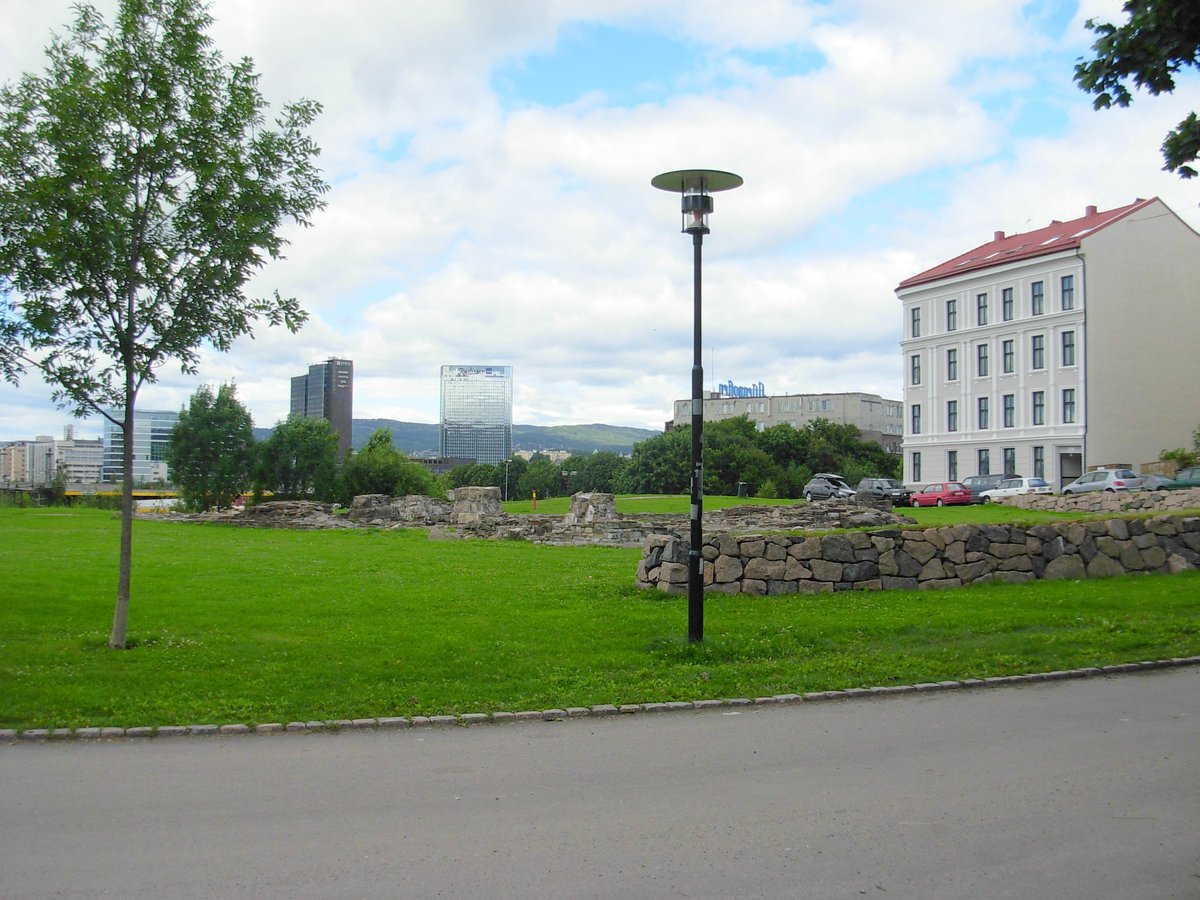
Nestled within Oslo’s historic Middelalderparken (Medieval Park), the ruins of St. Clement’s Church (Klemenskirken) offer a remarkable glimpse into Norway’s formative Christian era and medieval city life. As the city’s earliest known church, its origins trace back to the late 10th and early 11th centuries—predating Oslo’s official founding. Archaeological discoveries at the site reveal layers of Christian burials and wooden predecessor churches, shedding light on the gradual Christianization of Viking Age Norway and the city’s maritime heritage. Today, St. Clement’s Church stands as a preserved archaeological landmark, accessible to all and celebrated for its rare double-nave design, historical significance, and evocative ruins (Spotting History; Kirker i Norge).
This guide will walk you through St. Clement’s Church’s history, architectural uniqueness, archaeological importance, practical visitor information—including visiting hours, tickets, accessibility, and nearby attractions—and provide travel tips to enrich your experience.

Early Christian Roots
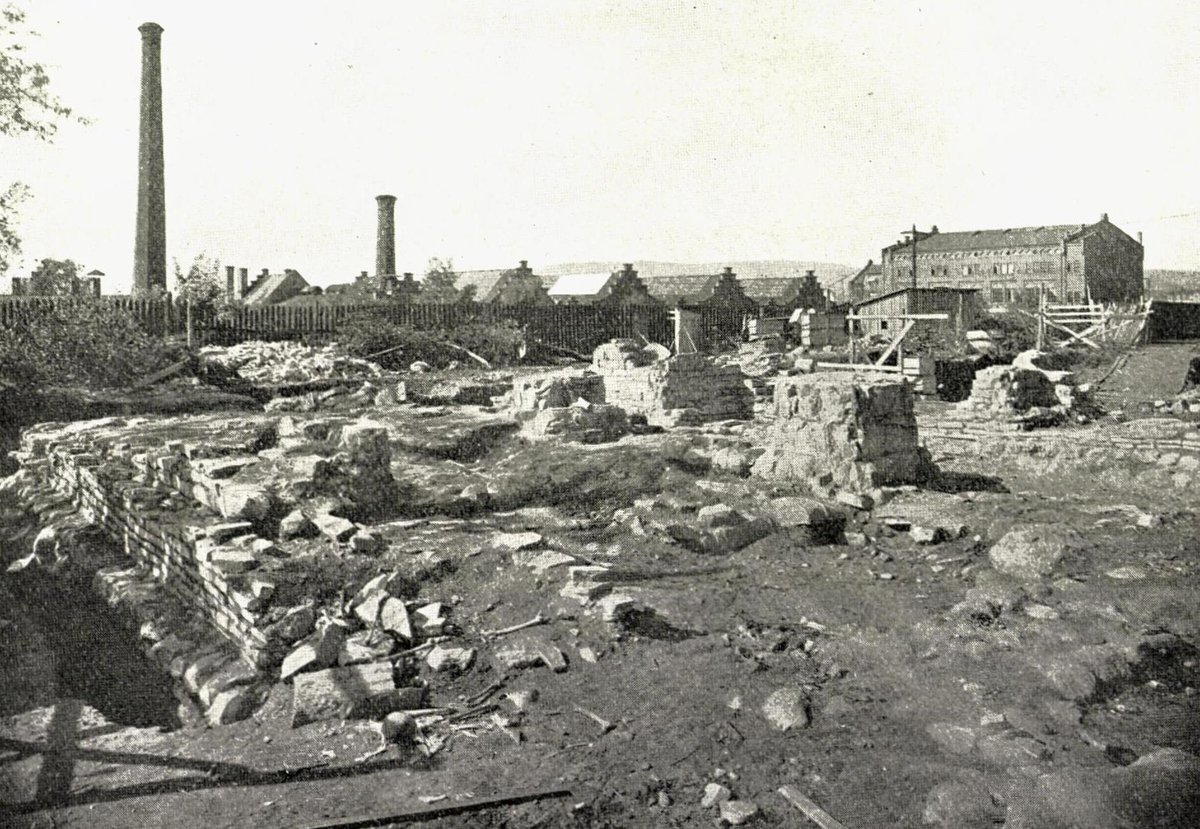
St. Clement’s Church is among the oldest Christian sites in Norway. Excavations led by Ole Egil Eide in 1970–71 unearthed at least 81 Christian graves dating between 980 and 1030 CE—some of the country’s earliest. These burials, along with remnants of at least two earlier wooden stave churches beneath the stone structure, underscore the site’s continuous religious use and its role in the region’s transition from paganism to Christianity (Spotting History).
Construction and Decline
The stone church, built circa 1100 CE, featured a rare double-nave floor plan, robust tower, and three central pillars, reflecting both the growing Christian community’s needs and Oslo’s maritime culture. Its dedication to St. Clement, patron saint of seafarers, further emphasizes the city’s historical ties to the sea (Explanders).
Following the Protestant Reformation in the 16th century, St. Clement’s was abandoned, fell into ruin, and its stones were repurposed elsewhere in Oslo. The site was rediscovered and excavated in the 20th century, revealing its unique architectural and archaeological story (The Viking Herald; Visit Oslo).
Architectural and Archaeological Highlights
Unique Double-Nave Design
St. Clement’s Church is notable for its rare double-nave floor plan—a feature almost unknown in Norwegian medieval architecture. Three pillars along the choir’s axis divided the space into two parallel naves, likely accommodating large congregations or distinct groups within the community (kirkerinorge.com).
Layers of Christian Worship
Archaeologists have documented at least seven layers of Christian burials and multiple construction phases, including earlier wooden stave churches beneath the stone structure. These layers illustrate the site’s continuous use and the evolving religious practices through the centuries (archaeolist.com).
Ritual and Sacred Features
Findings include a well-defined altar area, a possible holy well, and evidence of ritual spaces in line with medieval liturgical practices (archaeology.org). The church’s robust stone construction and tower underscored both its spiritual and social importance.
Religious and Cultural Significance
St. Clement’s Church anchored medieval Oslo’s spiritual landscape, serving a burgeoning population of townspeople, merchants, and travelers. Its proximity to St. Hallvard’s Cathedral and the royal estate positioned it at the core of medieval Oslo’s religious and political life (Wikipedia). The church’s decline post-Reformation mirrors the broader transformation of Norwegian society as it shifted from Catholicism to Lutheranism (Explanders).
Today, the ruins symbolize Oslo’s layered religious heritage and the city’s enduring connection to its maritime and Christian roots. Inclusion in walking tours and heritage trails highlights its ongoing relevance (GPSmyCity).
Visiting Information: Hours, Tickets & Accessibility
- Visiting Hours: The ruins, within Middelalderparken, are open year-round, generally from 8:00 AM to 8:00 PM in summer and 9:00 AM to 5:00 PM in winter. Hours may vary on holidays.
- Tickets: Entrance is free. Guided tours or special events may require a ticket or registration.
- Accessibility: The site features paved paths and is wheelchair accessible, though some uneven ground may be present. Visitor information and signage are provided in Norwegian and English.
- Location: Middelalderparken, Gamlebyen (Old Town), Oslo. The closest tram stop is 'St. Halvard’s gate'; it’s a 15-minute walk from Oslo Central Station.
- Guided Tours: Offered seasonally and during heritage festivals. Self-guided tours are available via mobile apps like Audiala (VisitOSLO).
Travel Tips and Nearby Attractions
- Best Time to Visit: Summer offers longer daylight and pleasant weather; winter visits provide a unique, atmospheric experience.
- What to Bring: Comfortable walking shoes, camera for photography, and weather-appropriate clothing.
- Suggested Itinerary: Combine your visit with the nearby St. Hallvard’s Cathedral ruins, Oslo Ladegård (the bishop’s manor), and a stroll through the Barcode district for a blend of old and new Oslo (Matias Travel).
- Photography: The open-air ruins and park are ideal for photos, especially during early morning or late afternoon light.
Modern Preservation and Events
St. Clement’s Church ruins are preserved as a key feature of Middelalderparken, with ongoing archaeological research and heritage programs. The site hosts occasional cultural events, educational workshops, and guided tours—especially during Oslo’s heritage festivals (VisitOSLO). Preservation efforts ensure its role as both a public educational site and a symbol of Oslo’s medieval past (Kirker i Norge).
Frequently Asked Questions (FAQ)
Q: What are the opening hours for St. Clement’s Church Ruins?
A: Year-round, generally from 8:00 AM to 8:00 PM in summer and 9:00 AM to 5:00 PM in winter.
Q: Is there an entrance fee?
A: No, entry is free. Tickets may be required for special tours or events.
Q: Is the site wheelchair accessible?
A: Yes, paved paths are available, with some uneven surfaces.
Q: Are guided tours available?
A: Yes, seasonally and during special events. Check the Oslo Visitor Center or mobile apps like Audiala.
Q: How do I reach St. Clement’s Church from Oslo Central Station?
A: About a 15-minute walk or a short tram ride to 'St. Halvard’s gate' stop.
Q: Can I take photographs at the site?
A: Yes, photography is encouraged.
Discover More
Ready to explore Oslo’s medieval heart? Download the Audiala app for immersive audio tours of St. Clement’s Church and other historical sites. For updates on events and heritage news, follow us on social media and check out our related guides on Oslo’s top cultural attractions.
For additional visitor information and the latest updates, visit the official Oslo tourism website and Kirker i Norge.
Listen to the full story in the app
The whole St. Clement'S Church,
told well.
Audio guides for 1,100+ cities across 96 countries. History, stories, and local insight — offline ready.
Verified, and shown.
Researched and written by the Audiala editorial team from historical records, architectural archives, and local expertise.
Clement’s Church Ruins: History, Hours, Tickets & Oslo Historical Sites, 2025, Spotting History
Clement’s Church Oslo: Visiting Hours, History, Architecture, and Ticket Information, 2025, Kirker i Norge
Clement's Church Oslo: History, Visiting Hours, Tickets & Cultural Significance, 2025, Explanders
Clement’s Church Oslo: Visiting Hours, Tickets & Historical Guide, 2025, The Viking Herald
Researched from Wikidata, Wikipedia & official sources · fact-checked · How we make our guides →