Plan and listen to Sofienberg Church with Audiala.
Audio guide in your pocket, itinerary in your browser. Built for the way you actually visit.
Introduction
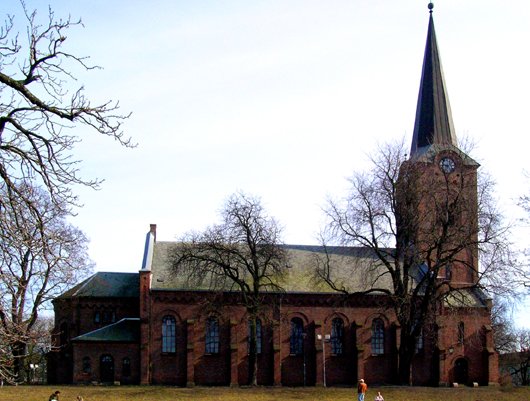
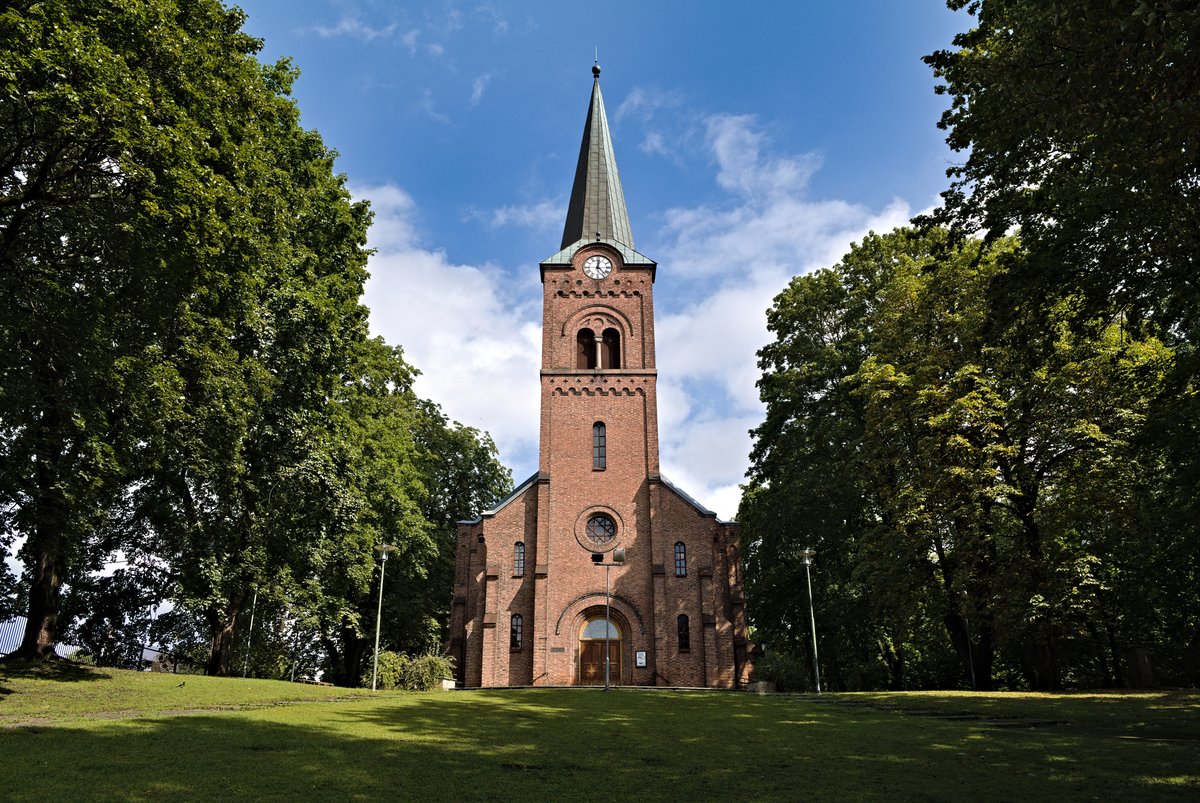
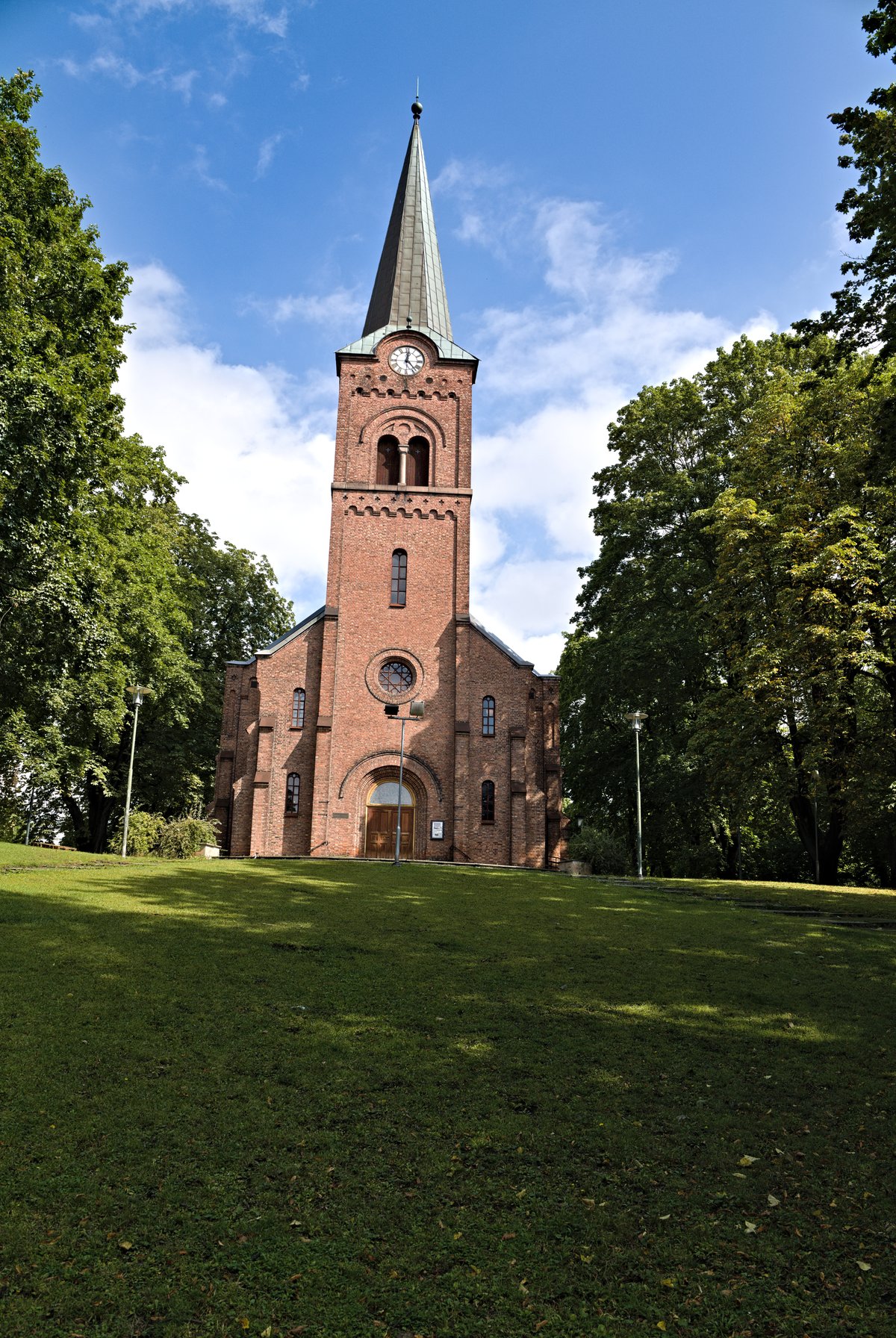
Sofienberg Church stands as a testament to Oslo’s rich history and vibrant culture. Located in the heart of Grünerløkka and Sofienberg, this stunning Neo-Gothic landmark was consecrated in 1877 and designed by Jacob Wilhelm Nordan. With its soaring red-brick façade, impressive tower, and beautifully crafted interiors, the church is much more than an architectural gem—it is a dynamic hub for community life, music, and cultural exchange. This guide provides everything you need to plan your visit, including Sofienberg Church visiting hours, ticketing details, accessibility information, historical context, and recommendations for nearby attractions.
- Introduction
- Historical Overview
- Visitor Information
- Artistic and Architectural Heritage
- Community Engagement and Modern Use
- Frequently Asked Questions (FAQ)
- Plan Your Visit
- Explore More Oslo Sites
- References

Construction and Naming
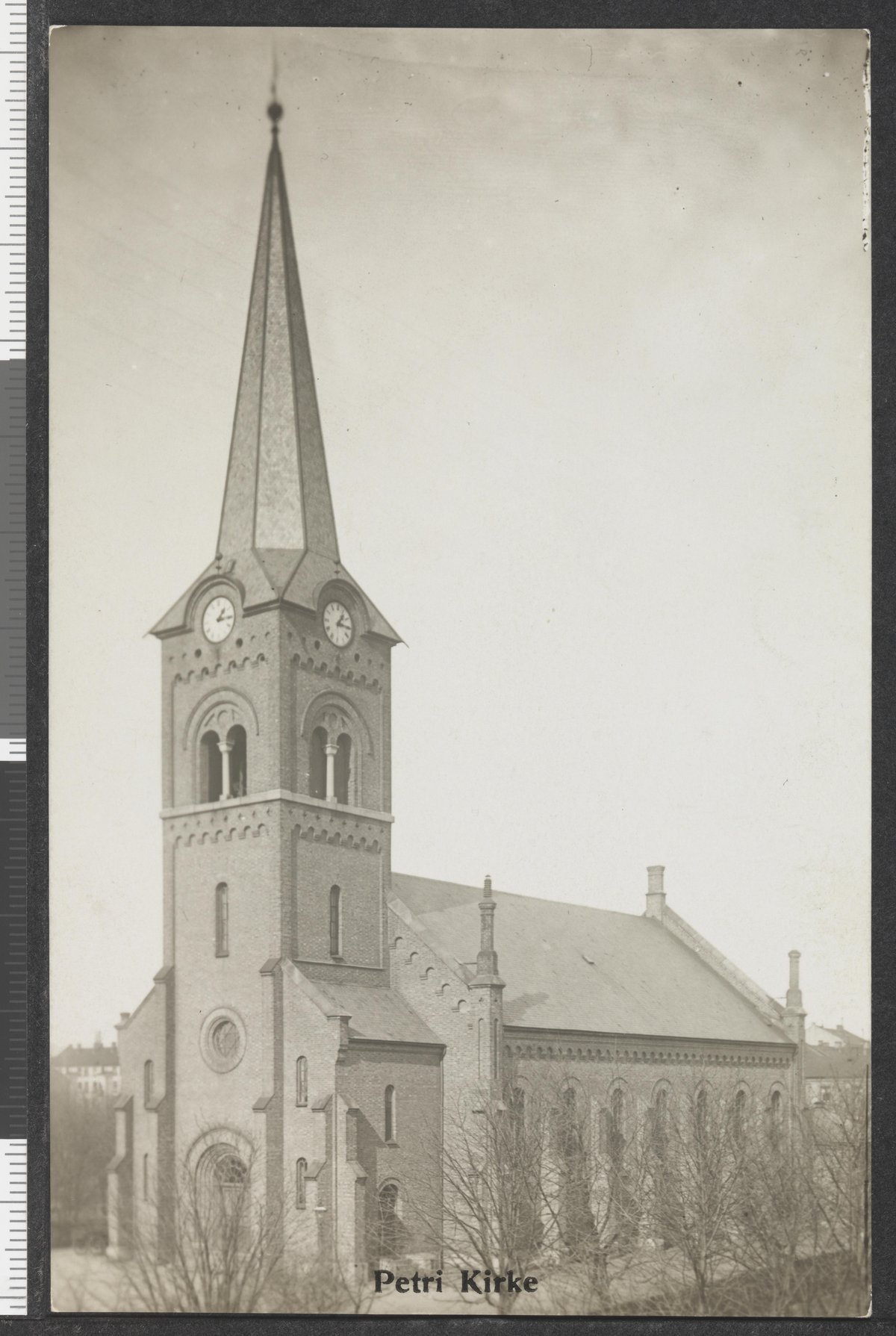
Sofienberg Church arose during Oslo’s rapid urban expansion in the late 19th century to serve the growing eastern districts. Designed by Jacob Wilhelm Nordan, construction commenced in 1874, and the church was consecrated in December 1877. Initially named Paulus kirke, it was renamed several times—first to Petrus kirke in 1892, and finally to Sofienberg kirke in 1962, reflecting shifts in the neighborhood’s identity and demographic changes (Wikipedia, Kirkesøk).
Architectural Features
The church’s Neo-Gothic style is evident in its red-brick construction, pointed arches, ribbed vaults, and a 36-meter-high tower. The interior features an impressive nave, stained-glass windows by Maria Vigeland and Enevold Thømt, and a notable altarpiece by Otto Sinding, depicting Christ on the Cross (Norsk kunstnerleksikon, Wikipedia). The organ, installed in 2013 by Eule (Germany), is renowned for its acoustics and is frequently used for concerts.
Role in the Community
From its inception, Sofienberg Church has been a cornerstone of local spiritual and social life. It played a vital role during Oslo’s industrialization, offering worship, social support, and charity. During World War II, the church was a refuge, and in recent decades, it has served as a venue for concerts, exhibitions, and multicultural events, supporting Oslo’s growing diversity (Oslo kommune).
Visitor Information
Visiting Hours
- Monday to Saturday: 10:00 AM – 4:00 PM
- Sunday: Open during services and special events
- Note: Hours may vary during holidays or special occasions; always check the official website before your visit.
Tickets and Tours
- Admission: Free for general visits; donations are welcome.
- Guided Tours: Available by appointment; recommended for groups or those seeking deeper historical and artistic insights.
- Concerts/Events: Some may require tickets—consult the church or event listings in advance.
Accessibility
- Wheelchair access (ramps and adapted restrooms)
- Assistance for visitors with special needs can be arranged by contacting the church office
Getting There
- Address: Rathkes gate 18, Grünerløkka, Oslo
- Public Transport: Tram lines 11 and 17; nearest stops are Olaf Ryes Plass and Sofienberg
- Parking: Limited street parking; public transport is recommended
Nearby Attractions
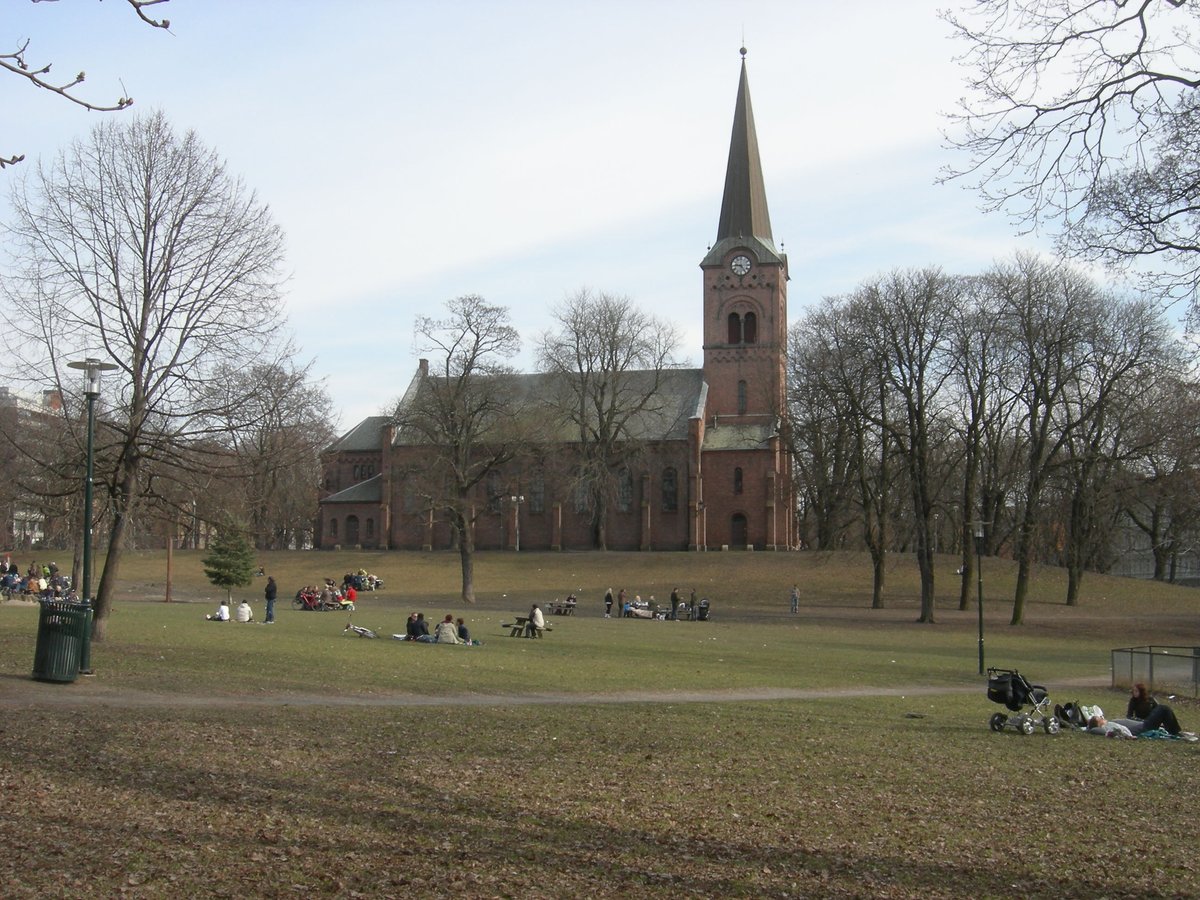
- Sofienberg Park: The church sits within this tranquil former cemetery, ideal for relaxation and community events (Visit Norway).
- University Botanical Garden & Natural History Museum: Just a short walk away
- Grünerløkka district: Known for cafes, street art, and lively markets
- Tøyen Park and Birkelunden: Popular green spaces nearby
- Blå Jazz Club: Premier jazz venue along Akerselva river
Artistic and Architectural Heritage
Sofienberg Church's interior is a showcase of Norwegian ecclesiastical art. The Sinding altarpiece (1879), stained-glass windows, and finely crafted woodwork offer a unique blend of spiritual symbolism and national artistic tradition. The organ, installed in 2013, features 42 voices and is a centerpiece for Oslo’s music scene (Wikipedia, Norsk orgelregister).
Community Engagement and Modern Use
Beyond religious services, the church is a lively venue for concerts, cultural programs, and community outreach. It collaborates on social justice initiatives, supports refugees and vulnerable groups, and partners with local schools for educational programs. The adjacent Sofienberg Park amplifies its role as a community gathering space (sofienbergprosjektet.no, Den norske kirke Oslo).
Frequently Asked Questions (FAQ)
Q: What are the Sofienberg Church visiting hours?
A: Generally, Monday–Saturday 10:00 AM–4:00 PM; Sunday during services. Always check the official website for updates.
Q: Is there an entrance fee?
A: General admission is free. Some concerts or tours may require tickets.
Q: Are guided tours available?
A: Yes, by appointment. Contact the church office or check event listings.
Q: Is the church accessible for wheelchairs?
A: Yes, with ramps and adapted restrooms.
Q: Can I take photographs inside?
A: Yes, but please avoid flash and be respectful during services.
Q: How do I reach the church by public transport?
A: Take tram lines 11 or 17 to Olaf Ryes Plass or Sofienberg.
Plan Your Visit
- Best time to visit: Spring and summer for concerts and park scenery
- Dress code: Modest attire for services; casual for general visits
- Language: Services in Norwegian; staff can assist in English
- Facilities: Restrooms on-site; benches and picnic spots in the park
For the latest on Sofienberg Church visiting hours, tickets, and special events, consult the official church website or Visit Oslo.
Explore More Oslo Historical Sites
Enhance your Oslo experience by exploring nearby attractions such as Oslo Cathedral, Akershus Fortress, and the University Botanical Garden. Discover more through our Oslo attractions guide.
Listen to the full story in the app
The whole Sofienberg Church,
told well.
Audio guides for 1,100+ cities across 96 countries. History, stories, and local insight — offline ready.
Verified, and shown.
Researched and written by the Audiala editorial team from historical records, architectural archives, and local expertise.
Researched from Wikidata, Wikipedia & official sources · fact-checked · How we make our guides →