Plan and listen to Oslo Zoological Museum with Audiala.
Audio guide in your pocket, itinerary in your browser. Built for the way you actually visit.
Introduction
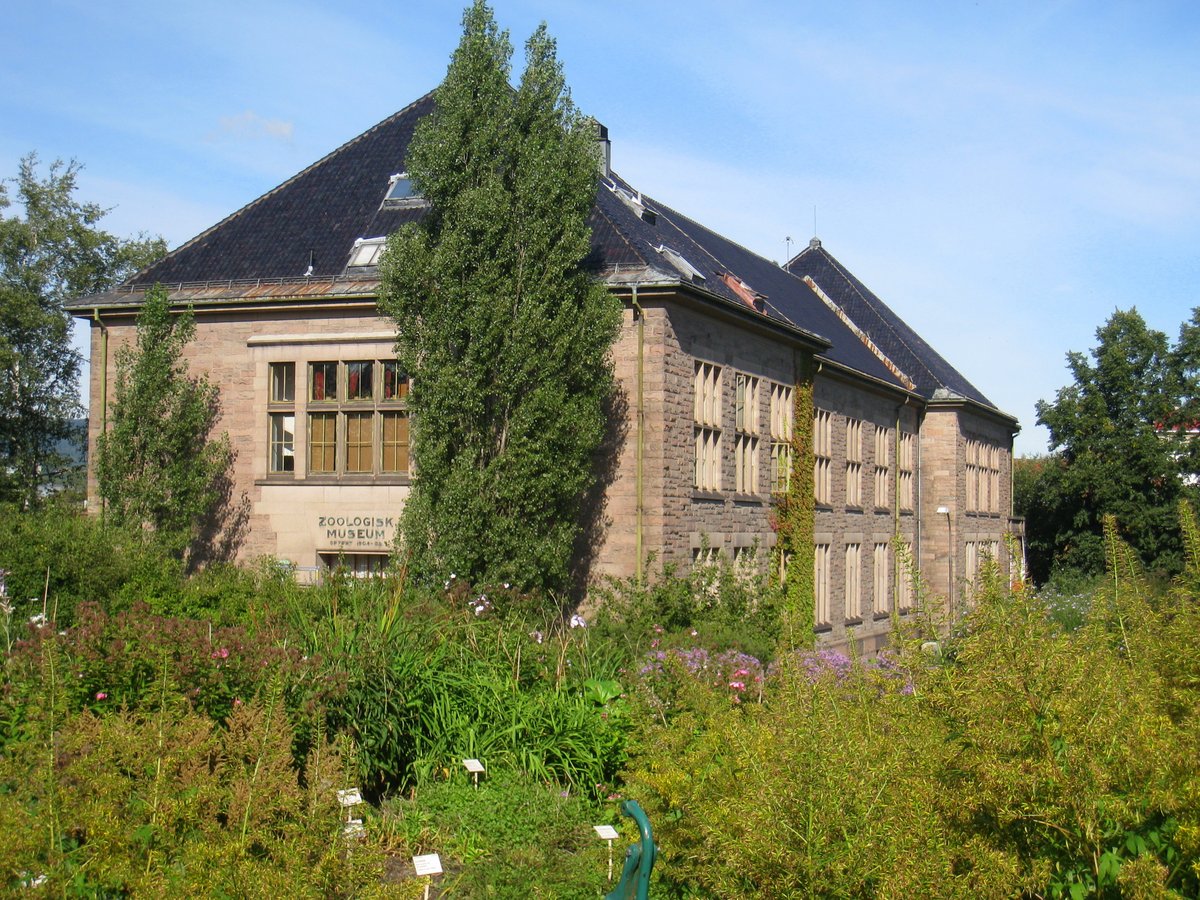
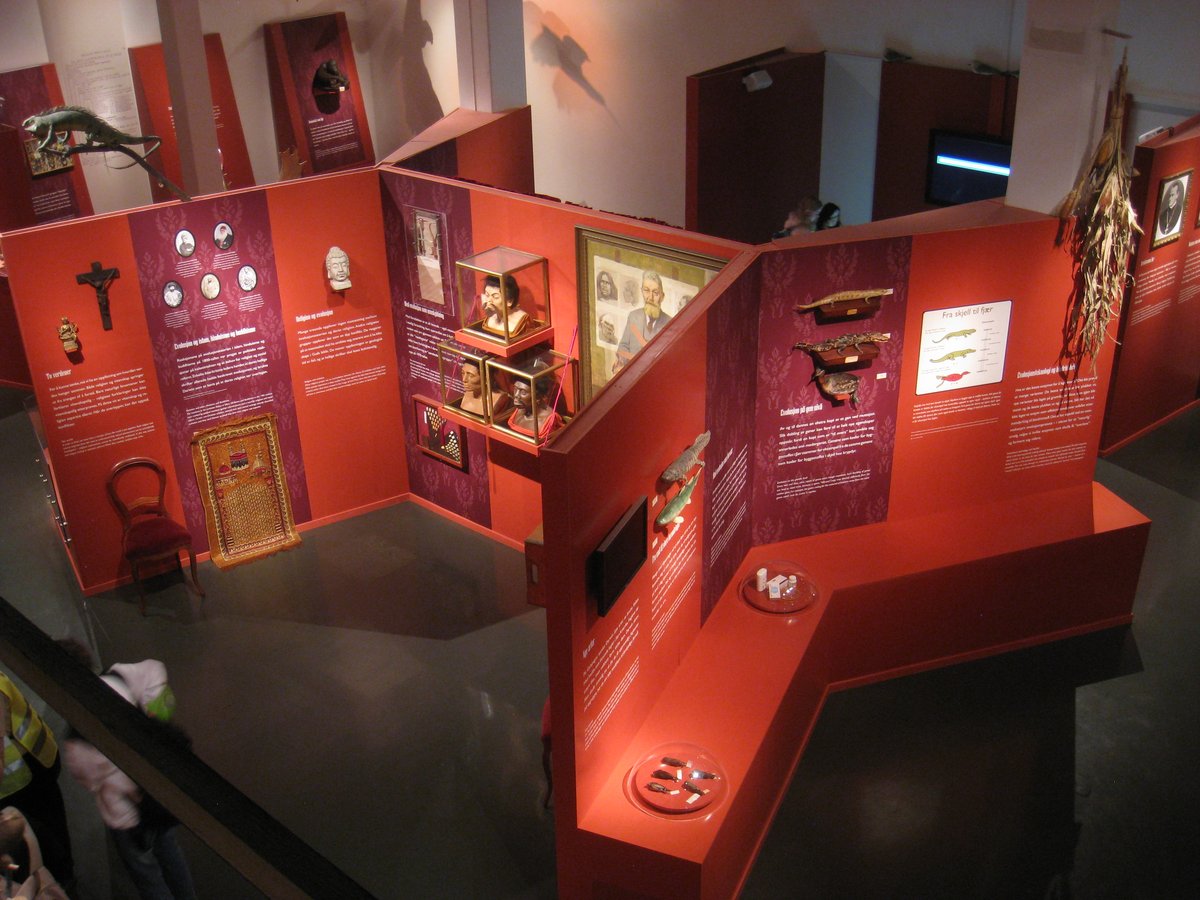
Situated in Oslo’s vibrant Grünerløkka and Tøyen districts, the Oslo Zoological Museum is a key part of the Natural History Museum at the University of Oslo. Established in 1814, it stands as one of Scandinavia’s oldest natural history institutions. The museum houses Norway’s most comprehensive zoological collections, featuring lifelike dioramas, rare taxidermy specimens, and interactive exhibits that highlight both Norwegian wildlife and global fauna. Visitors are immersed in the interconnected stories of animals and plants, with the museum’s location within the Oslo Botanical Garden enhancing the educational experience.
Whether you’re a nature lover, a family seeking educational activities, or a researcher, the Oslo Zoological Museum offers a dynamic journey through the animal kingdom and provides invaluable insights into biodiversity, conservation, and environmental challenges. This guide covers everything you need to plan your visit: history, must-see exhibitions, opening hours, ticket prices, accessibility, nearby attractions, and travel tips.
For the latest information and updates, consult the Natural History Museum’s official website and trusted travel resources (PlanetWare, Visit Norway).

History and Institutional Development
Origins and Growth
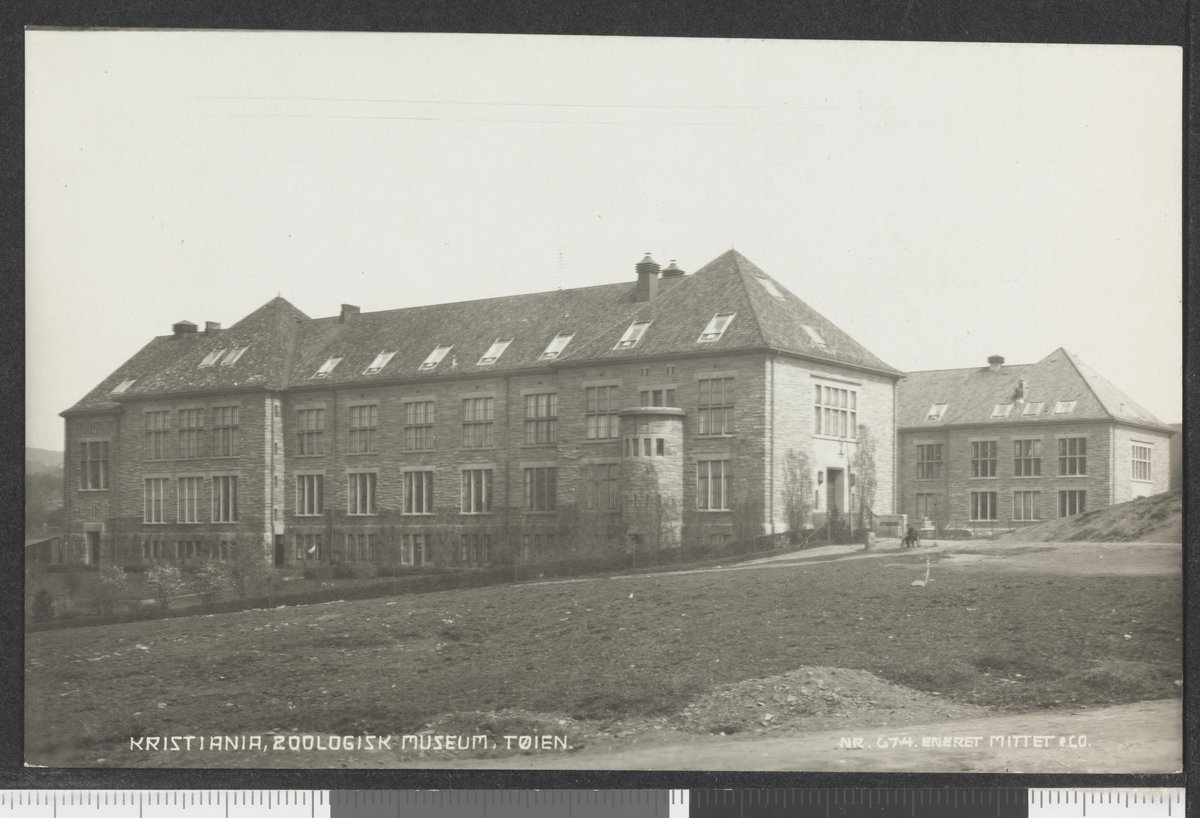
The Oslo Zoological Museum was established in 1814, soon after the founding of the University of Oslo in 1811, making it one of the oldest zoological museums in Scandinavia (PlanetWare). Initially focused on Norwegian fauna, the collections grew through scientific expeditions, donations, and exchanges, reflecting a 19th-century European movement to preserve and study natural history.
Integration and Expansion
In the late 19th and early 20th centuries, the museum became a central hub for scientific research in Norway. Its integration with the Geological Museum and Botanical Garden fostered interdisciplinary collaboration. Ongoing renovations and expansions have accommodated growing collections and modern exhibitions, enhancing both academic and public engagement (Lonely Planet, Natural History Museum).
Scientific and Cultural Role
The museum is recognized for its contributions to taxonomy, ecology, and conservation. Its archival specimens support research in evolutionary biology, environmental monitoring, and climate change studies (UiO Museums). The museum’s legacy includes training generations of scientists and shaping public understanding of Norway’s natural heritage.
Collection Highlights and Scientific Contributions
The Oslo Zoological Museum is noted for its extensive dioramas and taxidermy displays, many dating to the early 20th century. Its collections span birds, mammals, insects, and marine species, making it Norway’s largest zoological archive (PlanetWare). Noteworthy holdings include specimens from major polar expeditions, rare and extinct species such as the Tasmanian tiger, and comprehensive bird and marine life collections.
These specimens are vital for research in taxonomy, genetics, and conservation, supporting studies on species distribution, genetic diversity, and environmental change (UIA Zoological Collection, Academia.edu).
Educational Mission and Public Engagement
Education is at the core of the museum’s mission. Exhibitions are designed to engage diverse audiences, with interactive displays, hands-on activities, and guided tours tailored to schools, families, and general visitors (Natural History Museum). The museum library, accessible with an exhibition ticket, offers books, puzzles, and models, encouraging hands-on learning. Public programming includes lectures, workshops, and temporary exhibitions that address current scientific topics and environmental issues.
Architectural Evolution and Facilities
Housed in Robert Collett’s House, the museum blends classic academic architecture with modern design. Recent renovations have improved accessibility, visitor flow, and digital integration (Natural History Museum). The surrounding Botanical Garden, with more than 7,500 plant species, extends the museum experience outdoors and underscores the connection between animal and plant life (PlanetWare).
Visiting Information: Hours, Tickets, and Accessibility
- Location: Sars’ gate 1, 0562 Oslo, Tøyen/Grünerløkka district
- Opening Hours: Tuesday to Sunday, 10:00 AM – 5:00 PM (closed Mondays and public holidays; check the official website for seasonal variations)
- Tickets:
- Adults: NOK 120
- Seniors (65+): NOK 90
- Students (with valid ID): NOK 90
- Children under 18: Free
- Family tickets: Available
- Tickets can be purchased online or at the entrance (Natural History Museum)
- Oslo Pass: The museum is included in the Oslo Pass, which offers free or discounted admission to many city attractions (Visit Norway).
- Guided Tours: Regularly scheduled and available for groups upon request; advance booking recommended.
Main Attractions and Exhibitions
Norwegian Hall – Animals and Their Habitats
This core exhibition explores Norway’s diverse wildlife and habitats through lifelike dioramas featuring elk, reindeer, lynx, and brown bear, among others. Interactive panels explain animal behavior, adaptation, and conservation issues (Natural History Museum – Zoological Exhibitions).
Animals of the World – A Zoogeographic Journey
Travel through global biogeographic regions, comparing fauna from African savannahs, South American rainforests, and Arctic environments. Highlights include polar bears, elephants, rare birds, and extinct species like the thylacine.
Nature’s Most Beautiful – Stunning Evolution
This vibrant gallery showcases the marvels of evolution—iridescent butterflies, patterned shells, and striking bird plumage—alongside interactive exhibits on natural selection and adaptation.
Endangered Nature – Threats Against Biodiversity
A thought-provoking section on endangered species, climate change, and habitat loss. Multimedia displays and case studies encourage visitors to act for conservation.
Temporary Exhibitions
The museum hosts rotating exhibitions on current research, rare specimens, and environmental challenges. Check the official website for updates.
Notable Specimens
- Tasmanian tiger (thylacine)
- Large Norwegian mammals: moose, bear, wolf, reindeer
- Comprehensive bird and marine collections
Accessibility Features
Physical Accessibility
- Step-free entrances and elevators throughout
- Wide corridors and accessible restrooms
- Stroller-friendly layout; baby changing stations available
Navigating the Museum
- Clear, multilingual signage
- Wheelchair access in most exhibition areas
- Accessible garden paths
Sensory and Cognitive Accessibility
- Tactile displays and a unique Scent Garden for visually impaired visitors (Nomadic Matt)
- Quiet spaces for those sensitive to noise
Support Services
- Trained staff assistance at information desks
- Free admission for companions of disabled visitors
- Service animals welcome
For detailed accessibility guidance, consult Visit Norway – Accessible Travel Tips and the museum’s accessibility page.
Special Events and Guided Tours
- Free English guided tours: Weekly from July through September; advance booking recommended
- Family days: Themed workshops and scavenger hunts for children
- Educational workshops: Scheduled during school holidays and weekends
- Temporary exhibitions and lectures: Regularly updated—see the museum's event calendar for details
Nearby Attractions & Practical Visitor Tips
- Botanical Garden: Free entry; explore over 5,000 plant species
- Climate House: Interactive exhibits on climate science and environmental futures
- Geological Museum: Engaging galleries on Earth’s history
- Munch Museum and Grünerløkka: Art, culture, and vibrant street life nearby
- Transport: Short walk from Tøyen metro station; accessible by tram, bus, and bicycle
- Parking: Limited; public transit recommended
Tips:
- Arrive early to avoid crowds
- Consult the museum’s visitor page for directions and updates
- Download the Audiala app for interactive audio guides
Frequently Asked Questions (FAQ)
Q: What are the Oslo Zoological Museum opening hours?
A: Tuesday to Sunday, 10:00 AM – 5:00 PM; closed Mondays and public holidays.
Q: How much is admission?
A: Adults NOK 120, seniors and students NOK 90, children under 18 free. Family and group discounts available.
Q: Is the museum accessible?
A: Yes, the museum is fully accessible, with ramps, elevators, and accessible restrooms.
Q: Are guided tours available?
A: Yes, regularly scheduled tours and group bookings are offered. Check the website for details.
Q: Can I take photos?
A: Non-flash photography is permitted in most areas.
Q: Are there nearby attractions?
A: Yes—the Botanical Garden, Geological Museum, Climate House, and the Munch Museum.
Discover More
The Oslo Zoological Museum is a cornerstone of Norway’s natural and cultural heritage, offering immersive exhibitions, accessible facilities, and a commitment to education and conservation. Whether you’re interested in wildlife, scientific discovery, or Oslo’s historical sites, the museum promises a rewarding experience for all ages.
Plan your visit today:
- Natural History Museum Official Website
- Download the Audiala app for interactive guides
- Follow the museum on social media for event updates
Enhance your Oslo adventure by exploring related attractions within the Tøyen complex and beyond.
Listen to the full story in the app
The whole Oslo Zoological Museum,
told well.
Audio guides for 1,100+ cities across 96 countries. History, stories, and local insight — offline ready.
Verified, and shown.
Researched and written by the Audiala editorial team from historical records, architectural archives, and local expertise.
Researched from Wikidata, Wikipedia & official sources · fact-checked · How we make our guides →