Plan and listen to Oslo Ladegård with Audiala.
Audio guide in your pocket, itinerary in your browser. Built for the way you actually visit.
Introduction
Nestled in Oslo’s Gamlebyen (Old Town), Oslo Ladegård is a testament to Norway’s layered past—combining medieval ecclesiastical roots, elegant Baroque architecture, and a vibrant role in the city’s contemporary cultural life. From its origins as the Bishop’s Palace in the 13th century to its transformation into an 18th-century manor house, Oslo Ladegård offers visitors an unparalleled opportunity to explore the evolution of Oslo from a medieval trading post and religious center to a modern, thriving capital (St. Hallvards dag; WhichMuseum; Life in Norway; Oslo Kommune; Wikipedia).
Today, Oslo Ladegård is not just a museum but also a cultural venue, concert hall, and community hub. It hosts educational programs and events such as St. Hallvard’s Day, celebrating Oslo’s patron saint and medieval heritage (St. Hallvards dag). This guide provides comprehensive information on visiting hours, ticketing, accessibility, nearby attractions, and the historical and cultural significance of this must-visit destination.

Origins and Medieval Foundations
Oslo Ladegård’s story begins in medieval Oslo, originally as part of the Bishop’s Palace (Bispeborgen), which was constructed in the 1200s as Oslo was gaining prominence as an ecclesiastical and political center (St. Hallvards dag; WhichMuseum). The palace’s location in Gamlebyen was strategic, aligning with Oslo’s status as a trading post established by King Harald Hardrada in 1049 (Life in Norway). Archaeological evidence suggests settlement in the area as early as the year 1000, with Oslo becoming a bishopric in 1070.
The Bishop’s Palace was the heart of the medieval city, reflecting its religious and administrative significance. Parts of the original complex, especially the vaulted medieval cellar known as "Middelalderhallen," are preserved today, offering a rare glimpse into the city’s medieval architecture (St. Hallvards dag).
Early Modern Transformation
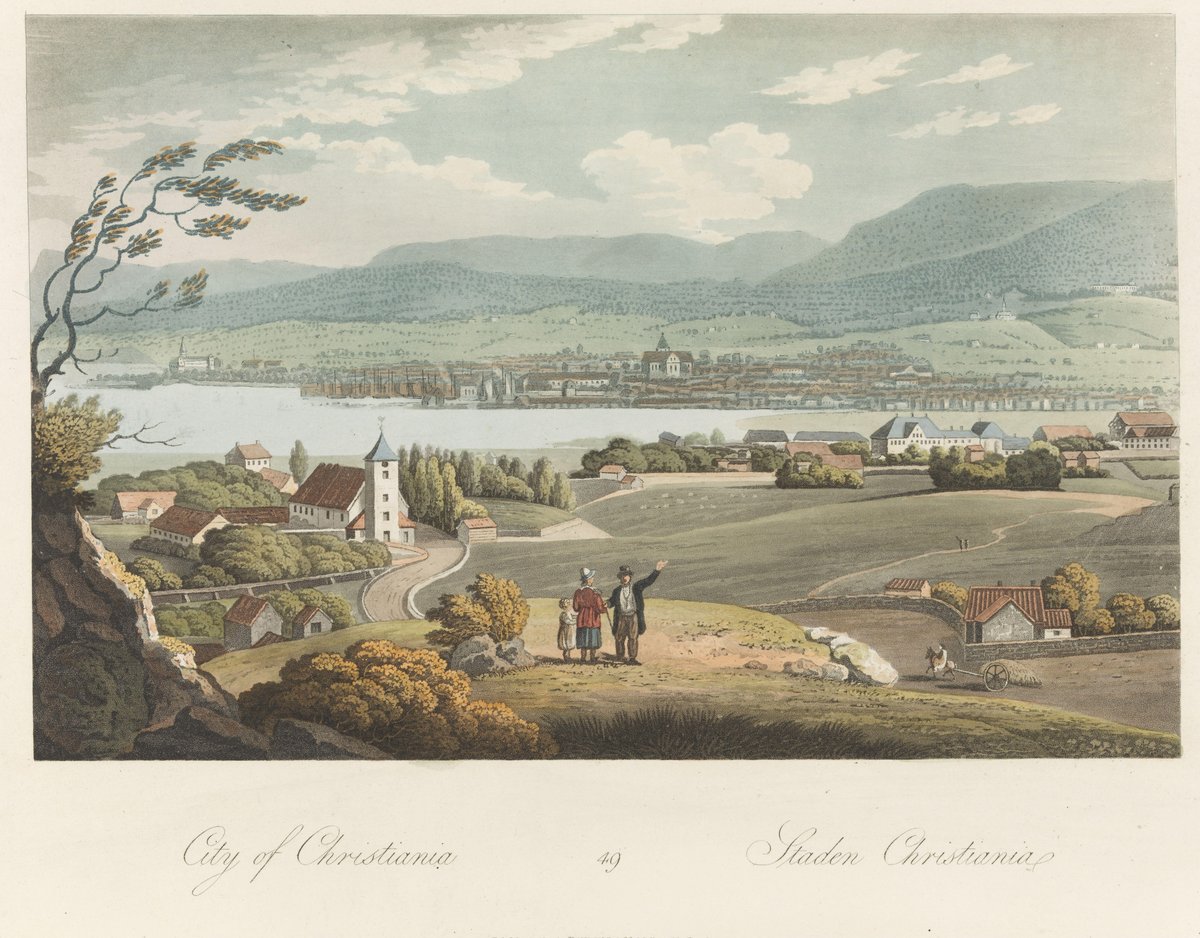
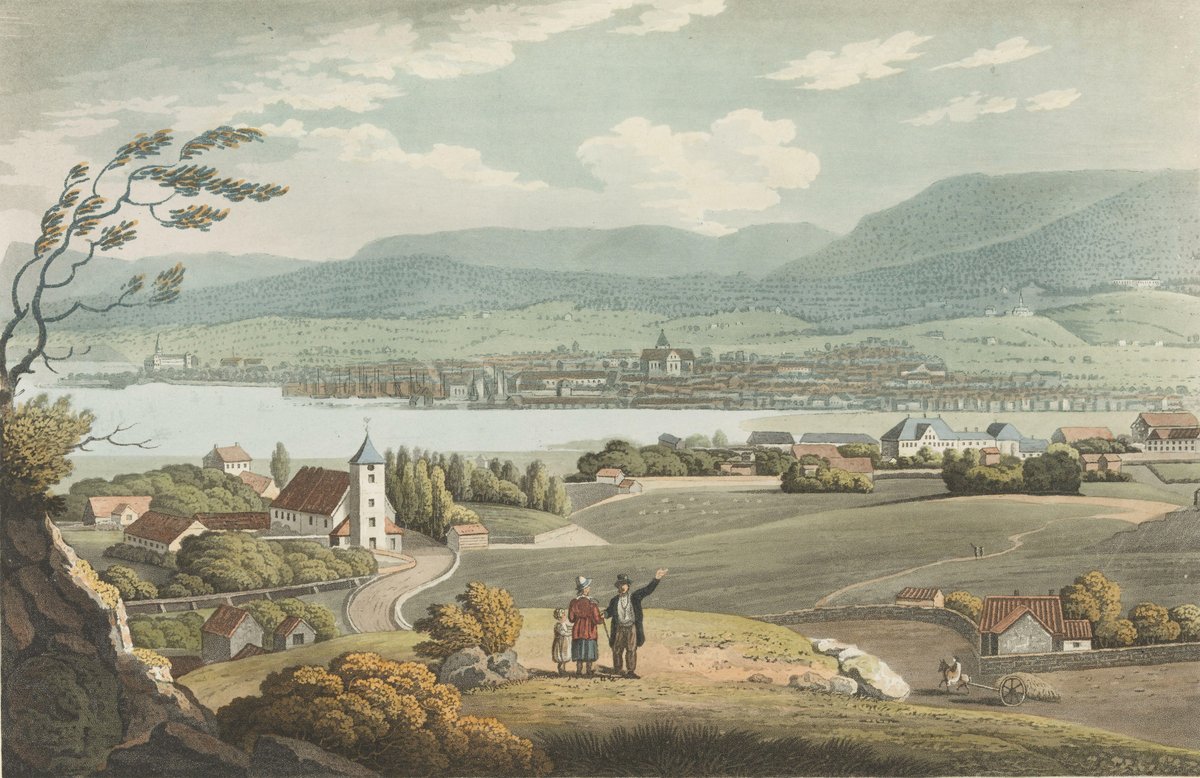
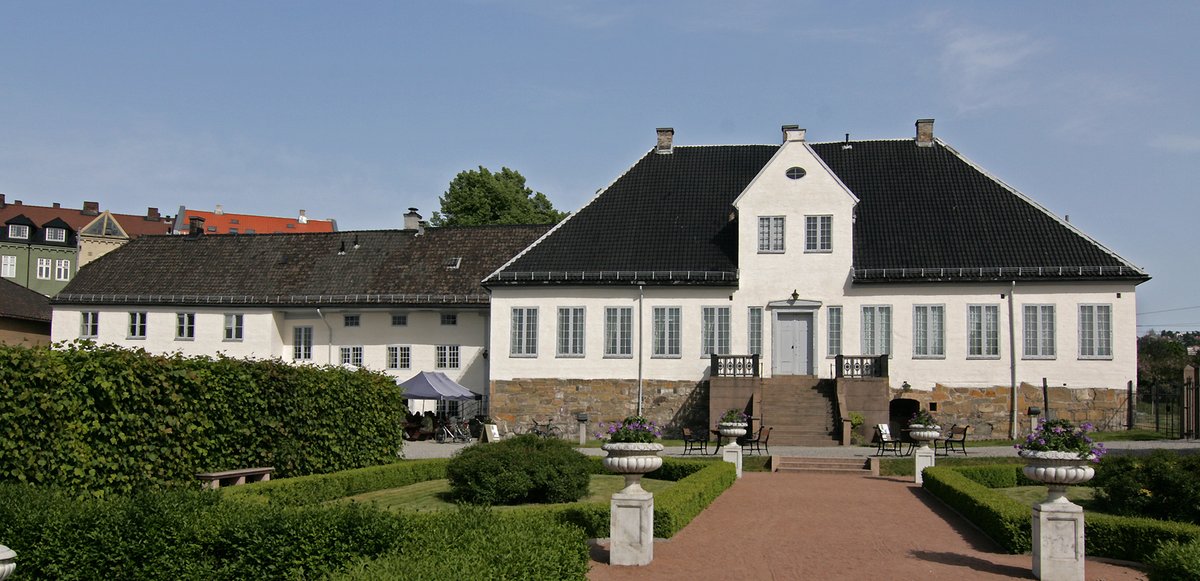
A devastating fire in 1624 led to the relocation of Oslo closer to Akershus Fortress, with the old city area, Gamlebyen, falling into decline (Life in Norway). By the early 18th century, the site was revitalized with the construction of the present Baroque manor house in the 1720s, integrating elements of the medieval palace foundations (WhichMuseum). The manor became a residence for the city’s elite and featured period-appropriate interiors that can still be admired today.
Estate Gardens and Urban Landscape
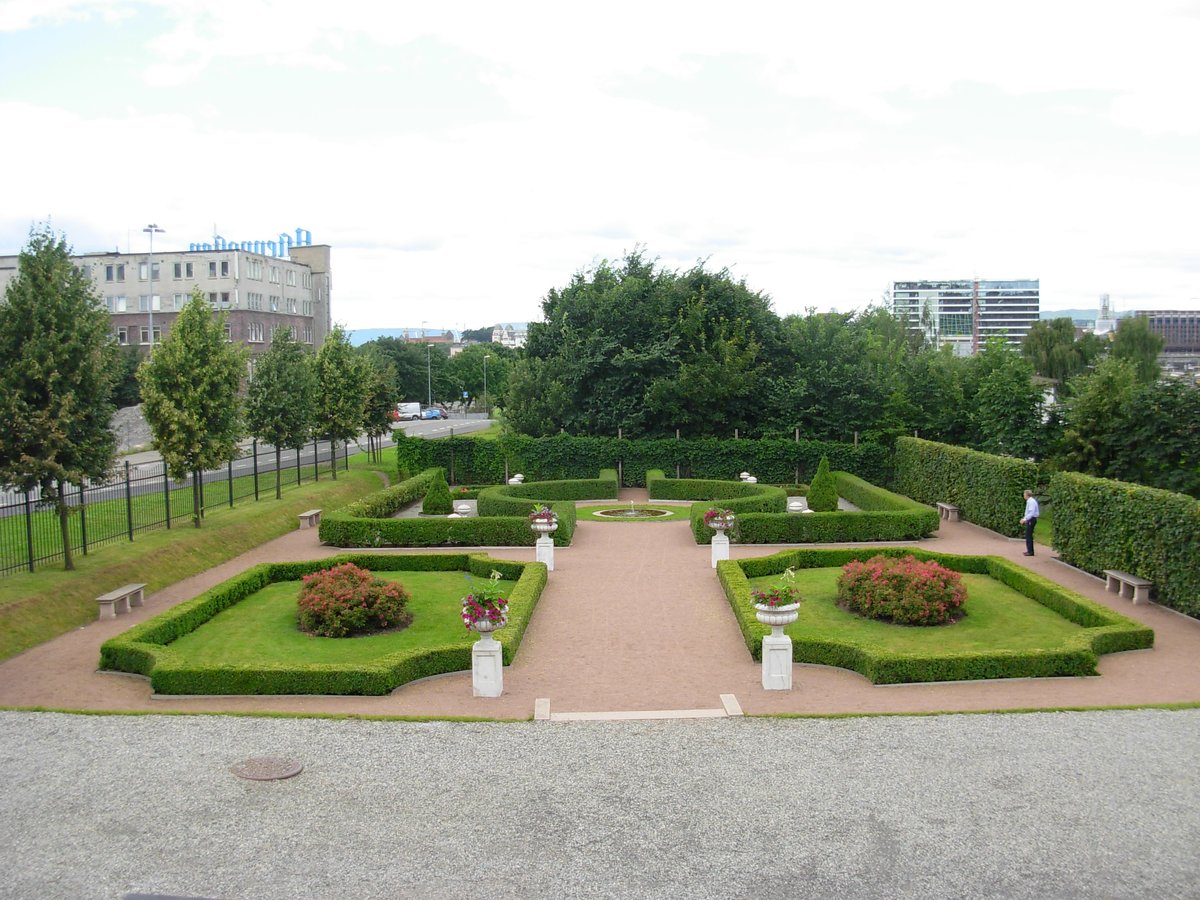
Oslo Ladegård’s gardens, reconstructed in 1999 based on 18th-century plans, once extended nearly to the seafront (WhichMuseum). This green space not only reflected the prestige of its owners but also offers visitors today a chance to experience authentic historical landscaping and the evolution of urban green spaces in Oslo.
Cultural and Religious Significance
Deeply connected to St. Hallvard, Oslo’s patron saint, Oslo Ladegård is central to the annual St. Hallvard’s Day celebrations on May 15th. The event encompasses concerts, medieval reenactments, and educational activities amidst the Ladegård and the ruins of St. Hallvard’s Cathedral (St. Hallvards dag). The site also serves as a gathering place for religious and cultural organizations and remains a symbol of Oslo’s spiritual and communal heritage.
Visiting Hours, Tickets, and Accessibility
-
Visiting Hours:
Generally open Tuesday–Sunday, 11:00 AM–4:00 PM; closed Mondays and public holidays. Hours may vary for special events—check the official website for updates. -
Tickets:
Admission is often free, but some exhibitions or concerts require tickets. Regular guided tours are available for a fee (see WhichMuseum ticket info). -
Accessibility:
The main manor is wheelchair accessible from the garden side. The medieval cellar has limited accessibility due to its historical structure. Assistance is available upon request. -
Guided Tours and Events:
Guided tours can be pre-booked and are highly recommended for deeper historical insight. The site hosts concerts, lectures, and themed walks throughout the year (oppdagmiddelalderbyen.no).
Travel Tips and Nearby Attractions
-
Getting There:
Located at Oslogata 13 in Gamlebyen, Oslo Ladegård is a short walk from Oslo Central Station and well-served by tram, bus, and train. Public transport is recommended due to limited parking (foodyas.com). -
Best Times to Visit:
Summer months (June–August) offer the most activities and open hours. St. Hallvard’s Day in May and Oslo Kulturnatt in September are event highlights. -
Nearby Attractions:
Consider visiting Akershus Fortress, Medieval Park (Middelalderparken), Oslo Cathedral, and St. Olav’s Monastery for a broader historical experience (TripJive; wanderlog.com).
Preservation and Modern Use
Oslo Ladegård functions as both a museum and a cultural venue, offering guided tours, concerts, and community events. Its preservation—including the medieval cellar and restored Baroque manor—demonstrates Oslo’s commitment to safeguarding its architectural and historical heritage (WhichMuseum; Life in Norway). The estate is also a focal point for archaeological research and public engagement in Oslo’s Medieval Park (Daily Scandinavian).
Oslo Ladegård in Urban Development
The story of Oslo Ladegård mirrors Oslo’s urban evolution—from a medieval religious center, through decline after the city’s relocation, to its resurgence as a protected historical site and vibrant cultural venue. Ongoing restoration and archaeological projects ensure its continued relevance and accessibility for the public (Life in Norway).
Key Dates and Milestones
- 1049: Oslo founded by King Harald Hardrada (Life in Norway).
- 1070: Oslo becomes a bishopric.
- 1200s: Construction of the Bishop’s Palace (St. Hallvards dag).
- 1624: Fire leads to city relocation.
- 1720s: Baroque manor constructed (WhichMuseum).
- 1999: Estate gardens restored.
- Present: Oslo Ladegård operates as a museum and cultural center.
Frequently Asked Questions (FAQ)
Q: What are Oslo Ladegård’s visiting hours?
A: Usually Tuesday–Sunday, 11:00 AM–4:00 PM. Closed Mondays and some holidays. Check the official website for updates.
Q: Is there an admission fee?
A: General admission is often free; some special events or tours require tickets (WhichMuseum).
Q: Are guided tours available?
A: Yes, by appointment—especially recommended for groups and educational visits.
Q: Is the site wheelchair accessible?
A: The main manor is accessible; the medieval cellar is not. Contact in advance for assistance.
Q: Can families and children participate in activities?
A: Yes, there are interactive exhibitions, digital experiences, and educational programs for children (oppdagmiddelalderbyen.no).
Visuals and Media
View high-quality images of Oslo Ladegård’s Baroque architecture, medieval cellar, and restored gardens on the official website and tourism portals (VisitOSLO). Interactive maps and virtual tours are also available online.
Discover More
For the latest information on Oslo Ladegård visiting hours, tickets, and events, visit the official Oslo Kommune page. Download the Audiala app and follow us on social media for news, virtual tours, and event announcements. Explore related articles to deepen your journey into Oslo’s fascinating past.
Listen to the full story in the app
The whole Oslo Ladegård,
told well.
Audio guides for 1,100+ cities across 96 countries. History, stories, and local insight — offline ready.
Verified, and shown.
Researched and written by the Audiala editorial team from historical records, architectural archives, and local expertise.
Hallvards dag, 2025, Foreningen for St. Hallvards dag [https://www.sthallvardsdag.no/]
Researched from Wikidata, Wikipedia & official sources · fact-checked · How we make our guides →