Plan and listen to Oslo City Museum with Audiala.
Audio guide in your pocket, itinerary in your browser. Built for the way you actually visit.
Introduction
Nestled in the heart of Oslo’s scenic Frogner Park, the Oslo City Museum (Oslo Bymuseum) serves as a vital gateway to the capital’s history, culture, and urban evolution. Housed in the elegant 18th-century Frogner Manor, this museum guides visitors through more than a thousand years of Oslo’s development—from its medieval origins to its status as a dynamic European capital. With a wide array of artifacts, photographs, paintings, and interactive exhibitions, the Oslo City Museum is an essential destination for anyone seeking to understand the city’s past and present. This guide provides detailed information on visiting hours, ticket options, accessibility, and nearby attractions to ensure you get the most from your visit (Nordic Visitor; Oslo Museum; Life in Norway).

History and Setting of Oslo City Museum
Frogner Manor: Historical and Architectural Significance
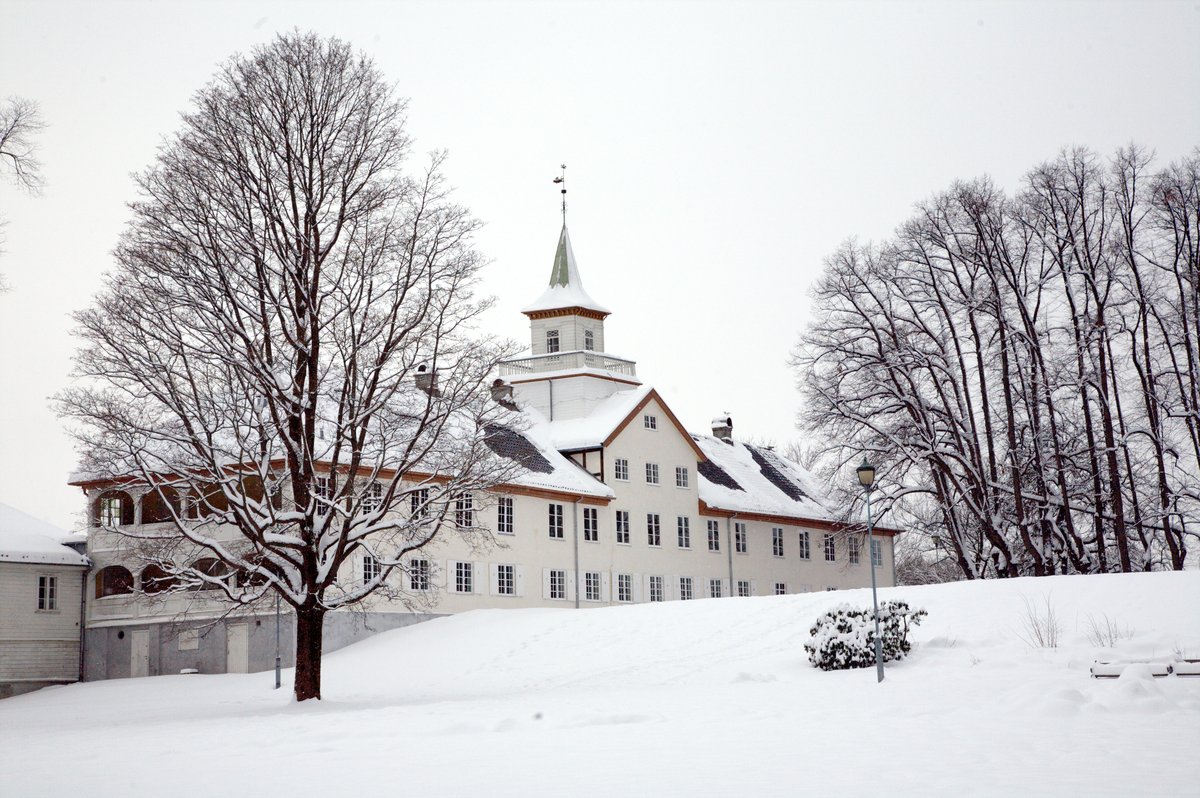
The Oslo City Museum is located within Frogner Manor, an 18th-century estate that stands as a testament to Oslo’s aristocratic past. Built in 1750 for merchant Hans Jacob Scheel, the manor changed hands among influential families before being acquired by the city in 1905. Its baroque architecture and period interiors have been meticulously restored, providing a glimpse into the domestic lives of Oslo’s upper classes (Nordic Visitor).
Frogner Park, the museum’s setting, is Oslo’s largest public park and also home to the world-renowned Vigeland Sculpture Park. This prime location makes the museum a focal point of Oslo’s cultural landscape, blending history, art, and nature (The Holistic Backpacker).
Evolution of the Museum
Established in 1909, the Oslo City Museum’s mission is to document and present the history of Oslo (formerly Kristiania). The museum’s collections have grown to include over 100,000 artifacts spanning paintings, photographs, textiles, and archival documents, all telling the story of the city’s transformation through the centuries (Travalour).
The museum’s exhibitions are both permanent and temporary, with a focus on inclusivity and public engagement. Topics range from urban development and social life to contemporary themes like immigration, multiculturalism, and urban planning (Life in Norway).
Museum Collections and Exhibitions
Permanent Exhibitions
- Urban Development: Models, maps, and photographs illustrate Oslo’s growth, the evolution of its neighborhoods, and major infrastructure changes.
- Social and Cultural Life: Period rooms and exhibits featuring clothing, furniture, and everyday objects offer insight into Oslo’s residents across eras.
- Art and Landscape: Paintings and prints depict the city’s skyline, landmarks, and natural environment.
All exhibitions are presented with multilingual interpretive panels to ensure accessibility for international visitors (Nordic Visitor).
Temporary and Special Exhibitions
The museum regularly hosts temporary exhibitions addressing current topics and lesser-known aspects of Oslo’s history, such as World War II, minority experiences, and the city’s evolving public spaces. These often involve collaborations with artists, historians, and community groups, reflecting Oslo’s diversity and dynamic cultural policies (Life in Norway; World Cities Culture Forum).
Practical Visitor Information
Visiting Hours
-
Museum of Oslo and Theatre Museum (Frogner Park):
- Tuesday–Wednesday, Friday–Sunday: 11:00 AM–4:00 PM
- Thursday: 11:00 AM–6:00 PM
- Closed on Mondays
- Always confirm hours around holidays and during special events (Oslo Museum – Opening Hours)
-
Intercultural Museum (Grønland):
- Tuesday–Sunday: 11:00 AM–4:00 PM
-
Labour Museum (Sagene):
- Saturday–Sunday: 11:00 AM–4:00 PM (regular months)
- Thursday–Sunday: 11:00 AM–4:00 PM (summer season: June 19–August 17)
Tickets and Admission
- Museum of Oslo and Theatre Museum: NOK 120 (adults), NOK 60 (students), free for children and youth under 26. Free admission for all on the first Thursday of each month.
- Intercultural Museum: NOK 60 (adults), free for children and youth under 26.
- Labour Museum: NOK 60 (adults), free for children and youth under 26.
- Annual passes provide access to 65 venues across five counties.
- Tickets can be purchased online or at the entrance (Oslo Museum – Tickets).
Accessibility
All main venues are wheelchair accessible with step-free access and accessible restrooms. Assistance and guided tours for visitors with disabilities can be arranged upon request. Service animals are welcome (Oslo Museum – Accessibility).
Guided Tours and Special Events
Guided tours are available and can be booked in advance. The museum regularly runs special exhibitions, workshops, and family-friendly activities, especially during holidays and cultural festivals. Check the museum’s official events calendar for details.
Enhancing Your Visit
- Audio Guides: Free audio guides are available via the Useeum app. The "OsLove – The Story of Oslo" tour is offered in ten languages.
- Museum Shops: Oslo-themed souvenirs and local literature are available at Frogner Park and Sagene locations.
- Cafés: Relax at Frogner Park’s café or the Hønse-Lovisas hus café at Sagene (Oslo Museum – Visitor Info).
Travel Tips and Nearby Attractions
- Getting There: Easily accessible by tram (lines 12 and 19 to Frogner Park) or bus. Limited parking is available; public transport is recommended (Norway With Pal – Oslo Travel Guide).
- Oslo Pass: Consider purchasing for free public transport and entry to multiple attractions.
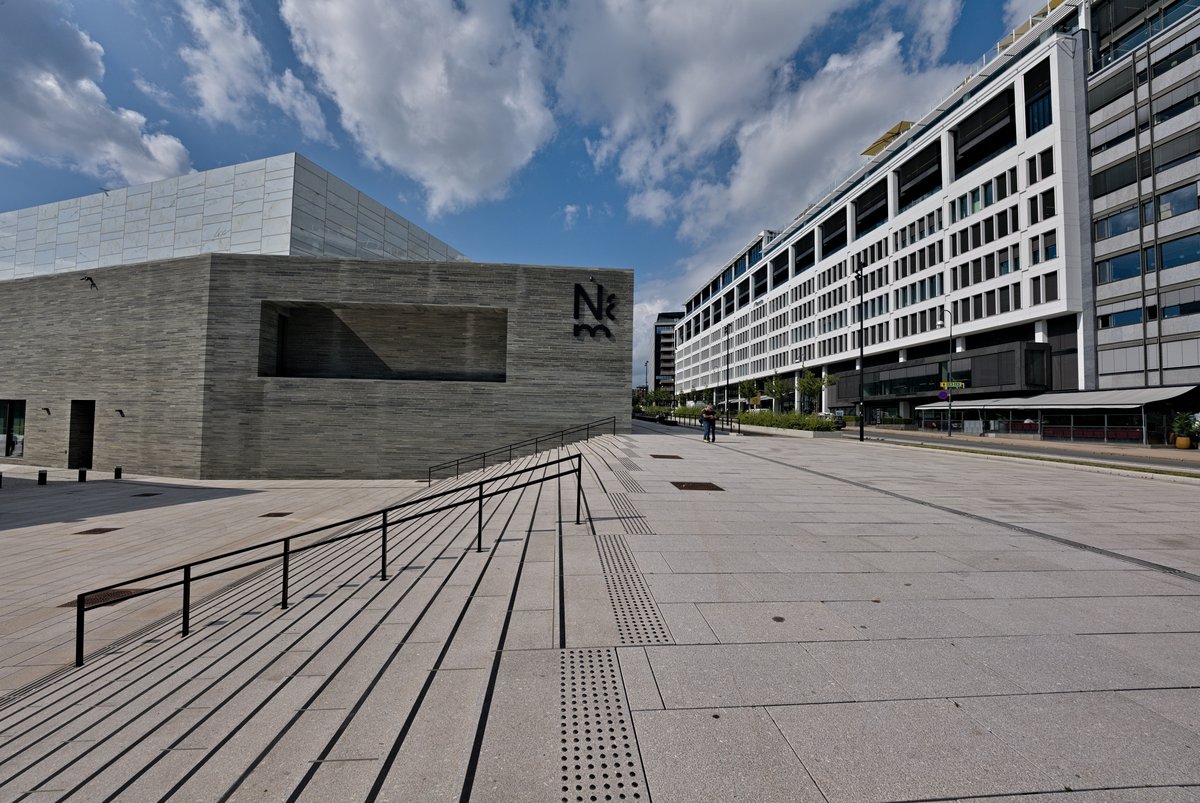
- Nearby Sites: Combine your visit with Frogner Park’s Vigeland Sculpture Park, Akershus Fortress, the National Museum, or the Oslo Opera House.
- Photo Spots: Popular spots include the Frogner Manor façade, gardens, interior period rooms, and views of Vigeland Park.
Frequently Asked Questions (FAQ)
Q: What are the standard Oslo City Museum visiting hours?
A: Most venues are open Tuesday–Sunday from 11:00 AM to 4:00 PM, with extended hours on Thursdays. Always check the official schedule for updates.
Q: How much do tickets cost?
A: Admission ranges from NOK 60 to NOK 120, with free entry for children and youth under 26 at all locations. Discounts and free days apply.
Q: Is the museum accessible for visitors with disabilities?
A: Yes, all main venues are wheelchair accessible, with accessible restrooms and support available.
Q: Are audio guides and tours available in English?
A: Yes, audio guides are available in English and other languages via the Useeum app.
Q: Can I buy tickets online?
A: Yes, tickets for all venues can be purchased in advance on the museum website.
Q: What public transport options are available?
A: Trams and buses serve all main locations. Use the Ruter app for route planning.
Listen to the full story in the app
The whole Oslo City Museum,
told well.
Audio guides for 1,100+ cities across 96 countries. History, stories, and local insight — offline ready.
Verified, and shown.
Researched and written by the Audiala editorial team from historical records, architectural archives, and local expertise.
Researched from Wikidata, Wikipedia & official sources · fact-checked · How we make our guides →