Plan and listen to Oslo Botanical Garden with Audiala.
Audio guide in your pocket, itinerary in your browser. Built for the way you actually visit.
Introduction
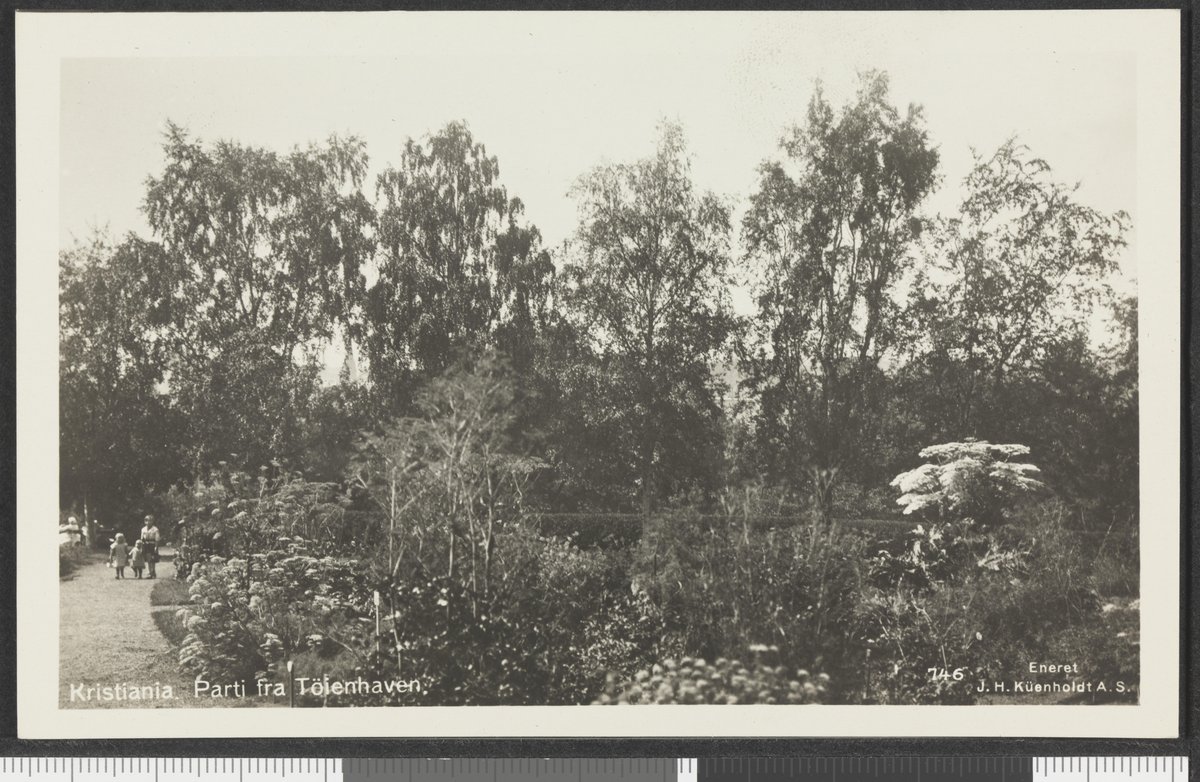
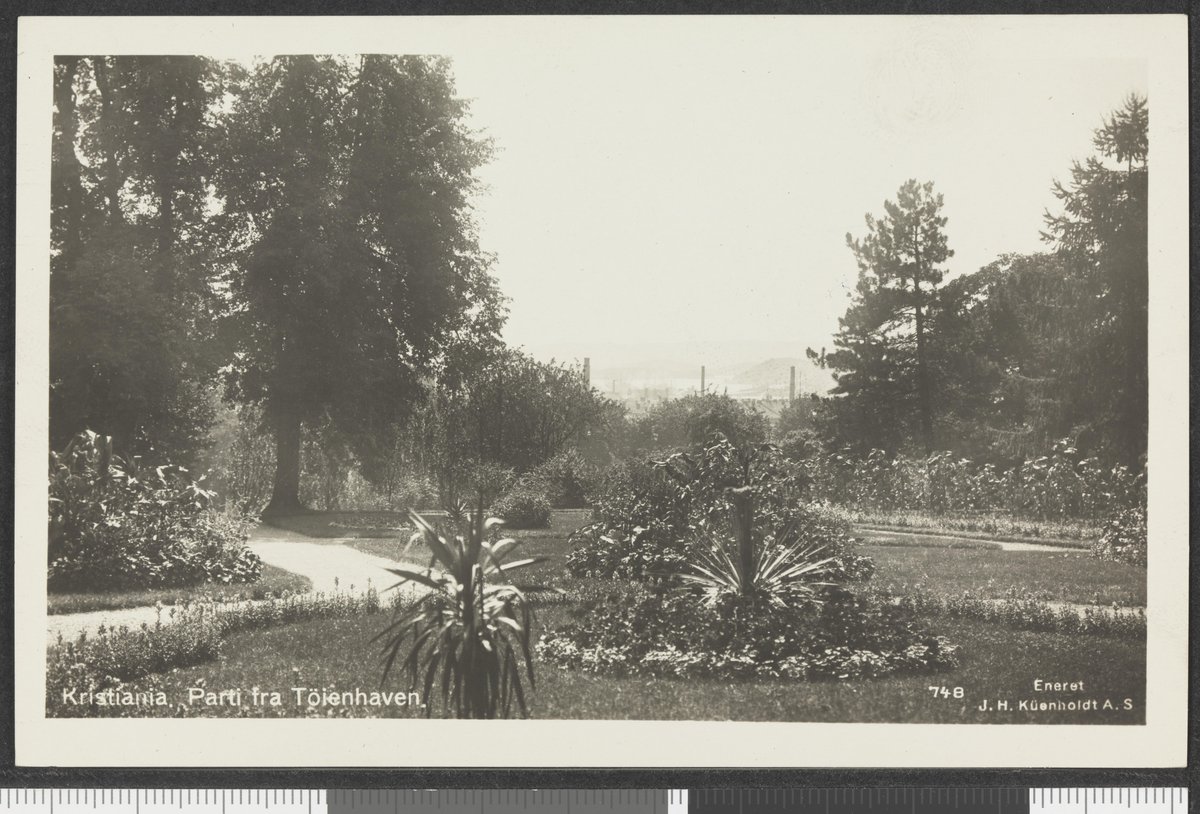
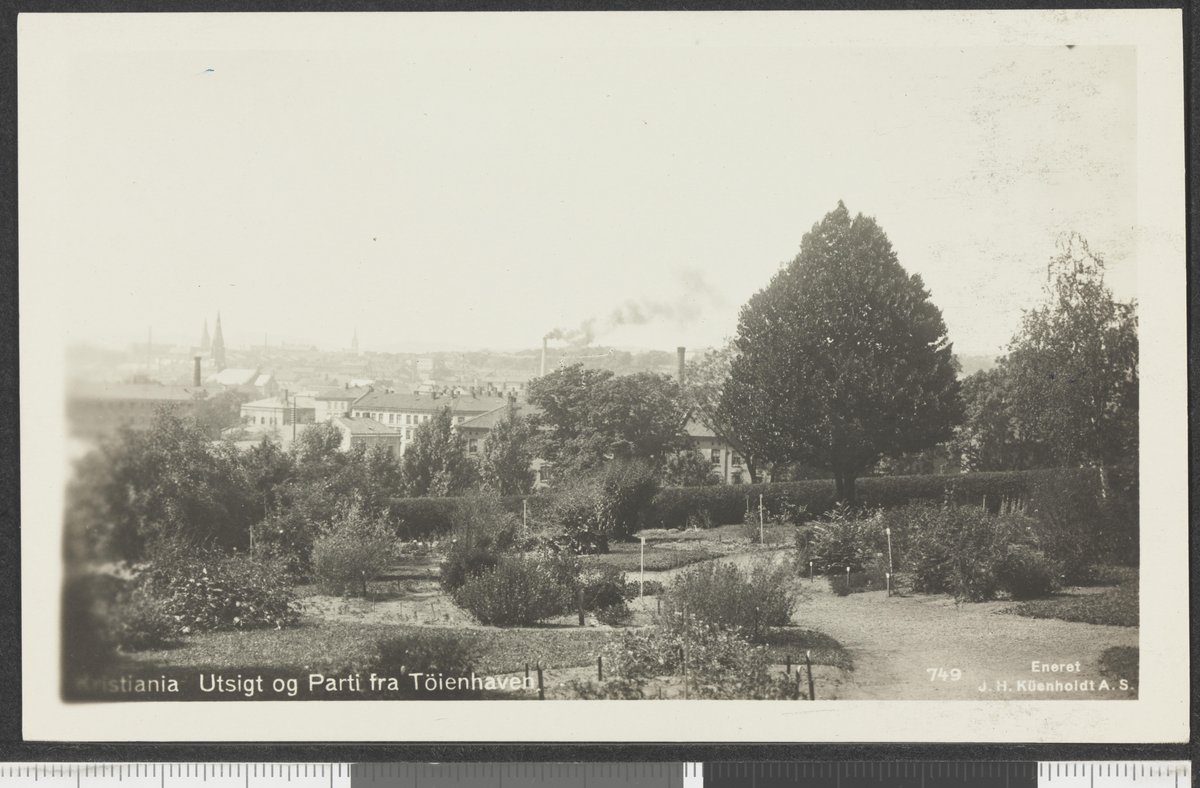
Located in Oslo’s historic Tøyen district, the Oslo Botanical Garden—officially known as the University Botanical Garden (Botanisk hage)—stands as Norway’s oldest and most significant botanical garden, established in 1814 alongside the University of Oslo. This lush, 18-hectare oasis offers more than 7,500 plant species from around the world, thoughtfully arranged across themed gardens, Victorian greenhouses, and scenic landscapes. Serving as both a living museum and a center for research and conservation, the garden seamlessly blends natural beauty, scientific inquiry, and cultural history. Open year-round with free admission to its outdoor spaces, and easily accessible via public transportation, the Oslo Botanical Garden is a must-visit destination for families, nature lovers, and cultural explorers. This comprehensive guide details everything you need to know—visiting hours, ticket information, key attractions, accessibility, and nearby sites—to make your visit memorable and enriching (Natural History Museum, University of Oslo; Visit Norway; Oslofjord Guide).

History and Development
Founding and Early Years (1814–Late 19th Century)
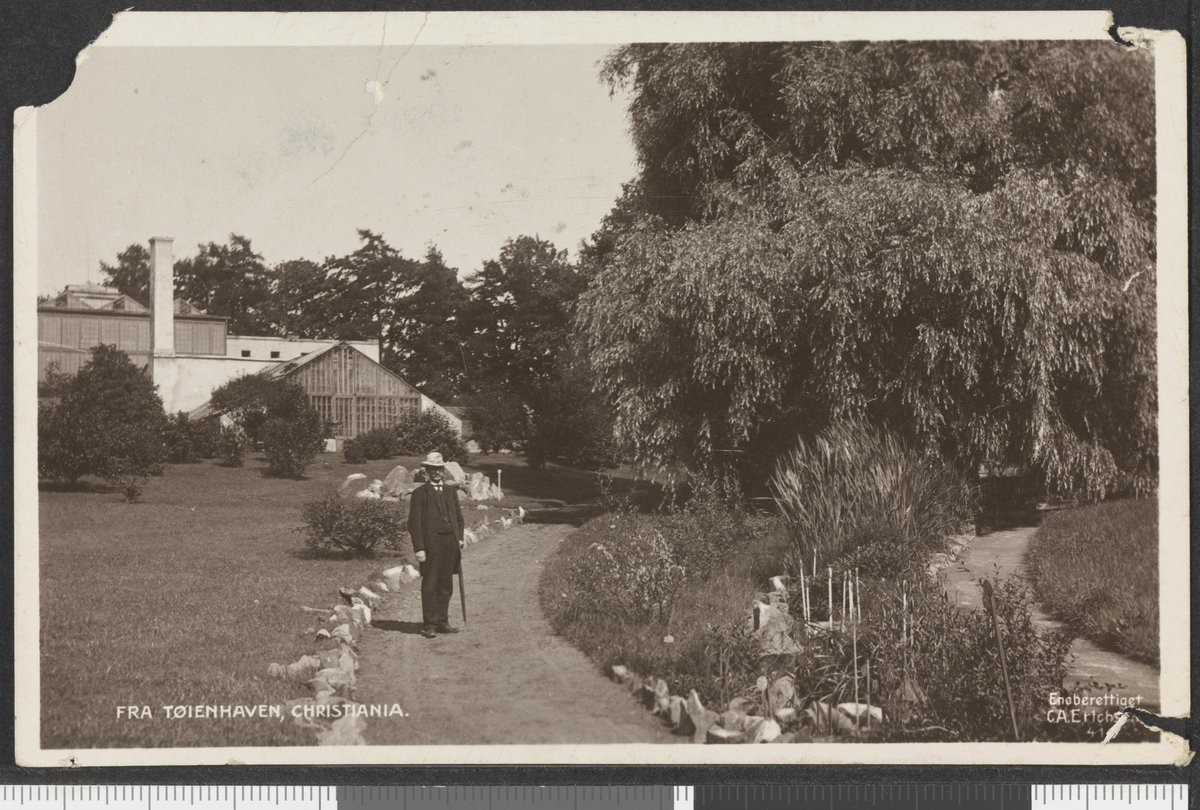
The Oslo Botanical Garden was established in 1814, embodying Enlightenment ideals of scientific progress and public education. Initially cultivated on the historic Tøyen estate, its first gardener, Johan Siebke, oversaw the systematic planting and early design. Originally spanning 75,000 square meters, the garden focused on plant classification and botanical research, quickly becoming a cornerstone of Norwegian science (Wikipedia; BGCI).
Expansion and Scientific Growth (Late 19th–20th Century)
The garden grew to twice its original size, reflecting its expanding role in education, conservation, and research. The addition of the Botanical Museum in 1863, later merged with the garden in 1975, created a comprehensive institution tied to the University of Oslo’s Natural History Museum complex. Today, the garden is home to approximately 35,000 plants representing around 7,500 species, making it one of Scandinavia’s most diverse living collections (Travelling King).
Architectural and Horticultural Landmarks
Visitors can explore historic features such as:
- Tøyen Manor: Oslo’s oldest wooden building, now an exhibition space and café.
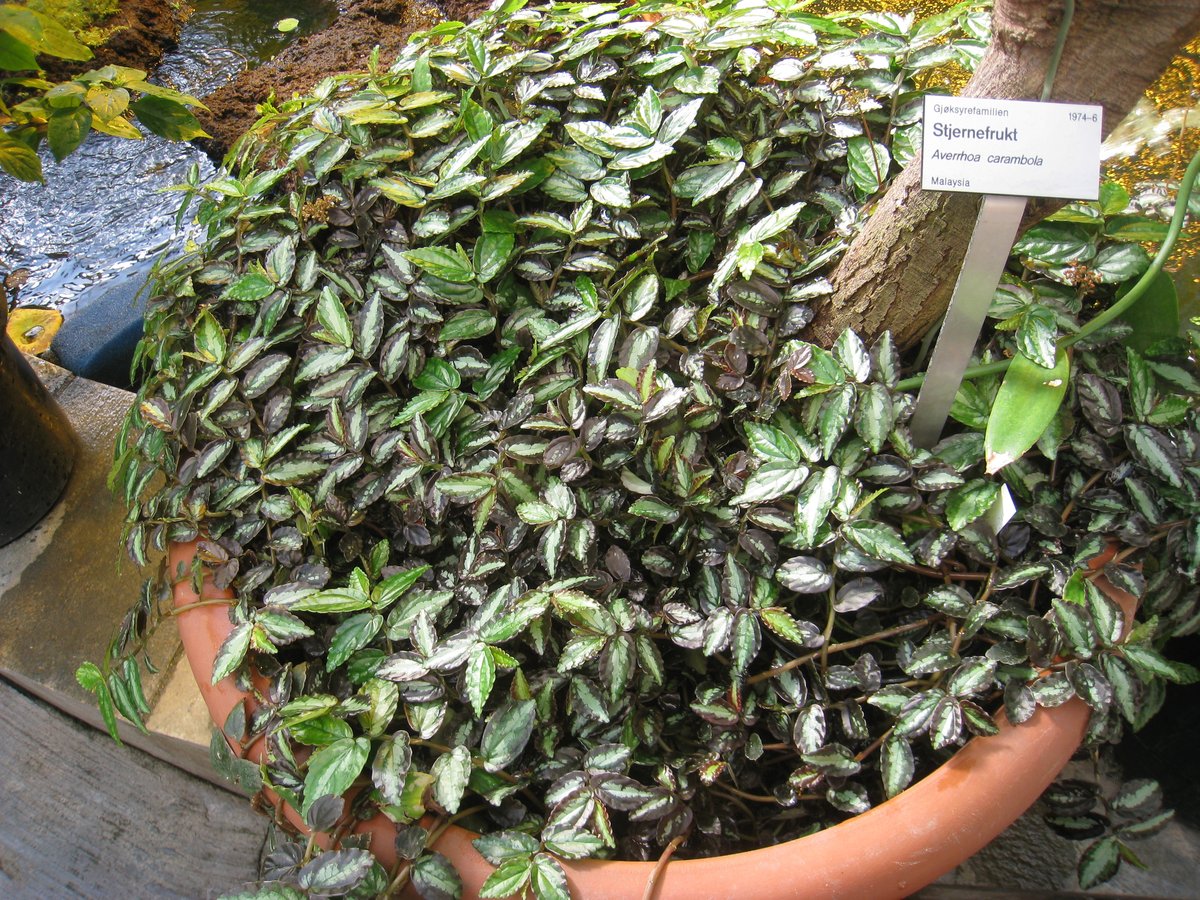
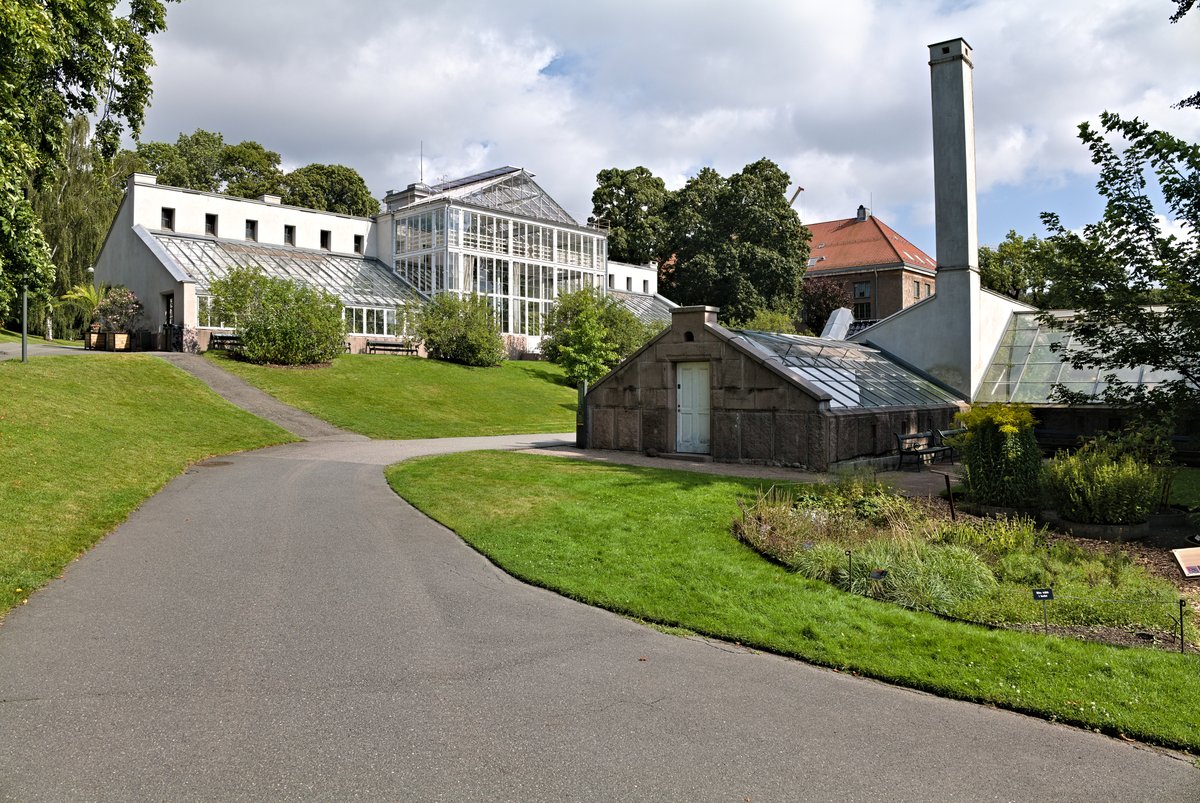
- Victorian Greenhouses: The Palm House (1868) and Victoria House (1876), displaying tropical, Mediterranean, and aquatic plants despite Oslo’s northern climate (Visit Norway).
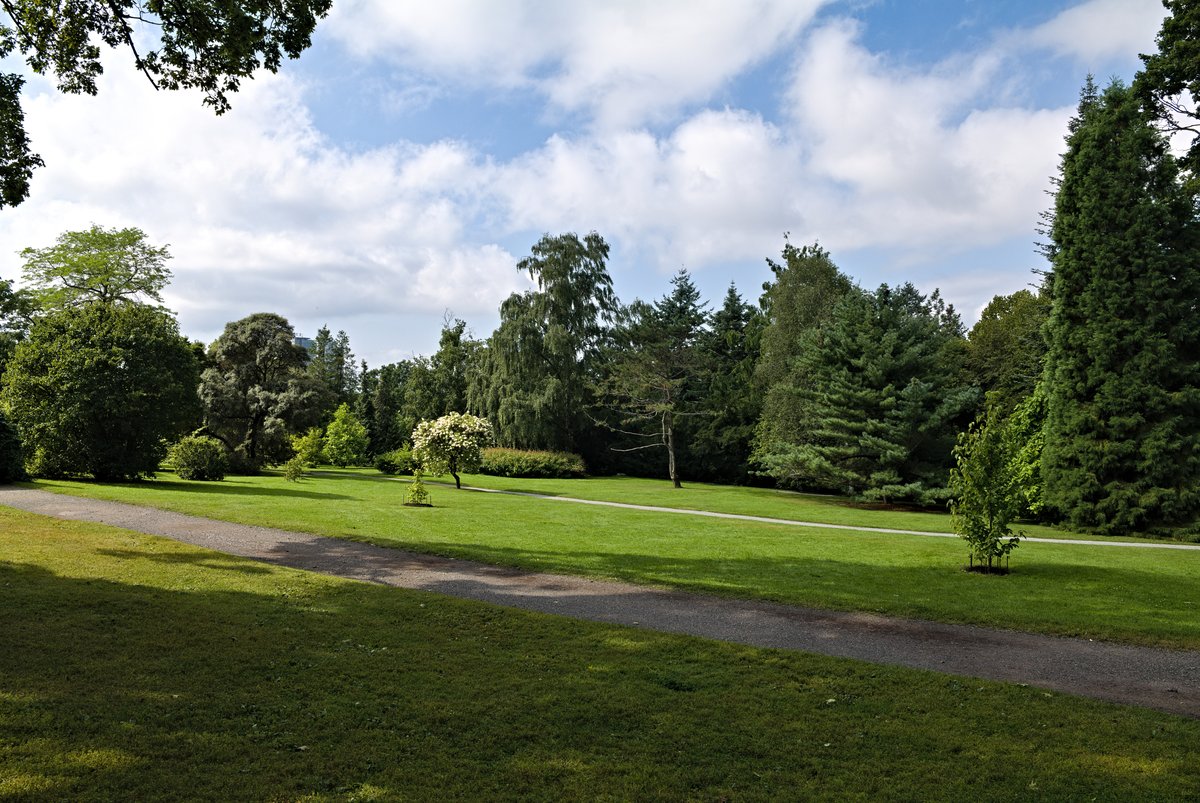
- Arboretum: Featuring over 1,800 trees and shrubs, meticulously arranged by plant family (Holidify).
Conservation, Research, and Public Engagement
The Oslo Botanical Garden is committed to conserving plant diversity, supporting university research, and offering a dynamic educational environment. The living collections are crucial for research on plant adaptation, climate change, and biodiversity, and the garden actively participates in international conservation networks (Natural History Museum; ScienceDirect). Public engagement is fostered through guided tours, workshops, school programs, and interactive exhibits (UiO Events; Life in Norway).
Practical Visitor Information
Opening Hours
- Outdoor Gardens: Open daily, year-round.
- April–September: 07:00–21:00
- October–March: 07:00–17:00
- Greenhouses (Palm House and Victoria House):
- Tuesday–Sunday: 11:00–16:00
Tickets and Admission
- Garden Entry: Free of charge.
- Greenhouses/Special Exhibits: Small fee (typically NOK 60–100 for adults; discounts for children, students, and seniors). Tickets available at entrances or online (official website).
Getting There
- Location: Sars’ gate 1, 0562 Oslo, Tøyen district.
- Public Transport: Easily accessible via Tøyen Metro Station (5-minute walk), as well as bus and tram lines (Spotted by Locals).
- Parking: Limited—public transport or cycling recommended.
Accessibility
- Wheelchair- and stroller-friendly paths throughout the main areas.
- The Scent Garden features tactile signage and raised beds for visually impaired visitors.
- Accessible restrooms and assistance available upon request.
Pets
- Dogs are allowed on leashes, with owners responsible for cleanup (please check latest policies before visiting as they may change seasonally).
Main Attractions and Thematic Gardens
The Arboretum
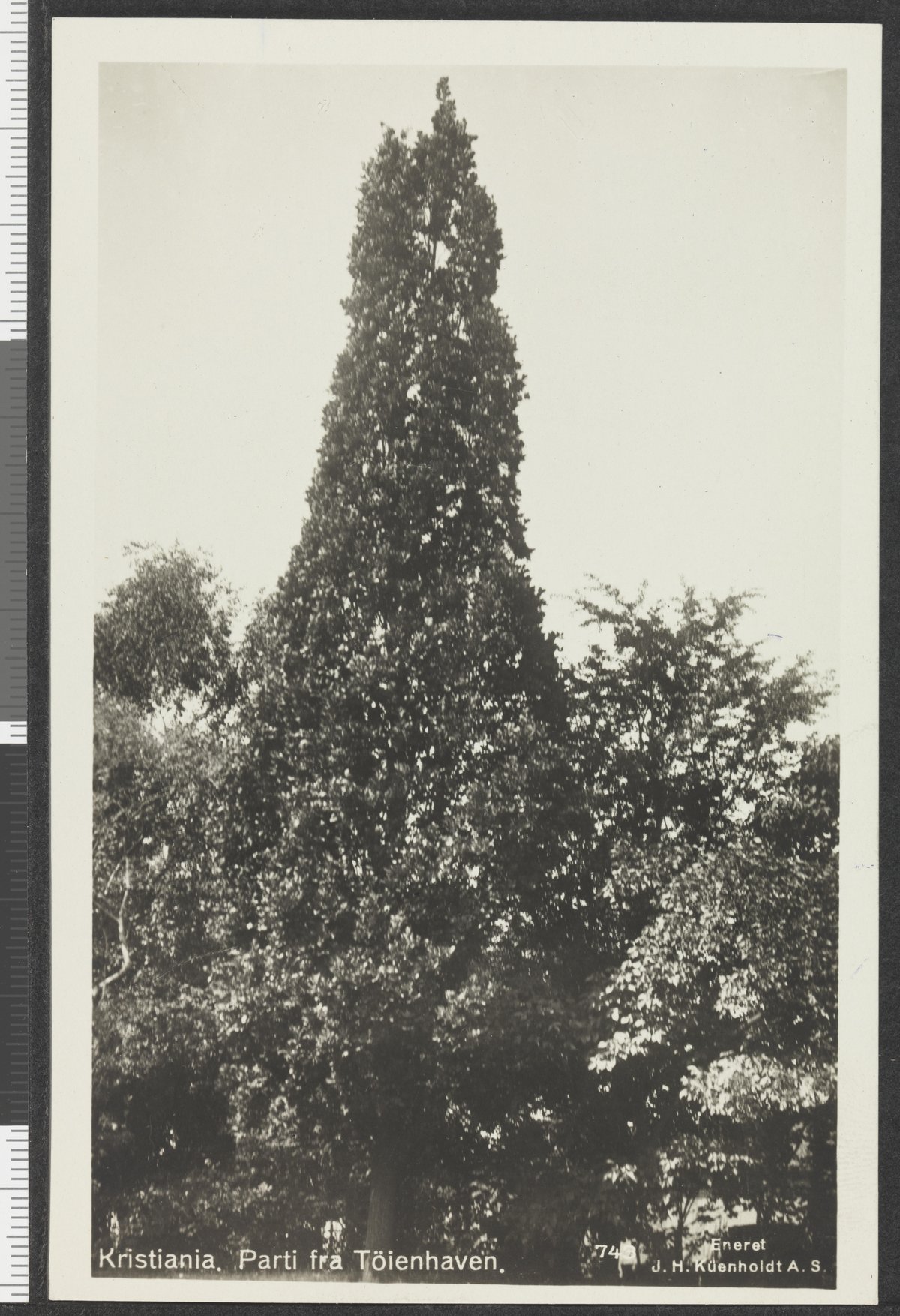
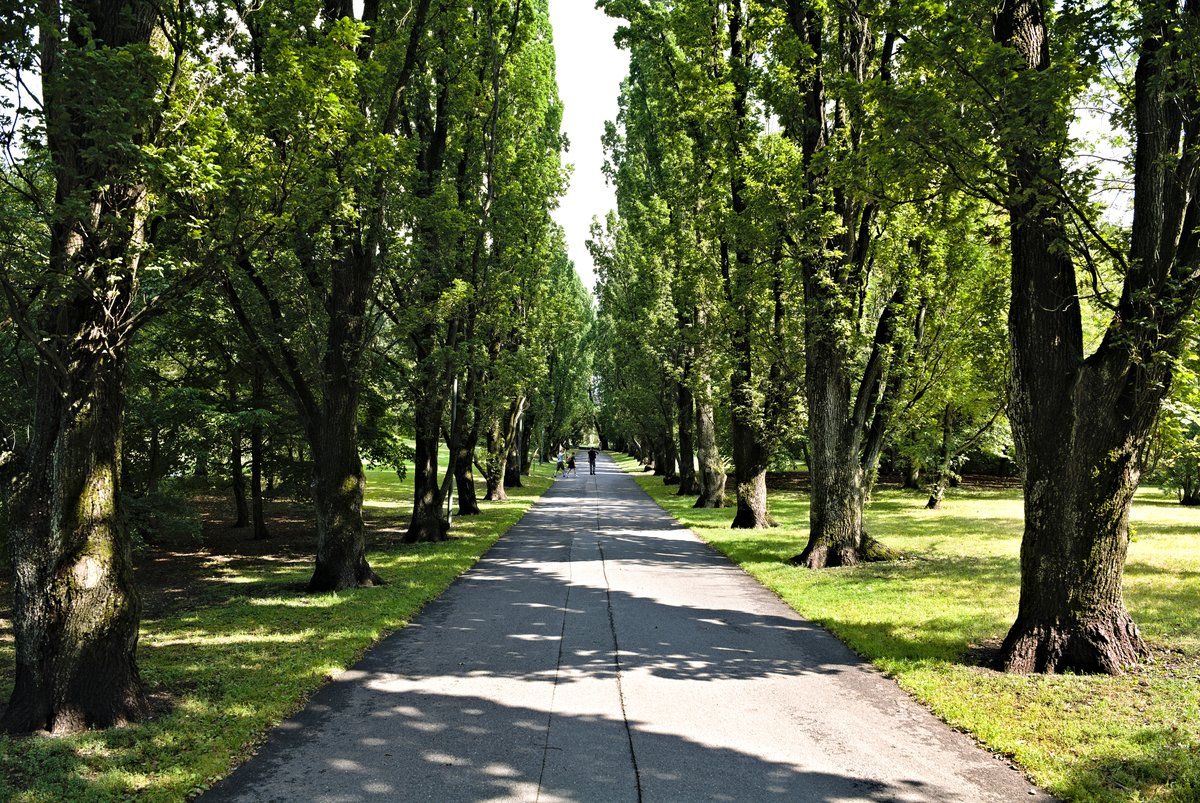
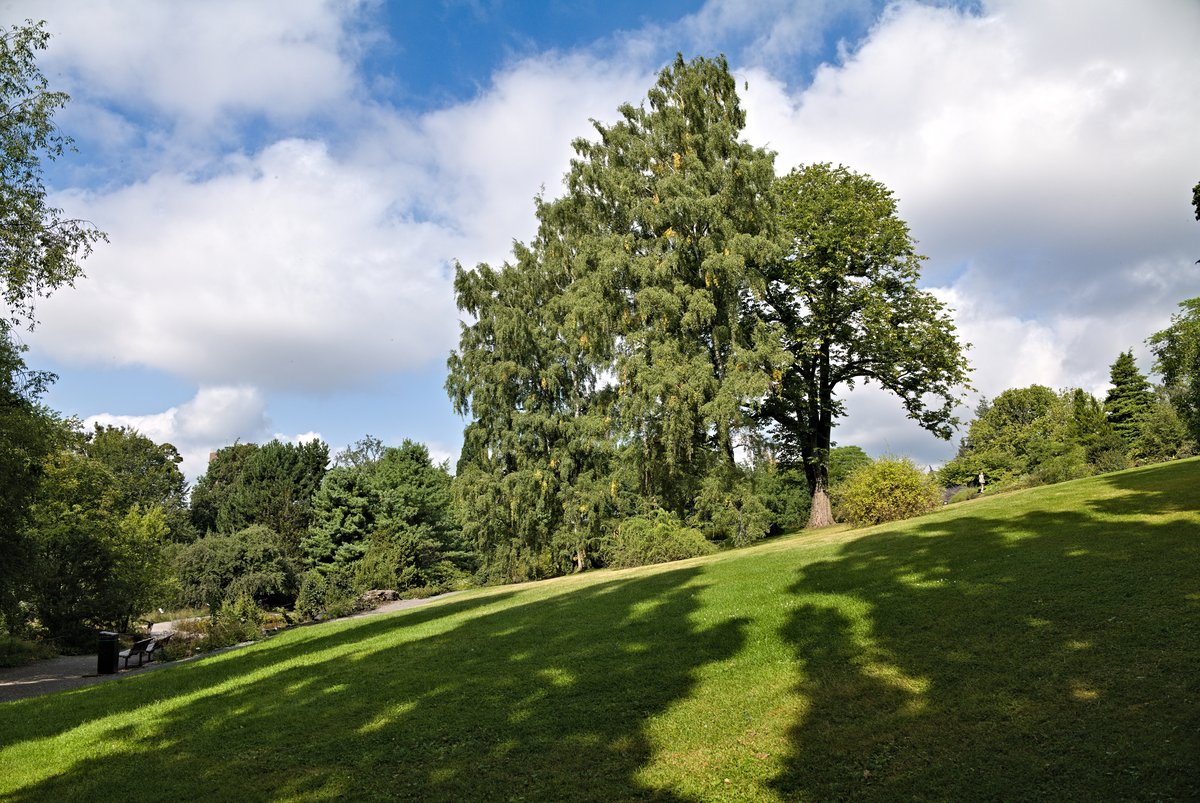
Home to over 5,500 plant species, primarily trees and shrubs from Norway and worldwide. The systematic arrangement and presence of ancient trees—some over 200 years old—make this a highlight for botany enthusiasts and casual visitors alike (Oslofjord Guide).
Palm House (Palmehuset) & Victoria House
- Palm House: Victorian glasshouse built in 1868, displaying tropical and Mediterranean flora.
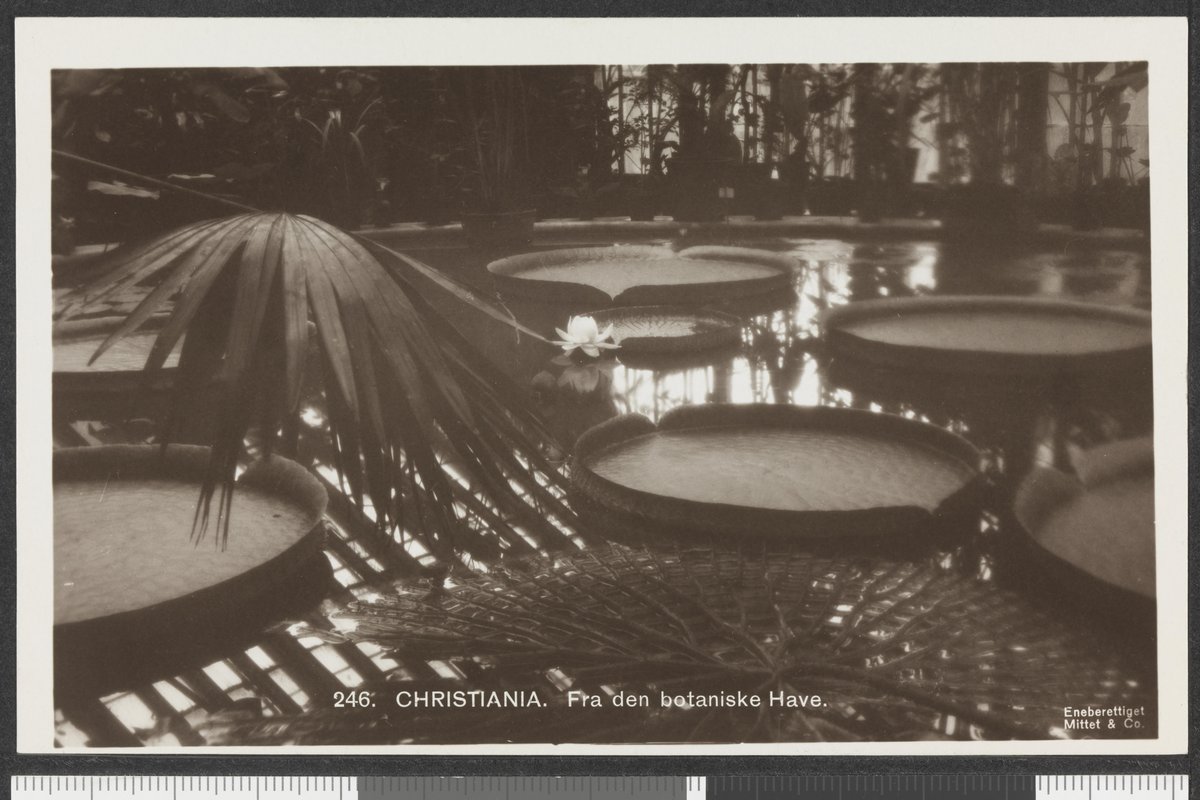
- Victoria House: Built in 1876, features aquatic plants and the famous Amazonian giant water lilies (Victoria amazonica).
Note: Both require tickets; open Tuesday–Sunday, 11:00–16:00 (VisitNordic).
Viking Garden
A thematic area recreating a Viking-era garden, featuring plants used in ancient Norway for food, medicine, and crafts—ideal for history lovers and families (Oslofjord Guide).
Rock Garden
Simulates alpine and high-altitude landscapes, with rare Norwegian mountain and global alpine species. Best visited in late spring/early summer for blooming alpine plants (Oslofjord Guide).
Scent Garden
Designed for sensory engagement, especially for visually impaired visitors. Enjoy aromatic plants like lavender, mint, and thyme, with tactile signage and raised beds (VisitNordic).
Oslo Ridge
Showcases perennials from the Oslo fjord’s unique microclimate, featuring threatened native species and vibrant spring and summer blooms (Oslofjord Guide).
Climate Garden
A modern addition focusing on climate change and biodiversity, with interpretive displays and research plots. Free guided tours (in English and Norwegian) every Sunday from July to September (Oslofjord Guide).
Art and Additional Features
Discover large woven sculptures by British artist Tom Hare and other outdoor art installations integrated throughout the garden (VisitNordic). Benches and picnic areas are scattered across the grounds.
Accessibility and Family-Friendly Features
- Paths: Wide, level, and well-maintained for easy navigation by wheelchair users and families with strollers.
- Facilities: Clean restrooms, visitor center, and a café for refreshments.
- Children’s Activities: Interactive zones near Klimahuset (Climate House), hands-on exhibits, and family-friendly programming.
- Dog Policy: Leashed pets welcome except in certain sensitive areas (verify current regulations before visiting).
Visitor Engagement and Events
The garden hosts regular events such as:
- Guided Tours: Free in summer; Climate Garden tours every Sunday (July–September).
- Workshops and Educational Programs: For all ages, covering topics like plant conservation, pollinators, and sustainable gardening.
- Special Exhibitions and Seasonal Festivals: Including art installations, plant sales, and family-friendly activities (Working with Norwegians).
Nearby Attractions
- Natural History Museum: Adjacent to the garden, featuring exhibits on geology, zoology, and paleontology (GPSmyCity).
- Munch Museum: Short walk away, showcasing the art of Edvard Munch.
- Tøyen Park: Spacious green park ideal for picnics and relaxation.
- Grünerløkka: Trendy neighborhood nearby, known for cafes and street art (Trip.com).
Frequently Asked Questions (FAQ)
Q: What are the Oslo Botanical Garden’s visiting hours?
A: The garden is open daily from 07:00; closing at 21:00 (April–September) and 17:00 (October–March). Greenhouses: Tuesday–Sunday, 11:00–16:00.
Q: Is admission free?
A: Outdoor gardens are free. Greenhouse entry and special exhibitions require a small fee.
Q: Is the garden wheelchair accessible?
A: Yes, with accessible paths, restrooms, and features such as tactile signage in the Scent Garden.
Q: Are guided tours available?
A: Yes, especially in summer. Check the official website for schedules.
Q: Can I bring my dog?
A: Leashed dogs are permitted in most areas; owners must clean up after them.
Q: How do I get to the garden?
A: Take the metro to Tøyen Station; the garden is a 5-minute walk away.
Listen to the full story in the app
The whole Oslo Botanical Garden,
told well.
Audio guides for 1,100+ cities across 96 countries. History, stories, and local insight — offline ready.
Verified, and shown.
Researched and written by the Audiala editorial team from historical records, architectural archives, and local expertise.
Researched from Wikidata, Wikipedia & official sources · fact-checked · How we make our guides →