Plan and listen to Olavsklosteret Oslo with Audiala.
Audio guide in your pocket, itinerary in your browser. Built for the way you actually visit.
Introduction: A Portal to Oslo’s Medieval Past
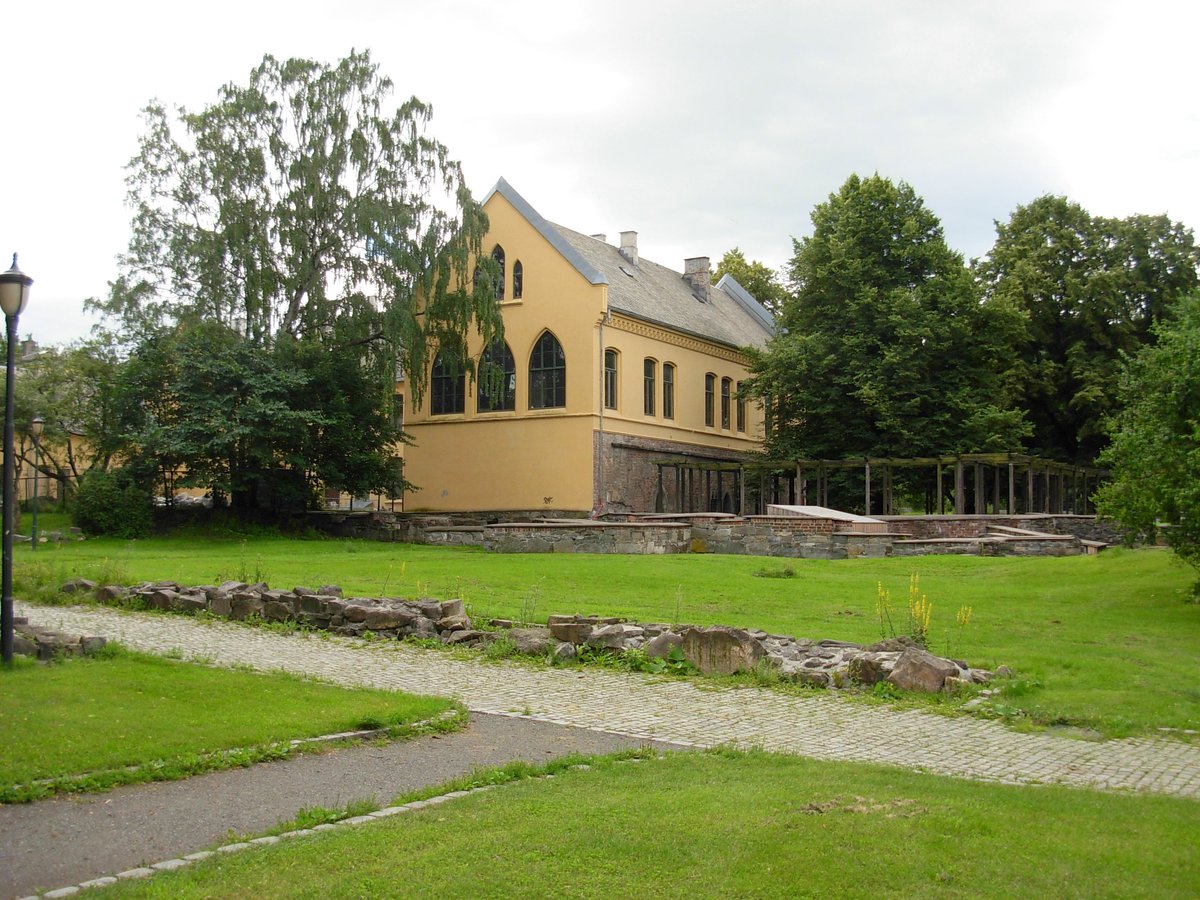
Olavsklosteret, also known as St. Olav’s Monastery, stands in the heart of Oslo’s Gamlebyen (Old Town), inviting visitors to step directly into the city’s medieval era. Founded in 1239 by the Dominican Order, the monastery became a focal point for religious, intellectual, and architectural advancement in Norway. Dedicated to the nation’s patron saint, St. Olav, the site served as a hub for worship, education, and hospitality. Today, its evocative ruins and the preserved east wing in Minneparken are tangible links to the Middle Ages, offering an immersive experience for history enthusiasts and casual visitors alike (lokalhistoriewiki.no; Visit Norway; VisitOSLO).


Foundation and Medieval Role
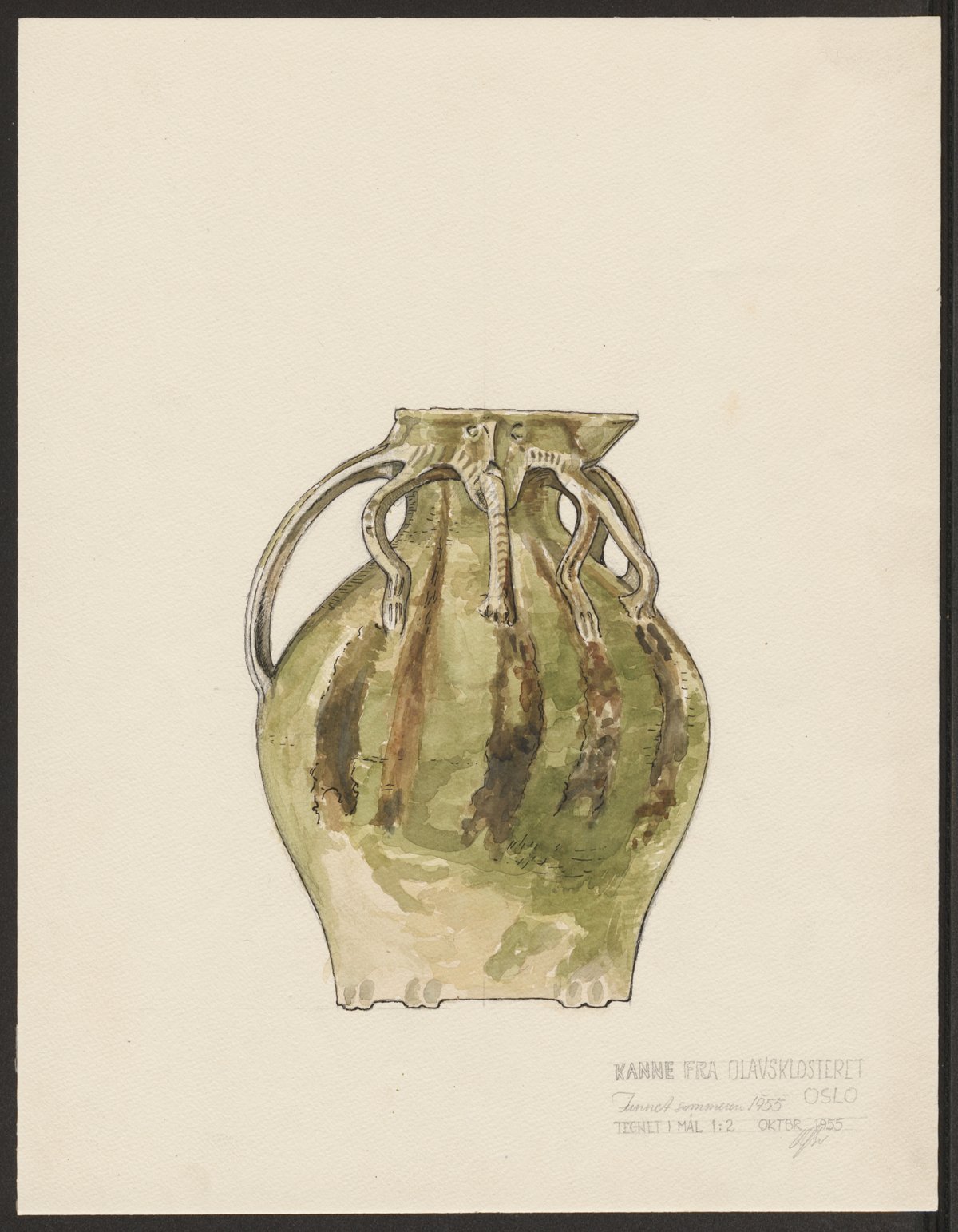
Olavsklosteret was established in 1239 as Norway’s first Dominican monastery, signifying the arrival of an influential mendicant order known for scholarship and preaching (no.wikipedia.org). Situated just north of St. Hallvard’s Cathedral, the monastery incorporated an earlier church and quickly became a center for worship, education, and manuscript production. The Dominicans’ international connections are evidenced by archaeological finds such as English ceramics and Dutch coins (oslobyleksikon.no).
Architectural Significance
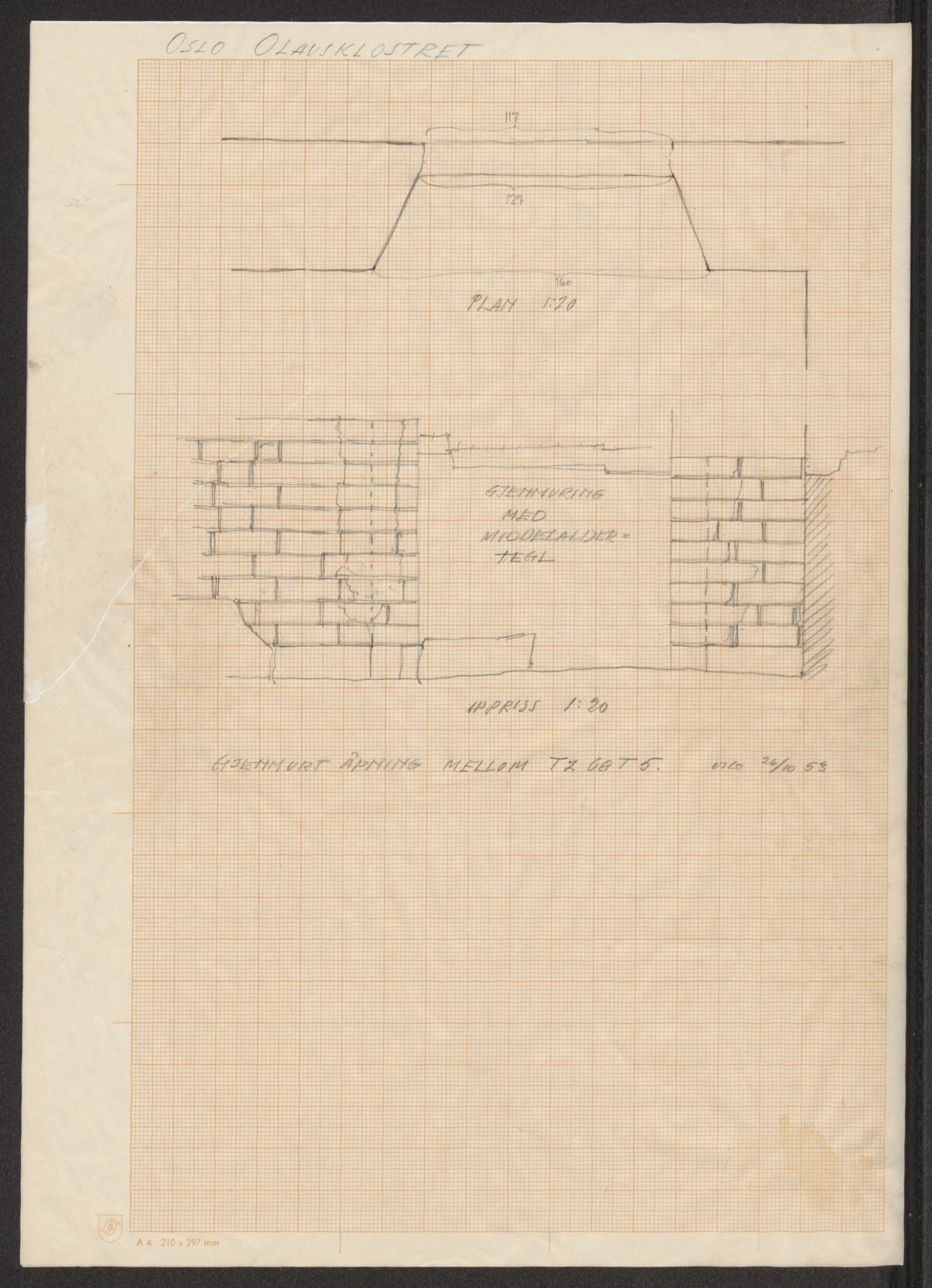
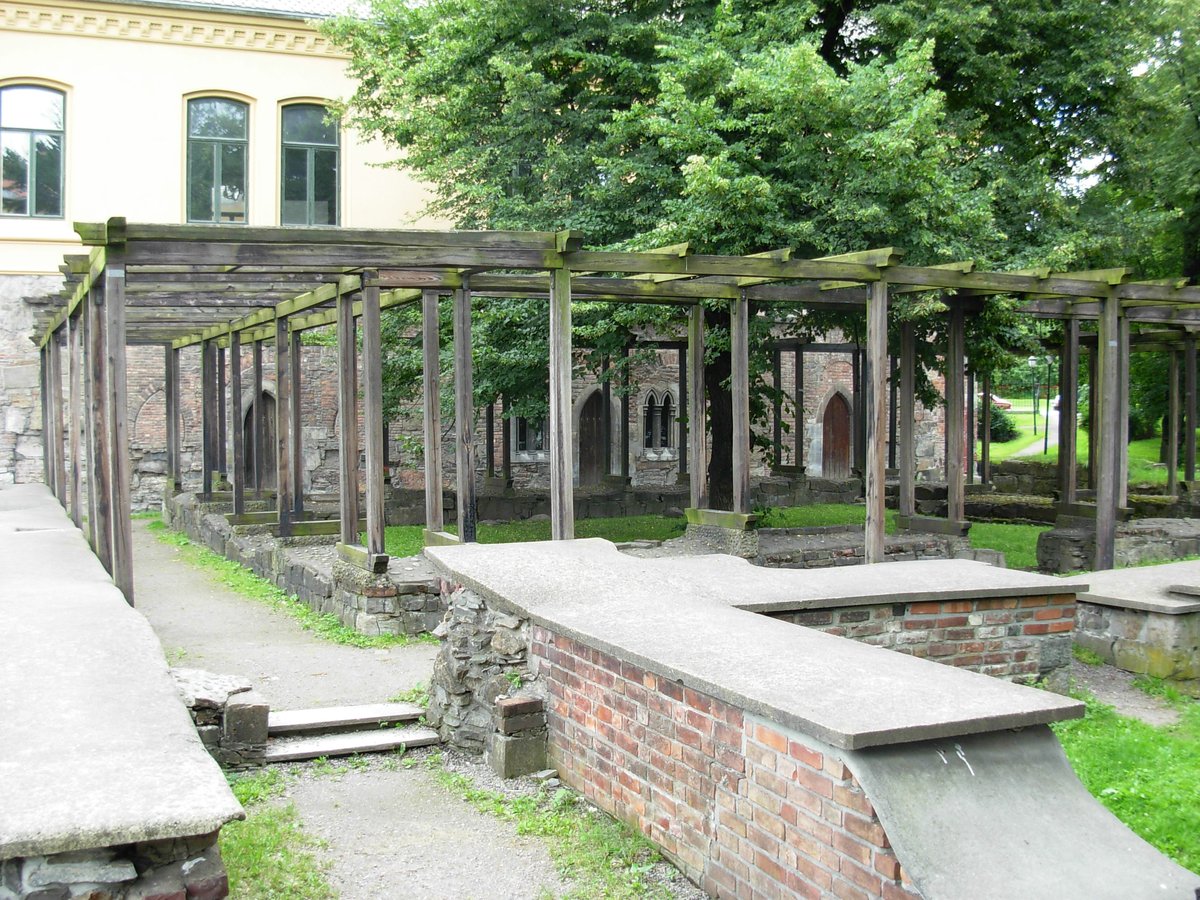
Olavsklosteret was among the earliest brick-built structures in Norway, reflecting European architectural trends. The preserved east wing features original medieval brick vaults and remnants of wall paintings, offering a rare glimpse into 13th-century craftsmanship. The monastery complex included a church, cloisters, dormitories, refectory, and chapter house arranged around a central courtyard (oslobyleksikon.no).
Reformation and Later Transformation
The Reformation in 1537 led to the monastery’s dissolution, with its assets appropriated by the crown. Most of the stone was repurposed for Akershus Fortress, but the east wing survived and became the Bishop of Oslo’s residence until 1985 (no.wikipedia.org). Restoration and archaeological excavations in the 19th and 20th centuries have safeguarded the ruins, now integrated into Minneparken as a protected cultural heritage site (wanderlog.com).
Location and Access
Olavsklosteret is located at Ruinparken, St. Hallvards plass, in Oslo’s Gamlebyen. The site is easily reached by public transport:
- Tram/Bus: Stops at “St. Halvards plass” or nearby routes.
- Walking: Approximately 10–15 minutes from Oslo Central Station.
- By Car: Parking is limited; public transport is recommended (VisitOSLO).
The surrounding park offers a tranquil setting, ideal for contemplation and exploration.
Visiting Hours and Admission
- Ruins: Open-air and accessible 24/7 year-round.
- Admission: No entrance fee for independent visitors; visiting Olavsklosteret is free.
- Guided Tours: Offered seasonally—especially in summer—by local tour operators. Tickets or reservations may be required for these experiences (VisitOSLO events).
For current guided tour schedules and special events, consult the Oslo Visitor Centre.
Accessibility
- General: The site has level paths suitable for most visitors, but some areas have uneven terrain and steps.
- Wheelchair Users: Partial accessibility; some areas may be difficult to navigate. Contact the Oslo Visitor Centre ahead of your visit for detailed accessibility information.
Guided Tours and Interpretation
Guided walking tours of Oslo’s Old Town often include Olavsklosteret. These tours provide in-depth context about the monastery’s medieval history, architecture, and the role of the Dominicans. Interpretive signage in Norwegian and English is available on-site, and additional resources can be found at the Oslo City Museum and Medieval Park (Oslo Walking).
Facilities and Nearby Amenities
- Restrooms: Not available at the site; public facilities can be found nearby or at the Oslo Visitor Centre.
- Food and Drink: A variety of cafés and restaurants are within walking distance in the Grønland and Gamlebyen districts.
- Shops: Convenience stores and souvenir shops are located along Oslo gate and Grønland.
Combining with Other Oslo Historical Sites
Enhance your visit by exploring:
- St. Hallvard’s Cathedral Ruins: Adjacent to Olavsklosteret, these remains mark Oslo’s medieval cathedral.
- Oslo Ladegård: The former bishop’s residence and museum, a short walk away.
- Middelalderparken: Features additional medieval ruins and hosts cultural events in summer.
- Akerselva River Walk: A scenic urban stroll through historical neighborhoods.
The Oslo Pass covers public transport and admission to many attractions (VisitOSLO).
Safety and Visitor Etiquette
- Respect the Ruins: Do not climb on or remove stones; follow marked paths.
- Quiet Enjoyment: Maintain a peaceful atmosphere.
- Supervise Children: The site has uneven terrain and fragile areas.
Photography and Drone Use
- Photography: Personal use is welcome—early morning and late afternoon offer the best light.
- Drones: May be restricted due to heritage and residential proximity. Check local rules before flying.
Events and Special Activities
Olavsklosteret occasionally hosts historical reenactments, open-air concerts, and cultural events—especially during the summer festival season. For current information, check the VisitOSLO website.
Sustainable Tourism
Olavsklosteret is part of Oslo’s commitment to sustainable tourism:
- Use Public Transport: Reduces environmental impact.
- Dispose of Litter Responsibly: Help protect the park and ruins.
- Support Local Businesses: Enhance community sustainability (VisitOSLO).
Language and Communication
English is widely spoken, and most signage is bilingual. Staff at visitor centers are multilingual and happy to assist.
Tips for Families
- Family-Friendly: The park setting suits families, but supervise children due to uneven ground.
- Picnic: Bring snacks or a picnic to enjoy in the tranquil surroundings.
Weather Considerations
- Best Season: Late spring to early autumn (May–September) offers milder weather and long daylight hours (Global Highlights).
- Be Prepared: Bring layers and rain gear, as weather can be variable.
Frequently Asked Questions (FAQ)
Q: Do I need tickets to visit Olavsklosteret?
A: No, the ruins are free to visit independently year-round.
Q: What are the opening hours?
A: The site is accessible at all times, year-round, as it is located in a public park.
Q: Are guided tours available?
A: Yes, especially in summer. Check with local tour operators or the Oslo Visitor Centre for availability.
Q: Is Olavsklosteret wheelchair accessible?
A: The site is partially accessible; some uneven terrain may limit access.
Q: When is the best time to visit?
A: Summer offers the best weather and longest daylight for exploring the ruins.
Visuals and Interactive Media
Enhance your visit by exploring:
- High-Quality Images: Capture the medieval brickwork and serene park setting.
- Interactive Maps: Available at tourist centers and online to help plan your visit.
- Virtual Tours: Some online platforms offer virtual explorations of Oslo’s medieval sites.
Listen to the full story in the app
The whole Olavsklosteret Oslo,
told well.
Audio guides for 1,100+ cities across 96 countries. History, stories, and local insight — offline ready.
Verified, and shown.
Researched and written by the Audiala editorial team from historical records, architectural archives, and local expertise.
Olav’s Monastery and St. Hallvard’s Cathedral, n.d., Visit Norway
Hallvard’s Cathedral, n.d., VisitOSLO
Researched from Wikidata, Wikipedia & official sources · fact-checked · How we make our guides →