Plan and listen to Munch Museum with Audiala.
Audio guide in your pocket, itinerary in your browser. Built for the way you actually visit.
Introduction: The Munch Museum’s Significance in Oslo
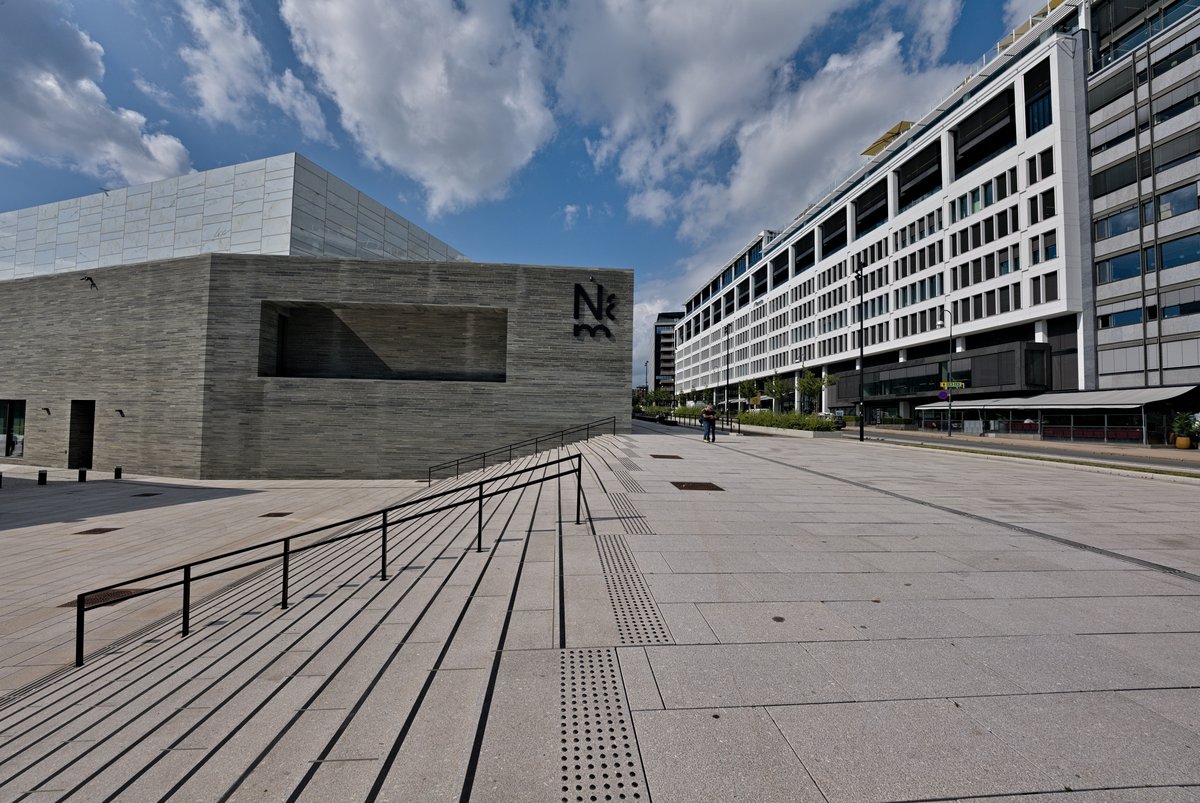
Situated in Oslo’s dynamic Bjørvika district, the Munch Museum (MUNCH) stands as a testament to Norway’s rich cultural heritage and the artistic genius of Edvard Munch (1863–1944). Boasting the world’s largest collection of Munch’s works—including masterpieces like The Scream, Madonna, and Vampire—the museum immerses visitors in the emotional intensity and innovative techniques that propelled modern art forward. Since its original opening in 1963, the museum has evolved significantly, culminating in the 2021 unveiling of its stunning new building by architect Juan Herreros. This bold structure not only houses over 28,000 pieces but also offers panoramic views of the Oslofjord and city skyline, seamlessly blending art, architecture, and landscape.
Located near cultural landmarks such as the Oslo Opera House and Akershus Fortress, the museum is a central hub for exploring Oslo’s historical and artistic treasures. Whether you are an art lover, history enthusiast, or casual traveler, this guide provides up-to-date information on visiting hours, ticketing, exhibition highlights, visitor amenities, and tips for enjoying Oslo’s vibrant cultural scene. For the latest details, consult the official Munch Museum website as well as travel insights from VisitOSLO and Cestee.

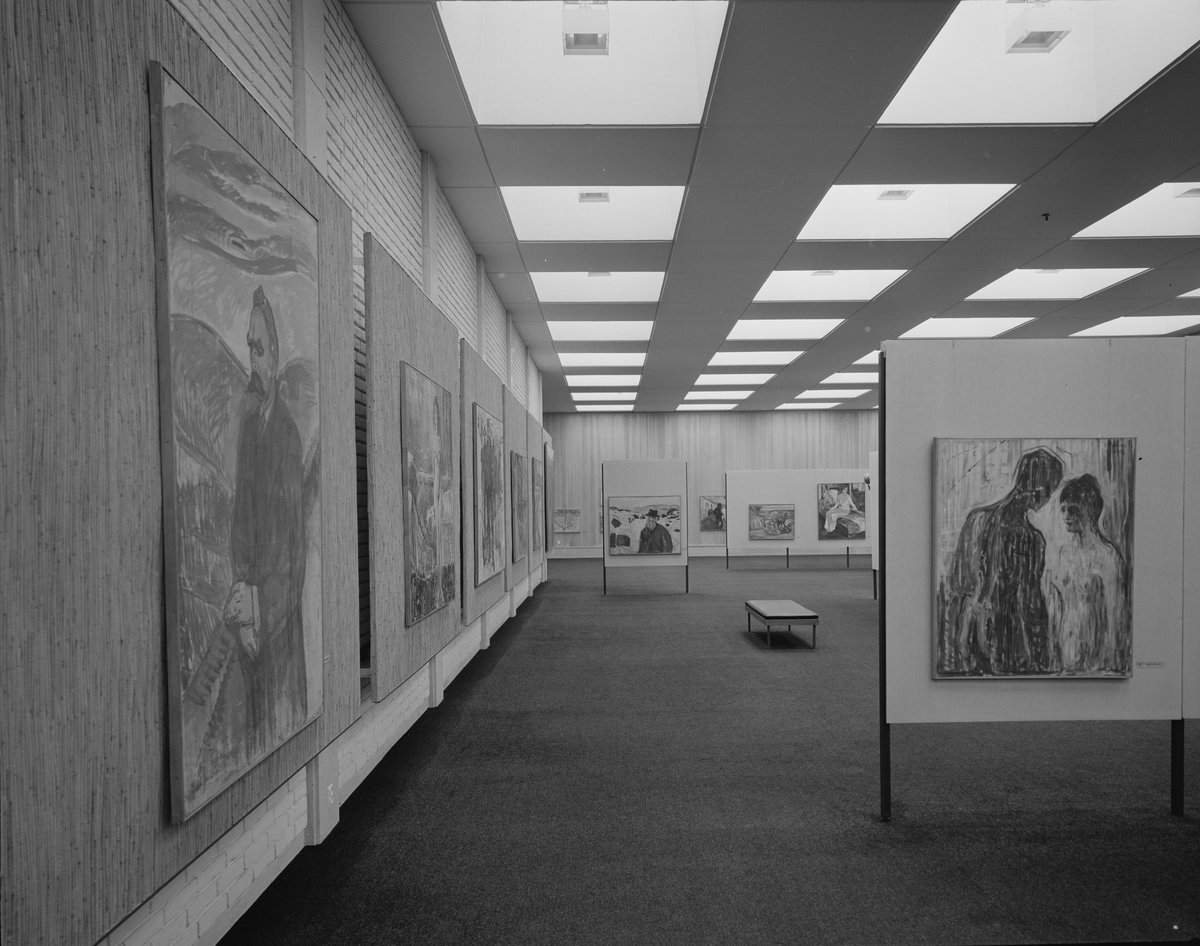
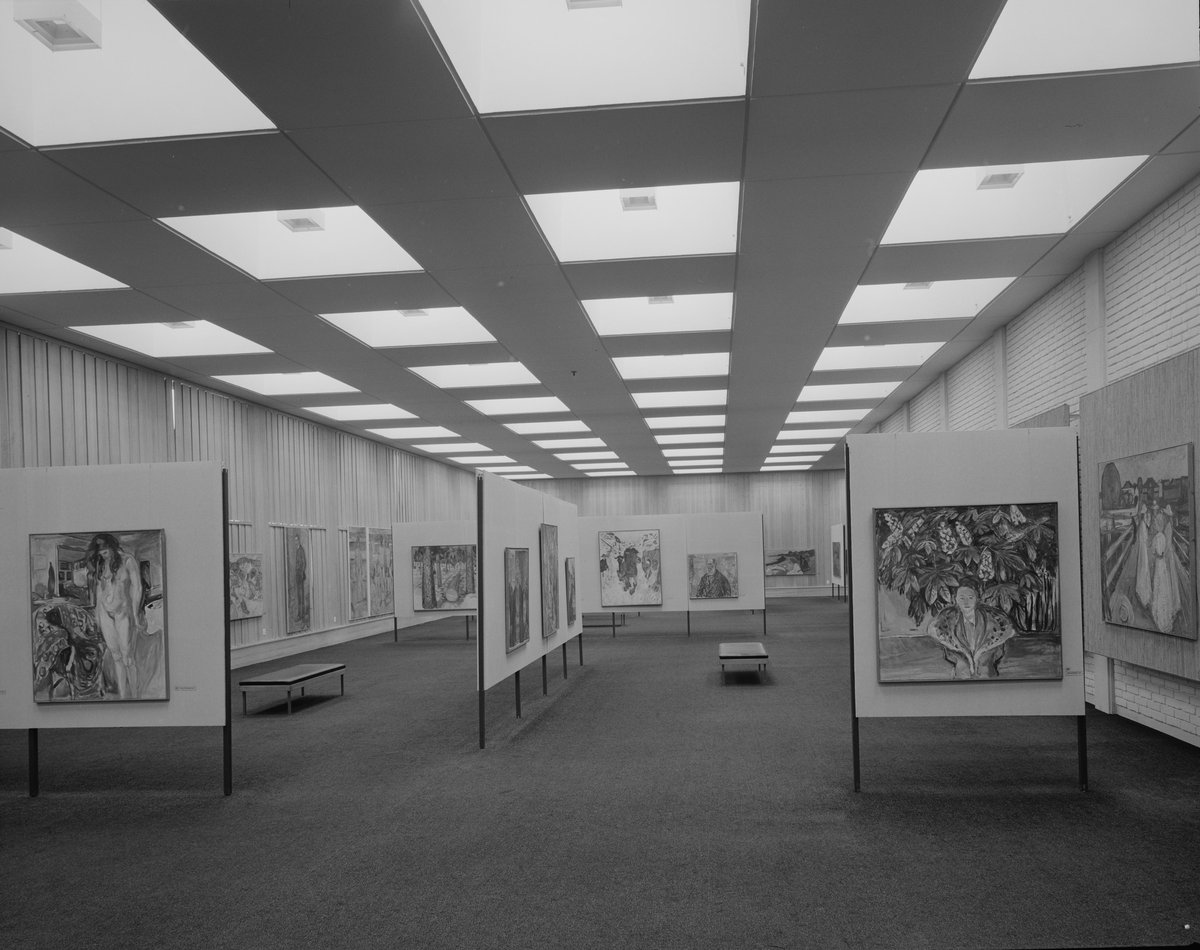
Brief History of the Munch Museum
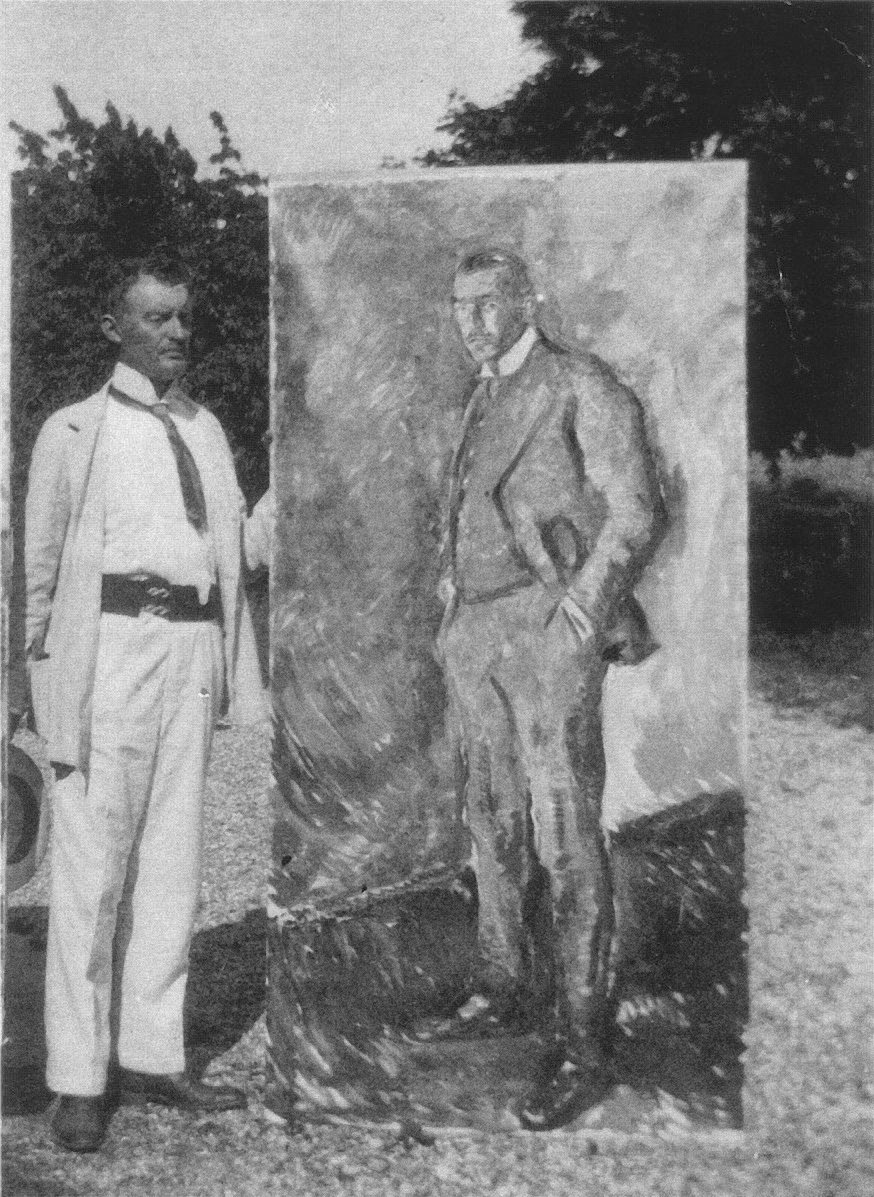
Edvard Munch’s deeply emotional and symbol-laden works have come to define Expressionism. When he died in 1944, he left more than 28,000 pieces to the City of Oslo, establishing the foundation for the original Munch Museum, which opened in 1963 in Tøyen. As the collection and visitor numbers grew, a new home was needed. The current MUNCH building, designed by Juan Herreros and opened in 2021, is a modern, 13-story landmark on the Oslo waterfront, offering expansive exhibition spaces and state-of-the-art facilities (VisitOSLO).
Architectural Highlights
The museum’s striking tower—leaning toward the fjord—features a shimmering façade of recycled, perforated aluminum that changes with the light. Internally, the design balances a robust concrete core for conservation with transparent glass areas, symbolizing dialogue between preservation and public engagement. The panoramic rooftop terrace and large gallery windows offer sweeping views of Oslo and its natural surroundings (VisitOSLO).
What to See: Collections and Exhibitions
Permanent Collection Highlights
- The Scream: The museum houses multiple painted versions and a lithograph of this iconic work, displayed on rotation to protect from light exposure.
- Madonna: Several versions and prints reflect Munch’s exploration of love, spirituality, and mortality.
- Vampire (Love and Pain): A powerful motif on the complexities of human relationships.
- Girls on the Bridge: These scenes showcase Munch’s mastery of color and mood.
- The Aula Paintings: Monumental works originally created for the University of Oslo, demonstrating Munch’s ambition on a grand scale.
Thematic and Chronological Displays
Exhibitions lead visitors through key phases of Munch’s career—from early naturalistic works to bold Symbolist and Expressionist experiments, culminating in his introspective late period (Munch Museum).
Prints, Drawings, and Personal Artifacts
With over 18,000 prints and thousands of drawings, plus letters, notebooks, and personal effects, the museum provides an intimate look at Munch’s process and personal life.
Temporary Exhibitions and Contemporary Art
The museum regularly hosts temporary exhibitions, contemporary projects, and collaborations with international institutions, ensuring a dynamic visit with new perspectives on Munch’s influence.
Visiting Information
Visiting Hours
- Sunday to Tuesday: 10:00 – 18:00
- Wednesday to Saturday: 10:00 – 21:00
- Closed: May 1st only
Always check the official website for up-to-date hours, especially on holidays.
Tickets and Admission
- Adults: 180 NOK (online purchase recommended)
- Students/Seniors/Concessions: Reduced rates available
- Children under 18: Discounted or free admission (see website)
- Oslo Pass holders: Free entry during special events like "Tourist in Your Own City" (limited slots; collect ticket on-site)
Purchase tickets in advance to secure your preferred time slot and avoid queues (MUNCH Official).
Accessibility
Fully accessible with elevators, ramps, and accessible restrooms. Staff are available to assist guests with additional needs (WhichMuseum).
Guided Tours and Special Events
Guided tours are offered in several languages, with free tours and rentable audio guides available. The museum’s rich program includes artist talks, workshops, film screenings, and family activities (MUNCH Official).
Getting There
- Location: Edvard Munchs Plass 1, 0194 Oslo (Bjørvika district)
- Public transport: Tram line 12, various buses, and a short walk from Oslo Central Station
- Parking: Limited—public transit recommended (Cestee)
Facilities and Amenities
- Food & Drink: MUNCH Deli & Café (ground floor) offers meals and views of the fjord; the 13th-floor bar provides panoramic city vistas (VisitNorway).
- Shop: Curated art books, prints, and souvenirs.
- Family-Friendly: Interactive workshops and activities for children.
- Photography: Allowed in most public spaces; check signage for restrictions.
Visitor Tips
- Book tickets online to ensure entry and avoid lines.
- Use the audio guide for a deeper experience; available in multiple languages.
- Start from the top and work your way down, finishing at the rooftop bar for sunset views (VisitNorway).
- Check which version of "The Scream" is on display before your visit.
- Combine your visit with nearby highlights like the Oslo Opera House, Akershus Fortress, and the Barcode Project.
Nearby Oslo Historical Sites
- Oslo Opera House: Architectural marvel adjacent to the museum.
- Akershus Fortress: Medieval castle with stunning views.
- Astrup Fearnley Museum: Premier contemporary art collection.
- Viking Ship Museum, Oslo City Museum, Nobel Peace Center: All within easy reach (WhichMuseum).
Explore vibrant neighborhoods like Grønland, Tøyen, and Frogner for diverse culture, dining, and shopping (VisitNorway).
Frequently Asked Questions (FAQ)
Q: What are the Munch Museum’s opening hours?
A: Sunday–Tuesday: 10:00–18:00; Wednesday–Saturday: 10:00–21:00; closed May 1st.
Q: How much do tickets cost?
A: Adult tickets are 180 NOK online. Reduced rates for concessions; Oslo Pass holders get free entry during select events.
Q: Is the museum wheelchair accessible?
A: Yes, with elevators and accessible facilities throughout.
Q: Are guided tours available?
A: Yes, including free and paid options in multiple languages.
Q: Can I take photos inside?
A: Allowed in public areas; restrictions apply in exhibitions—check signage or ask staff.
Q: Are there dining options?
A: Yes, with a café and rooftop bar.
Listen to the full story in the app
The whole Munch Museum,
told well.
Audio guides for 1,100+ cities across 96 countries. History, stories, and local insight — offline ready.
Verified, and shown.
Researched and written by the Audiala editorial team from historical records, architectural archives, and local expertise.
Researched from Wikidata, Wikipedia & official sources · fact-checked · How we make our guides →