Plan and listen to Manglerud with Audiala.
Audio guide in your pocket, itinerary in your browser. Built for the way you actually visit.
Introduction: Discovering Manglerud in Oslo
Located approximately 4.2 kilometers southeast of Oslo’s vibrant city center, Manglerud is a distinctive borough blending rich history, modern urban planning, and a strong sense of community. Once a rural area dominated by farmland, Manglerud underwent a dramatic transformation during Oslo’s post-war expansion, becoming a model suburb known for its modernist architecture, green spaces, and accessible amenities. Whether you're interested in exploring historical remnants, attending cultural events at Manglerud Church, enjoying sports, or relaxing in nature at Østensjøvannet, Manglerud welcomes families, history enthusiasts, and cultural explorers. This guide covers practical information on visiting hours, ticketing, accessibility, and key events, ensuring a rewarding experience in this unique Oslo neighborhood. For more detailed insights and updates, consult resources such as the Manglerud Church website, Østensjø Historielag, and Manglerud Star sports club.

Early Origins & Geographic Context
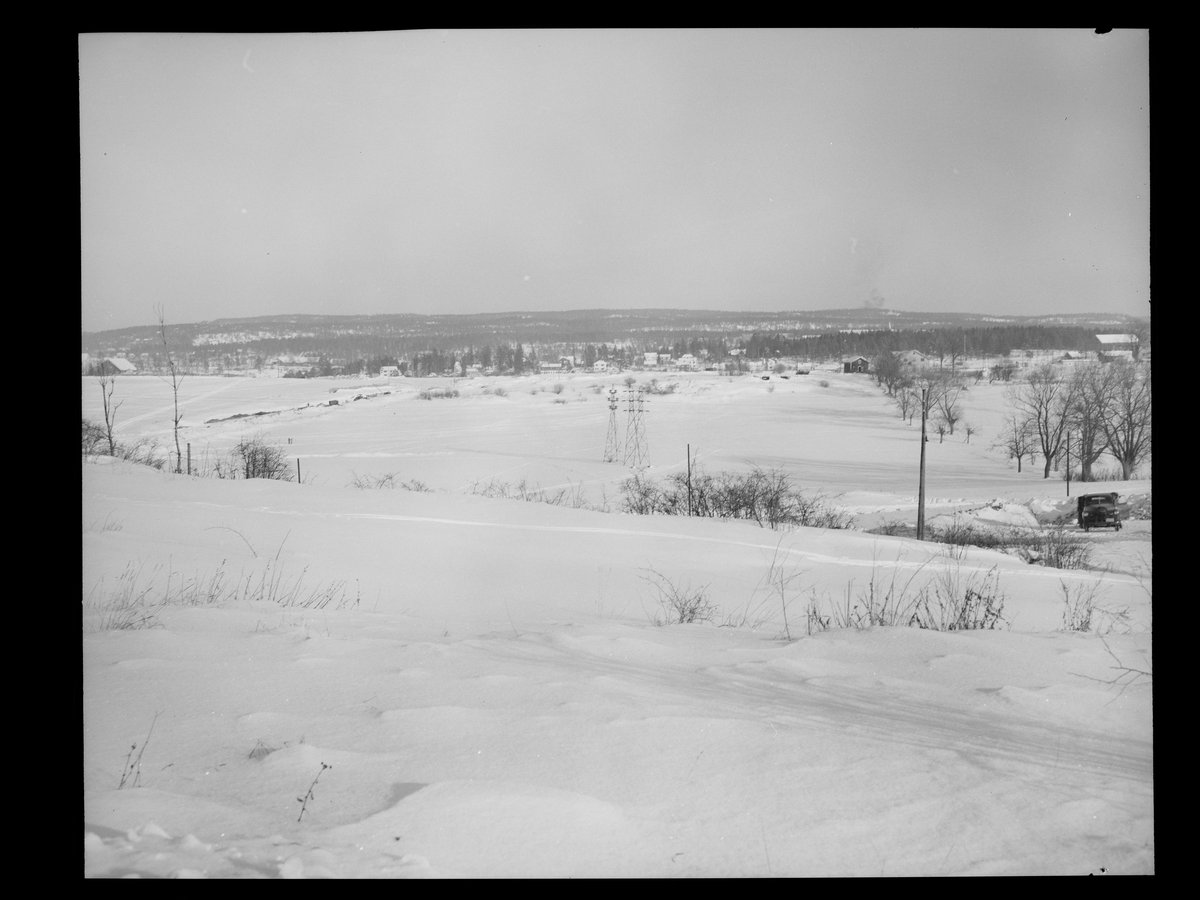
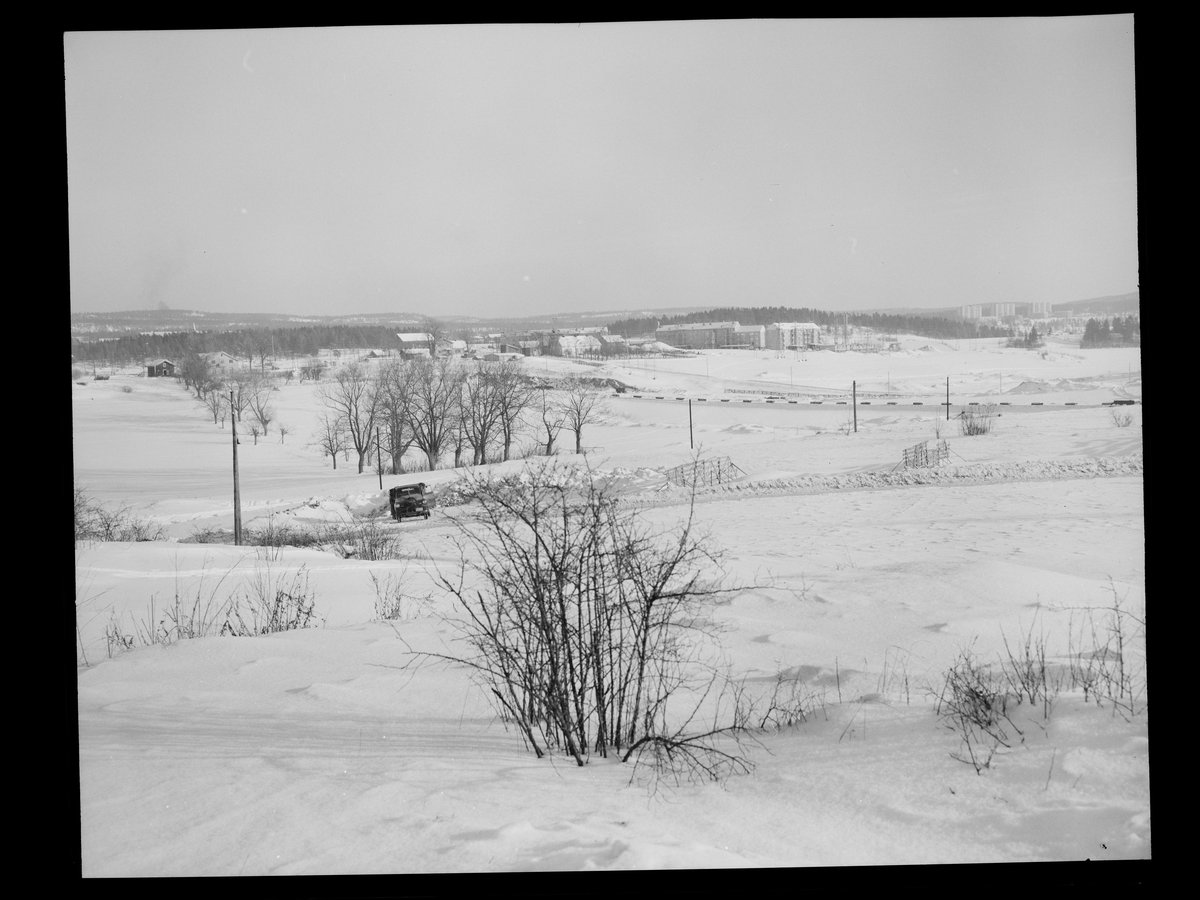
Manglerud’s history stretches back to the Middle Ages, when the area was a rural expanse dotted with farmland and forests. Its name comes from the historic Manglerud farm, and remnants of its agricultural past can still be traced in local green spaces and street names. The area’s transformation into a modern suburb mirrors Oslo’s broader post-war efforts to expand and modernize its urban landscape.
Development in the 20th Century
Post-War Urbanization & Planning
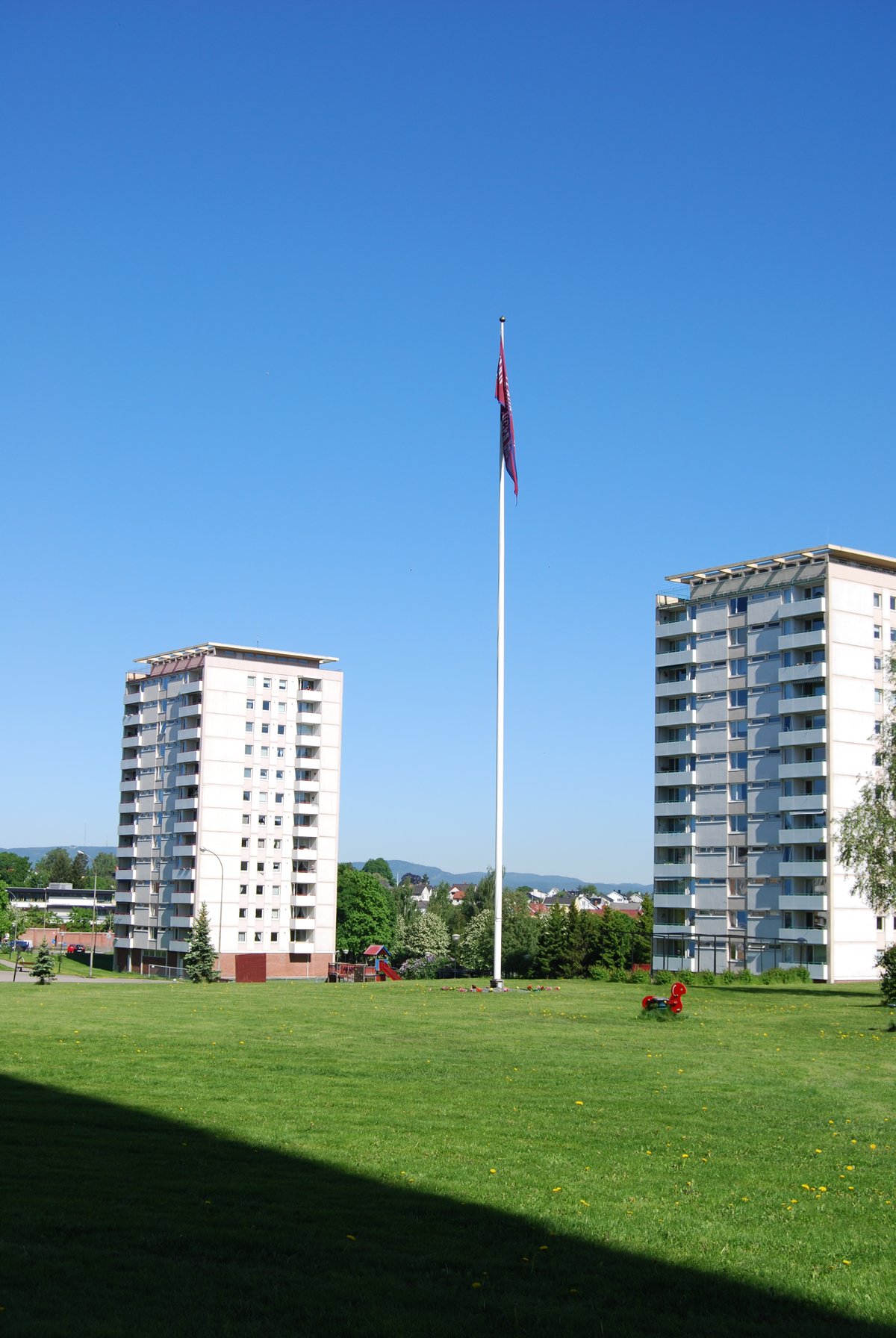
The 1960s saw Manglerud’s development as a planned suburb, designed to accommodate Oslo’s growing population. This expansion featured modernist apartment blocks, abundant green spaces, and essential community amenities. The design reflected Norway's focus on providing high-quality, affordable housing in thoughtfully organized neighborhoods.
Integration with Oslo’s Infrastructure
Manglerud’s accessibility was significantly enhanced with the opening of the Manglerud T-bane (metro) station in 1967, connecting it efficiently to the city center and making it an appealing destination for both residents and visitors.
Notable Landmarks & Visitor Information
Manglerud Church (Manglerud Kirke)
A central feature of the district, Manglerud Church was consecrated in 1963 as one of Oslo's pioneering "arbeidskirker" or working churches. Its modernist architecture and community-oriented design embody the post-war era’s ideals. The church is both a religious center and a vibrant cultural venue, hosting concerts, art exhibits, and community gatherings (Kirken.no), with performances ranging from classical to contemporary, including international music acts (Songkick).
- Visiting Hours: Generally open during daylight hours, with regular Sunday services at 11:00 AM and additional events throughout the week. Always check the official website for the latest schedule.
- Tickets: Free for worship services; concert and event tickets may be required.
- Accessibility: Wheelchair accessible, with ramps and adapted restrooms.
Manglerud Star & Sports Facilities
Home to the Manglerud Star sports club, especially known for its ice hockey team, Manglerud is a hub for local sports culture. The Manglerudhallen arena hosts regular matches, public skating, and youth programs (Manglerud Star). Tickets for games typically range from NOK 100–200, and public skating is available most afternoons and evenings.
Østensjøvannet Nature Reserve
Located just east of Manglerud, Østensjøvannet is a protected urban lake and nature reserve famous for its rich biodiversity, especially birdlife (Østensjø Historielag). Walking and cycling paths, picnic areas, and educational signage make this an accessible year-round destination for nature lovers. Entry is free, from dawn to dusk.
Manglerud Senter & Local Life
Manglerud Senter, the neighborhood’s main shopping hub, offers a range of shops, eateries, and community events (Manglerud Senter). The center is open 9 AM–8 PM weekdays, with shorter weekend hours. Cozy cafés and bakeries nearby provide a taste of everyday Oslo.
Travel Tips
- Getting There: Oslo T-bane Line 4 to Manglerud Station offers direct access (10–15 minutes from city center).
- Accessibility: All public transport and most attractions are wheelchair accessible.
- Best Time to Visit: Late spring to autumn for pleasant weather and community events, though winter offers sports and festive activities.
Visuals & Media
Enhance your visit with virtual tours and photo galleries, available on local tourism websites. Walking maps and digital guides can help you navigate key points of interest.
Frequently Asked Questions (FAQ)
Are there guided tours in Manglerud?
Occasional cultural or historical tours are organized by local groups like Østensjø Historielag. Check their websites for current offerings.
Is Manglerud suitable for families?
Yes, Manglerud is family-friendly, offering parks, playgrounds, and community sports facilities.
Can I watch Manglerud Star hockey games?
Yes, tickets are available via the official Manglerud Star website.
Do I need tickets for parks or Østensjøvannet?
No, outdoor sites are free. Tickets may be required for sports events or concerts.
Is the area safe?
Manglerud is peaceful, with low crime and a welcoming atmosphere.
Heritage Sites & Local History
Manglerud Gård (Manglerud Farm)
Dating back to the 1200s, Manglerud’s agricultural origins are commemorated in local history and street names (Østensjø Historielag). While no original buildings remain, interpretive signs and resources offer insights into the area’s medieval heritage.
Parks, Green Spaces, & Outdoor Activities
Manglerud’s layout as a “garden suburb” provides ample parks and playgrounds, notably Manglerudparken and Høyenhall Park. These are free to access and well-equipped for families (Mapcarta). The nearby Østensjøvannet Nature Reserve is especially popular for birdwatching, walking, and winter skating.
Architectural & Urban Interest
Manglerud’s post-war modernist housing and planned layout exemplify Norway’s mid-20th-century ideals: light, air, and green space. Walking tours sometimes include the area to highlight its architectural significance.
Local Shops, Cafés, & Community Life
Beyond Manglerud Senter, neighborhood cafés and bakeries offer an authentic taste of Oslo life, emphasizing local ingredients and a welcoming atmosphere.
Accessibility & Visitor Tips
- Public Transport: T-bane Line 4, frequent buses, and extensive cycling paths serve the area.
- Best Times: All seasons have their charm—spring and summer for nature, autumn for foliage, winter for sports.
- Etiquette: Respect quiet in residential areas and posted park guidelines.
Notable Nearby Attractions
Explore neighboring districts such as Høyenhall, Ryen, and Abildsø for additional parks and eateries (Mapcarta). The nearby Gamle Oslo district features the Munch Museum, Botanical Gardens, and medieval ruins (Working with Norwegians).
Manglerud Historical Monument: Visitor’s Guide
Introduction
The Manglerud Historical Monument celebrates the district’s evolution from rural landscape to urban community. It offers exhibits on local pioneers and traditional Norwegian architecture.
Visiting Information
- Hours: Daily, 10:00 AM–6:00 PM (extended to 8:00 PM Fridays, June–August)
- Tickets: Adults 50 NOK, children/seniors 25 NOK, family/group rates available. Guided tours (advance booking) cost 100 NOK per person.
- Accessibility: Fully wheelchair accessible, with ramps and adapted restrooms.
- Getting There: T-bane Line 4 to Manglerud Station (10–12 minutes from center), frequent buses from Jernbanetorget.
- Nearby Attractions: Ekebergparken Sculpture Park, Alna River Trail, local cafés.
Special Events
Seasonal exhibitions, craft workshops, and historical reenactments are held throughout the year. Check the official site for schedules.
Summary & Final Recommendations
Manglerud showcases Oslo’s transformation from pastoral origins to a lively, community-focused suburb. Highlights include the modernist Manglerud Church, the historical roots of Manglerud farm, the vibrant Manglerud Star sports culture, and extensive green spaces such as Østensjøvannet. With excellent public transport, accessible amenities, and a welcoming local atmosphere, Manglerud provides a rewarding destination for visitors seeking authentic Oslo experiences away from typical tourist routes. Plan your journey using official resources like the Manglerud Church page, the Audiala app, and local heritage organizations.
Listen to the full story in the app
The whole Manglerud,
told well.
Audio guides for 1,100+ cities across 96 countries. History, stories, and local insight — offline ready.
Verified, and shown.
Researched and written by the Audiala editorial team from historical records, architectural archives, and local expertise.
Researched from Wikidata, Wikipedia & official sources · fact-checked · How we make our guides →