Historical Background and Cultural Significance
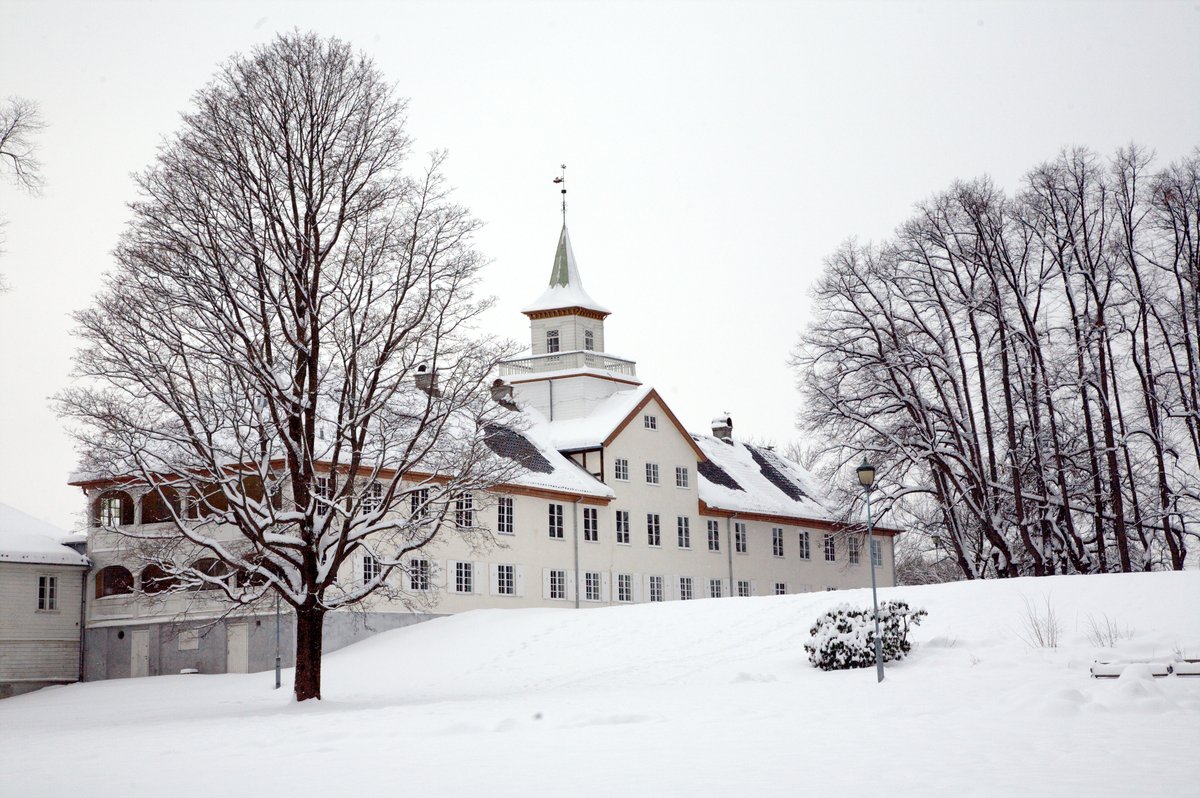
Lørenseter’s origins date back to at least the 1700s, when it functioned as a seter—a summer farm used for grazing livestock from the larger Løren gård. This practice was common throughout Norway and supported rural communities near Oslo (NRK). Over the centuries, Lørenseter transitioned from agricultural use to a cherished waypoint for hikers and skiers traversing Nordmarka.
The site gained cultural prestige through visitors such as Nobel laureate Sigrid Undset. Its traditional wooden buildings and role as a forest café (markaplass) made it a gathering place for Oslo’s outdoor enthusiasts, especially during the heyday of Norwegian cabin culture in the 20th century (Skiforeningen). Today, it stands as a living testament to the Norwegian ethos of connecting urban life with surrounding wilderness.
Location and How to Get There
Lørenseter is set deep within the southern part of Nordmarka, approximately 10 kilometers north of Oslo city center. It is not directly accessible by car; most visitors arrive on foot, skis, or by bike.
By Public Transport
- Metro (T-bane) Take Line 1 (Holmenkollen Line) to Frognerseteren or Line 5 to Sognsvann. Both stations have marked trailheads leading toward Lørenseter. The hike from these points is about 3 kilometers and takes 45–60 minutes (Visit Norway; Nomadic Matt).
- Tickets Use standard Ruter tickets, available at stations, kiosks, or via the Ruter app (Oslo Visitor Centre).
By Car or Bicycle
- Car Private vehicles are discouraged due to limited parking and environmental policies. If driving, park at Frognerseteren (spaces fill quickly, especially weekends) (Tourist Maps).
- Bicycle Steep routes from Oslo center to Frognerseteren; bikes must be left at the trailhead due to rugged paths.
Visiting Hours and Ticket Information
- General Access Lørenseter is open year-round as part of public forest land. There are no entrance fees or tickets required (Skiforeningen).
- Cabin Hours The cabin may be open weekends and school holidays (typically 11:00–16:00), but regular staffed service is not guaranteed. Check local hiking association websites for the latest updates.
- Guided Tours Occasionally organized by local outdoor clubs, particularly in summer.
Facilities and Amenities
- Food & Drink Self-service or staffed cabin may offer simple refreshments (waffles, coffee, hot chocolate) during open hours. Bring your own food and water, especially if arriving outside operating times.
- Restrooms Basic toilet facilities are available.
- Payment Card and mobile payments preferred; cash is less common.
- Seating Outdoor picnic areas and benches available.
Outdoor Activities and Seasonal Tips
Hiking and Skiing
- Summer Trails are ideal for hiking, trail running, and berry picking. Long daylight hours and lush scenery make it a family-friendly adventure (Global Highlights).
- Winter Meticulously groomed ski tracks connect Lørenseter with Ullevålseter and other Nordmarka cabins. The area is popular for cross-country skiing and snowshoeing (Life in Norway).
- Autumn & Spring Experience colorful foliage or early wildflowers; some muddy sections—bring waterproof footwear.
Tobogganing
- The Korketrekkeren toboggan run begins at Frognerseteren, near Lørenseter trails.
Wildlife and Nature
- Spot moose, foxes, and over 200 bird species in the Nordmarka landscape (Introducing Oslo).
Accessibility and Sustainability
- Trail Difficulty Well-marked, mostly gentle terrain. Some sections may be challenging for visitors with limited mobility.
- Strollers/Wheelchairs Not recommended due to uneven paths.
- Dogs Welcome, but leashed during nesting season (April–August).
- Mobile Coverage Generally good, but patchy in dense forest.
Sustainability: Public transport is strongly encouraged. Follow Leave No Trace principles—carry out all trash, respect wildlife, and minimize environmental impact (The Holistic Backpacker).
Lørenseter in Norwegian Cabin Culture
Lørenseter is emblematic of Norway’s hytte (cabin) tradition, serving as a sanctuary for relaxation and communion with nature (The Norway Guide). The surrounding Nordmarka network is integral to Oslo’s outdoor lifestyle and community memory.
Nearby Attractions
- Ullevålseter Another popular forest cabin, about 3 km south.
- Frognerseteren Historic restaurant and panoramic viewpoint, trailhead for Korketrekkeren toboggan run.
- Sognsvann Easily accessible lake with scenic walking paths.
- Holmenkollen Ski museum and jumping hill nearby for those interested in winter sports history (Scandification).
Frequently Asked Questions (FAQ)
Q: What are Lørenseter’s visiting hours?
A: Open year-round. The cabin is typically open weekends and holidays (11:00–16:00); check local resources for updates.
Q: Do I need a ticket to visit Lørenseter?
A: No, access is free.
Q: Are there guided tours?
A: Occasionally, especially in summer, offered by local organizations.
Q: Is Lørenseter suitable for families?
A: Yes, with well-marked, gentle trails.
Q: Can I bring my dog?
A: Yes, on a leash during nesting season.
Q: Are overnight stays possible?
A: No, Lørenseter is for day visits only; consider nearby DNT cabins for overnight accommodations.
Sample Oslo Itinerary Featuring Lørenseter
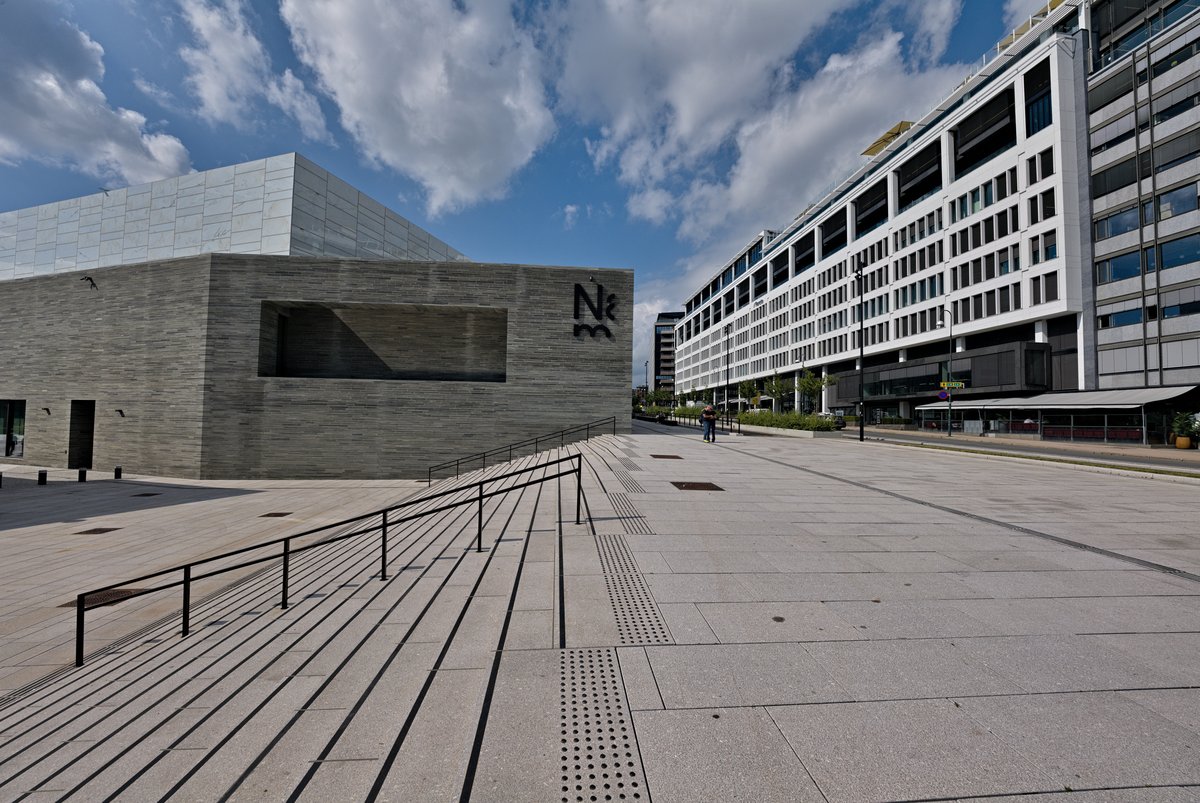
Day 1: Oslo city museums (National Museum, Munch Museum), stroll along Aker Brygge.
Day 2: Morning hike or ski to Lørenseter via Sognsvann or Frognerseteren, picnic lunch in Nordmarka, return to city for dinner.
Day 3: Visit Holmenkollen Ski Museum or explore more of Nordmarka’s cabins (Road Affair).
Final Travel Recommendations
Lørenseter offers a unique blend of natural beauty, historical resonance, and authentic Norwegian outdoor lifestyle. Whether you’re seeking a peaceful forest escape or a family-friendly day trip, Lørenseter is an essential stop in Oslo’s Nordmarka. For a seamless experience:
- Plan your route in advance using public transport and trail maps.
- Bring your own supplies, especially if visiting outside staffed hours.
- Dress for changing weather and trail conditions.
- Respect local customs and environmental guidelines.
Stay updated by checking official tourism resources, downloading apps like Audiala for trail info, and following Oslo’s outdoor community on social media.