Plan and listen to Lovisenberg Church with Audiala.
Audio guide in your pocket, itinerary in your browser. Built for the way you actually visit.
Introduction: Lovisenberg Church in Oslo—History and Cultural Significance
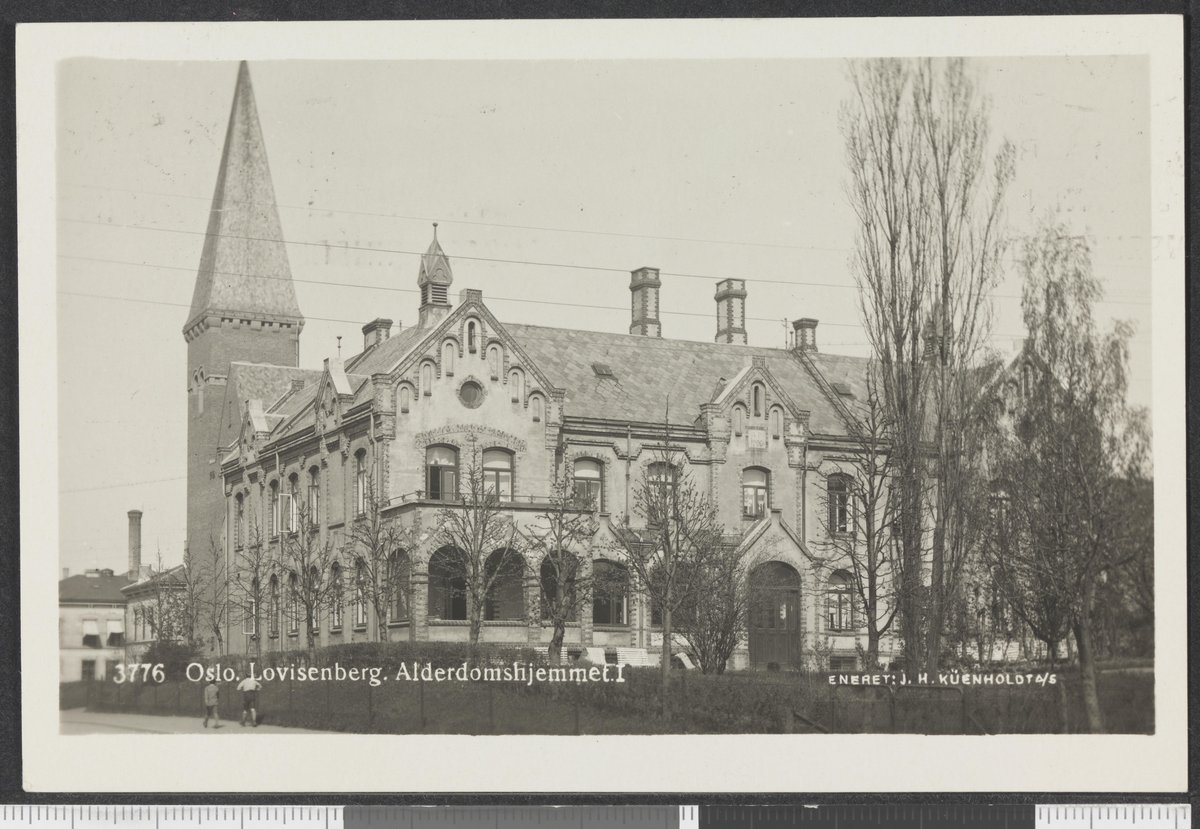
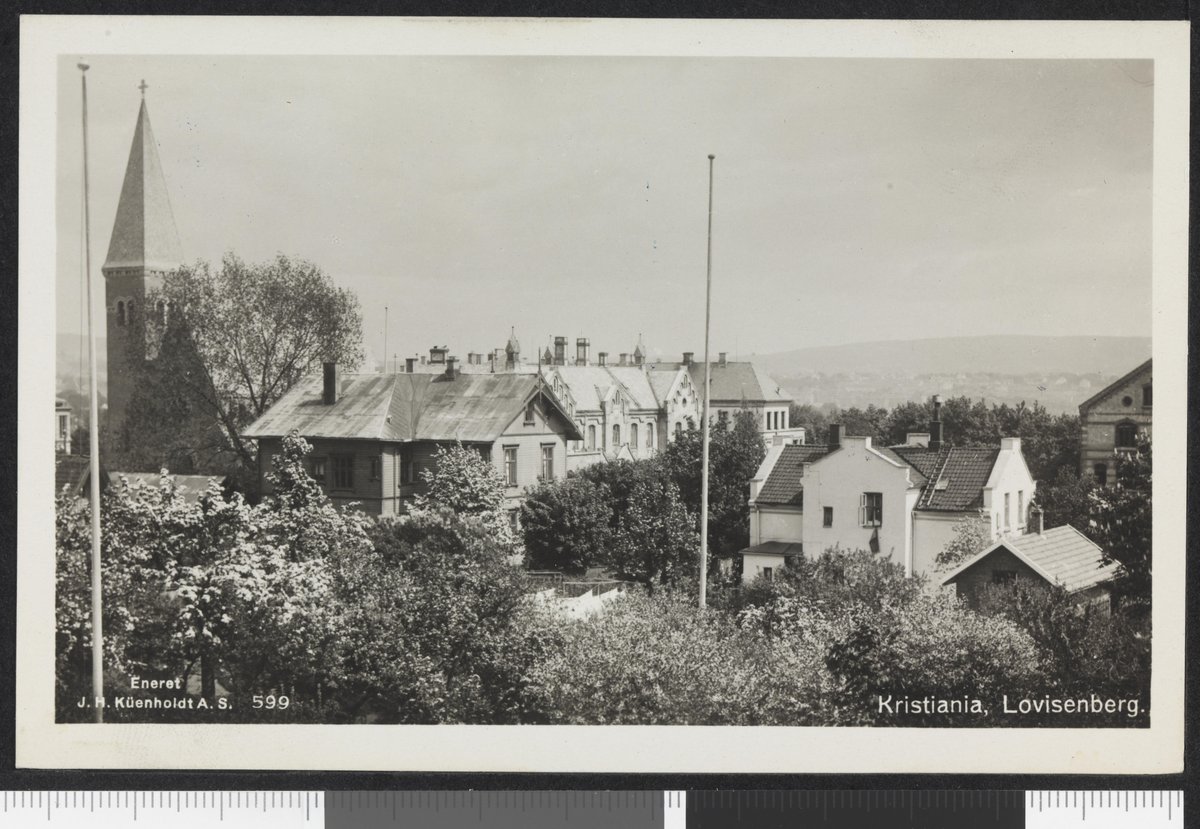
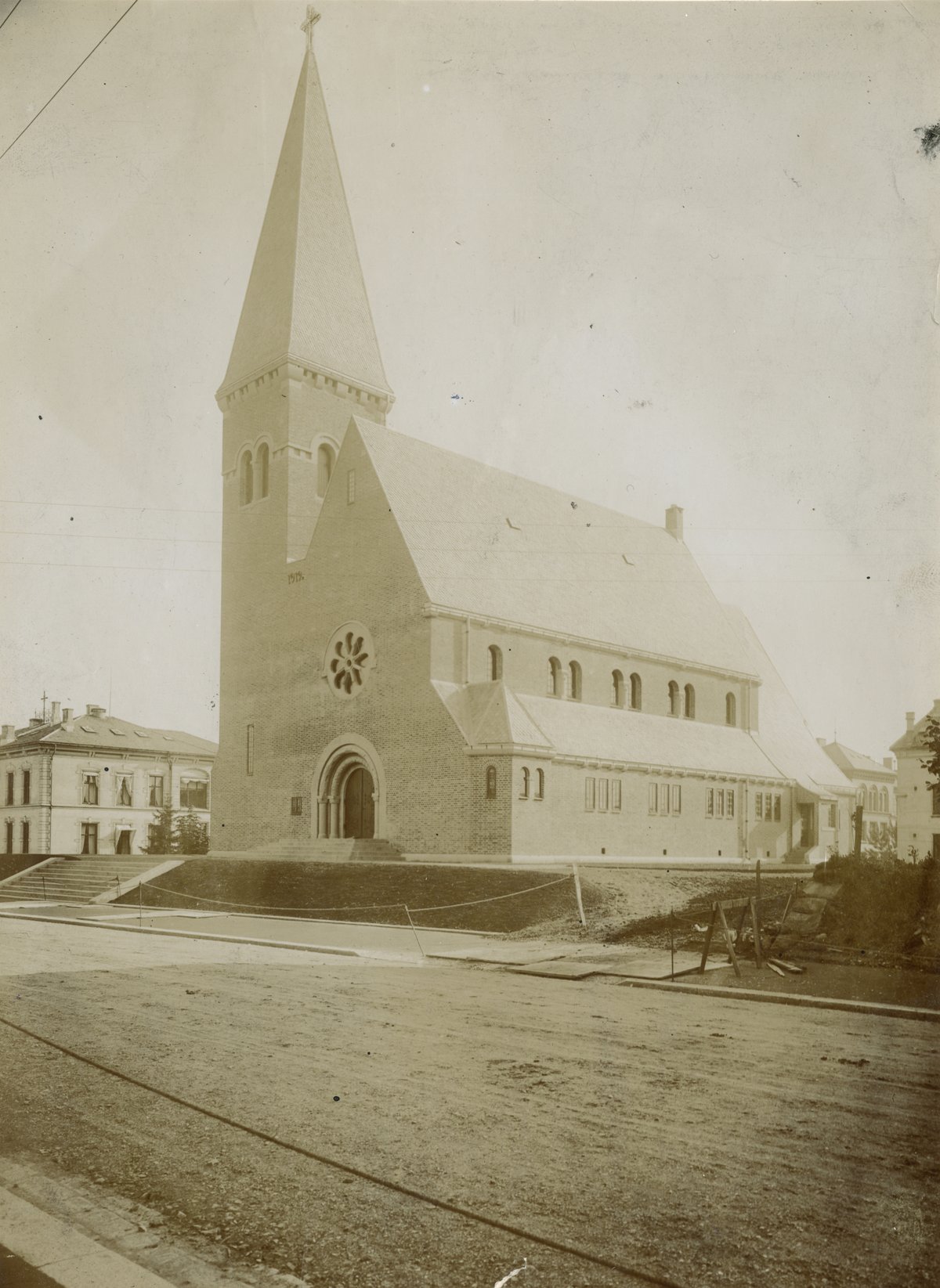
Lovisenberg Church, located in the lively St. Hanshaugen district of Oslo, Norway, serves as a distinguished example of early 20th-century ecclesiastical architecture and is deeply rooted in Norway’s religious and cultural heritage. Consecrated in 1912 and designed by architect Harald Bødtker (with some sources crediting Harald Aars), the church is celebrated for its harmonious blend of National Romantic, Romanesque Revival, and Gothic Revival styles. Its striking red brick façade, steeply pitched roof, and asymmetrical bell tower make Lovisenberg Church a notable Oslo landmark.
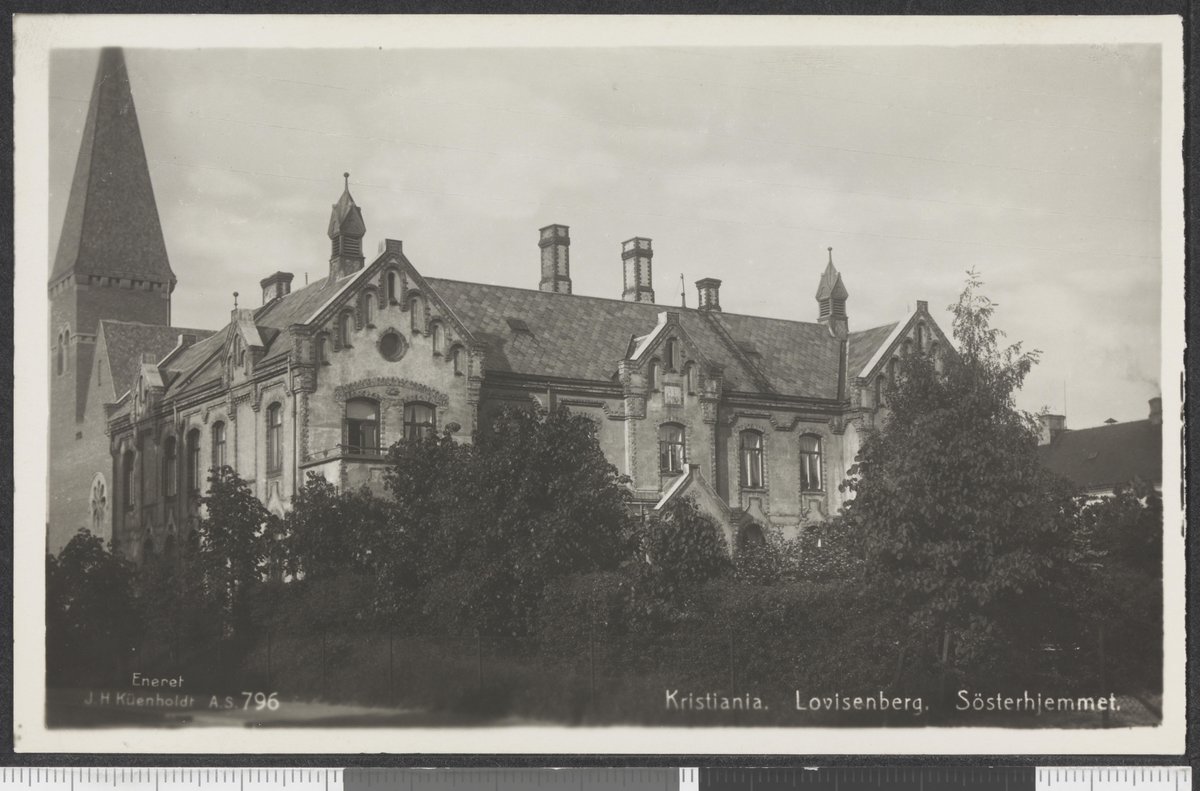
Beyond its architectural splendor, Lovisenberg Church is intimately connected to the diaconal movement and healthcare institutions, such as the Lovisenberg Diaconal Hospital, reflecting its longstanding tradition of community service and spiritual outreach. The church houses significant artistic features, including stained glass windows by Maria Vigeland, intricately carved wooden interiors, and a historically significant organ that together create a serene setting for worship, reflection, and cultural events.
Built during a period of rapid urban expansion, Lovisenberg Church embodies the Church of Norway’s response to the spiritual and social needs of Oslo’s growing population. Throughout its history—including the era of World War II—the church has maintained its relevance through community engagement, cultural programming, and ongoing preservation efforts.
For practical information and further details, authoritative resources like Visit Oslo, lovisenbergkirke.no, and Religiana provide the latest updates and comprehensive insights.

Origins and Construction of Lovisenberg Church
Lovisenberg Church was established during a transformative period in Oslo’s urban history. The foundation stone was laid in 1911, and by 1912, the church was consecrated, serving as a response to the increasing population in the St. Hanshaugen and Lovisenberg neighborhoods. Architect Harald Bødtker’s design, characterized by National Romantic style with Romanesque and Gothic influences, utilized red brick, a steep roof, and an asymmetrical bell tower—features that underscore the church’s distinctive presence (Religiana).
Oslo’s Urban and Religious Development
In the early 1900s, Oslo (then Kristiania) experienced significant demographic and social changes, prompting the expansion of religious infrastructure. Lovisenberg Church is a product of the Church of Norway’s broader initiative to strengthen its presence in urban environments and to meet the spiritual needs of newly established communities (Church of Norway History).
Architectural and Artistic Heritage
Exterior Design
Lovisenberg Church stands out for its robust red brick façade and unique side bell tower, housing bells crafted by Olsen Nauen Bell Foundry. The asymmetrical placement of the tower enhances the church’s silhouette and serves as a local landmark (Wikipedia). The basilica layout, rectangular nave, and slate-clad roof contribute to its architectural harmony and resilience.
Interior Features
The interior is dominated by a spacious nave, wooden pews crafted by carpenter A. Berger, and a pulpit and altar rail made of spruce. The design fosters a sense of openness and community. The baptismal font, made from blue-white marble from Velfjord, and an altar cross from Oberammergau, Bavaria, are notable liturgical elements (Wikipedia).
Stained Glass and Artistic Works
Maria Vigeland’s stained glass windows are a highlight, with panels depicting the Nativity, Crucifixion, and Resurrection. These works illuminate the sanctuary, creating a vibrant interplay of light and color (Religiana). Additional stained glass and artistic woodwork further enrich the church’s atmosphere.
Musical Heritage
A modern organ, installed in 1995, supports both liturgical music and concerts. The church’s acoustics are highly regarded, making it a preferred venue for choral performances and recitals (Wikipedia).
Historical Events and Community Role
Lovisenberg Church has played an important part during pivotal moments in Oslo’s history. During World War II, it served as a place of solace and quiet resistance. Post-war, the church adapted to the changing needs of the city, hosting community events, educational programs, and outreach initiatives (Norwegian Church History). Its role in conjunction with the Lovisenberg Diaconal Hospital underlines its commitment to health care, education, and social welfare.
Preservation and Heritage Status
Recognizing its historical and architectural value, Lovisenberg Church is protected under Norwegian cultural heritage laws and is subject to ongoing preservation efforts. Restoration projects have focused on maintaining original stained-glass windows, wooden furnishings, and the red brick structure (Wikipedia). Support from heritage organizations and the local parish ensures the church’s continued preservation.
Visiting Lovisenberg Church: Hours, Tickets, Tours, Accessibility
Visiting Hours
- Monday to Friday: 10:00 AM – 4:00 PM
- Saturday and Sunday: 12:00 PM – 5:00 PM
- Hours may vary during holidays and special events; check lovisenbergkirke.no or Visit Oslo for updates.
Tickets and Admission
- Entry: Free of charge. Donations are appreciated to support maintenance and cultural activities.
Guided Tours
- Available upon request, guided tours provide insight into the church’s art, architecture, and history. Advance booking is recommended via the official website or Oslo Visitor Centre.
Accessibility
- The church is wheelchair accessible, with ramps and accessible restrooms. Assistance is available for visitors with special needs.
Getting There and Nearby Attractions
Lovisenberg Church is centrally located at Lovisenberggata 9, 0456 Oslo, in the St. Hanshaugen district.
Public Transport:
- Tram: Lines 17 and 18 (Lovisenberg stop)
- Bus: Multiple lines serve the area
Nearby Attractions:
- Oslo Cathedral: Historic site with medieval and modern art
- Gamle Aker Church: Oslo’s oldest existing church
- National Gallery: Premier art collection
- Norwegian Folk Museum: Norwegian cultural history
- Oslo Opera House: Contemporary architectural landmark (Trek Zone)
Visual Gallery
Suggested images for online guides and print materials:
- Exterior view of Lovisenberg Church with red brick façade (alt: "Lovisenberg Church exterior red brick facade in Oslo")
- Stained glass windows by Maria Vigeland (alt: "Stained glass windows inside Lovisenberg Church by Maria Vigeland")
- Interior nave with spruce benches and woodwork (alt: "Interior nave with spruce benches at Lovisenberg Church")
- Pipe organ and choir area (alt: "Pipe organ inside Lovisenberg Church")
Frequently Asked Questions (FAQ)
Q: What are the opening hours of Lovisenberg Church?
A: Monday–Friday 10:00 AM–4:00 PM, Saturday–Sunday 12:00 PM–5:00 PM. Hours may change during holidays or special events.
Q: Is there an entrance fee?
A: No, entry is free. Donations are welcome.
Q: Are guided tours available?
A: Yes, by advance booking via the official website or Oslo Visitor Centre.
Q: Is the church wheelchair accessible?
A: Yes, ramps and accessible restrooms are provided.
Q: How do I get to Lovisenberg Church by public transport?
A: Tram lines 17 and 18, and several bus routes serve the Lovisenberg stop.
Q: Can I attend concerts or special events?
A: Yes, the church hosts regular concerts and seasonal services open to the public.
Q: Is photography allowed inside the church?
A: Yes, outside of religious services and private events. Please be respectful.
Summary and Recommendations
Lovisenberg Church is a vital spiritual and cultural destination in Oslo. Its blend of architectural elegance, exquisite artistic features, and active community life make it a must-visit for travelers, architecture enthusiasts, and those seeking a peaceful place for reflection. With free admission, accessible facilities, guided tours, and proximity to other Oslo attractions, Lovisenberg Church stands as an essential part of any Oslo itinerary.
For the latest updates on visiting hours, tours, and events, consult lovisenbergkirke.no or Visit Oslo. Enhance your visit by exploring related historical sites and utilizing travel resources like the Audiala app for personalized guides and cultural insights.
Listen to the full story in the app
The whole Lovisenberg Church,
told well.
Audio guides for 1,100+ cities across 96 countries. History, stories, and local insight — offline ready.
Verified, and shown.
Researched and written by the Audiala editorial team from historical records, architectural archives, and local expertise.
Researched from Wikidata, Wikipedia & official sources · fact-checked · How we make our guides →