Plan and listen to Kulturkirken Jakob with Audiala.
Audio guide in your pocket, itinerary in your browser. Built for the way you actually visit.
Introduction
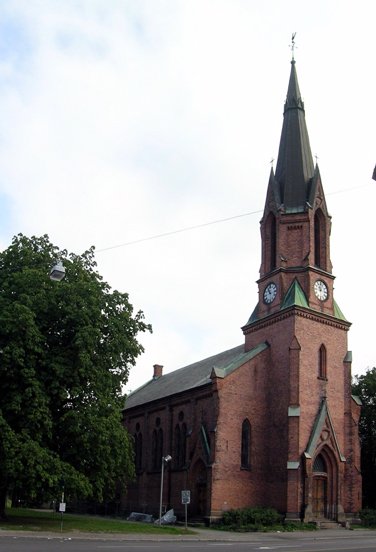
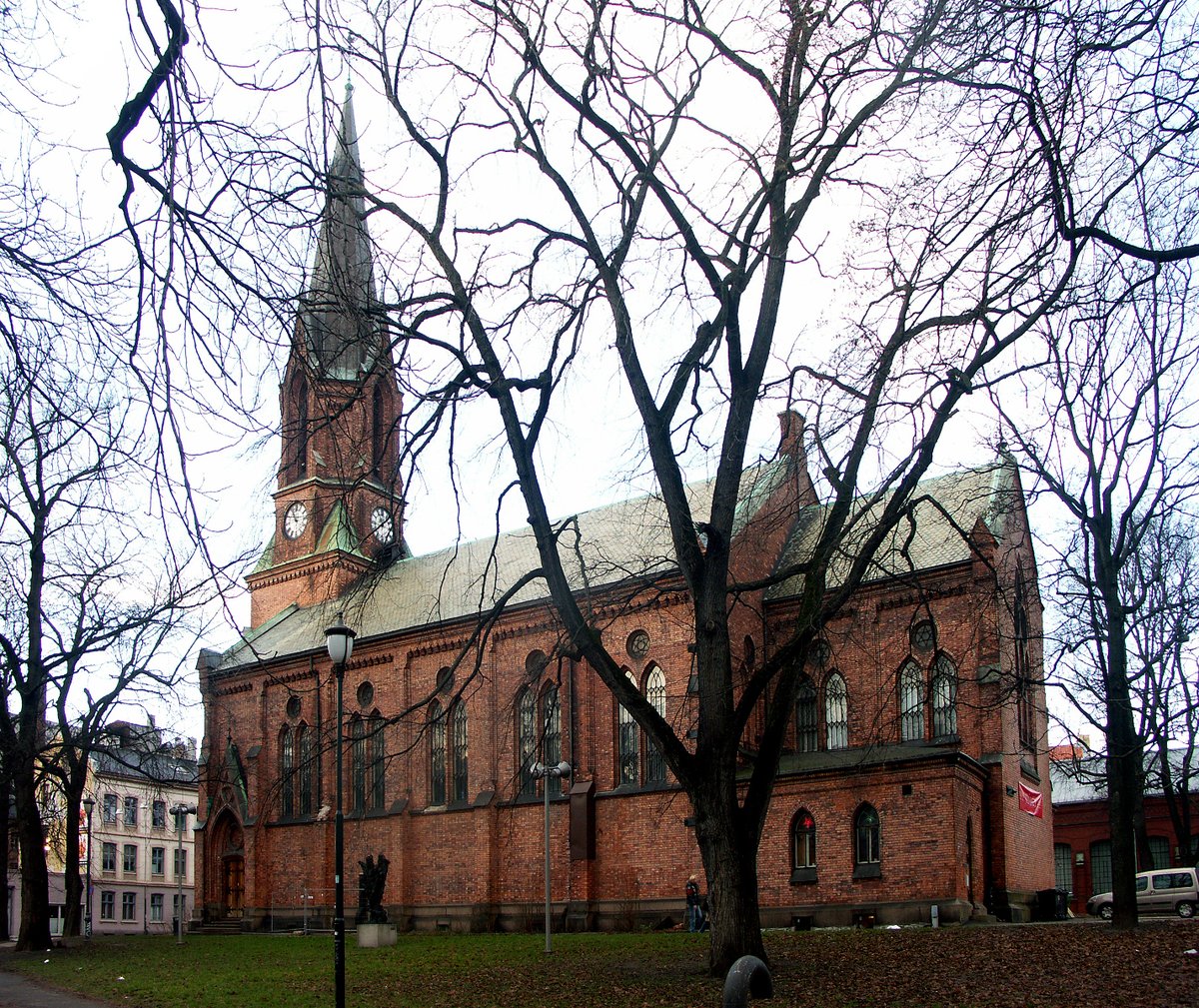
Kulturkirken Jakob, located in Oslo's vibrant Grünerløkka district, is a striking example of how historical preservation and contemporary culture can flourish together. Originally consecrated in 1880 as Jakob kirke, this neo-Gothic architectural icon was designed by Georg Andreas Bull to serve a growing, working-class community. Today, after a thoughtful transformation, it stands as a dynamic cultural venue managed by Kirkelig Kulturverksted (KKV), hosting concerts, exhibitions, theater, and community events. This detailed guide covers its rich history, architectural highlights, visiting hours, ticketing, accessibility, and travel tips to ensure you make the most of your visit to one of Oslo’s premier cultural destinations (Oslobyleksikon; Wikipedia; Jakob.no; Daily Scandinavian).

Historical Development
Origins and Parish Era (1880–1985)
Kulturkirken Jakob was built in 1880, reflecting Oslo’s rapid urban expansion. It served as a Lutheran parish church for over a century, seating around 720 congregants. Over time, the area’s demography shifted, leading to a decline in church attendance. By 1985, the parish was dissolved, and the building faced potential demolition (Oslobyleksikon; Jakob.no).
Preservation and Transformation (1985–2000)
Strong community opposition rallied to save the building, resulting in protected status in 1992. Kirkelig Kulturverksted (KKV) led a major restoration, investing over 22 million NOK to stabilize the structure, update technical facilities, and adapt the church for cultural use. In 2000, Kulturkirken Jakob reopened as a vibrant arts venue (Jakob.no; SpottingHistory).
Architectural Features
Design and Artistic Elements
- Neo-Gothic Exterior: Orange brickwork, pointed arches, and slender columns define the church’s architectural presence on Hausmanns gate.
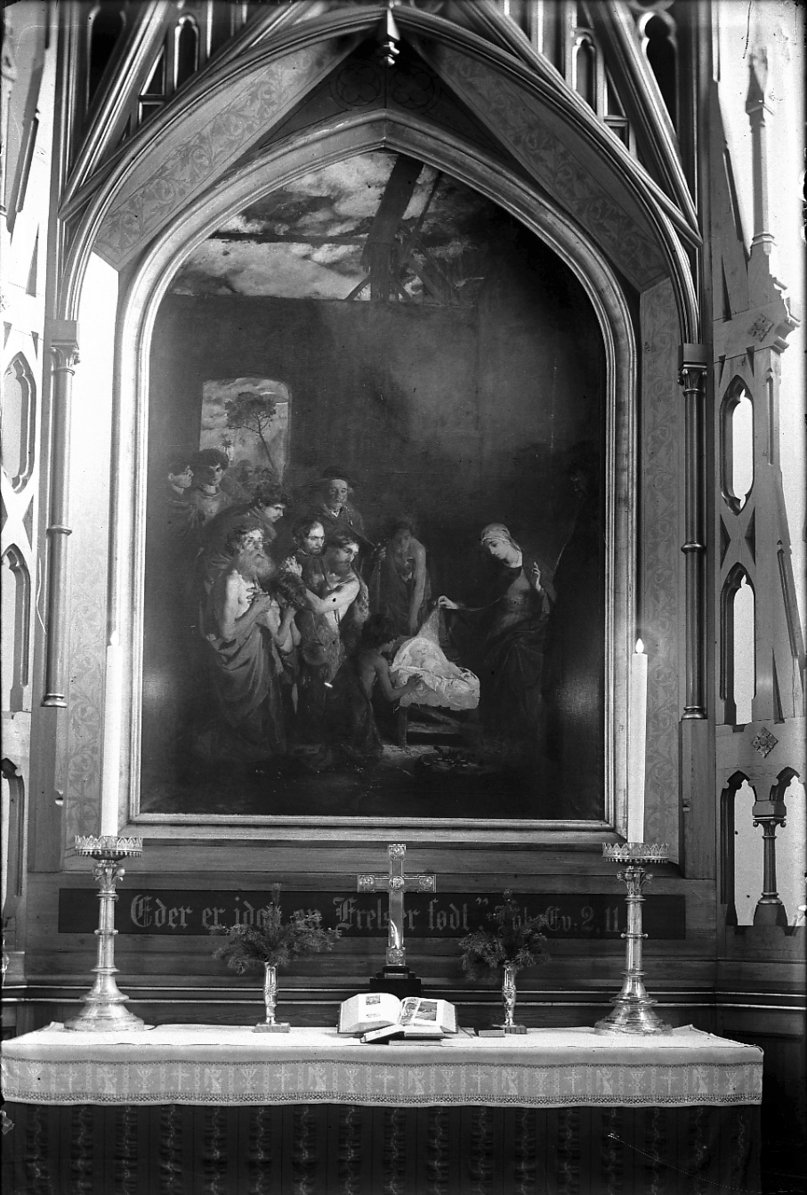
- Interior Artworks: Features include an original Eilif Peterssen altarpiece, reliefs by Dagfin Werenskiold and Hjalmar Hansen, and silverwork by Domenico Erdmann (SpottingHistory).
- Restoration: Modern lighting, sound systems, and seating arrangements ensure the venue meets contemporary performance needs while preserving historical details (Jakob.no).
Acoustics and Technical Facilities
The venue is renowned for its acoustics, bolstered by the L’Acoustics KARAi system and a Steinway D grand piano. Lighting is controlled by five programmable trusses, creating dramatic effects for various events (Selskapslokaler Oslo).
Visiting Information
Visiting Hours
Kulturkirken Jakob does not maintain fixed daily visiting hours. The venue is open to the public during scheduled events, performances, and religious services, such as the popular Jakobmessen every Sunday at 22:00. Always consult the official website for the latest schedule (Jakob.no).
Tickets
- Event Tickets: Prices and availability depend on the event. Book through Ticketmaster or the official site.
- Free Events: Some exhibitions and services are free.
- Private Bookings: For private events, contact the venue directly (Selskapslokaler Oslo).
Seating and Capacity
Seating arrangements are flexible, accommodating 250–280 seated guests or over 500 standing. The main hall’s versatility supports everything from concerts to intimate gatherings.
Accessibility
Kulturkirken Jakob is fully wheelchair accessible, with step-free entrances and adapted restrooms. Staff are trained to assist visitors with disabilities, and sensory adjustments (lighting, sound) are available on request. Contact the venue ahead of your visit for specific needs (VisitOSLO).
Travel Tips & Nearby Attractions
- Location: Hausmanns gate 14, 0182 Oslo.
- Public Transport: Easily accessed by trams 11, 12, 13, and several bus lines. Oslo Central Station is within walking distance.
- Parking: Limited street parking; public transport and cycling are recommended.
- Nearby Attractions:
- Grünerløkka’s cafes, galleries, and street art
- Akerselva River walk
- Mathallen Oslo food hall
- Parkteatret Scene, BLÅ, Dansens Hus, and other cultural venues (Evendo)
Programming & Special Events
Kulturkirken Jakob’s calendar features a broad spectrum of events:
- Music Festivals: Yagori Gypsy Music Festival, jazz, and classical concerts with local and international artists
- Theater & Dance: Experimental and contemporary productions, including the Ultima Festival
- Community Events: Folkemøte series addressing social themes, workshops, and art exhibitions (Jakob.no)
- Guided Tours: Available by arrangement, offering insights into history and architecture
Check the official program for up-to-date information on upcoming events.
Frequently Asked Questions (FAQ)
Q: What are Kulturkirken Jakob’s visiting hours?
A: The venue opens during scheduled events and services. See the official website for current timings.
Q: How can I buy tickets?
A: Purchase tickets online via Ticketmaster or the Kulturkirken Jakob website.
Q: Is Kulturkirken Jakob wheelchair accessible?
A: Yes, with step-free access and adapted facilities.
Q: Are guided tours available?
A: Yes, upon request; contact the venue for details.
Q: Can I take photos inside?
A: Photography policies vary by event; check in advance.
Q: Are events suitable for non-Norwegian speakers?
A: Many music events are universally accessible; some performances may offer English subtitles.
Visuals & Interactive Media
High-quality images, virtual tours, and interactive maps are available on the official website and social channels, showcasing the venue’s architecture, artworks, and event atmosphere.
Listen to the full story in the app
The whole Kulturkirken Jakob,
told well.
Audio guides for 1,100+ cities across 96 countries. History, stories, and local insight — offline ready.
Verified, and shown.
Researched and written by the Audiala editorial team from historical records, architectural archives, and local expertise.
Researched from Wikidata, Wikipedia & official sources · fact-checked · How we make our guides →