Plan and listen to Grefsenåsen with Audiala.
Audio guide in your pocket, itinerary in your browser. Built for the way you actually visit.
Introduction
Grefsenåsen stands as a historic and scenic hill in Oslo, Norway, seamlessly blending natural beauty, rich cultural heritage, and accessible outdoor experiences. Located within the verdant Lillomarka forest, the hill rises approximately 377 meters above sea level, offering panoramic views over Oslo, the Oslofjord, and Groruddalen valley. Its significance extends from geological and ecological interest to social history, making it a favorite escape for locals and visitors seeking recreation, reflection, and connection with Oslo’s evolving identity (Wikipedia; Sommer i Groruddalen).
This detailed guide will provide you with everything you need to plan your visit to Grefsenåsen, including historical context, practical tips on visiting hours and access, recommendations for activities, and insights into its preservation and community significance. Whether you are interested in hiking, photography, cultural history, or simply unwinding with a view, Grefsenåsen is a destination not to be missed. For up-to-date information and guided experiences, be sure to consult resources like the Audiala app and the official Oslo tourism website.

Historical Evolution of Grefsenåsen
Early Origins and Naming
Grefsenåsen takes its name from the historic Grefsen farm, reflecting a rural heritage that predates Oslo’s urban expansion. The suffix “åsen” means “ridge” in Norwegian, highlighting the hill’s geographical prominence (Wikipedia). For centuries, it served as a natural marker for travelers and locals alike.
Urban Expansion and Recreation
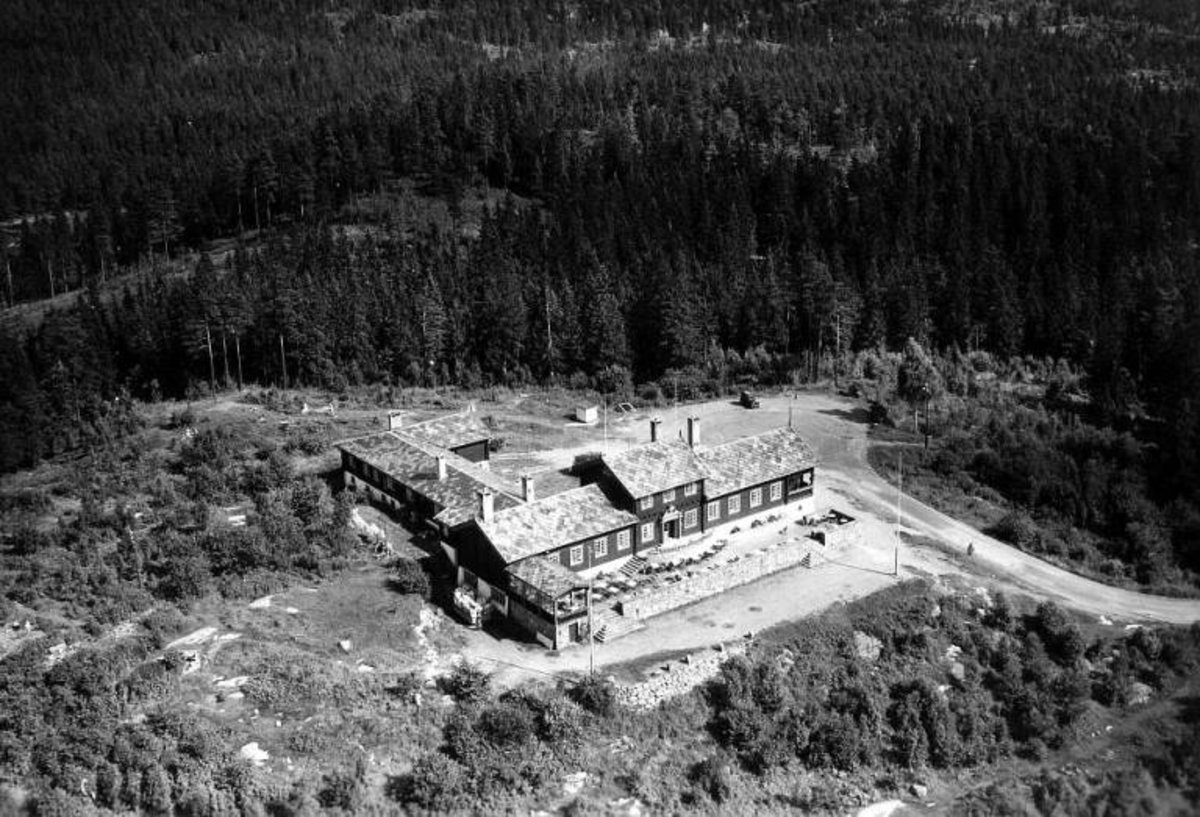
Following Oslo’s growth in the 20th century, Grefsenåsen became a popular recreational area. The construction of the Grefsenkollen Restaurant in 1927 marked its emergence as a destination for leisure and social gatherings, a role it continues to play today (Wikipedia).
Post-War Social History: Outlier Cabins
In the aftermath of World War II, Oslo faced acute housing shortages. Many individuals, including war veterans, constructed makeshift cabins (“uteliggerhytter”) in the forests, with Grefsenåsen home to some of the most notable examples. Harald Grande’s cabin, built in 1956, has been preserved as a symbol of resilience and independence (Sommer i Groruddalen).
Preservation of Harald Grande’s Cabin
Despite city orders for the demolition of outlier cabins in the 1960s, Grande’s cabin was hidden and later restored by community efforts. Today, it stands as a small museum, offering a window into Oslo’s post-war social landscape.
Cultural and Natural Significance
A Green Urban Refuge
Grefsenåsen is part of Oslo’s extensive green belt, where two-thirds of the city’s land is protected. This policy upholds “Allemannsretten,” Norway’s right to public access, ensuring everyone can explore, hike, and enjoy nature responsibly (Then and Nows; Girl with the Passport).
Panoramic Views and Social Life
The summit offers breathtaking views of Oslo and its fjord, making it a cherished spot for gatherings, celebrations, and photography. Grefsenkollen Restaurant continues to serve guests with Norwegian cuisine and is especially popular at sunset.
Geological Interest
The hill marks the boundary between volcanic and sedimentary rock formations, with its unique geology contributing to Norway’s stone industry in the 19th century. Grefsenåsen also gained scientific attention after a meteorite fell here in 2012, further cementing its environmental significance (Store norske leksikon).
Preservation and Community Efforts
The protection of Grefsenåsen’s natural and historical assets is managed by the municipality and grassroots organizations. Restoration of Harald Grande’s cabin, maintenance of trails, and the integration of green policies reflect Oslo’s broader commitment to sustainable urban living (ScienceDirect; Meshpedia). Community initiatives and local volunteers play a crucial role in preserving both the environment and the site’s social legacy (Google Arts & Culture).
Practical Visitor Information
Visiting Hours and Tickets
- Grefsenåsen and Trails: Open year-round, 24/7. Access is free.
- Harald Grande’s Cabin Museum: Open to the public; admission is free.
- Grefsenkollen Restaurant: Typically open daily, with hours varying seasonally (usually 11:00 AM–9:00 PM). Check the official website for updates and reservations.
Getting There
- Public Transport: Take tram line 17 or 18 to Grefsen station, or bus 56 to Grefsenkollen stop. From the stop, it’s a 10–20 minute walk to the main viewpoint and restaurant (VisitOSLO).
- By Car: Drive from Oslo city center (15–25 minutes). Parking is available near the restaurant but limited, especially during weekends and summer evenings.
- Cycling & Walking: Several marked trails lead up from neighborhoods like Kjelsås and Grefsen. The ascent is moderately challenging; allow 45–90 minutes on foot.
Accessibility
- The restaurant and main viewpoint are accessible by car, with limited parking for those with reduced mobility. The final approach is paved but moderately steep.
- Most hiking trails are not suitable for wheelchairs or strollers due to uneven terrain.
- For detailed accessibility information, contact the restaurant or Oslo Visitor Centre.
Activities and Nearby Attractions
Outdoor Activities
- Hiking: Well-marked trails of varying difficulty connect Grefsenåsen to Nordmarka and Lillomarka.
- Cycling: Bike routes cater to both casual and experienced cyclists.
- Winter Sports: Cross-country skiing and sledding are popular in winter; the Grefsenkollen toboggan run is a local favorite.
- Photography and Birdwatching: The summit is ideal for panoramic photography and wildlife observation. Bring binoculars for birdwatching.
Dining
- Grefsenkollen Restaurant: Offers traditional Norwegian fare and panoramic terrace seating. Reservations recommended (Wanderlog).
- Picnic: Designated areas are available; bring your own food and follow leave-no-trace guidelines.
Events
- Seasonal festivals, outdoor concerts, yoga sessions, and community sports events are held at the summit. Check the Visit Oslo website for schedules.
Nearby Attractions
- Nordmarka and Lillomarka Forests: Extensive trails for hiking and skiing.
- Sognsvann Lake and Akerselva River: Additional outdoor destinations nearby.
- Oslo City Center: Accessible by public transport, offering museums and cultural sites.
FAQ
Is there an entrance fee?
No, Grefsenåsen and the cabin museum are free to access.
What are the restaurant’s hours?
Hours vary by season, typically 11:00 AM–9:00 PM. Check the official website for details.
Can I bring my dog?
Yes, dogs are welcome but must be leashed, especially during bird nesting season.
Is Grefsenåsen accessible for people with limited mobility?
The main viewpoint and restaurant are accessible by car, but some assistance may be needed on steeper sections.
How do I get there by public transport?
Take tram or bus to Grefsen or Grefsenkollen, then walk to the summit.
Are guided tours available?
Yes, especially during peak seasons. Check with local operators or the Oslo Visitor Centre.
Listen to the full story in the app
The whole Grefsenåsen,
told well.
Audio guides for 1,100+ cities across 96 countries. History, stories, and local insight — offline ready.
Verified, and shown.
Researched and written by the Audiala editorial team from historical records, architectural archives, and local expertise.
Researched from Wikidata, Wikipedia & official sources · fact-checked · How we make our guides →