Plan and listen to Gol Stave Church with Audiala.
Audio guide in your pocket, itinerary in your browser. Built for the way you actually visit.
Introduction
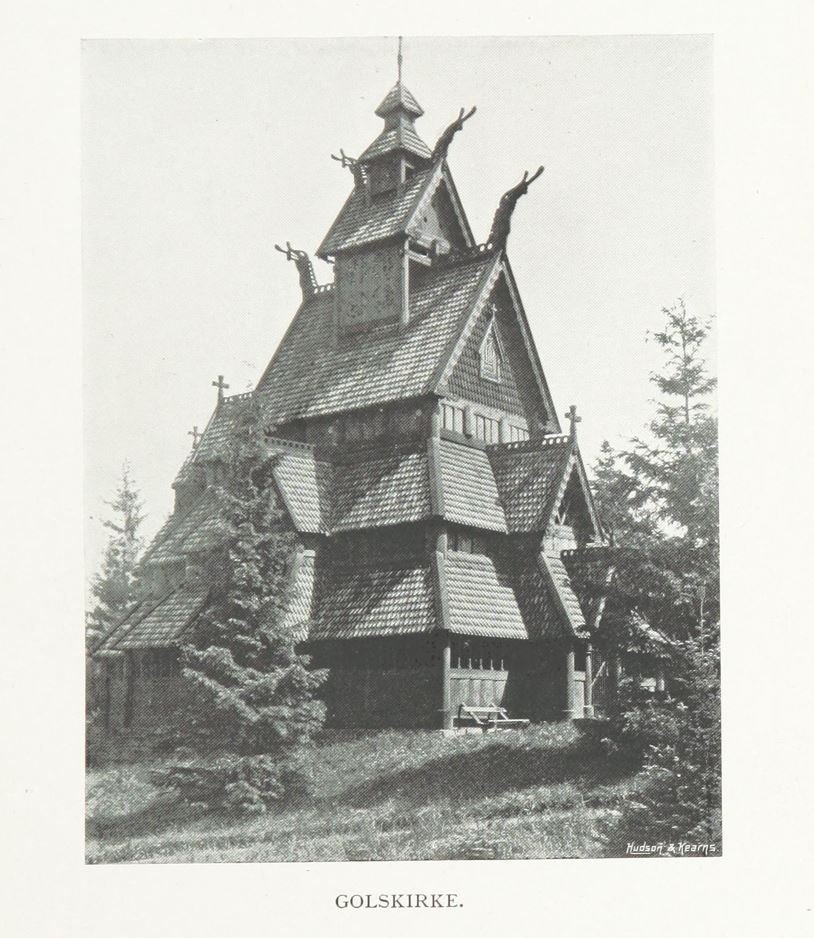
Gol Stave Church, situated within the Norwegian Museum of Cultural History (Norsk Folkemuseum) on Oslo’s scenic Bygdøy peninsula, is among Norway’s most iconic medieval landmarks. Originally erected in the 12th century in the village of Gol, Hallingdal, this extraordinary wooden church stands as a testament to Norway’s rich spiritual and architectural heritage. Its intricate blend of Christian and Norse motifs offers visitors a unique window into the country’s cultural evolution during the Middle Ages. Today, the church is not only a preserved architectural treasure but also a living educational site, providing immersive experiences for history enthusiasts, architecture admirers, and cultural travelers alike.
To plan your visit, consult the official Norsk Folkemuseum website and Visit Norway guide for up-to-date information on hours, tickets, and accessibility.

Historical Background
Medieval Origins
The Gol Stave Church (Gol stavkirke) was constructed between 1157 and 1216 in Gol, Hallingdal, during the peak of Norway’s stave church-building era. Its post-and-lintel construction, using vertical wooden staves, represents the finest traditions of Norwegian medieval carpentry. The church’s original design likely featured a surrounding covered passageway (svalgang) for shelter and structural support.
19th-Century Preservation
By the late 1800s, increasing congregational needs prompted plans for a new church, and the original medieval structure faced demolition. Recognizing its cultural value, the Society for the Preservation of Ancient Norwegian Monuments intervened, purchasing the church’s materials. When fundraising fell short, King Oscar II’s patronage ensured the church’s survival and its relocation to Bygdøy, Oslo. This move marked a pivotal moment in Norwegian heritage conservation.
Relocation & Restoration
Dismantled in 1884, Gol Stave Church was meticulously transported and reconstructed at the world’s first open-air museum, established by King Oscar II. Restoration efforts, led by architects such as Waldemar Hansteen, blended preserved medieval elements with careful reconstructions based on studies of similar stave churches. The church has remained a highlight of the Norsk Folkemuseum since the collections merged in 1907 (The Viking Herald).
Architectural and Artistic Highlights
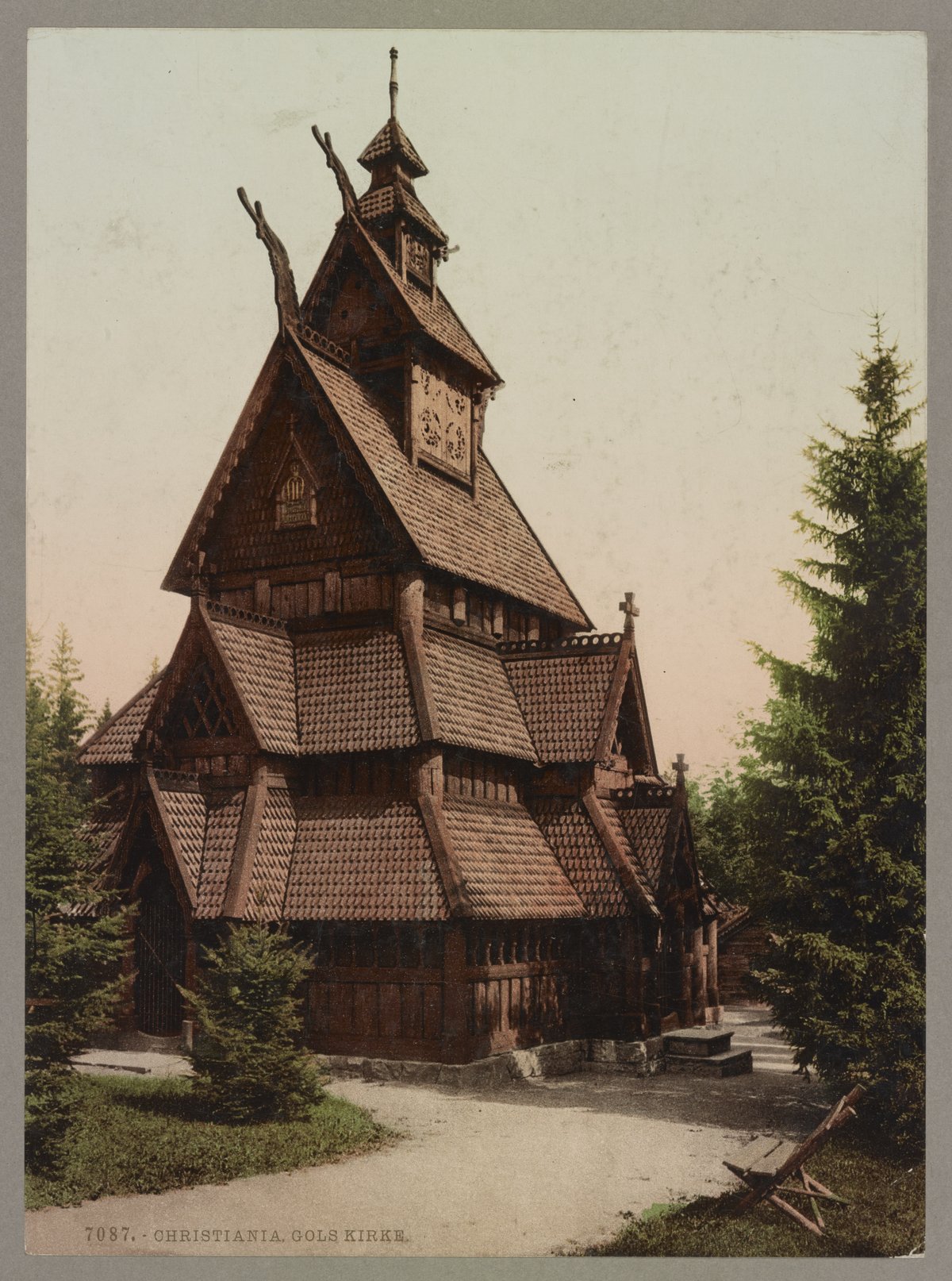
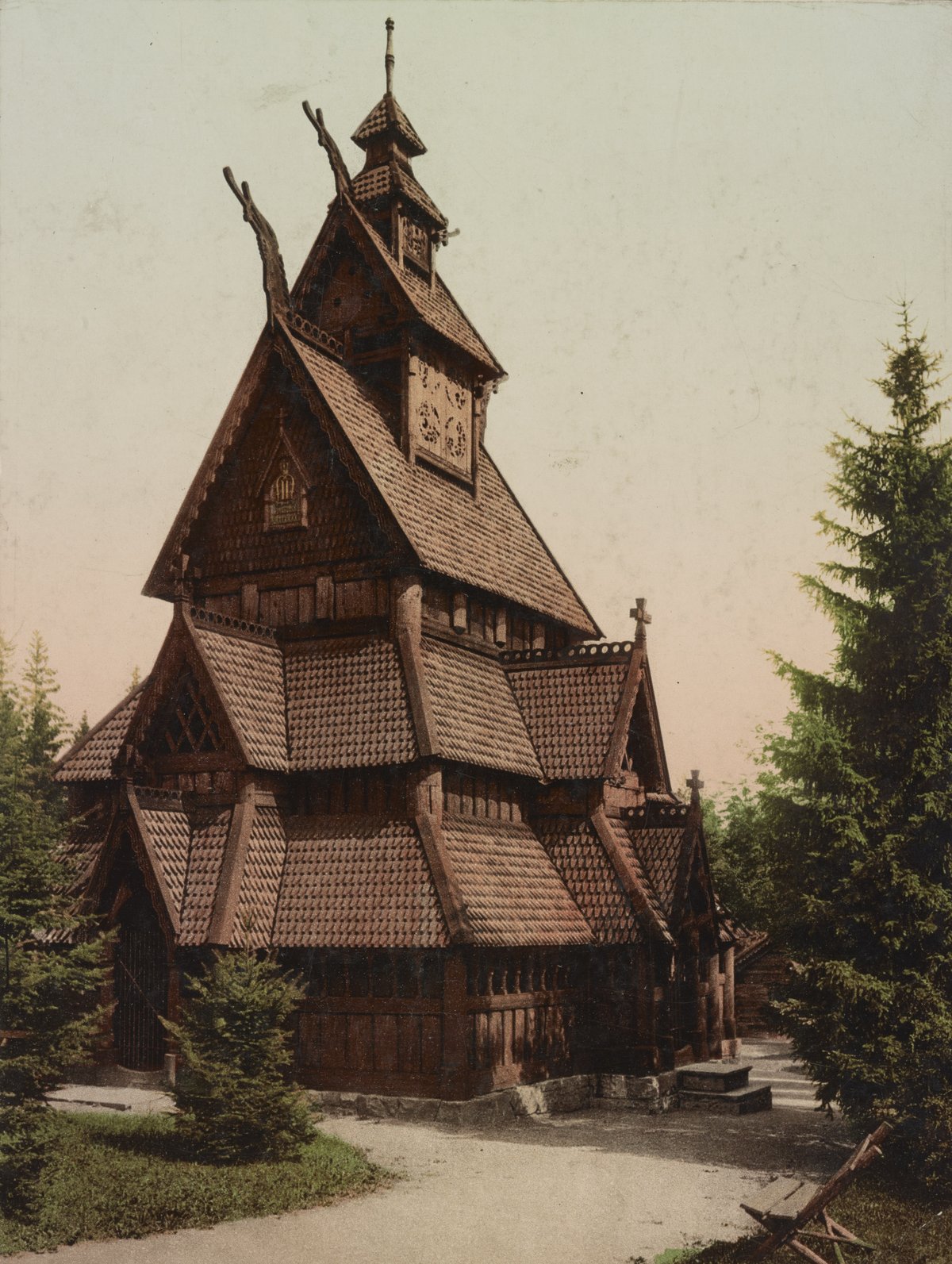
The church’s architecture is distinguished by steep, multi-tiered roofs clad in wooden shingles and adorned with dragonhead carvings—symbols rooted in Norse mythology. The interior features a central nave supported by massive staves, a raised chancel, semi-circular apse, and original 13th-century woodwork. Wall murals, primarily from the 17th century, and medieval runic inscriptions reflect the church’s evolving religious history (Stavechurch.com). The west portal remains original, while the south portal was reconstructed in the 19th century, inspired by Borgund Stave Church.
Symbolism and Cultural Significance
Gol Stave Church embodies the fusion of pagan and Christian traditions, visible in its dragon and serpentine carvings juxtaposed with crosses and biblical motifs. This synthesis illustrates Norway’s spiritual transition during the Middle Ages. Today, stave churches like Gol are national symbols, celebrated for their artistic synthesis and historical continuity (The Backpacker Mom).
Visiting Gol Stave Church
Hours & Admission
- Opening Hours: Generally open daily from 10:00 am to 5:00 pm, May through October. Confirm current hours on the official museum website.
- Admission Fees: Entry is included with the Norsk Folkemuseum ticket.
- Adults: NOK 180–200
- Children (6–15): NOK 50–80
- Students/Seniors: NOK 140–160
- Under 6: Free
- Family and group discounts available (Stavechurch.com)
- Tickets: Buy online or at the entrance (museum ticket portal).
Getting There & Accessibility
- Address: Museumsveien 10, 0287 Oslo, Norway
- By Public Transport: Bus 30 from Oslo city center; about 20 minutes (Campervan Norway).
- By Car: 10–15 minutes from central Oslo; paid parking available, but limited in high season.
- Accessibility: The museum grounds are generally accessible, though the church’s historic structure has narrow entrances and steps that may limit interior access (Stavechurch.com).
Guided Tours & Facilities
- Tours: English and Norwegian guided tours are offered regularly, providing historical and architectural context.
- Self-Guided Options: Informational plaques, brochures, and apps like GPSmyCity supplement the experience.
- Facilities: Restrooms, a café, and a gift shop are onsite. Free WiFi and picnic areas are available (lifejourney4two.com).
Practical Tips for Visitors
- Weather: Much of the museum is outdoors. Dress for the weather, especially in spring and autumn (Campervan Norway).
- Photography: Permitted, but flash is restricted inside the church.
- Time Needed: Allocate 1–2 hours for the church and 2–4 hours for the full museum experience (Rick Steves Community).
- Best Times: Early mornings or late afternoons offer softer light and fewer crowds.
- Family Tips: The museum is family-friendly with interactive exhibits for children.
Nearby Attractions & Special Events
- Bygdøy Museums: Fram Museum, Viking Ship Museum (check reopening status), Kon-Tiki Museum, and Oscarshall Castle are all nearby.
- Events: The museum hosts seasonal festivals, folk music, and craft workshops, especially in summer and around holidays (lifejourney4two.com).
Frequently Asked Questions (FAQ)
Q: What are the visiting hours?
A: 10:00 am to 5:00 pm, May–October; check for seasonal changes.
Q: Are tickets to the church included in museum admission?
A: Yes.
Q: Is the church accessible for wheelchairs?
A: Museum grounds are accessible, but the church has a step at the entrance.
Q: Can I take photos inside?
A: Yes, but no flash.
Q: Are guided tours available?
A: Yes, in English and Norwegian.
Visitor Reviews
Gol Stave Church is highly rated, with visitors praising its unique architecture, atmospheric interior, and the quality of museum interpretation. Many recommend allowing extra time to explore the full museum complex (intravel.net).
Listen to the full story in the app
The whole Gol Stave Church,
told well.
Audio guides for 1,100+ cities across 96 countries. History, stories, and local insight — offline ready.
Verified, and shown.
Researched and written by the Audiala editorial team from historical records, architectural archives, and local expertise.
Researched from Wikidata, Wikipedia & official sources · fact-checked · How we make our guides →