Plan and listen to Gamle Logen with Audiala.
Audio guide in your pocket, itinerary in your browser. Built for the way you actually visit.
Introduction
Gamle Logen, nestled in the heart of Oslo, stands as one of Norway’s most distinguished historical and cultural landmarks. This late Empire-style building, constructed in 1836 under the Norwegian Order of Freemasons and Count Herman Wedel Jarlsberg, has been a vibrant center for artistic, social, and civic life for nearly two centuries. With its renowned acoustics and elegant interiors, Gamle Logen has hosted legendary figures such as Edvard Grieg, Henrik Ibsen, and Ole Bull, as well as international icons like Louis Armstrong and Django Reinhardt, cementing its place in Norway’s cultural heritage. This comprehensive guide delves into Gamle Logen’s origins, architectural features, cultural significance, and provides practical visitor information—including visiting hours, ticketing, accessibility, and tips for making the most of your visit (Oslo Byleksikon; Gamle Logen Official Website; Visit Norway).


History and Construction
Gamle Logen’s story began in 1836, initiated by the Norwegian Order of Freemasons and Count Herman Wedel Jarlsberg. Designed by Christian H. Malling and Jens S. Seidelin in the Empire style, construction culminated in 1839, with the grand festivity hall (“Store Sal”) completed in 1844 (Oslo Byleksikon). Initially, the building served both Masonic and public purposes, symbolizing a unique partnership between the Freemasons and Oslo’s citizens.
From its earliest days, Gamle Logen was a magnet for cultural life in Oslo. Celebrated Norwegian violinist Ole Bull inaugurated the main hall, which quickly established itself as the city’s leading venue for concerts, balls, and civic gatherings. Renowned for its acoustics and decor, it attracted not only national luminaries like Bjørnstjerne Bjørnson, Henrik Ibsen, and Edvard Grieg but also international stars (Wikiwand).
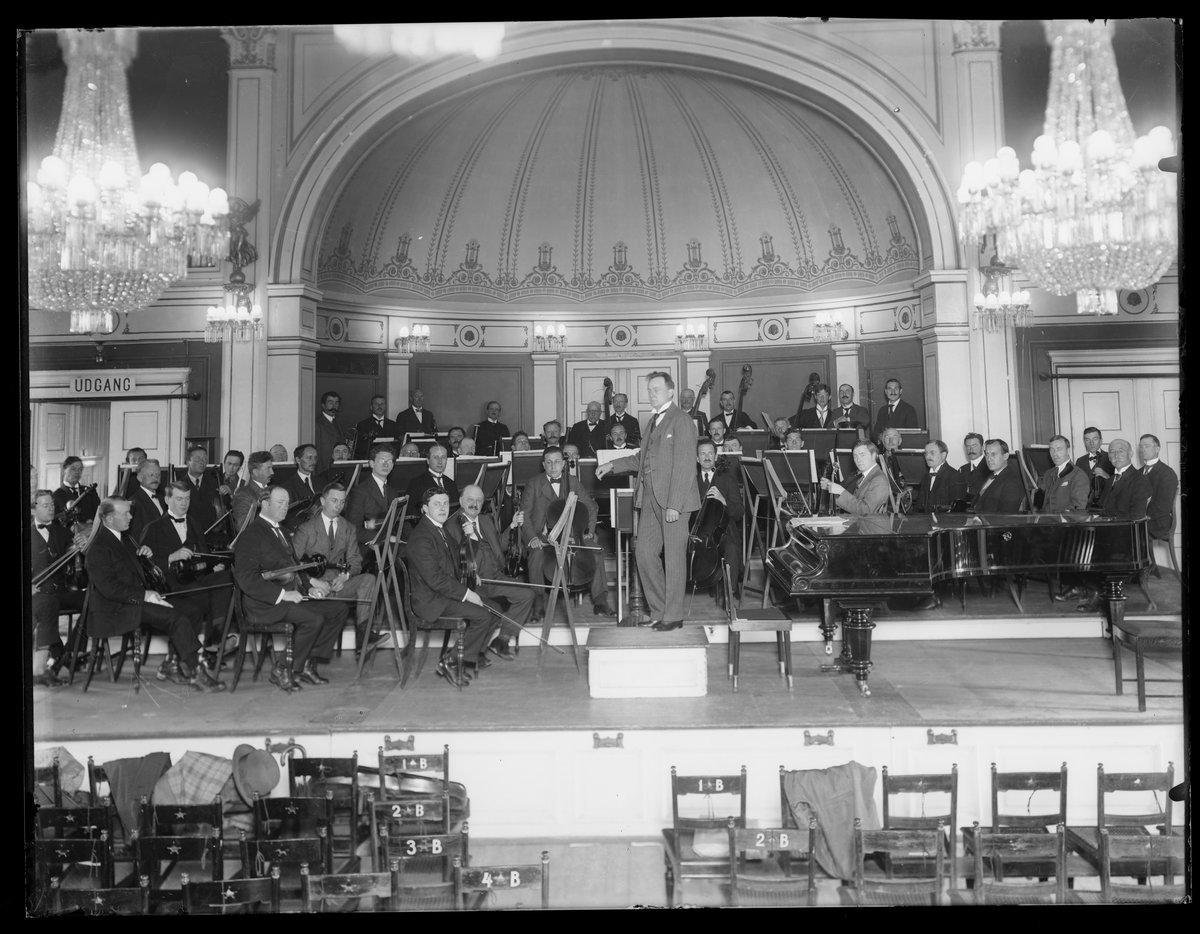
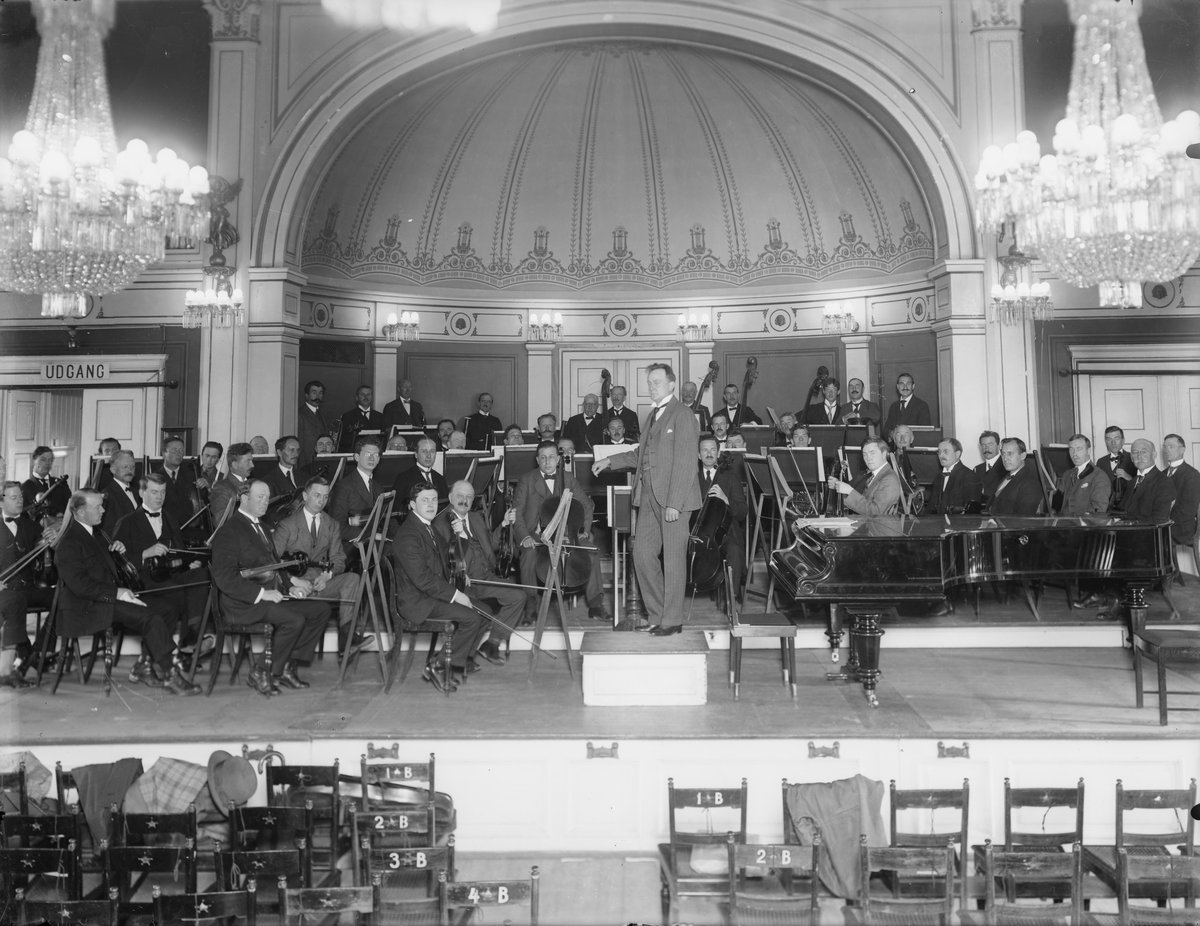
In 1862, the building transitioned to municipal ownership with a commitment to public access. It served as a meeting place for the city council until Oslo City Hall opened in 1947, and the Oslo Philharmonic Orchestra held its inaugural concert here in 1919.
Architectural Features
Gamle Logen is a pristine example of late Empire architectural style in Norway (Lokalhistoriewiki). Its symmetrical façade, classical motifs, and refined ornamentation define its dignified presence at Grev Wedels plass, near Akershus Fortress. The building’s pale colors, tall windows, and balanced proportions enhance both the exterior and interior ambiance.
The heart of Gamle Logen is Store Sal, a grand hall with high, ornate ceilings, gilded details, crystal chandeliers, and period furnishings. The interiors feature intricate plasterwork, large mirrors, and rich wooden floors. Additional rooms, including the historic restaurant and “Sumpen” theatre café, have been faithfully restored.
In the 1880s, a southern wing designed by Wilhelm von Hanno was added, now functioning as a kindergarten. Fire safety renovations in the late 19th century introduced more exits and staircases, while the 1988 restoration preserved original details and discreetly integrated modern amenities (Gamle Logen Historie).
Cultural and Social Significance
A Crucible of Artistic Life
From the 19th century onward, Gamle Logen was central to the development of Norwegian cultural identity (De Historiske). It hosted the nation’s top artists, writers, and musicians, including Edvard Grieg, Henrik Ibsen, and Ole Bull, and served as a venue for key national events, such as the celebration of the 50th anniversary of the union with Sweden in 1864 and banquets for polar explorer Fridtjof Nansen.
The venue’s international reputation was enhanced by performances from stars like Louis Armstrong and Django Reinhardt, underlining Oslo’s prominence in European cultural life (Oslo Byleksikon).
Civic and Social Hub
Following its transition to municipal ownership, Gamle Logen became a site for city council meetings, official receptions, and major public events. During WWII, it suffered both physical damage and loss of archives, and was later used for administrative purposes. Notably, it served as the courtroom for the Vidkun Quisling trial in 1945.
Wartime and Restoration
Gamle Logen endured significant hardship during WWII, including loss of archives and original chandeliers. After the war, the building fell into neglect until the 1980s, when renewed interest and restoration efforts began. The Oslo Summer Opera’s performances of Mozart’s “Così fan tutte” in the mid-1980s sparked a full restoration, completed in 1988 (Oslo Byleksikon). Today, a statue of Edvard Grieg by Marit Wiklund at the entrance stands as a tribute to the venue’s cultural legacy.
Visiting Information
Visiting Hours
Gamle Logen’s opening hours are generally tied to scheduled events, concerts, and guided tours. Standard hours are Tuesday to Saturday, 10:00 AM to 6:00 PM, but these may vary. Always consult the official Gamle Logen website for up-to-date schedules and event-specific hours.
Tickets
Tickets for concerts and events are available online via the official website or authorized partners, with prices typically ranging from NOK 150 to 500 depending on the event. Some areas may be open for free during open house days, but guided tours and special events usually require advance ticket purchase (Travelistica).
Accessibility
Gamle Logen is committed to accessibility, with step-free entrances, elevators, and accessible restrooms. Some historic sections may have limited access, so visitors with mobility concerns should contact the venue in advance for tailored assistance.
Guided Tours
Guided tours, available by appointment, offer insight into the building’s history, architecture, and role in Norwegian culture. Tours typically last 45–60 minutes and are conducted in Norwegian and English.
Nearby Attractions
Gamle Logen’s central location makes it an ideal base for exploring Oslo’s historical sites, including:
- Akershus Fortress: Medieval castle with panoramic city views.
- Oslo City Hall: Civic landmark and home of the Nobel Peace Prize ceremony.
- Norwegian Armed Forces Museum: Military history exhibits.
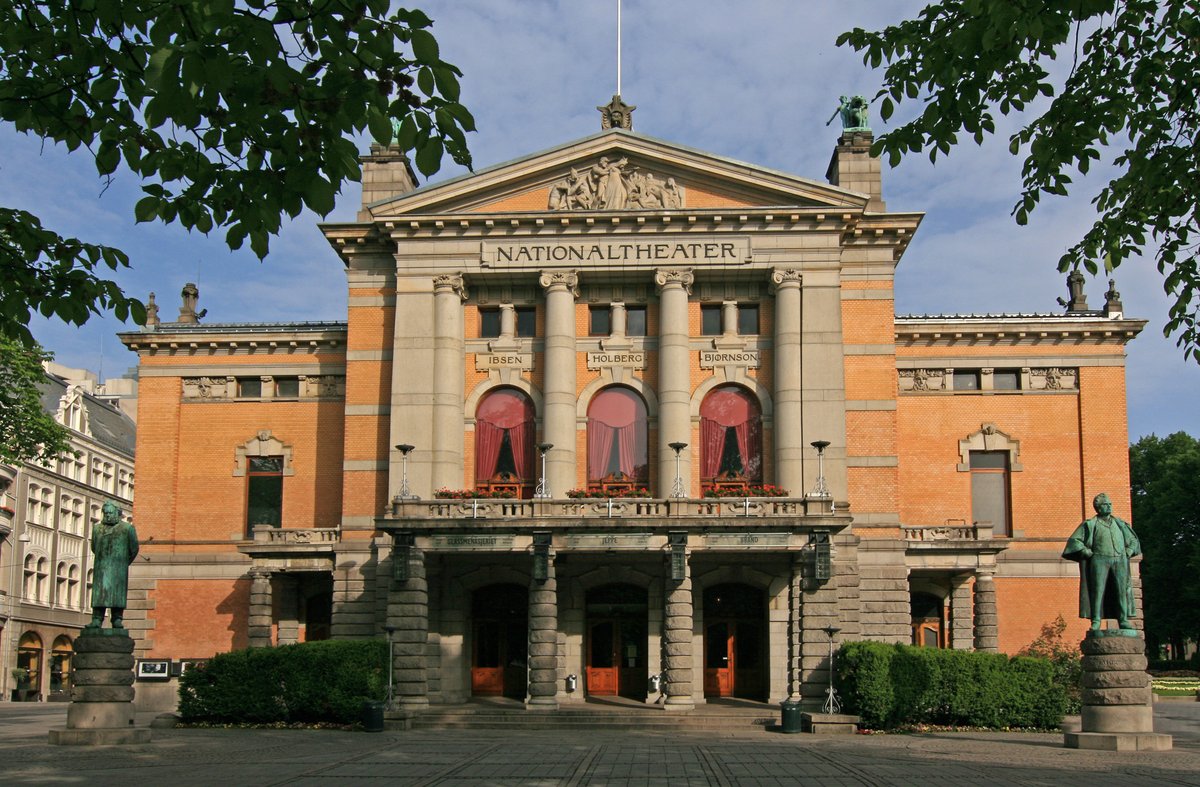
- The National Theatre and Oslo Cathedral: Cultural and religious heritage sites.
Visitor Tips
- Dress Code: Smart casual is recommended for public events; private functions may specify attire.
- Photography: Policies vary; generally restricted during performances.
- Language: Norwegian is primary, but English is widely spoken and used for event materials.
- Accommodation: Numerous hotels are nearby, including Clarion Hotel The Hub and Thon Hotel Opera (The Holistic Backpacker).
- Dining: Onsite catering for events; nearby cafés and restaurants available.
Frequently Asked Questions (FAQ)
Q: What are Gamle Logen’s opening hours?
A: Typically Tuesday to Saturday, 10:00 AM to 6:00 PM, but check the official website for event-specific times.
Q: How do I buy tickets?
A: Tickets are sold online via the official Gamle Logen website or authorized partners.
Q: Is Gamle Logen wheelchair accessible?
A: Yes, with step-free access and elevators to main areas; contact the venue for specific needs.
Q: Are guided tours available?
A: Yes, by advance booking.
Q: What nearby attractions are recommended?
A: Akershus Fortress, Oslo City Hall, the National Theatre, and Oslo Cathedral.
Listen to the full story in the app
The whole Gamle Logen,
told well.
Audio guides for 1,100+ cities across 96 countries. History, stories, and local insight — offline ready.
Verified, and shown.
Researched and written by the Audiala editorial team from historical records, architectural archives, and local expertise.
Researched from Wikidata, Wikipedia & official sources · fact-checked · How we make our guides →