Plan and listen to Frognerseteren with Audiala.
Audio guide in your pocket, itinerary in your browser. Built for the way you actually visit.
Introduction
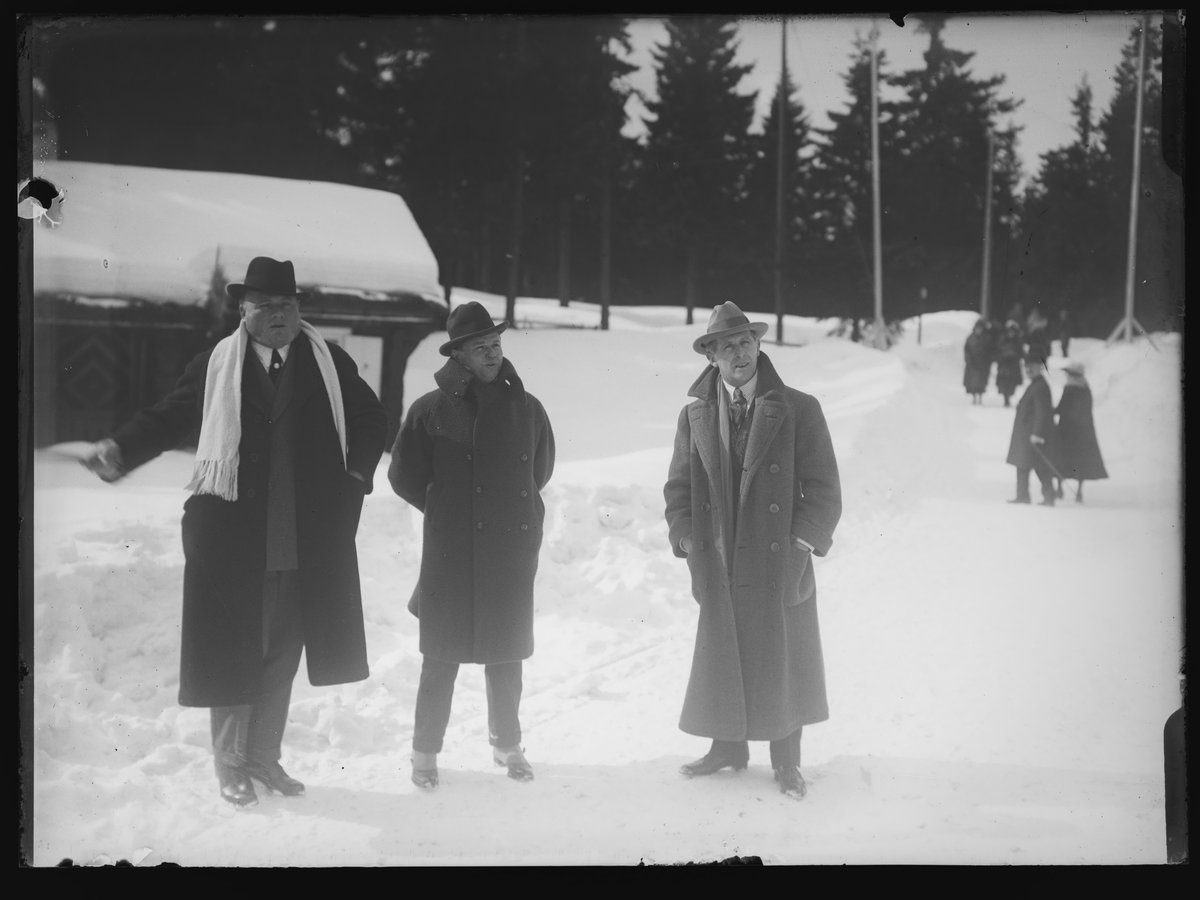
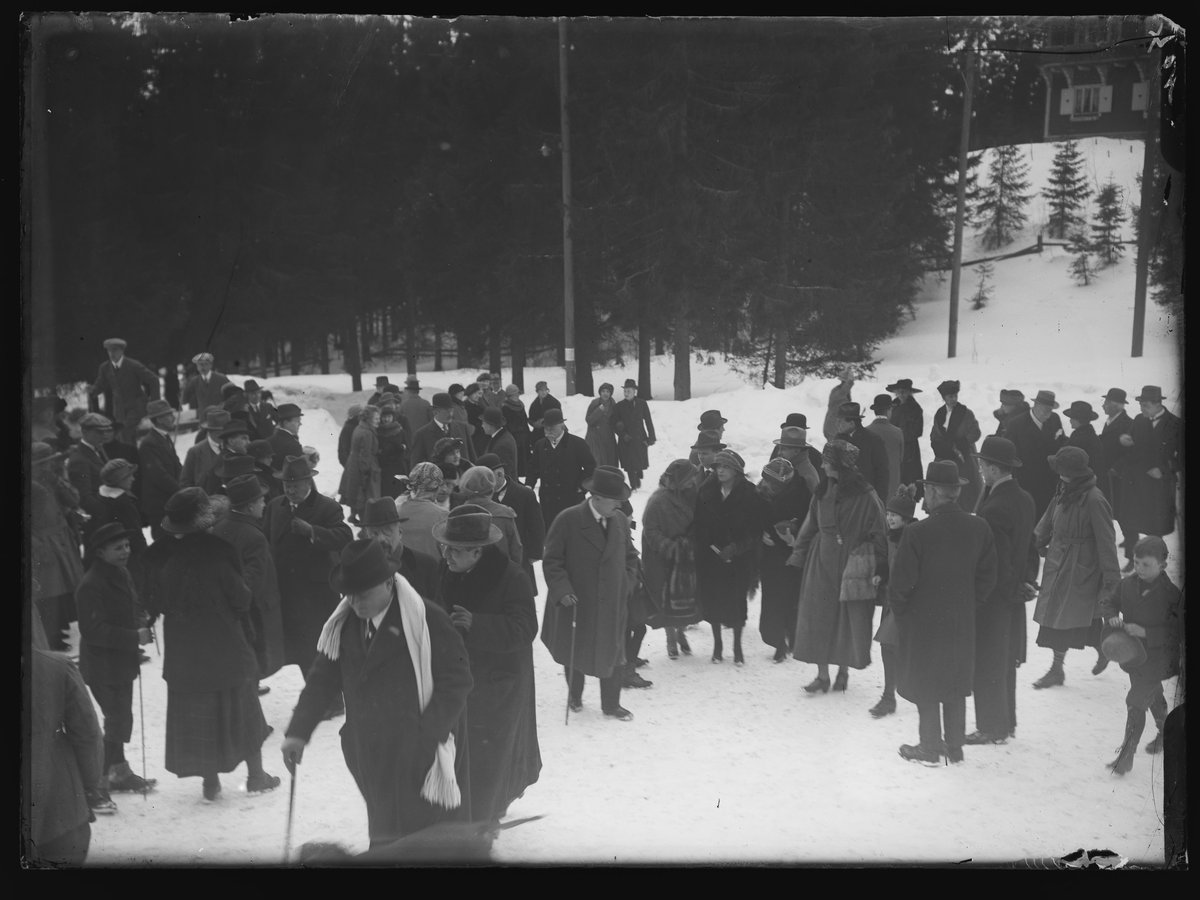
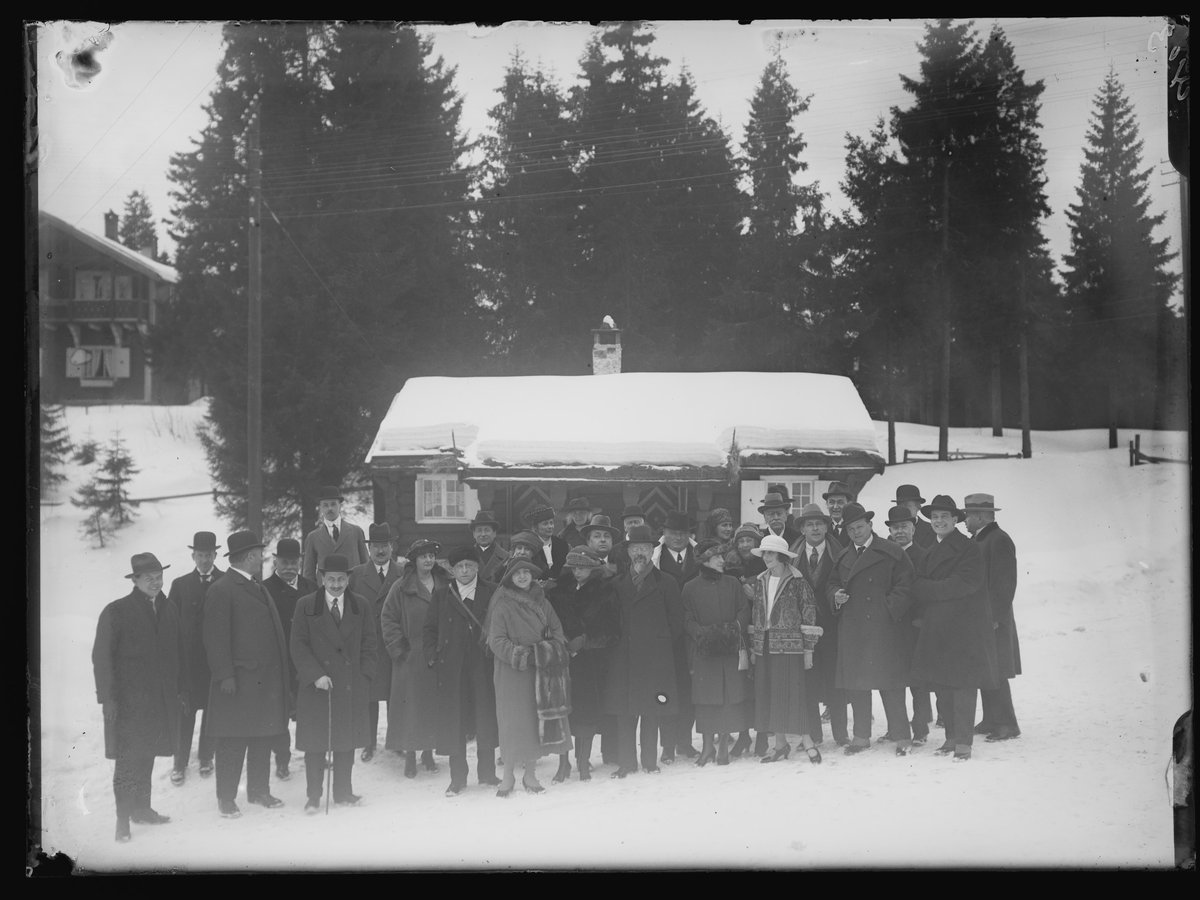
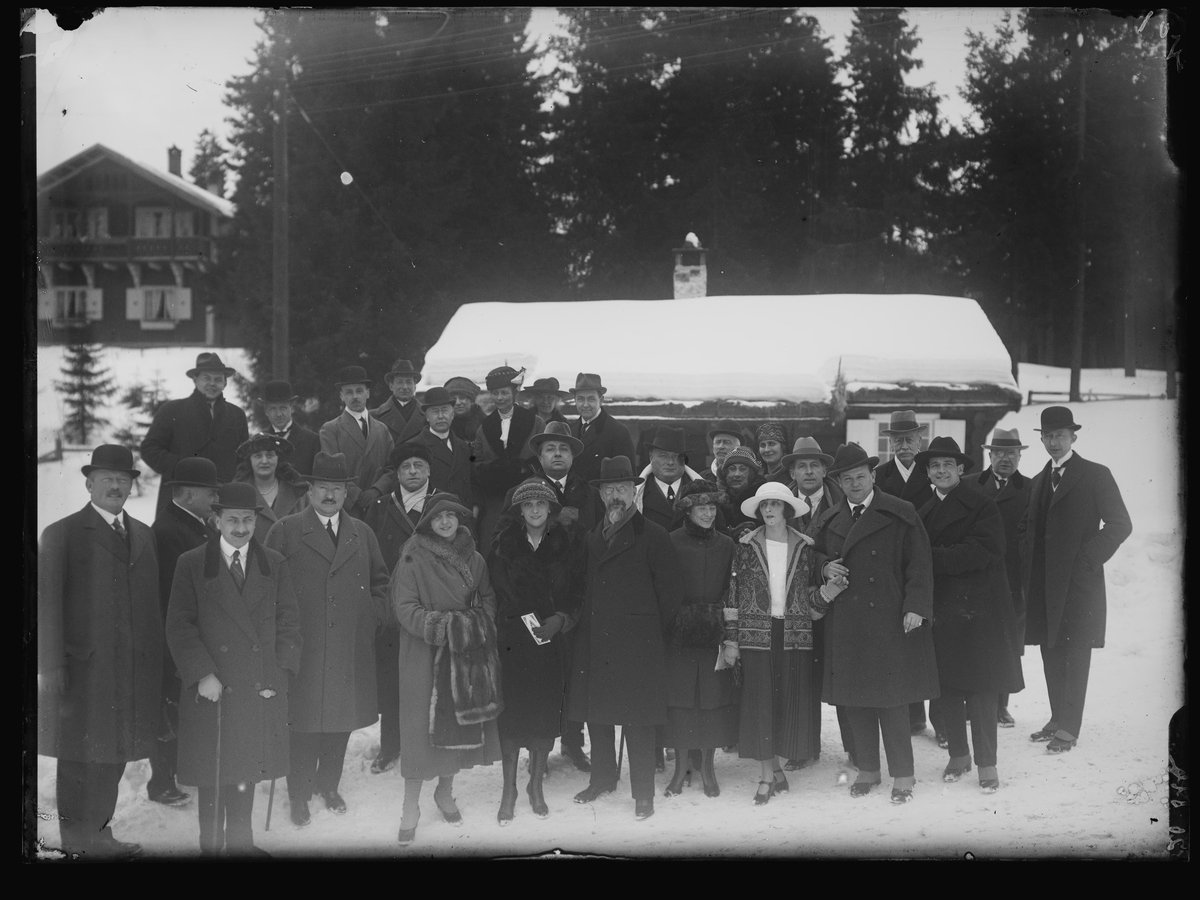
Frognerseteren, perched atop the southern slopes of Tryvannshøgda at the edge of Oslo’s Nordmarka forest, is one of Norway’s most cherished destinations. This landmark seamlessly weaves together centuries of Norwegian history, iconic Dragestil (dragon style) architecture, and a vibrant tradition of outdoor life. Originally part of the extensive Frogner Manor estate, Frognerseteren has evolved from a medieval mountain dairy farm into a beloved public recreational area renowned for its panoramic views, culinary offerings, and accessible outdoor activities. Today, it stands as a testament to Oslo’s commitment to preserving both cultural heritage and the joys of nature (Wikipedia: Frognerseteren; Store norske leksikon: Frognerseteren).
Whether you are seeking authentic Norwegian cuisine, exploring Oslo’s history, or setting out on an adventure in Nordmarka, this guide provides all the essential information: visiting hours, ticket details, accessibility, travel tips, and recommendations for making the most of your experience at Frognerseteren (Frognerseteren Restaurant Official Site; Visit Norway).

Historical Background
Medieval Origins and Transition to Public Ownership
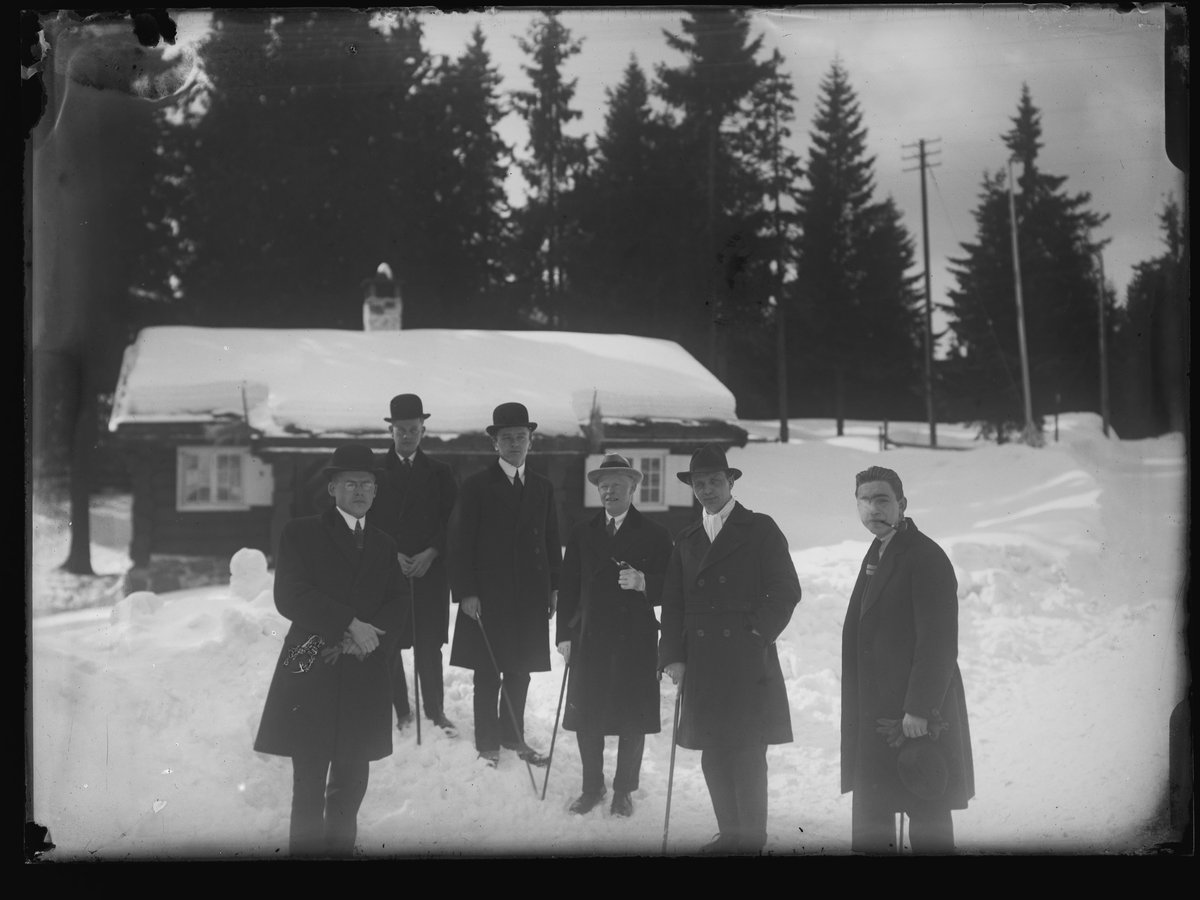
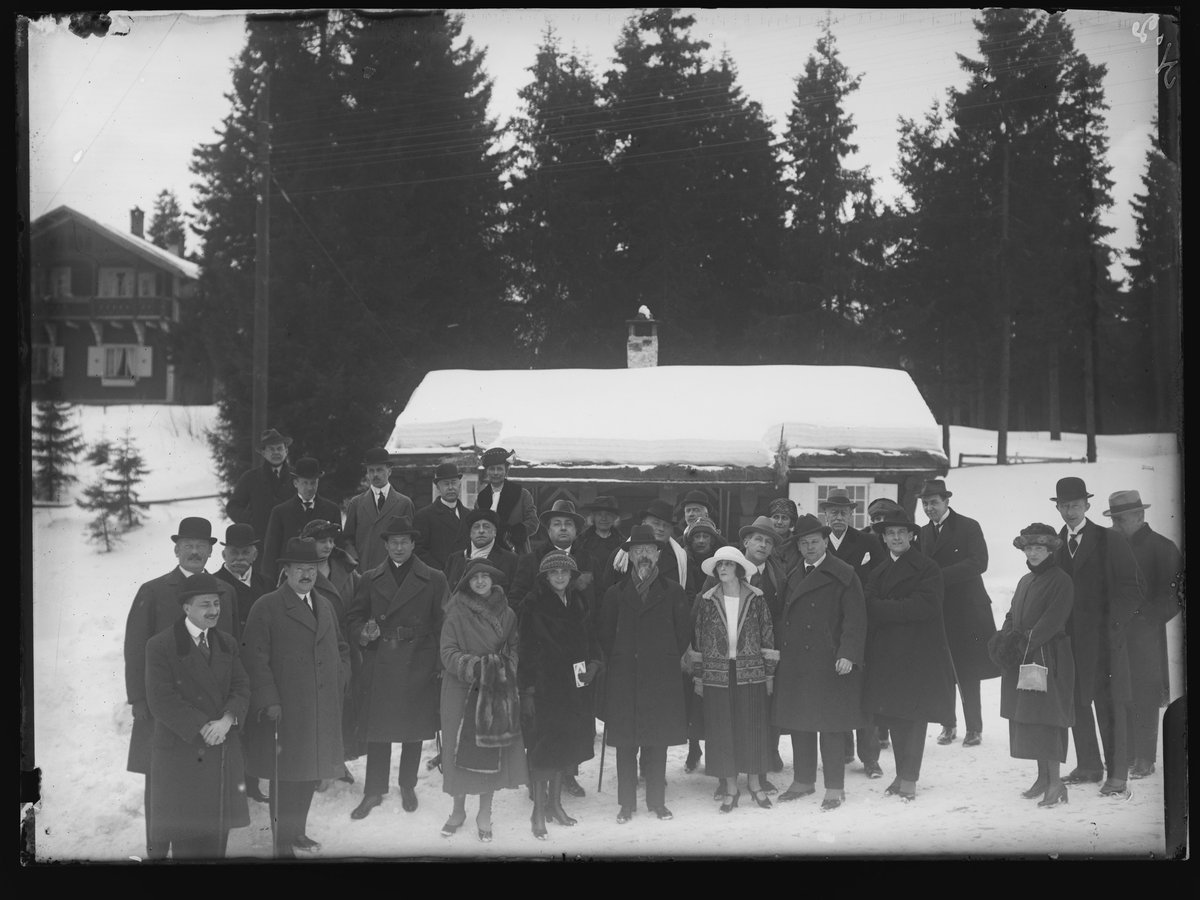
Frognerseteren began as a seasonal mountain dairy farm, or “seter,” linked to Frogner Manor—one of Oslo’s oldest and most influential agricultural estates (Wikipedia: Frogner Manor). The farm was originally under the control of Hovedøya Abbey during the Middle Ages, reflecting the church’s dominance over Norwegian landholdings. Following the Reformation in the 16th century, the Crown seized ecclesiastical properties, bringing Frognerseteren into royal and later private ownership.
By the 19th century, the estate passed through several hands, most notably to Consul Thomas Heftye in 1864. Heftye's vision transformed Frognerseteren into a recreational haven, relocating traditional Norwegian farm buildings and constructing the Heftye Villa in 1867 (Store norske leksikon: Frognerseteren). After Heftye’s death, the municipality of Kristiania (now Oslo) acquired the estate in 1889, establishing it as Oslo’s first municipally owned forest and forever opening its gates to the public (Wikipedia: Frognerseteren).
Architectural Highlights and Frognerseteren Restaurant
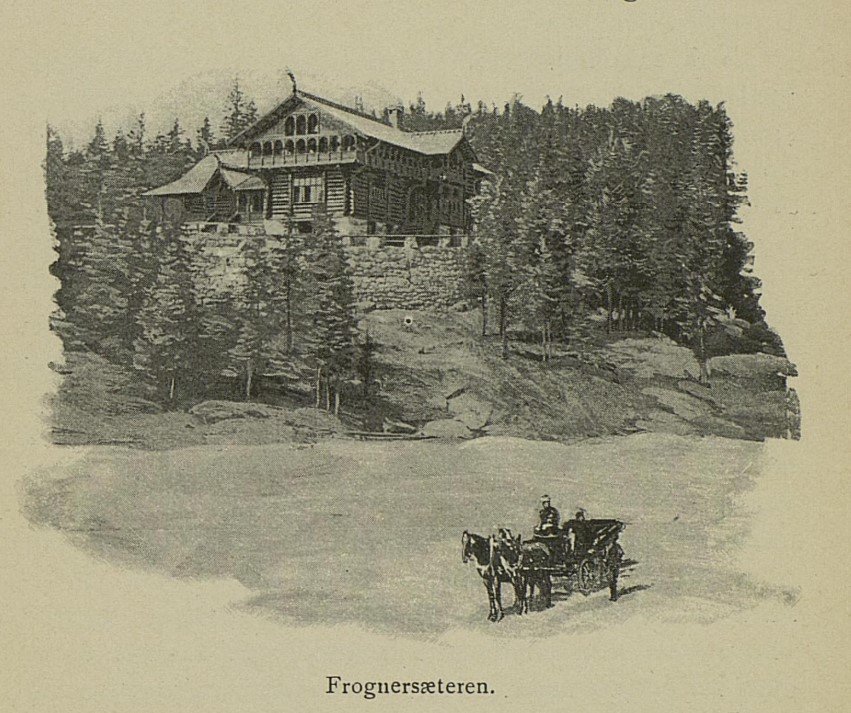
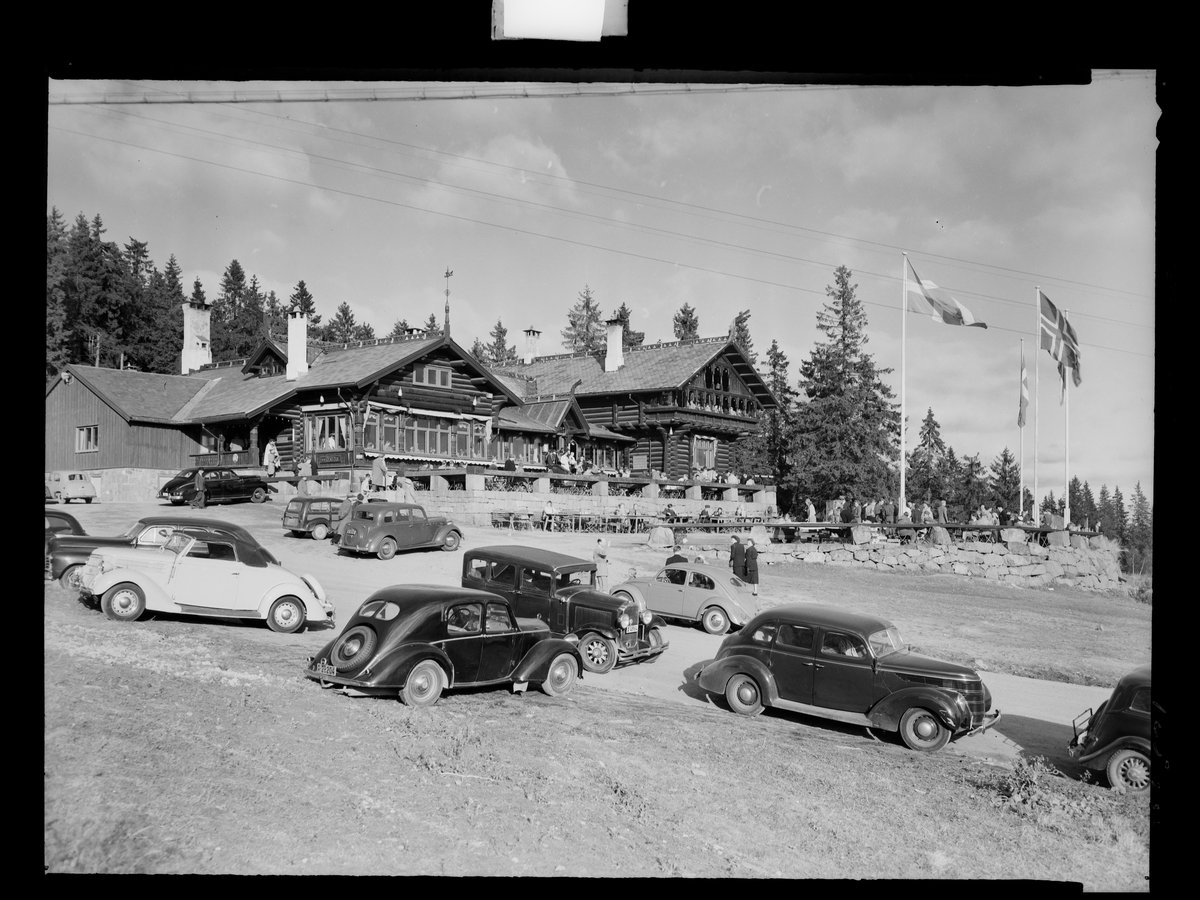
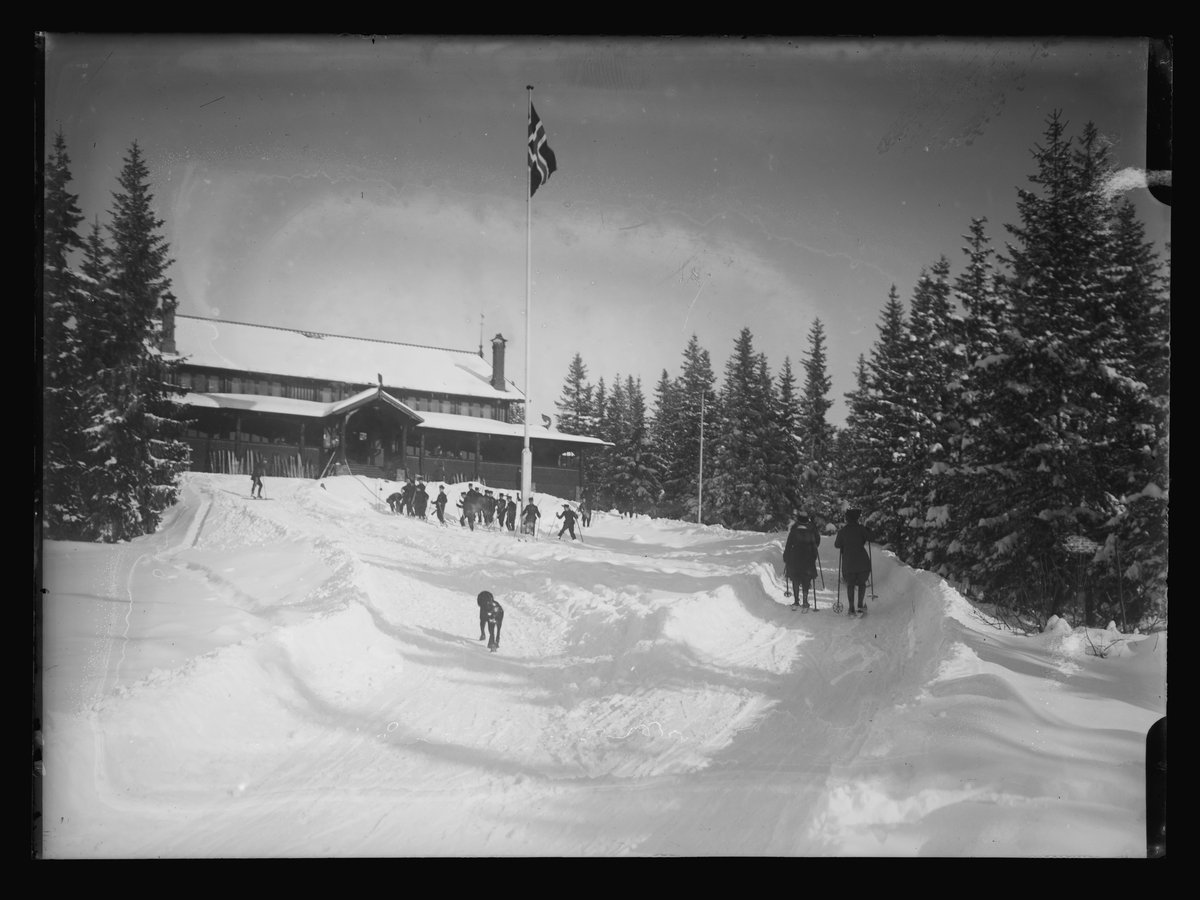
The architectural jewel of Frognerseteren is its main restaurant, completed in 1891 and designed by Holm Munthe, a pioneer of Norwegian Dragestil. This style, inspired by Viking and medieval motifs, is evident in the building’s elaborate wood carvings, dragon-head gables, and warm, rustic interiors (De Historiske: Frognerseteren). The restaurant quickly became a social and cultural hub, frequented by Oslo’s upper class, sports enthusiasts, and international visitors.
Over the years, the restaurant has been expanded (notably in 1909) and remains renowned for its authentic Norwegian cuisine, including rømmegrøt (sour cream porridge), kjøttkaker (meatballs), and the beloved apple cake—introduced by famed restaurateur Karl A. Samuelsen (De Historiske: Frognerseteren).
Connection to Holmenkollen and Outdoor Recreation
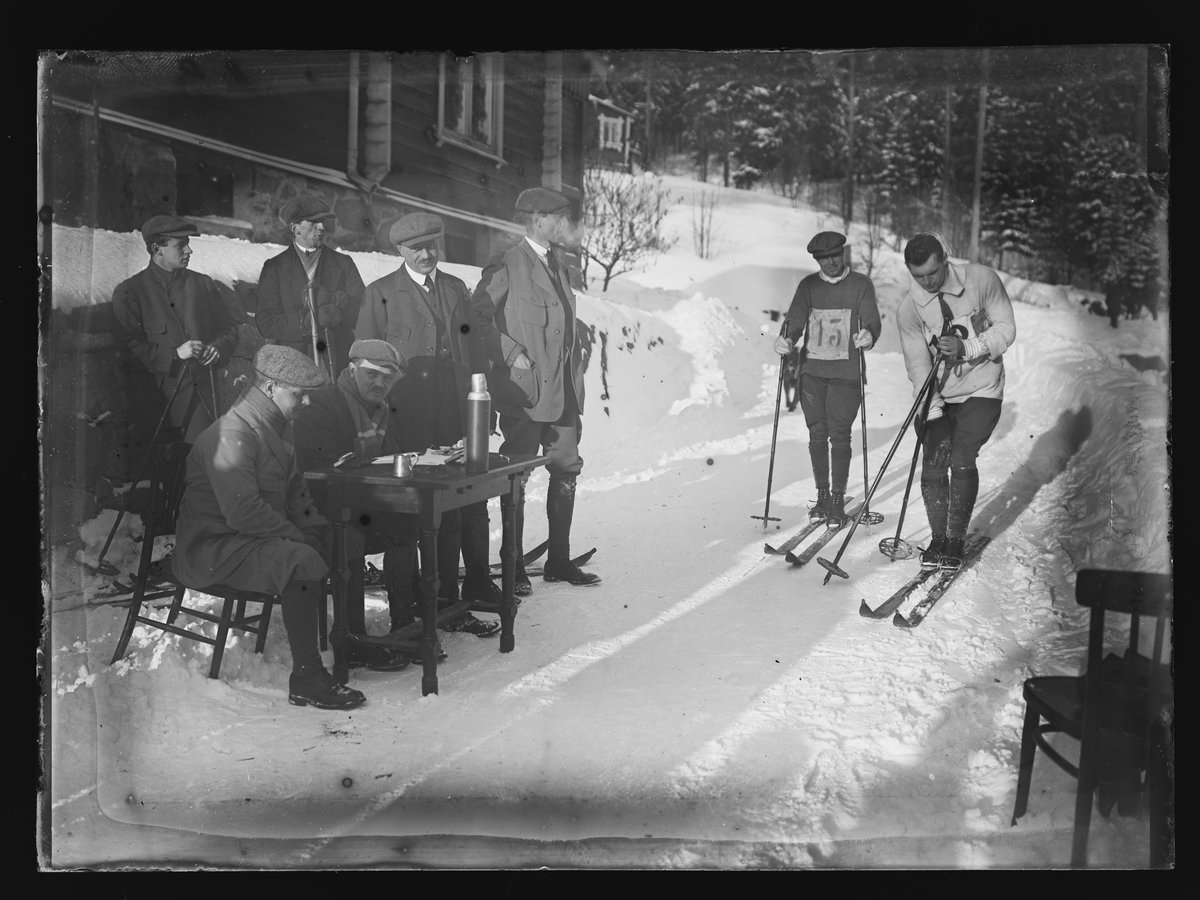
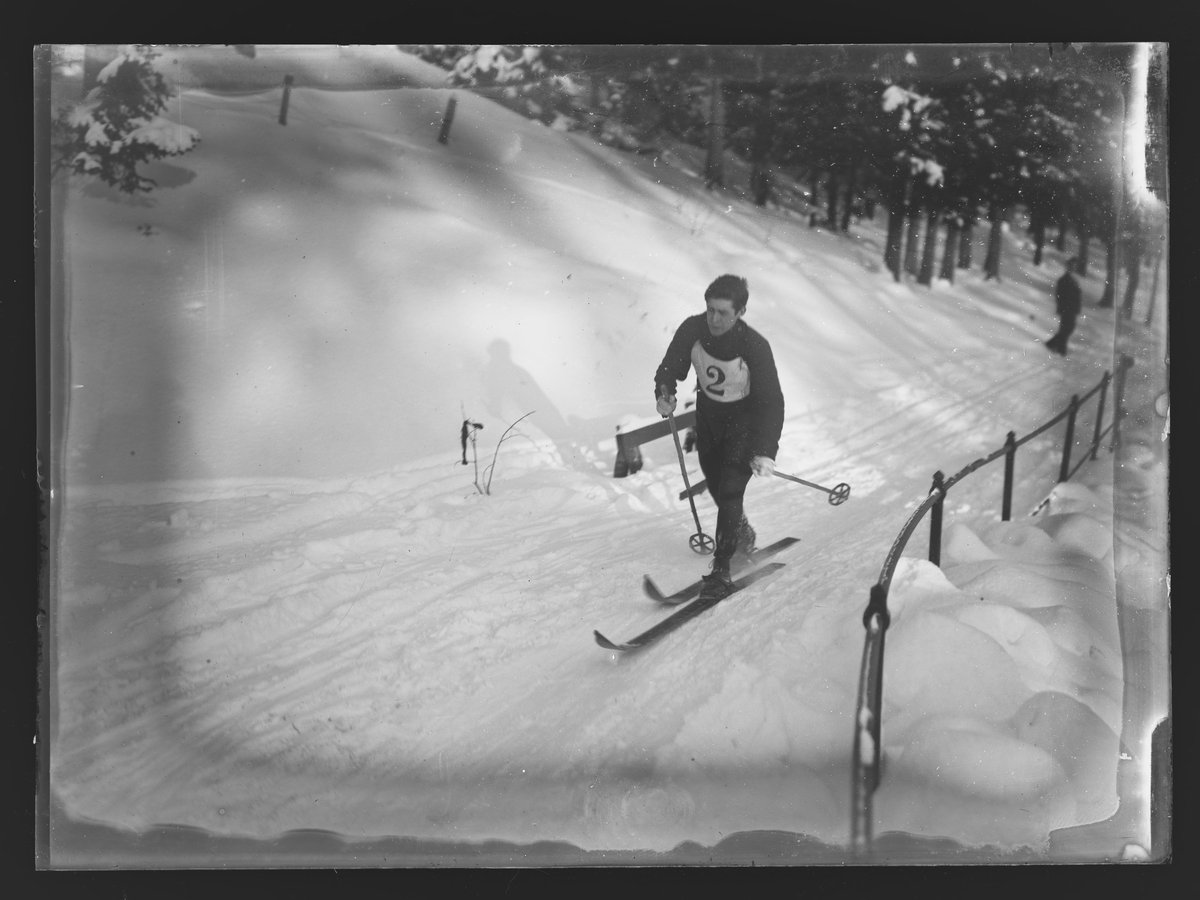
Frognerseteren’s location and accessibility have made it integral to Oslo’s tradition of friluftsliv, or outdoor life. With the extension of the Holmenkoll Line (Line 1) of the Oslo Metro in 1916, Frognerseteren became a gateway to the Nordmarka forest, offering direct access for city dwellers and tourists (Wikipedia: Frognerseteren). The area played a key role in the Holmenkollen Ski Festival, serving as the start and finish for historic cross-country races, and remains a favorite launch point for hiking, skiing, and the exhilarating Korketrekkeren toboggan run (Store norske leksikon: Frognerseteren).
Cultural Significance and Memorials
Frognerseteren is home to several monuments that honor Norway’s history and cultural figures. These include a commemorative stone celebrating the pivotal year of 1814, a memorial to polar explorer Eivind Astrup, and a statue of legendary skier Johan Grøttumsbråten. Such landmarks reinforce Frognerseteren’s status as a site of national memory and pride (Store norske leksikon: Frognerseteren).
Conservation and Public Access
The acquisition of Frognerseteren by Oslo’s municipality was groundbreaking, reflecting a growing commitment to land conservation and public recreation. Early 20th-century proposals to establish a national park in the area highlight its ecological and cultural value (Wikipedia: Frognerseteren). Today, Frognerseteren’s trails and forests are open to all, embodying Norway’s egalitarian approach to nature.
Visitor Information
Visiting Hours and Tickets
-
Restaurant Finstua:
- Monday–Friday: 12:00–22:00
- Saturday: 13:00–22:00
- Sunday: 13:00–21:00
-
Kafé Seterstua:
- Monday–Saturday: 11:00–22:00
- Sunday: 11:00–21:00
Check the official website for updates, as hours may change seasonally or during holidays.
-
Tickets:
No entrance fee is required for Frognerseteren or its grounds. Charges apply only for restaurant meals, private events, or specific activities such as sled rental for the Korketrekkeren run. -
Reservations:
Advance reservations are recommended for Restaurant Finstua, particularly on weekends and holidays, due to its popularity.
Getting There and Accessibility
-
By Metro:
Take Line 1 (Holmenkollbanen) of the Oslo Metro from the city center to Frognerseteren station (approx. 30–40 minutes). The station is a short, signposted walk from the restaurant (Frognerseteren Restaurant Official Site). -
By Car:
Free parking is available, but spaces fill quickly during peak times. -
Accessibility:
The restaurant and main facilities are wheelchair accessible. Some hiking trails and outdoor areas may be less suitable for those with mobility challenges. Contact the venue for specific needs (Visit Norway).
Dining Options
-
Restaurant Finstua:
Historic dining room offering seasonal Norwegian menus, with dishes such as reindeer, salmon, and traditional desserts. -
Kafé Seterstua:
Self-service café with hot and cold dishes, perfect for casual meals after hiking or skiing. -
Private Dining & Events:
Several rooms available for private events, music evenings, and opera nights (advance booking required).
Nearby Attractions
-
Holmenkollen Ski Museum & Jump:
Learn about 4,000 years of skiing history and enjoy panoramic city views (Journey by Backpack). -
Tryvann Winter Park:
Downhill skiing and snowboarding area, popular in winter. -
Nordmarka Forest:
Extensive hiking and biking trails right at Frognerseteren’s doorstep.
Seasonal Activities and Events
-
Winter:
Cross-country and alpine skiing, sledding on the Korketrekkeren run (sled/helmet rental 100–150 NOK), après-ski dining. -
Summer:
Hiking, mountain biking, berry picking, and outdoor picnics. Trails range from easy walks to challenging hikes into Nordmarka. -
Special Events:
Themed evenings, live music, and seasonal menus in the restaurant.
Practical Tips for Visitors
-
Dress for the Weather:
Frognerseteren is cooler and windier than central Oslo. Layered clothing and sturdy footwear are recommended. -
Payment:
Norway is cashless-friendly; credit/debit cards are accepted everywhere. -
Public Transport:
Use the Oslo Pass for unlimited metro travel, including to Frognerseteren (Norway With Pål). -
Family-Friendly:
Children’s menus, high chairs, and safe outdoor areas are available. -
Pets:
Dogs are allowed on outdoor terraces but not inside the restaurant.
Frequently Asked Questions (FAQ)
Q: What are the Frognerseteren visiting hours?
A: Restaurant Finstua is open Mon–Fri 12:00–22:00, Sat 13:00–22:00, Sun 13:00–21:00; Kafé Seterstua opens daily at 11:00. Always check the official website for current hours.
Q: Are tickets required to visit Frognerseteren?
A: No entrance fee is required. Only special activities (like sled rentals) and dining incur charges.
Q: Is Frognerseteren accessible for people with disabilities?
A: The restaurant is accessible; some outdoor areas may be less so. Contact staff for details.
Q: How do I reach Frognerseteren from Oslo city center?
A: Take Metro Line 1 to the Frognerseteren terminus—about 30–40 minutes from central Oslo.
Q: Can I bring my dog?
A: Dogs are welcome on outdoor terraces but not inside the restaurant or café.
Visuals and Media


Interactive Map of Frognerseteren and Surroundings
Listen to the full story in the app
The whole Frognerseteren,
told well.
Audio guides for 1,100+ cities across 96 countries. History, stories, and local insight — offline ready.
Verified, and shown.
Researched and written by the Audiala editorial team from historical records, architectural archives, and local expertise.
Researched from Wikidata, Wikipedia & official sources · fact-checked · How we make our guides →