Plan and listen to Frogner Manor with Audiala.
Audio guide in your pocket, itinerary in your browser. Built for the way you actually visit.
Introduction: Frogner Manor’s History and Cultural Significance
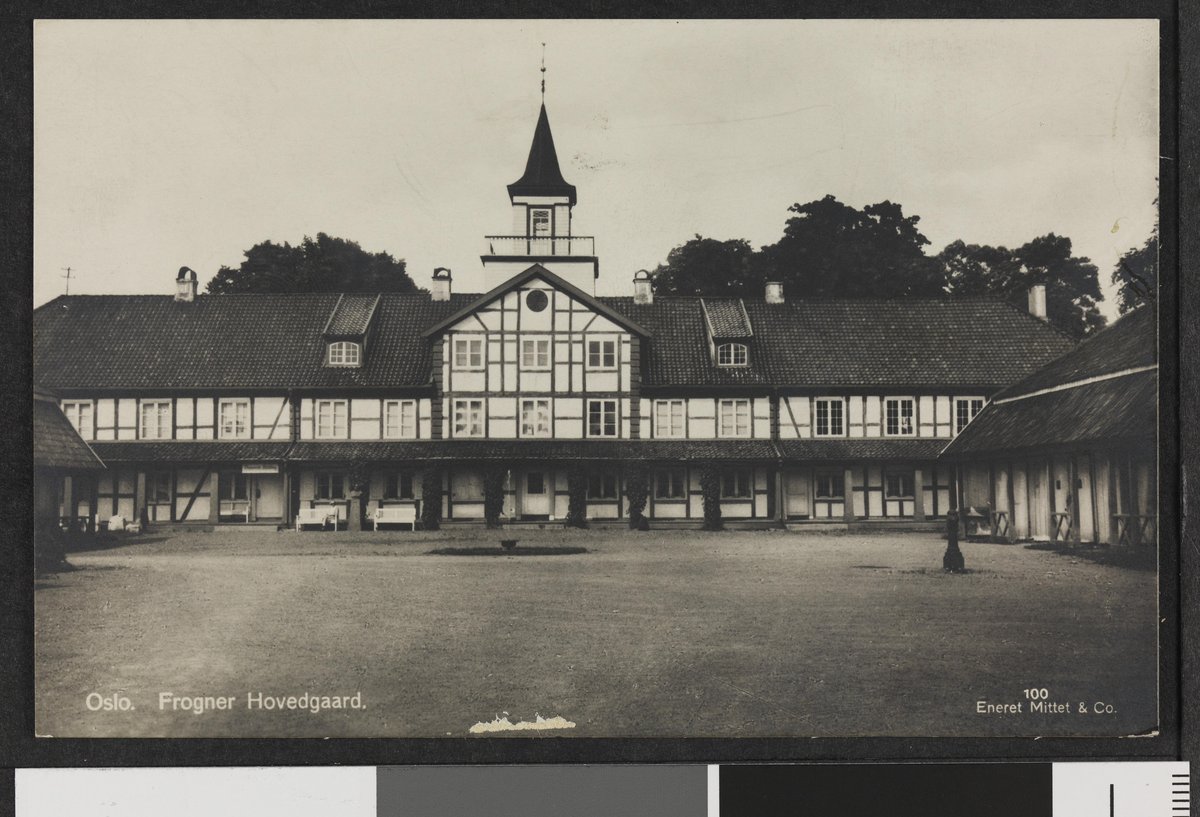
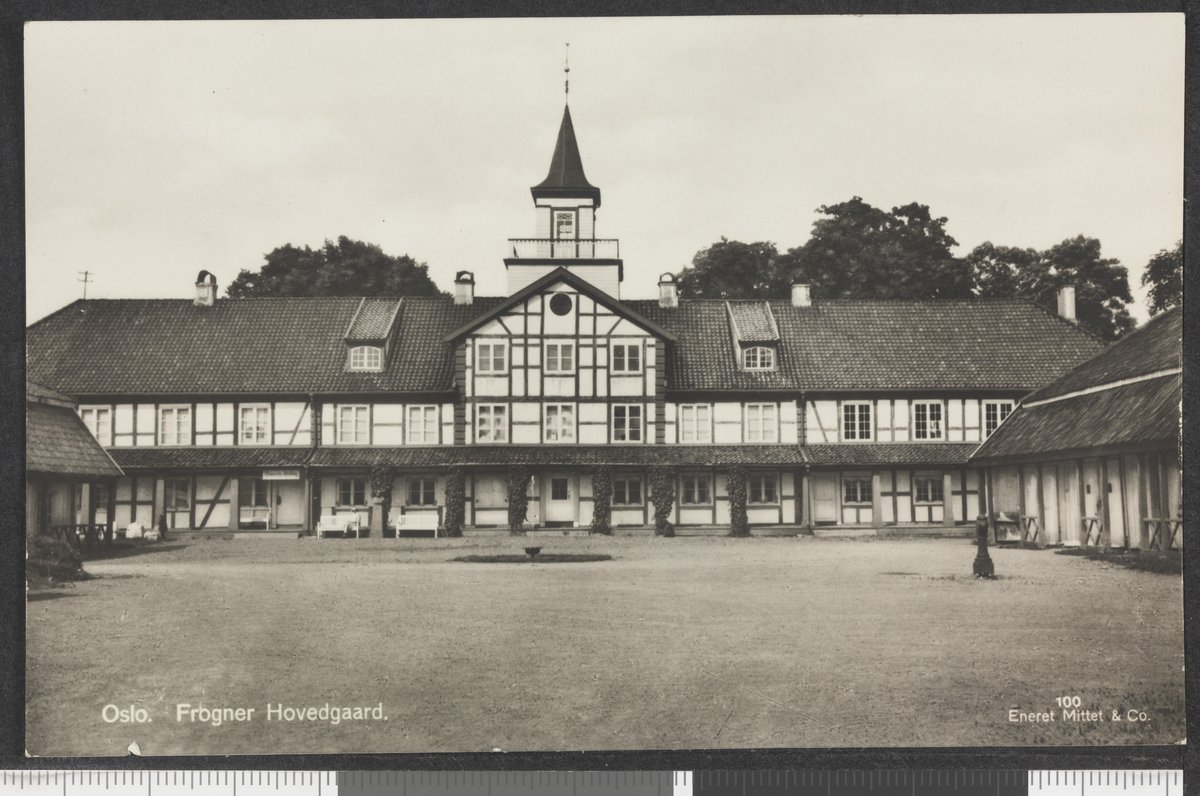
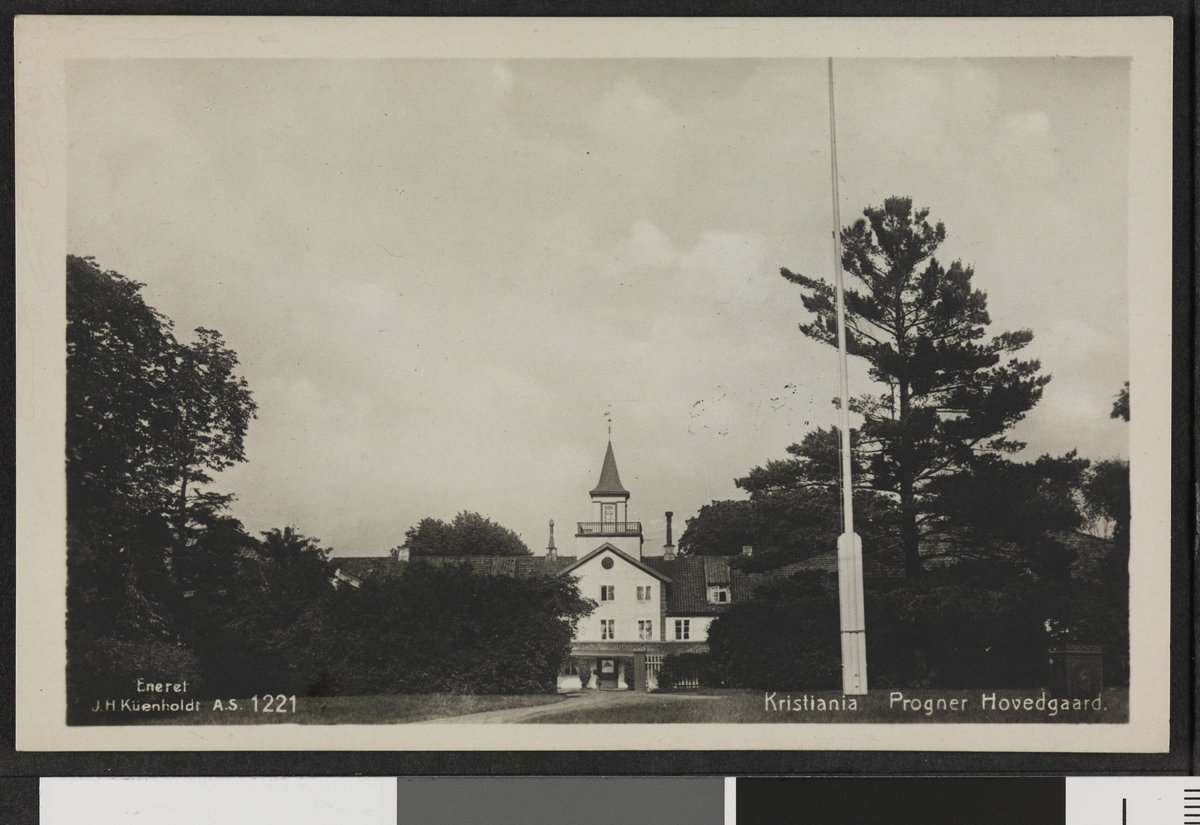
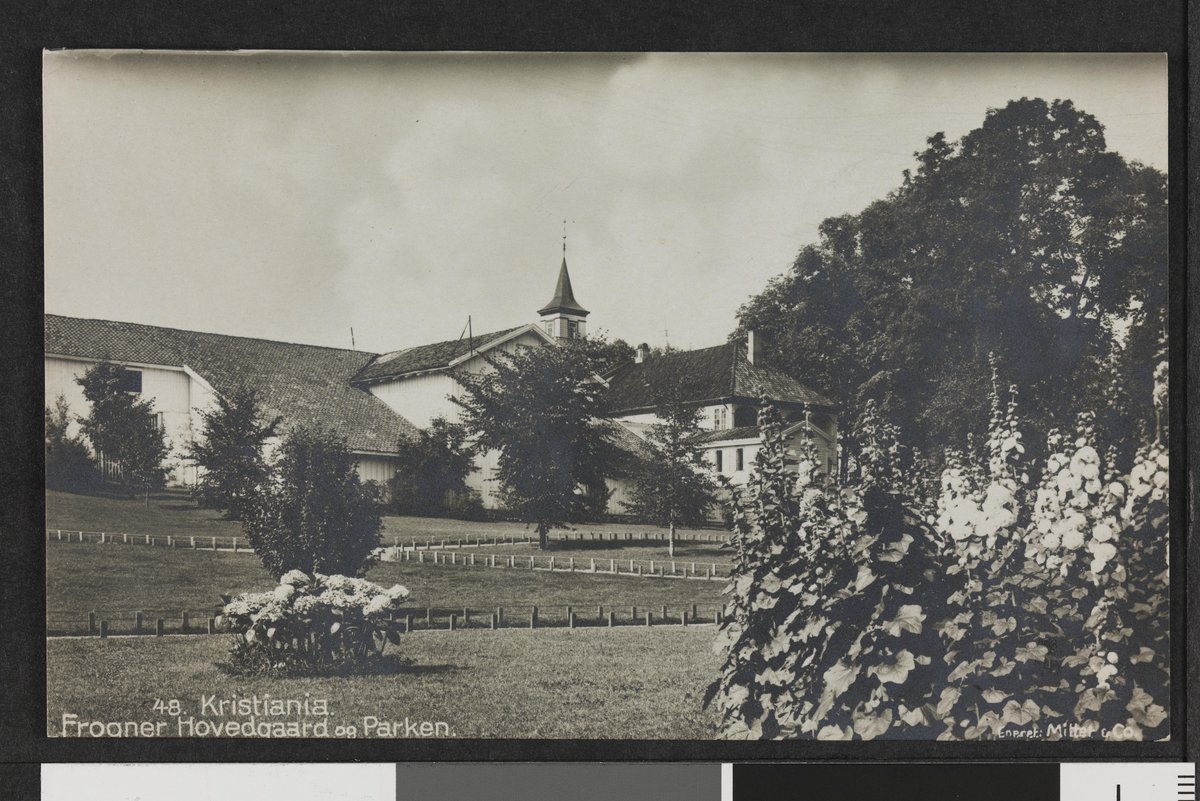
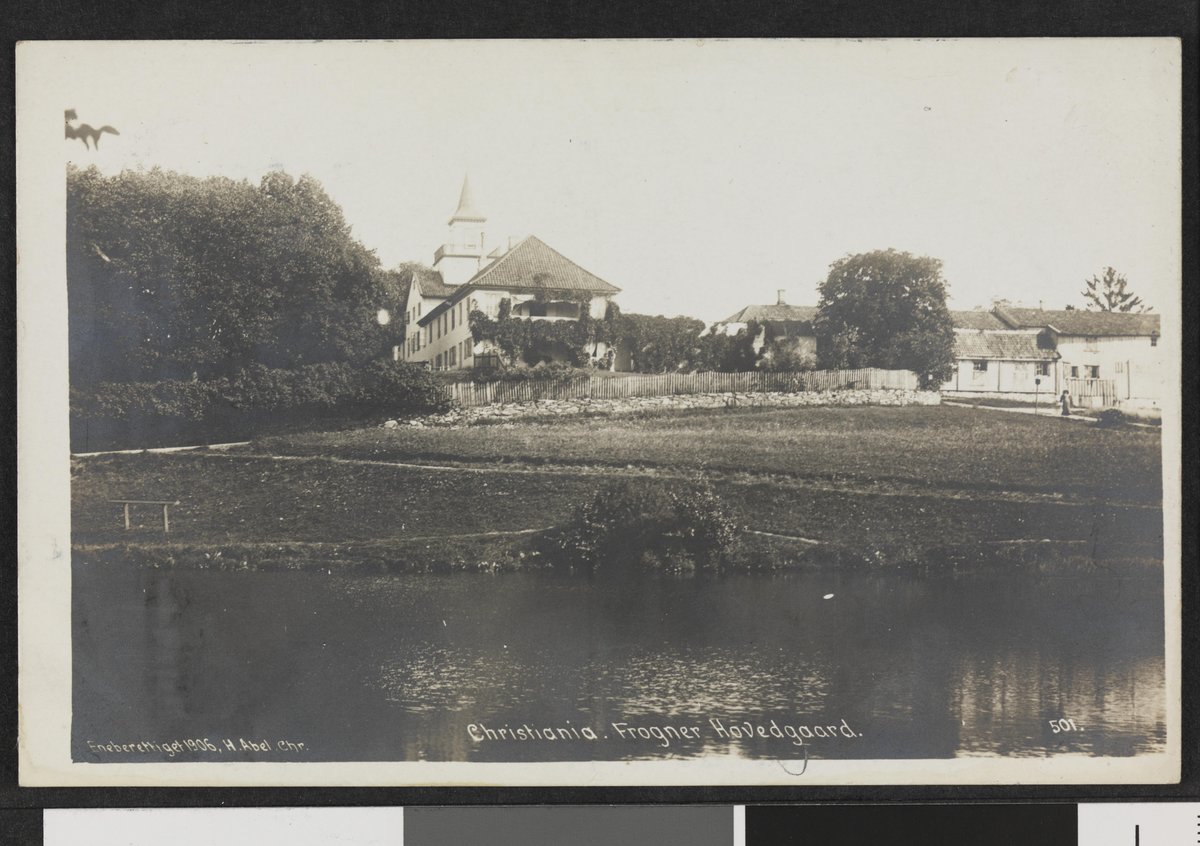
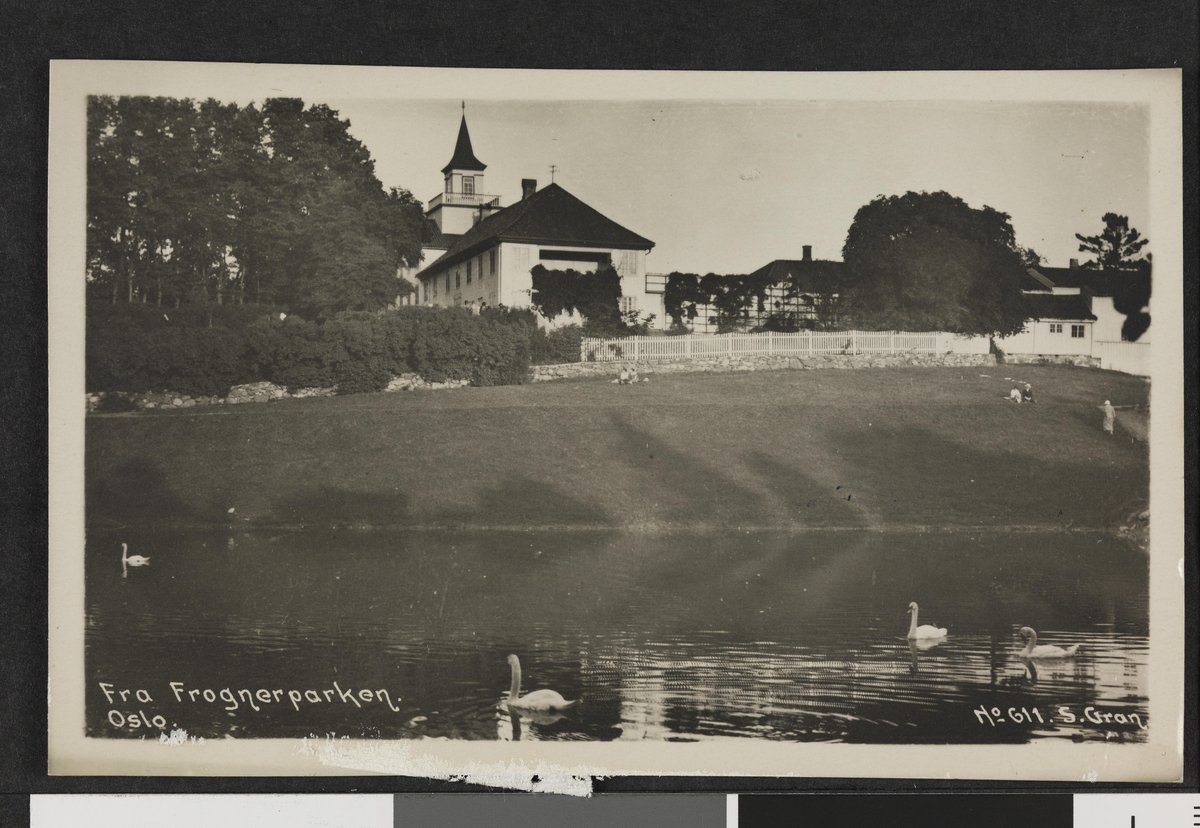
Frogner Manor (Frogner Hovedgård), located within Oslo’s iconic Frogner Park, serves as a distinguished testament to the city’s layered heritage. With origins in the Middle Ages, the estate evolved from a productive farm into a symbol of aristocratic prosperity, later becoming a public museum and a hub for cultural activities. The architecture, primarily shaped during the 18th century under owners Hans Jacob Scheel and Bernt Anker, reflects Baroque and Neoclassical styles that mirrored contemporary European trends. Today, Frogner Manor houses the Oslo City Museum, offering insights into Oslo’s urban development and cultural evolution (Oslo City Museum).
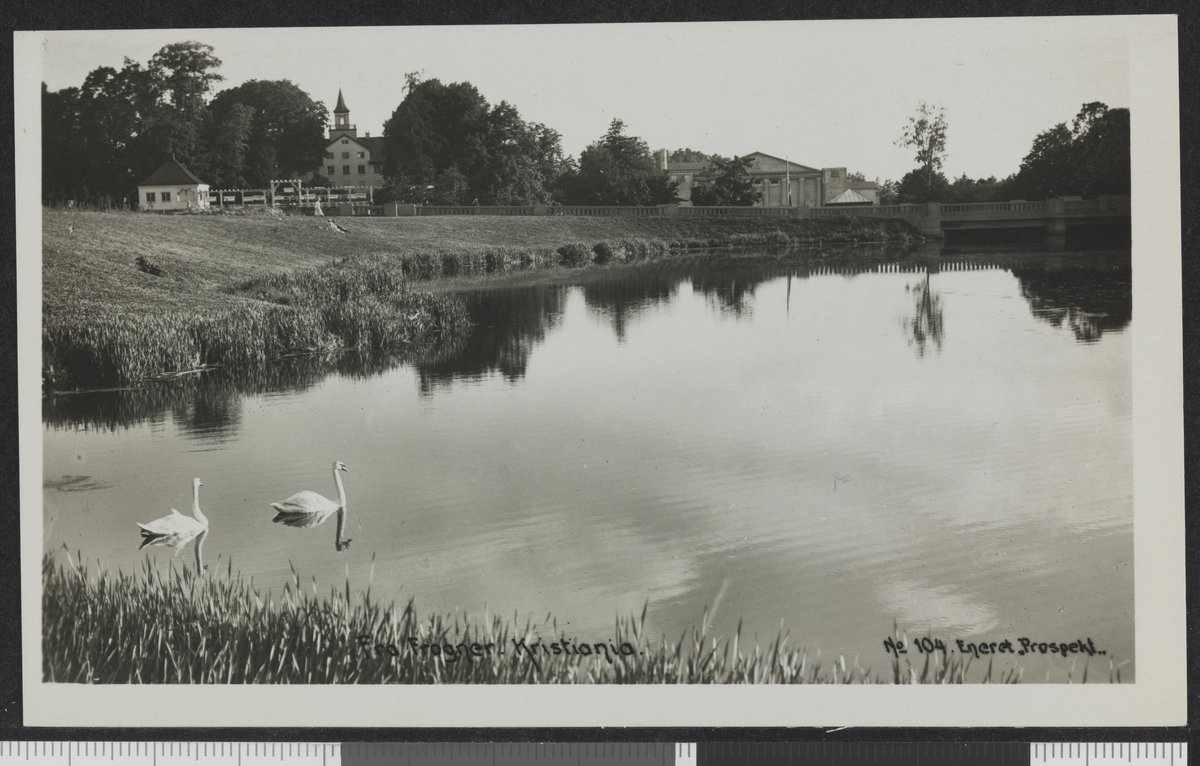
Set amidst Frogner Park, Oslo’s largest public green space, the manor is neighbor to the world-famous Vigeland Sculpture Park. This nexus of history, art, and nature makes Frogner Manor a premier cultural destination, accessible via public transit and designed to accommodate visitors of all abilities. This guide delivers comprehensive information on visiting hours, tickets, travel tips, architectural features, and nearby attractions to help you plan your experience at one of Oslo’s most treasured historical landmarks (Oslo Museum; Visit Norway).

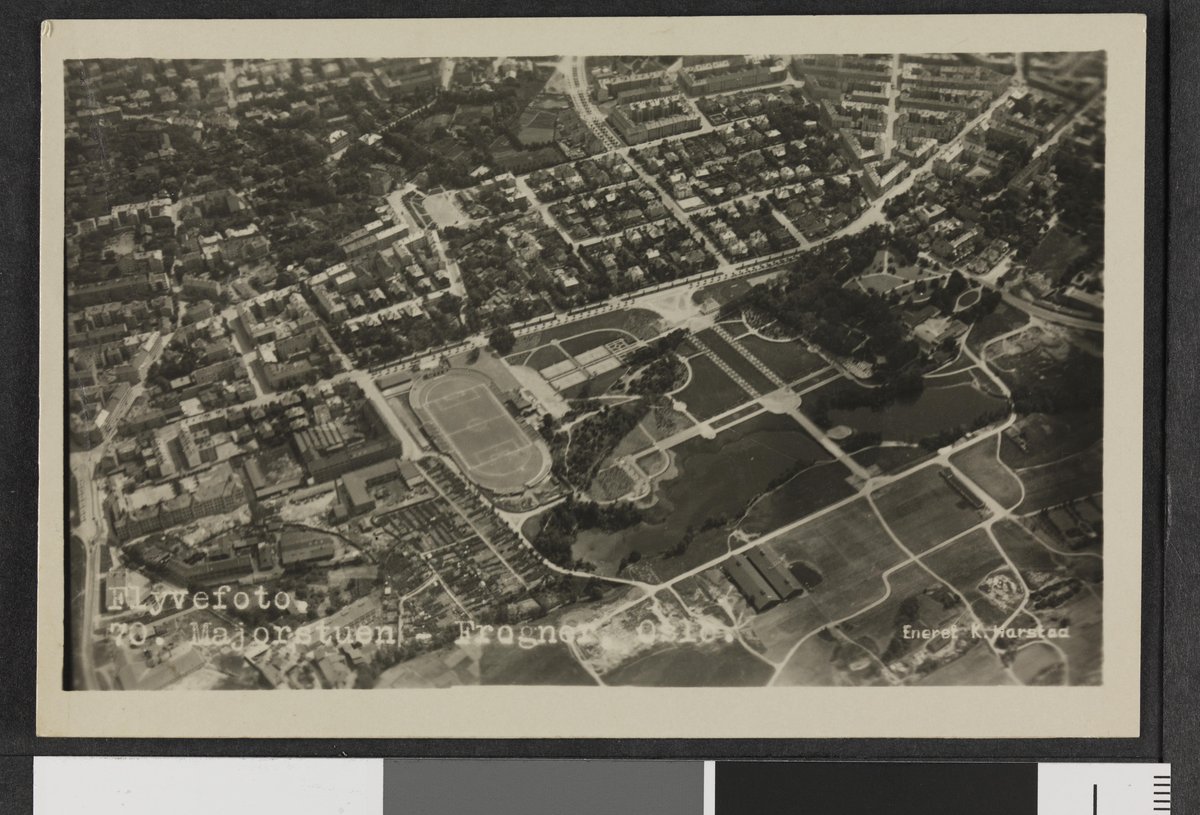
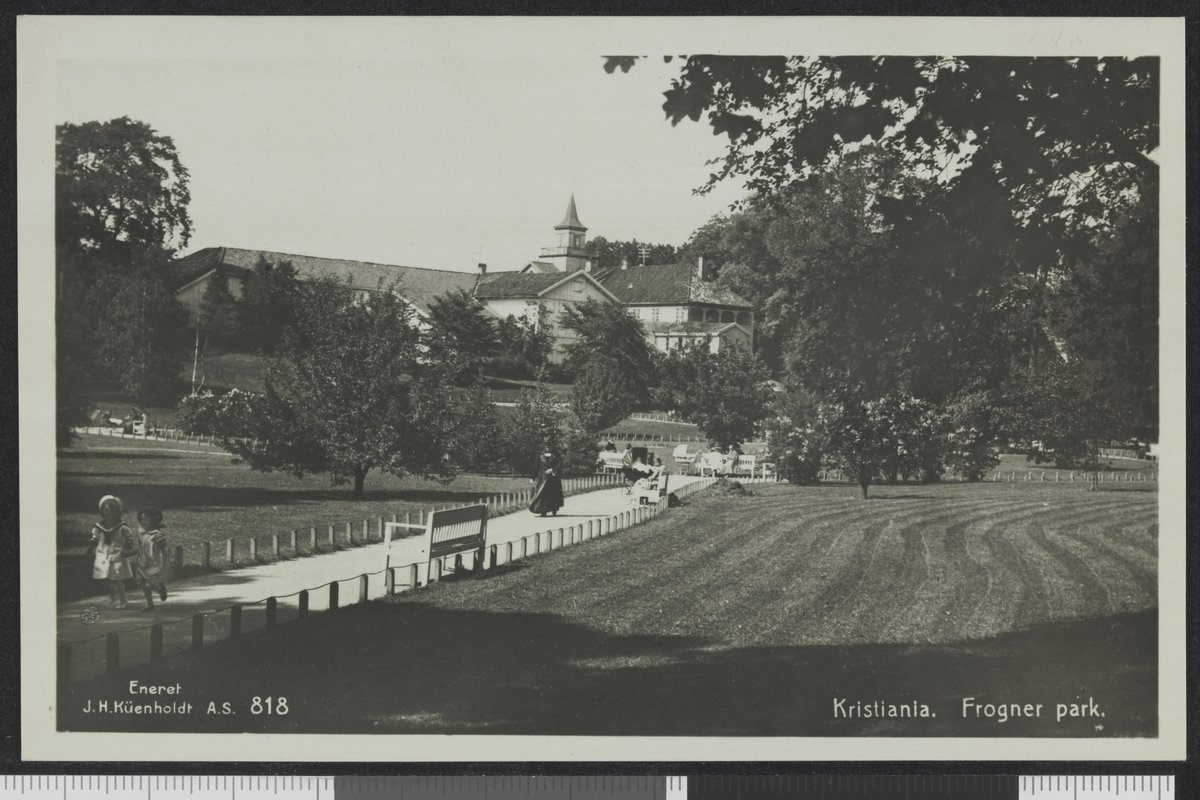
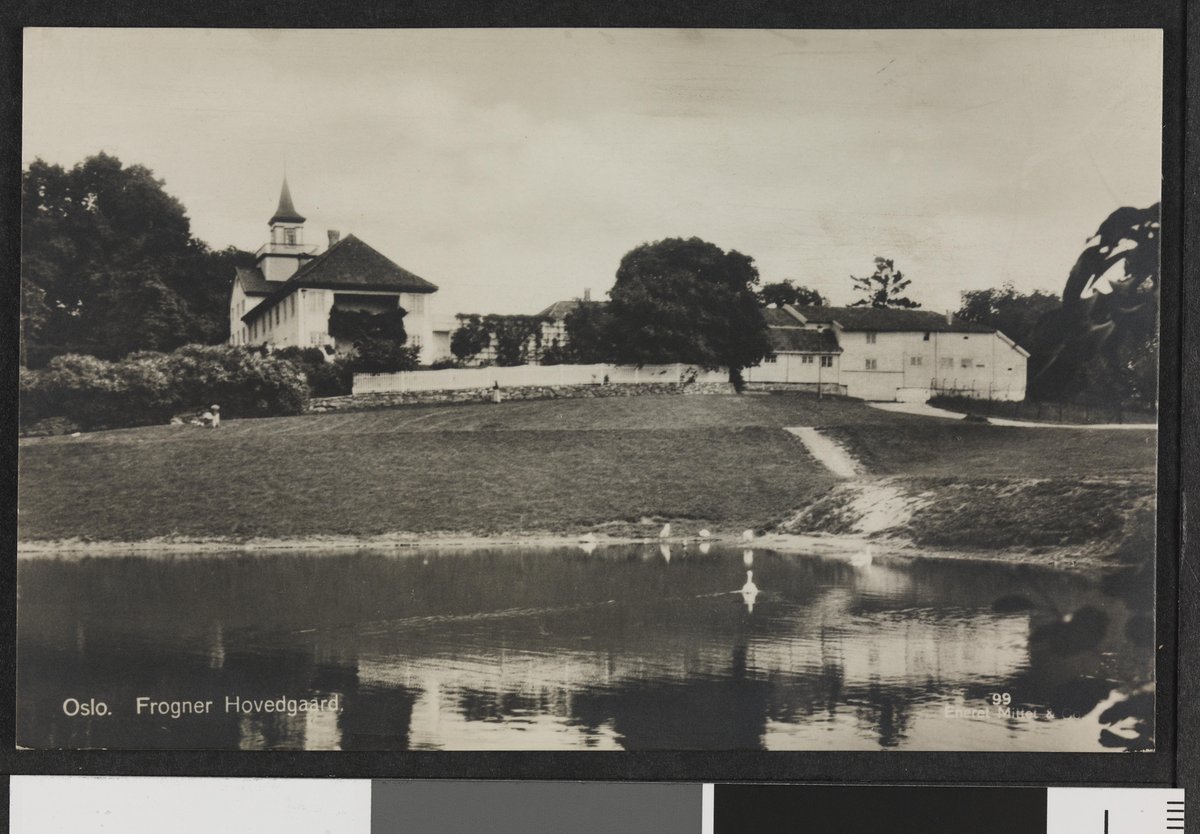
Origins and Early History
Frogner Manor’s history dates back to the 13th century, beginning as a sizable agricultural estate on the outskirts of medieval Christiania (now Oslo). The name “Frogner” is derived from the Old Norse “Fraunar,” referencing its fertile land. Over centuries, the manor passed through the hands of noble families, most notably the Anker family in the 18th century, who elevated its status from a working farm to a symbol of affluence.
Architectural Evolution
18th-Century Origins and Layout
The main building of Frogner Manor was constructed in the 1750s by Hans Jacob Scheel, featuring late Baroque style elements: a symmetrical façade, central entrance, and elegant proportions. The original estate included farm buildings and a compact baroque garden, distinct from today’s broader park (Wikipedia; Open House Oslo).
Bernt Anker’s Transformations
In 1790, Bernt Anker, a renowned merchant and cultural patron, acquired and transformed the manor. He enlarged the main building, adding the grand “Bernt Anker’s Ballroom,” replete with gilded stuccowork and mirrors, reflecting Rococo and Neoclassical tastes. The gardens were also reimagined, adopting the naturalistic English landscape style (Visit Norway; Evendo).
19th and 20th Century Modifications
Subsequent owners continued to update the manor: a distinctive tower was added in 1848, and in 1950 architect Erling Viksjø designed a new entrance wing. The 1981 expansion by P.O. Fjeld introduced spaces for museum use, all while retaining the manor’s architectural integrity (Open House Oslo).
Interior Design and Artistic Highlights
Frogner Manor’s preserved interiors showcase Rococo, Neoclassical, and Empire styles. The Bernt Anker Ballroom stands out for its opulence, featuring crystal chandeliers and gilded mirrors. The manor displays significant artworks, including portraits by Asta Nørregaard and rare photographs of 19th-century Oslo (Oslo Museum; Visit Norway).
Transition to Public Ownership and Park Development
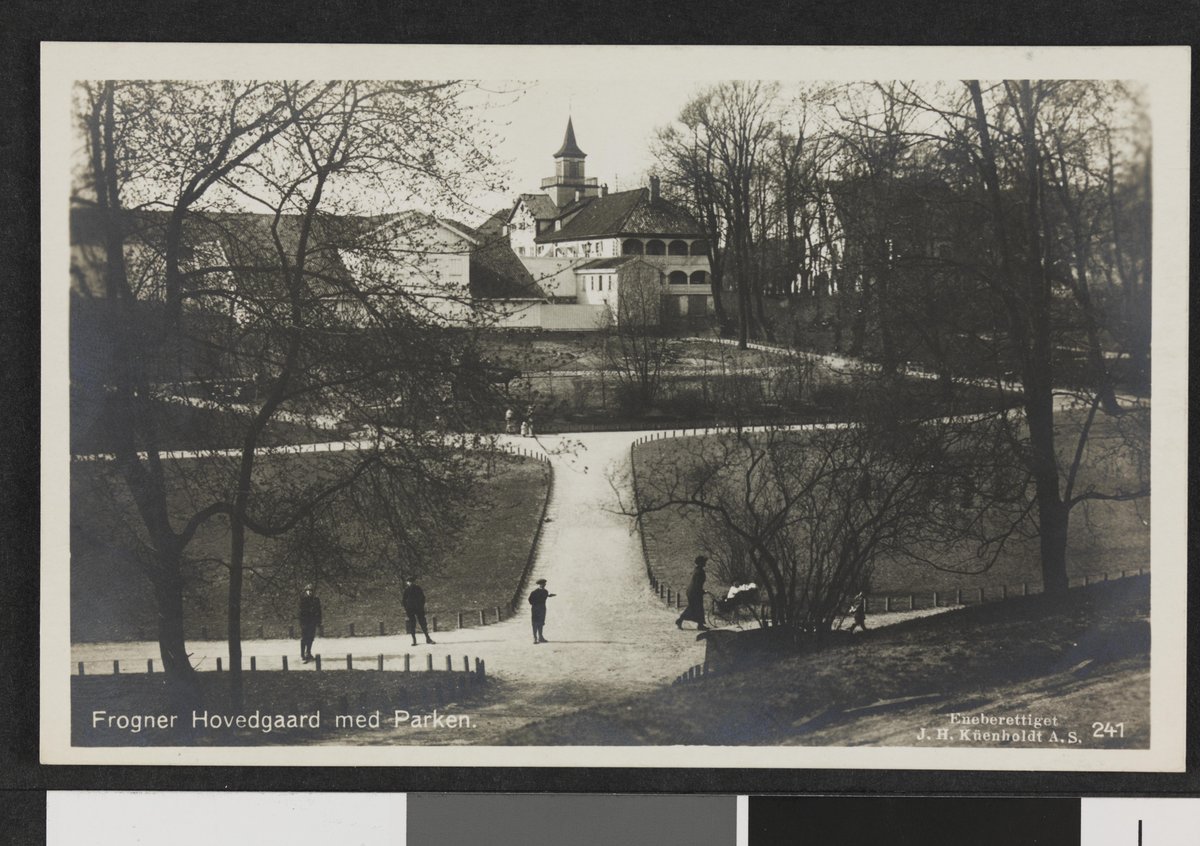
By the late 19th century, urban growth led to the sale of much of Frogner’s land. In 1896, the City of Oslo acquired the estate, converting its grounds into Frogner Park. The manor became the Oslo City Museum in 1909, ensuring its preservation as a historical and cultural landmark (Oslo City Museum).
Visitor Information: Frogner Manor Visiting Hours, Tickets, and Accessibility
- Location: Halvdan Svartes gate 58, 0266 Oslo, Norway
- Opening Hours: Generally Tuesday–Sunday 11:00 AM–4:00 PM (check Oslo Museum for seasonal changes)
- Tickets: Adults NOK 120; students NOK 60; free for youth under 26; Oslo Pass accepted; free admission on the first Thursday of each month; some special exhibitions require separate admission (Oslo Museum)
- Accessibility: Main areas are wheelchair accessible; contact in advance for specific needs
- Getting There: Tram 12 or 13 to “Frogner plass” stop; bus 20; Majorstuen metro station nearby; limited street parking (Visit Norway)
Guided Tours and Visitor Tips
- Guided Tours: Offered in Norwegian and English, mainly on Sundays and special occasions; no booking required but capacity is limited (Open House Oslo)
- Self-Guided Visits: Informational brochures and signage available in several languages
- Photography: Permitted in most areas; avoid flash to protect interiors
- Best Time to Visit: Summer (June–August) for extended hours and events; early mornings or weekdays for fewer crowds
- Family-Friendly: The park and manor are suitable for families, with playgrounds and open spaces for children
Nearby Attractions
- Vigeland Sculpture Park: Home to over 200 Gustav Vigeland sculptures; free and open year-round (Guide to Europe)
- Vigeland Museum: Dedicated to the artist’s life and work
- Frognerbadet: Open-air swimming pool (summer)
- Frogner Stadium: Historic sports venue
- Oslo Tramway Museum: Transport history
- Colosseum Kino: Historic cinema
- Frogner Neighborhood: Upscale shops, cafés, and bakeries (Working with Norwegians)
Cultural Significance and Heritage
Frogner Manor’s preserved period rooms and art collections immerse visitors in the city’s aristocratic and agricultural past. As the Oslo City Museum, it documents Oslo’s transformation through artifacts, archival photographs, and exhibitions. The manor is a vibrant venue for cultural events, making Oslo’s heritage accessible to all (Oslo City Museum).
Notable Events and Residents
Bernt Anker’s ownership marked the manor’s golden age, hosting salons and cultural gatherings. In the 20th century, the estate became a site for civic events, exhibitions, and educational programs, maintaining its status as a cultural focal point.
Preservation and Recognition
Frogner Manor is protected under Norwegian heritage laws, with ongoing restoration safeguarding its historical integrity. Its role as the Oslo City Museum has elevated its profile as a leading historical and architectural attraction (Oslo City Museum).
Frogner Park: Setting, Features, and Visitor Tips
Historical Evolution and Landscape
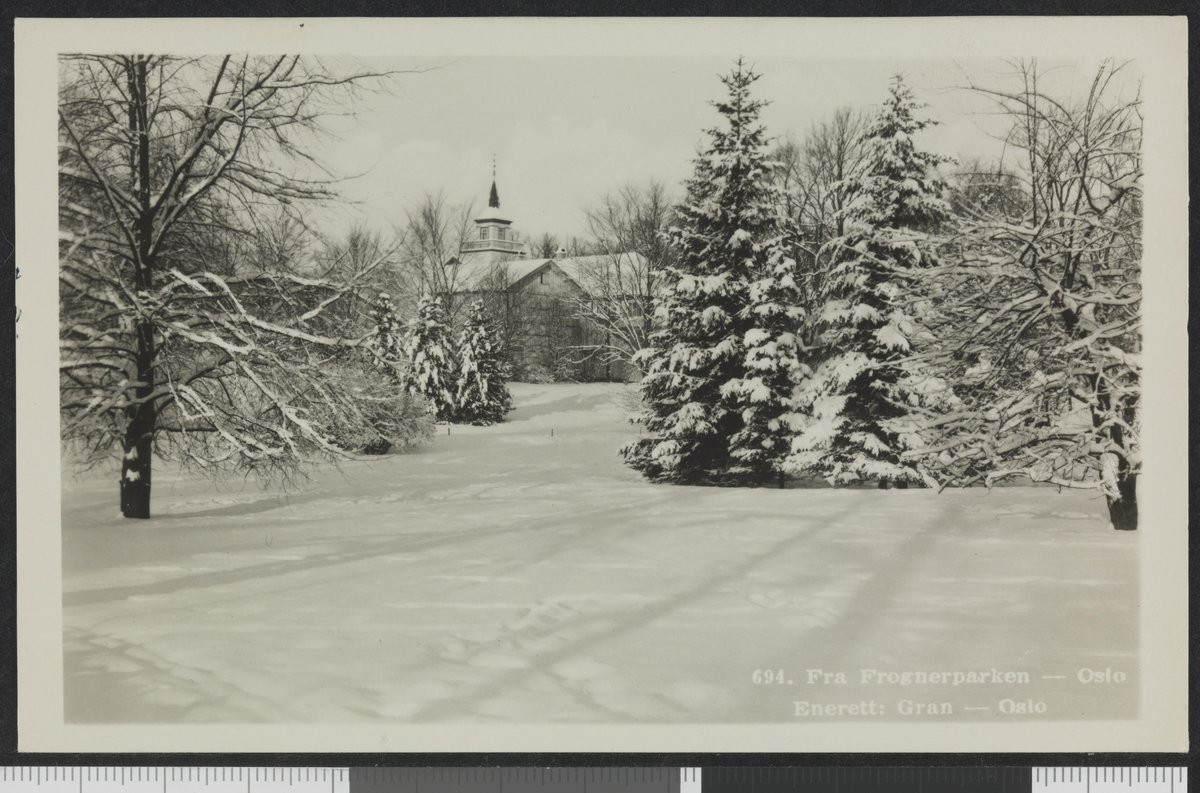
Frogner Park originated in the 18th century as a formal baroque garden, transformed in the 19th century into a romantic landscape. The city acquired the grounds in the early 20th century, opening them to the public. Today, it spans 43 hectares and is Oslo’s largest central park (The Hidden North; Visit Norway).
Accessibility and Facilities
- Open 24/7: Free admission year-round
- Paths: Wheelchair and stroller-friendly
- Restrooms: Available near main entrances
- Picnic Areas: Lawns suitable for picnics; barbecuing allowed in designated areas
- Dog Policy: Dogs permitted on leash
- Dining: Several cafés and kiosks within the park
Botanical and Artistic Highlights
The park features Norway’s largest rose collection, mature trees, and historical buildings like the Utsikten pavilion. The Main Gate (1926) and Vigeland sculptures offer notable architectural and artistic interest (The Hidden North).
Frequently Asked Questions (FAQ)
Q: What are Frogner Manor’s visiting hours?
A: Usually Tuesday–Sunday, 11:00 AM–4:00 PM. Check Oslo Museum for seasonal updates.
Q: How do I buy tickets?
A: On-site or online via Oslo Museum’s website. Oslo Pass accepted.
Q: Is the manor accessible for those with mobility challenges?
A: Most main areas are accessible; contact in advance for specific needs.
Q: Are guided tours available?
A: Yes, in Norwegian and English, mainly on Sundays and during events.
Q: Can I bring my dog?
A: Dogs are welcome in Frogner Park (on leash), but not inside the manor.
Q: When is the best time to visit?
A: Summer offers the most activities and extended hours; weekdays and early hours are quieter.
Visuals and Virtual Tour
Access high-quality images and a virtual tour of Frogner Manor on the Oslo City Museum website. Visuals include the manor’s façade, period rooms, park landscapes, and the Vigeland sculptures, enriching your planning and experience.
Related Articles
- Top Oslo Historical Sites to Visit
- A Guide to Oslo’s Museums
- Exploring Frogner Park: More Than Just a Garden
Plan Your Visit
Make the most of your trip by downloading the Audiala app for audio guides and exclusive content about Frogner Manor and other Oslo attractions. Stay connected via social media for updates and insider tips.
Summary and Travel Advice
Frogner Manor seamlessly bridges Oslo’s historical legacy and contemporary culture. With its preserved architecture, engaging exhibitions, and integration with Frogner Park and the Vigeland Sculpture Park, the manor offers a rich and accessible experience for all visitors. For updated visiting hours, ticketing, and event information, consult the Oslo Museum’s website. Enhance your experience with the Audiala app and by exploring the surrounding park and neighborhood.
Listen to the full story in the app
The whole Frogner Manor,
told well.
Audio guides for 1,100+ cities across 96 countries. History, stories, and local insight — offline ready.
Verified, and shown.
Researched and written by the Audiala editorial team from historical records, architectural archives, and local expertise.
Researched from Wikidata, Wikipedia & official sources · fact-checked · How we make our guides →