Plan and listen to Bygdøy Royal Estate with Audiala.
Audio guide in your pocket, itinerary in your browser. Built for the way you actually visit.
Introduction
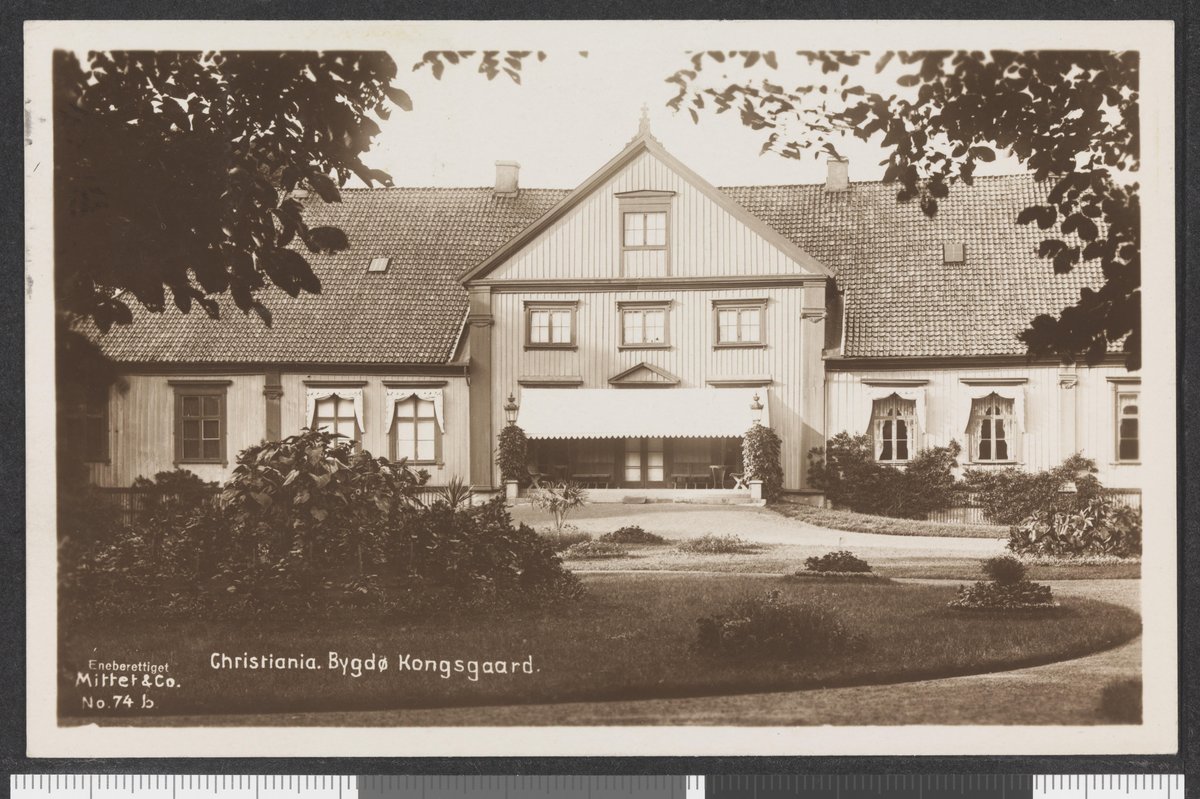
Nestled on the scenic Bygdøy Peninsula just west of Oslo’s city center, the Bygdøy Royal Estate (Bygdø Kongsgård) stands as a testament to nearly 700 years of Norwegian royal history and cultural heritage. As the official summer residence of the Norwegian royal family, the estate encapsulates a unique blend of tradition, sustainable agriculture, and serene landscapes. Visitors can enjoy immersive experiences in royal traditions, stroll through beautifully preserved gardens, and participate in educational programs that highlight Norway’s monarchy and agricultural legacy (Kongehuset; Wikipedia; Visit Norway).
Strategically located among several of Oslo’s renowned museums, Bygdøy Royal Estate is a must-visit for history enthusiasts, families, and travelers seeking an enriching cultural experience. With easy access via public transport and a range of nearby attractions, the estate is a highlight on any Oslo itinerary.

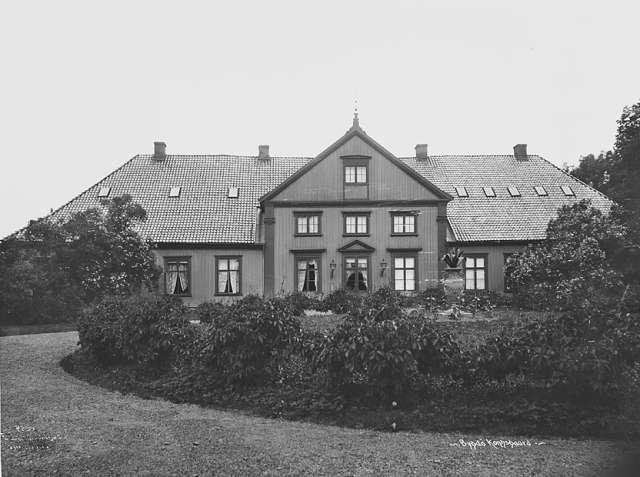
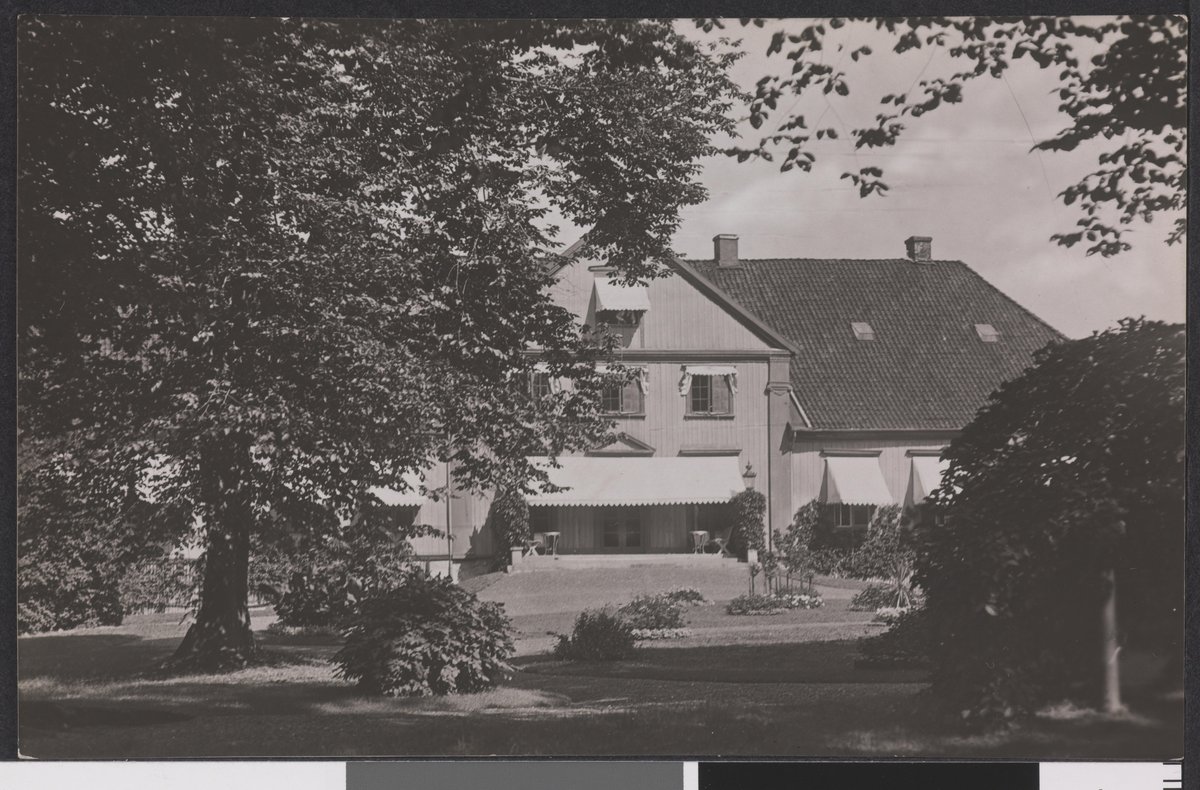
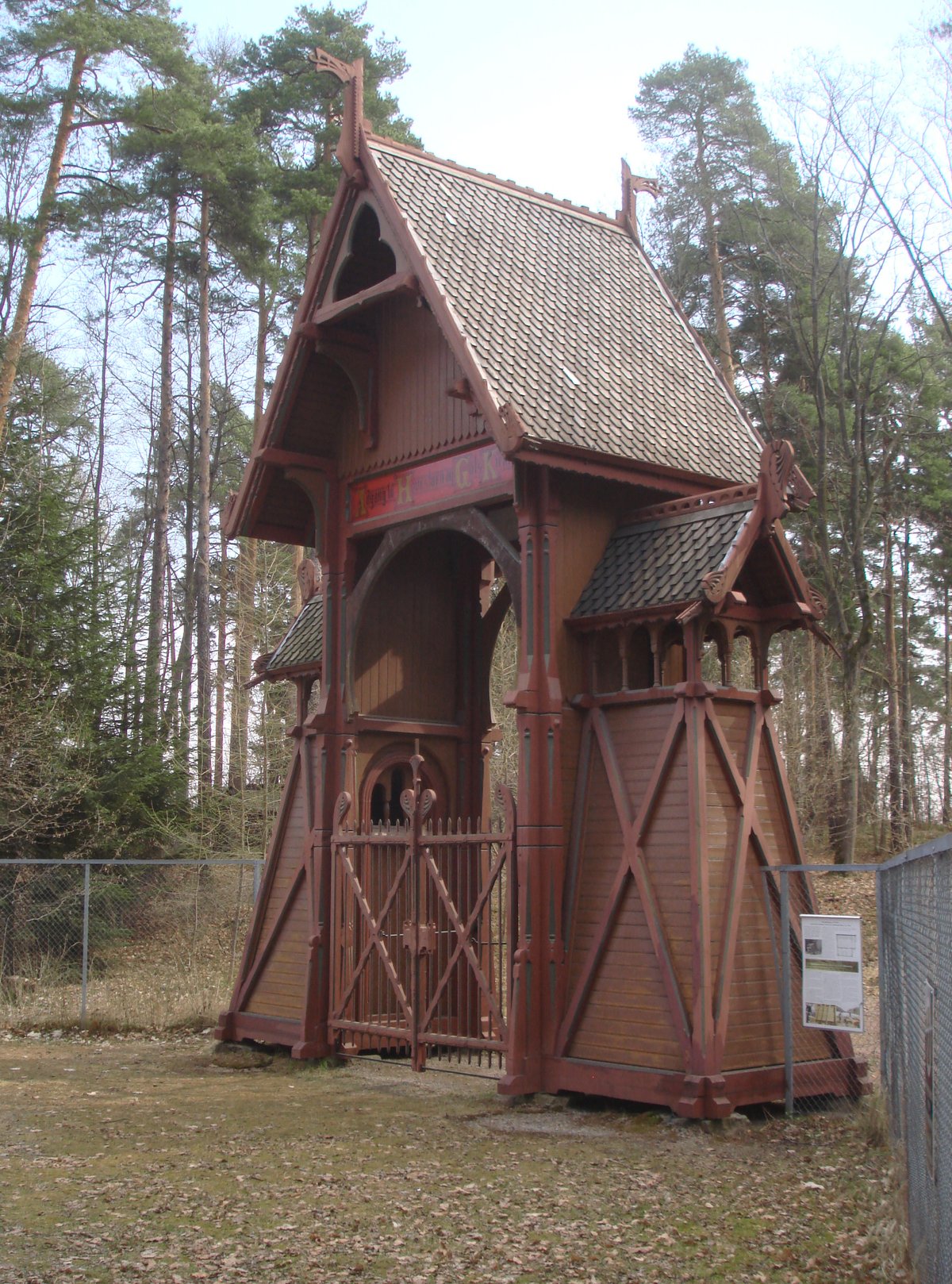
Medieval Origins
The estate’s history dates back to the 14th century when King Haakon V Magnusson gifted the property to Queen Eufemia, marking the beginning of its royal association (Kongehuset). Throughout the centuries, Bygdøy Royal Estate has mirrored the evolution of Norwegian monarchy and politics, serving as a royal farm, country estate, and, in modern times, a symbol of the nation’s identity.
Evolution as a Country Estate
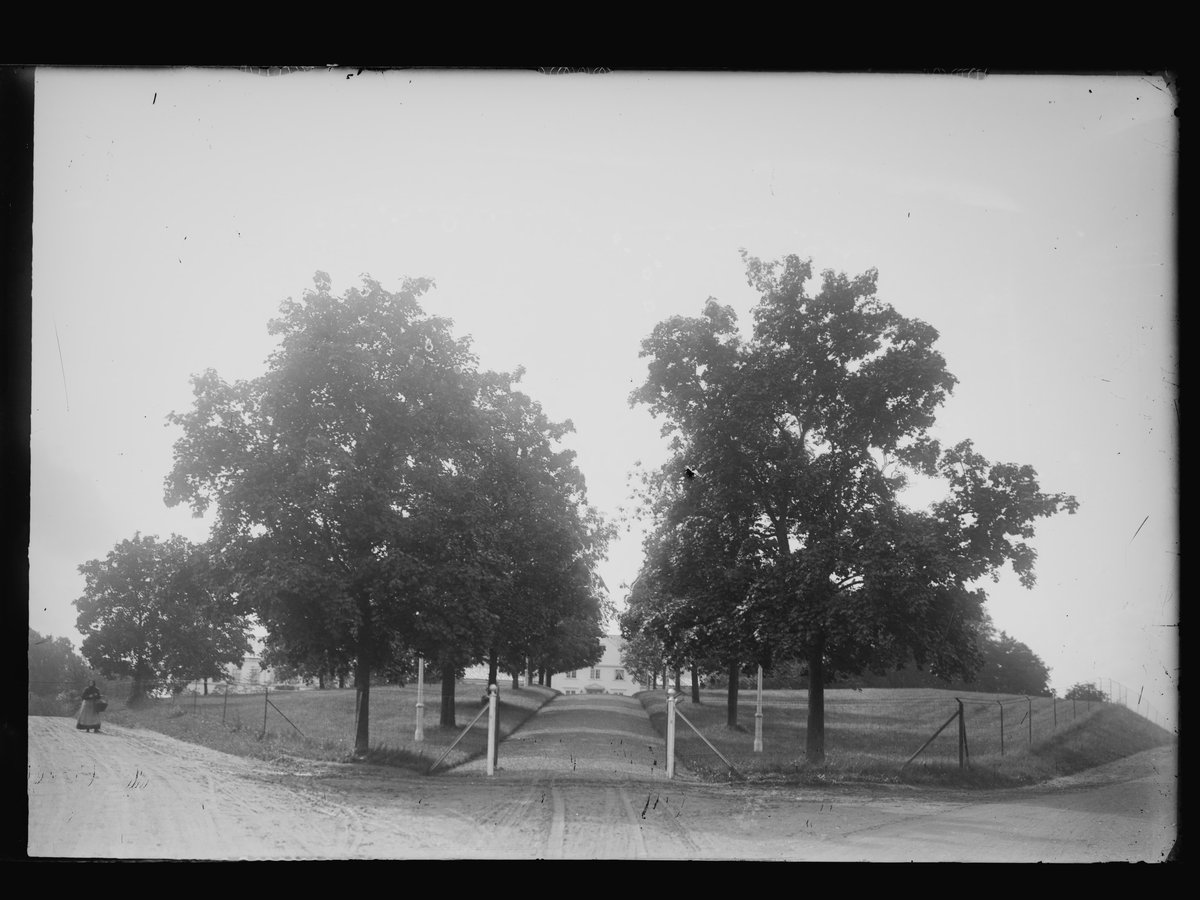
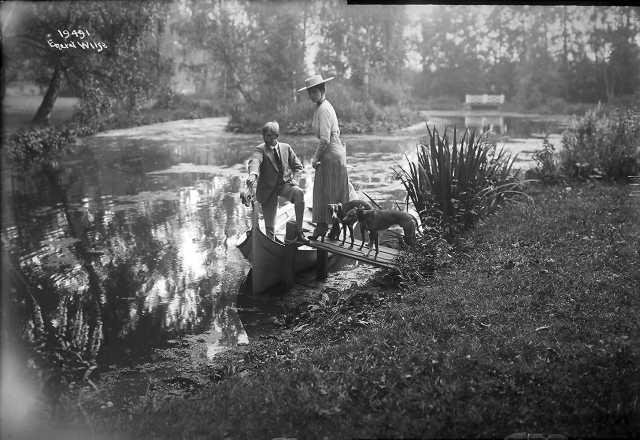
By the 17th and 18th centuries, the estate had become a popular summer retreat for the nobility, and its architecture and gardens reflected prevailing European trends. Originally designed in the French Baroque style, the gardens were later transformed into English naturalistic landscapes, complete with an enlarged ornamental lake (Kongehuset).
Political Significance
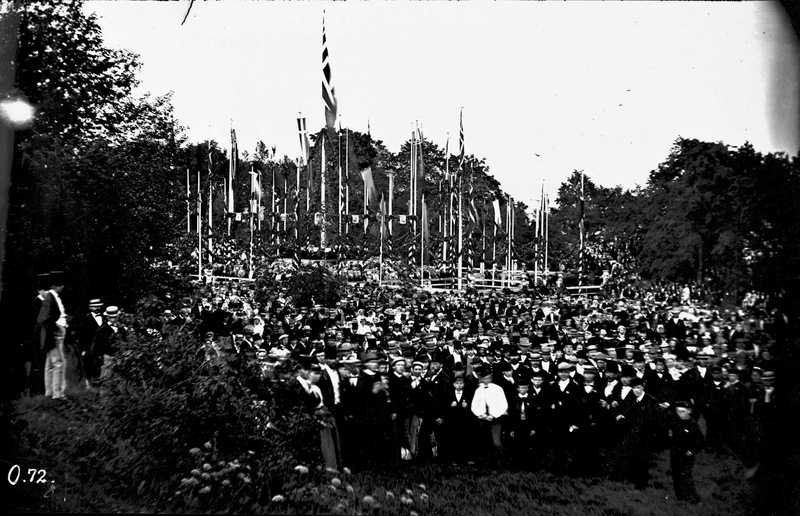
The estate played a pivotal role during Norway’s declaration of independence in 1814, notably witnessing the abdication of King Christian Frederik. It continued to be a focal point for royal and national events throughout the 19th and 20th centuries, including serving as a summer residence for King Haakon VII and Queen Maud after Norway’s independence from Sweden in 1905 (Unofficial Royalty).
Modern Stewardship and Public Access
Today, Bygdøy Royal Estate is formally state-owned but remains at the king’s disposal. Managed in partnership with the Norwegian Folk Museum, the estate is celebrated for its organic farming and public engagement initiatives, with seasonal access to its parklands and farm buildings (Visit Norway).
Visiting Bygdøy Royal Estate: Hours, Tickets, and Access
Visiting Hours
- Public Access: The grounds and parklands are open year-round, 24/7, and free of charge.
- Farm Buildings: Open Saturdays, March–June and August–October, from 12:00–16:00.
- Main Manor House: Remains private and is not open for regular public visits.
- Special Events: Occasional open days or guided tours may take place; check the official Royal Court website or Norwegian Folk Museum for updates.
Tickets
- General Admission: Free for the estate grounds and farmyard on open days.
- Guided Tours/Events: May require tickets, typically NOK 100–200. Advance booking is recommended for special programs.
Accessibility
- Wheelchair-accessible paths are available throughout most of the grounds and farmyard.
- Visitor centers nearby offer additional assistance; contact in advance for specific needs.
- Parking is available, and public transport from Oslo city center is frequent and convenient (Visit Norway).
Architectural and Landscape Heritage
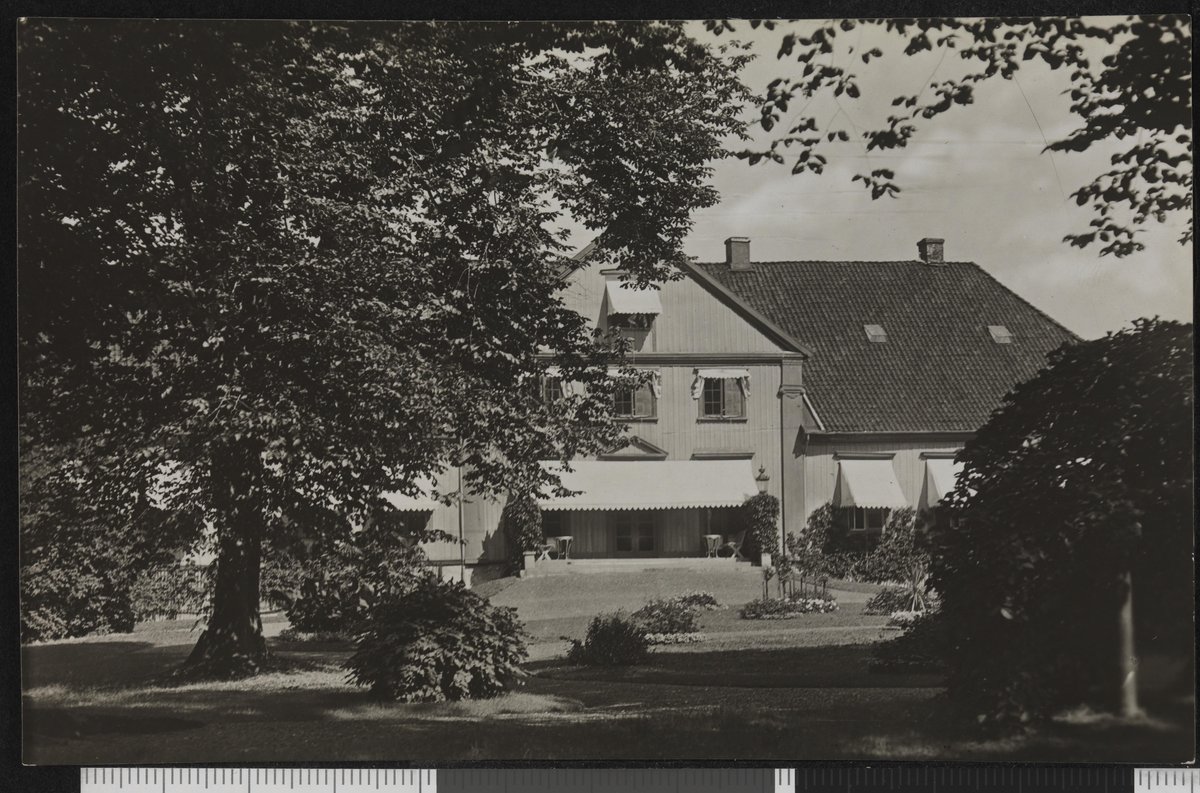
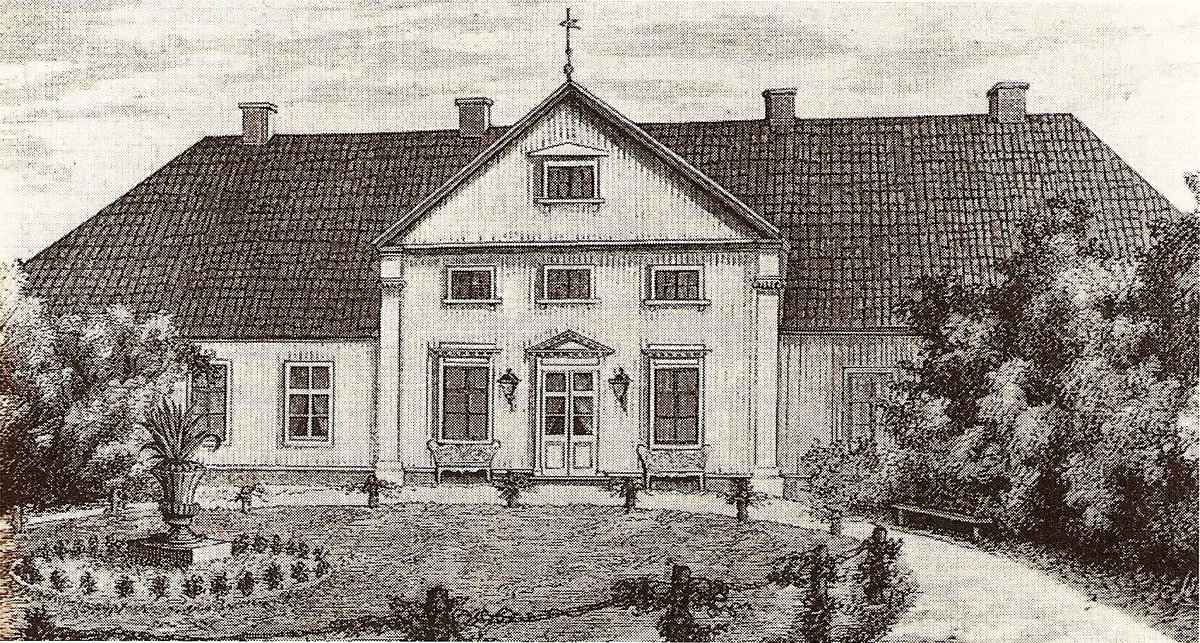
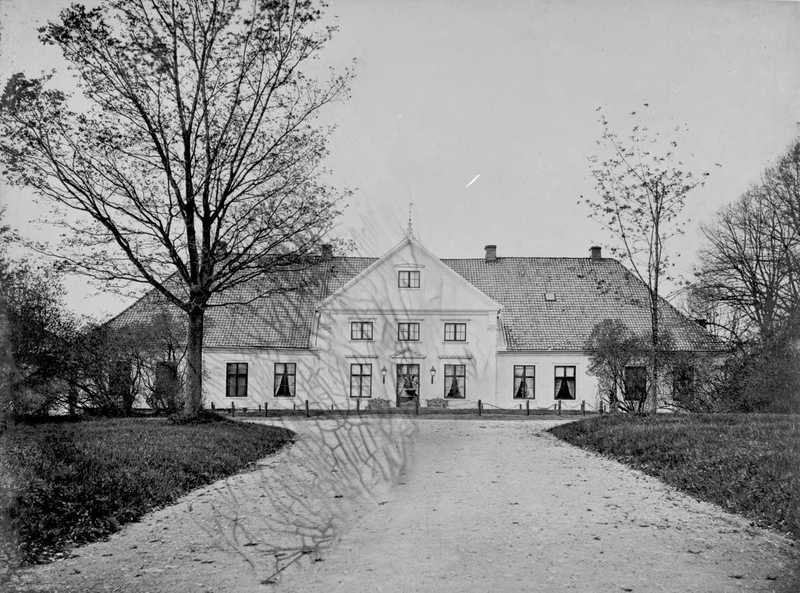
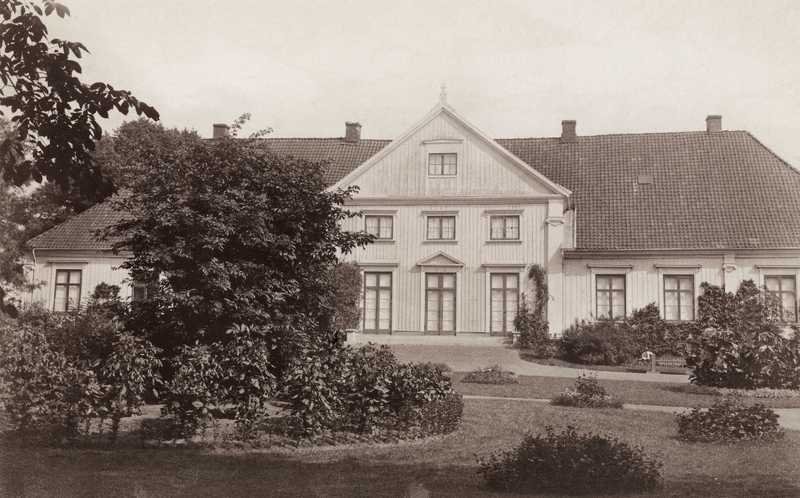
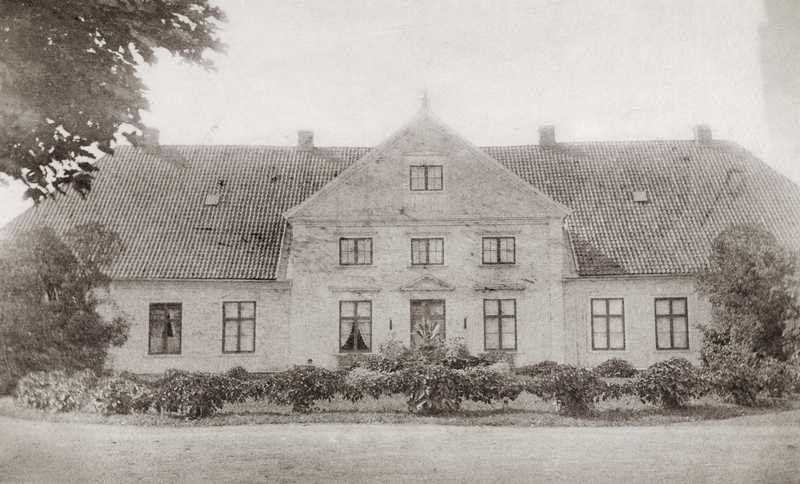
The estate’s main house and gardens are prime examples of Norwegian country estate architecture, blending Baroque symmetry with English-style naturalism. Restoration efforts ensure these elements are preserved, maintaining the estate's dual role as both a royal residence and a public heritage site (Kongehuset).
Cultural and Educational Value
Bygdøy Royal Estate is not only a royal retreat but also Oslo’s largest organic dairy producer. The farm supplies organic milk, fruit, and homemade jams to the city, integrating heritage preservation with sustainable agriculture (Wikipedia; WhichMuseum). Public workshops, school programs, and seasonal events foster a deeper understanding of Norwegian traditions and environmental stewardship.
The estate collaborates with local schools and offers family-friendly activities, especially during spring and autumn weekends. The gardener’s house café welcomes visitors for light refreshments on open days.
Travel Tips and Getting There
- By Bus: Line 30 runs year-round from Oslo Central Station to Bygdøy Peninsula.
- By Ferry: Seasonal ferries (mid-March to mid-October) depart from City Hall Pier 3, with stops near the estate and museums. Ferry tickets are 50 NOK one-way/75 NOK round-trip (adults); discounts for children and Oslo Pass holders (The Hidden North).
- Best Visiting Times: Late spring to early autumn for vibrant gardens and active farm life. Arrive early to avoid crowds, especially on weekends.
Nearby Attractions
Bygdøy Peninsula is Oslo’s "museum island," home to several top cultural attractions:
- Norwegian Museum of Cultural History (Norsk Folkemuseum): Open-air museum with over 150 historic buildings and a stave church (Official Norsk Folkemuseum site).
- Oscarshall Summer Palace: Guided tours in summer, featuring Norwegian art (Royal Court - Oscarshall).
- Fram Museum: Explore Norway’s polar exploration history (Fram Museum official site).
- Kon-Tiki Museum: Dedicated to Thor Heyerdahl’s expeditions (Kon-Tiki Museum official site).
- Viking Ship Museum: Currently closed for renovation, reopening in 2025 (Official Viking Ship Museum site).
- Norwegian Maritime Museum: Maritime heritage and shipbuilding (Norwegian Maritime Museum).
- Beaches and Trails: Huk, Paradisbukta, and forested paths ideal for outdoor activities (Life in Norway).
Practical Visitor Information
| Feature | Details |
|---|---|
| Location | Bygdøy peninsula, west of Oslo city center |
| Public Transport | Bus 30 (year-round), Ferry from City Hall Pier 3 (mid-March to mid-October) |
| Ferry Ticket Prices | 50 NOK one-way, 75 NOK round-trip (adults); 50% discount for children/seniors; Oslo Pass free |
| Park Access | Year-round, free of charge |
| Main House Access | Not open to public; occasional special events |
| Facilities | Walking/cycling trails, picnic areas, nearby restrooms and cafés at museums |
| Nearby Attractions | Norwegian Folk Museum, Oscarshall, beaches, other museums |
| Best Visiting Season | Late spring to early autumn |
| Website for Updates | Royal Court, Visit Norway |
Frequently Asked Questions (FAQ)
Q: Do I need a ticket to visit Bygdøy Royal Estate?
A: No ticket is required for the grounds and park; guided tours and special events may require advance booking and payment.
Q: When is the estate open to the public?
A: The park and grounds are open year-round. The farm buildings are open on Saturdays from March–June and August–October, 12:00–16:00.
Q: Is the estate accessible for visitors with disabilities?
A: Yes, most of the park and farmyard are wheelchair-accessible; some paths may be uneven.
Q: How do I get to Bygdøy Royal Estate from Oslo city center?
A: Take Bus 30 year-round or the seasonal ferry from City Hall Pier 3.
Q: Can I tour the main manor house?
A: The manor house is private and not open to the public, except on rare special occasions.
Sustainability and Visitor Etiquette
Bygdøy Royal Estate is committed to sustainable agriculture and heritage conservation. Visitors are encouraged to respect barriers, stay on marked paths, and observe grazing livestock from a distance. Dogs must be leashed, and picnics are welcome in designated areas. Dispose of litter responsibly to preserve the estate’s natural beauty.
Final Tips and Summary
Bygdøy Royal Estate offers a unique opportunity to experience Norway’s royal legacy and rural tranquility in the heart of Oslo. With free, year-round access to the grounds, an array of cultural events, and a setting rich in natural and historical significance, it is an essential stop for travelers wishing to explore Oslo’s heritage. Combine your visit with the peninsula’s world-class museums and outdoor attractions for a comprehensive Oslo experience (Kongehuset; Visit Norway; The Hidden North).
Stay informed about seasonal events by checking official websites, and consider using travel apps for interactive maps and audio guides. For more on Oslo’s historical sites and culture, explore our related articles and download the Audiala app.
Listen to the full story in the app
The whole Bygdøy Royal Estate,
told well.
Audio guides for 1,100+ cities across 96 countries. History, stories, and local insight — offline ready.
Verified, and shown.
Researched and written by the Audiala editorial team from historical records, architectural archives, and local expertise.
Researched from Wikidata, Wikipedia & official sources · fact-checked · How we make our guides →