Plan and listen to 22 July Information Center with Audiala.
Audio guide in your pocket, itinerary in your browser. Built for the way you actually visit.
Introduction
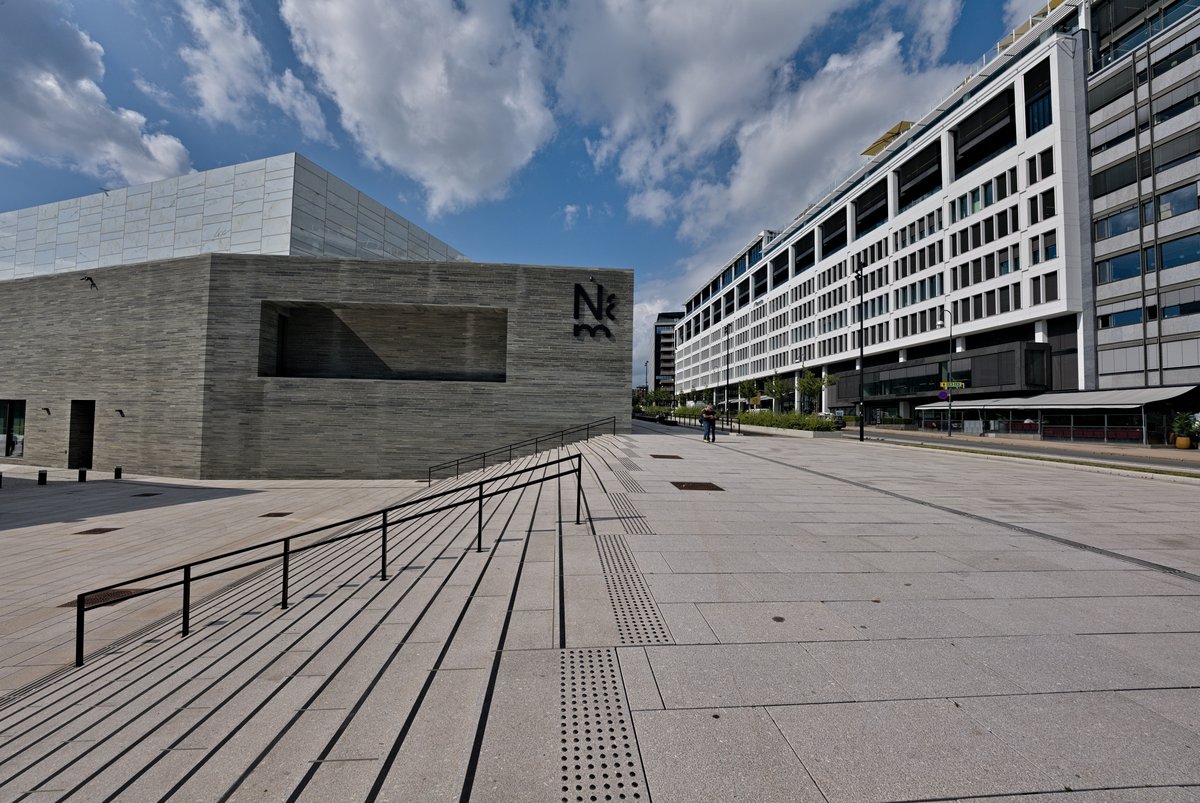
The 22 July Information Center (22. juli-senteret) in Oslo stands as a significant memorial and educational resource, commemorating the tragic events of July 22, 2011—the deadliest attack in Norway since World War II. Located in Oslo’s government quarter, near the site of the Oslo bombing, the Center provides a profound and reflective experience through exhibitions, survivor testimonies, and educational initiatives. Its mission is to foster understanding about democracy, extremism, and resilience. With free admission and extensive accessibility features, the Center serves not only as a place of remembrance but also as a national platform for dialogue and learning about the broader societal implications of the attacks. For more information on visiting details and the cultural significance of the Center, see the 22 July Centre official site, Wikipedia, and VisitOSLO.
Historical Background: The 22 July 2011 Attacks
On July 22, 2011, Norway suffered two coordinated attacks by far-right extremist Anders Behring Breivik. A car bomb detonated in Oslo’s Government Quarter at 15:25 CEST, killing eight and injuring over 200. This was followed by a mass shooting at a youth camp on Utøya Island, resulting in 69 deaths—most of them teenagers. In total, 77 people lost their lives, marking a somber milestone in Norwegian history (Wikipedia).
National Response and Memorialization
The attacks sparked a wave of mourning and solidarity across the country, epitomized by the “rose march” in Oslo, which drew around 200,000 participants. Political leaders, including then-Prime Minister Jens Stoltenberg, called for “more democracy, more openness, and more humanity” in response to the tragedy (CNN).
Long-term impacts included legal reforms, stronger emergency preparedness, and ongoing discussions about extremism and inclusion (Radicalisation Research). Permanent and temporary memorials in Oslo and on Utøya Island continue to honor the victims (Wikipedia).
The 22 July Information Center: Purpose, Exhibitions, and Educational Role
Mission and Establishment
Established in 2015 under the Ministry of Education and Research, the 22 July Information Center’s mission is threefold:
- Commemoration: Honoring victims and survivors.
- Education: Informing the public, especially youth, about the attacks and their context.
- Democratic Engagement: Promoting critical dialogue on democracy, extremism, and Norwegian values.
The Center functions as a national resource and a platform for learning and civic engagement (regjeringen.no).
Exhibition Features
The permanent exhibition, "The Public Conversation About 22 July," presents:
- Chronological Timeline: Minute-by-minute accounts with multimedia, news footage, and survivor testimonies.
- Personal Stories: Video interviews, narratives, and artifacts from survivors, families, and first responders.
- Contextual Analysis: Interactive panels exploring the perpetrator’s background and the rise of right-wing extremism in Europe.
- Aftermath and Response: Documentation of national and international reactions, changes in policy, and reconciliation efforts.
All content is available in Norwegian and English. Temporary exhibitions and public events are frequently hosted in collaboration with educational and civil society organizations.
Visiting the 22 July Information Center and Memorial Sites
Location and Accessibility
- Address: Teatergata 10, 0180 Oslo, Norway (in the government quarter).
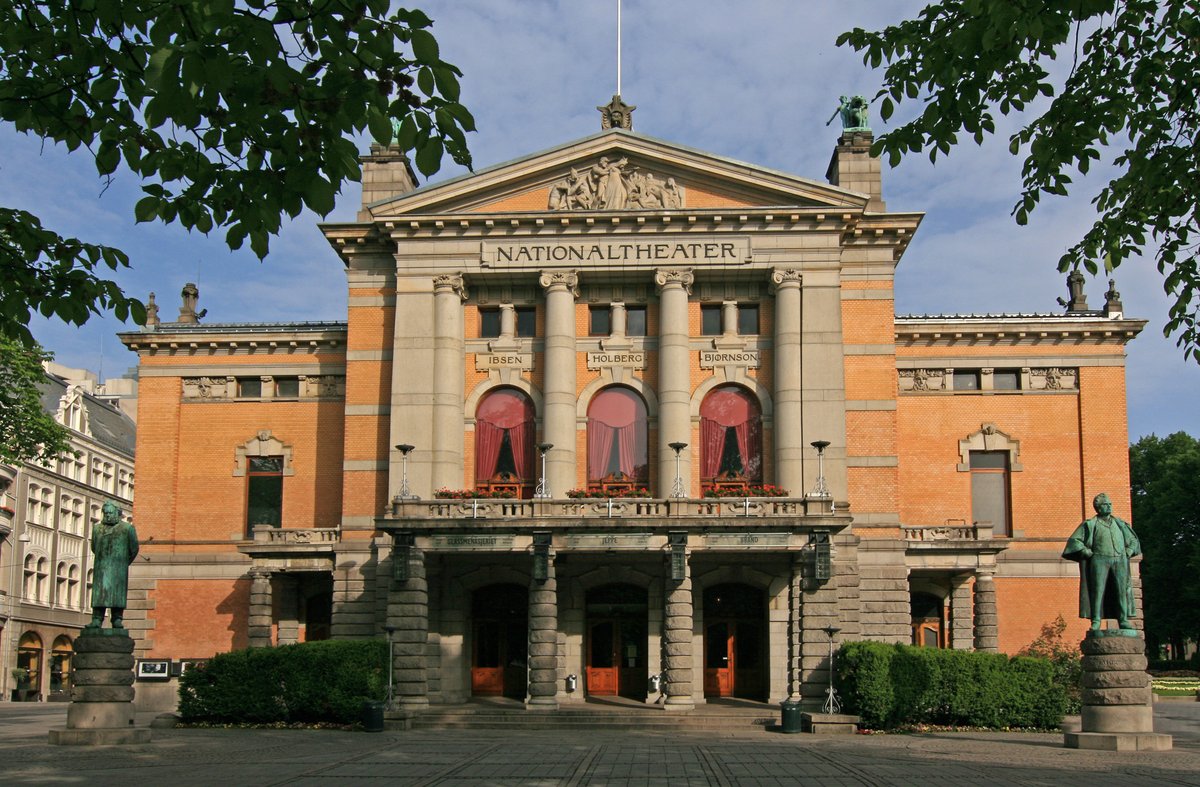
- Public Transport: Easily accessible via Oslo’s tram, bus, and metro network. Nearest stops include ‘Stortorvet’ (tram/bus) and ‘Nationaltheatret’ (metro).
- Wheelchair Access: The Center is fully accessible, with elevators, ramps, and adapted restrooms.
Opening Hours and Admission
- Opening Hours: Tuesday to Sunday, 11:00 AM – 4:00 PM (closed Mondays). Extended hours may apply during the summer; check the official website for updates.
- Admission: Free for all visitors. Group visits and guided tours should be booked in advance, especially during peak seasons.
Memorials in Oslo and Utøya
- Oslo Memorial: The temporary national memorial at Johan Nygaardsvolds plass was unveiled in 2016, with plans for a permanent memorial in progress (Wikipedia).
- Utøya Memorial: Located on the shores of Tyrifjorden, the memorial can be visited by guided boat tours from Utøykaia, about 40 minutes from Oslo. Access may be affected by terrain or ongoing construction.
Educational Programs and Public Engagement
The Center offers:
- Guided Tours: For pre-booked groups or schools, led by trained educators.
- Workshops: Interactive sessions on democracy, extremism, and civic responsibility.
- Teacher Resources: Materials for classroom integration before and after visits.
Public lectures, panel discussions, and international collaborations further the Center’s role as a hub for dialogue and remembrance (C-REX, University of Oslo).
Practical Visitor Information
- Languages: Norwegian and English; other languages may be available upon request.
- Photography: Restricted in certain areas. Please observe signage and ask staff for guidance.
- Quiet Zones: Reflection rooms are provided to process emotions.
- Nearby Attractions: Oslo Cathedral, Nobel Peace Center, Akershus Fortress, and the Norwegian Resistance Museum are all within walking distance.
Tips for a Meaningful Visit
- Prepare emotionally for the content, and use quiet reflection spaces if needed.
- Discuss the visit with children beforehand and supervise them during your visit.
- Engage with staff for additional context or support.
- Consider combining your trip with other Oslo historical sites to deepen your understanding of Norwegian history.
Frequently Asked Questions (FAQ)
Q: Is admission free?
A: Yes, entry is free for all visitors.
Q: What are the opening hours?
A: Tuesday to Sunday, 11:00 AM – 4:00 PM; closed Mondays. Check the official website for updates.
Q: Are guided tours available?
A: Yes, for pre-booked groups and educational institutions.
Q: Is the Center accessible for people with disabilities?
A: Yes, the Center is fully accessible.
Q: Can I take photographs?
A: Photography is restricted in some areas; always follow posted guidelines.
Q: Is the Center suitable for children?
A: The exhibition contains sensitive material. Families should assess emotional readiness before visiting.
Quick Facts
- Location: Teatergata 10, 0180 Oslo, Norway
- Opening Hours: Tuesday–Sunday, 11:00 AM–4:00 PM; closed Mondays
- Admission: Free
- Permanent Exhibition: "The Public Conversation About 22 July"
Listen to the full story in the app
The whole 22 July Information Center,
told well.
Audio guides for 1,100+ cities across 96 countries. History, stories, and local insight — offline ready.

Verified, and shown.
Researched and written by the Audiala editorial team from historical records, architectural archives, and local expertise.
Researched from Wikidata, Wikipedia & official sources · fact-checked · How we make our guides →