Plan and listen to University Museum Of Bergen with Audiala.
Audio guide in your pocket, itinerary in your browser. Built for the way you actually visit.
Introduction
The University Museum of Bergen is a distinguished institution at the heart of Bergen, Norway, offering visitors a deep dive into the region’s natural and cultural history. Established in 1825, the museum has played a pivotal role in preserving and interpreting Norway’s scientific, artistic, and historical heritage. With collections spanning from Viking Age artifacts to contemporary exhibitions and a renowned botanical garden, it stands as both a historical landmark and an active center for education and research. This comprehensive guide provides essential information on visiting hours, tickets, accessibility, and tips for making the most of your experience, while also highlighting the museum’s unique role in Bergen’s academic and cultural landscape. For the most up-to-date details, consult the University Museum of Bergen official website and WhichMuseum.

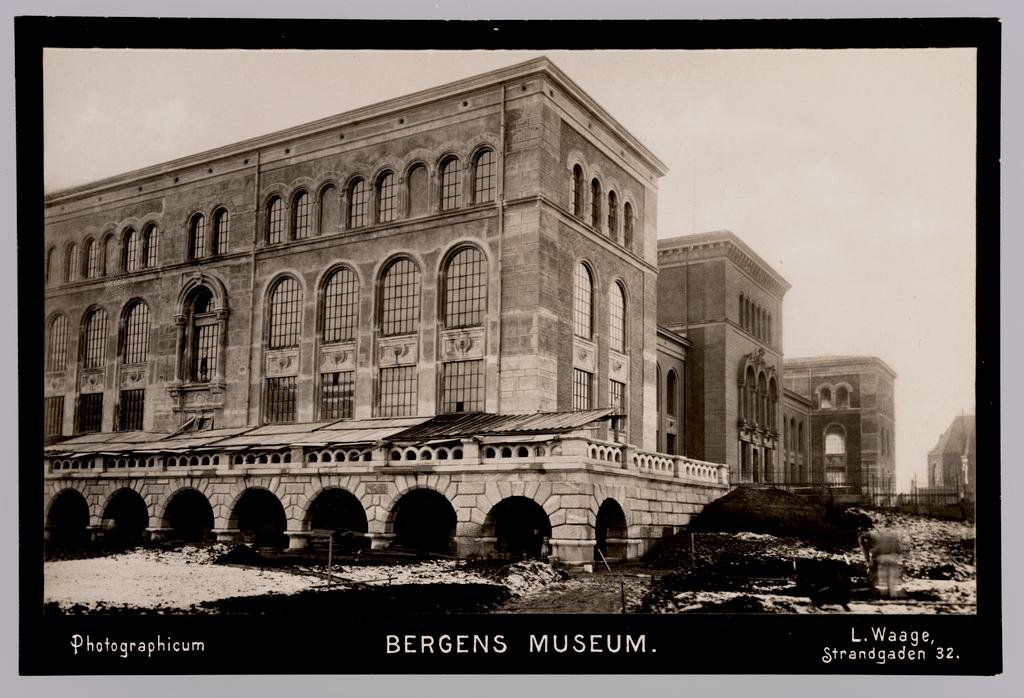
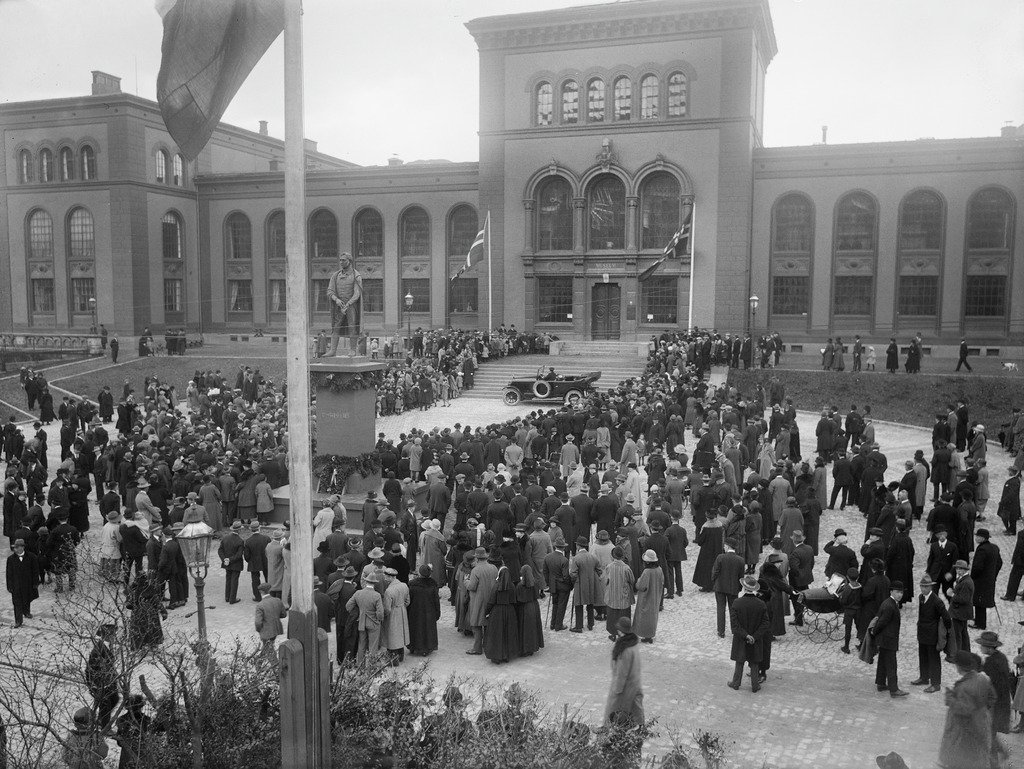
Historical Background
Founding and Early Development
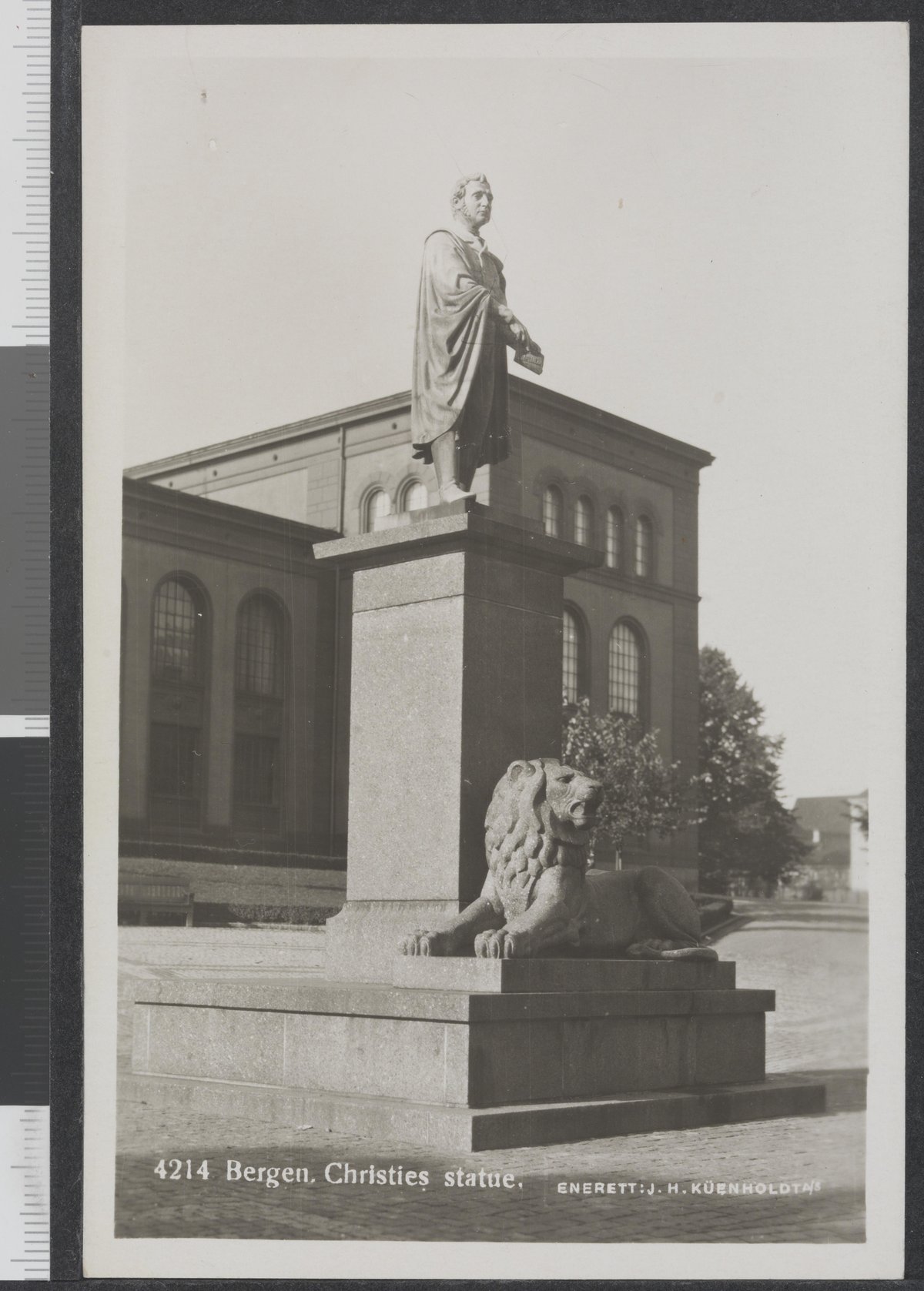
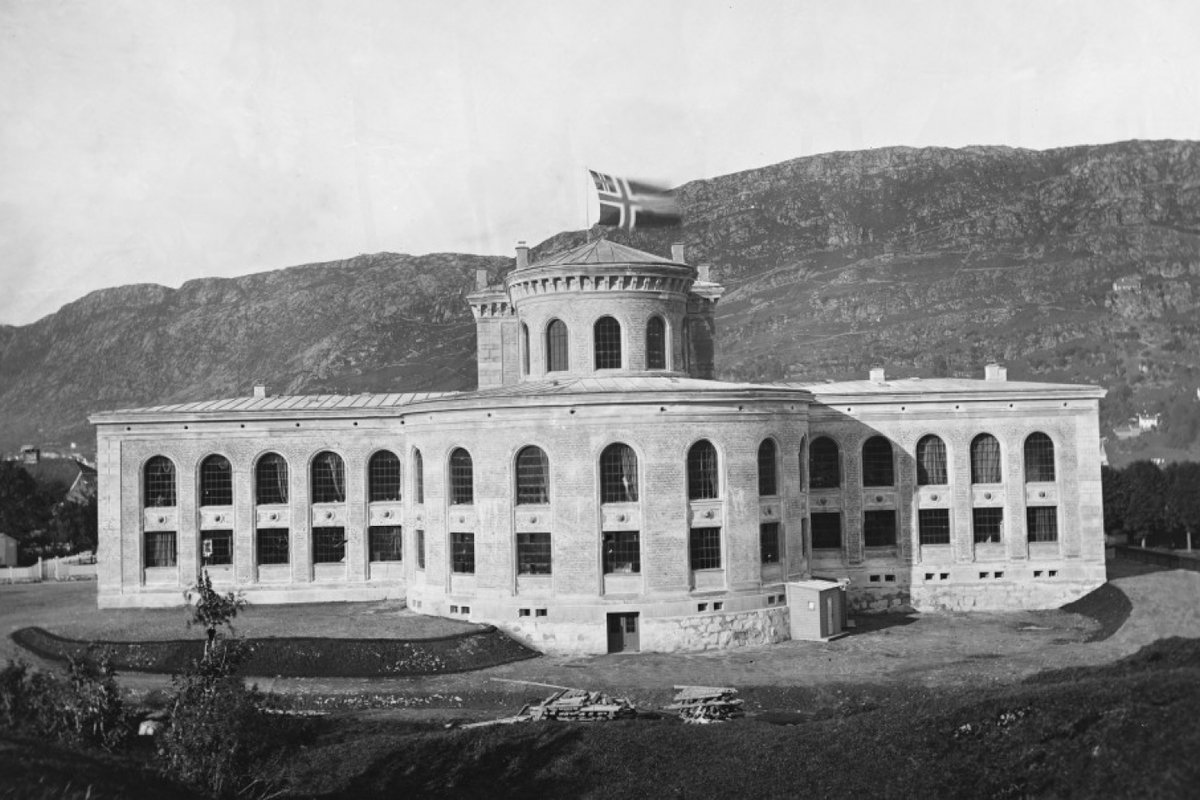
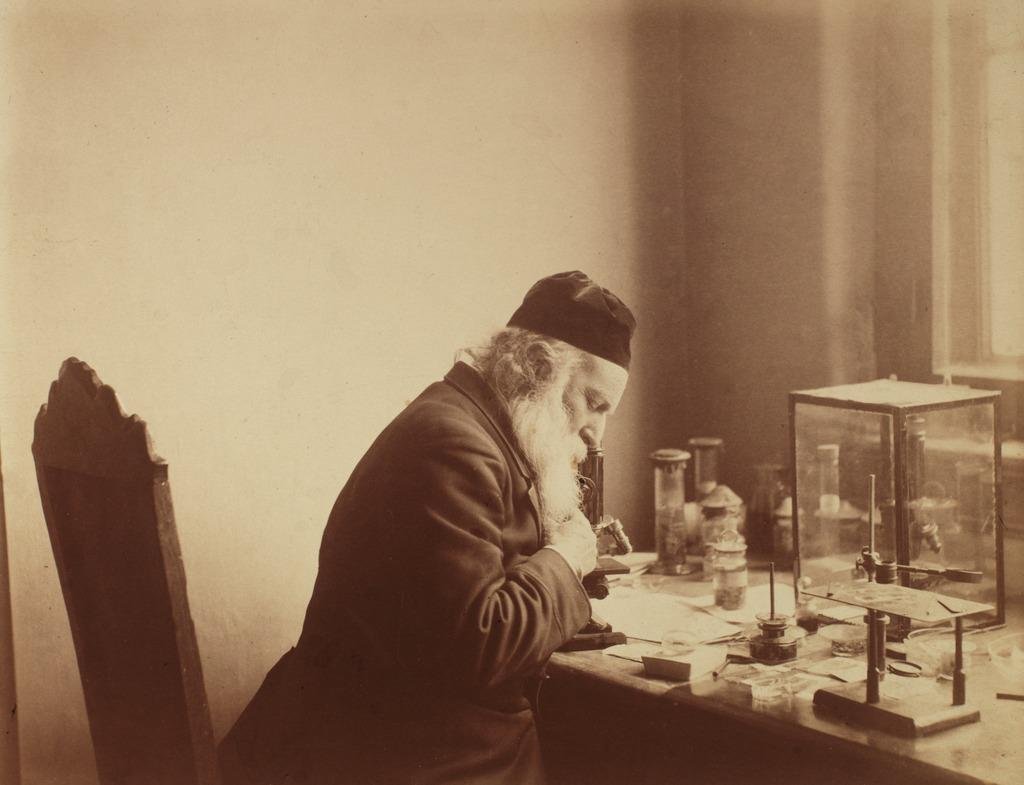
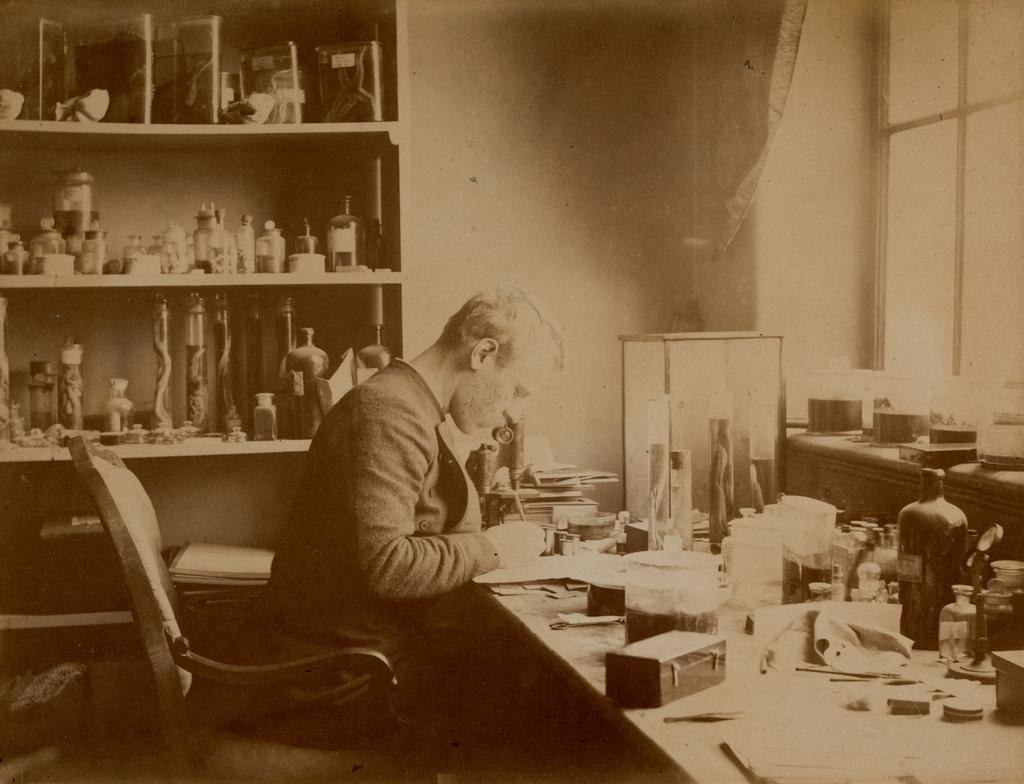
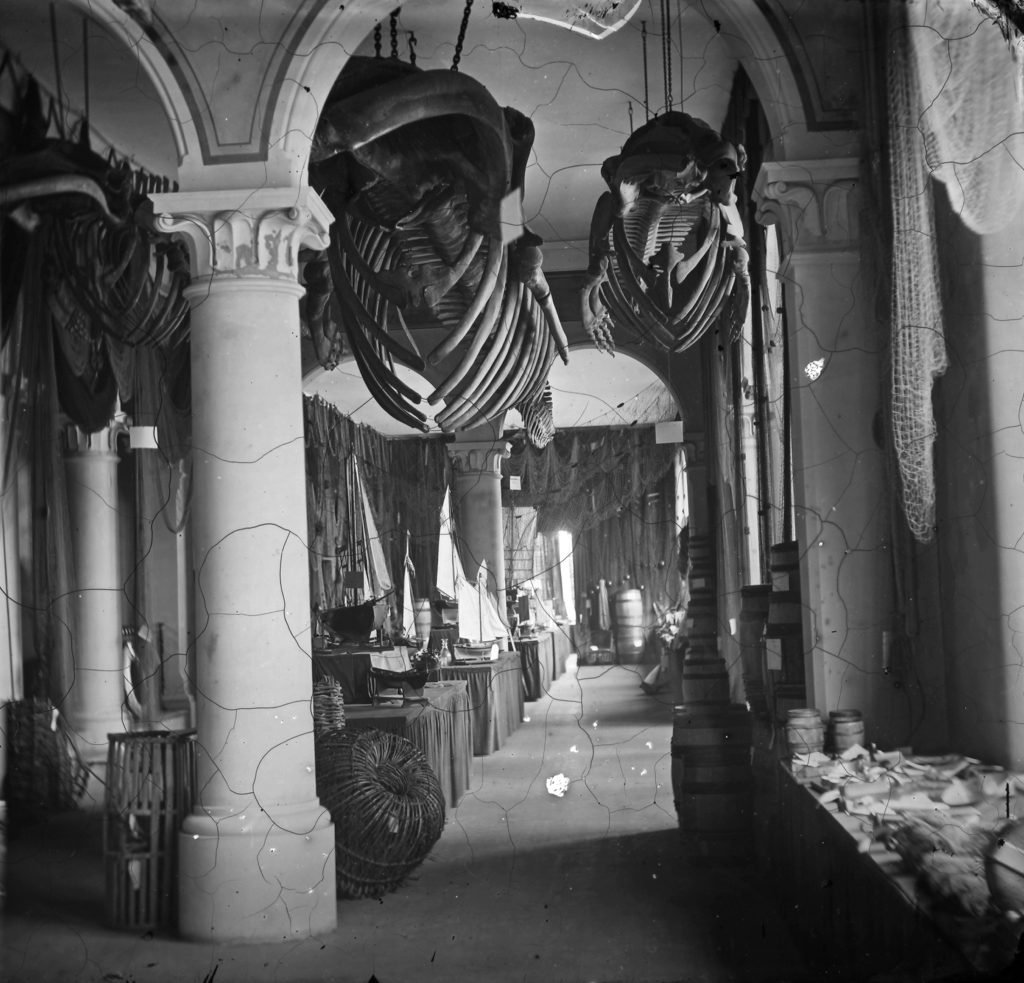
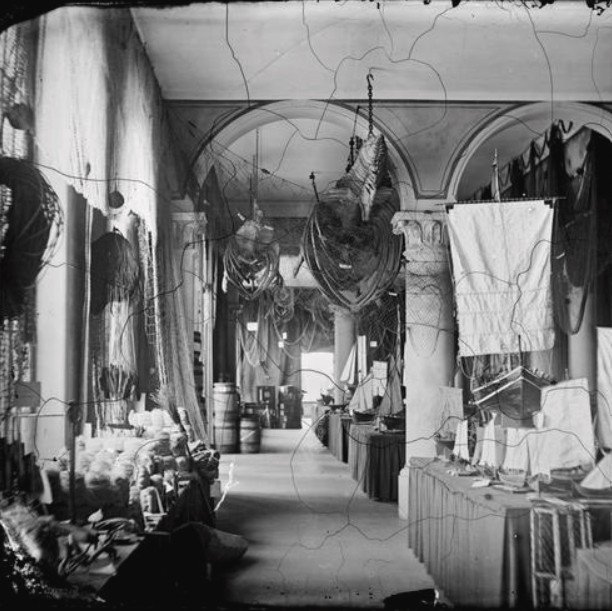
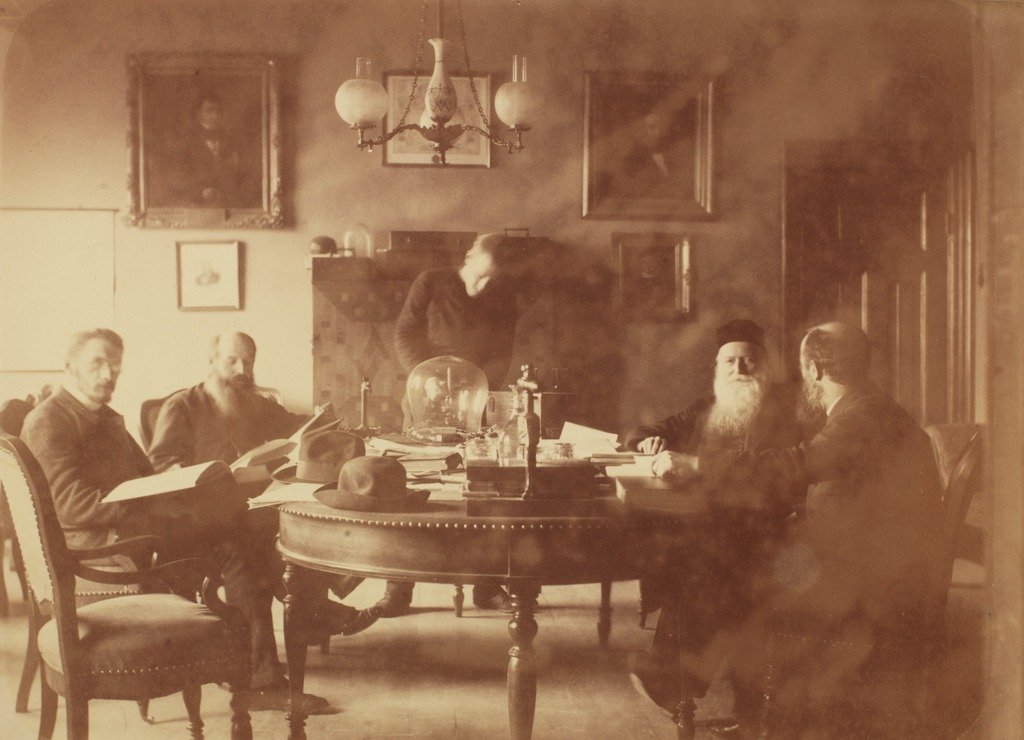
The University Museum of Bergen was founded in 1825 by Wilhelm Frimann Koren Christie, aiming to collect and safeguard Norway’s natural and cultural resources. Initially called the Bergen Museum, it predates the University of Bergen by more than a century and became one of Norway’s earliest museums (Wikipedia). Early collections included church art, ethnographic artifacts, coins, medals, and works by artists like Johan Christian Dahl (UiB Art and Cultural History).
Architectural Milestones and Expansion
The museum’s growing collections spurred several expansions:
- 1831: Relocation to a new building near Lille Lungegårdsvannet.
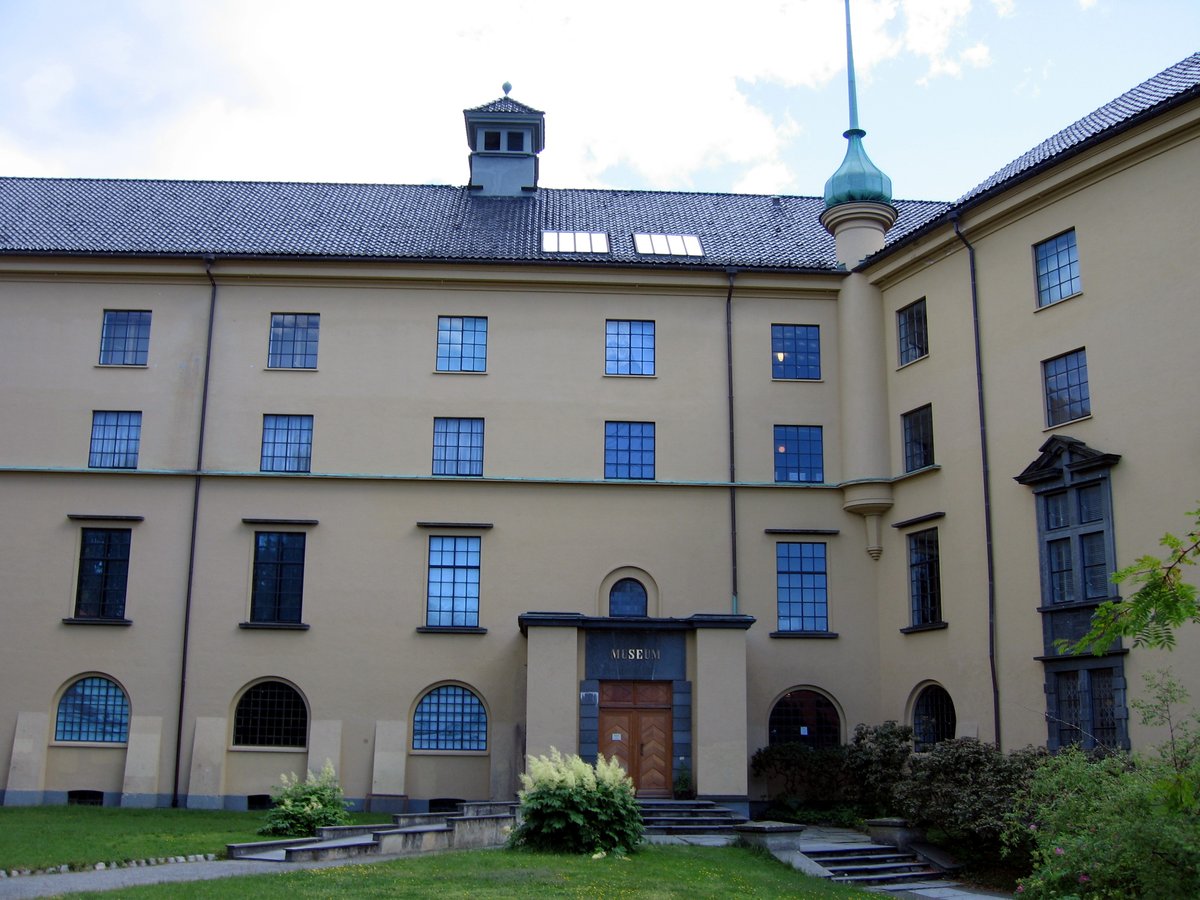
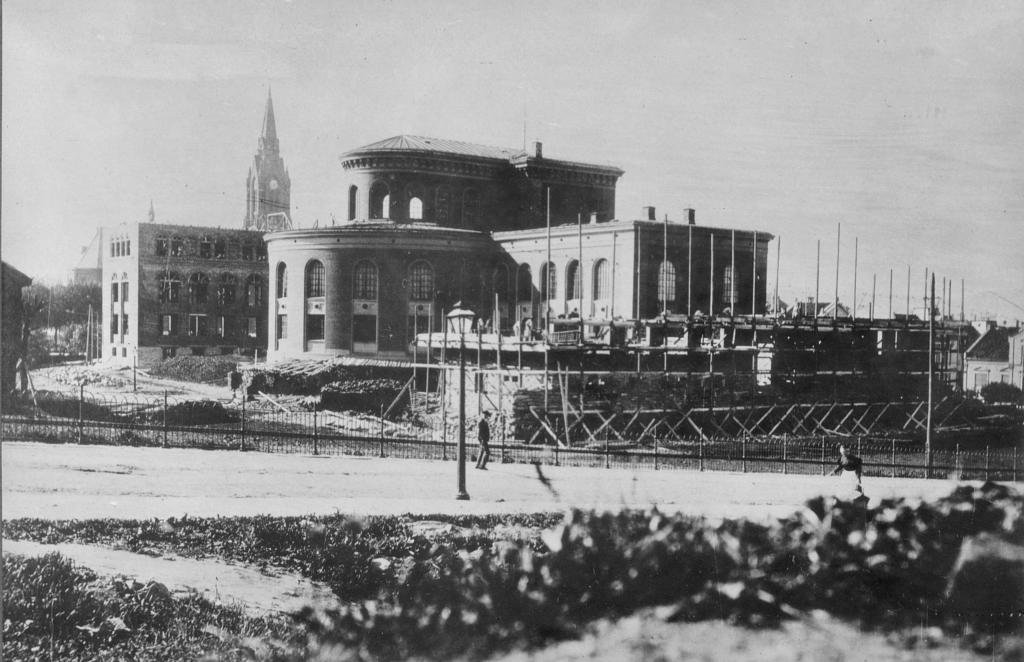
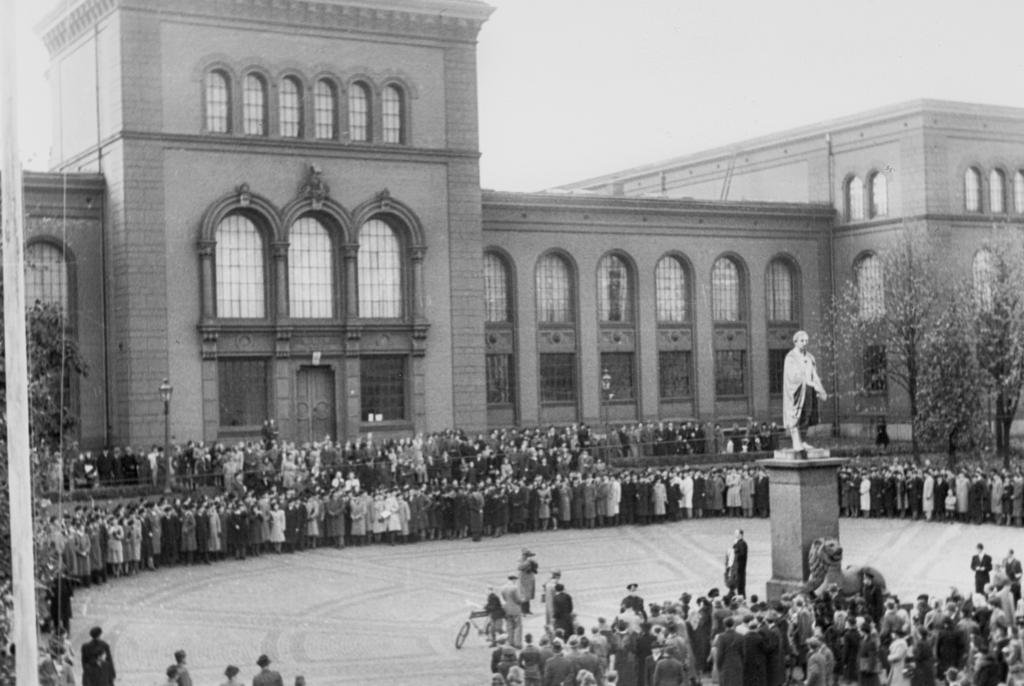
- 1865: Completion of the current Natural History building, designed by Johan Henrik Nebelong.
- 1898: Addition of two wings to house expanding collections.
- 1897–1899: Establishment of the Muséhagen botanical garden, now home to around 3,000 plant species (WhichMuseum).
- 1927: Opening of the Cultural History building, designed by Egill Reimers, now a listed heritage site (UiB Historical Museum).
Role in the University of Bergen’s Foundation
The museum’s research and collections were instrumental in establishing the University of Bergen in 1946. Its scholarly tradition continues to shape the university’s academic environment (ESN Norway; Wikipedia).
Collections and Research
The museum’s collections are among Norway’s most significant, with strengths in:
- Medieval ecclesiastical art: One of Europe’s foremost.
- Viking Age artifacts: Providing insight into Norway’s early history.
- Numismatics and ethnography: Covering both Norwegian and global cultures. Research emphasizes contextual and international interpretations, linking artifacts to broader historical and social processes (UiB Art and Cultural History).
Visitor Information
Location and Getting There
- Address: Museplass 3, 5007 Bergen, Norway
- Access: Walkable from Bergen city center and Bryggen. Served by public transport (buses, light rail). Taxi and rideshare options are also available.
Visiting Hours
- Natural History Building:
- Tuesday–Sunday: 10:00–16:00
- Monday: Closed
- Cultural History Building:
- Currently closed for renovation (as of June 2025).
- Museum Garden: Open daily, free of charge.
- Arboretum and Botanical Garden at Milde: Open year-round during daylight hours.
Check the official website for updates, especially during holidays or special events.
Tickets and Admission
- Adults: 150 NOK
- Students/Seniors: ~100 NOK (confirm at ticket desk)
- Children under 16: Free
- Groups: Special rates with advance booking
- Bergen Card holders: Free entry (Visit Bergen: Museums)
One ticket provides access to both museum buildings (when Cultural History reopens) and the gardens.
- Purchase: Online via the official website or at the entrance.
Accessibility
- Wheelchair accessible (ramps, elevators, accessible restrooms).
- Assistance available upon request—contact in advance for special needs (contact info).
- Service dogs welcome.
- Multilingual exhibition texts (Norwegian/English).
Guided Tours and Special Events
- Guided tours: Offered in Norwegian and English; advance booking recommended for groups (group booking info).
- Special events: Family Sundays, workshops, lectures, and bicentennial exhibitions in 2025 (museum events).
- Educational programs: For schools and families (book in advance).
Muséhagen Botanical Garden
- Open daily, year-round, and free to enter.
- Features native and exotic plants—ideal for relaxation and picnics in summer (visitbergen.com).
Travel Tips
- Arrive early to avoid crowds, especially on weekends and holidays.
- Comfortable shoes recommended for exploring buildings and gardens.
- The museum is an excellent indoor activity during rainy Bergen weather (destinationabroad.co.uk).
- Bergen Card users enjoy free entry and public transport (Bergen Card info).
Institutional Structure and Public Engagement
The museum is structured into Natural History and Cultural History departments and manages the Muséhagen botanical garden and the Arboretum at Milde (Wikipedia). Its exhibitions are designed for wide accessibility, featuring clear multilingual descriptions and user-friendly layouts (WhichMuseum). The museum actively partners with the University of Bergen to support ongoing research and public education.
Recent Developments and Preservation Efforts
- Cultural History building: Undergoing long-term renovation to modernize safety and security (UiB Cultural History). Select exhibits may be temporarily displayed elsewhere.
- Conservation: A dedicated unit ensures artifact preservation for future generations (UiB Art and Cultural History).
Significance in Bergen’s Cultural Landscape
The museum chronicles Bergen’s transformation from a Viking trade hub to a modern city, mirroring its growth, challenges, and renewal (Life in Norway). It remains a vital center for academic, cultural, and community engagement (ESN Norway).
Highlights and Must-See Exhibitions
- Natural History: Zoological specimens, geological displays, and “Lysende liv” (Radiant Life) cellular biology exhibit.
- Archaeology: Viking Age artifacts, Stone and Bronze Age relics (WhichMuseum: University Museum of Bergen).
- Ethnography: Norwegian, Sami, and global cultural collections (University Museum of Bergen Collections).
- Medieval Art & Numismatics: Intricate church art, coins, and medals.
- Unique objects: Oldest Hardanger fiddle, Garden of Science, and interactive outdoor displays.
- Museum Garden: Vibrant plant collections and peaceful walking paths.
Things to Do Near University Museum of Bergen
- Nygårdsparken: Large city park nearby.
- Unicorn Fountain: Gustav Vigeland sculpture.
- Bryggen: UNESCO-listed Hanseatic wharf.
- Norwegian Arboretum (Milde): Explore 5,000+ plant species (arboretum info).
Frequently Asked Questions (FAQ)
Q: What are the University Museum of Bergen’s visiting hours?
A: Tuesday–Sunday: 10:00–16:00; closed Mondays and major holidays.
Q: How much are tickets?
A: Adults: 150 NOK; students/seniors: ~100 NOK; children under 16: free; Bergen Card holders: free.
Q: Is the museum wheelchair accessible?
A: Yes—ramps, elevators, and accessible restrooms are available.
Q: Are guided tours available in English?
A: Yes—advance booking is recommended for groups.
Q: Can I visit the Cultural History building?
A: It is currently closed for renovation; temporary exhibits may be displayed elsewhere.
Q: May I take photos in the museum?
A: Personal photography is allowed (no flash/tripods); commercial photography requires permission.
Discover More
Plan your visit today!
- Check the official museum website for current visiting hours, tickets, and special events.
- Download the Audiala app for guided audio tours and exclusive content on Bergen’s historical sites.
- Follow the museum on Facebook and Instagram for updates and inspiration.
Listen to the full story in the app
The whole University Museum Of Bergen,
told well.
Audio guides for 1,100+ cities across 96 countries. History, stories, and local insight — offline ready.
Verified, and shown.
Researched and written by the Audiala editorial team from historical records, architectural archives, and local expertise.
Researched from Wikidata, Wikipedia & official sources · fact-checked · How we make our guides →