Ohrid

North Macedonia

Ohrid

Formed by tectonic shifts four million years ago, Lake Ohrid hosts more endemic species than Lake Baikal. Wander its Byzantine streets and Ottoman bazaar today.

location_on 10 attractions
calendar_month Late spring or early autumn (May–June, September)
schedule 3–4 days

Ohrid

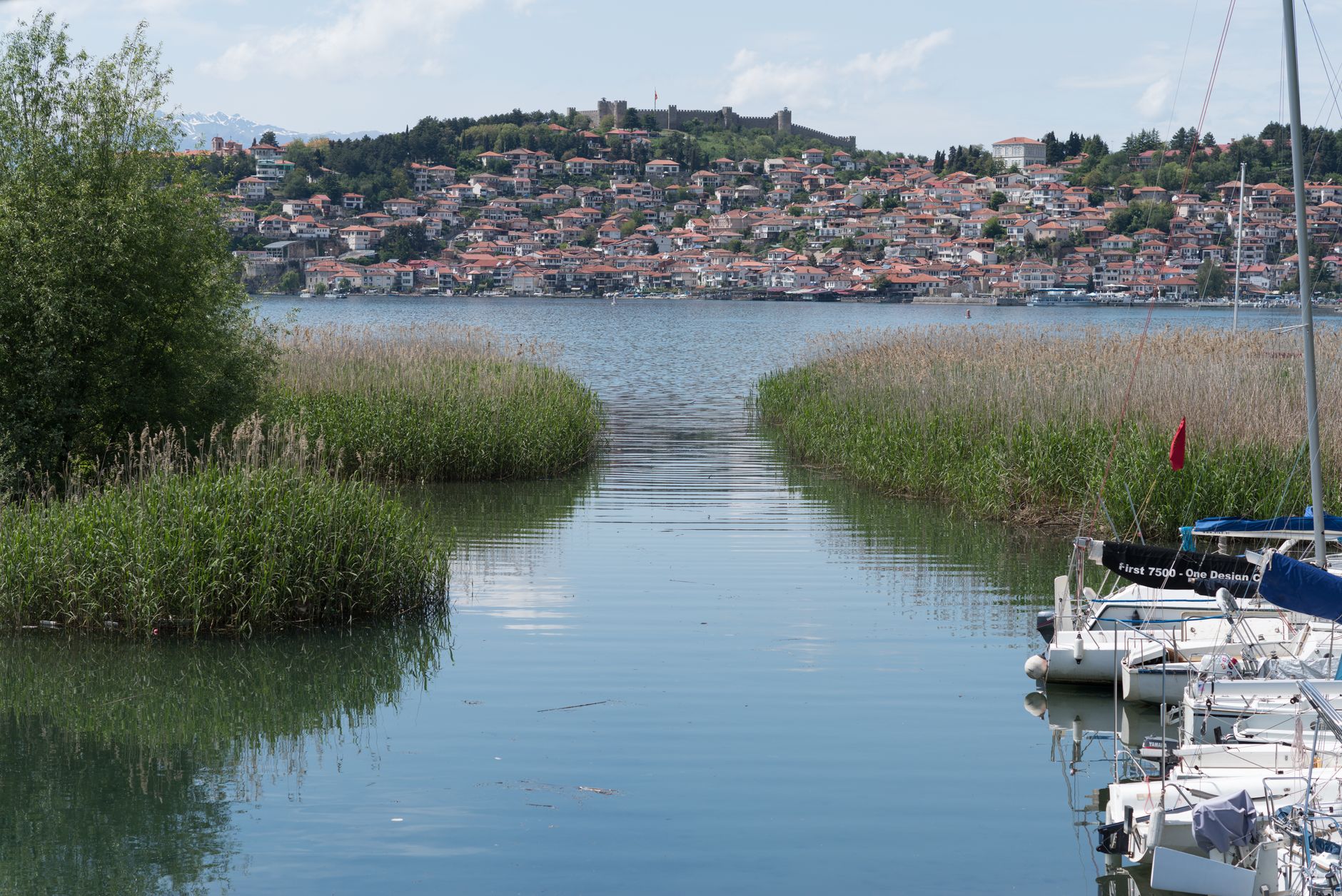
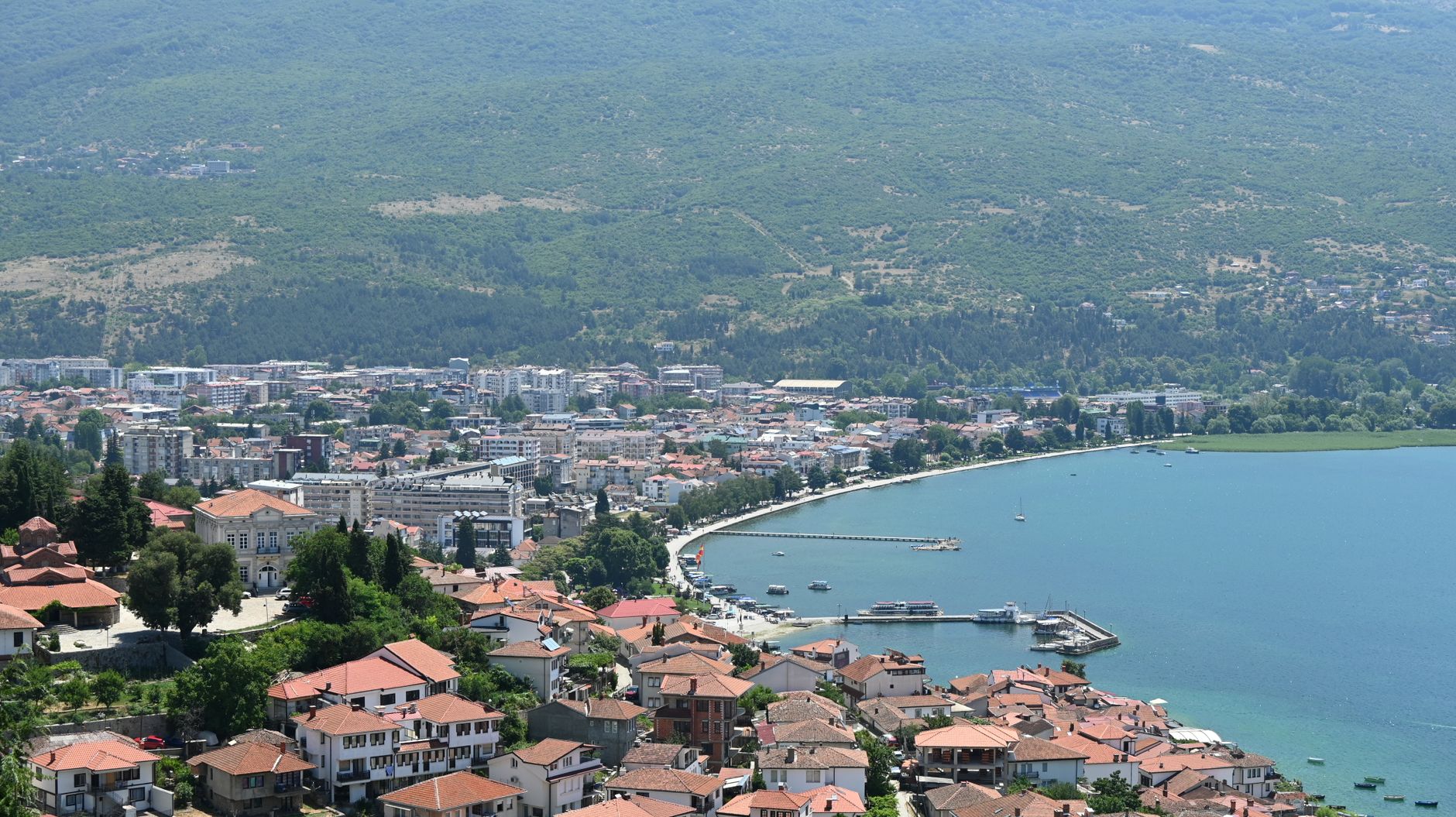
The water here does not just reflect the sky. It holds 220 endemic species, while the streets above climb 300 meters in a tight switchback of limestone and carved timber. The climb takes work.

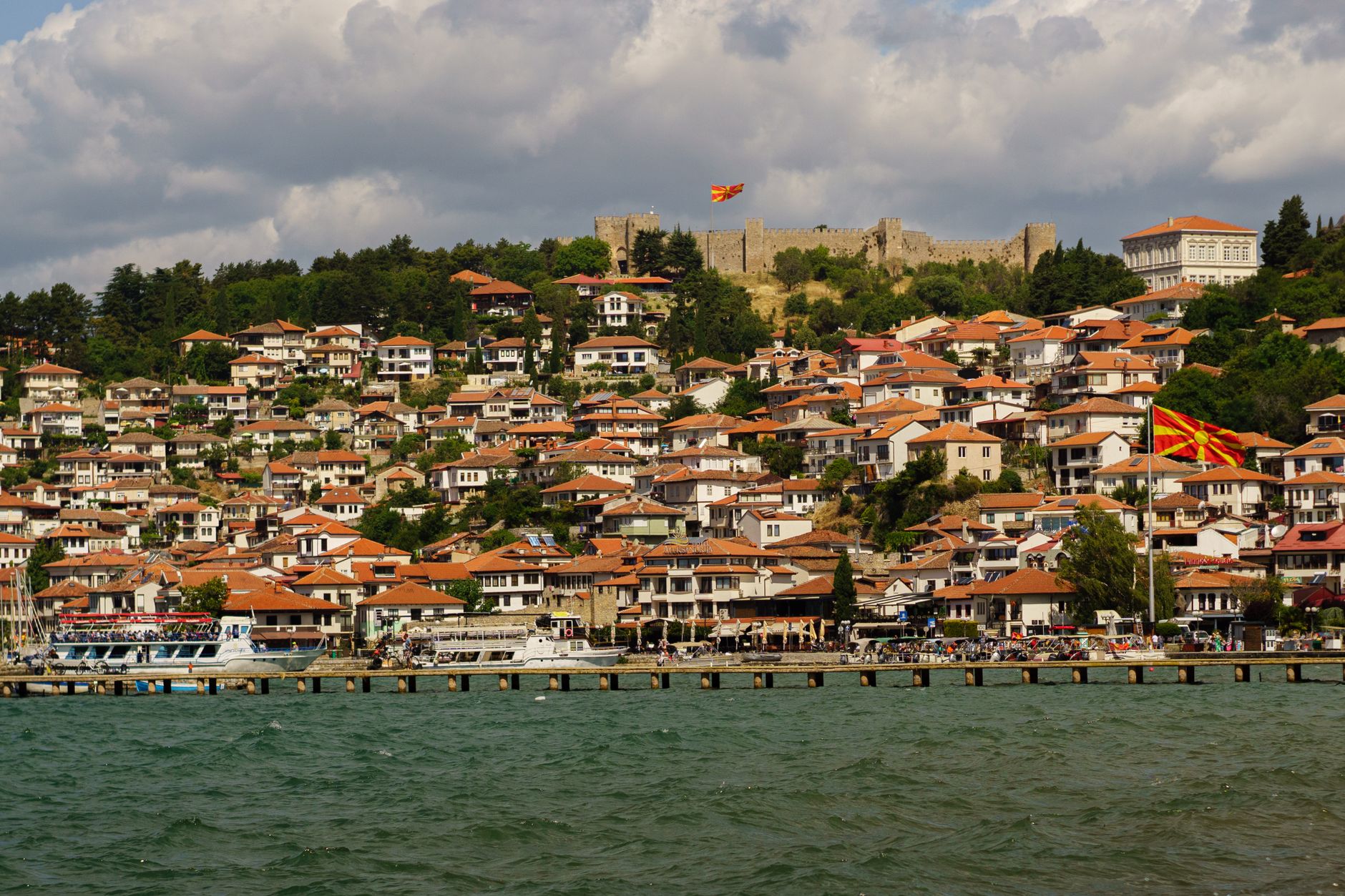
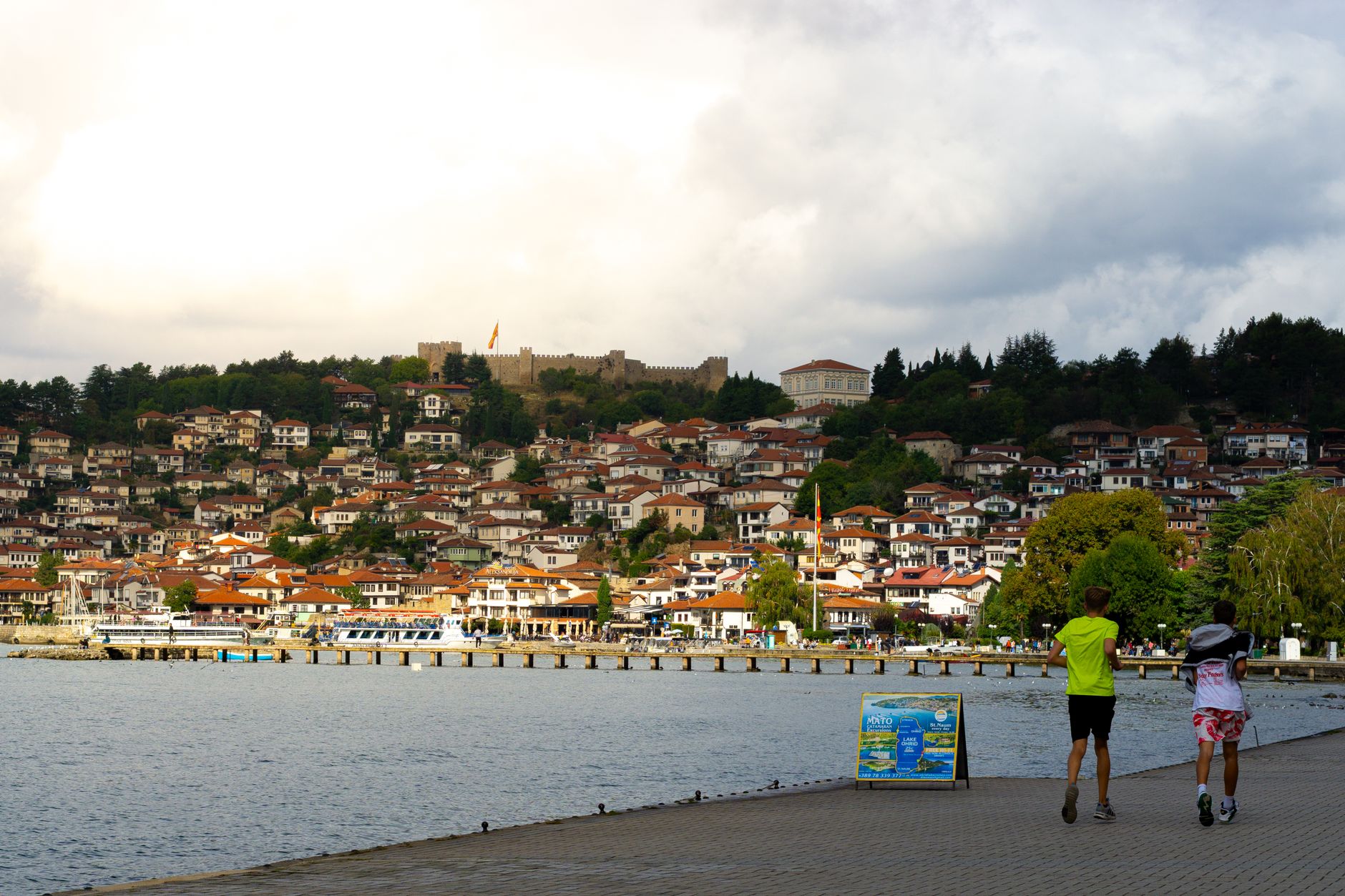
You will not navigate this place by grid. The old town compresses centuries into a pedestrian maze where cobblestones give way to wooden balconies. A single turn reveals a courtyard smelling of roasted peppers.

The city’s cultural infrastructure operates on a heavier frequency. The Icon Gallery guards thirty-seven painted panels, and the walls carry frescoes from the medieval period. The work survives.

Leave the promenade for a morning walk toward Plaoshnik. The archaeological park exposes a fourth-century basilica mosaic, which sits next to a reconstructed early Christian church. You will carry both the mountain air and the museum glass.

What Makes This City Special

The Hilltop & Merchant House Fabric

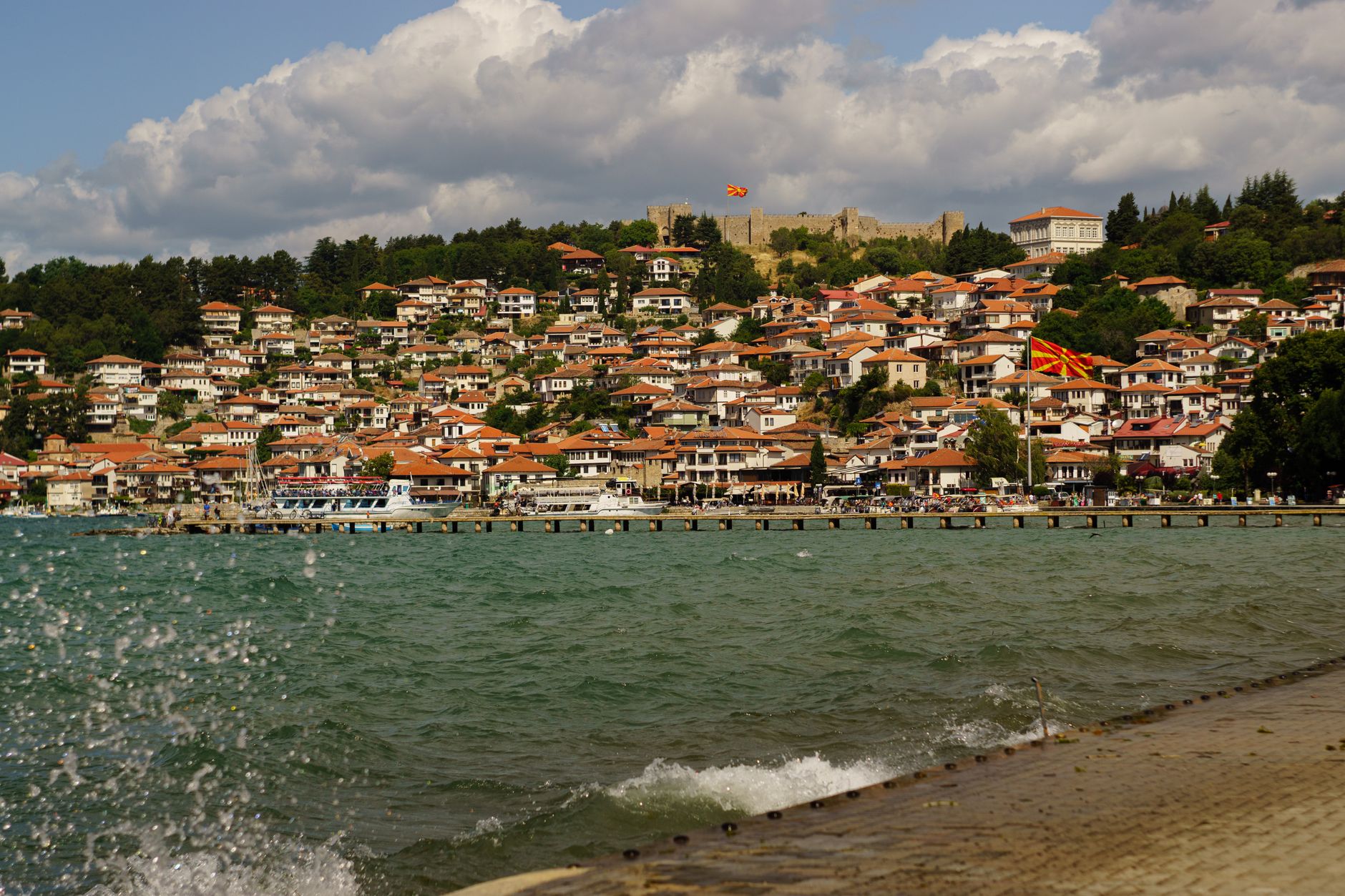
The fortress stretches three kilometers along the ridge, but the real draw lies in the descent into the old town. Sixteenth- and nineteenth-century timber-framed houses cling to cobbled alleys, their broad upper stories leaning just enough to cast long shadows over the stone.

Icon Gallery & Peribleptos

Tucked beside the Church of Holy Mother of God Peribleptos, this gallery holds thirty-seven icons spanning eleven centuries. Six bilateral panels show how Ohrid’s painters treated wood and egg tempera with a precision that rivals Sinai and Mount Athos.

Lake Ohrid & Bay of Bones

The lake drops to 288 meters deep and shelters over two hundred species found nowhere else. A short boat ride south reveals a reconstruction of Bronze Age pile-dwellings resting on six thousand wooden posts submerged three to five meters below the surface.

Ancient Theatre & Summer Stage

Carved into the slope below the fortress in the late third century BC, the stone tiers still catch the evening light. During July and August, the Ohrid Summer Festival fills the space with chamber music and drama, turning antiquity into a functioning stage.

Historical Timeline

Where Ancient Stone Meets Slavic Script

From Macedonian garrison to Balkan literary capital

castle
700 BCE

Illyrian Tribes Found Lakeside Settlements

Enchele and Dassaretii tribes establish fortified hamlets along the eastern shore. They carve wooden longhouses into the steep, pine-draped hillsides. Fishermen haul endemic trout from depths that still hide submerged Bronze Age villages.

swords
358 BCE

Macedonian King Philip II Secures Region

Philip II's armies push northward and absorb the lakeside settlements into the Macedonian kingdom. He stations a garrison here to guard the trade routes cutting through the Balkan interior. Local chieftains trade autonomy for royal protection.

public
148 BCE

Rome Integrates Lychnidos Into Via Egnatia

Roman legions pave the city into a critical waystation on the route linking Dyrrhachium to Byzantium. Merchants haul olive oil and Adriatic salt along newly straightened stone roads. The settlement adopts the Latin name Lychnidos, meaning city of light.

local_fire_department
518

Earthquake Levels Early Byzantine Structures

A violent tremor shatters masonry and collapses the city's early basilicas. Dust settles over cracked mosaics and fractured columns in the marketplace. Rebuilding crews haul fresh limestone to reconstruct the civic center under imperial decree.

swords
842

First Bulgarian Empire Claims Lakeshore

Bulgar armies sweep south and incorporate Ohrid into their expanding realm. The city shifts from a provincial Byzantine outpost to a frontier stronghold. Local administrators adopt Slavic court customs while maintaining Greek ecclesiastical ties.

school
c. 886

Saint Clement Establishes Ohrid School

Clement arrives with a cohort of disciples fleeing Byzantine persecution in Moravia. He founds a monastery at Plaoshnik that becomes Europe’s first university for Slavic literacy. Students copy manuscripts by candlelight. The resulting standardization of the Cyrillic script reshapes Balkan education for centuries.

church
910

Saint Naum Drafts Slavic Liturgical Texts

Naum establishes a monastic retreat on the southern shore after decades of missionary work. He drafts texts that standardize Orthodox religious practice across the region. His quiet discipline fuels the spiritual network radiating from Ohrid.

person
c. 990

Tsar Samuel Fortifies City As Capital

Samuel moves his imperial court to Ohrid and orders massive stone walls built atop the ancient acropolis. The fortress crowns the hill. He transforms a provincial town into the political heart of a Balkan empire.

church
1018

Byzantines Reconquer And Establish Archbishopric

Basil II’s armies crush Bulgarian resistance and absorb Ohrid back into Constantinople’s orbit. Rather than dismantle its prestige, the emperor elevates it to an autocephalous archbishopric. Bishops rule from marble halls while Greek and Slavic liturgies blend in the same nave.

palette
1037

Archbishop Leo Commissions St. Sophia Frescoes

Archbishop Leo hires master painters to cover the cathedral’s vaults with biblical narratives. Pigments of crushed lapis lazuli glow against damp plaster. The resulting icons become the visual anchor of Balkan Orthodox worship.

swords
1334

Serbian Emperor Dušan Captures Fortress

Stefan Dušan’s forces breach the medieval walls after a prolonged siege. The city’s garrison surrenders to avoid slaughter. Serbian nobles assume control of the tax offices while the archbishopric retains its spiritual authority.

swords
1395

Ottoman Sultanate Begins Five-Century Rule

Ottoman cavalry marches through the valley and raises their standard over the citadel. Local boyars swear fealty to preserve their estates. The call to prayer begins echoing across the water alongside Orthodox church bells.

church
c. 1500

Conversion Of St. Sophia Into Imperial Mosque

Ottoman administrators strip the frescoes from the main cathedral and whitewash the walls. They install a wooden mihrab beside the ancient bell tower. The building survives as a quiet hybrid of Christian and Islamic architectural traditions.

castle
18th Century

Artisans Construct Cantilevered Ottoman Houses

Wealthy merchants commission multi-story homes with overhanging wooden frames and narrow stone streets. Whitewashed walls reflect the harsh summer sun. Timber balconies shade the ground floors below.

person
1830

Grigor Parlichev Born Into Ottoman Ohrid

Parlichev enters a city simmering with nationalist awakening and linguistic revival. He later wins a prestigious poetry prize in Athens before returning home. His translations bridge Greek academia and Macedonian village schools.

swords
1912

Balkan Wars End Ottoman Administration

Serbian troops occupy the city following the collapse of imperial defenses in Macedonia. The old Ottoman garrison packs its rifles and marches south. Municipal records shift to Serbian Cyrillic as new borders redraw the map.

swords
1944

Partisans Secure Ohrid From Axis Occupation

Yugoslav resistance fighters push Bulgarian and German units out of the valley after months of skirmishes. They raise red banners on Samuel’s fortress. The city transitions from wartime isolation to socialist reconstruction.

public
1979

UNESCO Inscribes Ohrid As World Heritage

International delegates recognize the lake’s endemic species and the old town’s layered architecture as globally irreplaceable. The designation forces strict zoning laws. Preservation budgets suddenly outpace municipal tourism revenue.

music_note
1991

Macedonian Independence Transforms Civic Identity

Ohrid shifts from a Yugoslav provincial resort to a symbol of national heritage. The government funds extensive fresco restorations beneath the old streets. International musicians arrive at the Hellenistic theatre. The city finally reclaims its role as a crossroads.

school
2015

Archaeologists Uncover Medieval University Foundations

Researchers excavate the original stone footings of Clement’s Plaoshnik monastery beneath centuries of soil. Glass cases now protect the exposed mosaics from rain and foot traffic. The site finally connects modern tourism to its scholarly origins.

schedule
Present Day

Notable Figures

Clement of Ohrid

840–916 · Scholar and Saint
Founded the Ohrid Literary School and taught here

He didn't just teach in Ohrid; he engineered the infrastructure for Slavic literacy itself. Walking past the archaeological site of St. Pantelejmon, you stand where he trained the scribes who spread the Cyrillic alphabet across medieval Europe. The quiet courtyards still feel like a preserved scriptorium.

Grigor Parlichev

1830–1893 · Poet and Educator
Died and taught in Ohrid

He returned to Ohrid after winning academic acclaim in Athens, trading Mediterranean prestige for dusty local classrooms. His final years were spent recording folk ballads that preserved Macedonian oral history before imperial archives could absorb it. The memorial house on the main street still displays his original manuscripts.

Kuzman Shapkarev

1834–1909 · Folklorist and Linguist
Lived and taught in Ohrid

He walked the same cobblestone alleys as Parlichev, mapping Macedonian dialects and customs while Ottoman administrative control tightened. His textbooks quietly standardized the local curriculum in an era when teaching in the mother tongue functioned as a quiet rebellion. Modern Macedonian linguists still cite his field notes as foundational.

Practical Information

flight

Getting There

Ohrid St. Paul the Apostle Airport (OHD) sits 9 kilometers from the city center, with licensed taxis charging 600–1,000 MKD for the ride. The town lacks a passenger rail line; the nearest major hub is Skopje Central Railway Station, connected by the A2/E65 highway. Direct buses depart from the Ohrid terminal to Skopje (3–3.5 hours) and Bitola (1.5 hours) daily.

directions_transit

Getting Around

As of 2026, Ohrid operates no integrated transit passes, metro, or tram lines. Private carriers like Jugoexpres run local routes along the lakefront and into Struga, with fares of 30–60 MKD paid in cash directly to the driver. The old town’s steep cobblestone gradients make cycling impractical, so sturdy walking shoes are the only reliable transport.

thermostat

Climate & Best Time

Summer highs reach 29°C with minimal rain, while January averages hover near 4°C with occasional snowfall. Autumn brings the wettest months, peaking at 80 mm in November. Visit between May and late September for comfortable lake swimming and hiking, avoiding the July–August tourist surge.

translate

Language & Currency

Macedonian uses the Cyrillic script, though English works in hotels, restaurants, and tour agencies. The legal tender is the Macedonian Denar (MKD), pegged near 61.5 MKD to 1 EUR; carry small notes for 100–200 MKD museum entries and tips.

shield

Safety

Violent crime remains rare, but pickpockets target the crowded waterfront and bus terminal during peak months. Unlicensed taxis and boat operators occasionally inflate prices, so agree on fares before departure and stick to registered vehicles marked with company logos.

Tips for Visitors

restaurant
Order Gjomleze First

Skip the generic burek and ask for Ohrid’s layered pie. Baked in clay ovens near the Old Bazaar, it uses thinner dough and local dairy that you won't find elsewhere in the Balkans.

walk
Walk After Seven PM

The steep old-town lanes empty of day-trippers and the stone streets cool down. You will hear the church bells from St. Sophia echo clearly across the water without competing with tour groups.

payments
One Bill Per Table

North Macedonian restaurants rarely split checks. Expect a single receipt for your group and round up the total by a few euros rather than calculating exact percentages.

directions_bus
Bus to Trpejca for Fish

Catch the local minibus south to Trpejca village for lunch. The pastrmka and belvica caught in the deeper southern waters taste cleaner than the lakefront tourist traps.

wb_twilight
Hit the Fortress at Dawn

Samuel’s Fortress stone paths hold the midday July heat like an oven. Arrive before sunrise to secure clear light for photography and avoid the steep climb in direct sun.

Explore the city with a personal guide in your pocket

Your Personal Curator, in Your Pocket.

Audio guides for 1,100+ cities across 96 countries. History, stories, and local insight — offline ready.

smartphone

Audiala App

Available on iOS & Android

download Download Now

Join 50k+ Curators

Frequently Asked

Is Ohrid worth visiting? add

Yes. It pairs a four-million-year-old tectonic lake with a dense UNESCO-listed old town containing over 800 Byzantine icons. Three days easily covers the monasteries, fortress, and lakefront without feeling rushed.

How many days in Ohrid? add

Plan for three full days. One covers Samuel’s Fortress and the Ancient Theatre, another explores the Old Bazaar and Plaoshnik archaeological site, and a third allows for a slow morning at the Green Market and a lakeside swim.

Is it safe to drink tap water in Ohrid? add

Yes, the municipal supply is treated and safe. Most locals drink it directly from the tap, though restaurants will still place bottled water on tables out of habit.

What is the best time to visit Ohrid? add

Late May through June or September. July and August bring intense heat and dense crowds to the narrow cobbled streets, while autumn offers swimmable water and clear hiking conditions.

How do I get to Ohrid from Skopje? add

Take a direct intercity bus from Skopje’s main station. The ride takes about three hours along the Vardar River valley, and one-way tickets typically cost around €8.

Sources

Last reviewed: