Forget what you expect from a capital city. The heat in Niamey feels different—it's softened by the Niger River, which bends around the city like a protective arm. This is an oasis, a Sahelian capital where life unfolds with a patience you can measure by the slow drift of pirogues at sunset. You arrive looking for monuments and leave remembering the air.
Researched from Wikidata, Wikipedia & official sources · fact-checked ·
How we make our guides →
NForget what you expect from a capital city. The heat in Niamey feels different—it's softened by the Niger River, which bends around the city like a protective arm. This is an oasis, a Sahelian capital where life unfolds with a patience you can measure by the slow drift of pirogues at sunset. You arrive looking for monuments and leave remembering the air.
This wasn't a planned metropolis. It was an agricultural village of Maouri, Zarma, and Fulani peoples until 1926, when the French colonial administration decided to move their capital here. The Kennedy Bridge didn't stitch the two riverbanks together until 1970. That recent history shows. The cityscape feels organic, not imposed.
You can taste that blend. Yoruba and Hausa traders from Nigeria mix with locals in the market alleys. The call to prayer drifts over from the Grand Mosque's emerald dome, while at Notre-Dame Cathedral, a surprising Catholic minority attends mass. It's a 99% Muslim country, but the soundscape is more complex.
Budget Friendly
02
Why Niamey.
What makes this place worth slowing down for.
museum
Museum as Microcosm
The Musée National Boubou Hama is where the entire country meets under one roof. You can trace Niger's history through stamps and banknotes, then step outside to see Saharan dinosaur skeletons and lions in distinctive blue cages, all for about 1,500 CFA.
water
Riverine Rhythm
The Niger River isn't just a geographical feature; it's the city's cooling system and social hub. Locals and visitors retreat to its banks at dusk, where the sound of water and the sight of sunset boat rides define the city's relaxed, Sahelian pace.
architecture
Domes and Crosses
Niamey's skyline is a quiet conversation between faiths. The Grande Mosquée's emerald dome offers panoramic views, while the Notre-Dame du Perpétuel Secours Cathedral stands as a surprising Catholic presence in a 99% Muslim country.
04
Neighborhoods.
Where to wander, by quarter — each with its own rhythm.
01
Right Bank (Central Niamey)
This is the historic core, where the city first took root along the river. You'll find the Grand Marché here—a labyrinth where you will get lost among textiles and spices. The pace is deliberate. Government buildings and the National Museum anchor the district, but the real character is in the street-level commerce and the riverfront paths where people escape the afternoon sun.
02
Left Bank
Connected by the 1970 Kennedy Bridge, this bank feels newer, more residential. Development spread here as Niamey grew post-WWII. It's less about monumental sights and more about daily life unfolding in a slightly more spacious grid. Come here for a different perspective, literally. The view back across the river toward the Grand Mosque's minaret at dusk is worth the crossing.
03
Around the Grand Mosque
The neighborhood is defined by the Grande Mosquée's striking green dome. The air hums with quiet activity. It's a working religious center, not a tourist set piece. For about 20,000 CFA, a local guide can arrange a tour up the minaret. The reward is a panoramic view that makes the city's low-rise, sandy-colored sprawl suddenly make geometric sense.
04
Musée National Boubou Hama Complex
Treat this as its own district. It's a sprawling 44-acre cultural sanctuary. Beyond the museum buildings, there's a zoo, a craft market, traditional cultural pavilions, and Peace Square. You can spend half a day wandering from dinosaur skeletons to hippo pools to the river viewpoint. It feels removed from the city outside its gates, a curated capsule of Niger's entire ecosystem.
05
Riverbank Districts
This isn't one neighborhood but a series of connected spaces along the Niger. This is where Niamey breathes. At sunset, the light turns the water the colour of hammered copper. Fishermen mend nets, families picnic, and boatmen offer rides on pirogues. The river doesn't just moderate the arid climate—it defines the city's rhythm and provides its central, cooling lounge.
06
Who lived here.
The people who shaped the city — and were shaped by it.
Writer, Historian, Politician
1906–1982
Boubou Hama
National Museum named in his honor
He was the intellectual force behind Niger's early cultural institutions, serving as President of the National Assembly. The national museum, a sprawling complex of history, art, and zoo, bears his name—a fitting tribute to a man who believed a nation's soul was found in its stories and creatures. He would likely approve of the students and families wandering its paths today.
09
Insider tips.
Small things that change how the city treats you.
schedule
Plan around the heat
The midday sun here is fierce. Start your museum or market visits early, retreat indoors from 12-3 PM, and save sunset river walks for the cool of evening.
volunteer_activism
Hire the guide
At the National Museum, pay the extra 1,500 CFA for a government-employed guide. They’ll explain the dinosaur skeletons and the man the museum’s named for.
payments
Carry small CFA bills
The Grand Marché is a maze of small vendors. Having 500 or 1,000 CFA notes makes bargaining for crafts and spices much easier.
directions_boat
Take the sunset cruise
The Niger River is the city's soul. Find a boatman near Kennedy Bridge around 5 PM for a ride on the rust-colored water as the city cools.
safety_check
Check your embassy’s advice
Security situations can change. Before you book, consult your government’s travel advisory for Niger and register your stay once you arrive.
11
Gallery.
The city, as it actually looks.
An aerial perspective of the General Seyni Kountché Stadium, the primary sports venue located in the heart of Niamey, Niger.
Deen Docs on Pexels
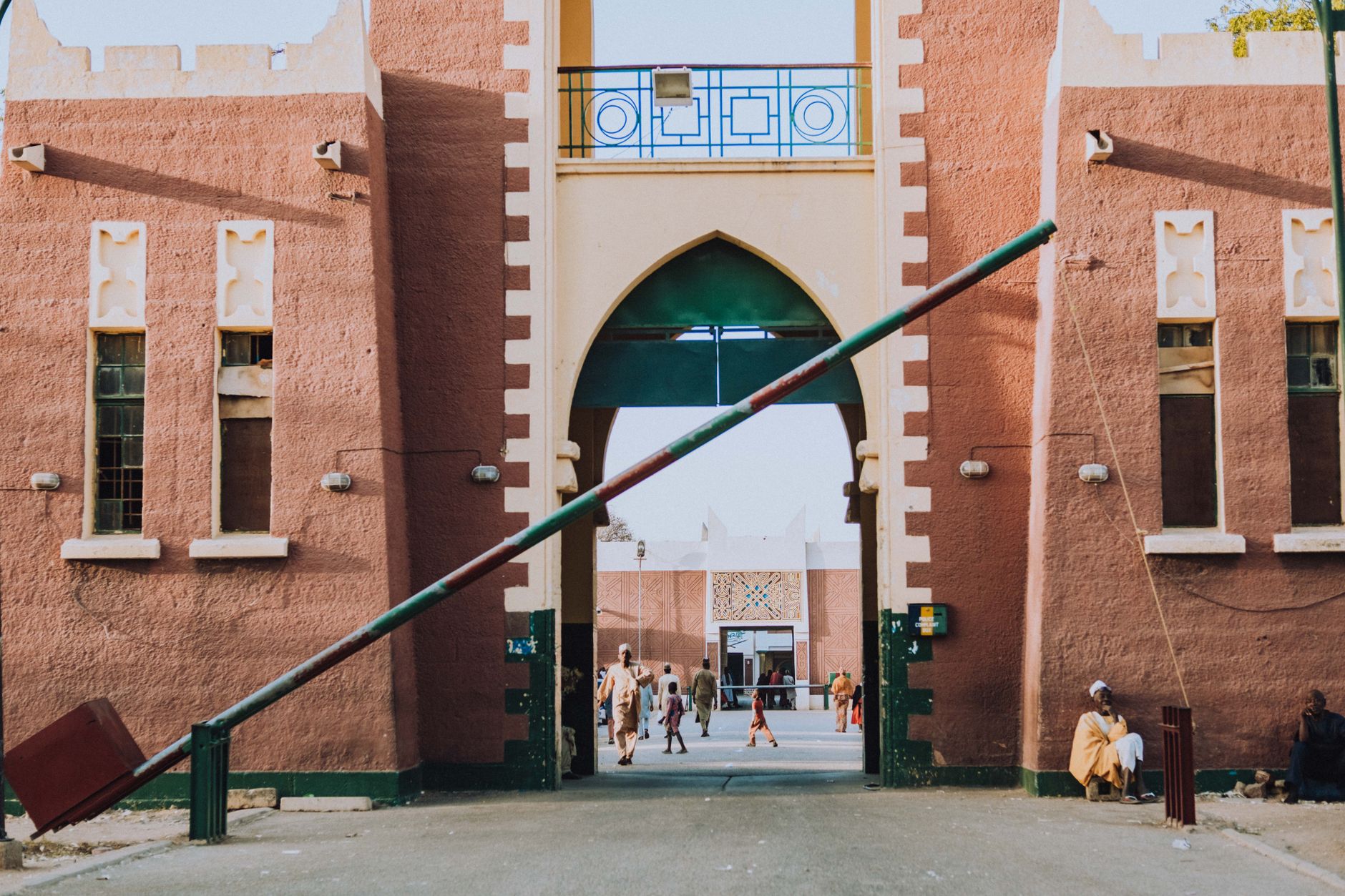
A traditional arched gateway serves as a bustling entrance in Niamey, Niger, capturing the city's unique architectural character.
Iklima Babangida on Pexels
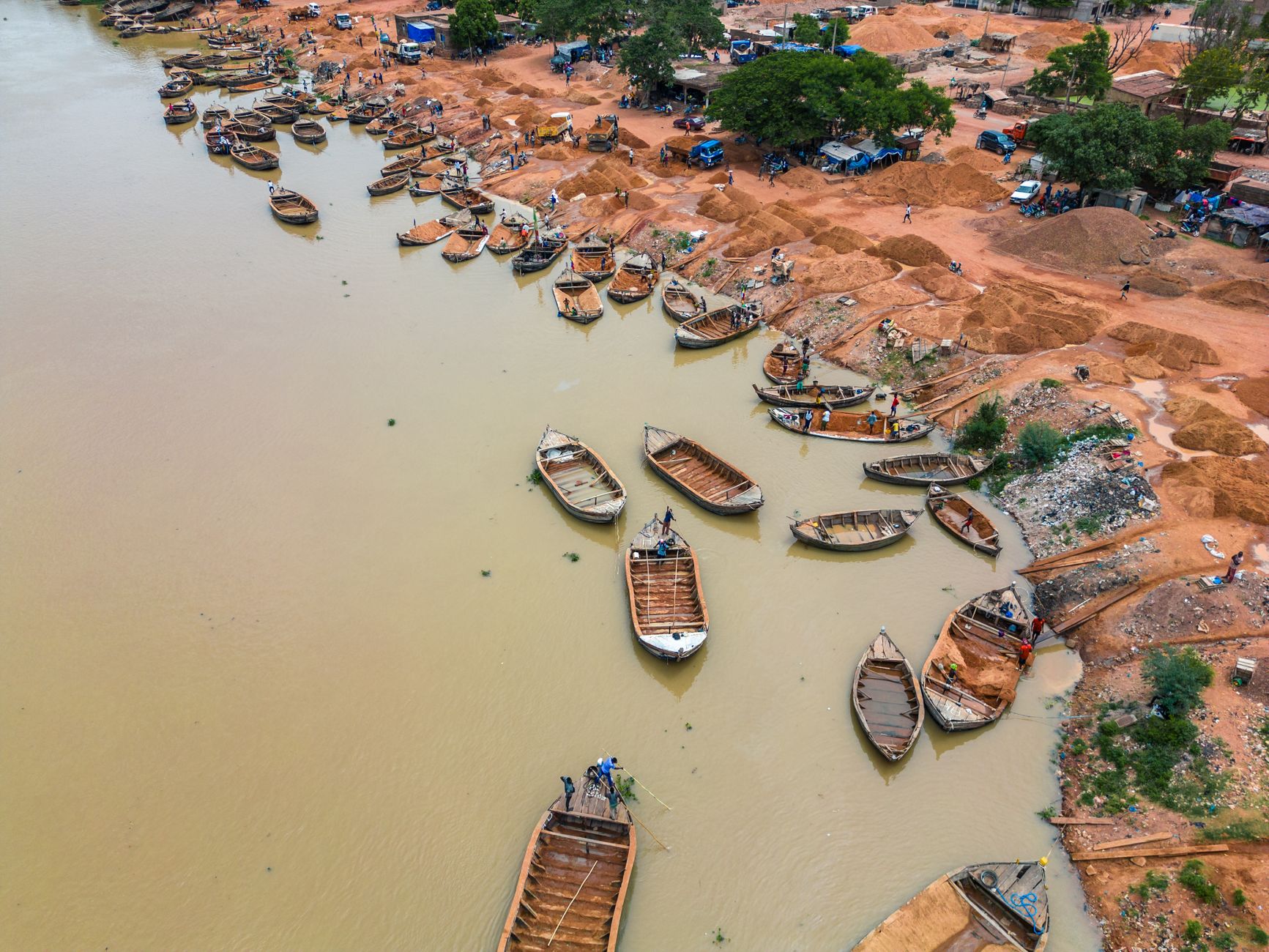
Workers load sand onto traditional wooden boats along the banks of the Niger River in Niamey, Niger.
Fatih Turan on Pexels
The Gidan Makama Museum showcases the unique Sudano-Sahelian mud architecture characteristic of the historic culture in Niamey, Niger.
LekePOV on Pexels
12
Frequently asked
Is Niamey worth visiting?
Yes, if you want a genuinely different Sahelian capital. It’s not a tourist hub—it’s a place where you can see West Africa's last giraffes, find dinosaur skeletons in the museum, and watch life unfold along the wide Niger River. The pace is relaxed, the costs are low, and the welcome is genuine.
How many days do you need in Niamey?
Two to three full days. One for the National Museum complex and Grand Marché. Another for the Grand Mosque and a river sunset. A third day allows for a trip to the Giraffe Reserve outside the city, which is a genuine regional highlight.
Is Niamey safe for tourists?
It requires vigilance. Petty crime like pickpocketing can happen in crowded markets. More serious security threats exist in remote regions of Niger. Stay in central areas, avoid night travel, and keep up with current advisories from your embassy.
How much does it cost to visit Niamey?
Daily costs are modest by Western standards. The National Museum entry was 1,500 CFA (about $2.50). Meals and local transport are inexpensive. The biggest expense will be guided tours, like the 20,000 CFA tour of the Grand Mosque or a day trip to the giraffe reserve, which requires negotiation and a vehicle.
What is there to do in Niamey?
Start at the Musée National Boubou Hama—it's a museum, zoo, and cultural park in one. Get lost in the Grand Marché’s labyrinthine alleys. Visit the emerald-domed Grand Mosque. Then, find a boatman for a sunset cruise on the Niger River. The rhythm is slow, the sights are specific.
Ready to book?
13Before you go
Practical Information
Flight
Getting There
Flights arrive at Diori Hamani International Airport (NIM), located just a few kilometers southeast of the city center. It's the main international gateway, with connections primarily through West African hubs like Abidjan, Dakar, and Ouagadougou.
Directions transit
Getting Around
There's no metro. The city relies on a network of shared taxis and minibuses, which are cheap but informal. For tourists, hiring a car with a driver for the day or negotiating a fare for a specific trip is often the most practical option in 2026.
Thermostat
Climate & Best Time
Niamey is hot. Temperatures from March to May regularly exceed 40°C (104°F). The rainy season from June to September brings some relief but also humidity. The best window is November to February, when cooler, dry Harmattan winds blow from the Sahara.
Translate
Language & Currency
French is the official language, but Zarma and Hausa dominate daily conversation. The currency is the West African CFA franc (XOF). Have cash. Cards are rarely accepted outside major hotels.
Take Niamey with you
All of Niamey, downloaded once.
0 places, one continuous walking route. Free with your first city.
Strictly necessary cookies keep navigation working. Analytics cookies (PostHog, Google Analytics) help us learn which pages work — aggregate only, no ads, no selling. You can change this any time from the footer.
Privacy
Cookie preferences
Pick what you're okay with. You can change this any time from the footer.
Strictly necessary
Always on
Sign-in, language, navigation. Always on.
Product analytics
PostHog and Google Analytics, aggregate usage only. Helps us see which pages work and which need fixing. No selling, no ads.
Marketing
Off today. Reserved if we ever run paid acquisition. We will ask again before turning it on.