Plan and listen to Bridge Of Remembrance with Audiala.
Audio guide in your pocket, itinerary in your browser. Built for the way you actually visit.
Introduction
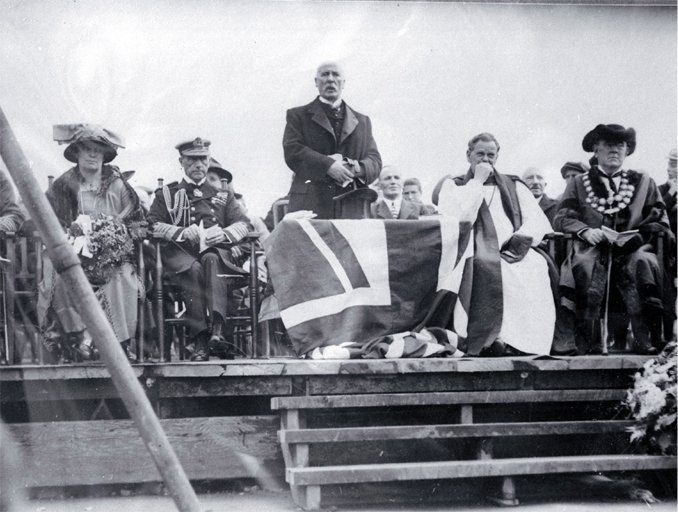
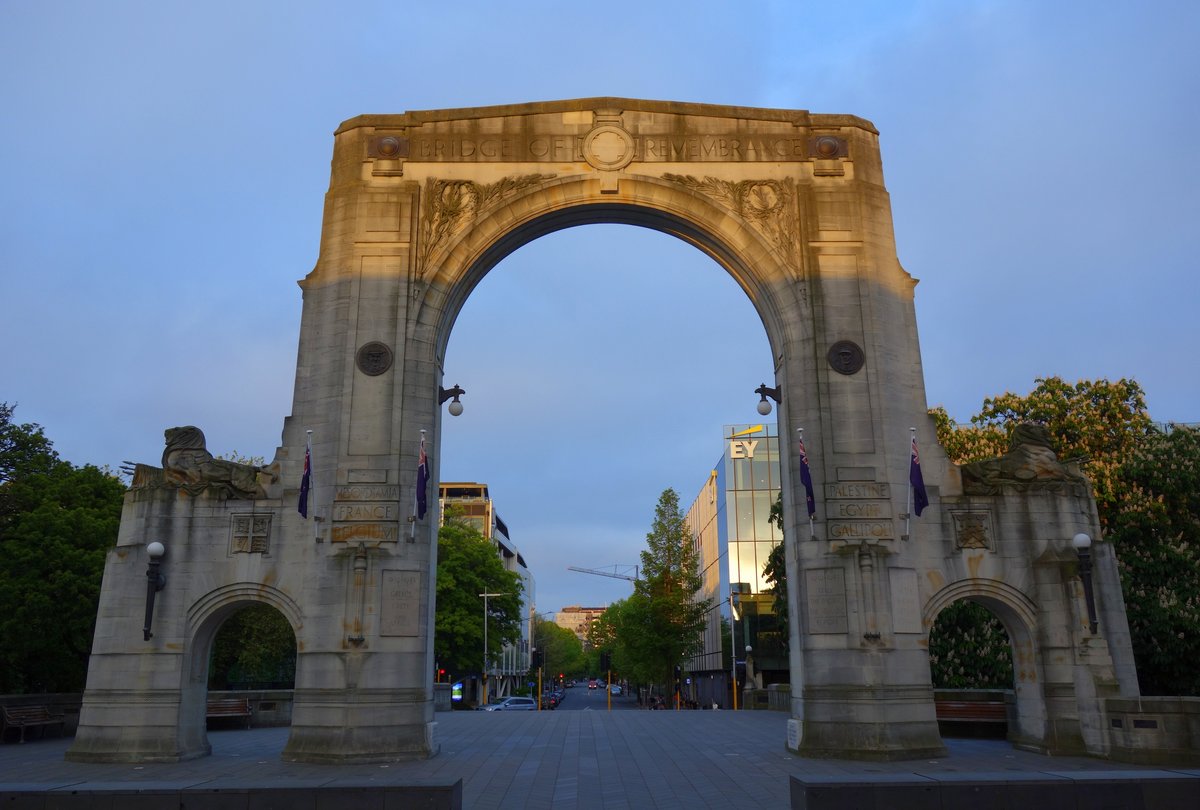
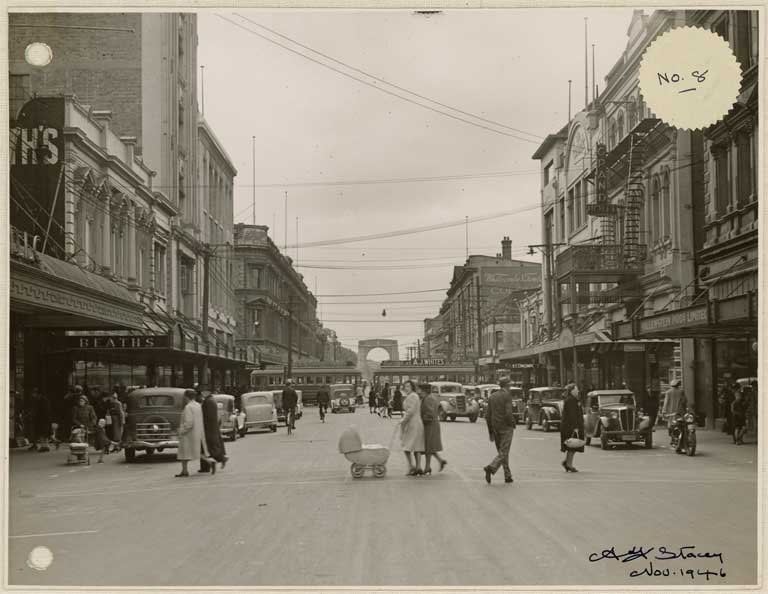
Nestled in the heart of Christchurch, New Zealand, the Bridge of Remembrance stands as a poignant testament to the sacrifices made by New Zealanders in military conflicts from World War I through to the present. Unveiled on Armistice Day, November 11, 1924, this iconic memorial combines striking neoclassical architecture with a deep commemorative purpose, bridging not only the Avon River but also Christchurch’s collective memory and heritage. Its grand Memorial Arch, adorned with symbolic carvings, serves as a solemn gateway and focal point for remembrance, resilience, and hope (NZHistory; KDS).
Accessible 24 hours a day and free to all, the bridge is an integral part of the city’s cultural landscape, hosting annual Anzac Day and Armistice Day ceremonies and standing as a symbol of Christchurch’s endurance, especially following the earthquakes of 2010 and 2011. Its meticulous restoration has reinforced its status as both a heritage landmark and a vibrant community space (SCIRT Learning Legacy; Otago Daily Times).
This guide delivers detailed insights on the bridge’s history, architectural features, visitor information, nearby attractions, and practical tips to help you make the most of your visit.

Origins and Purpose
The Bridge of Remembrance was conceived in the aftermath of World War I to honor Canterbury’s servicemen and women. Designed as a pedestrian bridge over the Avon River, it became a symbolic passage from the devastation of war to hope for peace (NZHistory). Opened on Armistice Day 1924, the memorial now encompasses all subsequent conflicts involving New Zealanders (SCIRT Learning Legacy).
Architectural Design and Features
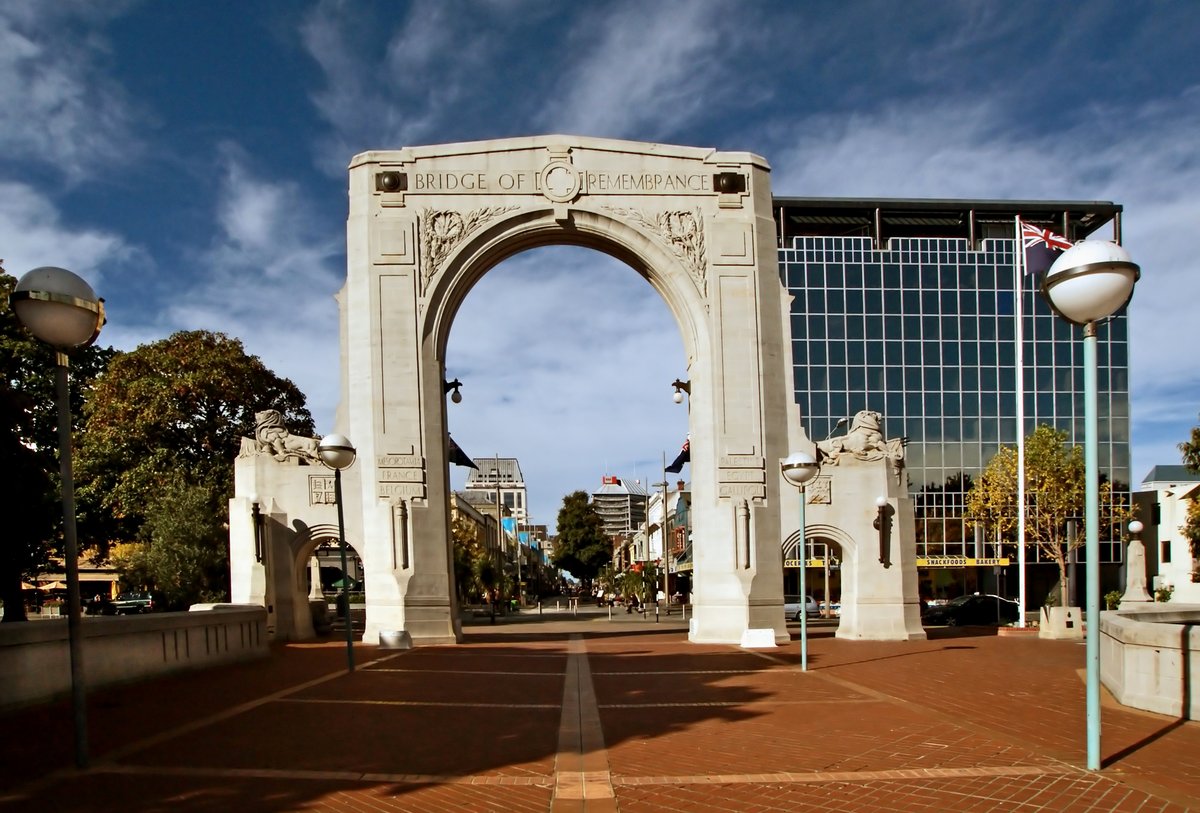
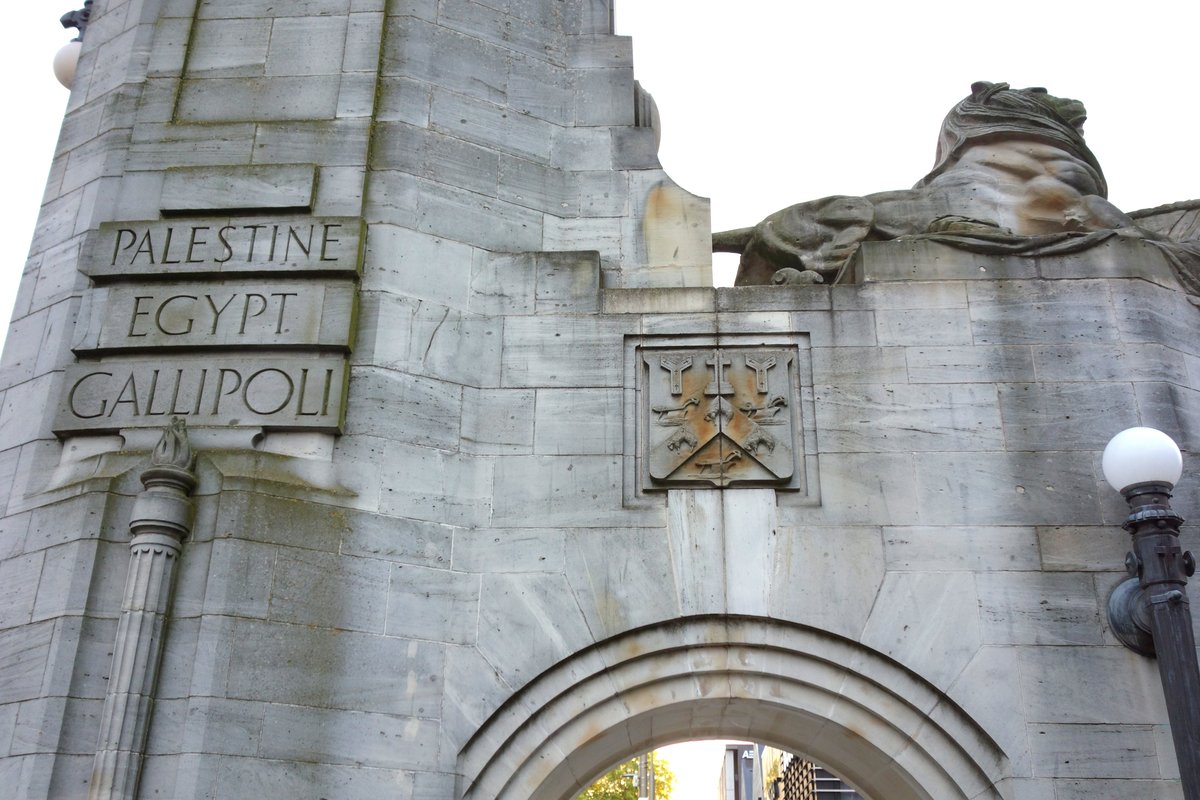
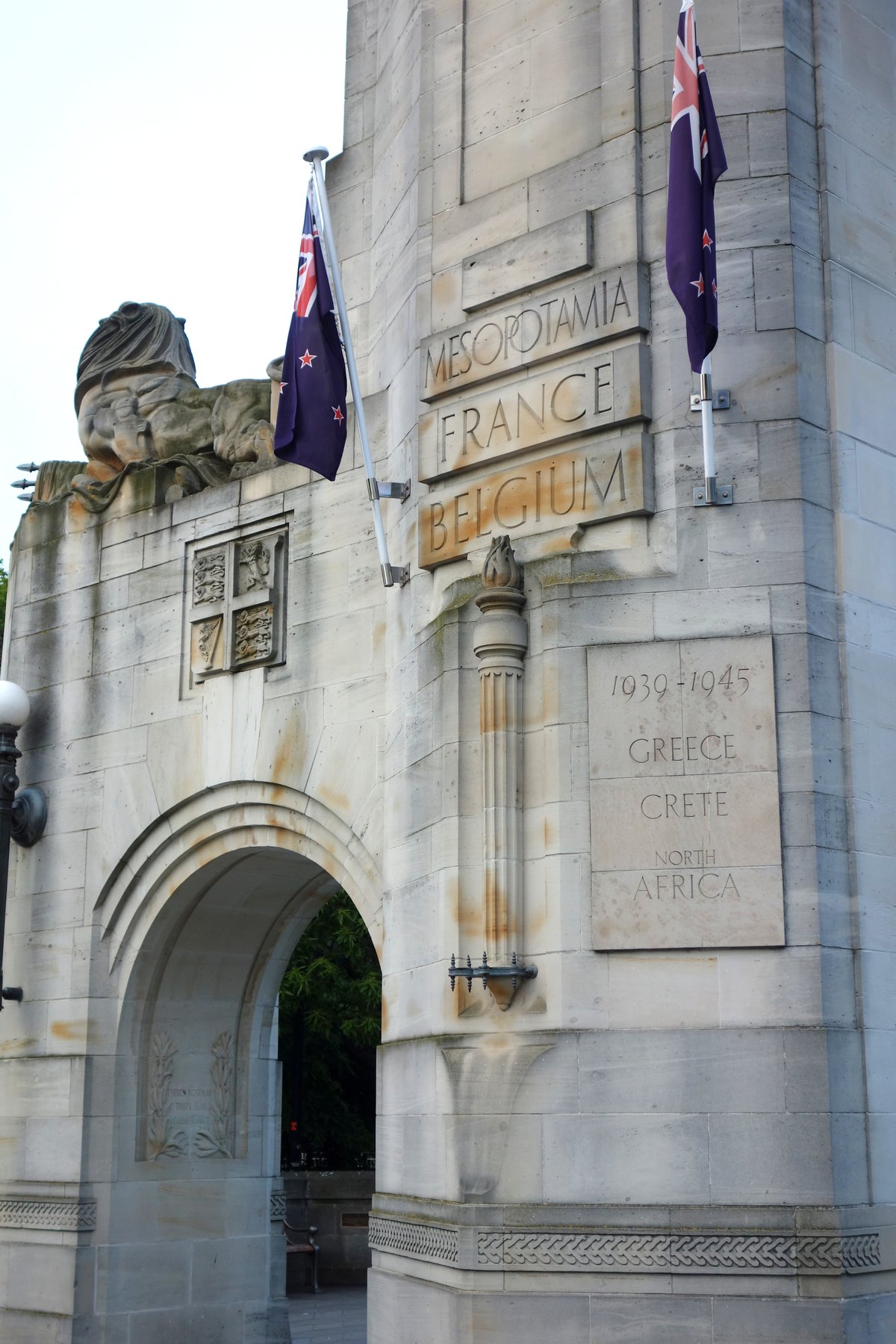
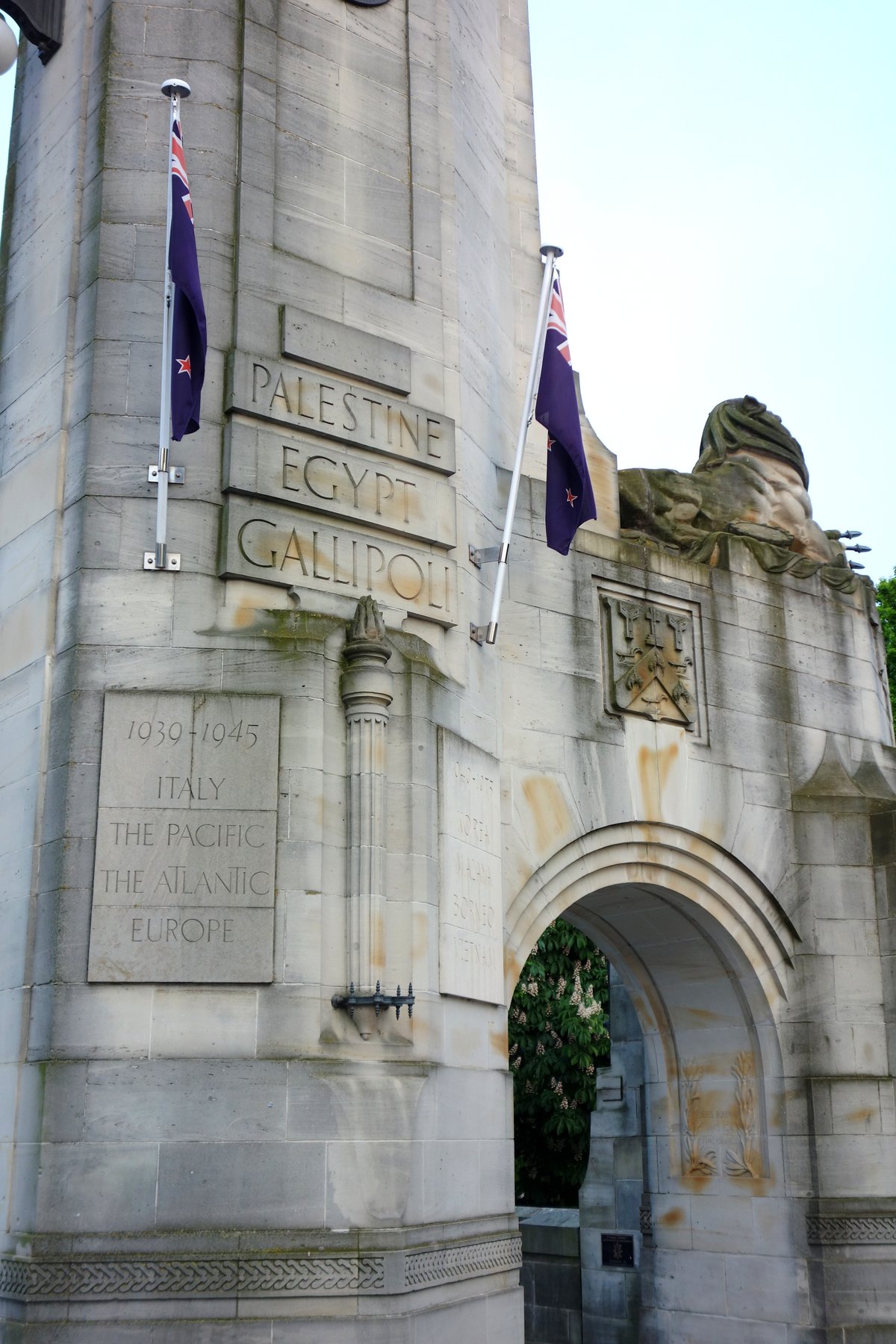
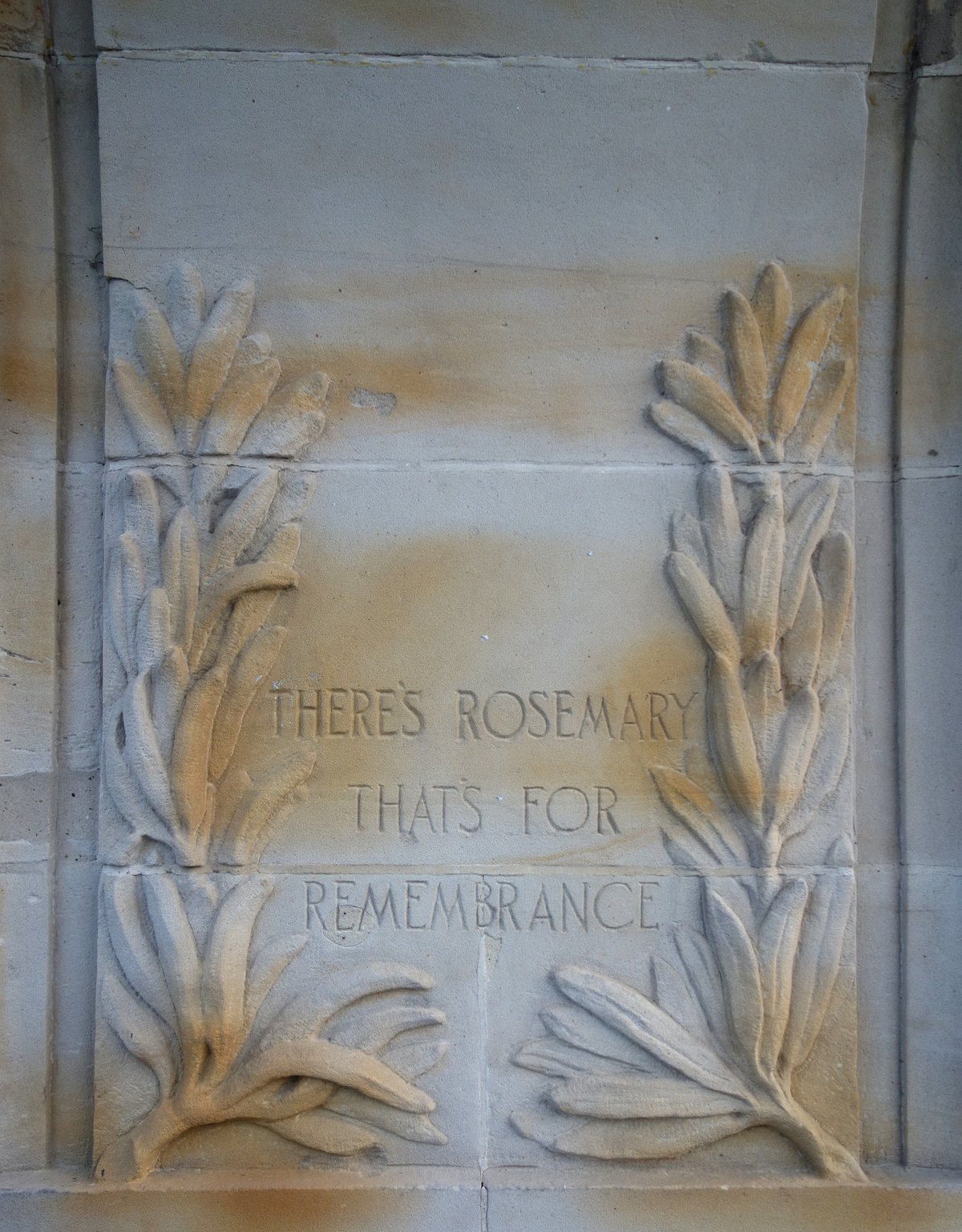
The bridge’s neoclassical Memorial Arch stands 14 meters high and spans 20 meters, constructed from concrete and Oamaru stone. Designed by William Gummer, its features include laurel wreaths, military insignia, and engraved plaques commemorating New Zealand’s servicemen and women. The triumphal arch draws inspiration from Roman monuments, embodying dignity and permanence (KDS; Chris Lynch Media).
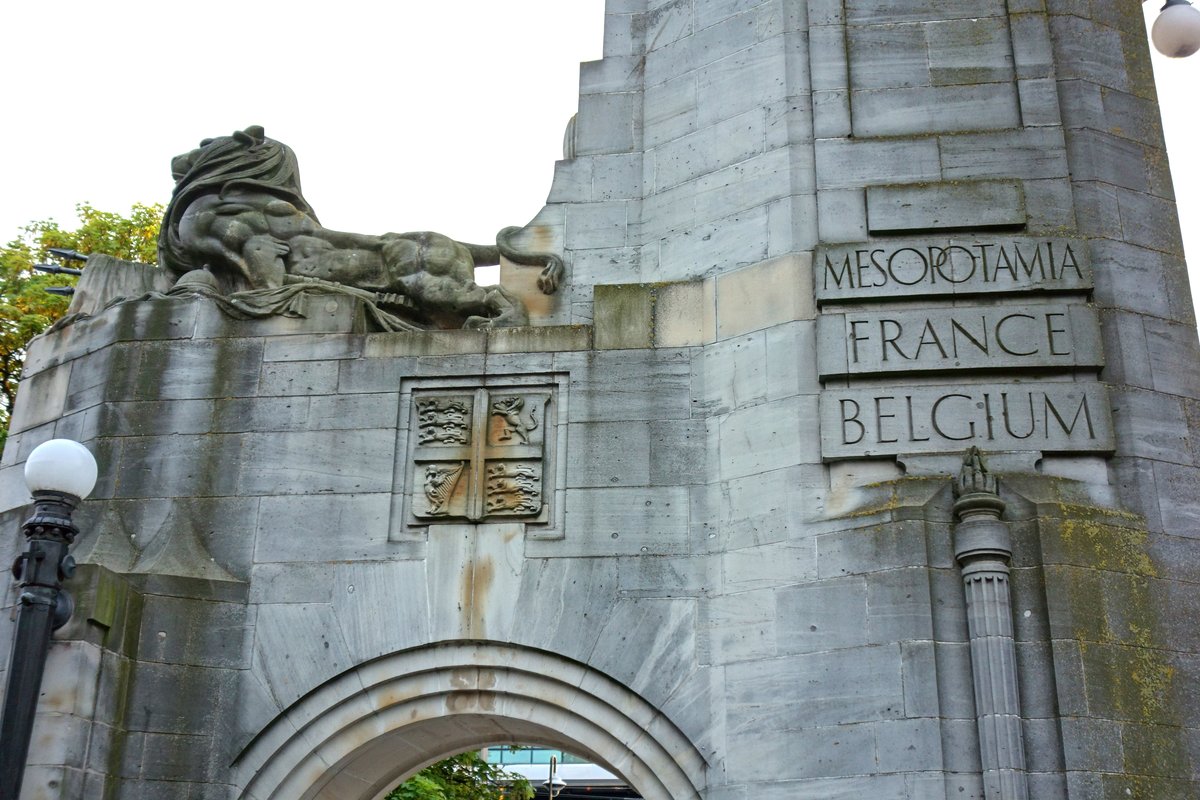
Additional artistry comes from sculptors Frederick Gurnsey and Lawrence Berry, who carved intricate reliefs, laurel leaves, and decorative lions. The bridge’s symmetry, clean lines, and use of local stone harmonize with the Canterbury landscape and cityscape, making it a visual and symbolic landmark (KDS).
Historical Significance and Restoration
Since its inception, the bridge has served as a focal point for civic life and remembrance in Christchurch. After sustaining severe damage during the 2010 and 2011 earthquakes, the bridge underwent a major restoration led by the Stronger Christchurch Infrastructure Rebuild Team (SCIRT). Modern seismic strengthening, including the use of reinforced concrete cores and stainless steel anchors, was integrated while preserving the original design and artistry (SCIRT Learning Legacy). The restoration’s success was marked by the return of the carved stone lions and the bridge’s reopening in 2016.
Memorialization and Community Role
Originally dedicated to those lost in World War I, the bridge now honors all New Zealand military personnel, with later additions recognizing World War II, Korea, Malaya, Borneo, and Vietnam. Plaques and inscriptions detail battles and campaigns, and annual commemorative events such as Anzac Day and Armistice Day reinforce its ongoing significance. The site is a living memorial, central to Christchurch’s community identity and collective memory (Otago Daily Times).
Visitor Information
Visiting Hours and Tickets
- Hours: Open 24 hours a day, seven days a week.
- Tickets: No admission fee; the bridge is freely accessible at all times (Living Nomads).
Accessibility
The bridge and surrounding pathways are fully accessible for wheelchairs and strollers. Its central location in Christchurch makes it easy to reach by foot, bike, or public transport (ChristchurchNZ).
Travel Tips and Nearby Attractions
- Best Times: Early mornings and late afternoons for peaceful reflection and ideal photography lighting.
- Nearby Attractions: Within walking distance are the Christchurch Botanic Gardens, Canterbury Museum, Cathedral Square, Christchurch Art Gallery, and the vibrant Riverside Market (Lonely Planet).
- Amenities: Public restrooms, cafes, shops, and seating areas are available nearby.
Special Events and Guided Tours
- Commemorative Events: The bridge hosts major public ceremonies, especially on Anzac Day (April 25) and Armistice Day (November 11), often featuring military parades and performances.
- Guided Tours: Several walking tours of Christchurch historical sites include the bridge, with expert commentary on its history and architecture. Audio guides are available via the Audiala app and local tourism platforms (ChristchurchNZ).
Visuals and Media
- Photography: The bridge is a favorite for photographers, especially at sunrise and sunset.
- Virtual Tours: High-quality images and virtual tours are available through official tourism and heritage websites, offering a preview before your visit.
- Interpretive Panels: On-site inscriptions and panels provide historical and architectural context.
Frequently Asked Questions (FAQ)
Q: What are the Bridge of Remembrance visiting hours?
A: The bridge is open 24 hours a day, every day of the year.
Q: Is there an admission fee or ticket required?
A: No, visiting the bridge is free for everyone.
Q: Is the bridge accessible for people with disabilities?
A: Yes. The bridge and surrounding walkways are wheelchair and stroller accessible.
Q: Are guided tours available?
A: Yes. Many Christchurch guided walking tours include the bridge, especially during commemorative periods.
Q: Can I take photos at the bridge?
A: Absolutely. The bridge is a popular spot for photography—please be respectful during ceremonies.
Q: What are nearby attractions?
A: Canterbury Museum, Christchurch Art Gallery, Botanic Gardens, Cathedral Square, and Riverside Market.
Tickets & tours.
These are guided options from our partners — same price as booking direct.
Prices are indicative — final pricing and availability are confirmed at checkout. Audiala may earn a commission from bookings made through these links.
Listen to the full story in the app
The whole Bridge Of Remembrance,
told well.
Audio guides for 1,100+ cities across 96 countries. History, stories, and local insight — offline ready.
Verified, and shown.
Researched and written by the Audiala editorial team from historical records, architectural archives, and local expertise.
Researched from Wikidata, Wikipedia & official sources · fact-checked · How we make our guides →