landscape
Two Islands, Two Moods
The North Island gives you volcanoes, hot springs, and political history; the South Island answers with alpine passes, fiords, and long empty coastlines. Few countries change this much over one ferry crossing.
New Zealand is one of the few countries where the headline sights are real, but the deeper pleasure comes from how quickly the landscape changes and how stubbornly each region keeps its own character.
EntryVisa-waiver travelers usually need an NZeTA; UK citizens can stay up to 6 months, most others up to 3.
NA New Zealand travel guide starts with a surprise: this small country holds glaciers, geysers, fiords, and wine valleys within a few hours' drive.
New Zealand works best when you stop thinking of it as one neat destination and start reading it as two islands in argument. The North Island runs on geothermal heat, surf, vineyards, and the political nerve of Wellington, where parliament sits a short walk from a wind-whipped waterfront. Auckland spreads across volcanic cones and two harbors, big enough to feel metropolitan but never far from black-sand beaches. Then Rotorua cuts in with sulfur in the air, carved meeting houses, and a living Māori cultural presence that shapes the country far more than postcard versions admit.
The South Island changes the scale. Christchurch opens onto the Canterbury Plains with a rebuilt center and an easy route toward the Southern Alps, while Queenstown turns mountain drama into daily life and Wānaka offers the same peaks with less noise. Drive north and Kaikōura puts whales, seals, and snow-backed ranges in one frame; head west and Hokitika gives you rain, driftwood, and the raw weather that feeds the glaciers and fiords farther south. This is a country built for people who like movement: ferry crossings, long road bends, and sudden stops because the light changed.
First Voyagers and Tribal Worlds, c. 1250-1642
A canoe noses through Pacific mist, and before anyone sees land they see the sign of it: a long white cloud stretched low above the horizon. According to tradition, Kupe named the place Aotearoa from that first sighting. Legend adds quarrels, stolen wives, and a giant octopus chase, which is a splendid reminder that founding stories are rarely tidy.
What matters is this: Polynesian navigators reached these islands between the late 13th and early 14th centuries with stars, currents, bird paths, and memory. They found forests thick with rimu and tōtara, coasts rich with shellfish, and birds so unworried by human beings that moa could be hunted almost to the point of absurdity. Then the abundance ended. Within a few generations, the moa were gone, and the society that had arrived at the edge of the world had to become sharper, tougher, more territorial.
So the pā appeared. Ce que l'on ignore souvent, c'est que these hilltop fortresses were not rough stockades improvised in panic, but works of engineering: terraces, trenches, palisades, raised fighting stages, hidden food stores. Long before British officers came measuring everything with professional vanity, Māori communities had turned defense into architecture.
This was also a world ordered by whakapapa, by ancestry spoken aloud, and by mana, which had to be guarded as carefully as food. Place names held memory the way an archive holds paper. Rotorua was not only geothermal spectacle, and the shores near present-day Auckland were not merely good harbors; they were kinship, rivalry, burial ground, and promise. That dense web of belonging would shape every meeting with Europe that followed.
Kupe survives in New Zealand memory not as a marble founder but as a restless navigator whose story mixes discovery, ego, and the kind of family scandal great oral traditions never bother to hide.
Archaeology suggests Māori wiped out the moa in roughly a century, one of the fastest recorded human-driven extinctions of large animals anywhere on earth.
First Encounters, 1642-1814
In December 1642, Dutch ships entered the bay now called Golden Bay under a sky that looked calm enough to deceive any captain. Abel Tasman never properly landed. A challenge was issued, signals were misunderstood, Māori warriors attacked a boat, and four of his sailors were killed before Europe had even managed an introduction.
Tasman named it Murderers' Bay and sailed away. One misread ritual, and an entire archipelago acquired a reputation in Europe for savagery before most Europeans had seen so much as a beach. New Zealand then vanished again from European experience for 127 years, which gave the islands one last long pause before the imperial machine truly arrived.
When James Cook came in 1769, the scene changed because he did not arrive alone in any meaningful sense. Tupaia, the Raiatean priest-navigator on the Endeavour, could speak across the Polynesian world, and Māori often understood the expedition through him. Ce que l'on ignore souvent, c'est que many first conversations in New Zealand were not really between Britain and Māori at all, but between Pacific peoples who recognized fragments of one another's language, protocol, and sacred geography.
Cook mapped coasts with ruthless precision. Joseph Banks filled notebooks with plants, tattoos, appetites, bodies, and judgments that the polished published version later softened. Sealers, whalers, traders, escaped convicts, and opportunists followed into the Bay of Islands. By the time the first missionary sermon was preached at Rangihoua in 1814, this was no untouched world. It was already a frontier of exchange, desire, misunderstanding, and revenge.
Tupaia was the indispensable man on Cook’s voyage, a diplomat and navigator so gifted that many Māori saw the Endeavour as his ship before it was Cook’s.
Tasman’s single violent encounter was enough to keep large parts of Europe away from New Zealand for more than a century.
Muskets, Missionaries, and the Treaty, 1814-1845
Picture a kūmara pit, dark and cramped, with enemies stamping the ground above it. Around 1820, Te Rauparaha hid there while pursuers searched for him, and when he emerged alive he is said to have composed the haka now known around the world: "Ka mate, ka mate... ka ora, ka ora." Death, then life. It began not in a stadium, but in terror.
Those were the years of the Musket Wars, when access to firearms turned old rivalries into campaigns of shocking scale. Hongi Hika traveled to England in 1820, met King George IV, received gifts fit for a diplomatic curiosity, then traded much of that prestige in Sydney for muskets. Back home he used them to devastating effect. Tribal balances shifted, thousands were killed, thousands more displaced, and every missionary sermon about peace arrived in a country already being remade by gunpowder.
Missionaries came with Bibles, printing presses, and the serene conviction that they understood salvation. Some learned te reo Māori seriously, translated scripture, and defended Māori interests when settlers wanted land faster than law could provide it. Others simply prepared the ground for colonization while imagining themselves above politics. They were not above politics. They never are.
Then came Waitangi in 1840. In the humid February air at the Bay of Islands, rangatira signed what Britain treated as the founding document of a colony and many Māori understood as an agreement to govern settlers while protecting chiefly authority. The English and Māori texts did not say the same thing. That was not a footnote. It was the future. From that mistranslation grew the arguments that still run from Northland to Wellington and into every courtroom where sovereignty is discussed.
Te Rauparaha was brilliant, ruthless, adaptable, and frightened often enough to know the price of survival, which is precisely why his legend still feels alive.
Hongi Hika returned from Britain with a suit of chain mail and about 300 muskets, an exchange that altered the balance of power across much of the North Island.
War, Confiscation, and the Colony Grows Up, 1845-1907
At Kororāreka in 1845, Hone Heke cut down the British flagstaff at Maiki Hill. He did it once, then again, then again, until symbolism became open war. A pole of timber had become the whole imperial argument in miniature: whose authority flew here, and who had consented to it.
The New Zealand Wars that followed were fought in bush, on farmland, around pā engineered with extraordinary tactical intelligence. British troops discovered, to their discomfort, that imperial firepower did not guarantee easy victories against opponents who understood terrain, timing, and fortification better than the men sent to conquer them. The war was never only military. It was legal, economic, and intimate. Land confiscations after rebellion, or supposed rebellion, tore at iwi wealth for generations.
Meanwhile settlers poured in. Christchurch was laid out with Anglican order and colonial confidence; Dunedin grew rich on the Otago gold rush after 1861, all Presbyterian sobriety with gold dust under its fingernails; Wellington hardened into the political capital. Railways, refrigerated shipping in 1882, and wool, meat, and butter tied New Zealand to Britain so tightly that the country could imagine itself both independent-minded and dutifully imperial at once.
Yet another story was taking shape beneath the portrait of empire. Māori communities fought in parliament, in petition campaigns, in local leadership, and in daily acts of endurance. Women organized too. In 1893, New Zealand became the first self-governing country to grant women the right to vote in national elections, thanks in no small part to Kate Sheppard and an army of determined signatures. So the colony that had taken land by force also gave the modern world a democratic first. History enjoys that kind of contradiction.
Hone Heke was not striking at a piece of wood when he felled the flagstaff; he was attacking the idea that British sovereignty had arrived complete and unquestioned.
The 1893 women’s suffrage petition measured nearly 270 meters when its sheets were laid end to end, a paper serpent long enough to shame a parliament.
From Dominion to Pacific Nation, 1907-present
A new dominion was proclaimed in 1907, but loyalty to Britain remained almost filial. Then came Gallipoli in 1915, and with it the strange alchemy by which military disaster becomes national myth. New Zealanders died on Ottoman slopes far from Auckland and Wellington, and the grief helped forge a story the young country told about courage, sacrifice, and itself.
The 20th century changed the cast of that story. Ernest Rutherford split the atom after leaving the South Island, proving that colonial distance need not mean intellectual smallness. Apirana Ngata worked to protect Māori land, arts, and dignity inside a state that often preferred assimilation. The 1931 Hawke's Bay earthquake shattered Napier, and the rebuilt city emerged in Art Deco lines so crisp that catastrophe became style.
Then the old silences began to crack. In 1975, Whina Cooper led the Māori Land March to Parliament in Wellington, beginning at Te Hāpua in the far north and walking with the sentence that still stings: "Not one more acre." Ce que l'on ignore souvent, c'est que this was not only a protest. It was a grandmother forcing the state to listen in public.
Since the 1980s, treaty settlements, the Māori renaissance, anti-nuclear policy, and a more self-aware Pacific identity have changed the country's tone. Christchurch has rebuilt after earthquake trauma; Queenstown sells beauty with alarming efficiency; Kaikōura recovered after the 2016 quake heaved parts of its seabed upward by more than a meter. New Zealand today is not a finished national portrait. It is an argument carried out in three official languages, across two islands, under a flag some still want to replace.
Whina Cooper was 79 when she led the Land March, moving with the authority of a kuia who had run out of patience long before the cameras arrived.
The 1985 bombing of the Rainbow Warrior in Auckland Harbour was carried out by agents of a friendly Western state, France, which managed to turn a protest nation into an indignant one overnight.
New Zealand English does something sly with certainty. A sentence rises at the end as if asking permission, while the speaker has already decided everything. You hear "sweet as," "yeah nah," "keen?" and realize an entire ethics of social life is being conducted through understatement, refusal softened into weather, enthusiasm trimmed so it does not boast.
Then te reo Māori enters and the room changes temperature. Not because it is decorative. Because it names the world before English arrives with its fences. Rotorua steams differently once you know the word belongs to the place and not the brochure rack; Kaikōura stops being a picturesque coast and becomes a mouthful of crayfish, sea, history. A country reveals itself in the nouns it refuses to translate.
Certain words behave like philosophies disguised as daily speech. Mana is dignity with voltage. Tapu is sacredness with rules. Whakapapa is ancestry, yes, but also the ledger of belonging, the sentence that places a person among rivers, grandparents, mountains, obligations. In Wellington you may hear a meeting open in English and close with "ngā mihi," and this is not contradiction. It is the bilingual unconscious, imperfect and alive.
Aotearoa may be the only place where politeness and metaphysics share a table. Say "kia ora" often enough and you begin to understand that greeting someone can also mean wishing them life. Few countries make a hello carry so much weight so casually.
The food of New Zealand tastes as though the land had first rights over it. Smoke from a hāngī does not flatter lamb and kūmara; it returns them to the soil for a final lesson. Green-lipped mussels arrive with rims the color of oxidized jade. Bluff oysters taste like the cold edge of the map. Nothing here needs much garnish. Isolation has trained the palate to respect the noun.
This produces a curious double appetite. One appetite is ceremonial: hāngī on a marae, rewena bread torn by hand, whitebait fritters eaten during a season so brief it feels liturgical. The other is domestic and faintly comic: pavlova collapsing under cream and kiwifruit at Christmas, L&P drunk with patriotic irony, fish and chips unwrapped on a windy beach while gulls conduct extortion nearby. A nation can be judged by its beach food.
What moves me most is the seriousness granted to plain things. Butter on hot bread. Lemon on raw shellfish. Roast lamb with rosemary and no argument. In Auckland and Wellington, chefs can plate with metropolitan elegance, and often do, yet the country keeps returning to elemental pleasures: fire, sea, tuber, berry, salt, cream. The table says: sophistication is welcome, but first prove you understand hunger.
And then there is the fruit. Kiwifruit, feijoa, Central Otago cherries, apples that snap with a moral clarity European fruit sometimes forgets. New Zealand cuisine has learned that luxury may consist of eating something exactly where it belongs.
New Zealand manners are discreet to the point of magic. Nobody lunges. Nobody performs importance with continental gusto. People queue, apologize when you step on their foot, and criticize by sounding almost grateful. The social ideal is not brilliance but ease: do not make the room carry your weight.
This restraint has teeth. Bragging is treated like a smell. Tall poppy syndrome, they call it, which is an agricultural metaphor for social pruning: grow too proudly above the field and someone will cut you back to size. The correction may come as a joke. It may come as silence. Silence can be more educational.
Hospitality follows the same code. Shoes off at the door if the household does it. Bring something. Do not touch a person's head, and do not place food where tapu would be disturbed; the body has hierarchies, and custom remembers them even when modern life pretends to forget. On a marae, form matters because respect needs choreography.
I find this irresistible. The country speaks softly and enforces standards all the same. In Queenstown exuberance gets a little louder, in Dunedin a little more Presbyterian, in Nelson a little more sun-drunk, yet the governing principle survives: be genuine, be useful, do not make a spectacle unless you are prepared to laugh at yourself first.
New Zealand architecture begins with a practical terror: earthquakes, rain, wind, distance. Build lightly or regret it. Timber became not a compromise but a style, and the style learned grace. Villas in Auckland spread their verandas like polite invitations. Wooden churches in small towns seem assembled by people who expected weather to argue back. They were right.
Then comes the opposite impulse: the meeting house on a marae, where architecture is not shelter alone but genealogy made visible. Carved ancestors hold up the roof. The ridge beam is a spine. You do not enter merely a building; you enter a body, a lineage, a set of obligations. European architecture often aims for monument. Māori architecture aims for relation. That is a more demanding ambition.
The cities each stage their own negotiation. Wellington perches on hills and fault lines, all angle and improvisation, with parliament's Beehive looking like a state joke that somehow became permanent. Napier, rebuilt after the 1931 earthquake, turned catastrophe into one of the purest Art Deco streetscapes on earth; disaster, then geometry. Christchurch knows better than most that architecture is a wager with impermanence, and the rebuilt city carries that knowledge without self-pity.
Perhaps that is the national style: elegance under duress. Houses, halls, sheds, even roadside towns seem aware that the ground itself is thinking. They answer with wit, flexibility, and nails driven properly.
New Zealand cinema understands scale better than most nations because it has lived under geological intimidation for centuries. The mountains do not decorate the frame; they impose terms on it. When films made here turn outward, from Jane Campion's raw psychologies to Peter Jackson's imperial fantasies, the landscape remains less a backdrop than an accomplice. It seduces and judges at once.
This has had odd consequences. The country became globally legible through Middle-earth, and one cannot entirely resent it; some places are born for myth. Yet the more intimate films tell me more. Campion lets mud, desire, and weather form a single sentence. Taika Waititi can make deadpan humor feel like a cousin of grief. Once Were Warriors leaves scorch marks. Hunt for the Wilderpeople proves that absurdity and tenderness are not enemies.
What fascinates me is the national talent for tonal disobedience. Comedy arrives with melancholy in its pocket. Violence appears without operatic announcement. Children speak with old souls; adults behave as though embarrassment were the last sacred value. This is a cinema of emotional side doors.
Go from Hobbit spectacle to a smaller local film in Wellington or Christchurch and the country sharpens. You see that New Zealand does not merely export scenery. It exports a way of looking: oblique, dry, suspicious of grand declarations, and capable of finding the ridiculous one inch from the sublime.
New Zealand literature is full of distance, but not emptiness. Katherine Mansfield made social rooms shimmer with menace, all teacups and tiny humiliations, proving that exile can sharpen vision into a blade. Janet Frame wrote with the authority of someone who had looked over the edge and taken notes. Witi Ihimaera brought Māori worlds into the center of the sentence and refused the old colonial arrangement in which they hovered politely at the margins.
The national page is crowded with coastlines, farms, schools, family silences, and skies so large they become moral pressure. Yet the best writers resist pastoral innocence. This is not a literature that trusts paradise. It knows about confiscated land, loneliness, class embarrassment, and the peculiar violence of understatement. Even the beauty arrives with conditions attached.
Poetry thrives here because the country rewards exactness. A gull is not a symbol until it has first been a gull. A harbor in Dunedin, the sulfur in Rotorua, the blue cold near Wānaka: each demands its proper noun, its proper weather, its proper measure of restraint. Excess would look foolish against that clarity.
Perhaps that is why the prose can feel so intimate. On islands this far from everyone, language cannot afford fraud for long. It has to earn its keep. Mansfield knew it. Frame knew it. Every good New Zealand writer knows that style is not decoration. It is survival with better sentences.
The North Island gives you volcanoes, hot springs, and political history; the South Island answers with alpine passes, fiords, and long empty coastlines. Few countries change this much over one ferry crossing.
You can hike Tongariro, ski near Queenstown and Wānaka, watch whales off Kaikōura, and kayak sheltered coves near Nelson on the same trip. The variety is the point.
New Zealand's story is not background flavor. Te reo Māori, marae protocol, carved meeting houses, and place names carry the country's deepest memory and shape how many landscapes are understood.
Eat green-lipped mussels in the north of the South Island, cellar-door reds around Napier, and fish and chips on a windy shore almost anywhere. The cooking is often simple, but the raw materials do the talking.
Aoraki/Mount Cook, Milford Sound, the geothermal basins near Rotorua, and the Kaikōura coast all earn their reputation. The trick is arriving early or late, when the light strips away the crowd effect.
New Zealand is one of the rare places where driving is part of the experience, not just transport. Roads are good, distances deceptive, and half the best moments happen between destinations.
12 cities — start with the ones we'd send you to first.
A city of 53 volcanoes where you can eat at a Māori-owned restaurant on Karangahape Road, swim at a black-sand beach, and watch container ships pass through the Waitematā Harbour — all before dark.
The wind-battered capital punches well above its 215,000 people: Te Papa Tongarewa holds a colossal squid in a freezer, and the Cuba Street café strip rivals any in Sydney.
Perched on Lake Wakatipu beneath the Remarkables range, this small town invented commercial bungee jumping and has never quite recovered from the idea that adrenaline is a tourism strategy.
Fourteen years after the 2011 earthquake killed 185 people and levelled the centre, the rebuilt city is an unfinished argument between brutalist shipping-container bars and glass towers — more interesting for the tension
The sulphur smell hits you on the highway: a city built over a thermal field where geysers erupt on schedule, mud pools bubble in suburban parks, and Te Puia preserves the living craft of Māori wood carving.
A Victorian gold-rush city at the bottom of the South Island, with a Flemish-Renaissance railway station, the world's steepest street (Baldwin Street, gradient 1:2.86), and a penguin colony twenty minutes from the centre
The geographic centre of New Zealand sits at the top of the South Island, where three national parks converge within a day's drive and the Saturday market sells the same ceramics and olive oil that have made the region a
Smaller and quieter than Queenstown but sharing the same Southern Alps backdrop, it is where New Zealanders themselves go to ski Treble Cone and eat at Francesca's Italian Kitchen without the bachelor-party crowds.
Rebuilt almost entirely in Art Deco after a 1931 earthquake that killed 258 people, the Hawke's Bay city now sits at the centre of New Zealand's most confident red-wine country, with Syrahs from Craggy Range that hold th
Auckland is the country at its most urban and least sentimental: harbours on both sides, volcanic cones in the suburbs, ferries threading out into the Hauraki Gulf. It works best as a launch point rather than a place to rush through, especially if you want food, galleries and a useful first read on modern New Zealand before heading south.
Rotorua smells of sulfur before you see anything, which is part of its honesty. This is the volcanic heart of the North Island, where geysers, hot pools and Māori cultural institutions sit close together, and where the ground itself keeps interrupting the neat idea of landscape as scenery.
Wellington packs politics, film craft and a serious café culture into a narrow harbour city that never quite stops being windy. The wider region opens out toward Palmerston North and the central lower island, but the capital is the place where national arguments, museum narratives and late-night bars all collide within walking distance.
Napier feels unlike the rest of New Zealand because the city had to rebuild almost from scratch after the 1931 earthquake and did it in Art Deco lines. Hawke's Bay around it is dry, orderly and productive: vineyards, orchards and long light, with a calmer rhythm than Auckland or Wellington.
Nelson has the South Island's sunniest reputation and a habit of attracting potters, brewers and people who no longer enjoy winter. It is also the practical hinge for Marlborough and Tasman country, where coastal walks, mussel country and ferry-linked travel from Wellington start to make geographic sense.
Christchurch is the South Island's main service city, but the region around it tells the bigger story: Kaikōura's marine-rich coast to the north, Hokitika's wet western edge beyond the Alps, then the older southern cities and lakes toward Dunedin, Wānaka and Queenstown. This is the part of New Zealand where distances look manageable on a map and then quietly consume an afternoon.
From Polynesian landfall to treaty politics and a modern Pacific identity
The first settlers arrive from East Polynesia and establish enduring communities across the islands. They bring crops, navigation traditions, sacred genealogies, and a world view able to read ocean swells like written text.
Oral traditions of Kupe crystallize as part of the Māori memory of arrival and naming. Whether read as history, legend, or both at once, the story gives Aotearoa a founding scene under a long white cloud.
As resources tighten and communities compete, fortified pā become a defining feature of Māori settlement. These are not crude enclosures but sophisticated defensive landscapes shaped for siege and survival.
Tasman’s expedition enters New Zealand waters and encounters Māori in a deadly clash that kills four Dutch sailors. He departs without landing properly, and Europe inherits a story of danger before it has any real understanding of the place.
James Cook charts New Zealand with unprecedented accuracy, but Tupaia makes the voyage culturally possible. His language skills and authority reshape the encounter from a purely British expedition into a Pacific conversation.
The Bay of Islands chief travels abroad and sees the scale of British power firsthand. His attempt at mediation later ends in tragedy when he is wrongly blamed after the Boyd massacre.
After a grave insult to chiefly mana, the Boyd is attacked at Whangaroa and most aboard are killed. The story races through Britain and turns New Zealand into a byword for peril in the imperial imagination.
Samuel Marsden preaches the first Christian sermon in New Zealand on Christmas Day. Missionary influence will soon intertwine language study, moral reform, land hunger, and imperial expansion.
After traveling to England, Hongi Hika trades many of his gifts for firearms in Sydney. Their arrival intensifies the Musket Wars and changes power across much of the North Island.
British representatives and many rangatira sign the Treaty of Waitangi in the Bay of Islands. The English and Māori texts differ in meaning, and that fracture becomes one of the central arguments in New Zealand history.
At Kororāreka, Hone Heke attacks the symbol of British sovereignty by felling the flagstaff. The gesture sparks the Northern War and announces that treaty politics will not stay politely theoretical.
Gold in Otago turns Dunedin into one of the richest towns in the southern hemisphere for a time. Presbyterian gravity suddenly has to coexist with fortune hunters, speculation, and speed.
The Dunedin carries the first successful shipment of refrigerated meat to Britain. Distance shrinks overnight, and New Zealand’s farms become more tightly bound than ever to imperial markets.
After years of petitioning led by Kate Sheppard and her allies, New Zealand grants women the right to vote in national elections. A settler colony becomes a democratic pioneer almost before it knows what to do with the title.
The colony is formally proclaimed the Dominion of New Zealand. The constitutional shift is modest in practice, yet symbolically it marks a country beginning to imagine itself as more than an imperial outpost.
New Zealand troops fight and die at Gallipoli alongside Australians and Britons. Military defeat becomes a foundational story of sacrifice, grief, and national adulthood.
A violent earthquake kills hundreds and devastates Napier and Hastings. Napier’s rebuilt Art Deco center turns disaster into one of the country’s most distinctive urban identities.
New Zealand finally accepts full legislative independence from Britain. Even then, the emotional habit of thinking imperially lingers longer than the legal dependency.
At 79, Whina Cooper leads a hīkoi from the far north to Parliament in Wellington under the cry "Not one more acre." Land loss, once buried in official language, becomes a public national wound.
French agents bomb Greenpeace’s Rainbow Warrior in Auckland Harbour, killing photographer Fernando Pereira. The attack hardens New Zealand’s anti-nuclear stance and shocks the country into a new kind of diplomatic confidence.
The Māori Language Act gives te reo Māori official status after sustained activism. A language once pushed to the margins returns to public life with legal dignity.
A major earthquake kills 185 people and leaves Christchurch physically and emotionally altered. Reconstruction becomes a long civic test of patience, grief, and design ambition.
After generations of advocacy, the Whanganui River is recognized in law as a living entity with its own rights. It is a modern legal act rooted in a much older Māori understanding of kinship with place.
First Voyagers and Tribal Worlds
Kupe survives in New Zealand memory not as a marble founder but as a restless navigator whose story mixes discovery, ego, and the kind of family scandal great oral traditions never bother to hide.
A canoe noses through Pacific mist, and before anyone sees land they see the sign of it: a long white cloud stretched low above the horizon. According to tradition, Kupe named the place Aotearoa from that first sighting. Legend adds quarrels, stolen wives, and a giant octopus chase, which is a splendid reminder that founding stories are rarely tidy.
What matters is this: Polynesian navigators reached these islands between the late 13th and early 14th centuries with stars, currents, bird paths, and memory. They found forests thick with rimu and tōtara, coasts rich with shellfish, and birds so unworried by human beings that moa could be hunted almost to the point of absurdity. Then the abundance ended. Within a few generations, the moa were gone, and the society that had arrived at the edge of the world had to become sharper, tougher, more territorial.
So the pā appeared. Ce que l'on ignore souvent, c'est que these hilltop fortresses were not rough stockades improvised in panic, but works of engineering: terraces, trenches, palisades, raised fighting stages, hidden food stores. Long before British officers came measuring everything with professional vanity, Māori communities had turned defense into architecture.
This was also a world ordered by whakapapa, by ancestry spoken aloud, and by mana, which had to be guarded as carefully as food. Place names held memory the way an archive holds paper. Rotorua was not only geothermal spectacle, and the shores near present-day Auckland were not merely good harbors; they were kinship, rivalry, burial ground, and promise. That dense web of belonging would shape every meeting with Europe that followed.
Archaeology suggests Māori wiped out the moa in roughly a century, one of the fastest recorded human-driven extinctions of large animals anywhere on earth.
First Encounters
Tupaia was the indispensable man on Cook’s voyage, a diplomat and navigator so gifted that many Māori saw the Endeavour as his ship before it was Cook’s.
In December 1642, Dutch ships entered the bay now called Golden Bay under a sky that looked calm enough to deceive any captain. Abel Tasman never properly landed. A challenge was issued, signals were misunderstood, Māori warriors attacked a boat, and four of his sailors were killed before Europe had even managed an introduction.
Tasman named it Murderers' Bay and sailed away. One misread ritual, and an entire archipelago acquired a reputation in Europe for savagery before most Europeans had seen so much as a beach. New Zealand then vanished again from European experience for 127 years, which gave the islands one last long pause before the imperial machine truly arrived.
When James Cook came in 1769, the scene changed because he did not arrive alone in any meaningful sense. Tupaia, the Raiatean priest-navigator on the Endeavour, could speak across the Polynesian world, and Māori often understood the expedition through him. Ce que l'on ignore souvent, c'est que many first conversations in New Zealand were not really between Britain and Māori at all, but between Pacific peoples who recognized fragments of one another's language, protocol, and sacred geography.
Cook mapped coasts with ruthless precision. Joseph Banks filled notebooks with plants, tattoos, appetites, bodies, and judgments that the polished published version later softened. Sealers, whalers, traders, escaped convicts, and opportunists followed into the Bay of Islands. By the time the first missionary sermon was preached at Rangihoua in 1814, this was no untouched world. It was already a frontier of exchange, desire, misunderstanding, and revenge.
Tasman’s single violent encounter was enough to keep large parts of Europe away from New Zealand for more than a century.
Muskets, Missionaries, and the Treaty
Te Rauparaha was brilliant, ruthless, adaptable, and frightened often enough to know the price of survival, which is precisely why his legend still feels alive.
Picture a kūmara pit, dark and cramped, with enemies stamping the ground above it. Around 1820, Te Rauparaha hid there while pursuers searched for him, and when he emerged alive he is said to have composed the haka now known around the world: "Ka mate, ka mate... ka ora, ka ora." Death, then life. It began not in a stadium, but in terror.
Those were the years of the Musket Wars, when access to firearms turned old rivalries into campaigns of shocking scale. Hongi Hika traveled to England in 1820, met King George IV, received gifts fit for a diplomatic curiosity, then traded much of that prestige in Sydney for muskets. Back home he used them to devastating effect. Tribal balances shifted, thousands were killed, thousands more displaced, and every missionary sermon about peace arrived in a country already being remade by gunpowder.
Missionaries came with Bibles, printing presses, and the serene conviction that they understood salvation. Some learned te reo Māori seriously, translated scripture, and defended Māori interests when settlers wanted land faster than law could provide it. Others simply prepared the ground for colonization while imagining themselves above politics. They were not above politics. They never are.
Then came Waitangi in 1840. In the humid February air at the Bay of Islands, rangatira signed what Britain treated as the founding document of a colony and many Māori understood as an agreement to govern settlers while protecting chiefly authority. The English and Māori texts did not say the same thing. That was not a footnote. It was the future. From that mistranslation grew the arguments that still run from Northland to Wellington and into every courtroom where sovereignty is discussed.
Hongi Hika returned from Britain with a suit of chain mail and about 300 muskets, an exchange that altered the balance of power across much of the North Island.
War, Confiscation, and the Colony Grows Up
Hone Heke was not striking at a piece of wood when he felled the flagstaff; he was attacking the idea that British sovereignty had arrived complete and unquestioned.
At Kororāreka in 1845, Hone Heke cut down the British flagstaff at Maiki Hill. He did it once, then again, then again, until symbolism became open war. A pole of timber had become the whole imperial argument in miniature: whose authority flew here, and who had consented to it.
The New Zealand Wars that followed were fought in bush, on farmland, around pā engineered with extraordinary tactical intelligence. British troops discovered, to their discomfort, that imperial firepower did not guarantee easy victories against opponents who understood terrain, timing, and fortification better than the men sent to conquer them. The war was never only military. It was legal, economic, and intimate. Land confiscations after rebellion, or supposed rebellion, tore at iwi wealth for generations.
Meanwhile settlers poured in. Christchurch was laid out with Anglican order and colonial confidence; Dunedin grew rich on the Otago gold rush after 1861, all Presbyterian sobriety with gold dust under its fingernails; Wellington hardened into the political capital. Railways, refrigerated shipping in 1882, and wool, meat, and butter tied New Zealand to Britain so tightly that the country could imagine itself both independent-minded and dutifully imperial at once.
Yet another story was taking shape beneath the portrait of empire. Māori communities fought in parliament, in petition campaigns, in local leadership, and in daily acts of endurance. Women organized too. In 1893, New Zealand became the first self-governing country to grant women the right to vote in national elections, thanks in no small part to Kate Sheppard and an army of determined signatures. So the colony that had taken land by force also gave the modern world a democratic first. History enjoys that kind of contradiction.
The 1893 women’s suffrage petition measured nearly 270 meters when its sheets were laid end to end, a paper serpent long enough to shame a parliament.
From Dominion to Pacific Nation
Whina Cooper was 79 when she led the Land March, moving with the authority of a kuia who had run out of patience long before the cameras arrived.
A new dominion was proclaimed in 1907, but loyalty to Britain remained almost filial. Then came Gallipoli in 1915, and with it the strange alchemy by which military disaster becomes national myth. New Zealanders died on Ottoman slopes far from Auckland and Wellington, and the grief helped forge a story the young country told about courage, sacrifice, and itself.
The 20th century changed the cast of that story. Ernest Rutherford split the atom after leaving the South Island, proving that colonial distance need not mean intellectual smallness. Apirana Ngata worked to protect Māori land, arts, and dignity inside a state that often preferred assimilation. The 1931 Hawke's Bay earthquake shattered Napier, and the rebuilt city emerged in Art Deco lines so crisp that catastrophe became style.
Then the old silences began to crack. In 1975, Whina Cooper led the Māori Land March to Parliament in Wellington, beginning at Te Hāpua in the far north and walking with the sentence that still stings: "Not one more acre." Ce que l'on ignore souvent, c'est que this was not only a protest. It was a grandmother forcing the state to listen in public.
Since the 1980s, treaty settlements, the Māori renaissance, anti-nuclear policy, and a more self-aware Pacific identity have changed the country's tone. Christchurch has rebuilt after earthquake trauma; Queenstown sells beauty with alarming efficiency; Kaikōura recovered after the 2016 quake heaved parts of its seabed upward by more than a meter. New Zealand today is not a finished national portrait. It is an argument carried out in three official languages, across two islands, under a flag some still want to replace.
The 1985 bombing of the Rainbow Warrior in Auckland Harbour was carried out by agents of a friendly Western state, France, which managed to turn a protest nation into an indignant one overnight.
New Zealand English does something sly with certainty. A sentence rises at the end as if asking permission, while the speaker has already decided everything. You hear "sweet as," "yeah nah," "keen?" and realize an entire ethics of social life is being conducted through understatement, refusal softened into weather, enthusiasm trimmed so it does not boast.
Then te reo Māori enters and the room changes temperature. Not because it is decorative. Because it names the world before English arrives with its fences. Rotorua steams differently once you know the word belongs to the place and not the brochure rack; Kaikōura stops being a picturesque coast and becomes a mouthful of crayfish, sea, history. A country reveals itself in the nouns it refuses to translate.
Certain words behave like philosophies disguised as daily speech. Mana is dignity with voltage. Tapu is sacredness with rules. Whakapapa is ancestry, yes, but also the ledger of belonging, the sentence that places a person among rivers, grandparents, mountains, obligations. In Wellington you may hear a meeting open in English and close with "ngā mihi," and this is not contradiction. It is the bilingual unconscious, imperfect and alive.
Aotearoa may be the only place where politeness and metaphysics share a table. Say "kia ora" often enough and you begin to understand that greeting someone can also mean wishing them life. Few countries make a hello carry so much weight so casually.
The food of New Zealand tastes as though the land had first rights over it. Smoke from a hāngī does not flatter lamb and kūmara; it returns them to the soil for a final lesson. Green-lipped mussels arrive with rims the color of oxidized jade. Bluff oysters taste like the cold edge of the map. Nothing here needs much garnish. Isolation has trained the palate to respect the noun.
This produces a curious double appetite. One appetite is ceremonial: hāngī on a marae, rewena bread torn by hand, whitebait fritters eaten during a season so brief it feels liturgical. The other is domestic and faintly comic: pavlova collapsing under cream and kiwifruit at Christmas, L&P drunk with patriotic irony, fish and chips unwrapped on a windy beach while gulls conduct extortion nearby. A nation can be judged by its beach food.
What moves me most is the seriousness granted to plain things. Butter on hot bread. Lemon on raw shellfish. Roast lamb with rosemary and no argument. In Auckland and Wellington, chefs can plate with metropolitan elegance, and often do, yet the country keeps returning to elemental pleasures: fire, sea, tuber, berry, salt, cream. The table says: sophistication is welcome, but first prove you understand hunger.
And then there is the fruit. Kiwifruit, feijoa, Central Otago cherries, apples that snap with a moral clarity European fruit sometimes forgets. New Zealand cuisine has learned that luxury may consist of eating something exactly where it belongs.
New Zealand manners are discreet to the point of magic. Nobody lunges. Nobody performs importance with continental gusto. People queue, apologize when you step on their foot, and criticize by sounding almost grateful. The social ideal is not brilliance but ease: do not make the room carry your weight.
This restraint has teeth. Bragging is treated like a smell. Tall poppy syndrome, they call it, which is an agricultural metaphor for social pruning: grow too proudly above the field and someone will cut you back to size. The correction may come as a joke. It may come as silence. Silence can be more educational.
Hospitality follows the same code. Shoes off at the door if the household does it. Bring something. Do not touch a person's head, and do not place food where tapu would be disturbed; the body has hierarchies, and custom remembers them even when modern life pretends to forget. On a marae, form matters because respect needs choreography.
I find this irresistible. The country speaks softly and enforces standards all the same. In Queenstown exuberance gets a little louder, in Dunedin a little more Presbyterian, in Nelson a little more sun-drunk, yet the governing principle survives: be genuine, be useful, do not make a spectacle unless you are prepared to laugh at yourself first.
New Zealand architecture begins with a practical terror: earthquakes, rain, wind, distance. Build lightly or regret it. Timber became not a compromise but a style, and the style learned grace. Villas in Auckland spread their verandas like polite invitations. Wooden churches in small towns seem assembled by people who expected weather to argue back. They were right.
Then comes the opposite impulse: the meeting house on a marae, where architecture is not shelter alone but genealogy made visible. Carved ancestors hold up the roof. The ridge beam is a spine. You do not enter merely a building; you enter a body, a lineage, a set of obligations. European architecture often aims for monument. Māori architecture aims for relation. That is a more demanding ambition.
The cities each stage their own negotiation. Wellington perches on hills and fault lines, all angle and improvisation, with parliament's Beehive looking like a state joke that somehow became permanent. Napier, rebuilt after the 1931 earthquake, turned catastrophe into one of the purest Art Deco streetscapes on earth; disaster, then geometry. Christchurch knows better than most that architecture is a wager with impermanence, and the rebuilt city carries that knowledge without self-pity.
Perhaps that is the national style: elegance under duress. Houses, halls, sheds, even roadside towns seem aware that the ground itself is thinking. They answer with wit, flexibility, and nails driven properly.
New Zealand cinema understands scale better than most nations because it has lived under geological intimidation for centuries. The mountains do not decorate the frame; they impose terms on it. When films made here turn outward, from Jane Campion's raw psychologies to Peter Jackson's imperial fantasies, the landscape remains less a backdrop than an accomplice. It seduces and judges at once.
This has had odd consequences. The country became globally legible through Middle-earth, and one cannot entirely resent it; some places are born for myth. Yet the more intimate films tell me more. Campion lets mud, desire, and weather form a single sentence. Taika Waititi can make deadpan humor feel like a cousin of grief. Once Were Warriors leaves scorch marks. Hunt for the Wilderpeople proves that absurdity and tenderness are not enemies.
What fascinates me is the national talent for tonal disobedience. Comedy arrives with melancholy in its pocket. Violence appears without operatic announcement. Children speak with old souls; adults behave as though embarrassment were the last sacred value. This is a cinema of emotional side doors.
Go from Hobbit spectacle to a smaller local film in Wellington or Christchurch and the country sharpens. You see that New Zealand does not merely export scenery. It exports a way of looking: oblique, dry, suspicious of grand declarations, and capable of finding the ridiculous one inch from the sublime.
New Zealand literature is full of distance, but not emptiness. Katherine Mansfield made social rooms shimmer with menace, all teacups and tiny humiliations, proving that exile can sharpen vision into a blade. Janet Frame wrote with the authority of someone who had looked over the edge and taken notes. Witi Ihimaera brought Māori worlds into the center of the sentence and refused the old colonial arrangement in which they hovered politely at the margins.
The national page is crowded with coastlines, farms, schools, family silences, and skies so large they become moral pressure. Yet the best writers resist pastoral innocence. This is not a literature that trusts paradise. It knows about confiscated land, loneliness, class embarrassment, and the peculiar violence of understatement. Even the beauty arrives with conditions attached.
Poetry thrives here because the country rewards exactness. A gull is not a symbol until it has first been a gull. A harbor in Dunedin, the sulfur in Rotorua, the blue cold near Wānaka: each demands its proper noun, its proper weather, its proper measure of restraint. Excess would look foolish against that clarity.
Perhaps that is why the prose can feel so intimate. On islands this far from everyone, language cannot afford fraud for long. It has to earn its keep. Mansfield knew it. Frame knew it. Every good New Zealand writer knows that style is not decoration. It is survival with better sentences.
Kupe belongs to the realm where genealogy, navigation, and myth overlap. New Zealand keeps him close because his story explains more than discovery: it explains naming, direction, and the human habit of turning a risky voyage into family legend.
When Cook reached New Zealand, Tupaia made the encounter legible. He could speak across Polynesian worlds, and his presence turned what might have been pure collision into conversation, however fragile.
He is often reduced to a haka, which is unfair to the scale of the man. Te Rauparaha was a tactician, survivor, exile, conqueror, and political operator whose life captures how violent and unstable early 19th-century New Zealand really was.
Heke saw faster than many that the treaty settlement was not unfolding as promised. By cutting down the British flagstaff at Kororāreka, he turned constitutional grievance into one unforgettable image.
She organized with paper, discipline, and relentless clarity rather than theatrical scandal. In 1893, the victory she helped force through parliament made New Zealand the first self-governing country where women could vote nationally.
Rutherford left New Zealand young, yet the country never stopped claiming him, and rightly so. The farm boy from near Nelson became the man who split the atom, a reminder that intellectual ambition could travel very far from the colonial edge.
Ngata moved through parliament in Wellington with scholarship, elegance, and strategic patience. He fought to preserve Māori land ownership, carving traditions, song, and language at a time when the state often preferred neat absorption into Pākehā norms.
Small in stature, formidable in effect, Whina Cooper understood the force of moral theatre. Her march to Wellington made land loss visible to the whole country and turned an old grievance into a modern reckoning.
Hillary reached Everest’s summit in 1953 with Tenzing Norgay and came home as the embodiment of Kiwi stoicism. Yet his deeper greatness may lie in the decades he spent building schools, bridges, and hospitals in Nepal rather than polishing his legend.
This is the compact North Island sampler for travelers who have only a long weekend and want city energy followed by geothermal country. Start in Auckland for harbours and food, then head south to Rotorua for mud pools, Māori cultural experiences and the strange sulfur smell that tells you the earth is still busy under your feet.
This lower North Island route makes sense if you prefer architecture, wine country and a capital city with actual cultural weight. Napier gives you one of the world's best concentrations of Art Deco streetscapes, Palmerston North breaks the overland trip cleanly, and Wellington finishes with museums, coffee and wind in roughly equal measure.
This South Island traverse links the east coast, the top of the island and the wet western flank without repeating ground. Christchurch gives you the urban reset, Kaikōura adds marine life and mountain-meets-sea drama, Nelson brings sun and art studios, and Hokitika finishes with rivers, driftwood beaches and proper West Coast weather.
This southern route is built for travelers who want landscape with some edge to it: a Scottish-flavored university city, Central Otago light, then the deep tourist machinery of the Southern Lakes. Dunedin gives you wildlife and brooding architecture, Wānaka slows the pace, and Queenstown is where you decide whether to hike, ski, cruise or throw yourself off something expensive.
Lamb, chicken, kūmara, pumpkin, earth heat. Shared on marae, at family gatherings, after speeches, with patience and many hands.
Tiny translucent fish, egg, pan, white bread, butter. West Coast ritual, early meal, brief season, reverent company.
Meringue shell, whipped cream, kiwifruit, summer lunch. Sliced after roast meat, argued over by relatives, eaten standing in the garden.
Raw, cold, metallic, almost sweet. May to August, with lemon if restraint fails, usually among people who know the season by heart.
Steamed open with garlic, wine, parsley, or eaten plain by the sea. Best with sleeves rolled up and bread ready for the broth.
Blue cod or snapper, thick chips, vinegar, paper wrapping. Evening wind, parked car bonnet, gull surveillance, no ceremony at all.
Potato starter, dense crumb, sour edge, generous butter. Served at hui, beside soups and stews, torn rather than sliced.
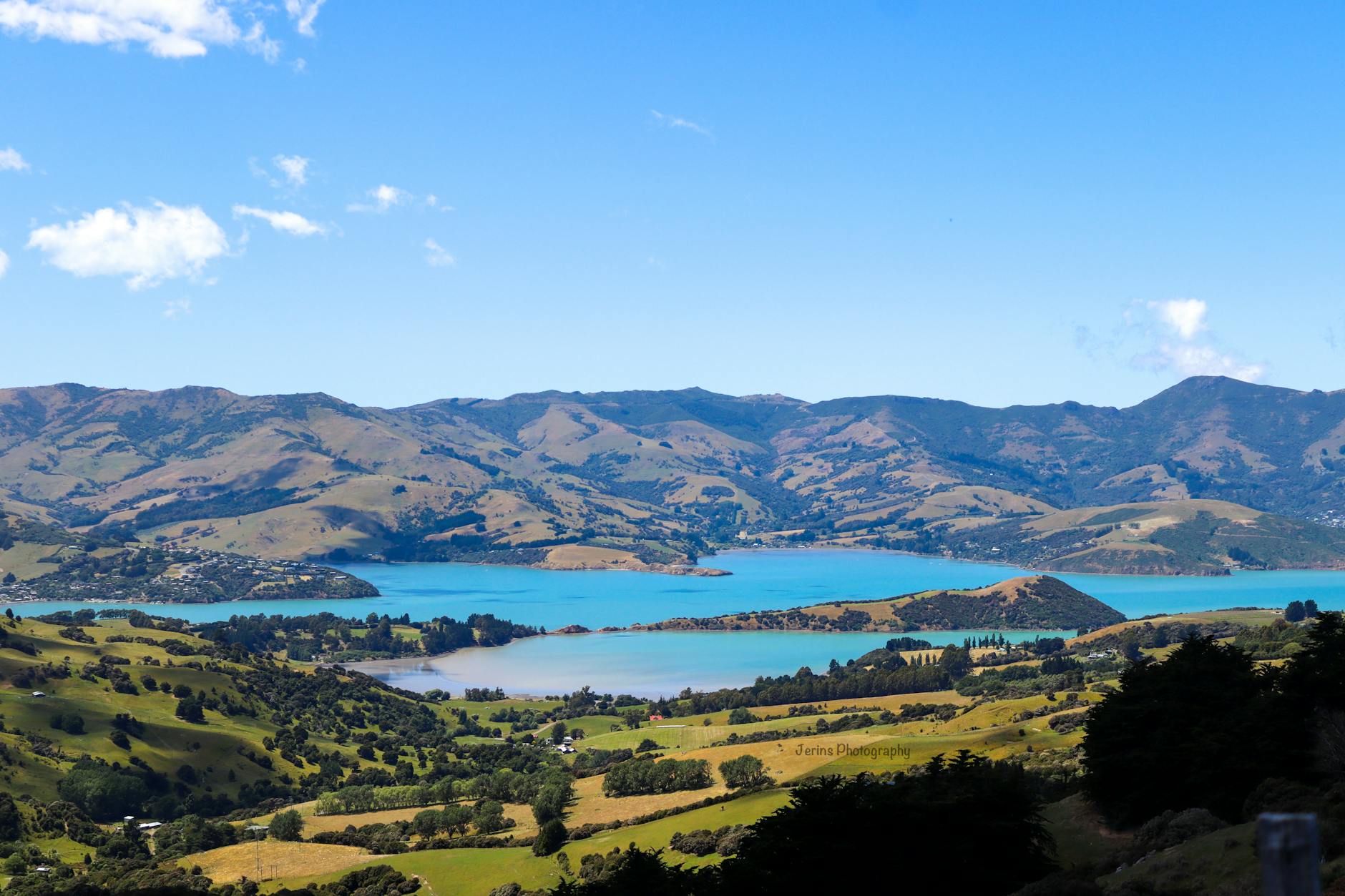
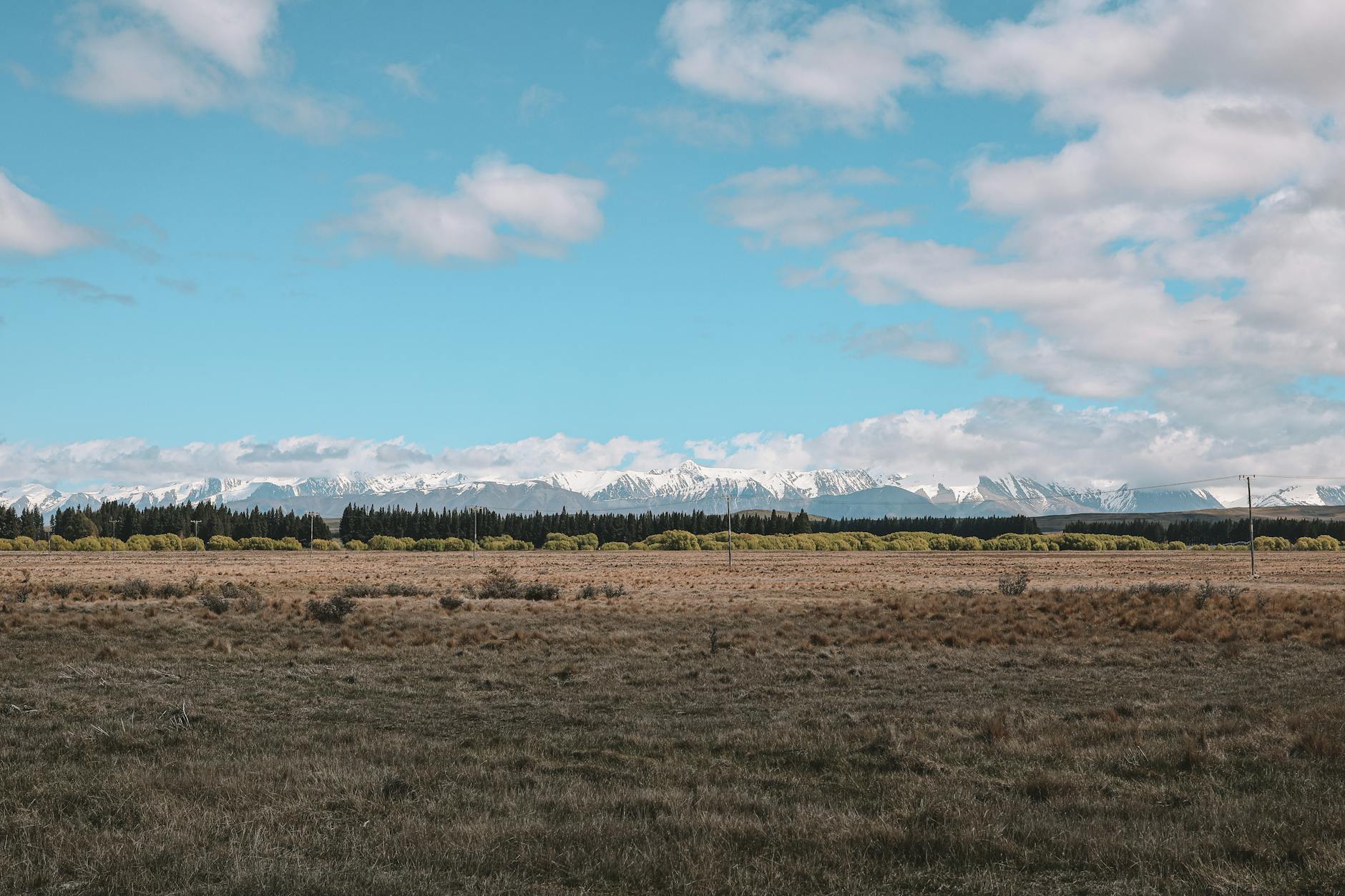
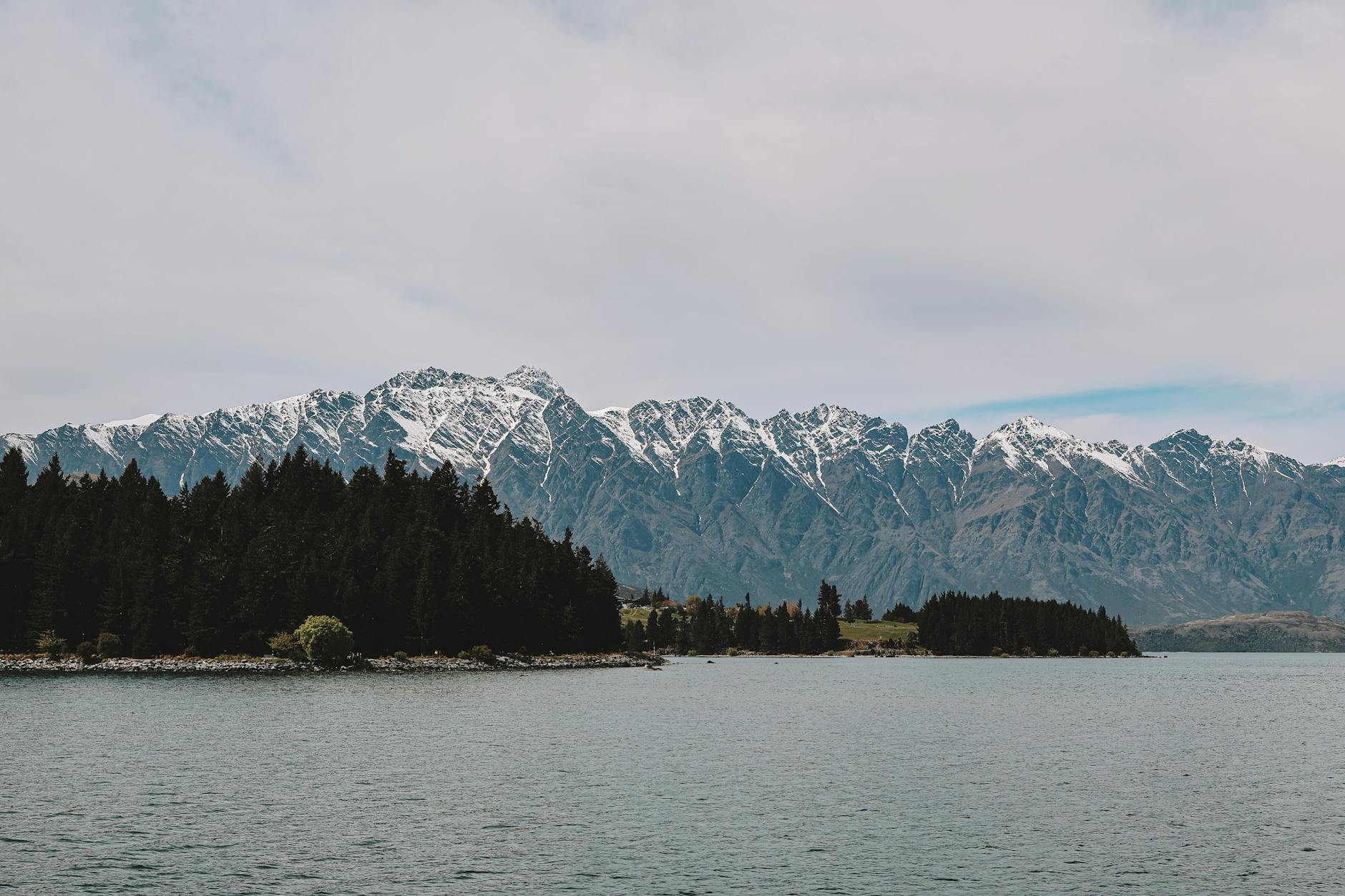
US, Canadian, EU and UK passport holders usually enter New Zealand on the visa-waiver scheme, but most still need an NZeTA before departure. The NZeTA starts at NZD 17, the IVL is NZD 100, and Immigration New Zealand says to allow up to 72 hours; UK citizens can usually stay up to 6 months, most other visa-waiver visitors up to 3.
New Zealand uses the New Zealand dollar (NZD), and card payment is the norm from Auckland to small-town petrol stations. GST is 15 percent and already included in displayed prices; tipping is optional rather than expected, though a little cash still helps for honesty boxes, markets and rural cafés.
Auckland is the main long-haul gateway, while Christchurch, Wellington and Queenstown work well for open-jaw trips or South Island starts. If your route begins in Auckland and ends in Christchurch or Queenstown, you cut out a lot of backtracking and usually save a full travel day.
Self-driving is still the most efficient way to see New Zealand well, especially beyond Auckland, Wellington and Christchurch. Trains such as the Northern Explorer, Coastal Pacific and TranzAlpine are scenic rather than comprehensive, so most travelers mix domestic flights, InterCity buses, ferries and a rental car.
Seasons run opposite to Europe and North America: summer is December to February, winter is June to August. Northland feels subtropical, Hokitika is famously wet, Christchurch sits in a dry east-coast rain shadow, and Queenstown or Wānaka can swing from hot sun to alpine cold in the same day.
Spark has the broadest rural coverage, One NZ is strong nationwide, and 2degrees works best in the main urban corridors. Signal drops fast in Fiordland, parts of the West Coast and remote stretches near Kaikōura, so download offline maps before you leave Auckland, Wellington or Christchurch.
New Zealand is an easy country to travel, but the risks are practical rather than dramatic: left-side driving, long two-lane roads, sudden weather changes and strong UV even on cool days. Check NZTA road alerts before mountain or coast drives, and take Great Walk or alpine weather warnings seriously.
New Zealand gets expensive fast once you add car hire, ferries and paid nature experiences. A workable budget is around NZD 70 to 150 a day for budget travel and NZD 150 to 300 for mid-range trips; Queenstown and Milford access push those numbers upward.
If you are traveling alone, InterCity often makes more financial sense than hiring a car just to move between major stops. Save the rental car for places where it actually buys freedom, such as the South Island interior or regional wine country.
Cook Strait sailings between Wellington and Picton sell out in summer, on long weekends and around school holidays. Book as soon as your dates are firm, especially if you are taking a car or campervan.
December to February is not the moment to improvise in Queenstown, Wānaka or around Aoraki and Fiordland. Reserve accommodation months ahead if you are traveling at Christmas, New Year or during school holidays.
You can tap a card in most of the country, but carrying NZD 50 to 100 still saves awkward moments in rural areas and small honesty-box stops. Do not budget for tipping as a fixed cost; locals do not treat it as mandatory.
Basic respect matters more than perfect fluency. Learn how to say place names properly, use "kia ora" naturally, and treat marae visits, sacred sites and anything described as tapu with the seriousness you would expect from others in your own country.
A 250-kilometre drive here is not the same as a 250-kilometre drive on a motorway-heavy country. Roads are often two-lane, scenic and slower than they look, so build in stops rather than planning back-to-back long drives.
Explore New Zealand with a personal guide in your pocket
Audio guides for 1,100+ cities across 96 countries. History, stories, and local insight — offline ready.

Usually no, but they do need an NZeTA before travel. US passport holders are part of the visa-waiver scheme for tourist visits up to 3 months, and they also need to complete the New Zealand Traveller Declaration before arrival.
A realistic range is NZD 70 to 150 a day for budget travel, NZD 150 to 300 for mid-range, and NZD 350 or more if you want comfort, a rental car and paid excursions. Costs climb sharply in Queenstown, during summer holidays and on routes that depend on ferries or scenic flights.
Yes, especially once transport enters the picture. Food shopping can be controlled, but domestic flights, car hire, ferry crossings and activity-heavy stops such as Queenstown make New Zealand notably pricier than much of Southeast Asia or Southern Europe.
InterCity buses plus a few domestic flights is the cleanest non-driving combination. Trains are beautiful but too limited for most practical itineraries, so treat the TranzAlpine or Northern Explorer as scenic extras rather than your core transport plan.
Fly into Auckland for a North Island start and Christchurch for a South Island road trip. If your plan covers both islands, an open-jaw ticket into Auckland and out of Christchurch or Queenstown usually wastes less time than returning to the same airport.
You can use a card almost everywhere, and contactless payment is standard. Carry a small cash backup for rural cafés, small markets, campgrounds or honesty boxes, but this is now a largely cash-light country.
March and April are the safest bet for many travelers because the weather is often stable and the summer crowds have eased. December to February is the warmest and busiest season, while June to August works best if your trip is built around skiing in Queenstown, Wānaka or Ruapehu.
Generally yes, and the country is one of the easier long-haul destinations for solo travel. The main problems are practical ones such as isolated roads, patchy phone coverage, weather exposure and fatigue on long drives, so normal caution matters more than fear.
You can drive on your current overseas licence if it is in English and valid; otherwise you need an accurate English translation or an international driving permit. The bigger issue is not paperwork but adapting to left-side driving, narrow roads and slower journey times.
Last reviewed