Plan and listen to Thorbecke-Monument with Audiala.
Audio guide in your pocket, itinerary in your browser. Built for the way you actually visit.
Introduction
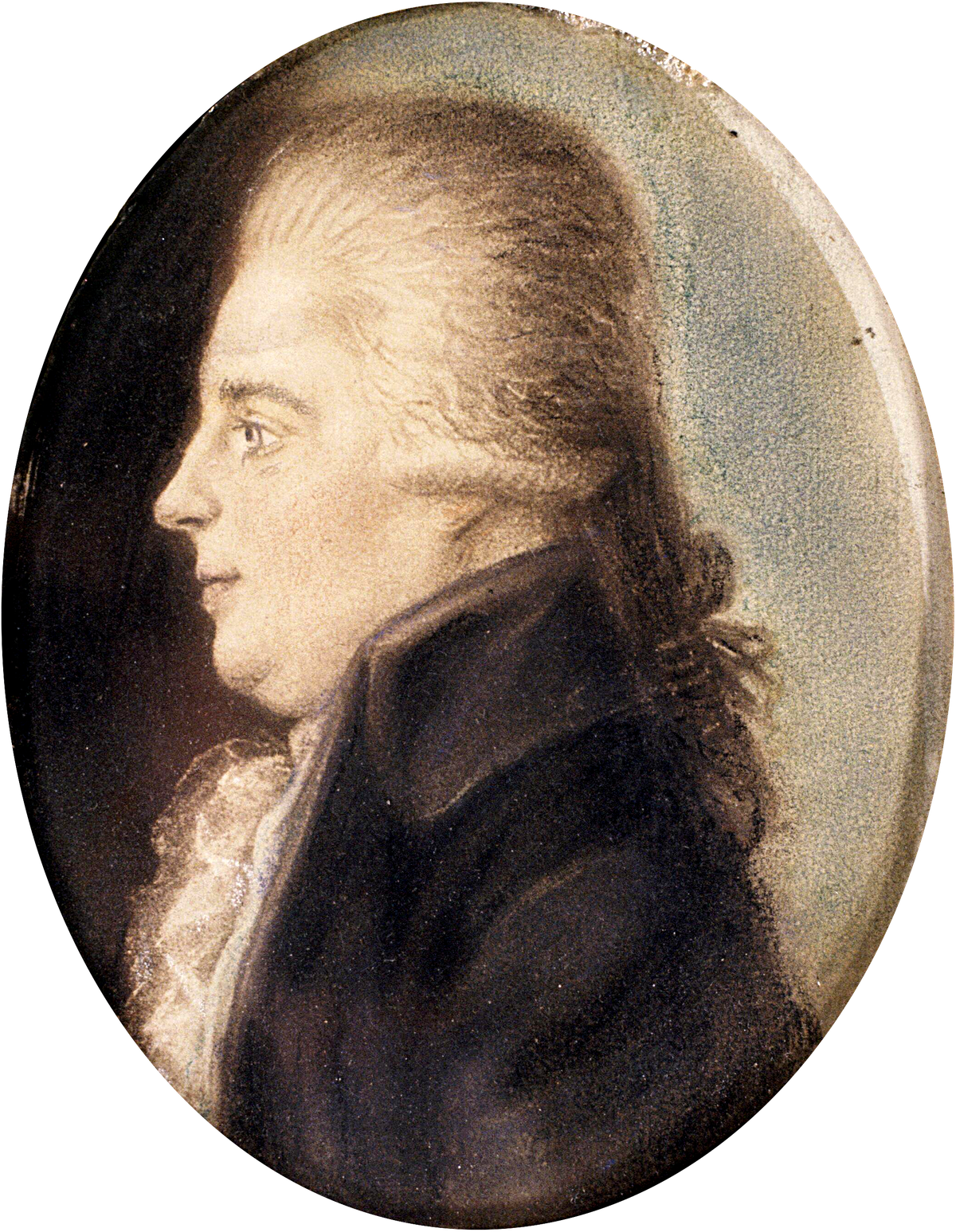
The Thorbecke Monument in The Hague is a striking tribute to Johan Rudolph Thorbecke (1798–1872), the principal architect of the Dutch constitution and a pioneer of parliamentary democracy in the Netherlands. Located on Lange Voorhout, this public artwork blends the historical legacy of Dutch democracy with contemporary civic ideals. Through its innovative design and central location, the monument invites visitors to explore the foundations of Dutch political life and the ongoing importance of active citizenship. This guide offers detailed insights into the monument’s history, artistic features, visitor information, and its pivotal role in Dutch cultural memory (bkdh.nl, expatinfoholland.nl).

Origins and Historical Significance
The Thorbecke Monument was commissioned by the city of The Hague in 2008 and unveiled in 2017 to honor Johan Rudolph Thorbecke’s enduring contributions to Dutch democracy. Thorbecke, born in Zwolle, led the drafting of the 1848 Dutch constitution, a transformative moment that shifted political power from the monarchy to elected representatives, laying the groundwork for the constitutional monarchy that persists today (expatinfoholland.nl).
Despite Thorbecke’s pivotal role, political tensions delayed his commemoration in The Hague for many years. The first statue of Thorbecke was erected in Amsterdam in 1876. It was not until 2017, following a renewed civic initiative, that the city installed a monument befitting Thorbecke’s legacy on Lange Voorhout (bkdh.nl).
Thorbecke’s Political Legacy
Thorbecke’s influence is most evident in the 1848 constitution, which introduced ministerial responsibility, curtailed royal authority, and enshrined parliamentary sovereignty. These changes came during a wave of European unrest, and King Willem II ultimately accepted the reforms under public and political pressure. Thorbecke served three terms as Prime Minister (1849–1853, 1862–1866, 1871–1872), championing liberal ideals, civil rights, and the expansion of democratic participation. His reforms not only shaped the Dutch political landscape but also served as a model for other constitutional monarchies (angloinfo.com).
Artistic and Symbolic Design
Designed by artist Thom Puckey, the monument juxtaposes classical marble with contemporary stainless steel to symbolize the ongoing dialogue between historical legacy and modern democracy. Located on Lange Voorhout, near the Dutch Parliament (Binnenhof), the monument features two interconnected scenes:
- Thorbecke in Marble: Thorbecke is depicted seated at his desk, rendered in marble, gazing toward the Binnenhof—a symbolic gesture linking his reforms to the seat of Dutch government (bkdh.nl).
- Citizens in Stainless Steel: Three contemporary citizens, cast in reflective metal, are engaged in discussion. This scene represents the participatory nature of modern democracy and emphasizes the continued relevance of Thorbecke’s ideals (denhaag.com).
The open doors connecting these scenes invite visitors to reflect on the ongoing evolution of Dutch society and the enduring responsibility of citizenship. Informative plaques and signage provide historical context, enhancing the educational value of the site.
Visitor Information: Hours, Accessibility, and Tips
Location and Accessibility
- Address: Lange Voorhout, The Hague, Netherlands.
Mapcarta - Public Transport: Easily reached via trams 1, 9, and 15, with stops near Lange Voorhout. The Hague Central Station is under 1 km away (HTM The Hague Public Transport).
- Car & Bicycle: Parking garages at Museumkwartier and Plein are within walking distance. Bicycle racks are available nearby.
Visiting Hours and Tickets
- Hours: The monument is outdoors and accessible 24/7, year-round.
- Tickets: No admission fee or tickets required.
Accessibility
- Wheelchair Access: Paved and level walkways make the site fully accessible.
- Amenities: Benches, nearby cafés, public restrooms (in adjacent museums), and signage in Dutch and English.
Best Times to Visit
- Seasons: Spring and summer offer lush scenery and vibrant events.
- Daytime: Early mornings and late afternoons provide optimal lighting for photography and a quieter atmosphere.
Special Features
- Included in guided walking tours—book through local operators or tourism sites (Den Haag Walking Tours).
- The area hosts open-air art exhibitions and festivals, particularly during Den Haag Sculptuur (Den Haag Sculptuur).
Nearby Attractions and Urban Context
Set among 18th-century mansions and historic institutions, the Thorbecke Monument is surrounded by:
- Mauritshuis: Dutch Royal Picture Gallery, home to Vermeer’s “Girl with a Pearl Earring” (Mauritshuis).
- Escher in Het Paleis: Museum dedicated to M.C. Escher’s graphic art (Escher in Het Paleis).
- Binnenhof: The seat of Dutch Parliament (Binnenhof).
- Chinatown: A lively district with diverse cuisine (Chinatown The Hague).
Lange Voorhout itself is a scenic, pedestrian-friendly avenue, lined with linden trees and classic street lamps, providing a tranquil setting for reflection or relaxation.
The Monument’s Role in Dutch Memory
The monument’s orientation toward the Binnenhof emphasizes Thorbecke’s enduring connection to Dutch political life. Its design, combining art and interpretation, makes it a focal point for public reflection on democracy, civil rights, and the responsibilities of citizenship. Informative signage and digital resources (including QR codes) enhance visitor engagement and understanding (denhaag.com, evendo.com).
Timeline of Key Events
- 1798: Johan Rudolph Thorbecke is born in Zwolle.
- 1848: Authors the Dutch constitution in The Hague.
- 1849–1872: Serves three terms as Prime Minister.
- 1872: Thorbecke dies in The Hague.
- 1876: First statue of Thorbecke is erected in Amsterdam.
- 2008: The Hague commissions a new monument.
- 2017: Thom Puckey’s monument is unveiled on Lange Voorhout (bkdh.nl).
Frequently Asked Questions (FAQ)
Q: What are the Thorbecke Monument’s visiting hours?
A: The monument is outdoors and accessible at all times, every day of the year.
Q: Is there an entrance fee or ticket required?
A: No, the monument is free to visit.
Q: Is the monument wheelchair accessible?
A: Yes, there are paved paths and level access points.
Q: Are guided tours available?
A: The monument is included in various walking tours of The Hague—check with local operators for details.
Q: What are good nearby attractions?
A: Mauritshuis, Escher in Het Paleis, Binnenhof, and Chinatown are all within walking distance.
Q: Can I take photographs at the monument?
A: Yes, photography is encouraged, especially during daylight hours.
Listen to the full story in the app
The whole Thorbecke-Monument,
told well.
Audio guides for 1,100+ cities across 96 countries. History, stories, and local insight — offline ready.
Verified, and shown.
Researched and written by the Audiala editorial team from historical records, architectural archives, and local expertise.
Thorbecke Monument in The Hague, 2020, Expat Info Holland
Researched from Wikidata, Wikipedia & official sources · fact-checked · How we make our guides →