Plan and listen to Sound And Vision The Hague with Audiala.
Audio guide in your pocket, itinerary in your browser. Built for the way you actually visit.
Introduction
Sound and Vision The Hague, known locally as Beeld & Geluid Den Haag, is a unique institution dedicated to preserving and interpreting the rich history of communication, media, and audiovisual culture in the Netherlands. Located in the heart of The Hague, the museum immerses visitors in the evolution of communication technology, media literacy, and the societal impact of sound and vision from the 17th century to the digital present. With its roots dating back to the Museum voor Communicatie (est. 1929), Sound and Vision The Hague has evolved into a dynamic hub for education, public engagement, and heritage preservation, now operating as part of the Netherlands Institute for Sound and Vision since 2017 (Sound and Vision The Hague; Google Arts & Culture).
Sound and Vision The Hague offers an engaging journey through the history and future of media, communication, and sound. Its exhibitions are designed for a wide audience—including families, media professionals, students, and international tourists—combining rich historical artifacts and interactive digital installations. Visitors can explore permanent and temporary exhibitions, participate in guided tours, and benefit from comprehensive educational programming. The museum is fully accessible and committed to inclusivity, providing wheelchair access, multilingual signage, audio guides, and tactile exhibits.



Visiting Hours and Ticket Information
As of July 2025:
- Opening Hours: Tuesday to Sunday, 10:00 AM – 5:00 PM
- Closed: Mondays and major public holidays
Ticket Prices:
- Adults: €15
- Seniors (65+): €12
- Students and children (6–17): €8
- Children under 6: Free
- Group discounts available
Tickets can be purchased online or at the entrance. For the most up-to-date information, consult the Sound and Vision ticket page.
Historical Background and Institutional Evolution
Origins
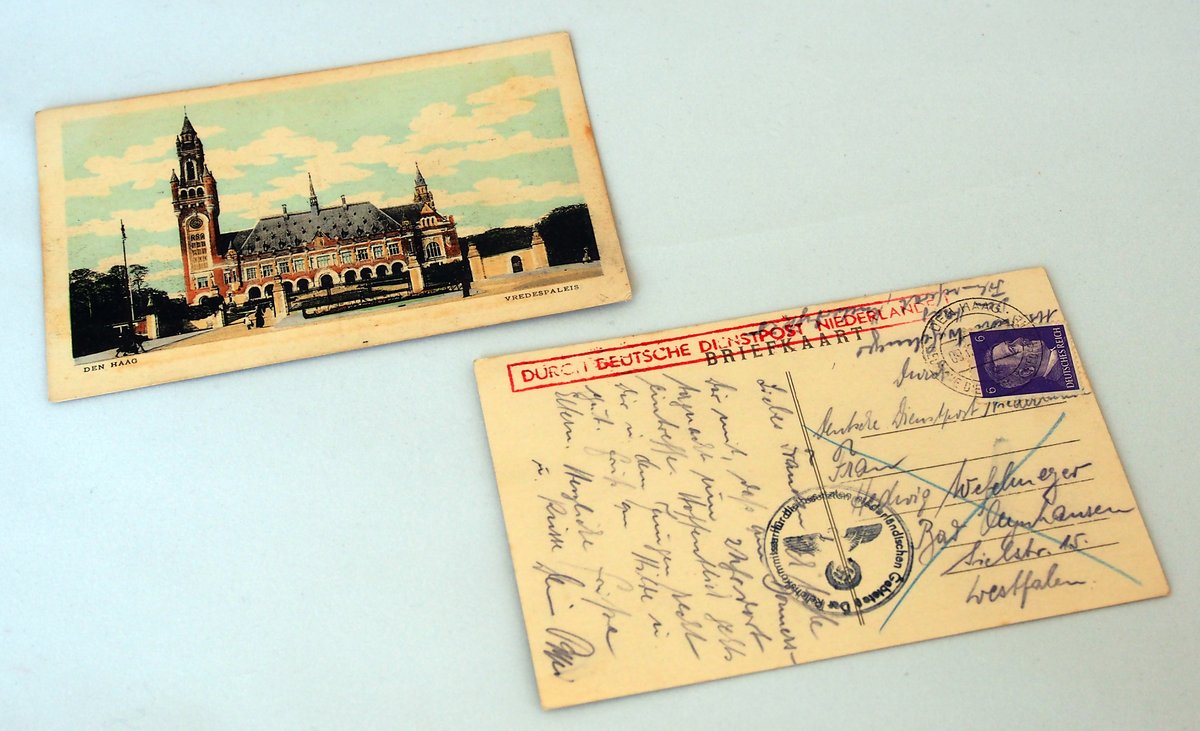
Originally founded as the Museum voor Communicatie in 1929, the institution was created to document the rapid technological advances in postal, telegraph, and telephone services. A significant milestone in its early history was the acquisition of the Brienne Collection in 1926: a trunk containing approximately 2,600 undelivered 17th-century letters, offering a rare glimpse into early European communication networks (EMLO Portal).
Evolution and Rebranding
Following decades of collecting and exhibiting communication artifacts, the museum underwent a transformation in the early 21st century to remain relevant in the digital age. In 2017, it became part of the Netherlands Institute for Sound and Vision, a leading audiovisual archive. The rebranded and renovated Sound and Vision The Hague opened in 2019, expanding its focus to include radio, television, film, and digital media, and adopting a mission centered on public dialogue about media's role in society (Sound and Vision The Hague).
Collections and Archival Significance
Sound and Vision The Hague houses one of the most significant collections in the Netherlands, with over 1.5 million objects:
- The Brienne Collection: A highlight of the museum, featuring 17th-century undelivered letters (EMLO Portal).
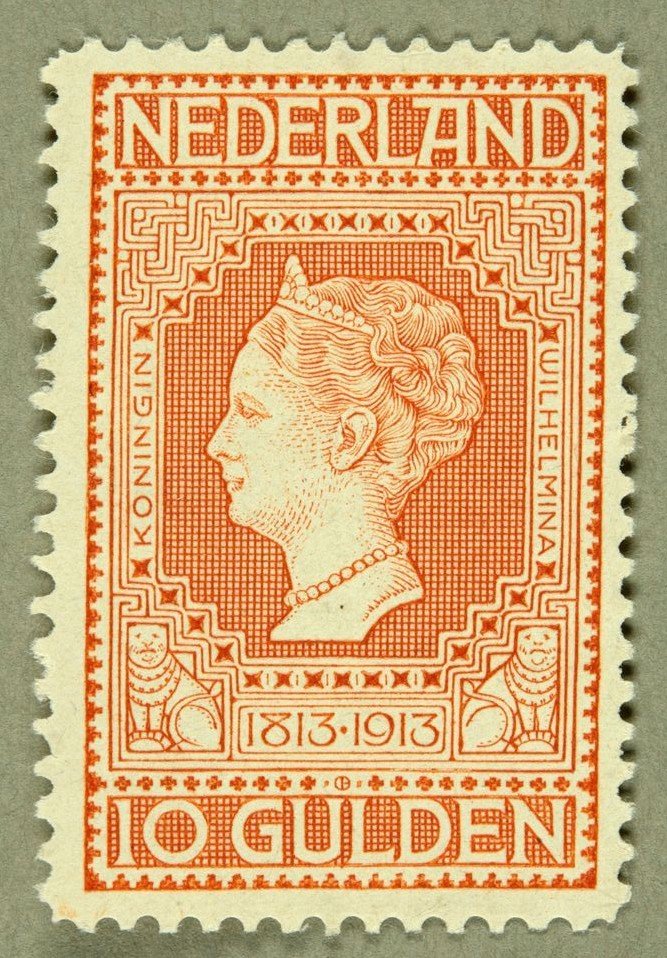
- Postal and Telecommunications Artifacts: Historic uniforms, stamps, mailboxes, telegraph machines, and telephones.
- Broadcast Media: Radio and television archives, advertisements, and newsreels.
- Digital Media: Contemporary digital artifacts reflecting the evolution of internet and communication technologies.
The museum’s conservation efforts are supported by collaborations with international partners to preserve fragile documents and audiovisual materials.
Educational Role and Public Engagement
Education is central at Sound and Vision The Hague. The interactive Media Museum, suitable for visitors aged 8 and above, explores the impact of media on society, including themes like media influence, fake news, and digital citizenship (Sound & Vision What's On). Workshops, lectures, and family programs promote media literacy, creativity, and critical thinking. The museum partners with schools and universities for research, internships, and curriculum development (Study in The Hague).
Digital outreach initiatives include online exhibitions about media pioneers, Dutch subcultures, and the technology of broadcasting (Google Arts & Culture). The museum’s programming addresses contemporary challenges like digital privacy, misinformation, and media’s role in democracy.
Accessibility and Visitor Amenities
The museum is fully wheelchair accessible, with elevators, adapted restrooms, tactile exhibits, and audio guides. Assistance dogs are welcome, and the facility provides rest areas, a café, and a gift shop.
Travel Tips and Nearby Attractions
Sound and Vision The Hague is centrally located, easily accessed by public transport (nearest tram stop: Zeestraat) or bicycle. Paid parking is available nearby. The museum is within walking distance of The Hague’s top sites:
- Binnenhof (Dutch Parliament)
- Mauritshuis Museum
- Peace Palace
- Scheveningen Beach
These sites offer a rich cultural itinerary for visitors.
Unique Features and Guided Tours
- Guided Tours: Available daily at 11:00 AM and 2:00 PM, offering expert insights into the collections, including the Brienne Collection.
- Interactive Exhibits: Highlights include immersive soundscapes, hands-on news production, and mock press conferences.
- Photographic Spots: The architectural “canyon” and colorful glass façade are popular for photos (WikiArquitectura).
- Special Events: Workshops, debates, and artist residencies are regularly scheduled.
Current Status and Future Prospects
Note: The museum’s Zeestraat 82 location closed permanently in July 2024. Educational workshops now take place at The Hague Central Library. The main Sound and Vision museum in Hilversum remains open, offering broader exhibitions and visitor programs (beeldengeluid.nl).
Future Directions
- Digital Archives: Continued investment in digitization and metadata for enhanced access (Sound & Vision official site).
- International Collaboration: Participation in European preservation projects and cultural diplomacy (Netherlands government).
- Community Engagement: Expanded media literacy campaigns, creative workshops, and sustainability initiatives.
Frequently Asked Questions (FAQ)
Q: What are the current visiting hours?
A: The physical museum at Zeestraat 82 closed in July 2024. Educational programs are now offered at The Hague Central Library. The main Hilversum museum is open Tuesday to Sunday, 10:00 AM–5:00 PM.
Q: How much do tickets cost?
A: Hilversum museum tickets: Adults €15, seniors €12, students and children €8, children under 6 free.
Q: Is the museum accessible?
A: Yes, both locations offer barrier-free access, tactile exhibits, and multilingual information.
Q: Are guided tours available?
A: Yes, guided tours and workshops can be booked for groups at both locations.
Q: What other attractions are nearby?
A: Binnenhof, Mauritshuis, Peace Palace, and Scheveningen Beach.
Summary and Visitor Tips
Sound and Vision The Hague is a vital institution for understanding the evolution and significance of media in Dutch society. Its extensive collections, interactive exhibitions, and commitment to accessibility make it suitable for all visitors. While the original The Hague location has closed, programs continue at The Hague Central Library, and the Hilversum museum remains the flagship destination for Dutch media history (Sound and Vision The Hague; Google Arts & Culture).
Tips:
- Check the official website for updated information on programs and events.
- Plan visits to other nearby cultural sites for a complete experience.
- Download the Audiala app for curated audio guides.
- Follow Sound and Vision on social media for updates.
Listen to the full story in the app
The whole Sound And Vision The Hague,
told well.
Audio guides for 1,100+ cities across 96 countries. History, stories, and local insight — offline ready.
Verified, and shown.
Researched and written by the Audiala editorial team from historical records, architectural archives, and local expertise.
Brienne Collection
Official Website
The Netherlands Institute for Sound and Vision
Visit & What's On
Researched from Wikidata, Wikipedia & official sources · fact-checked · How we make our guides →