Plan and listen to Peace Palace with Audiala.
Audio guide in your pocket, itinerary in your browser. Built for the way you actually visit.
Introduction
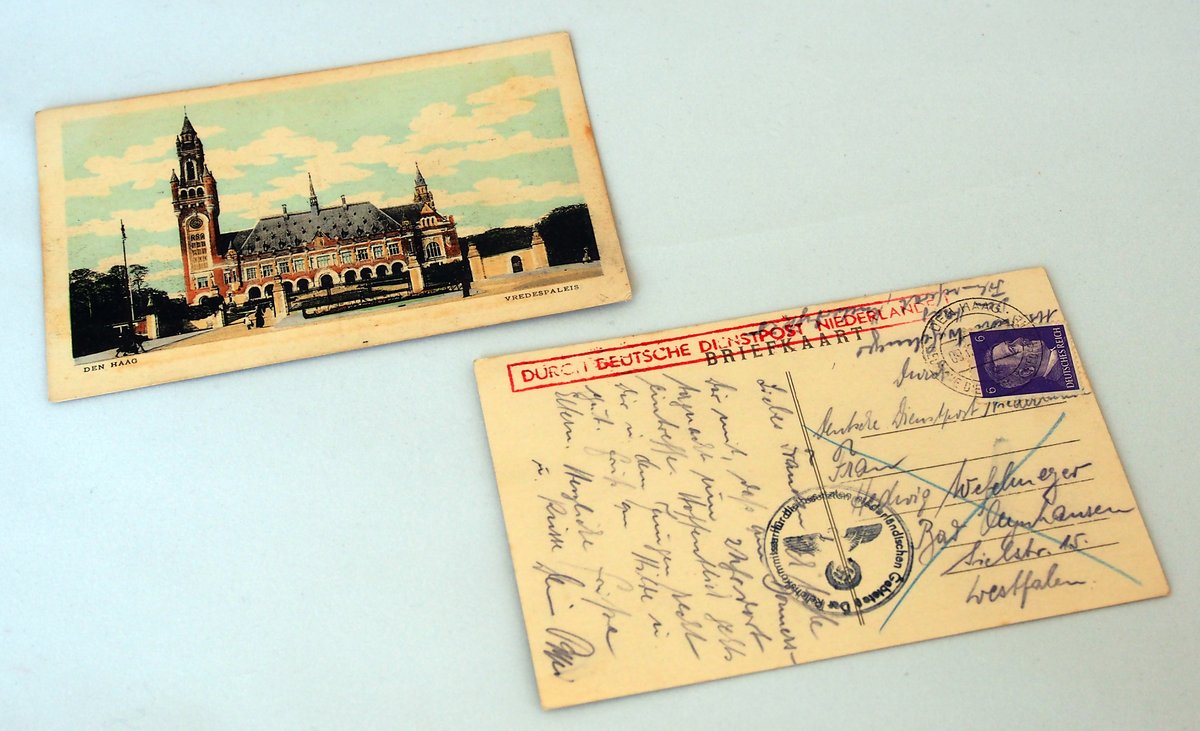
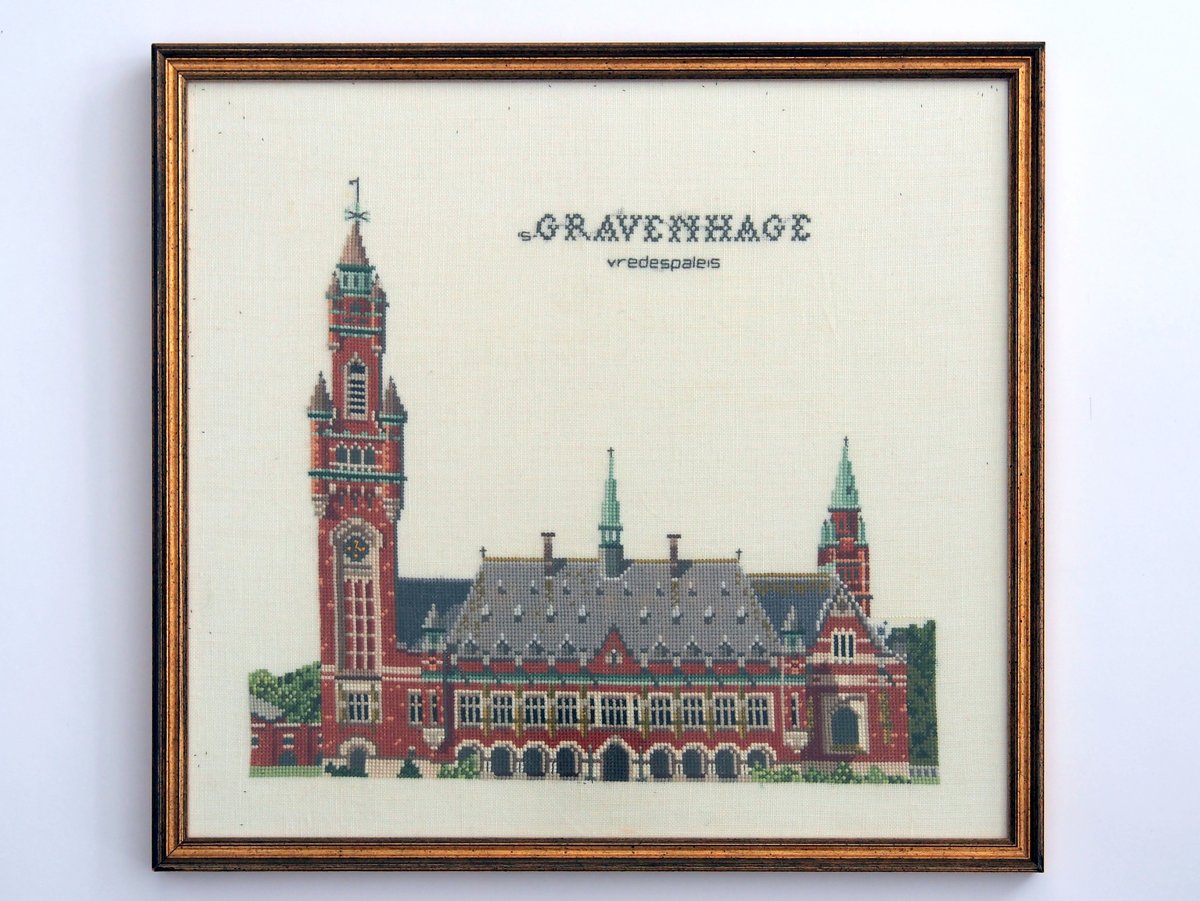
The Peace Palace in The Hague, Netherlands, stands as one of the world’s foremost icons of international peace, justice, and diplomacy. Since its inauguration in 1913, the palace has embodied the global aspiration for resolving conflicts through law rather than violence, housing major institutions such as the Permanent Court of Arbitration (PCA) and the International Court of Justice (ICJ). This guide provides a detailed overview of the Peace Palace’s history, significance, visitor information—including visiting hours, ticketing, accessibility, guided tours—and tips for enhancing your experience at one of The Hague’s key landmarks. For the most up-to-date details, consult the official Peace Palace website and other reputable resources (denhaag.nl; uva.nl).
- Historical Background
- Visitor Information
- Nearby Attractions in The Hague
- Visitor Experience and Tips
- Frequently Asked Questions (FAQ)
- References and Sources

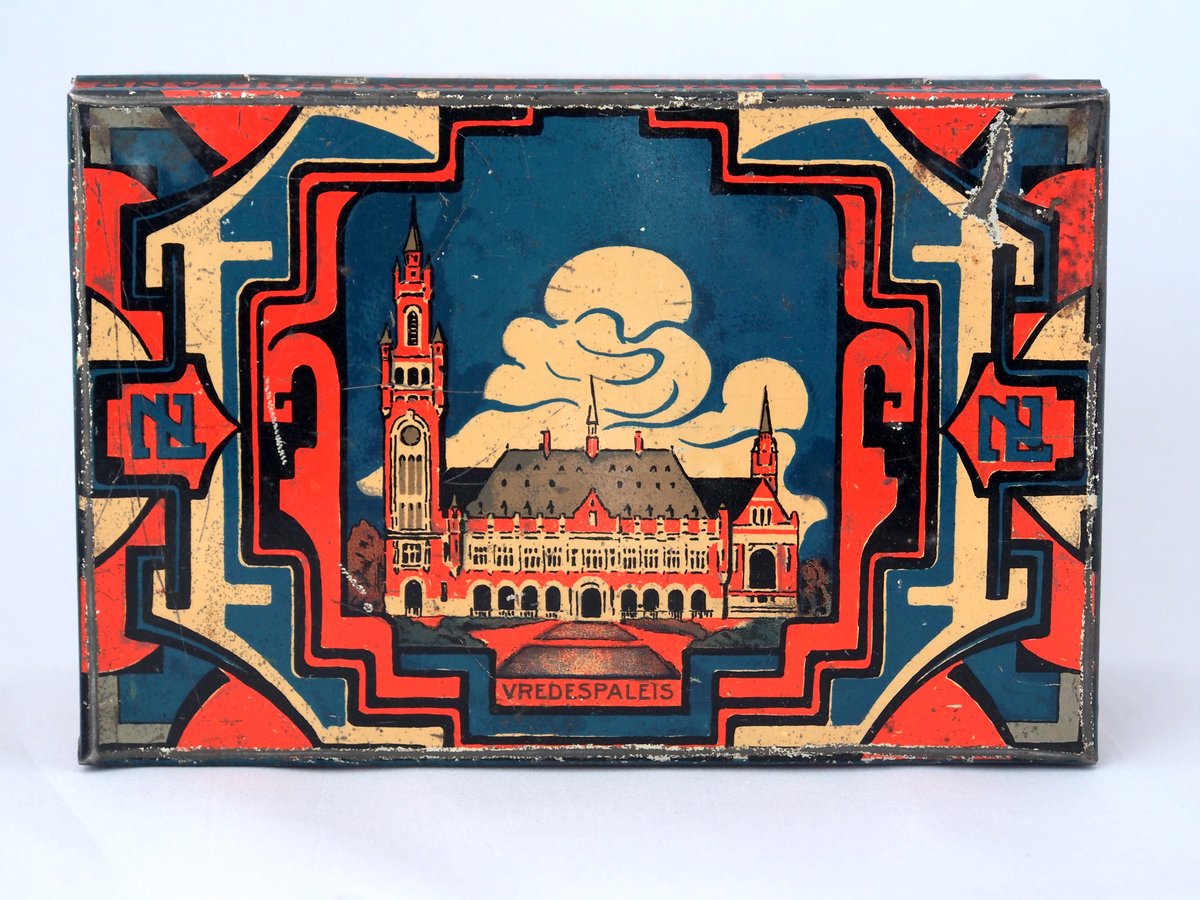
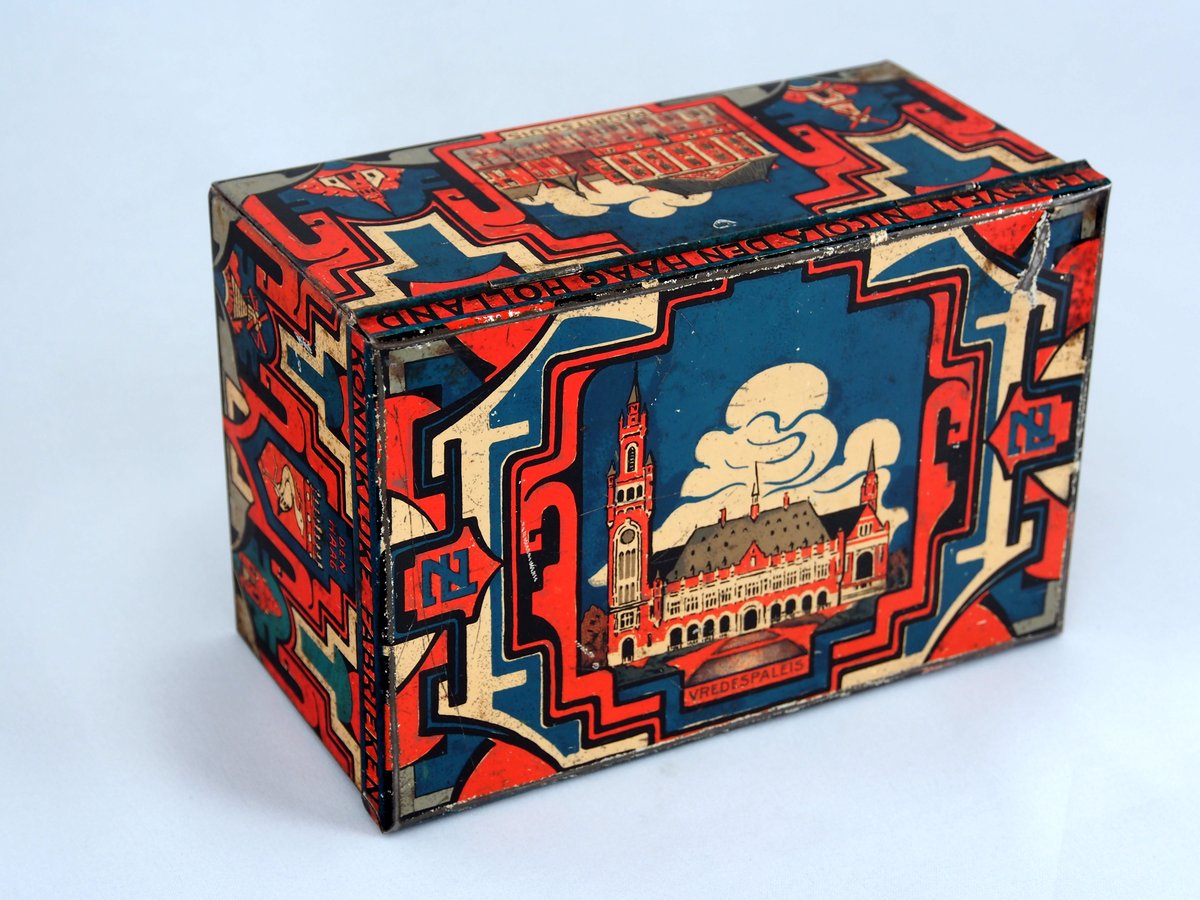
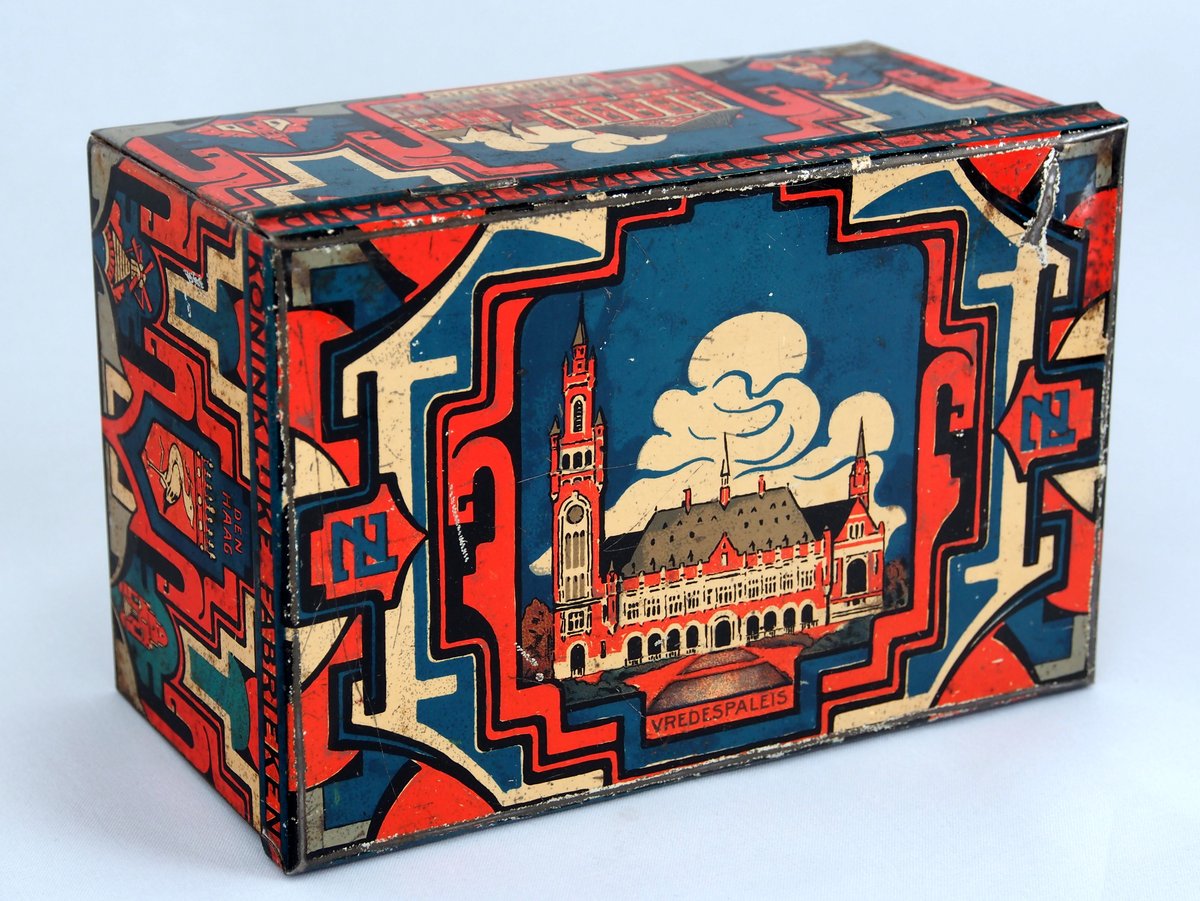
Historical Background
Origins and Vision
The Peace Palace originated from the First Hague Peace Conference in 1899, where Tsar Nicholas II of Russia proposed a venue for peaceful dispute resolution. Delegates from 26 nations met in The Hague, leading to the creation of the Permanent Court of Arbitration (PCA)—the first global institution dedicated to the peaceful settlement of international disputes (Peace Palace History; PCA History).
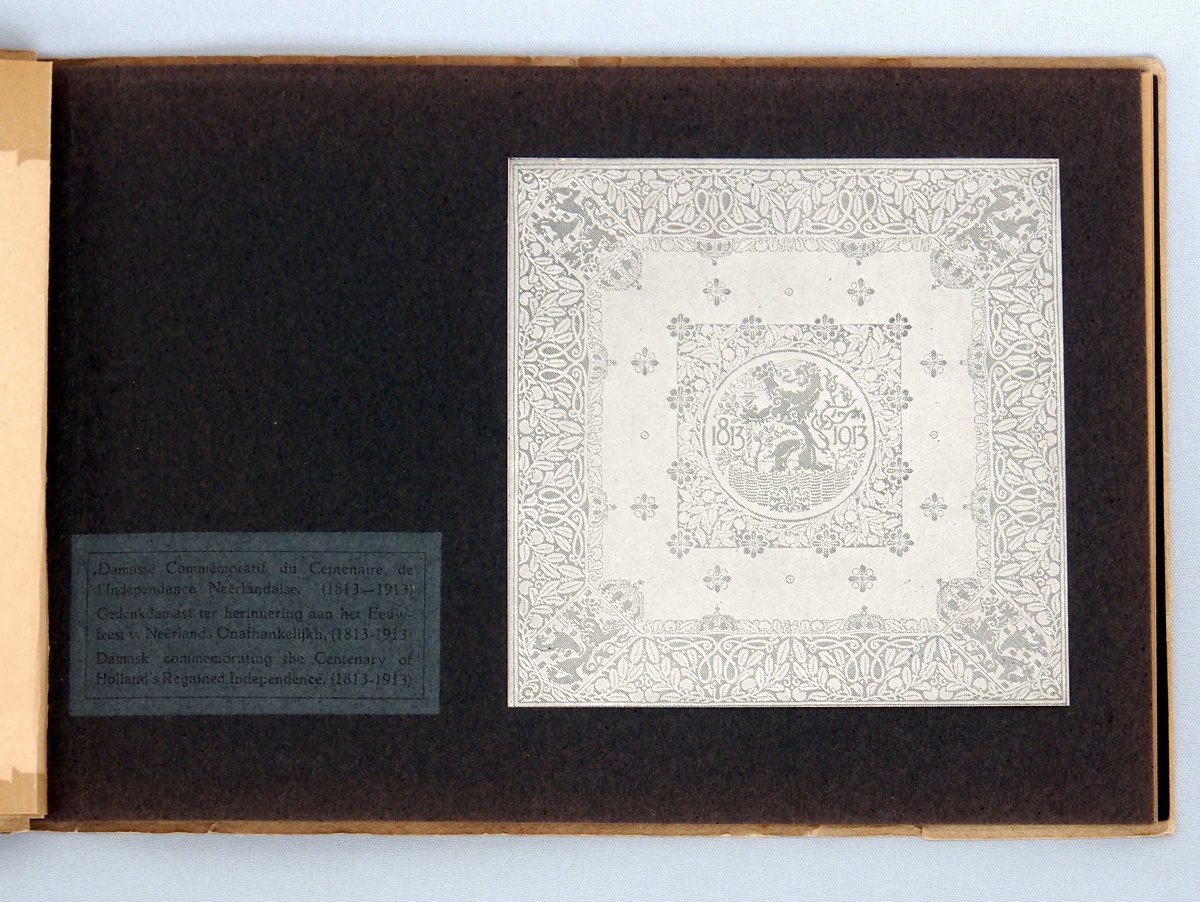
The Second Hague Peace Conference in 1907 expanded on this vision, reinforcing The Hague’s role as the “legal capital of the world” and laying the foundation stone for the Peace Palace itself (culture.ec.europa.eu).
Construction and Philanthropy
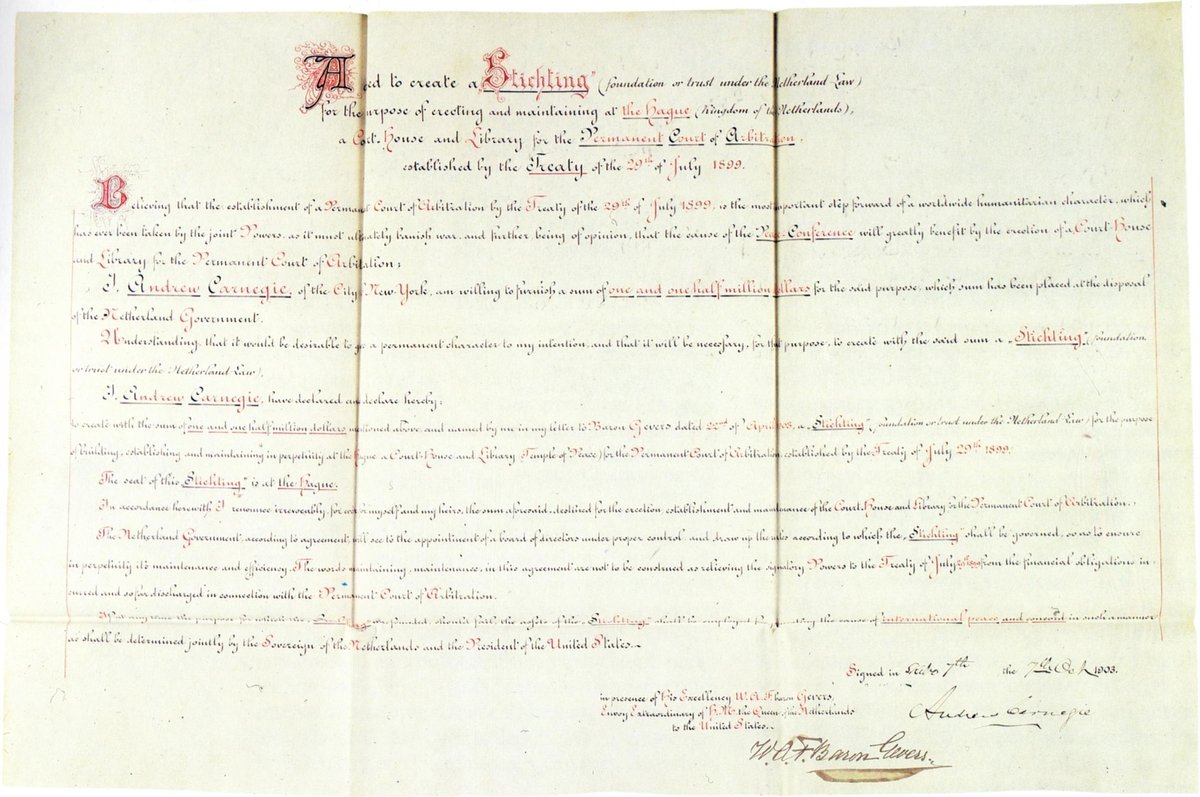
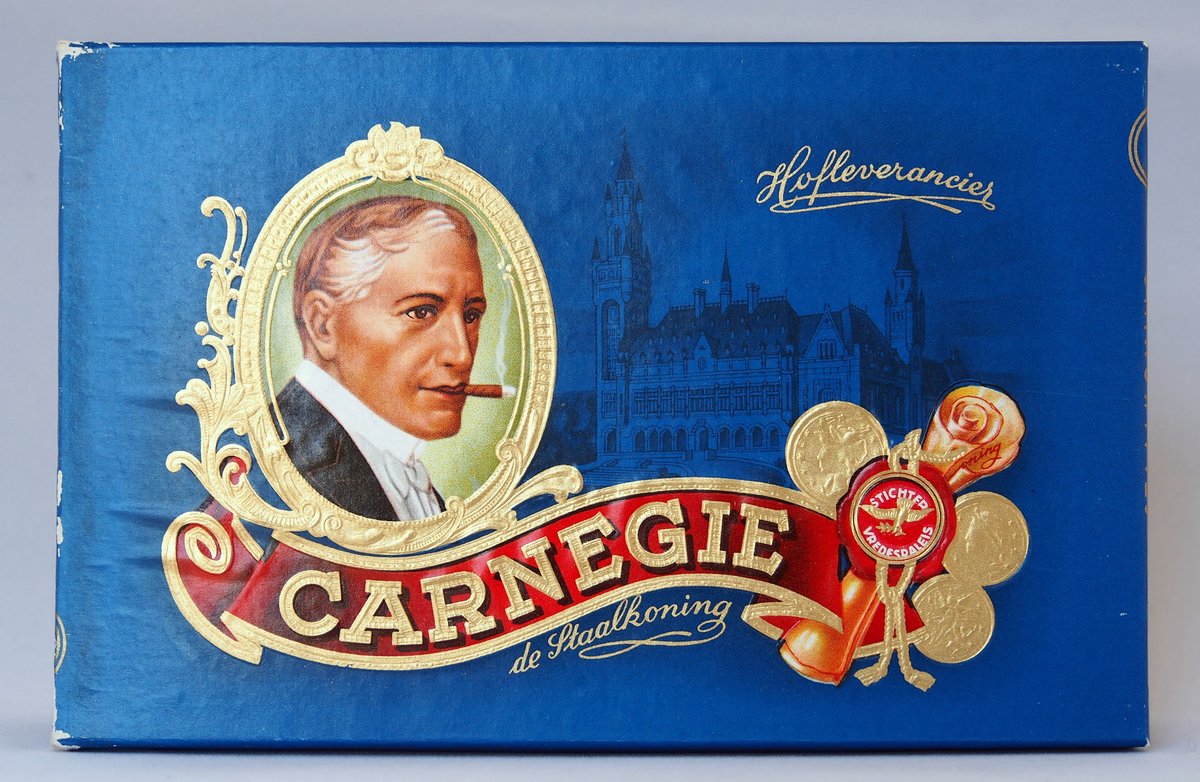
Andrew Carnegie, the renowned philanthropist, donated $1.5 million in 1904 to construct the Peace Palace. French architect Louis Cordonnier’s neo-Renaissance and neo-classical design was selected, and the project included a world-class library for international law. The palace was built between 1907 and 1913, with Queen Wilhelmina presiding over its inauguration (onthisday.com; wikipedia.org).
Institutional Importance
The Peace Palace has continuously hosted leading international legal institutions: the PCA, the International Court of Justice (since 1946), the Hague Academy of International Law, and the Peace Palace Library. Together, these entities have cemented the palace’s reputation as a global hub of peace and the rule of law (wikipedia.org; Peace Palace Library).
Symbolism and Global Contributions
The palace is adorned with gifts from nations worldwide—Japanese wall hangings, Turkish carpets, Italian marble, and a Danish fountain—each symbolizing international cooperation. The eternal peace flame, installed in 2002, and the World Peace Flame Pathway, featuring stones from 196 countries, further emphasize this global mission (Stayokay).
Contemporary Role
The Peace Palace remains an active center for international legal proceedings and education. Its enduring legacy is recognized by the European Heritage Label, affirming its pivotal role in European and global history (EHL Peace Palace).
Visitor Information
Location and Access
- Address: Carnegieplein 2, 2517 KJ The Hague, Netherlands
- Transport: Easily accessible by tram (lines 1, 9, 16), bus, bicycle, or on foot from city center. Den Haag Centraal and Den Haag HS train stations are nearby (Trip.com).
Visiting Hours
- Visitor Centre: Open Tuesday–Sunday, 10:00–17:00 (check official website for seasonal changes and holiday closures).
- Guided Tours: Available only on select dates/times; advance booking required via the official website. Tours are suspended during court sessions.
Tickets
- Visitor Centre: Free admission; donations welcome.
- Guided Tours: €11–€15 (adults); discounts for students, seniors, and groups. Children may be free/discounted. Tickets must be booked in advance.
Accessibility
- Visitor Centre: Wheelchair accessible, with adapted restrooms and ramps.
- Main Building/Gardens: Limited accessibility; mobility scooters not permitted. Service dogs are allowed.
Security and Facilities
- Security: Bag checks at entry; large bags and backpacks may not be allowed.
- Facilities: Gift shop (books, souvenirs), restrooms. No on-site café, but cafés and restaurants nearby.
Nearby Attractions in The Hague
- Mauritshuis Museum: Home to Vermeer’s “Girl with a Pearl Earring”
- Binnenhof: Historic seat of Dutch parliament
- Panorama Mesdag: 360° panoramic painting of Scheveningen
- Madurodam: Miniature park of Dutch landmarks
- Scheveningen Beach: Seaside resort area
All are accessible by public transport or within walking distance (Earth Trekkers; Travel Earth).
Visitor Experience and Tips
- Start at the Visitor Centre: Engage with interactive exhibitions, a free audio tour (multiple languages), historical artifacts, and a short film on the palace’s construction and legacy.
- Guided Tours: Rarely available; book early for access to the Great Hall of Justice, Small Courtroom, and library.
- Photography: Permitted outside and in Visitor Centre; prohibited inside the palace during tours.
- World Peace Flame: A must-see at the entrance, with stones from every country—perfect for reflection and photos.
- Dress and Conduct: Respectful attire and behavior are expected, as the Palace is an active international legal venue.
- Best visiting time: Early afternoon fits well with a walking tour of central The Hague.
- Visit Duration: Plan 30–60 minutes for the Visitor Centre; guided tours last about 45–60 minutes.
Frequently Asked Questions (FAQ)
What are the Peace Palace visiting hours?
The Visitor Centre is open Tuesday–Sunday, 10:00–17:00. Guided tours are only on select dates and times; check the official website.
How do I book Peace Palace tickets?
Guided tour tickets must be booked in advance online via the official Peace Palace website.
Is the Peace Palace wheelchair accessible?
The Visitor Centre is accessible; the main building and gardens have limited access. Contact the palace in advance for specific needs.
Are photos allowed inside the Peace Palace?
Photography is permitted outside and in the Visitor Centre. It is not allowed inside during tours.
Are guided tours available year-round?
No, tours are offered only on select days, mainly in spring and summer, depending on court schedules.
What facilities are available?
Restrooms and a gift shop are available at the Visitor Centre. No café on-site, but options nearby.
Listen to the full story in the app
The whole Peace Palace,
told well.
Audio guides for 1,100+ cities across 96 countries. History, stories, and local insight — offline ready.
Verified, and shown.
Researched and written by the Audiala editorial team from historical records, architectural archives, and local expertise.
Researched from Wikidata, Wikipedia & official sources · fact-checked · How we make our guides →