Plan and listen to Panorama Mesdag with Audiala.
Audio guide in your pocket, itinerary in your browser. Built for the way you actually visit.
Introduction
Panorama Mesdag is a unique cultural and artistic treasure in The Hague, Netherlands. Home to the country’s largest painting and one of Europe’s few remaining 19th-century cycloramas, this museum offers visitors an immersive journey into the coastal village of Scheveningen as it appeared in the late 1800s. Whether you are an art lover, a history enthusiast, or a traveler seeking an unforgettable experience, this guide provides all the essential information—visiting hours, ticket options, access details, and travel tips—to help you make the most of your visit to this iconic Dutch landmark (panorama-mesdag.nl, thehague.com).

History and Significance of Panorama Mesdag
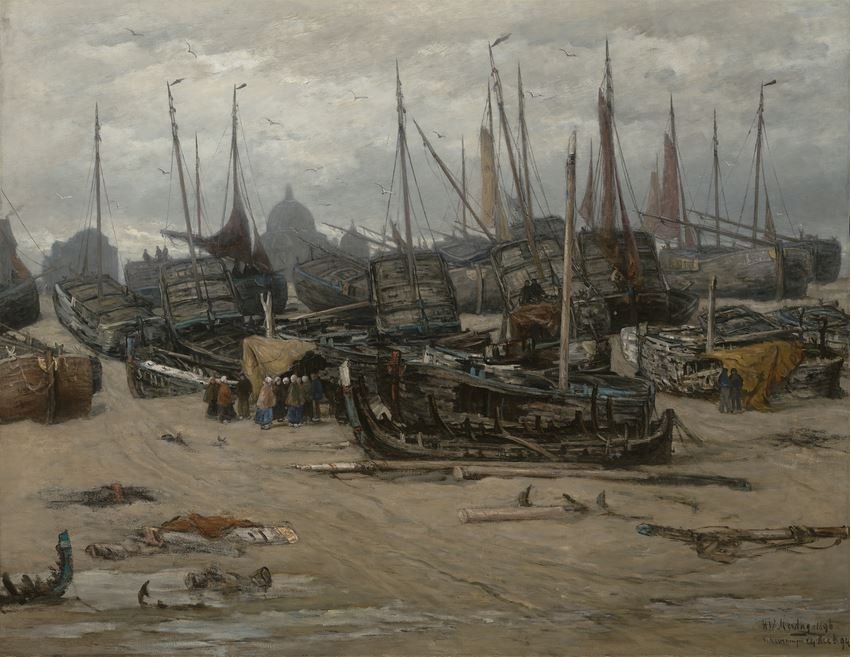
Commissioned in 1880 and completed in 1881 by Hendrik Willem Mesdag, a renowned marine painter of the Hague School, Panorama Mesdag is a monumental 360-degree circular painting. Measuring 14.6 meters high and approximately 120 meters in circumference, it envelops visitors in an authentically detailed vista of Scheveningen’s dunes, fishing boats, and seaside life in the late 19th century (panorama-mesdag.nl, museum.nl).
Panoramic paintings—or cycloramas—were a major form of entertainment before the advent of film, designed to transport viewers into another world. Panorama Mesdag remains the oldest panorama still exhibited at its original site, offering a rare opportunity to experience this immersive art form as it was intended (lonelyplanet.com, Hidden Holland).
The Creation and Artistic Collaboration
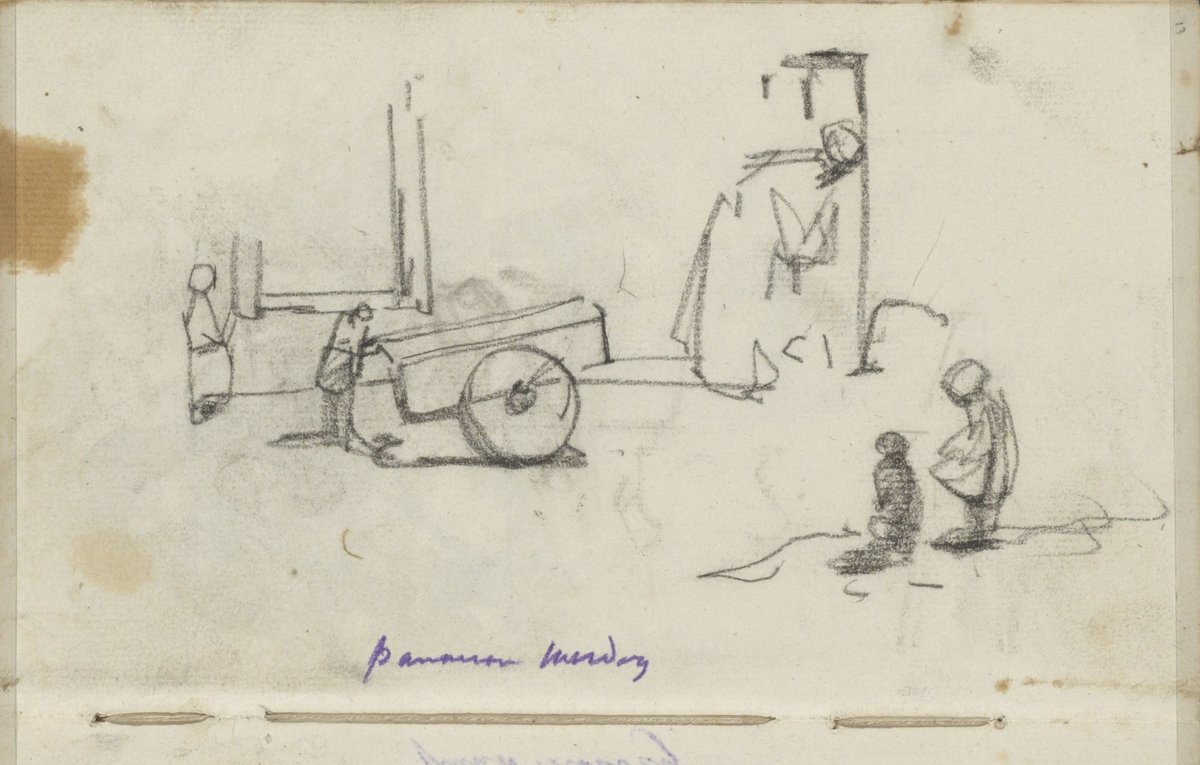
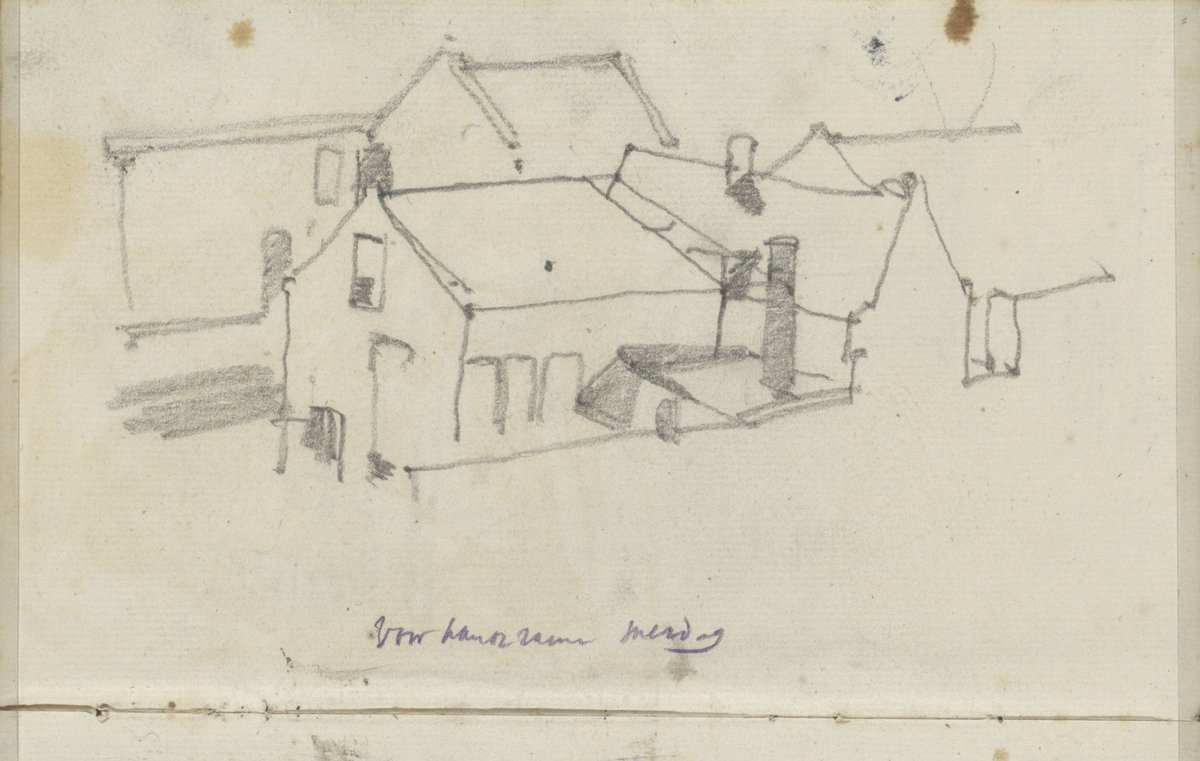
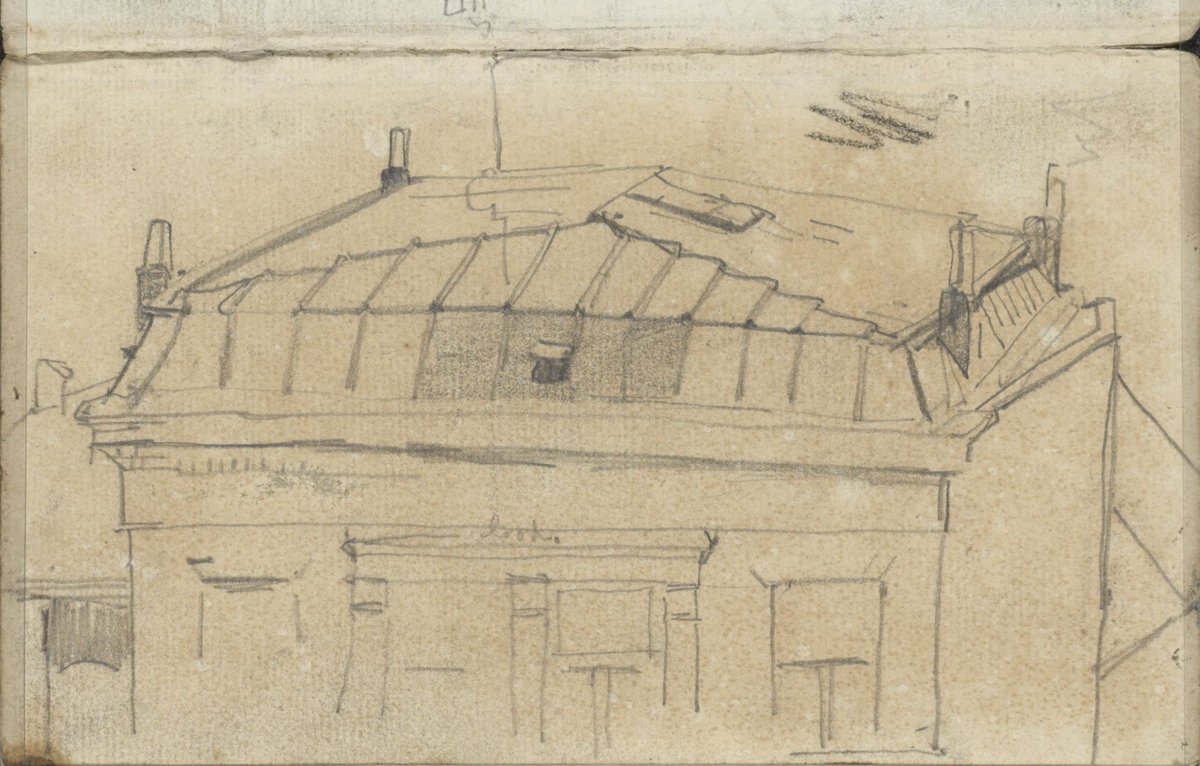
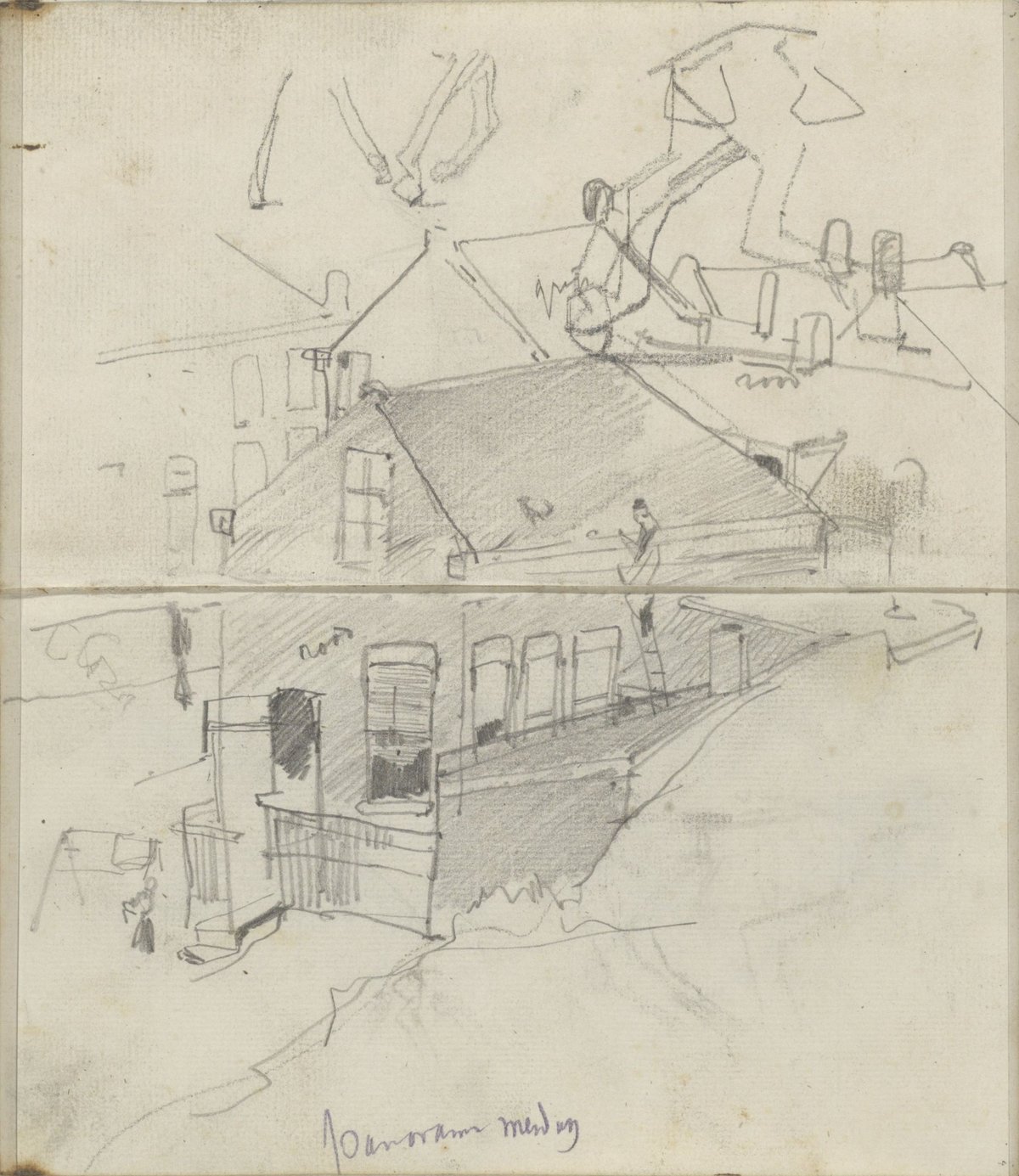
Hendrik Willem Mesdag was supported by his wife, Sientje Mesdag-van Houten, and leading artists of the Hague School, including George Hendrik Breitner and Bernard Blommers. Working from panoramic photos and sketches, the team completed the colossal canvas in just four months. The painting’s realism is heightened by the museum’s viewing platform, which simulates standing atop Scheveningen’s highest dune, and by the clever use of real sand and three-dimensional props that merge with the painted seascape (panorama-mesdag.nl, pipandthecity.com).
Technical and Architectural Features
The museum building was designed specifically to enhance the cyclorama’s immersive effect. Visitors ascend a staircase to a central platform, surrounded by the 360-degree painting. Real sand, fishing nets, and props on the platform blend seamlessly into the painted environment, while a skylight floods the rotunda with natural light, changing the panorama’s mood throughout the day (thehague.com, Hidden Holland).
Cultural Impact and Preservation
Although the panorama was initially popular, the fad faded as photography and cinema rose in prominence. The commissioning company went bankrupt, but Mesdag purchased the painting himself in 1886, ensuring its preservation. The artwork survived two world wars, including being concealed behind a false wall during WWII to protect it from destruction. Today, Panorama Mesdag stands as a testament to Dutch maritime heritage, the Hague School’s collaborative spirit, and 19th-century artistic innovation (panorama-mesdag.nl, Nenad Georgievski).
Visitor Information: Hours, Tickets, and Accessibility
Location and Getting There
- Address: Zeestraat 65, 2518 AA, The Hague, Netherlands
- Public Transport: Easily accessible via tram lines 1 and 9, and several bus routes from major train stations.
- Parking: Paid parking is available nearby (Parkeergarage Mauritskade and Parkeergarage Malieveld), but street parking is limited.
- Cycling: Bicycle racks are located near the museum entrance (panorama-mesdag.nl).
Opening Hours
- Tuesday to Sunday: 10:00 AM – 5:00 PM (last entry 4:30 PM)
- Closed: Mondays (except during summer and certain holidays), December 25 and January 1
- Special Openings: Open on Mondays during summer holidays and select public holidays; closes early at 4:00 PM on December 31 (panorama-mesdag.nl, whichmuseum.com)
Ticketing and Admission
- Adult: €16.00
- Youth (13–18), Students (with ID), CJP Pass: €12.00
- Children (0–12): Free (except for organized groups)
- DenHaagPas: €13.50
- Free Admission: Museumkaart, ICOM-card, Vriendenloterij VIP-card, and other passes
- Groups (15+): Special rates; advance booking required
- School Groups: €6.00 per child (0–12); €7.00 per child (13–18)
- How to Buy: Tickets can be purchased online (digital tickets accepted) or at the museum desk (panorama-mesdag.nl)
Accessibility
- Physical Access: The main exhibition areas are at ground level and accessible. However, the panorama viewing platform is only accessible via a spiral staircase, presenting challenges for wheelchair users.
- Companions: Free admission for a companion if required for accessibility.
- Assistance Dogs: Permitted; other pets are not.
- Facilities: Accessible restrooms, cloakroom, museum shop, and a light-filled café (panorama-mesdag.nl).
Museum Facilities and Services
- Café 1881: Offers coffee, light meals, and drinks.
- Museum Shop: Sells souvenirs, books, and art-related gifts.
- Audio Guides: Free via QR code (bring your own headphones).
- Guided Tours: Dutch and English tours available for groups—book at least two weeks in advance ([email protected]).
- Family Activities: Free scavenger hunt, family audio tours, and child-friendly exhibits (whichmuseum.com).
- Photography: Allowed (no flash, tripods, or selfie sticks).
Travel Tips and Nearby Attractions
- Best Times: Visit on weekdays (Tuesday–Thursday), early mornings, or late afternoons for fewer crowds (thrillophilia.com).
- Duration: Plan for 1–1.5 hours.
- Nearby Sites: Mauritshuis Museum, Peace Palace, Binnenhof, Madurodam, and Scheveningen Beach are all within easy reach (trip.com).
- Events: Check the official website for special exhibitions and events.
Frequently Asked Questions (FAQ)
What are the Panorama Mesdag opening hours?
Tuesday to Sunday, 10:00 AM – 5:00 PM; closed Mondays (except during summer/holidays), December 25, and January 1.
Can I buy tickets online?
Yes, tickets are available online and at the museum. Digital tickets are accepted.
Is the museum accessible to wheelchair users?
The main exhibition is accessible, but the central panorama platform is not due to stairs.
Are guided tours available?
Yes, for groups in Dutch and English, booked at least two weeks in advance.
Is photography permitted?
Yes, but without flash, tripods, or selfie sticks.
Are there family activities?
Yes, including a scavenger hunt, family audio tour, and interactive exhibits.
What other attractions are nearby?
Mauritshuis, Peace Palace, Binnenhof, Madurodam, and Scheveningen Beach.
Tickets & tours.
These are guided options from our partners — same price as booking direct.
Prices are indicative — final pricing and availability are confirmed at checkout. Audiala may earn a commission from bookings made through these links.
Listen to the full story in the app
The whole Panorama Mesdag,
told well.
Audio guides for 1,100+ cities across 96 countries. History, stories, and local insight — offline ready.
Verified, and shown.
Researched and written by the Audiala editorial team from historical records, architectural archives, and local expertise.
Researched from Wikidata, Wikipedia & official sources · fact-checked · How we make our guides →