Plan and listen to Oranjehotel with Audiala.
Audio guide in your pocket, itinerary in your browser. Built for the way you actually visit.
Introduction
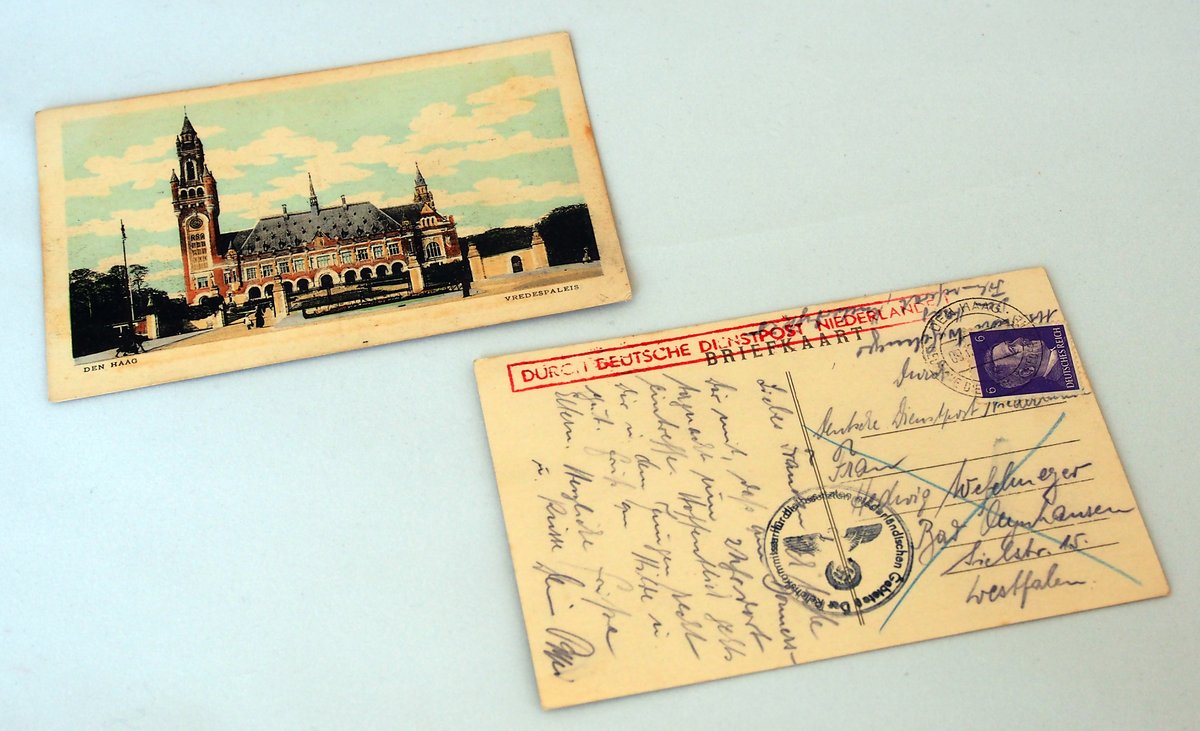
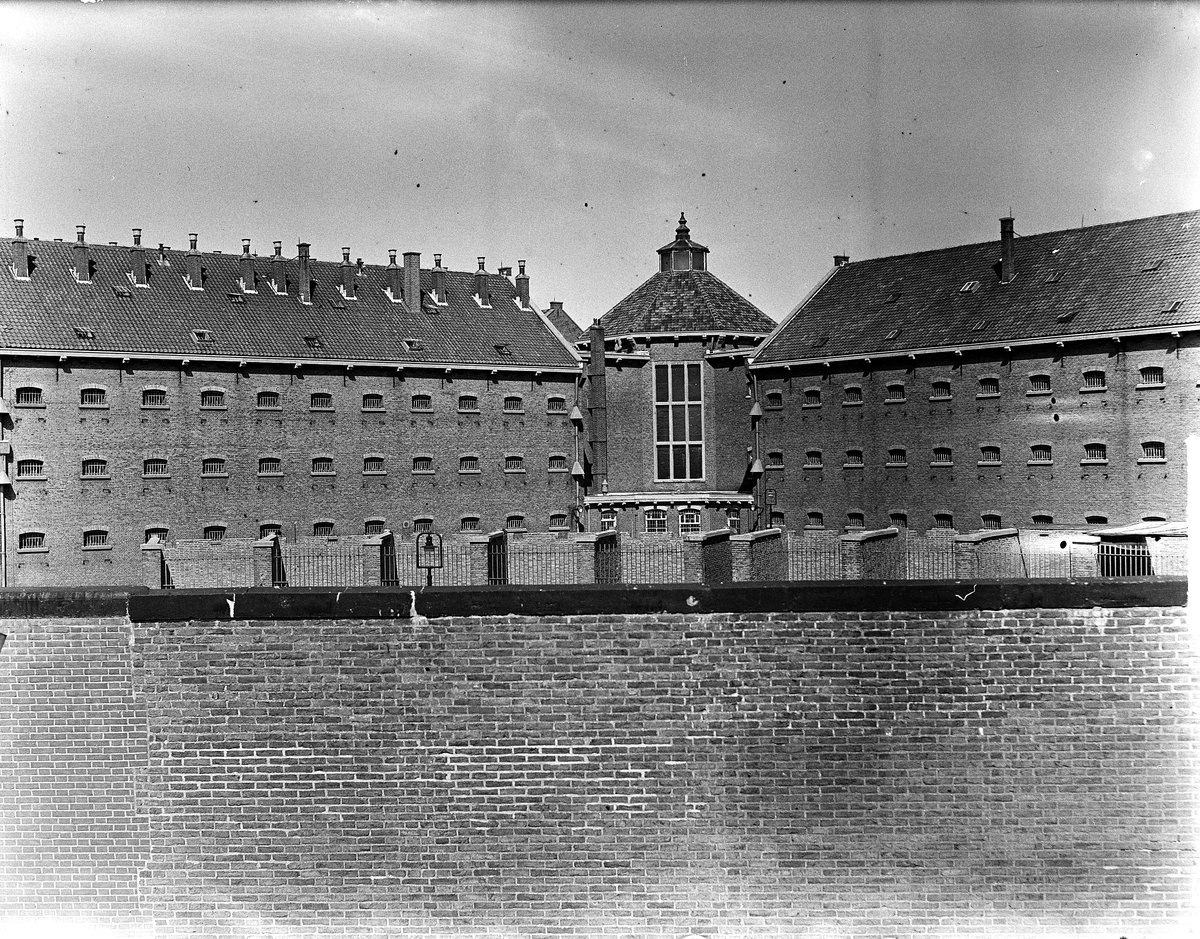
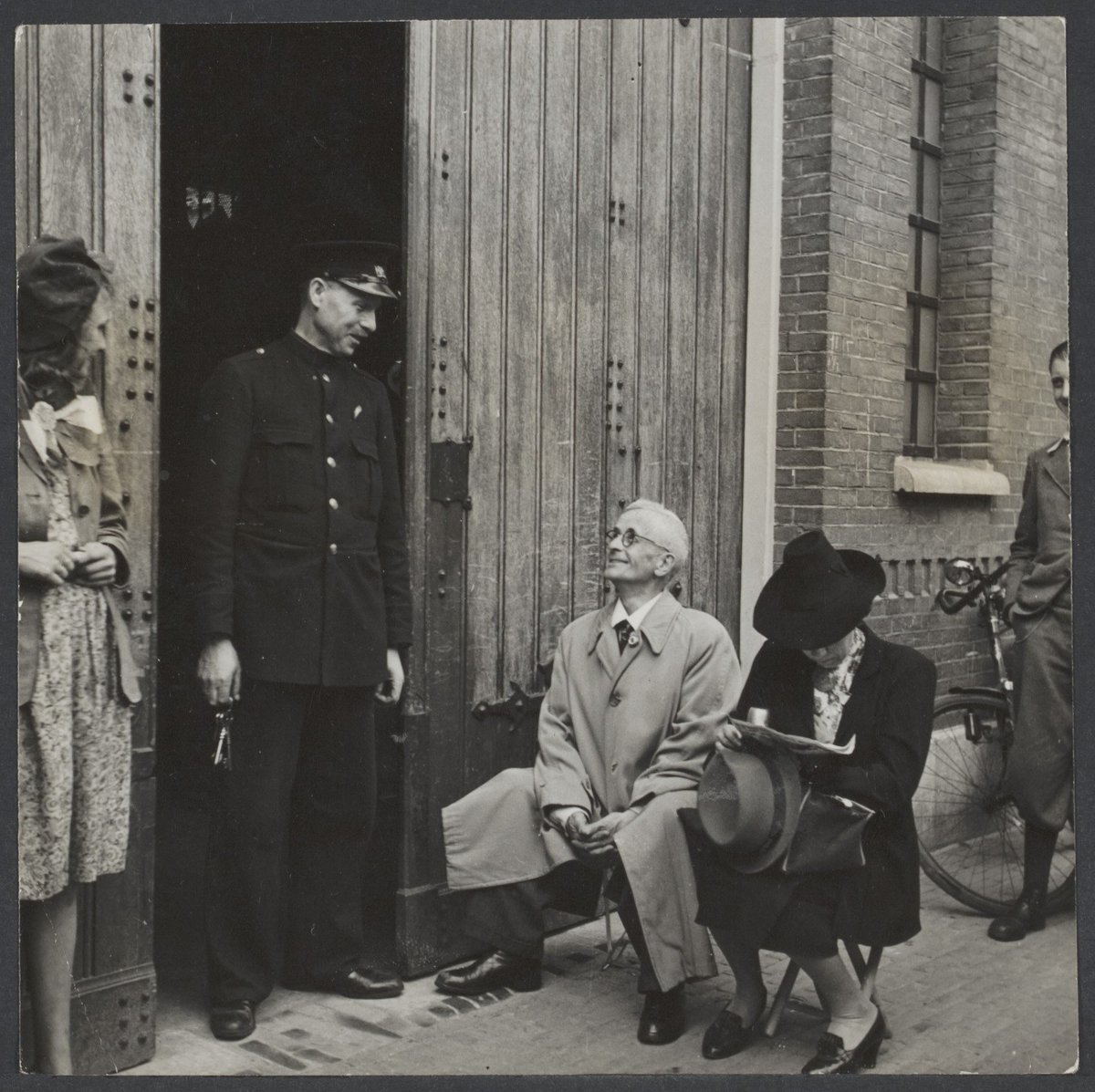
The Oranjehotel, set in The Hague’s Scheveningen district, stands as a poignant national monument reflecting Dutch resilience during World War II. Originally a pre-war prison, it became infamous under Nazi occupation (1940–1945) as the primary detention site for resistance fighters, Jews, Jehovah’s Witnesses, and other persecuted groups. The name “Oranjehotel” honors the Dutch royal House of Orange and symbolizes hope and defiance. Today, the site operates as the Nationaal Monument Oranjehotel, preserving its original cells—most notably "Cell 601"—and offering immersive exhibitions that explore both personal and collective stories of resistance. Its proximity to significant sites such as Waalsdorpervlakte execution dunes, the Peace Palace, and Scheveningen beach further situates it within The Hague’s rich historical landscape (oranjehotel.org, scheveningen.com).

Historical Background and Wartime Role
Origins and Construction
Built as a prison in Scheveningen before WWII, the facility was quickly repurposed by the Nazis after the invasion of the Netherlands in May 1940. Under occupation, it became the central detention center for those suspected of resistance or viewed as enemies of the regime (hannahbyron.com).
Nazi Occupation and Role of the Oranjehotel
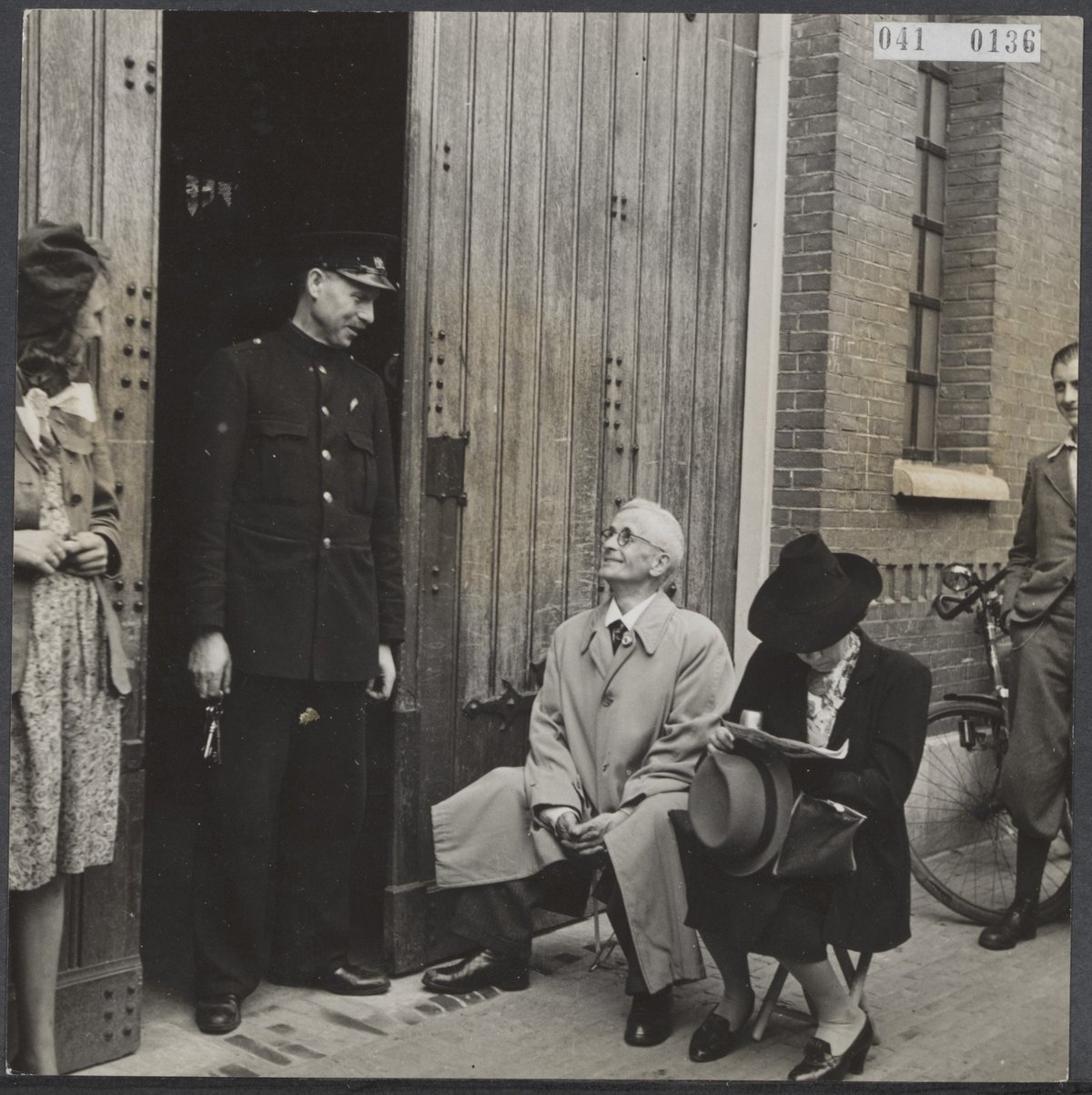
From 1940 to 1945, over 25,000 prisoners—ranging from political dissidents and resistance fighters to Jews and Jehovah’s Witnesses—were held within its walls. Conditions were harsh, and many faced torture, interrogation, or execution, with the notorious "Cell 601" reserved for those awaiting execution at Waalsdorpervlakte (faculty.webster.edu, hannahbyron.com).
Symbolism and Resistance
Despite the oppressive environment, the Oranjehotel became a symbol of Dutch resilience. The nickname itself was a quiet act of defiance, signaling loyalty to the royal family and the values of freedom. Prisoners left messages on the walls and engaged in symbolic acts of resistance, such as wearing orange carnations—an emblem of the House of Orange (hannahbyron.com).
Notable Prisoners
The Oranjehotel held many prominent figures whose stories are now central to Dutch remembrance:
- Erik Hazelhoff Roelfzema ("Soldier of Orange") – Resistance leader and author whose memoir inspired the famous musical (museum.nl).
- Corrie ten Boom – Imprisoned for sheltering Jews; author of “The Hiding Place” (oranjehotel.org).
- Titus Brandsma – Carmelite priest and later Catholic saint, known for opposing Nazi policies (museum.nl).
- Rudolph Cleveringa – Law professor who protested the dismissal of Jewish colleagues (tracesofwar.com).
- George Maduro – Resistance fighter; commemorated by Madurodam (museum.nl).
- Anton de Kom – Surinamese writer and anti-colonial activist (oranjehotel.org).
Hundreds of others, including Jehovah’s Witnesses, Jews, artists, and writers, suffered imprisonment and, in many cases, execution. The memorial “Doodenboek” records the names of more than 250 executed at Waalsdorpervlakte (museum.nl).
Visiting the Oranjehotel: Practical Information
Visiting Hours
- Tuesday to Sunday: 10:30 AM – 5:00 PM
- Closed: Mondays, Christmas Day, and New Year’s Day
- Tip: Check the official website for seasonal adjustments and special event schedules.
Tickets and Admission
- Adults: €10
- Seniors & Students: €7
- Children (under 12): Free
- Guided Tours: Available for an additional fee; book ahead online or at the entrance.
- Payment: Debit card only.
- Reservations: Highly recommended during weekends, holidays, and commemorative events (oranjehotel.org).
Getting There
- Address: Van Alkemadelaan 1258, 2597 BP, The Hague
- Public Transport: Tram lines 9 & 11, Bus lines 22 & 23; nearest stop: Duinkerksestraat
- Car: Limited parking on-site. Nearby paid parking available; discounted tickets for APCOA Parking Strand garage can be purchased at the museum.
- Cycling: Ample bicycle parking available.
- Accessibility: The site is fully wheelchair accessible, with ramps, elevators, and accessible restrooms. Wheelchairs are available for loan.
Facilities and Guidelines
- Café: Light refreshments and drinks.
- Museum Shop: Books, postcards, and educational materials.
- Restrooms & Cloakroom: Available on site.
- Languages: Dutch and English; additional language support on request.
- Photography: Permitted, but respect restrictions in memorial and sensitive areas. No flash photography.
Guided Tours and Special Events
- Guided Tours: Offered in Dutch and English, especially on weekends and by appointment for groups and schools. Tours deepen understanding of prisoner stories and the resistance movement.
- Educational Programs: Tailored workshops for students and groups.
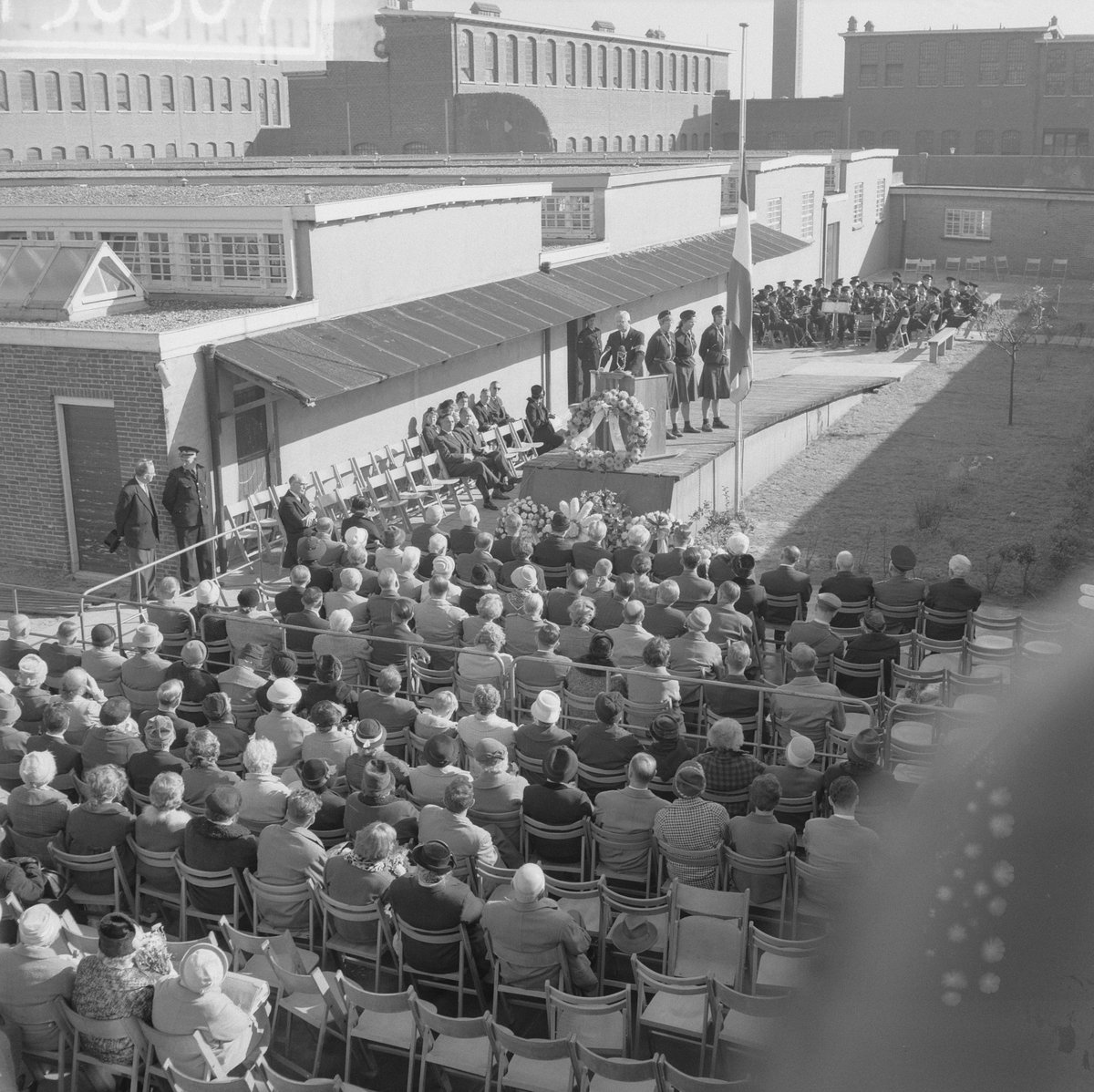
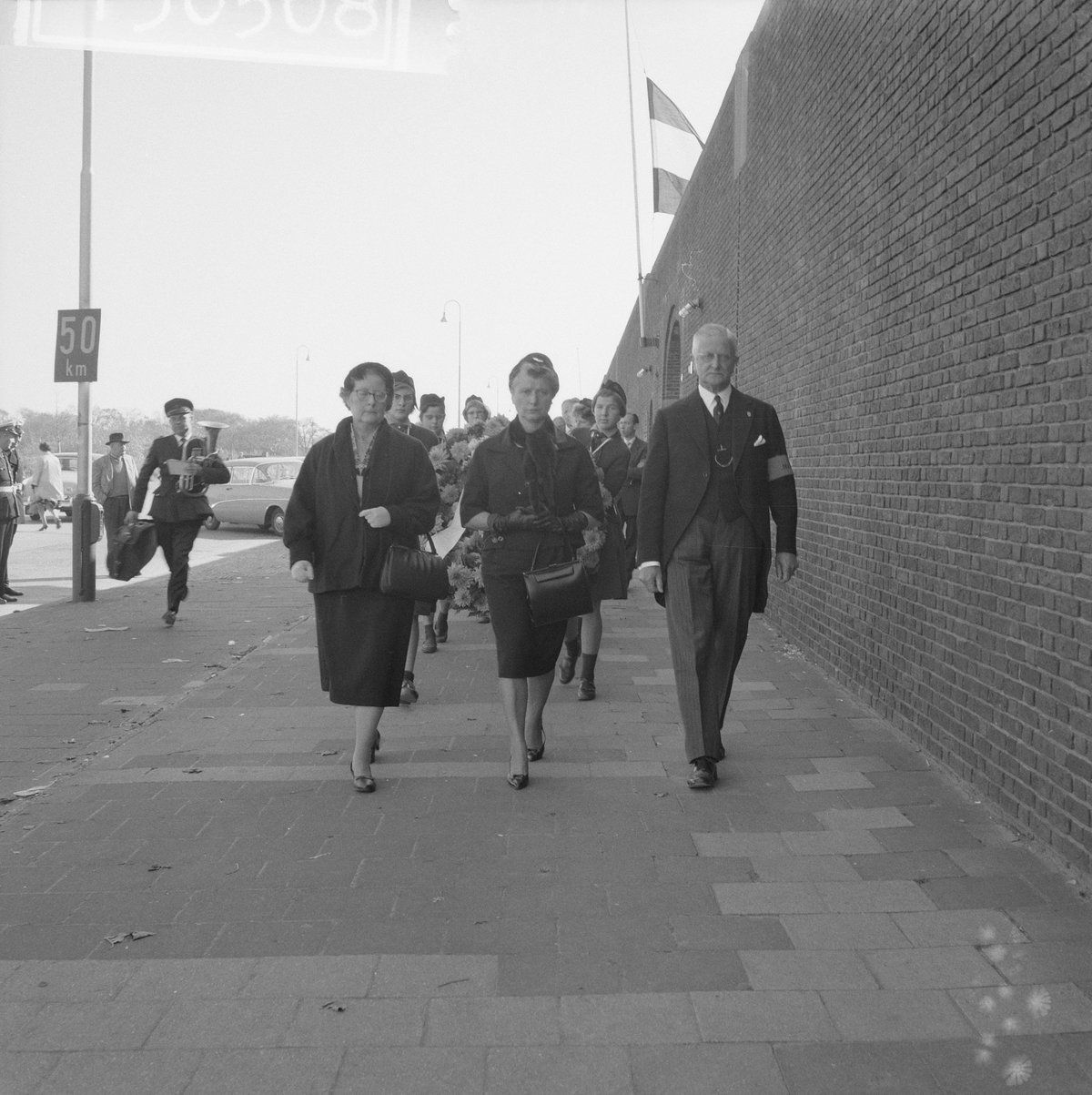
- Commemorative Events: Annual ceremonies, notably on May 4th (Dutch Remembrance Day), may affect opening hours (oranjehotel.org).
- Digital and Virtual Resources: Virtual tours and online exhibits available for remote visitors.
Nearby Attractions
- Waalsdorpervlakte: WWII execution site and memorial, easily combined with a museum visit.
- Scheveningen Beach: Historic seaside destination, a short walk away.
- Peace Palace, Mauritshuis, Madurodam: Prominent historical and cultural sites within easy reach (scheveningen.com, denhaag.com).
Why Visit the Oranjehotel?
The Oranjehotel offers visitors a direct, emotional connection to the stories of those who endured and resisted Nazi oppression. Its preserved cells, personal testimonies, and evocative exhibitions foster remembrance, education, and moral reflection. As a central part of The Hague’s history, the site serves both as a tribute to freedom and a warning against the dangers of totalitarianism.
Frequently Asked Questions (FAQ)
Q: Are tickets required for entry?
A: Yes, tickets are required for all visitors except children under 12. Guided tours require separate booking (oranjehotel.org).
Q: What are the Oranjehotel visiting hours?
A: Tuesday–Sunday, 10:30 AM–5:00 PM; closed Mondays and select holidays.
Q: Is the site accessible for wheelchair users?
A: Yes, the museum is fully accessible with ramps, elevators, and adapted restrooms.
Q: Can I visit the Waalsdorpervlakte from the Oranjehotel?
A: Yes, it’s nearby and often included in guided tours.
Q: Are there special events?
A: Yes, especially on May 4th (Remembrance Day) and during special exhibitions.
Summary and Visitor Tips
The Oranjehotel stands as a compelling witness to the courage and suffering of those who resisted Nazi tyranny. Its immersive exhibitions, preserved cells, and memorial spaces invite deep reflection. With modern facilities, accessibility, and an array of educational resources, the Oranjehotel is a must-visit for anyone interested in history, human rights, or Dutch culture.
Tips for a Meaningful Visit:
- Book tickets in advance, especially for guided tours or during commemorative events.
- Allow at least 1.5–2 hours for your visit.
- Use the audio guide or join a tour for deeper engagement.
- Respect the solemn atmosphere, particularly in memorial areas.
- Combine your visit with other historic sites in The Hague for a richer experience.
Plan your visit and learn more:
Listen to the full story in the app
The whole Oranjehotel,
told well.
Audio guides for 1,100+ cities across 96 countries. History, stories, and local insight — offline ready.
Verified, and shown.
Researched and written by the Audiala editorial team from historical records, architectural archives, and local expertise.
Researched from Wikidata, Wikipedia & official sources · fact-checked · How we make our guides →