Plan and listen to Noordeinde Palace with Audiala.
Audio guide in your pocket, itinerary in your browser. Built for the way you actually visit.
Introduction
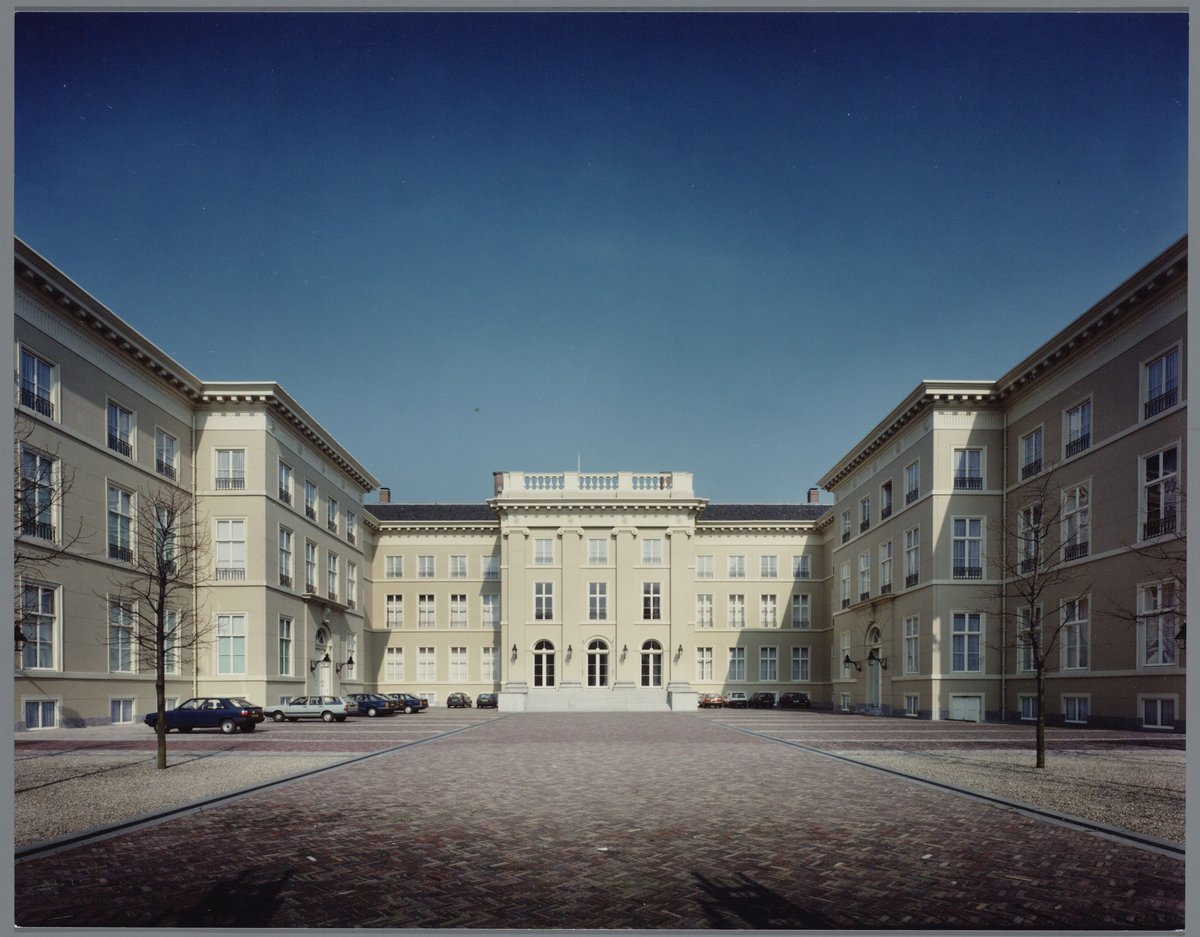
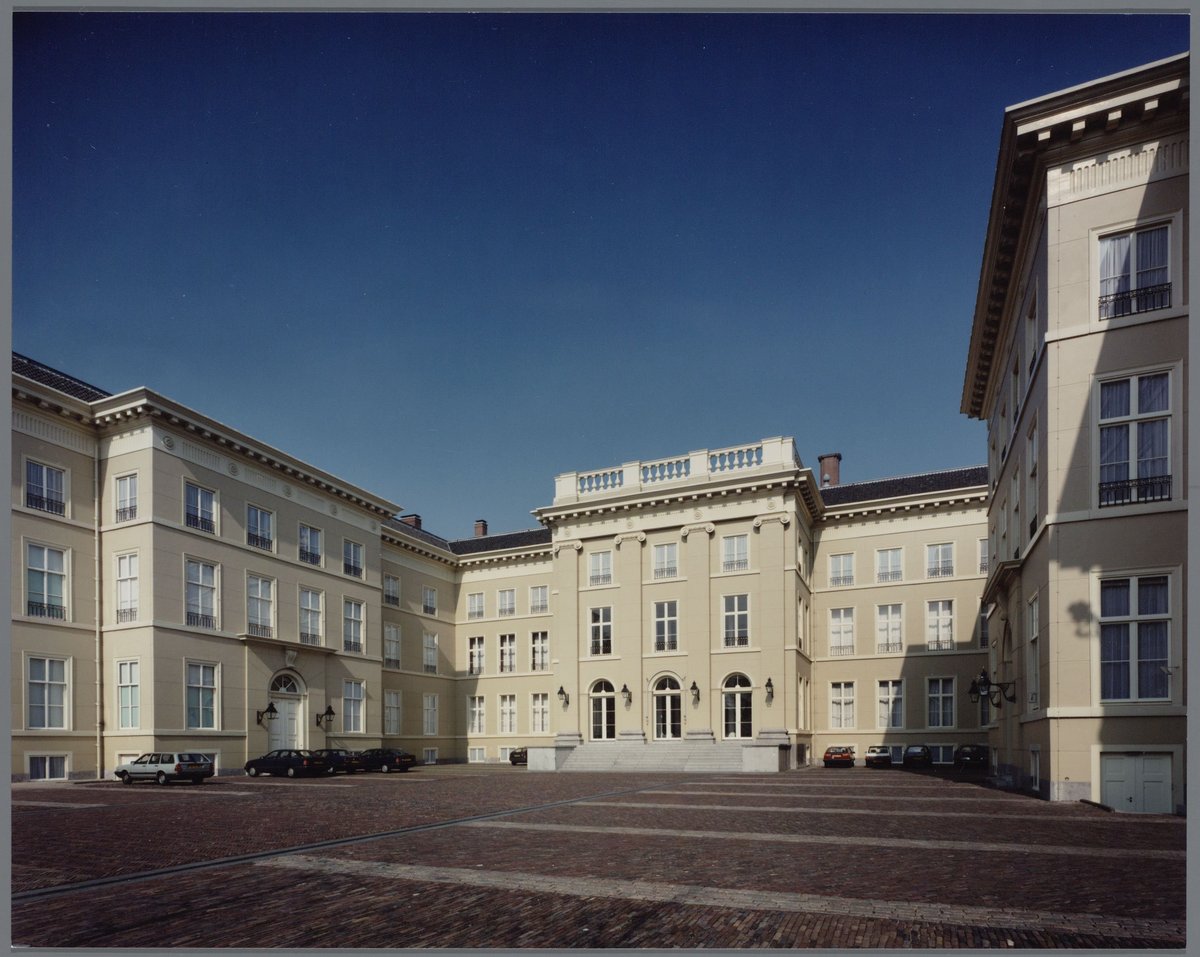
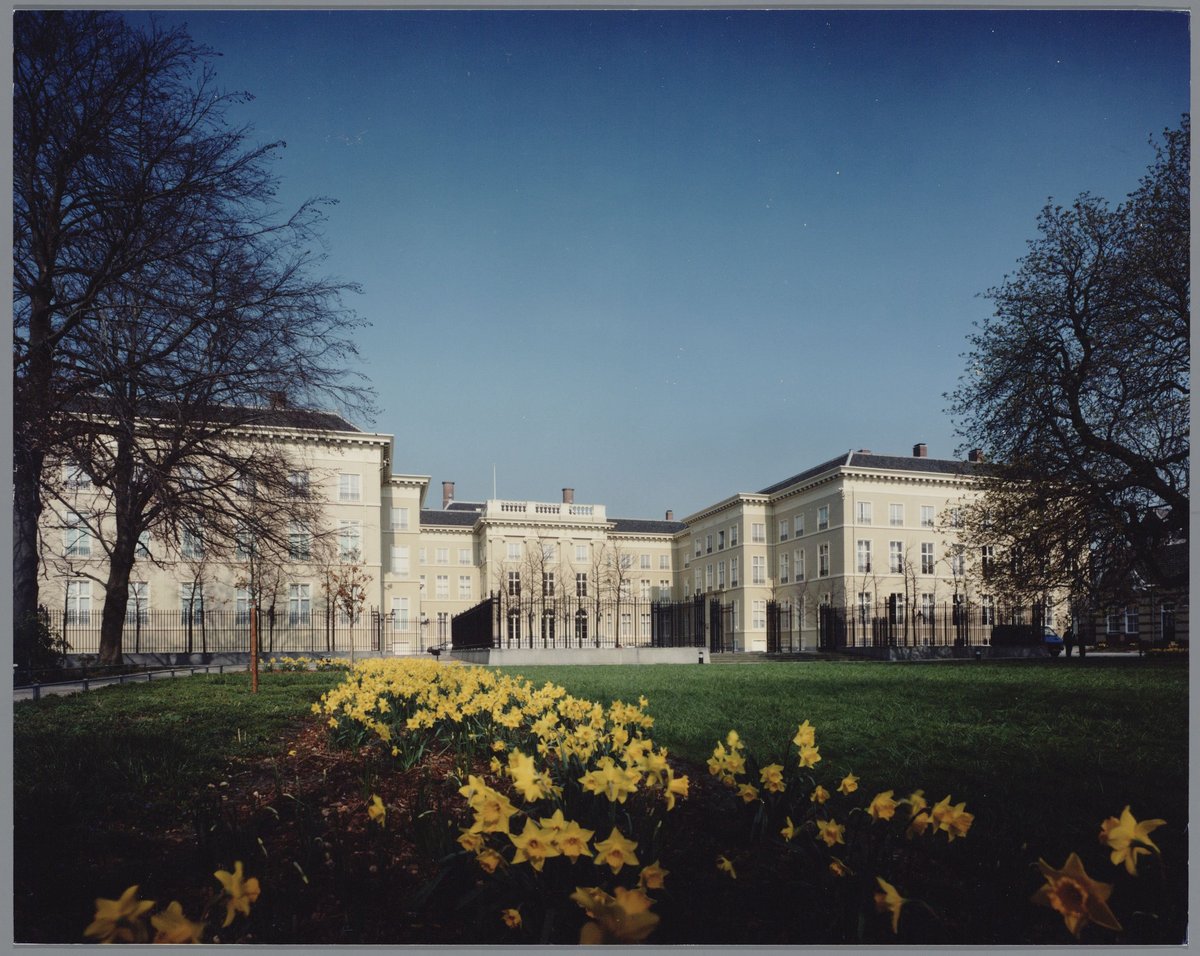
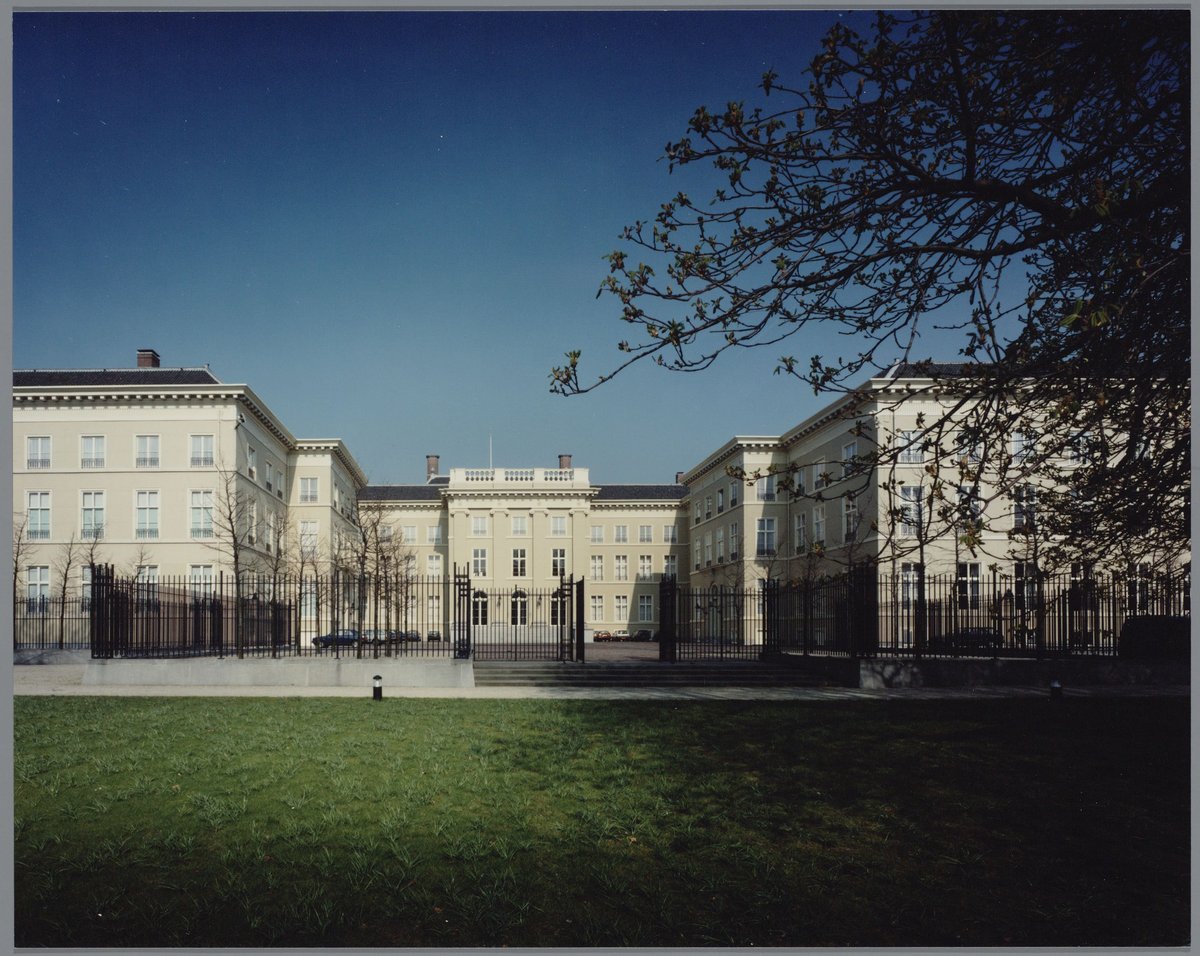
Noordeinde Palace, situated in the heart of The Hague, is a crown jewel of Dutch royal heritage and a living monument to centuries of history. Originally a humble medieval farmhouse, the palace has evolved into the official working palace of King Willem-Alexander. Each summer, Noordeinde Palace opens its doors to the public, offering rare access to its historic halls, lush gardens, and the adjacent Royal Stables. This comprehensive guide covers everything you need to know about Noordeinde Palace visiting hours, tickets, accessibility, nearby attractions, and tips to enrich your visit to this iconic landmark (koninklijkhuis.nl, explorial.com, denhaag.com).


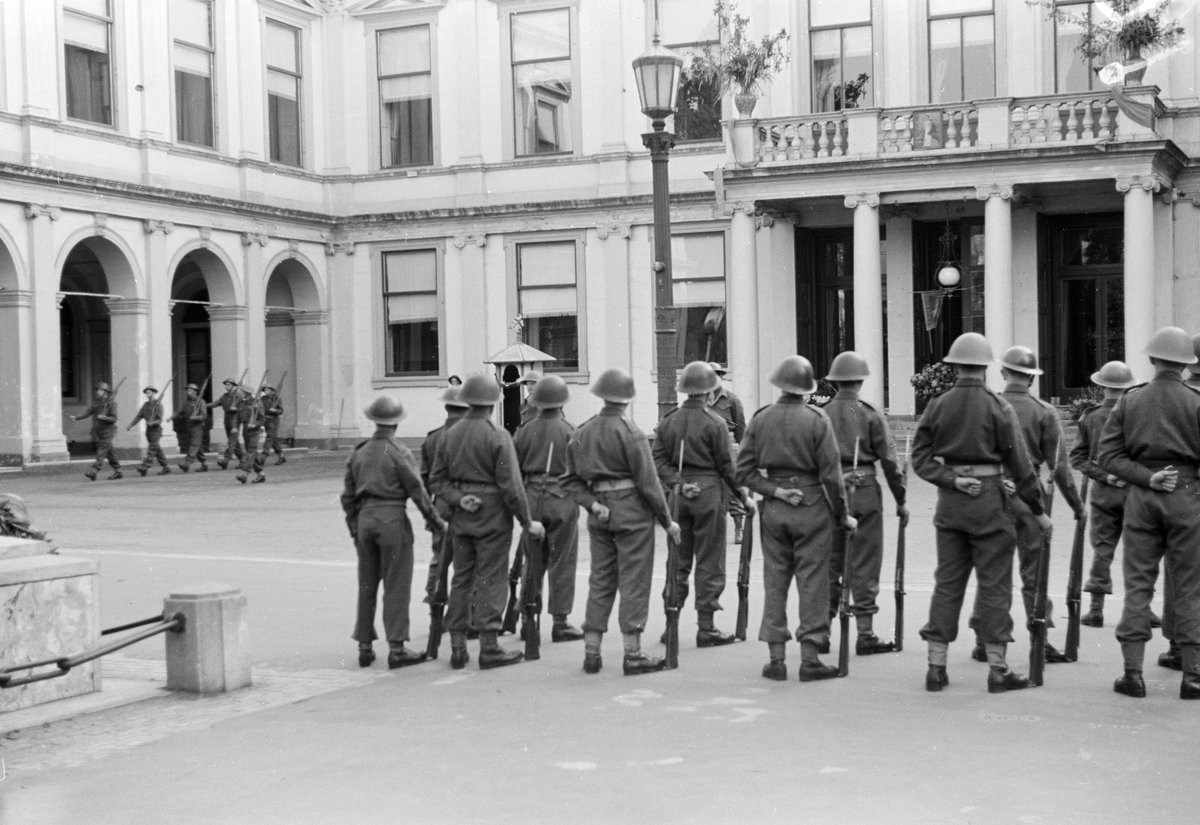
Origins and Early History
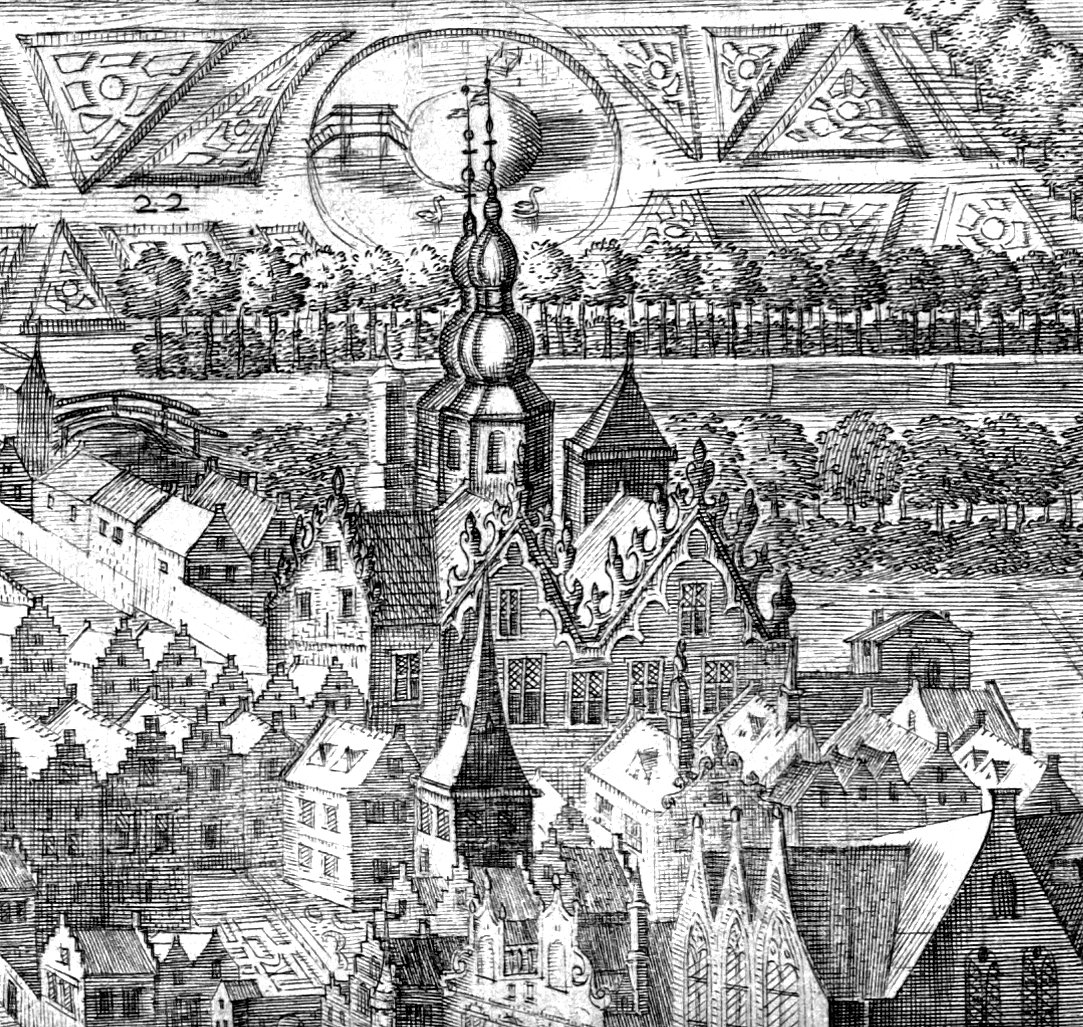
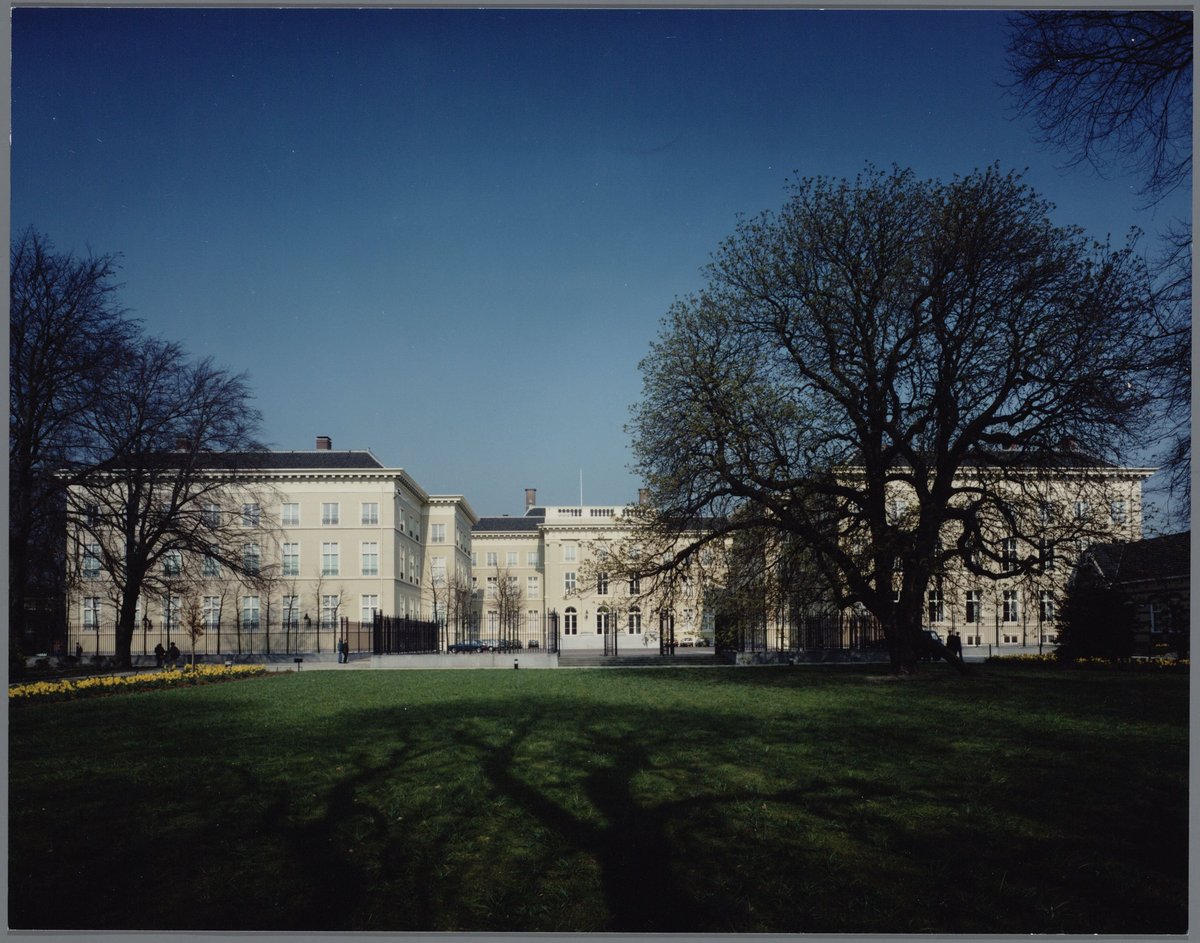
Noordeinde Palace traces its origins to the early 16th century as a modest farmhouse, with its earliest recorded structure dating to 1533. The property’s strategic location near the political epicenter of The Hague attracted the interest of the Dutch elite. Willem van de Goudt later expanded the farmhouse into a stately residence (explorial.com).
Association with the House of Orange
The palace began its enduring connection with Dutch royalty in 1595 when Louise de Coligny, widow of William of Orange, acquired it for her son, Prince Frederick Henry. In 1609, Frederick Henry transformed the residence into the “Court of Orange,” establishing Noordeinde as a central royal property (explorial.com).
Architectural Evolution
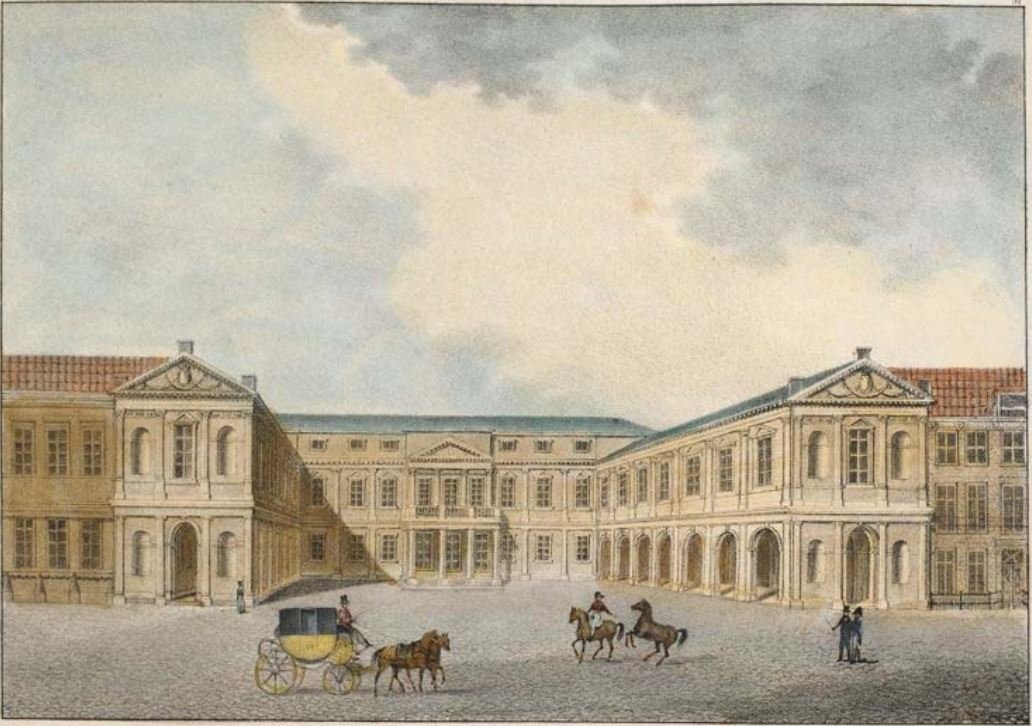
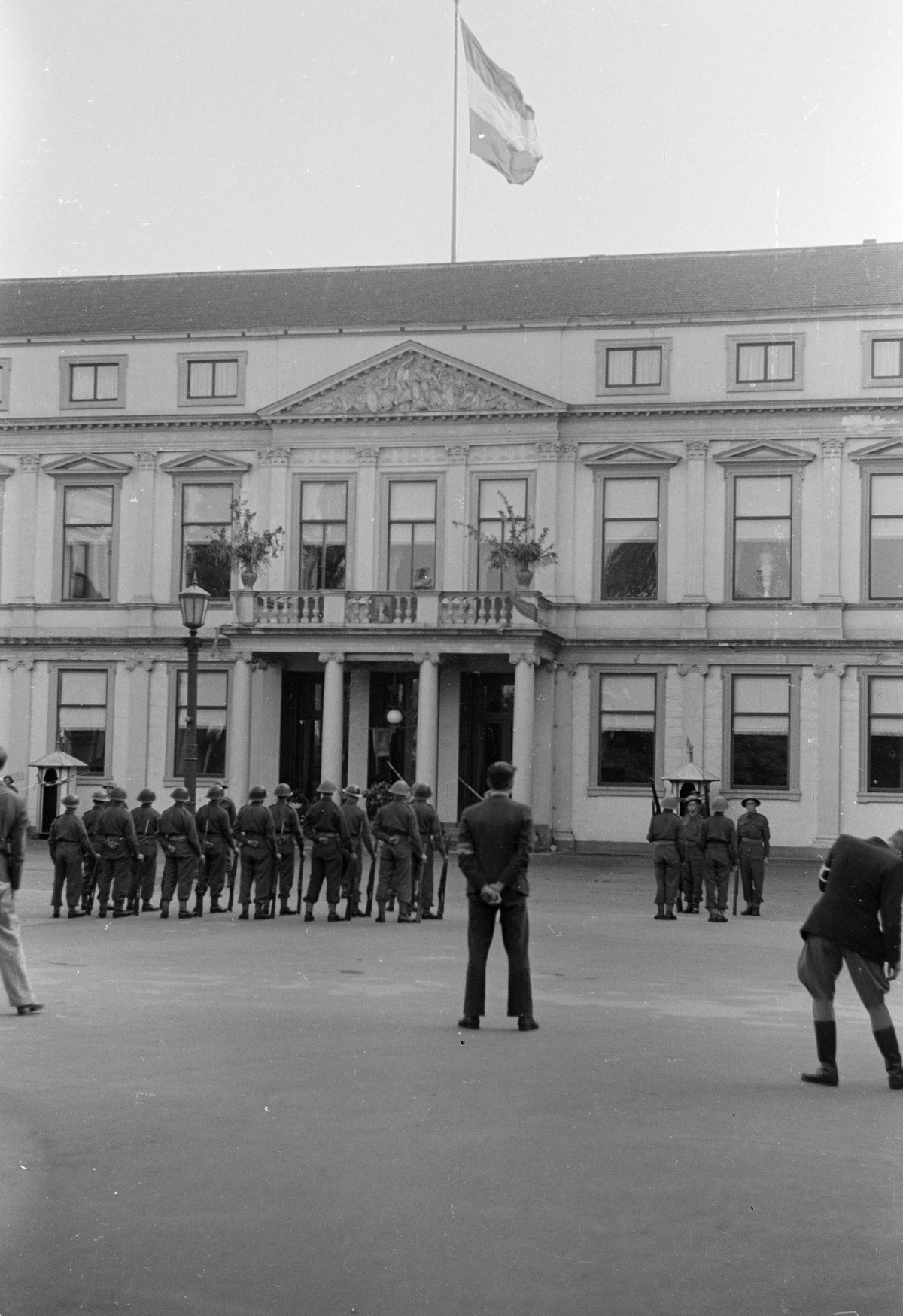
Throughout the 17th and 18th centuries, Noordeinde Palace underwent significant expansion under architects Pieter Post and Jacob van Campen. The palace’s H-shaped layout, Dutch Classicist façade, and Baroque influences became defining features. The exteriors are noted for their brickwork, Ionic columns, and a central pediment displaying the royal coat of arms (klook.com, hollymelody.com). Later 19th-century renovations introduced neoclassical elements and modern amenities, ensuring the palace remained functional as a royal workplace (Koninklijk Huis).
Royal Functions and Symbolism
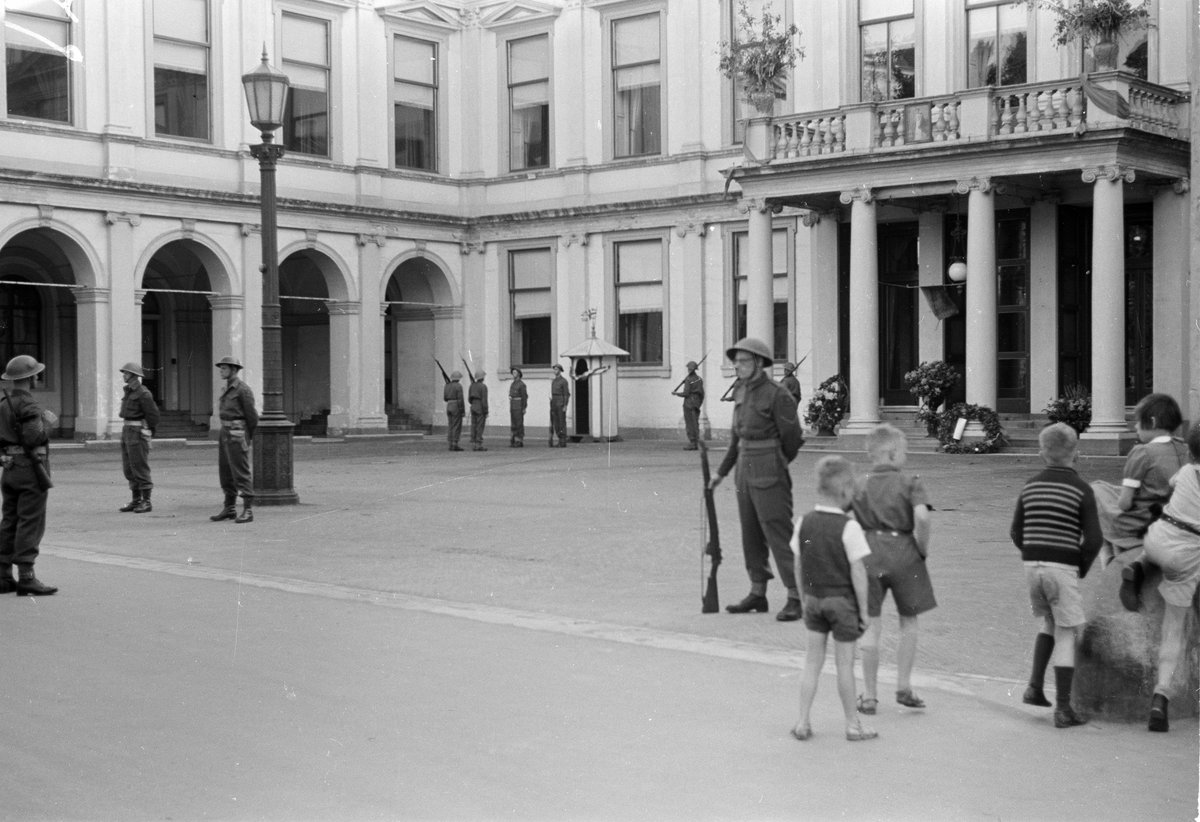
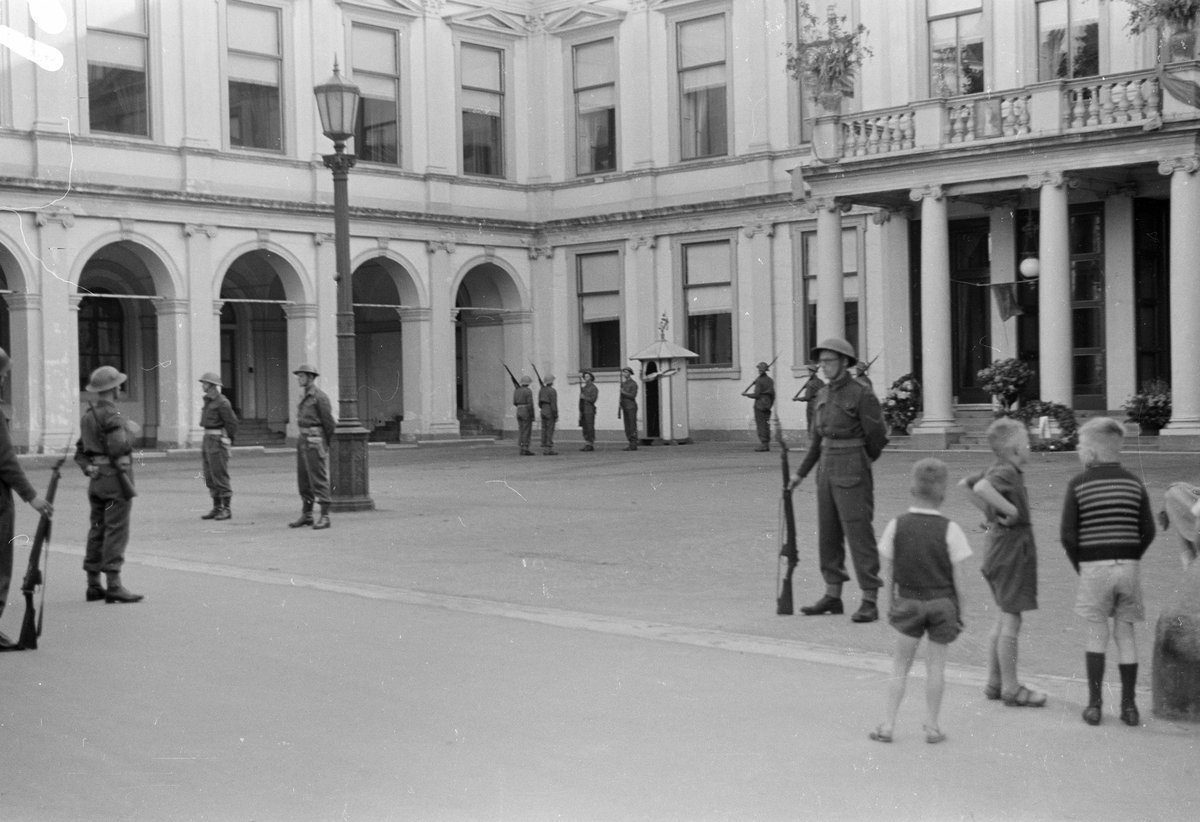
Noordeinde Palace serves as the main working palace for the Dutch monarch, hosting state functions, official receptions, and royal ceremonies. The palace’s flag signals the King’s presence, and it plays a central role in state events like Prinsjesdag, royal marriages, and ambassadorial ceremonies (hollymelody.com, LordsPress).
The Palace Gardens and Royal Stables
The palace is complemented by its formal gardens, designed in the 17th century, featuring geometric parterres, tree-lined avenues, and ornamental fountains. The gardens are freely accessible year-round, providing a tranquil urban retreat (thrillophilia.com, denhaag.com). The adjacent Royal Stables house ceremonial horses and carriages, and are open to the public during select summer periods (explorial.com).
Modern Adaptations and Restoration
Ongoing restorations ensure Noordeinde Palace remains functional and secure, with recent efforts focusing on sustainability and accessibility. Modern office facilities have been discreetly integrated while preserving the palace’s historical integrity (Koninklijk Huis).
Visitor Information
Visiting Hours (2024/2025)
- Palace: Open for public visits from 17 July to 4 August 2024, Wednesday through Sunday, 09:30–17:00.
- Royal Stables: Open during the same period, 12:00–17:00.
- Palace Gardens: Open daily year-round, typically from 8:00 AM to sunset (denhaag.com).
Tickets and Tours
- Ticket Sales: Tickets go on sale 3 June at 10:00 via the official Royal Collections ticket portal.
- Prices:
- Palace only: €10.00
- Royal Stables only: €7.50
- Combination ticket: €15.00
- Children (up to 18 years): Free (reservation required; up to 6 tickets per booking)
- Booking: Tickets must be pre-booked for a specific date and time slot. Bring your ticket and valid ID on arrival.
- Tours: A new interactive multimedia tour for children (8+) is available, featuring engaging educational content. The Royal Stables offer a treasure hunt for kids (koninklijkhuis.nl).
- Guided Tours: Offered during special openings; always check the latest details on the official website.
Accessibility
- The palace and gardens aim for accessibility, but some historic areas have limited wheelchair access due to their age. Gardens have paved, wheelchair-friendly paths.
- Contact visitor services in advance to discuss specific accessibility needs.
Travel Tips
- Location: Noordeinde Palace is centrally located in The Hague’s Noordeinde district.
- Public Transport: Trams (stop at Kneuterdijk) and buses serve the city center; it’s a 15-minute walk from Central Station (denhaag.com).
- Parking: Limited; use city garages such as Parking Noordeinde or Parkstraat.
- Bicycle: Free parking nearby.
- Dress Code: Smart casual recommended, especially during special events.
- Security: Allow time for security checks; respectful conduct is expected.
Nearby Attractions
- Binnenhof: The seat of Dutch Parliament, just a few minutes’ walk away.
- Mauritshuis Museum: Renowned for its Golden Age art collection.
- Peace Palace: International law landmark.
- Noordeinde District: Known for fashion boutiques, galleries, antique shops, and cafés; perfect for shopping or dining before or after your palace visit (denhaag.com, trip.com).
Special Events and Ceremonies
- Prinsjesdag (King’s Speech): The palace balcony is the site of the royal family’s annual public appearance.
- Royal Honours Ceremony & Ambassador Credentials: Hosted at the palace, reinforcing its role in national life (LordsPress).
- Flag Protocol: The Dutch flag on the palace roof indicates when the monarch is present.
Frequently Asked Questions (FAQ)
Q: When is Noordeinde Palace open to the public?
A: The palace is open for visitors during limited summer periods, usually in July and August. The gardens are open year-round.
Q: How do I purchase tickets?
A: Tickets must be bought online in advance from the Royal Collections ticket portal.
Q: Are children allowed?
A: Yes, children up to 18 are free, but require a reservation.
Q: Is the palace wheelchair accessible?
A: Some areas are accessible, but certain historic rooms may be challenging. The gardens are generally wheelchair friendly.
Q: Can I take photos inside?
A: Photography is restricted inside the palace; check guidelines on arrival. Outdoor and garden photography is permitted.
Q: Are guided tours available?
A: Multimedia tours are offered for children; general guided tours are occasionally available during public openings.
Tips for a Memorable Visit
- Book tickets well in advance to secure your preferred visit date and time.
- Arrive at least 15 minutes before your time slot.
- Bring valid photo ID for entry.
- Dress respectfully (smart casual).
- Combine your visit with nearby museums and shops in the Noordeinde district.
- Enjoy the Palace Garden year-round, regardless of palace opening status.
Tickets & tours.
These are guided options from our partners — same price as booking direct.
Prices are indicative — final pricing and availability are confirmed at checkout. Audiala may earn a commission from bookings made through these links.
Listen to the full story in the app
The whole Noordeinde Palace,
told well.
Audio guides for 1,100+ cities across 96 countries. History, stories, and local insight — offline ready.
Verified, and shown.
Researched and written by the Audiala editorial team from historical records, architectural archives, and local expertise.
Researched from Wikidata, Wikipedia & official sources · fact-checked · How we make our guides →