Plan and listen to Netherlands Institute For Art History with Audiala.
Audio guide in your pocket, itinerary in your browser. Built for the way you actually visit.
Introduction
Located in the vibrant cultural heart of The Hague, the Netherlands Institute for Art History (Rijksbureau voor Kunsthistorische Documentatie, or RKD) is recognized as the world’s largest center for art historical documentation and research. Established in the early 20th century, the RKD was founded to consolidate the rich artistic legacy of the Netherlands—especially that of the Dutch Golden Age—and to serve as an unparalleled resource for scholars, art enthusiasts, and visitors. Today, the RKD offers millions of archival records, images, and bibliographic materials, providing deep insights into Western art from the late Middle Ages to the present. Visitors can explore its collections onsite or online, attend special events, or use its research facilities for a unique and enriching experience. For the most current visitor details, refer to the official RKD website (RKD official website).
The RKD was established in the early 20th century as a centralized repository for art historical records, reflecting the Netherlands’ prominent role in European art, particularly during the Dutch Golden Age. Over time, it has evolved into a leading international resource, known for its expansive collections and its commitment to making art history accessible through both physical and digital means. Its collaborations with institutions such as the Rijksmuseum and Harvard Art Museums further underscore its global significance in art historical research.

Practical Information: Visiting Hours, Tickets, and Accessibility
Visiting Hours
- Regular hours: Monday to Friday, 9:00 AM – 5:00 PM
- Closed on weekends and Dutch public holidays
- Always check the official visitor information page for updates or special closures
Tickets and Admission
- Admission is free for all visitors; no tickets are required
- Registration at the reception desk is mandatory upon entry
- Some special events or guided tours may require advance registration or a nominal fee (Travalour)
Accessibility
- The RKD is fully wheelchair accessible, with elevators and accessible restrooms
- Assistance dogs are welcome
- Visitors with additional needs should contact the RKD in advance for support
Archives and Library
- Over 2.5 kilometers of archival materials, including artist dossiers, correspondence, exhibition and auction catalogues, and rare photographs
- Library of approximately 450,000 titles, with a strong emphasis on Dutch and Flemish art
Digital Platforms
- RKDartists&: Comprehensive artist database
- RKDimages: High-resolution images of artworks and documentation
- Many resources are available in both Dutch and English; some archival materials are in Dutch only
Special Catalogues and Exhibitions
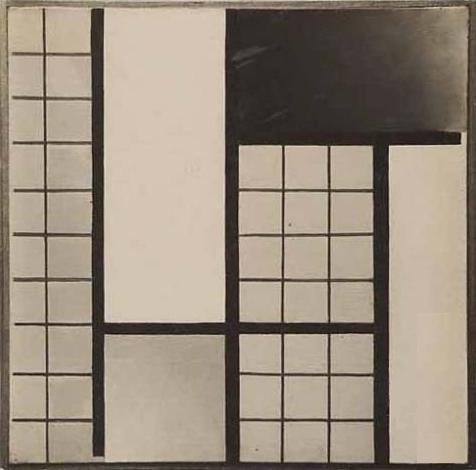
- Digital catalogues raisonnés for artists such as Samuel van Hoogstraten and Piet Mondrian
- Temporary exhibitions and themed displays highlight unique archival materials and research projects
Guided Tours, Events, and Public Programs
- Guided Tours: Available by appointment, particularly for academic groups or during special events
- Public Events: Regular lectures, symposia, and workshops—such as the annual Marks on Art symposium
- Visitor Services: Staff are available to assist with research inquiries and orientation
Location, Travel Tips, and Accessibility
- Address: Prins Willem-Alexanderhof 5, 2595 BE Den Haag, Netherlands (within the Koninklijke Bibliotheek complex)
- Getting There:
- 5-minute walk from Den Haag Centraal Station (train, tram, and bus connections)
- Paid parking is available nearby, though public transport is strongly recommended due to limited parking (Travalour)
- Amenities:
- Lockers for bags and coats (large items not permitted in reading rooms)
- Café in the Koninklijke Bibliotheek for light meals and refreshments (no food or drink allowed in research spaces)
- Free Wi-Fi available throughout the building
Nearby Attractions in The Hague
Combine your RKD visit with some of The Hague’s most remarkable cultural sites:
- Mauritshuis Museum: Masterpieces by Vermeer, Rembrandt, and more (WhichMuseum)
- Kunstmuseum Den Haag: Modern and contemporary art, including Mondrian
- Escher in Het Paleis: Dedicated to the work of M.C. Escher
- Museum Bredius and Museum Meermanno: Dutch art and book history
- Binnenhof: Historic parliamentary complex and gardens
Frequently Asked Questions (FAQ)
Q: Is admission to the RKD free?
A: Yes, admission is free; registration at reception is required.
Q: What are the visiting hours?
A: Monday to Friday, 9:00 AM – 5:00 PM; closed on weekends and Dutch public holidays.
Q: Are guided tours available?
A: Yes, by appointment for groups or during special programs; check the website for details.
Q: Is the RKD accessible for visitors with disabilities?
A: Yes, the institute is fully wheelchair accessible.
Q: Can I photograph archival materials?
A: Photography is generally not permitted without explicit permission and is subject to copyright policies.
Q: Are there food and drink facilities?
A: A café is available in the Koninklijke Bibliotheek; no food or drink in research areas.
Q: Is parking available?
A: Limited paid parking nearby; public transport is recommended.
Planning Your Visit
- Advance Preparation: Contact the RKD in advance if you wish to consult specific archives or rare materials
- Identification: Bring valid photo ID for registration
- Language: Most staff speak English; many resources are bilingual, but some archives are in Dutch
- Quiet Environment: The RKD is a research institute—please maintain silence in reading rooms
COVID-19 Considerations:
As of June 2025, most restrictions have been lifted. Hand sanitizers are available, and mask-wearing is optional unless otherwise indicated on the official website.
Contact Information:
- Website: RKD Netherlands Institute for Art History
- Phone: +31 (0)70 333 9700
- Email: [email protected]
- Additional info: Travalour RKD Attraction Page
Summary and Visitor Tips
Visiting the RKD offers unparalleled access to Dutch and Western art history through extensive archives, digital platforms, and dynamic public programs. With free admission, full accessibility, and a prime location near The Hague’s top cultural attractions, it is a key destination for scholars and art lovers alike. Enhance your visit with the Audiala app for guided tours, and consult the RKD’s official visitor information page for the latest details and resources (RKD visitor information).
Listen to the full story in the app
The whole Netherlands Institute For Art History,
told well.
Audio guides for 1,100+ cities across 96 countries. History, stories, and local insight — offline ready.
Verified, and shown.
Researched and written by the Audiala editorial team from historical records, architectural archives, and local expertise.
Researched from Wikidata, Wikipedia & official sources · fact-checked · How we make our guides →