Plan and listen to Malieveld with Audiala.
Audio guide in your pocket, itinerary in your browser. Built for the way you actually visit.
Introduction
Nestled in the heart of The Hague, Malieveld is one of the Netherlands’ most significant urban green spaces, blending centuries of history with a vibrant contemporary role as a hub for public gatherings, cultural festivals, and political demonstrations. Its evolution from an ancient segment of the Haagse Bos forest to a cherished symbol of democracy and multiculturalism makes it a must-see destination for history buffs, cultural explorers, and anyone seeking relaxation in the city. This guide provides detailed historical context, practical visitor information—including opening hours, ticketing, accessibility—and expert tips for enjoying nearby attractions like the Binnenhof and Peace Palace. Whether you're attending a festival, joining a public march, or picnicking on its expansive lawns, Malieveld offers a unique window into Dutch society (Tour The Hague; Malieveld Events; DenHaag.com).




Origins and Early Development
Malieveld’s story begins as part of the Haagse Bos, one of the oldest forests in the Netherlands, with roots reaching back to Roman times. The landscape underwent drastic change during the Eighty Years’ War, when sections were deforested for military purposes. Following occupation by Spanish forces and subsequent environmental degradation, the area became a stretch of sandy dunes. By 1594, city planners leveled the terrain, creating the open expanse now known as Malieveld (Wandersmiles; Tour The Hague).
The Act of Redemption (1576) and Conservation
A pivotal moment for Malieveld’s preservation was the 1576 ‘Act of Redemption,’ signed by William of Orange. This early environmental protection law banned the sale, deforestation, and development of Haagse Bos and its surroundings, declaring that “no one should ever cut down a tree and that the forest cannot be sold.” This status has been reaffirmed by Dutch governments into the 21st century, guaranteeing Malieveld’s protection as a public space (Tour The Hague).
Evolution and Cultural Significance
From Noble Pastimes to Urban Oasis
Initially, Malieveld served as a venue for ‘malie’—an aristocratic game considered a forerunner to golf and croquet. The very name ‘Malieveld’ reflects this heritage. The field’s boundaries have shifted over time due to urban growth; by 1705, city expansion had shortened the space, yet it retained its essential character as a green refuge amid the city’s bustle (Tour The Hague).
Civic Engagement and National Gatherings
Malieveld’s central location and vast size—spanning over 10 hectares—have made it the natural stage for large-scale events, including demonstrations, celebrations, and festivals. It has served as the preferred gathering point for expressing civic sentiment and national unity (Tour The Hague).
World War II and Community Support
During WWII, the Paviljoen Malieveld was relocated from Scheveningen beach to Malieveld, becoming a symbol of resilience. During the Dutch famine of 1944–45, the pavilion provided nourishing poffertjes and waffles in exchange for bread coupons, supporting the local community in a time of crisis (Paviljoen Malieveld).
Malieveld in Modern Society
Cultural Events and Festivals
Malieveld is renowned for hosting major events such as the Tong Tong Fair—the world’s largest Eurasian festival—celebrating Dutch-Indonesian heritage through food, music, and art (IAmExpat).
Political Demonstrations
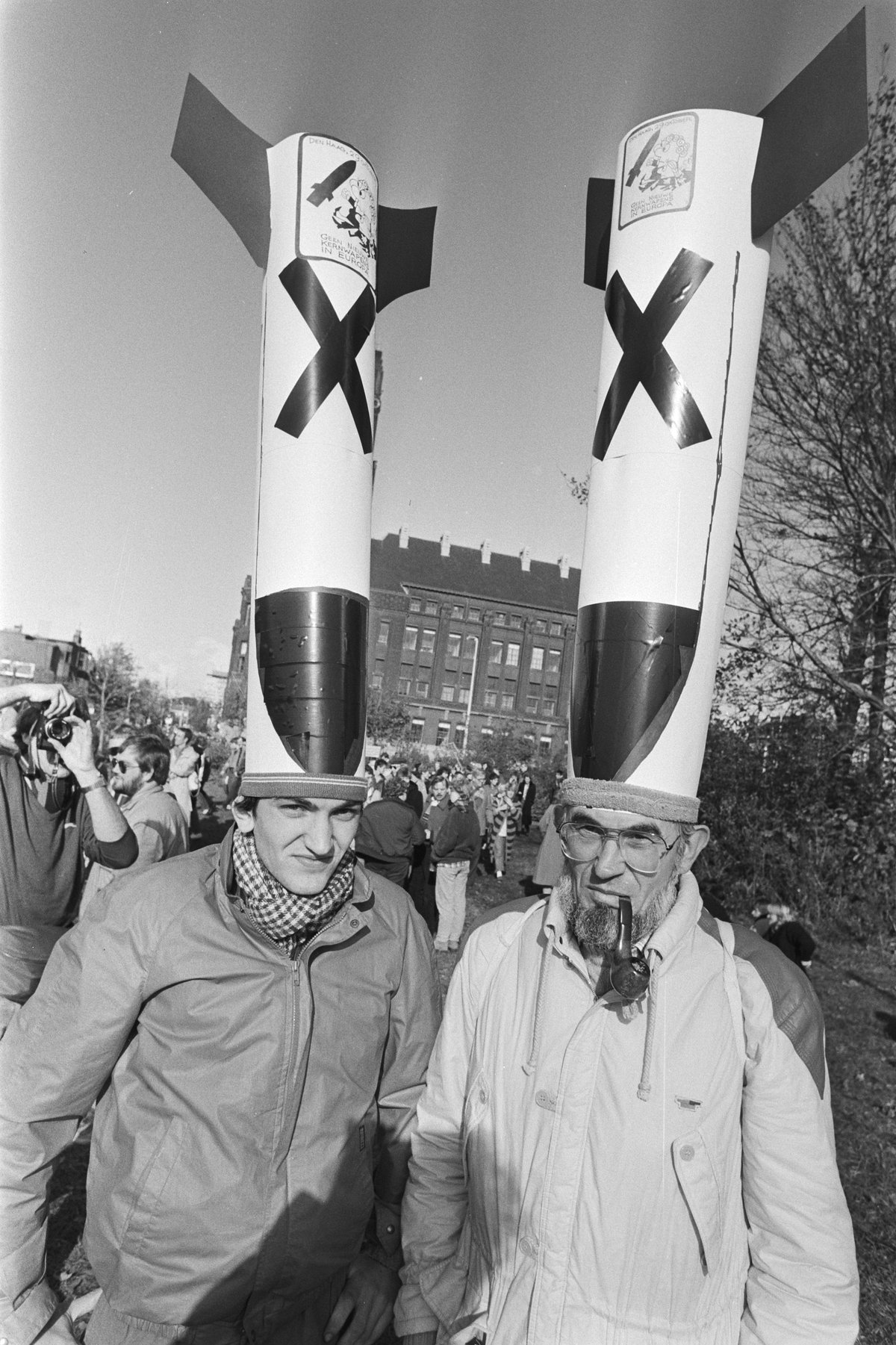
The field is the principal site for political demonstrations in the Netherlands, owing to its proximity to government buildings and the Dutch Parliament. Mass rallies on issues ranging from climate change to international conflicts regularly take place here, cementing its role as a democratic platform (Nomadic Matt).
Everyday Recreation
Malieveld is a beloved spot for daily recreation, from picnics and jogging to relaxed afternoons at the Paviljoen Malieveld café (Paviljoen Malieveld). Its generous green lawns and open paths offer a peaceful urban retreat.
Practical Visitor Information
Visiting Hours and Tickets
- Park Access: Malieveld is open daily, generally from dawn until dusk (typically 7:00 AM – 9:00 PM).
- Entry Fee: There is no entrance fee for general park access.
- Events: Some festivals and concerts require tickets, available via official event sites or authorized vendors.
Accessibility
- Public Transport: Located directly across from The Hague Central Station, Malieveld is easily reached by train, tram, or bus.
- By Car/Bike: Paid parking is available nearby but may be limited during events; ample bike racks are provided.
- Wheelchair Access: The park features paved paths suitable for wheelchairs and strollers.
Facilities
- Restrooms: Portable toilets during events; limited permanent facilities.
- Food/Drink: Food trucks and stalls during events; Paviljoen Malieveld café on-site.
- Seating: Bring picnic blankets, as benches are limited.
Nearby Attractions
Explore the Binnenhof, Peace Palace, Haagse Bos forest, and The Hague’s museums and shopping districts—all within walking distance (DenHaag.com).
Major Annual Events and Festivals
Liberation Festival (Bevrijdingsfestival)
Held every May 5th, this festival features live music, speeches, and activities celebrating the end of WWII and Dutch freedom (Malieveld Events).
Tong Tong Fair
An annual highlight at the end of May, attracting around 100,000 visitors to celebrate Indonesian-Dutch culture (Malieveld Events).
National Veterans Day
In June, Malieveld hosts ceremonies and exhibitions honoring Dutch veterans (Den Haag Centraal).
Music Festivals
Events like Parkpop (one of Europe’s largest free pop festivals), Bevrijdingsfestival Den Haag, and 7Fest (featuring international artists) draw massive crowds (DJGuide; Songkick).
The King’s Fair (Koningskermis)
A family-friendly fair held every April, with rides, games, and food stalls (Den Haag).
Cirque du Soleil and International Shows
World-class productions such as Cirque du Soleil regularly visit Malieveld, offering immersive performances (Cirque du Soleil).
Travel Tips
- Prefer public transport during major events due to limited parking.
- Dress for changing Dutch weather; bring layers and rain gear.
- Purchase event tickets only from official sources.
- Carry some cash for food stalls, though cards are widely accepted.
Accessibility for All
Malieveld’s flat terrain and paved paths make it accessible for visitors with mobility needs. Event staff are available to assist during major gatherings.
Safety and Regulations
- Expect security checks at large events.
- Dogs are welcome on leashes.
- Alcohol is available during festivals, but public drinking may be restricted outside events.
- Respect demonstration activities and the tranquility of non-event days.
FAQs
Is Malieveld free to visit?
Yes, general access is free; tickets are required only for certain events.
What are the regular opening hours?
From dawn until dusk, typically 7:00 AM – 9:00 PM.
Is Malieveld wheelchair accessible?
Yes, with paved paths and accessible facilities during major events.
How do I get there by public transport?
Malieveld is across from The Hague Central Station, served by train, tram, and bus lines.
Are there guided tours?
Not regularly, but many city tours include Malieveld as a highlight.
Listen to the full story in the app
The whole Malieveld,
told well.
Audio guides for 1,100+ cities across 96 countries. History, stories, and local insight — offline ready.
Verified, and shown.
Researched and written by the Audiala editorial team from historical records, architectural archives, and local expertise.
Researched from Wikidata, Wikipedia & official sources · fact-checked · How we make our guides →