Plan and listen to Huis Ten Bosch with Audiala.
Audio guide in your pocket, itinerary in your browser. Built for the way you actually visit.
Introduction
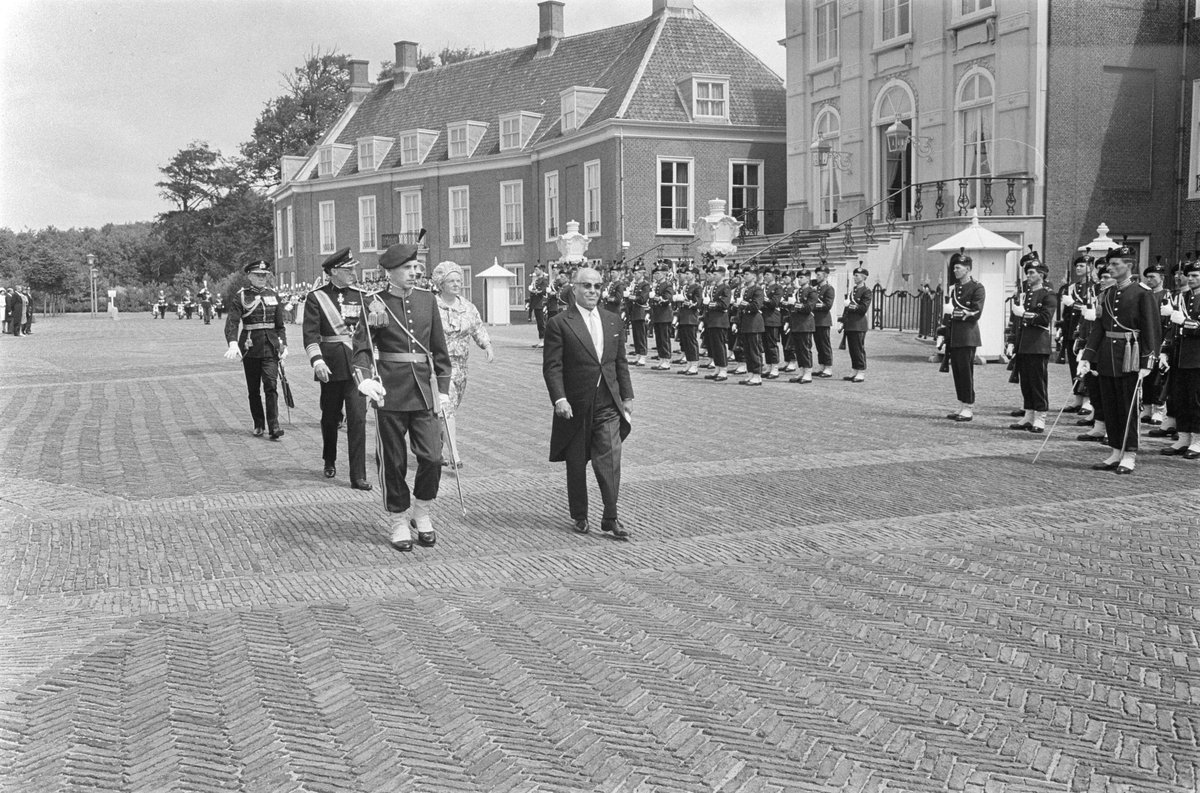
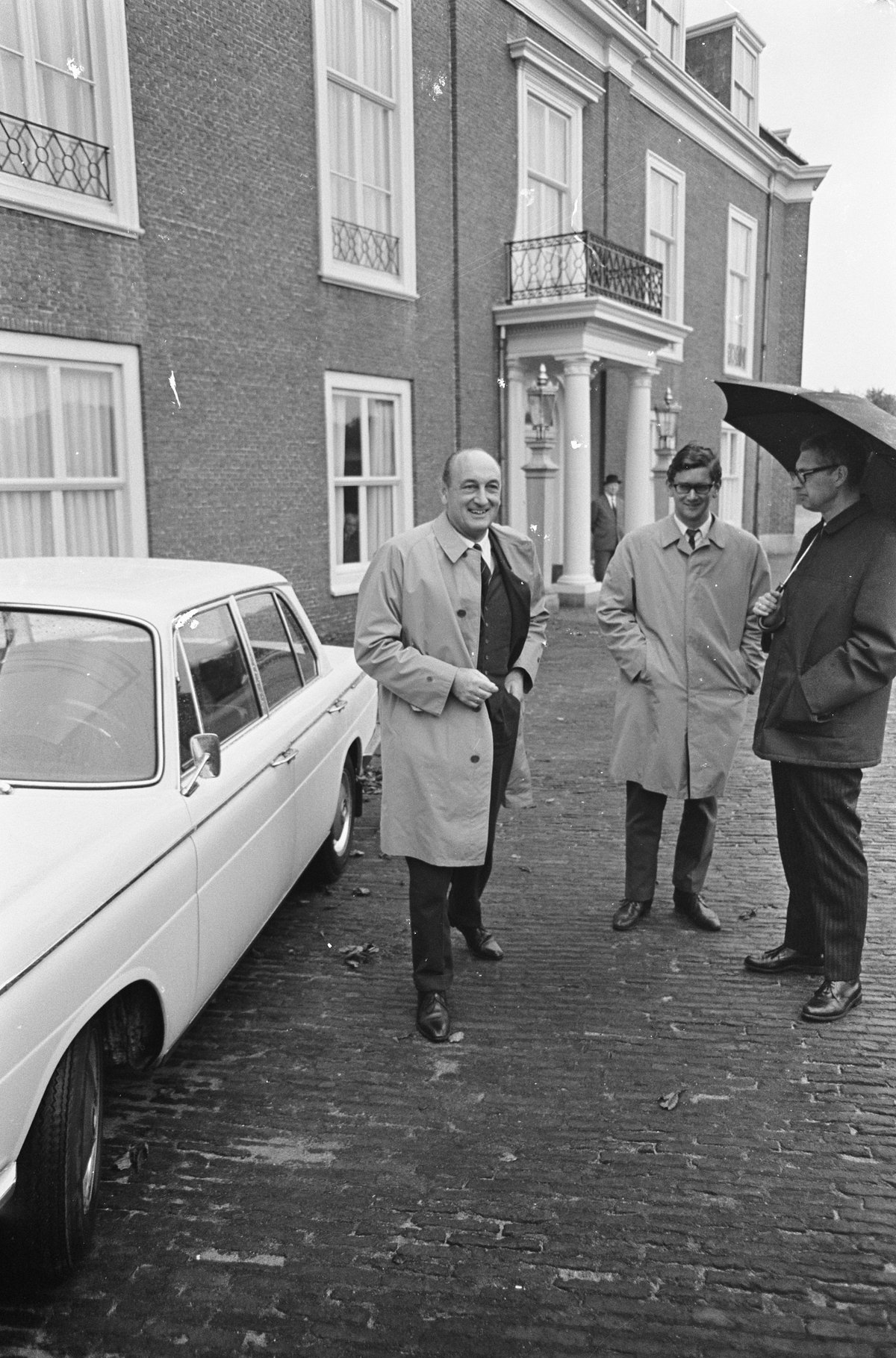
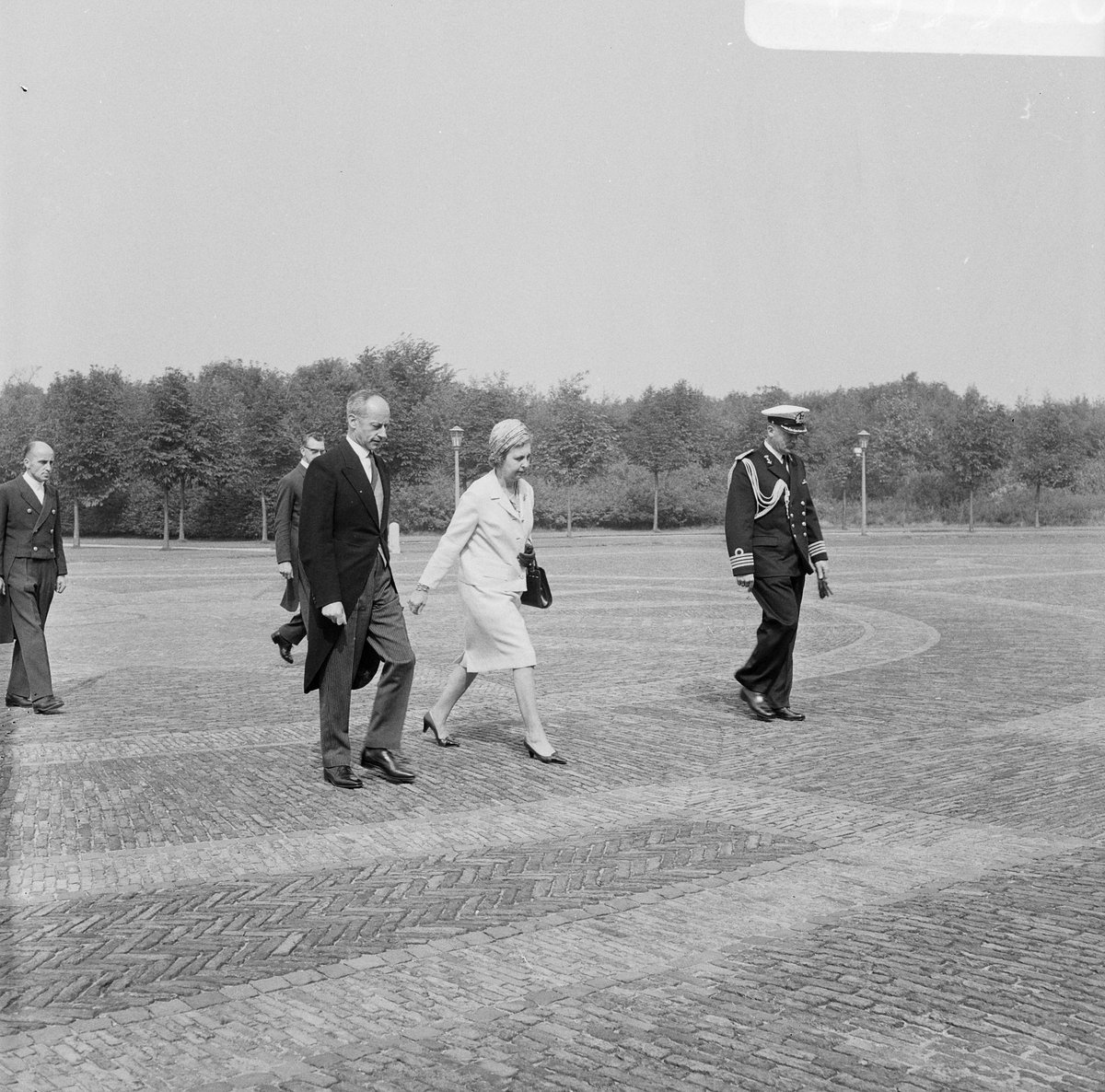
Nestled in the tranquil Haagse Bos (The Hague Forest), Huis ten Bosch stands as one of the Netherlands’ most iconic and historically significant royal palaces. Built in the heart of the Dutch Golden Age, this palace is a masterpiece of Dutch Baroque architecture and a living testament to the House of Orange. Although primarily a private royal residence, the palace and its surrounding parklands offer visitors a unique window into Dutch history, culture, and the ongoing traditions of the monarchy.
This comprehensive guide details Huis ten Bosch’s architectural and cultural legacy, visiting hours, ticketing procedures, accessibility, and highlights nearby attractions. Whether you’re a history buff or a casual traveler, here you'll find all you need to plan a memorable visit to this remarkable site (Dutch Royal House; denhaag.com; Rijksmuseum).


History and Significance
Origins
Commissioned in 1645 by Amalia van Solms, wife of Prince Frederick Henry of Orange, Huis ten Bosch ("House in the Woods") was conceived as a summer retreat and a monument to the House of Orange’s prestige. Renowned architects Pieter Post and Jacob van Campen designed the palace in the Dutch Baroque style, reflecting the power and artistic ambitions of the period (Dutch Royal House).
The Oranjezaal
The palace’s centerpiece, the Oranjezaal, is a grand domed hall adorned with over 50 allegorical paintings honoring the achievements of Prince Frederick Henry. Prominent artists such as Jacob Jordaens contributed to this masterwork, making the Oranjezaal one of the crowning achievements of Dutch Baroque art (Rijksmuseum).
Evolution and Restoration
Over the centuries, Huis ten Bosch has seen expansions—including 18th-century wings by Daniel Marot—and has endured wartime damages, especially during World War II. A major restoration in the post-war era, led by J.B. van Loghem, meticulously preserved its original features (Monumenten.nl). Since 1981, it has served as the primary residence of the Dutch monarch, currently King Willem-Alexander and Queen Máxima (Dutch Royal House).
Architectural Highlights
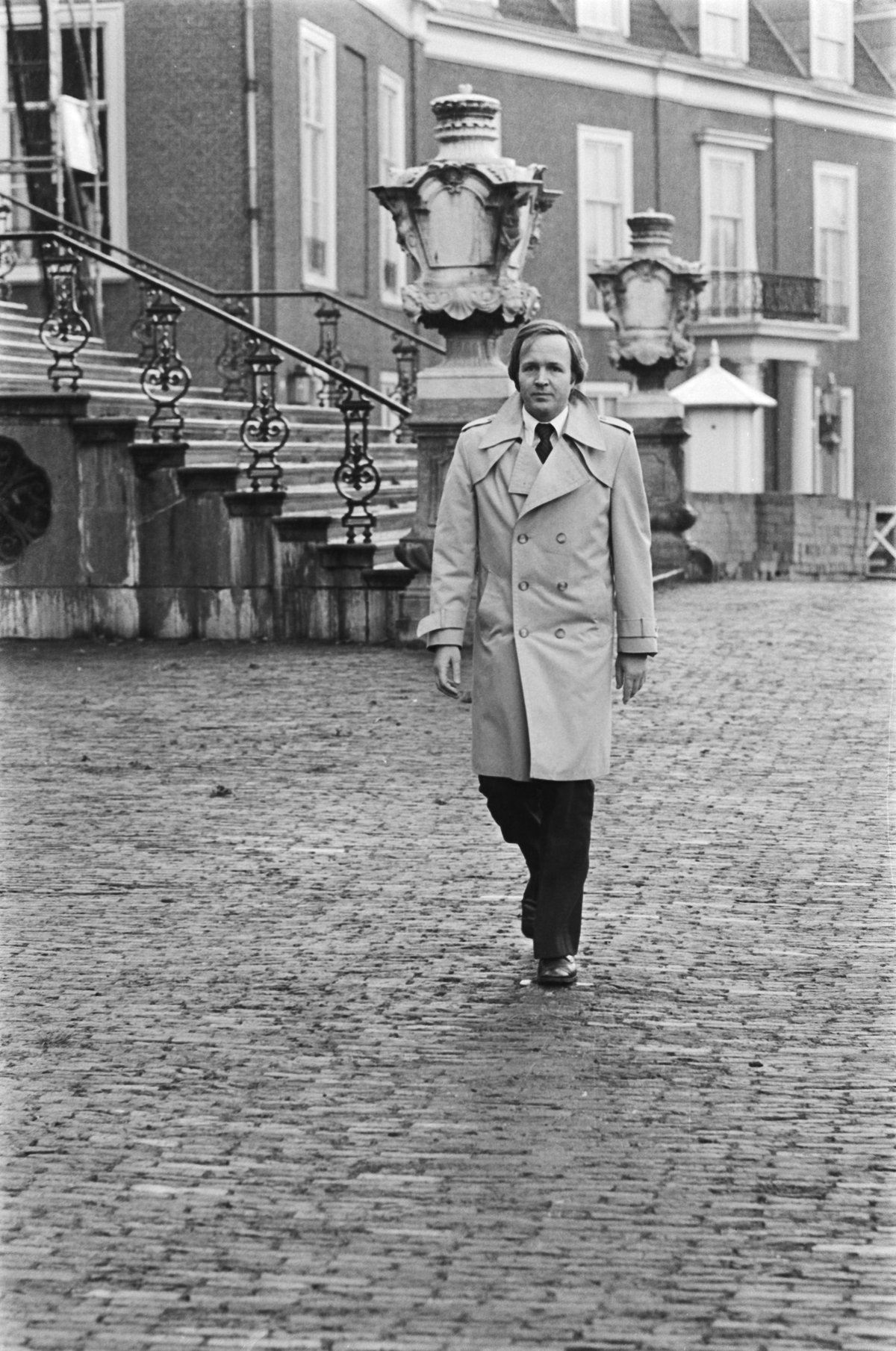
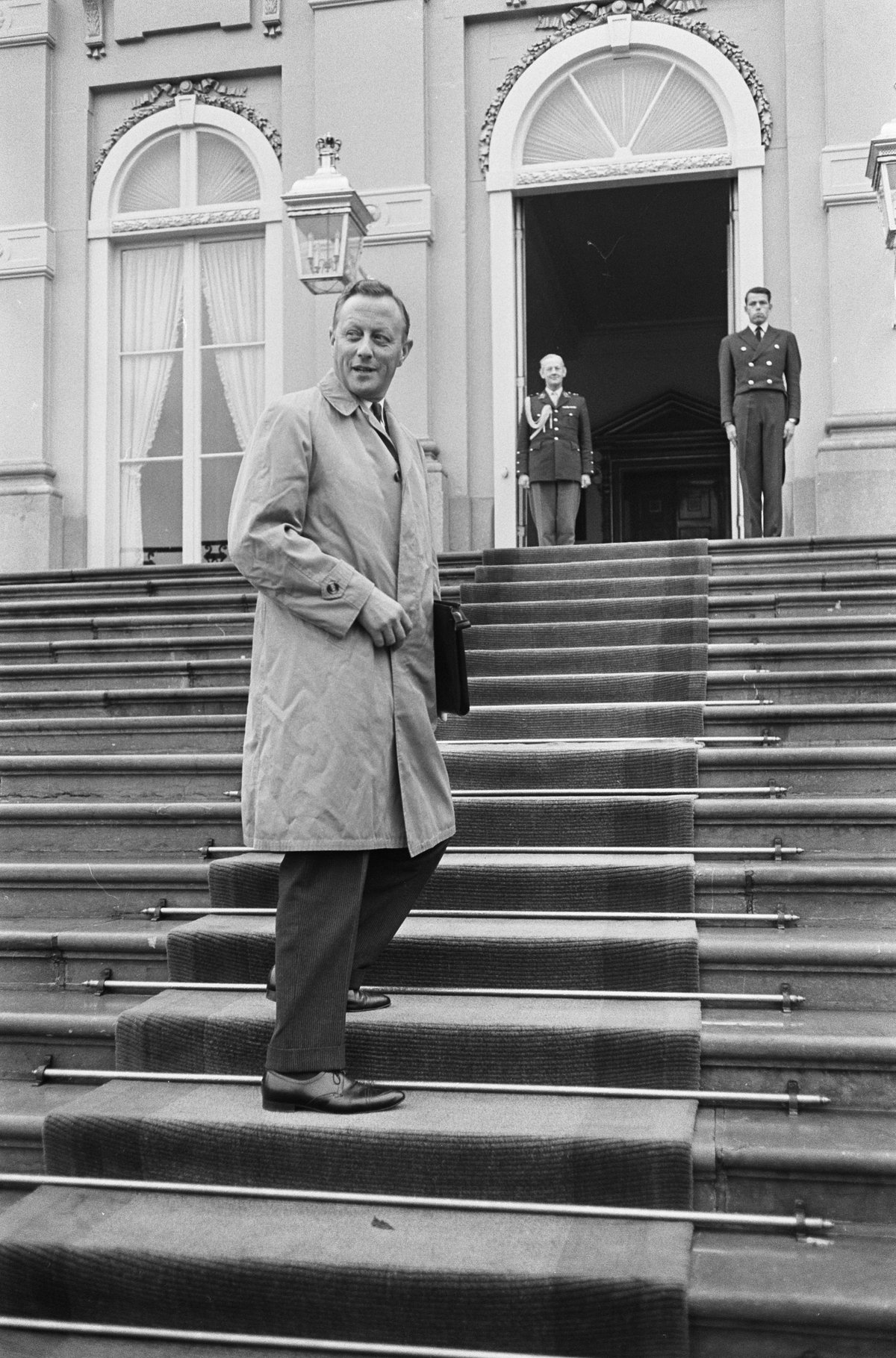
Huis ten Bosch is a paragon of Dutch classicism, marked by its symmetrical layout, restrained ornamentation, and harmonious proportions. The central Oranjezaal rises through three stories, crowned by an octagonal cupola. The façade’s classical porches and balustraded balconies reflect both Dutch and Italian Renaissance influences (everycastle.com).
Modern Additions
A notable contemporary feature is the DNA Room (2019), where over 80,000 handmade ceramic blocks form a symbolic portrait of the royal family (anhistorianabouttown.com). The palace is set within Haagse Bos, blending formal gardens, water features, and wooded avenues, creating a seamless transition between architecture and nature (denhaag.com).
Royal Role and Cultural Diplomacy
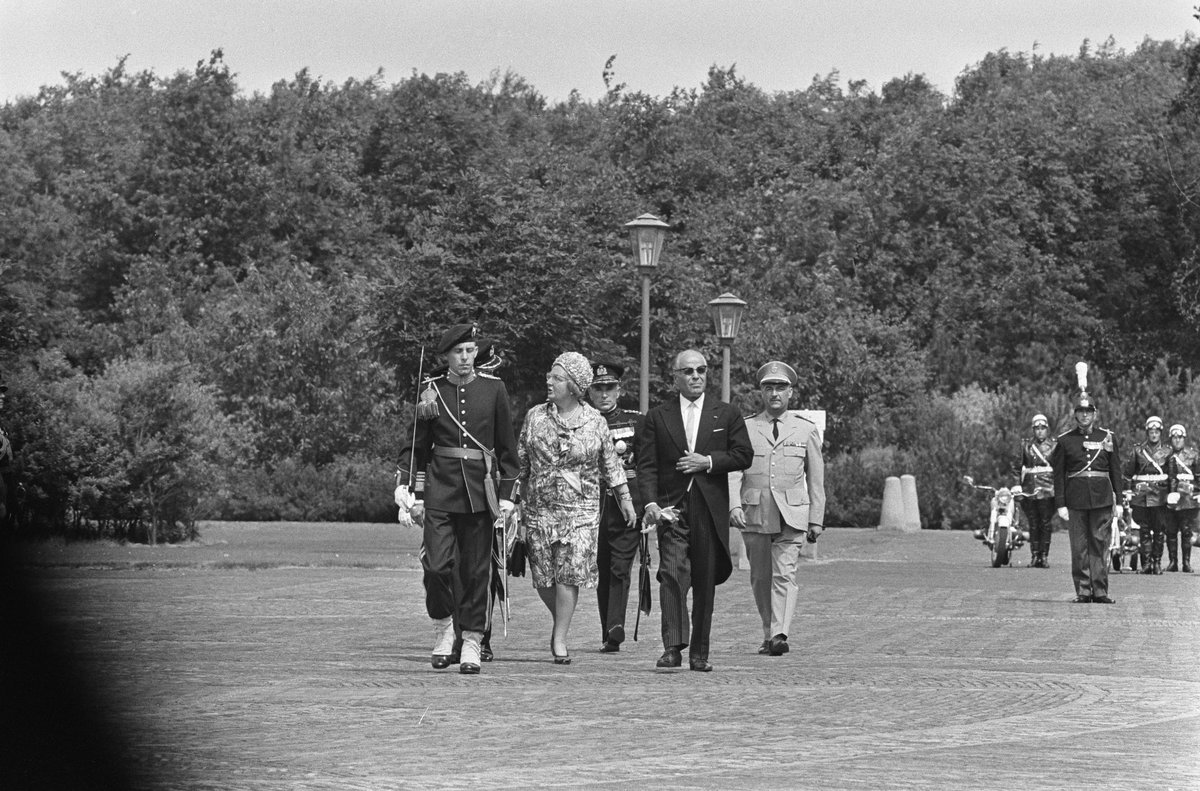
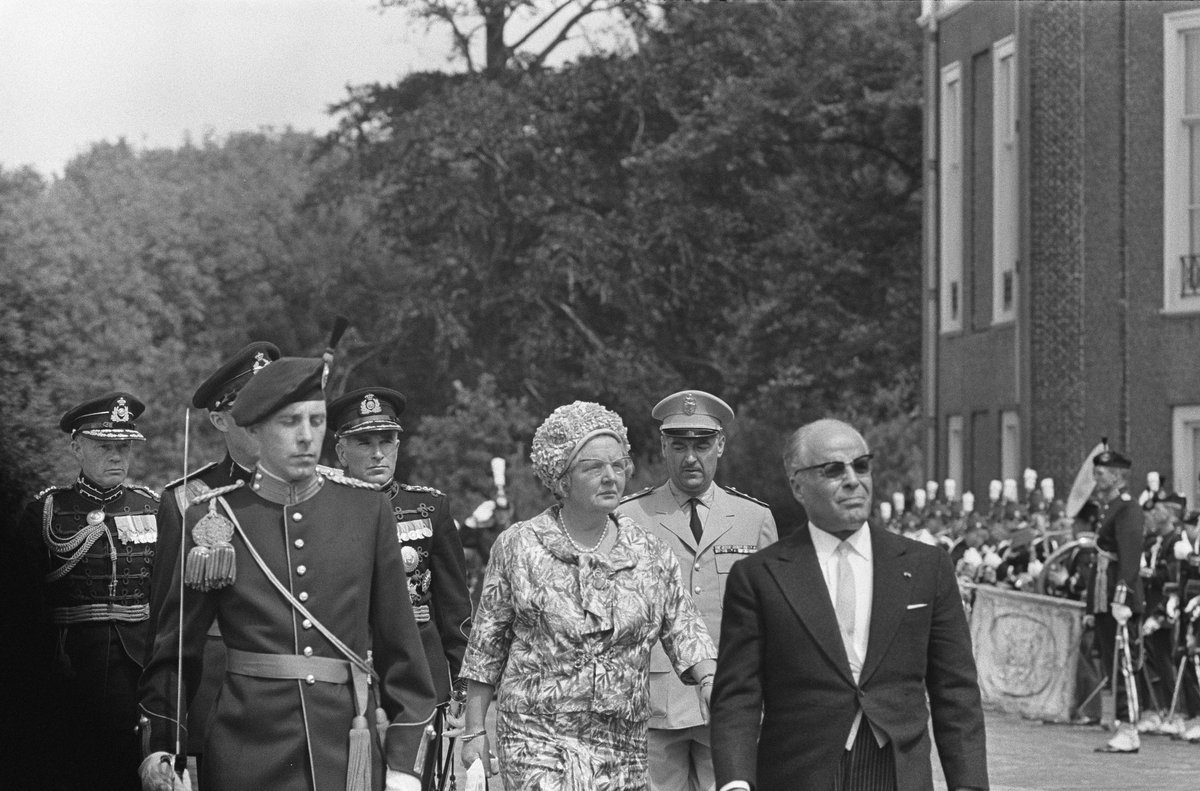
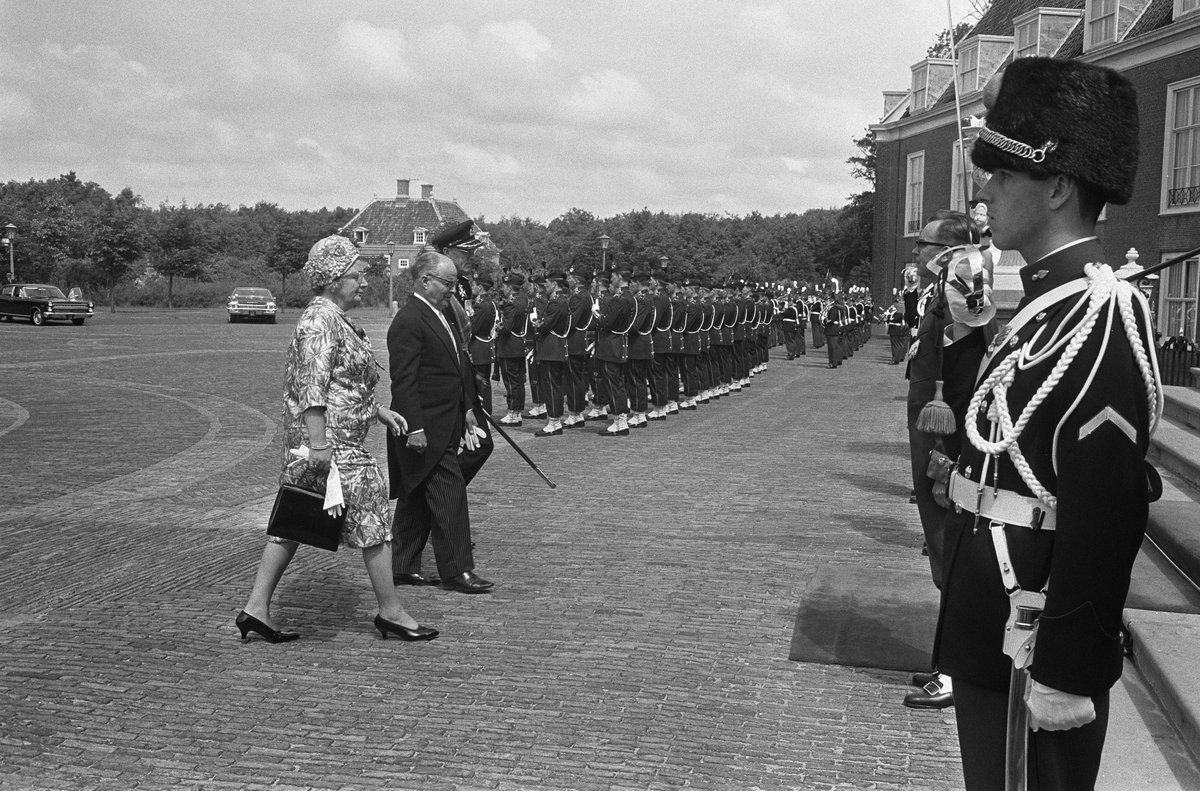
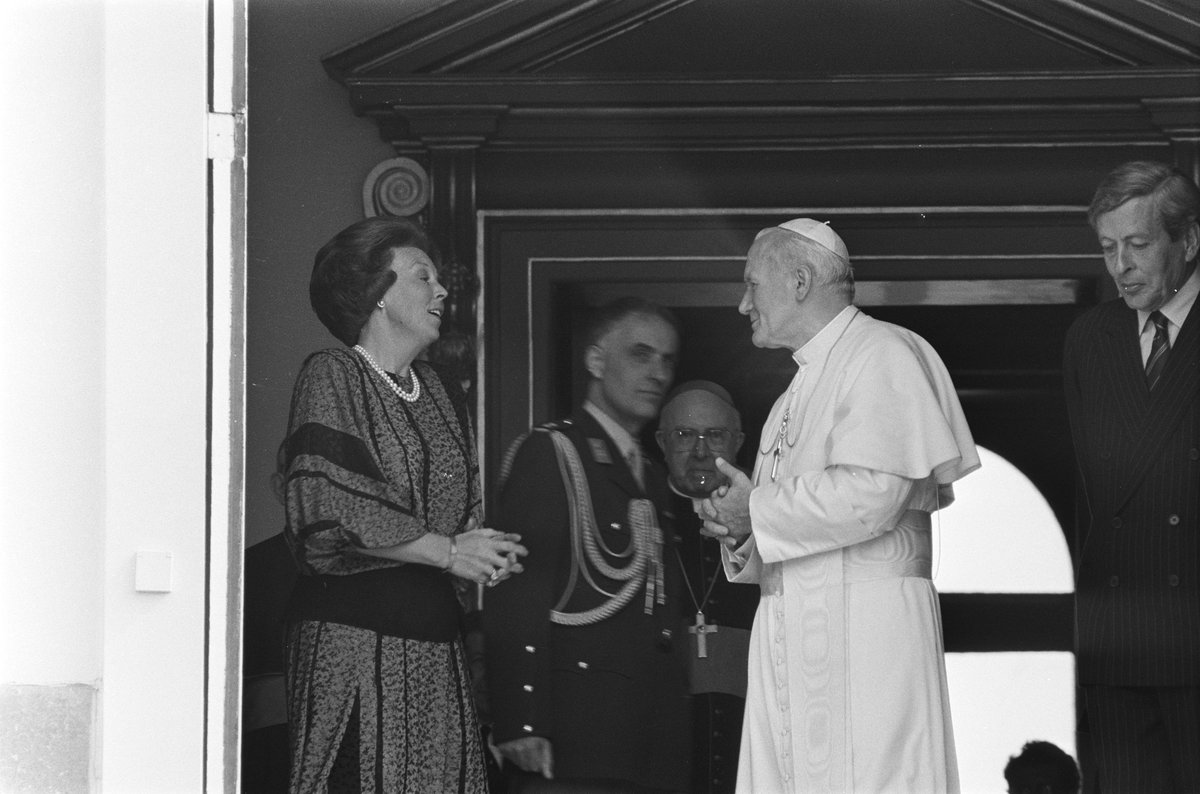
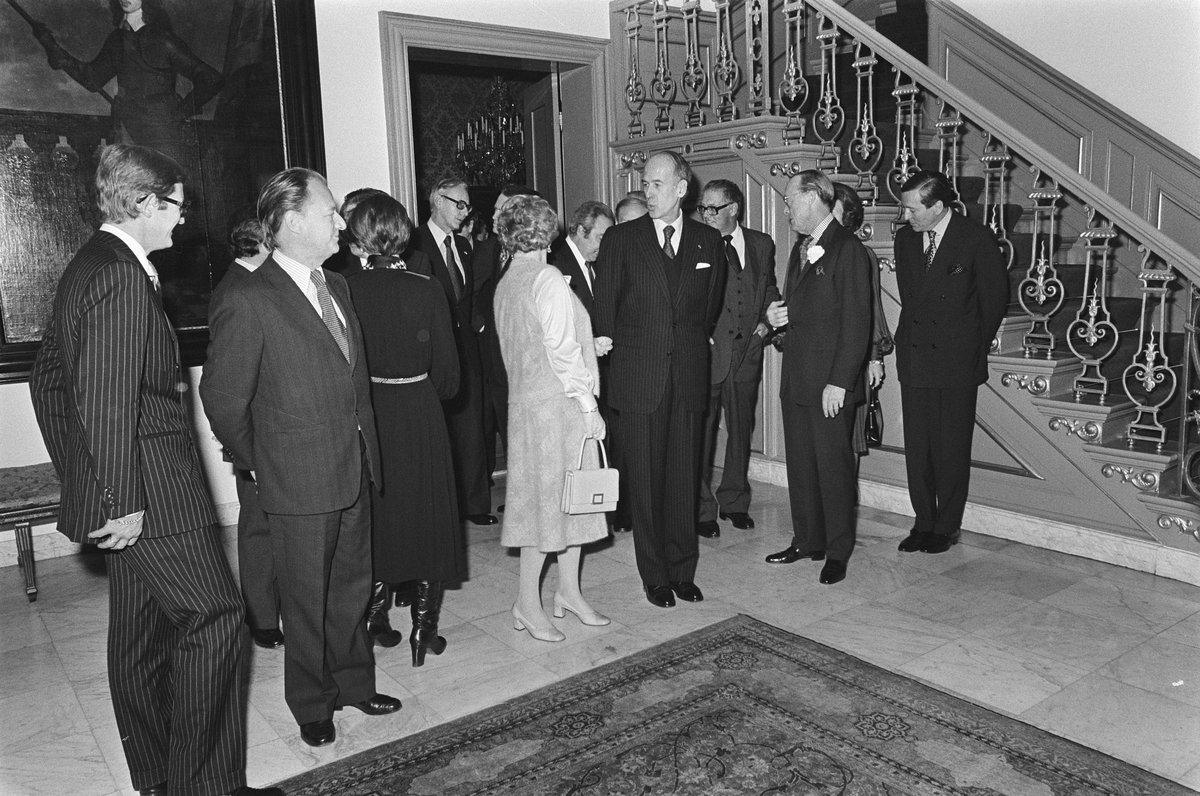
Throughout its history, Huis ten Bosch has played host to royalty, dignitaries, and pivotal state events. Not only does it serve as the current royal family’s residence, but its halls have also welcomed foreign leaders and witnessed historic occasions. The palace’s influence extends internationally, inspiring a replica theme park in Nagasaki, Japan (Wikipedia).
Visiting Information
Hours and Tickets
- Palace Interior: Generally closed to the public except on rare open days or special events. Guided tours, when available, must be pre-booked.
- Haagse Bos Park: Open daily, sunrise to sunset. Free access to park and palace exterior views.
- Special Event Tickets: Check the Dutch Royal House visiting page for announcements and ticket sales for rare public events.
Accessibility
The park and viewing areas are accessible to visitors with mobility needs, featuring paved paths and gentle slopes. Some historic areas inside the palace may have limited access and require advance arrangements (haagse bos).
Travel Tips
- Best Seasons: Spring and early autumn for gardens in bloom; autumn for colorful foliage.
- Transport: Easily reached by tram, bus, or bicycle from central The Hague. Parking is limited.
- Facilities: Restrooms at main park entrances. Cafés and shops in the city center.
- Photography: Allowed from public park areas only; flash and tripods prohibited.
Security Regulations
Due to its status as a royal residence, expect heightened security. Visitors may not approach private gates, and drone use is strictly forbidden. Photography of security personnel or installations is not allowed.
Nearby Attractions
- Mauritshuis Museum: Dutch Golden Age masterpieces, including Vermeer’s "Girl with a Pearl Earring" (Mauritshuis).
- Binnenhof and Ridderzaal: Historic Dutch parliament and Gothic hall (PlanetWare).
- Noordeinde Palace Gardens: Free-entry royal gardens with seasonal blooms (The Hague International Centre).
- Escher in Het Paleis: Museum dedicated to the works of M.C. Escher.
- Scheveningen Beach: Popular seaside district accessible by tram.
- Madurodam: Miniature park representing Dutch landmarks.
- Museon-Omniversum: Science museum and IMAX theater.
- Leiden, Delft, Rotterdam: Easy day trips offering canals, museums, and modern architecture (PlanetWare).
Frequently Asked Questions (FAQ)
Q: Is the palace open to the public?
A: The palace interior is usually closed except for rare open days or special events.
Q: Are tickets required to visit the park?
A: No, the Haagse Bos park and palace exterior can be visited free of charge.
Q: How do I get there?
A: Use public transport to Laan van Nieuw Oost-Indië or Den Haag Centraal, or cycle from the city center.
Q: Is the site accessible?
A: Yes, most park paths and viewing areas are suitable for wheelchairs and strollers.
Q: Can I take photographs?
A: Yes, from public park areas. Interior or security-related photography is not permitted.
Listen to the full story in the app
The whole Huis Ten Bosch,
told well.
Audio guides for 1,100+ cities across 96 countries. History, stories, and local insight — offline ready.
Verified, and shown.
Researched and written by the Audiala editorial team from historical records, architectural archives, and local expertise.
Researched from Wikidata, Wikipedia & official sources · fact-checked · How we make our guides →