Plan and listen to Escher Museum with Audiala.
Audio guide in your pocket, itinerary in your browser. Built for the way you actually visit.
Introduction to Escher in Het Paleis
Located in the heart of The Hague, Escher in Het Paleis (Escher in The Palace) is a premier cultural destination that fuses Dutch royal heritage with the mathematically inspired art of Maurits Cornelis Escher (M.C. Escher). Housed in the beautifully preserved 18th-century Lange Voorhout Palace—once the winter residence of Queen Mother Emma—the museum offers a compelling journey through regal architecture and Escher’s mind-bending graphic art. Since opening as a museum in 2002, Escher in Het Paleis has become a must-visit for art enthusiasts, families, mathematics lovers, and tourists exploring The Hague’s historical sites.
Escher’s legacy is defined by his intricate prints that challenge perception, such as “Metamorphosis III,” “Relativity,” and “Waterfall.” These works, rich in optical illusions and mathematical concepts, are displayed within the context of the palace’s historical interiors, providing an immersive and educational experience for all ages. Interactive exhibits, educational workshops, and special events further enhance the museum’s dynamic offering, making it a vibrant part of The Hague’s Museum Quarter and a highlight among the city’s cultural landmarks.
For the most up-to-date visiting hours, ticket prices, and accessibility information, consult the official Escher in Het Paleis website. This guide provides comprehensive details to help you plan a seamless and enriching visit.






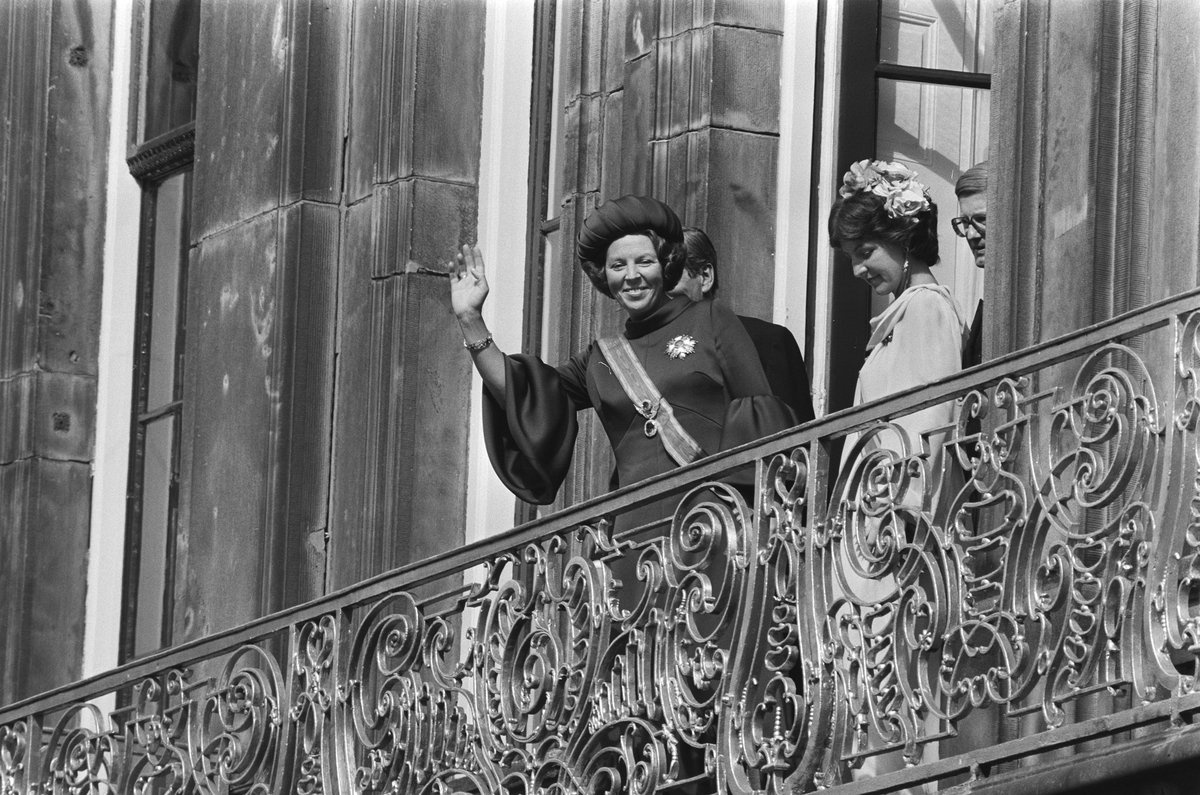
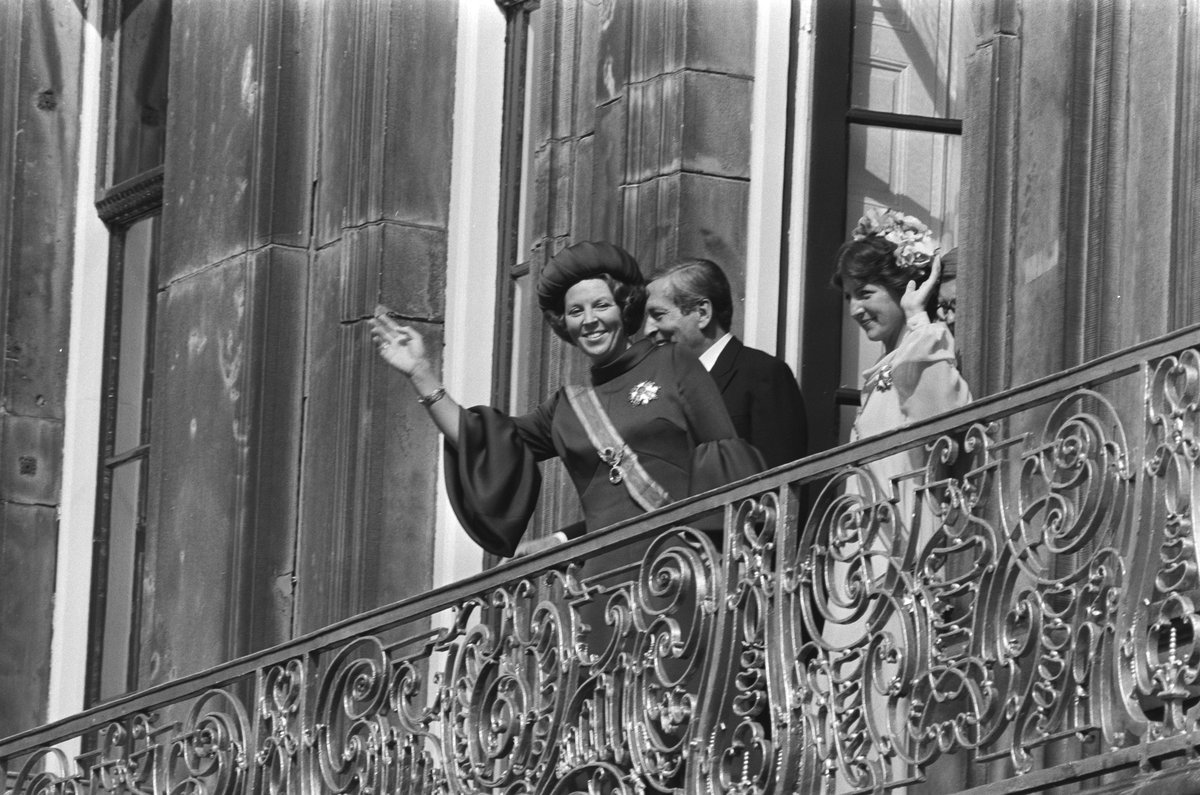
Royal Origins and Palace History
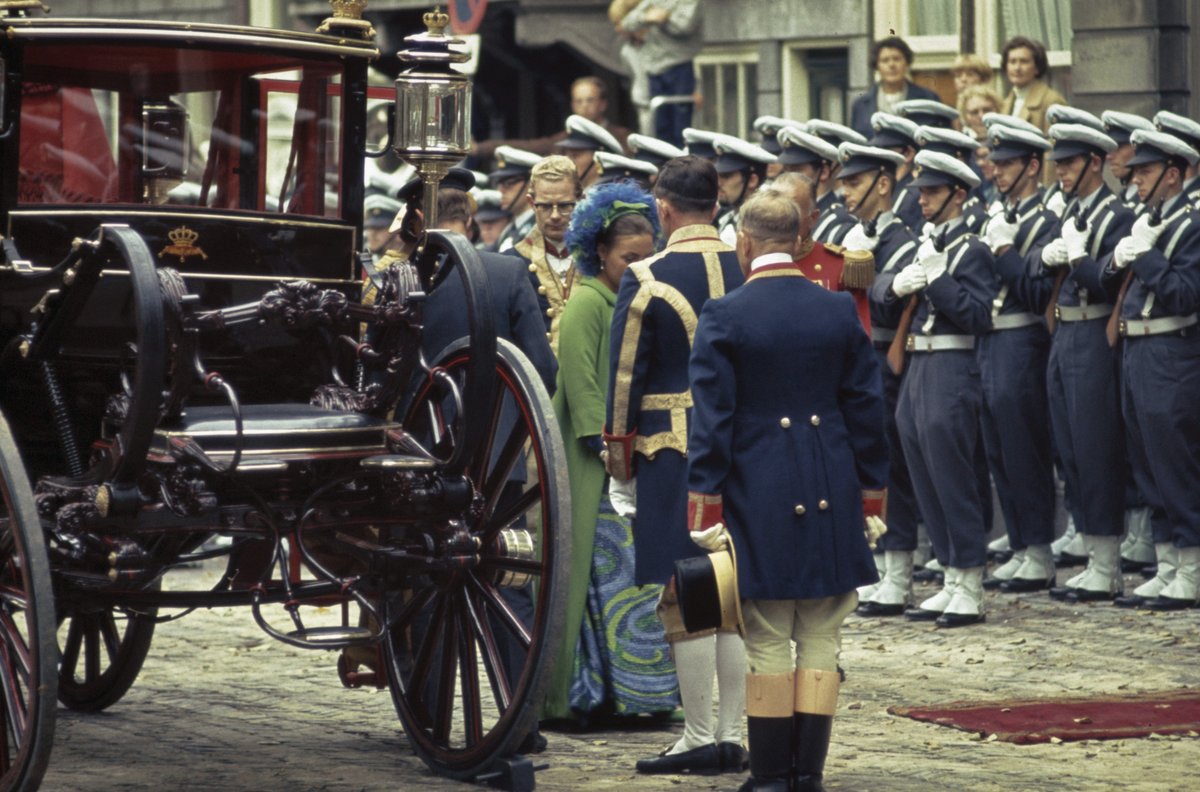
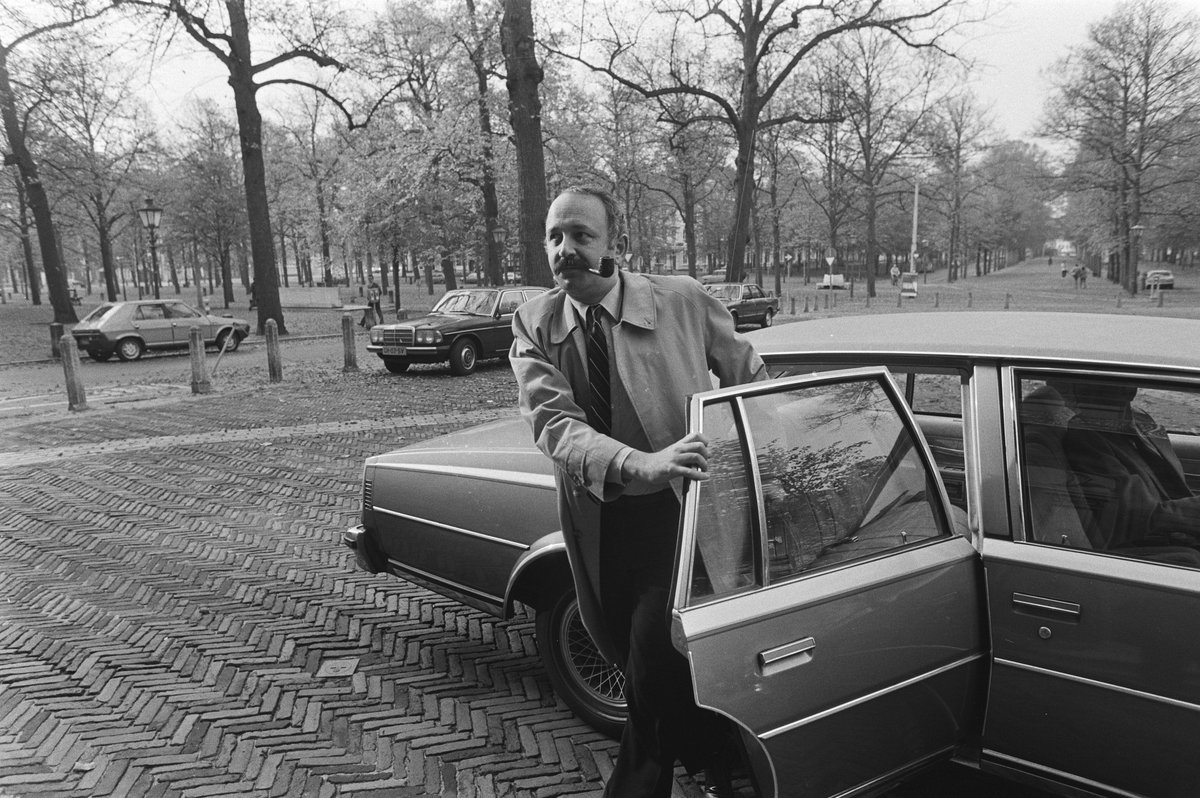
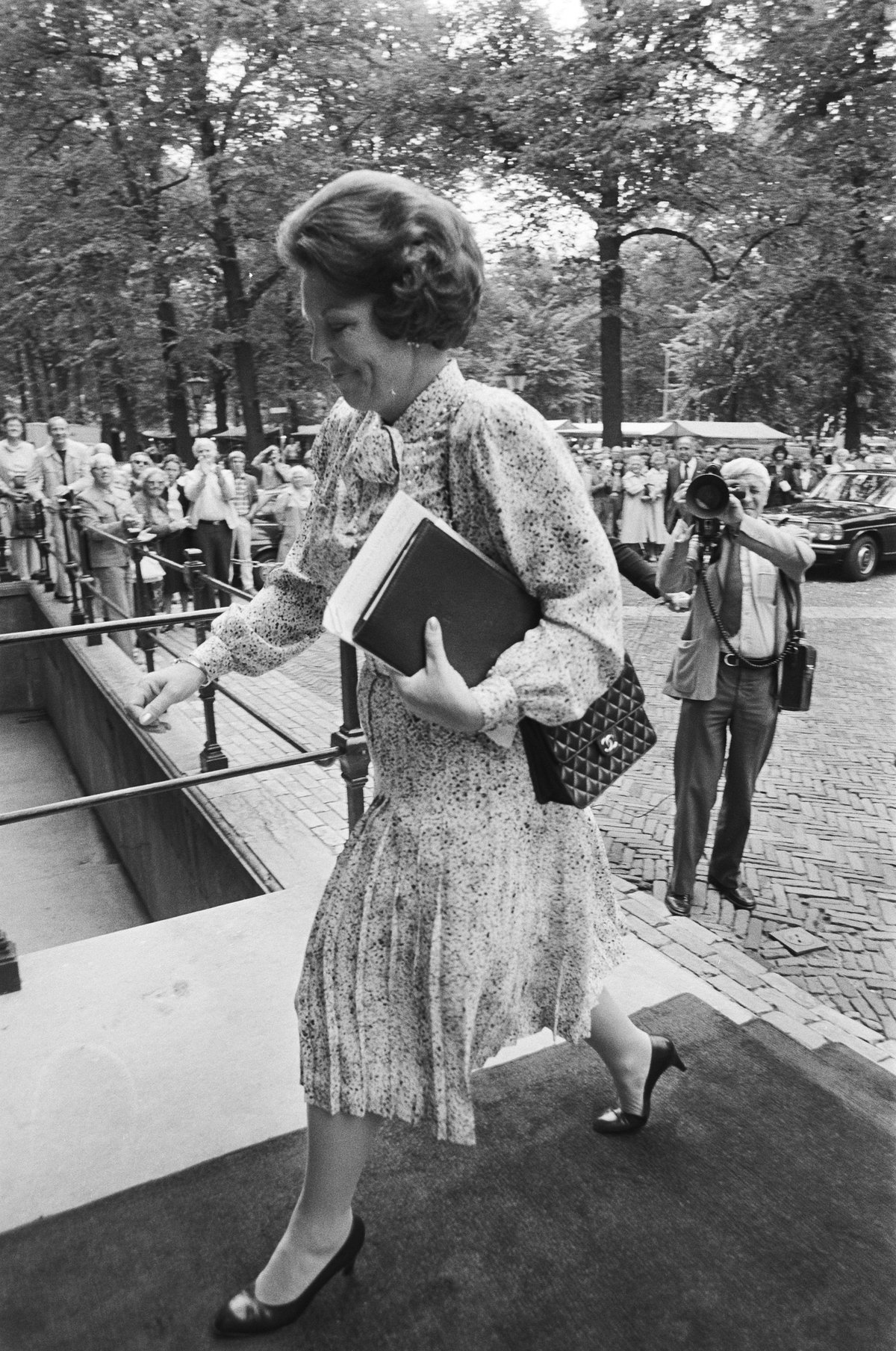
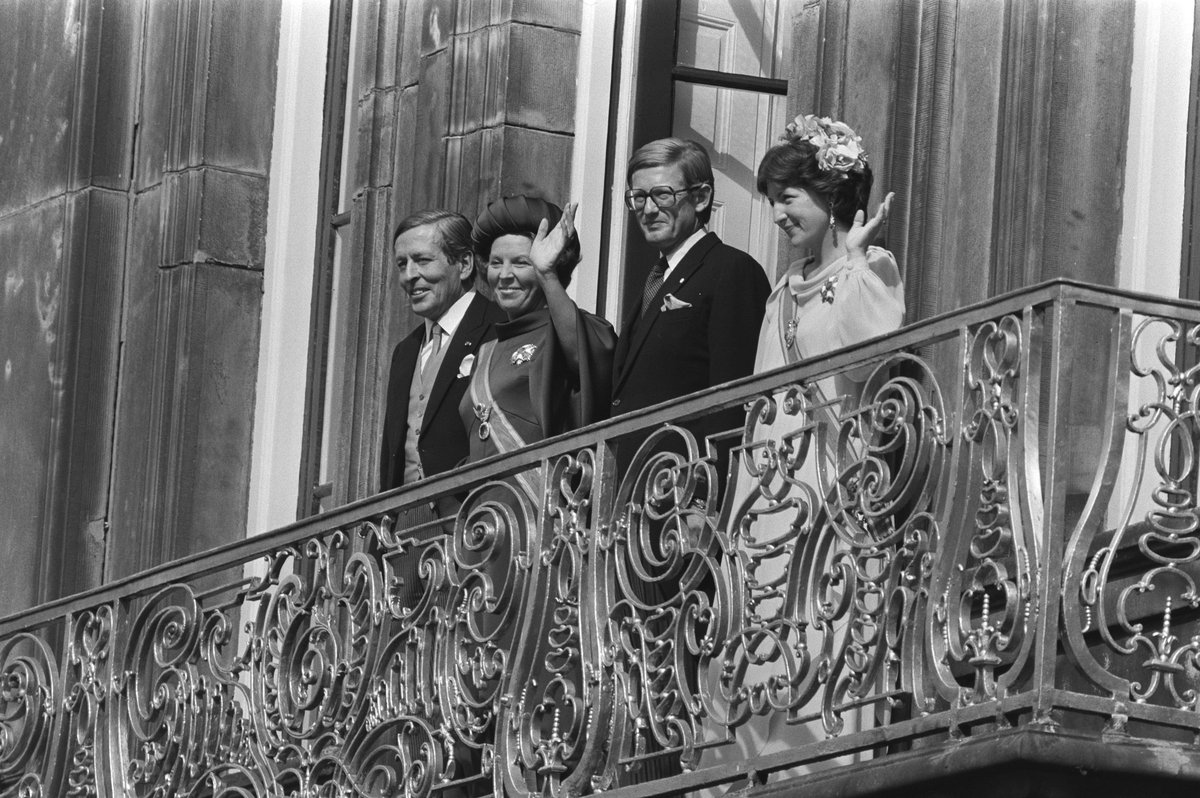
The museum is housed in the Lange Voorhout Palace, an elegant neoclassical building constructed in the 18th century. Purchased by Queen Emma in 1896, it served as her winter residence from 1901 until her death in 1934. The palace subsequently housed the business offices of several Dutch queens, maintaining its royal function until the late 20th century. Today, visitors can explore rooms preserved in their original style, adorned with displays and artifacts from the building’s regal past, which provide a unique historical context for Escher’s innovative works (Wikipedia; denhaag.com).
M.C. Escher’s Art and Legacy
Maurits Cornelis Escher (1898–1972) is celebrated for his woodcuts, lithographs, and mezzotints that explore impossible realities, tessellations, and mathematical paradoxes. The museum’s collection features over 150 works, including iconic pieces like “Sky and Water,” “Belvedere,” “Waterfall,” and “Drawing Hands,” as well as early Italian landscapes that illustrate Escher’s artistic evolution (denhaag.com; hiddenholland.com). A highlight is the monumental “Metamorphosis III,” a seven-meter-long woodcut displayed in circular format, which demonstrates Escher’s fascination with transformation and the infinite (denhaag.com).
Art and Mathematics: The Escher Experience
Escher’s work is renowned for its interplay between art and mathematics. His prints incorporate tessellations, impossible objects, symmetry, and perspective. Interactive installations—such as the construction of the “Impossible Penrose Triangle” and the famous “Escher Room,” where adults appear smaller than children—allow visitors to engage directly with Escher’s principles of perception and illusion (whichmuseum.com; trip.com). These features make the museum an attractive destination for both art lovers and mathematics enthusiasts.
Museum Highlights and Visitor Experience
Layout:
The museum spans three floors:
- Ground Floor: Introduction to Escher’s early works and palace heritage.
- First Floor: Thematic galleries featuring Escher’s most famous prints and the palace’s original royal rooms.
- Second Floor: Optical illusions, interactive exhibits, and rotating temporary exhibitions.
Key Exhibits:
- “Relativity,” “Ascending and Descending,” “Hand with Reflecting Sphere,” and “Metamorphosis III.”
- Preserved royal rooms with 19th-century interiors and historical displays.
- Contemporary chandeliers by Hans van Bentem, inspired by Escher’s motifs.
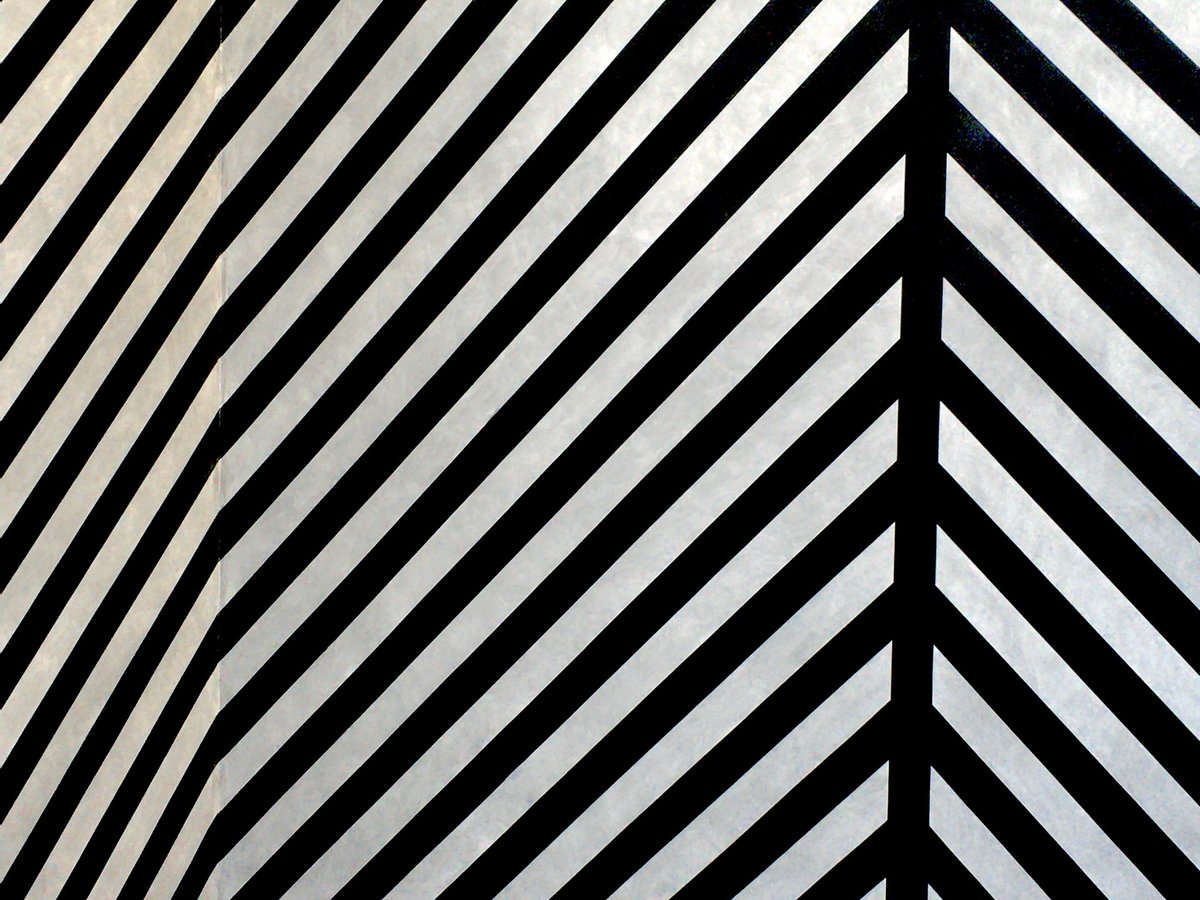
- Parquet floors designed by Donald Judd, echoing Escher’s geometric themes.
Interactive Features and Educational Programs
- Optical Illusion Room: Experience mind-bending spaces such as the Ames Room and models of impossible objects.
- Tessellation Workshops: Create your own tessellations digitally and print or email your design.
- Children’s Activities: Family-friendly booklets and interactive scavenger hunts.
- Workshops and Special Events: Linocut printmaking and tessellation workshops, especially during holidays.
- Educational Resources: Biographical displays, letters, and preliminary sketches illuminate Escher’s creative process (denhaag.com).
Visiting Hours, Tickets, and Accessibility
-
Opening Hours:
Tuesday to Sunday: 11:00 – 17:00 (last admission at 16:30).
Closed on Mondays and some public holidays. -
Tickets:
Adults: €12–€14
Children (6–17): €7
Under 6: Free
Discounts for students, seniors, and groups.
Tickets available online or at the entrance (official website). -
Accessibility:
The museum is wheelchair accessible, with ramps and elevators. Manual wheelchairs are available; electric wheelchairs may not fit the lift. Assistance dogs are permitted. Special guided tours for visually impaired visitors are scheduled several times yearly.
Facilities and Services
- Cloakroom and Lockers: Free lockers for large bags; limited storage for suitcases.
- Café: The MC Café serves drinks and light refreshments.
- Museum Shop: Offers Escher-themed gifts and books.
- Restrooms: No disabled toilet on-site; nearest accessible facilities at The Hague Central Station.
- Photography: Non-flash photography is allowed except during some special exhibitions.
- Pets: Only guide dogs allowed.
Getting There and Nearby Attractions
Address:
Lange Voorhout 74, 2514 EH The Hague, Netherlands
Public Transport:
Trams and buses stop at Malieveld, a short walk from the museum. The Hague Central Station is within walking distance.
By Car:
Paid parking at Interparking Museum Quarter car park, Toernooiveld.
Bike:
Bicycle racks available near the entrance.
Nearby Attractions:
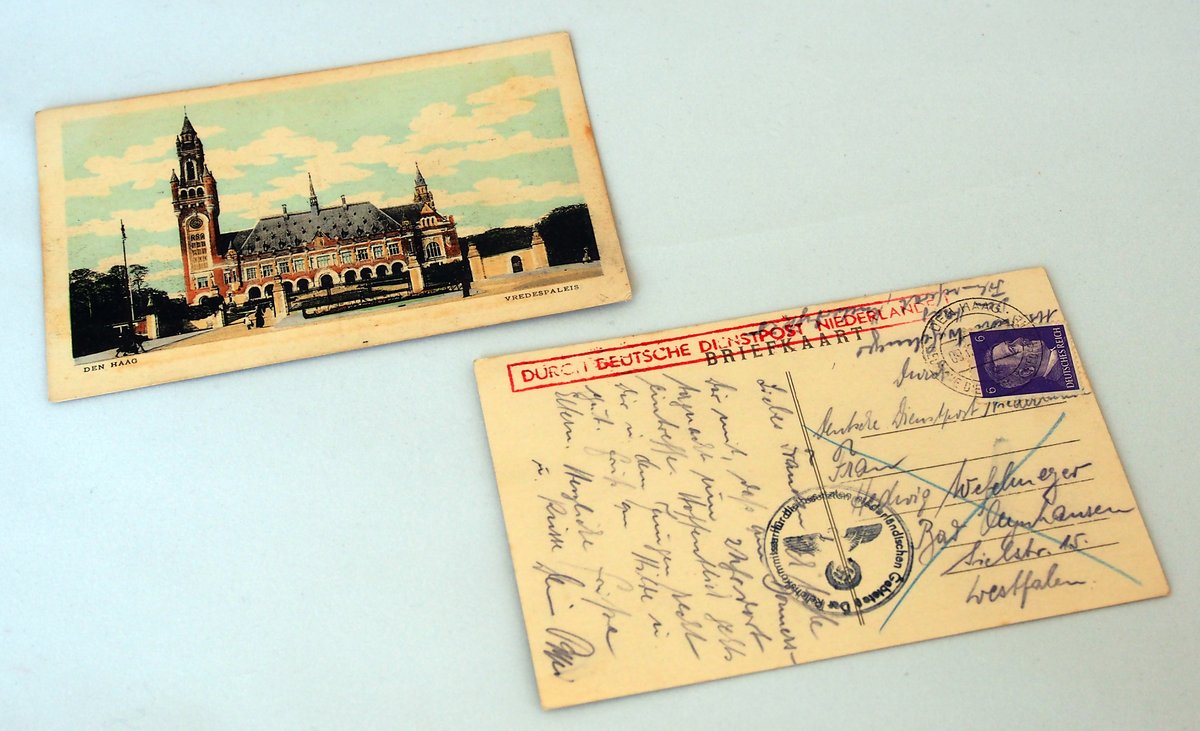
Combine your visit with the Mauritshuis, Panorama Mesdag, Binnenhof, and the Peace Palace, all within walking distance or a short tram ride.
Augmented Reality Route:
Enhance your exploration with the Museum Quarter’s AR route, highlighting twelve cultural hotspots.
Frequently Asked Questions (FAQs)
Q: Where can I buy tickets?
A: Online via the official website or at the entrance.
Q: Is the museum wheelchair accessible?
A: Yes, with some limitations for electric wheelchairs.
Q: Are guided tours available?
A: Yes, in Dutch and English. Group bookings recommended.
Q: What are the opening hours?
A: Tuesday to Sunday, 11:00–17:00; closed Mondays.
Q: Is photography allowed?
A: Generally yes, but restrictions may apply during special exhibitions.
Q: Are children welcome?
A: Absolutely. The museum offers workshops, activity booklets, and interactive exhibits for all ages.
Q: Are pets allowed?
A: Only guide dogs.
Summary and Visit Tips
Escher in Het Paleis offers a distinctive cultural experience, merging the grandeur of Dutch royal heritage with the imaginative, mathematically inspired art of M.C. Escher. The museum’s rich collection, innovative installations, and preserved palace interiors provide a fascinating journey for visitors of all ages and interests. Its central location in The Hague’s Museum Quarter, commitment to accessibility, and variety of special events make it a highlight for anyone seeking to explore The Hague’s historical sites.
Visit Tips:
- Book tickets online to avoid queues, especially during weekends and holidays.
- Plan for a 1.5–2 hour visit.
- Use audio guides or join a docent-led tour for deeper insights.
- Don’t miss unique features like the Hans van Bentem chandeliers and Donald Judd parquet floors.
- Check the museum’s website for workshop schedules, temporary exhibitions, and accessibility updates.
For the latest information, visit the official Escher in Het Paleis website and download the Audiala app for audio guides. Stay connected with The Hague’s cultural scene by exploring related articles and following the museum on social media.
Tickets & tours.
These are guided options from our partners — same price as booking direct.
Prices are indicative — final pricing and availability are confirmed at checkout. Audiala may earn a commission from bookings made through these links.
Listen to the full story in the app
The whole Escher Museum,
told well.
Audio guides for 1,100+ cities across 96 countries. History, stories, and local insight — offline ready.
Verified, and shown.
Researched and written by the Audiala editorial team from historical records, architectural archives, and local expertise.
Researched from Wikidata, Wikipedia & official sources · fact-checked · How we make our guides →