Plan and listen to Sieboldhuis with Audiala.
Audio guide in your pocket, itinerary in your browser. Built for the way you actually visit.
Introduction to Sieboldhuis Leiden
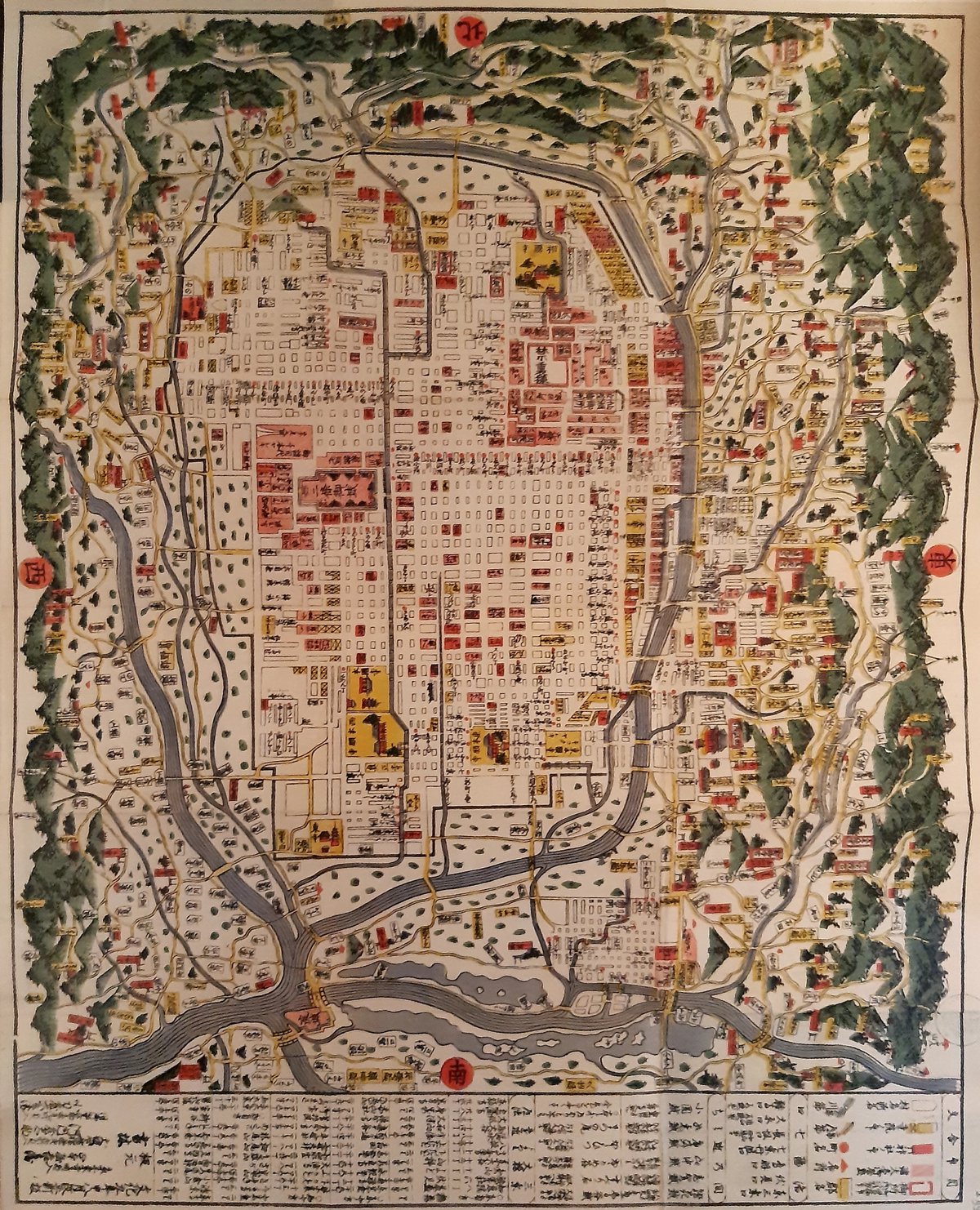
Nestled along the Rapenburg canal in Leiden, the Japan Museum SieboldHuis stands as a testament to centuries of Dutch-Japanese relations. The museum is built around the legacy of Philipp Franz von Siebold (1796–1866), a pioneering German physician, botanist, and naturalist who played a key role in the cultural and scientific exchange between Japan and Europe during Japan's period of national seclusion. Siebold’s extraordinary collection of over 25,000 objects—including natural history specimens, art, maps, and daily utensils—forms the core of the Siebold Collection, one of Europe’s most significant Japanese cultural repositories (SieboldHuis Official; Wikipedia).
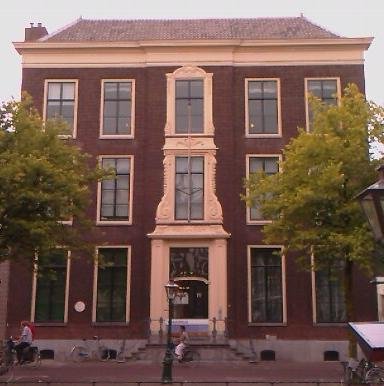
Today, SieboldHuis occupies Siebold’s former residence, an 18th-century canal-side mansion that has evolved into a vibrant cultural hub. Since reopening as a museum in 2005, SieboldHuis has hosted permanent and temporary exhibitions, workshops, and events that celebrate Japanese art, history, and contemporary culture, continuing to foster Dutch-Japanese connections (SMS Bridges; Museum.nl). Its location in Leiden’s museum quarter also places it near other top attractions, making it an essential stop for cultural explorers (Trek Zone; DutchReview).

Origins of SieboldHuis and Philipp Franz von Siebold
SieboldHuis owes its existence to the dedication of Philipp Franz von Siebold, who arrived in Japan in 1823 to serve as a physician for the Dutch trading post at Dejima, Nagasaki. Over six years, Siebold collected thousands of objects—natural history specimens, art, manuscripts, and maps—that offered Europe its first comprehensive view of Japanese life and science (Wikipedia; WhichMuseum). After returning to the Netherlands, he continued his research and began sharing his collection with the public in Leiden (SieboldHuis Official).
Historic Building: From Home to Museum
Located at Rapenburg 19, the museum occupies an elegant 18th-century mansion where Siebold once lived and showcased his Japanese treasures. Following Siebold’s era, the building served various functions, including as a district court. In 2000, it temporarily became a museum to commemorate 400 years of Dutch-Japanese relations, before its full restoration and reopening as SieboldHuis in 2005 (Museum.nl; SieboldHuis Official).
The SieboldHuis Foundation and Museum Establishment
Founded in 1999, the SieboldHuis Foundation aimed to restore Siebold’s residence and establish it as a museum devoted to Japanese art, culture, science, and nature. With support from both Japanese and Dutch partners, the fully renovated museum opened its doors in 2005, becoming the Netherlands’ first official Japan Center (SMS Bridges; SieboldHuis Official; Wikipedia).
The Siebold Collection: Highlights and Diversity
The Siebold Collection is among Europe’s most comprehensive Japanese collections, featuring:
- Natural History: Rocks, fossils, herbaria, animal specimens.
- Art and Craft: Prints, lacquerware, ceramics, textiles, coins.
- Maps and Manuscripts: Rare Japanese maps and documents that expanded Western understanding of Japan.
- Everyday Objects: Tools, clothing, utensils reflecting Edo-period daily life (Museum.nl; WhichMuseum; Wikipedia).
Many collection items are also housed at the Naturalis Biodiversity Center, the Dutch National Museum of World Cultures, and Leiden University (Museum.nl).
Exhibitions and Educational Role
SieboldHuis hosts permanent and rotating exhibitions. The permanent display highlights Siebold’s collection, while temporary shows cover topics like ukiyo-e, netsuke, and contemporary Japanese photography (SMS Bridges). The museum offers workshops, tours, lectures, and family activities to engage all ages and foster continued Dutch-Japanese dialogue.
Restoration and Modernization
The original mansion underwent extensive restoration to serve as a modern museum. Historical features were preserved while adding climate control and improved accessibility (SieboldHuis Official; SieboldHuis Visitor Info). The museum is now wheelchair accessible via a dedicated rear entrance.
SieboldHuis in Leiden’s Cultural Landscape
SieboldHuis is part of Leiden’s vibrant museum quarter, within walking distance of the Rijksmuseum van Oudheden, Museum De Lakenhal, and the National Museum of Ethnology (Trek Zone). Its central location makes it a must-visit for cultural travelers.
Planning Your Visit: Hours, Tickets, Accessibility
Opening Hours:
- Tuesday–Sunday: 10:00 AM–5:00 PM
- Closed Mondays and major holidays (SieboldHuis Visitor Info)
Tickets:
- Adults: €12
- Students/Seniors: €5
- Children under 18 and Museumkaart holders: Free
- Tickets at the door; online booking recommended for peak times and special exhibitions (JTravel).
Accessibility:
- The main entrance has steps; a wheelchair-accessible entrance is available at the rear via Oude Varkensmarkt/Nova Passage (SieboldHuis Accessibility).
- Elevator access to all exhibition floors (except cellar).
- Accessible restrooms; wheelchairs available at reception.
Getting There:
- 15-minute walk from Leiden Central Station.
- Museumlijn bus stops at Doelenburg (directly outside).
- Limited accessible parking nearby; Haagweg parking lot offers free shuttle service (Hotel Sassenheim Tourist Info).
Travel Tips and Nearby Amenities
- Best time: Weekday mornings are less crowded.
- Dining: Numerous cafés and restaurants along Rapenburg and in central Leiden.
- Accommodation: Wide range of hotels and guesthouses in the city center.
Leiden’s Top Historical Sites and Attractions
Combine your SieboldHuis visit with nearby sites:
- Rijksmuseum van Oudheden: Antiquities from ancient Egypt, Greece, and Rome.
- Museum De Lakenhal: Dutch Golden Age art.
- National Museum of Ethnology: World cultures.
- Hortus Botanicus: Leiden’s historic botanical garden.
Special Events, Tours, and Photo Spots
SieboldHuis hosts events such as lectures, workshops, and Japanese festivals (e.g., Tanabata, Japanmarkt). Guided tours can be arranged in advance. The canal-side setting offers excellent photo opportunities (Japanmarkt Leiden; Evendo).
Visitor FAQs
Q: When is SieboldHuis open?
A: Tuesday–Sunday, 10:00 AM–5:00 PM; closed Mondays and major holidays.
Q: How much is admission?
A: Adults €12; students/seniors €5; free for children under 18 and Museumkaart holders.
Q: Is the museum accessible?
A: Yes. Rear entrance and elevator make most areas accessible; cellar is not.
Q: Are guided tours available?
A: Yes, by prior arrangement.
Q: Can I take photos?
A: Non-flash photography for personal use is permitted; commercial photography requires permission.
Q: Where can I park?
A: Recommended: Haagweg parking lot with free shuttle; limited accessible parking near the museum.
Multimedia Recommendations
Explore virtual tours, interactive maps, and high-quality images on the official SieboldHuis website. The site also offers up-to-date information on exhibitions and events.
International Legacy and Ongoing Significance
SieboldHuis continues to build on the legacy of curiosity and cross-cultural engagement established by Siebold. Through partnerships, special exhibitions, and educational programs, the museum remains a dynamic bridge between the Netherlands and Japan (SMS Bridges). Its role extends beyond the museum, contributing to ongoing research, public diplomacy, and cultural understanding (SieboldHuis News).
Plan Your Visit!
For the latest updates, ticket bookings, and event schedules, visit the official SieboldHuis website. Enhance your experience with the Audiala app, which offers curated guides to Leiden’s historical sites and cultural attractions.
Listen to the full story in the app
The whole Sieboldhuis,
told well.
Audio guides for 1,100+ cities across 96 countries. History, stories, and local insight — offline ready.
Verified, and shown.
Researched and written by the Audiala editorial team from historical records, architectural archives, and local expertise.
Researched from Wikidata, Wikipedia & official sources · fact-checked · How we make our guides →