Plan and listen to Marekerk with Audiala.
Audio guide in your pocket, itinerary in your browser. Built for the way you actually visit.
Introduction: Marekerk’s Cultural and Historical Significance
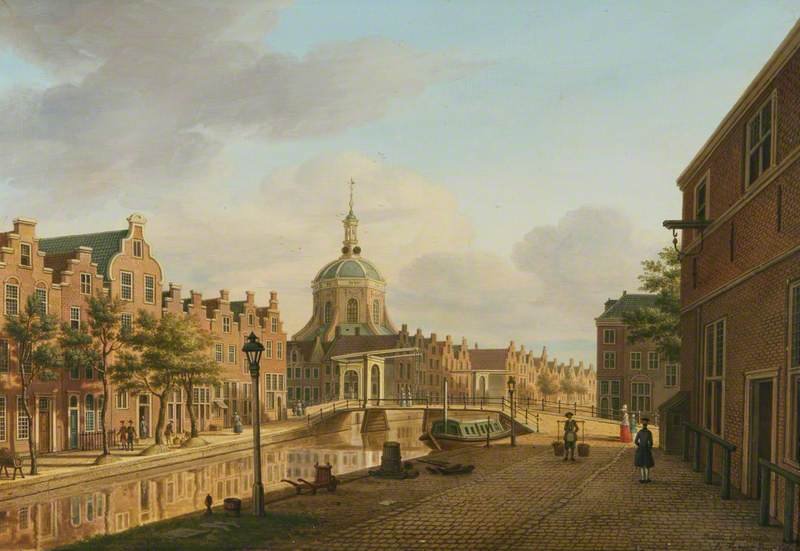
Situated in the heart of Leiden, the Marekerk stands as a remarkable emblem of the Dutch Golden Age, Protestant religious innovation, and architectural ingenuity. Completed between 1639 and 1649, this iconic 17th-century Protestant church showcases a rare octagonal plan and an imposing dome designed by Arent van 's-Gravesande. The Marekerk reflects both Renaissance ideals and Dutch Classical architectural principles while embodying Leiden’s legacy of religious tolerance, civic pride, and refuge for Protestant refugees, including the English Pilgrims prior to their journey to the New World.
Today, the Marekerk invites visitors to discover its rich history, art, music, and community spirit. With free admission, accessible facilities, and a central location near Leiden’s major landmarks—including Leiden University and the Pilgrim Fathers Museum—it is a must-visit for history enthusiasts, architecture lovers, and cultural travelers. This guide provides comprehensive information on visiting hours, tickets, accessibility, events, and nearby attractions, ensuring you make the most of your Marekerk experience. For up-to-date details, refer to the official Marekerk and Leiden tourism resources (Evendo, Marekerk official site, Visit Leiden).




History and Construction
The Marekerk, constructed from 1639 to 1649, was the first new Protestant church in Leiden after the Reformation. Designed by Arent van 's-Gravesande, its striking octagonal layout and monumental dome symbolize the unity and centrality of Protestant worship. Funding came from both the city government and local benefactors, underlining its civic and religious importance during Leiden’s Golden Age (Evendo).
Leiden’s reputation as a haven for religious refugees—such as the English Pilgrims (1609–1620)—further heightened the Marekerk’s significance as a beacon of tolerance and diversity (Netherlands Insiders).
Architectural Highlights
Exterior and Structure
The Marekerk is a prime example of Dutch Classical architecture. Its octagonal central plan, rare for Protestant churches, centers the pulpit and congregation, while the dome—rising 55 meters above the city—serves as a prominent landmark. The west façade, designed by Jacob van Campen, features classical elements and a grand entrance. The bell tower contains a historic carillon with 17th-century bells and a modernized clock.
Interior and Furnishings
Inside, the church emphasizes unity and clarity with galleries surrounding the pulpit, a solid oak pulpit crafted in 1650, and restored original wooden pews. The renowned historic pipe organ, relocated in the 18th century, remains a highlight for musical performances. The design channels natural light through the dome’s windows, creating an inviting and contemplative atmosphere—ideal for both worship and concerts (Evendo).
Religious and Cultural Legacy
Leiden’s Marekerk is more than an architectural marvel—it is a living monument to religious freedom and intellectual vibrancy. Throughout history, it has been a place of worship, a venue for cultural events, and a symbol of the city’s inclusive spirit. The church is part of Leiden’s ongoing tradition of hosting refugees and fostering religious diversity, aligning with the city’s Golden Age role as a center for Protestant refugees and intellectual exchange (Netherlands Insiders).
The Marekerk’s acoustics and organ make it a celebrated venue for concerts, especially the annual “Muziek in de Marekerk” series, which features renowned organists and ensembles (Concert Series).
Visiting Marekerk: Hours, Tickets, and Accessibility
Visiting Hours
- Regular Hours: Monday–Saturday, 10:00 AM–5:00 PM; Sunday, 12:00 PM–4:00 PM.
- Special Events & Holidays: Hours may vary during public holidays and special events. Always confirm via the official Marekerk website or Evendo before your visit.
Tickets and Admission
- Entry: Free of charge during regular opening hours and services. Donations are welcomed to support maintenance and cultural programming.
- Special Events: Tickets may be required for concerts or guided tours. Details are available on the church’s event calendar.
Accessibility
- Wheelchair Access: The Marekerk is wheelchair accessible, with ramps and adapted restrooms available.
- Historic Limitations: Some areas may be challenging for those with limited mobility due to the building’s status as a national monument. Contact the church in advance for assistance.
Guided Tours and Photography
- Guided Tours: Self-guided visits are supported by informational displays. Audio guides or group tours may be available by request or during special events.
- Photography: Permitted for personal use; please respect the sanctity of the space and avoid flash or tripods during services and concerts.
Visitor Experience and Practical Tips
- Language: Most signage is in Dutch, but staff often speak English.
- Dress Code: Modest attire is recommended, especially during services.
- Quiet Reflection: Please maintain silence during worship times.
- Facilities: No public restrooms inside; nearest facilities are in local cafés or at the Leiden Tourist Office.
- Maps & Guides: Free maps and the Rembrandt Route walking tour are available at the tourist office.
Marekerk’s Role in Community and Events
The Marekerk remains an active place of worship for the Protestantse Gemeente Leiden, hosting regular Sunday services, baptisms, weddings, memorials, and annual celebratory events like the Relief of Leiden on October 3rd. The church is also a hub for concerts, lectures, and community gatherings, including the prestigious “Muziek in de Marekerk” series, sustained by donations and volunteer support (Concert Series 2025).
Many services and concerts are streamed live via YouTube and kerkomroep.nl.
Nearby Attractions
Marekerk is ideally situated for exploring Leiden’s historic core. Notable attractions within walking distance include:
- Leiden University: The Netherlands’ oldest university.
- Pieterskerk: Historic church with Pilgrim connections.
- Hortus Botanicus Leiden: The oldest botanical garden in the country (Hortus Botanicus Leiden).
- Museum De Lakenhal: Leiden’s museum of art and history (Museum De Lakenhal).
- The Burcht van Leiden: Medieval fortress.
- Pilgrim Fathers Museum: Dedicated to Leiden’s refuge for the Pilgrims.
- Leiden’s Canals: Perfect for scenic boat tours (Leidse Rederij).
Dining options nearby include Bocconi, Just Meet, Puur, and Rodos Good Taste Restaurant (Trip.com). Hotels such as Hilton Garden Inn Leiden, IntercityHotel Leiden, and Ibis Leiden Centre offer convenient accommodation.
Frequently Asked Questions (FAQ)
What are Marekerk’s opening hours?
- Monday–Saturday: 10:00 AM–5:00 PM; Sunday: 12:00 PM–4:00 PM. Check the official website for updates.
Is there an entry fee?
- Admission is free; donations are appreciated.
Are guided tours available?
- Self-guided tours are supported; group tours may be arranged by request.
Is Marekerk wheelchair accessible?
- Yes, though some historic areas may be challenging. Contact the church for assistance.
Can I take photos inside Marekerk?
- Yes, for personal use. Professional photography requires permission.
Are concerts and cultural events held at Marekerk?
- Yes, the church hosts regular concerts and community events. See the concert series page for details.
Listen to the full story in the app
The whole Marekerk,
told well.
Audio guides for 1,100+ cities across 96 countries. History, stories, and local insight — offline ready.
Verified, and shown.
Researched and written by the Audiala editorial team from historical records, architectural archives, and local expertise.
Researched from Wikidata, Wikipedia & official sources · fact-checked · How we make our guides →