Plan and listen to Leiden University Library with Audiala.
Audio guide in your pocket, itinerary in your browser. Built for the way you actually visit.
Introduction
Leiden University Library is the oldest university library in the Netherlands, founded alongside Leiden University in 1575. Over nearly 450 years, it has evolved into a world-renowned center of learning and cultural heritage, holding over five million volumes, rare manuscripts, and special collections. Its historic buildings and modern facilities serve as a bridge between centuries-old academic tradition and contemporary scholarship. Situated in the heart of Leiden, the library is not only an academic resource but also a prominent cultural attraction for anyone interested in Dutch history, architecture, and the pursuit of knowledge (Leiden University History; Islamic World Special Collections; Leiden University Libraries Visiting).
This comprehensive guide provides detailed information on the library’s history, its architectural and cultural significance, visiting hours, ticketing, accessibility, and tips for making the most of your visit.




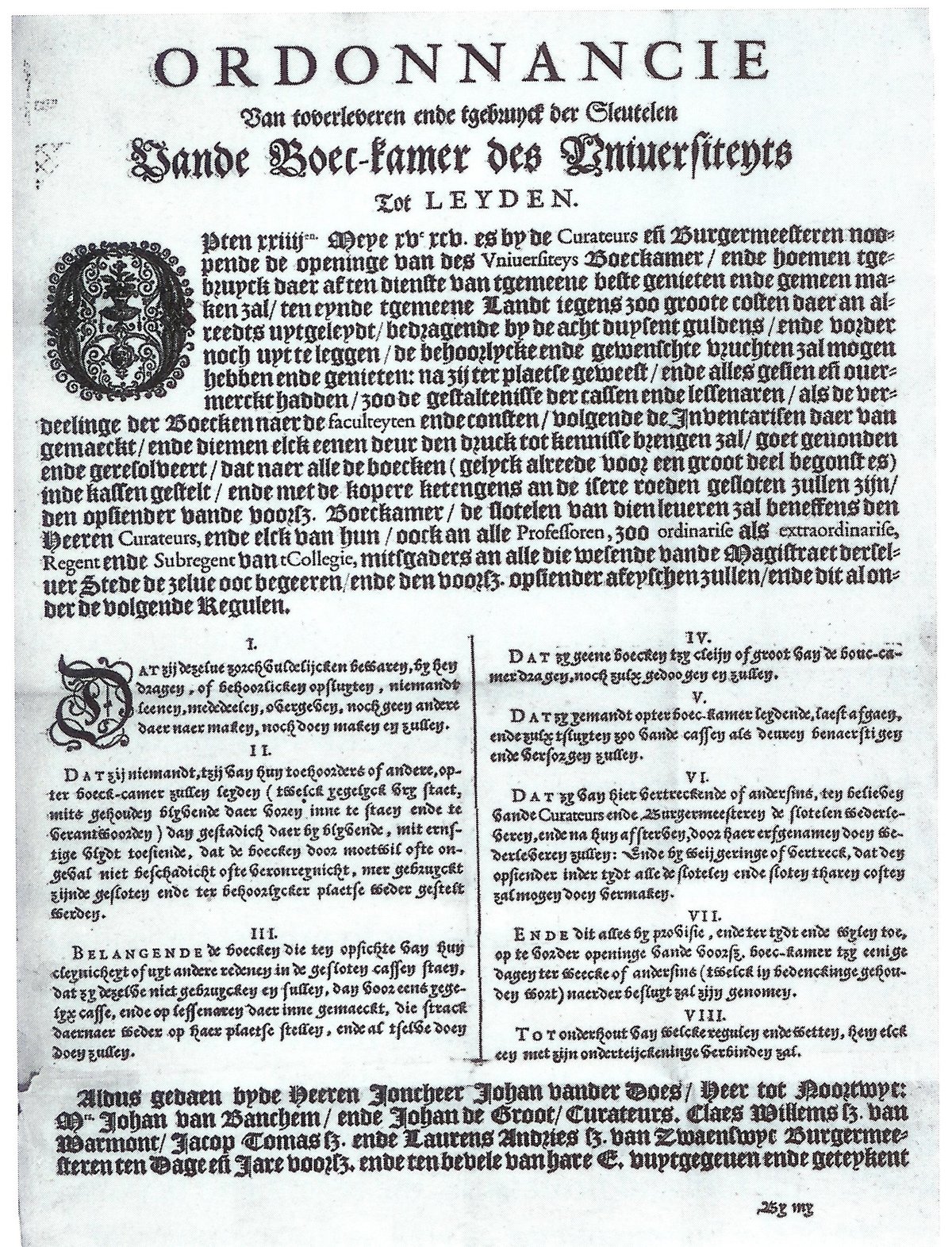
Founding and Early Growth
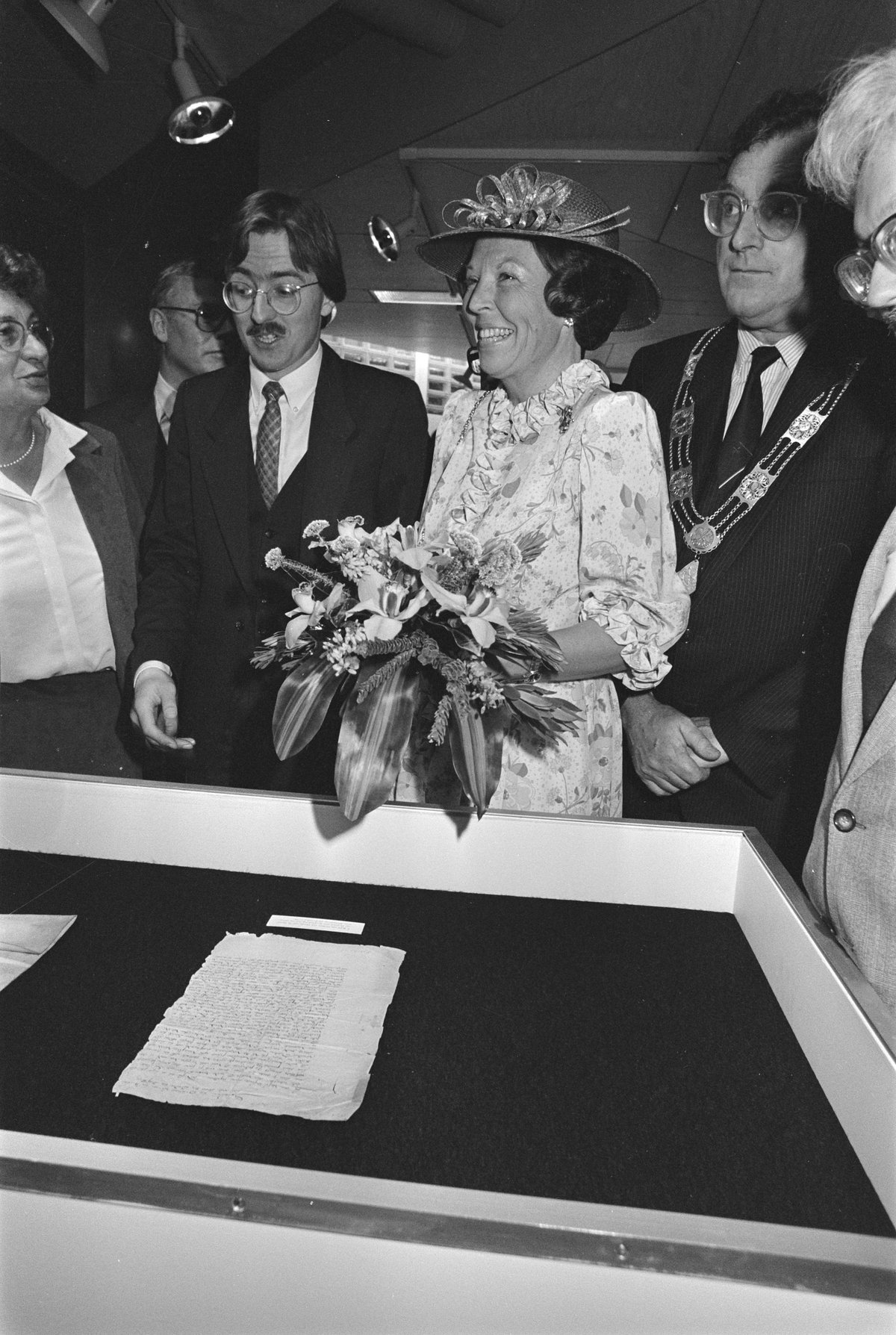
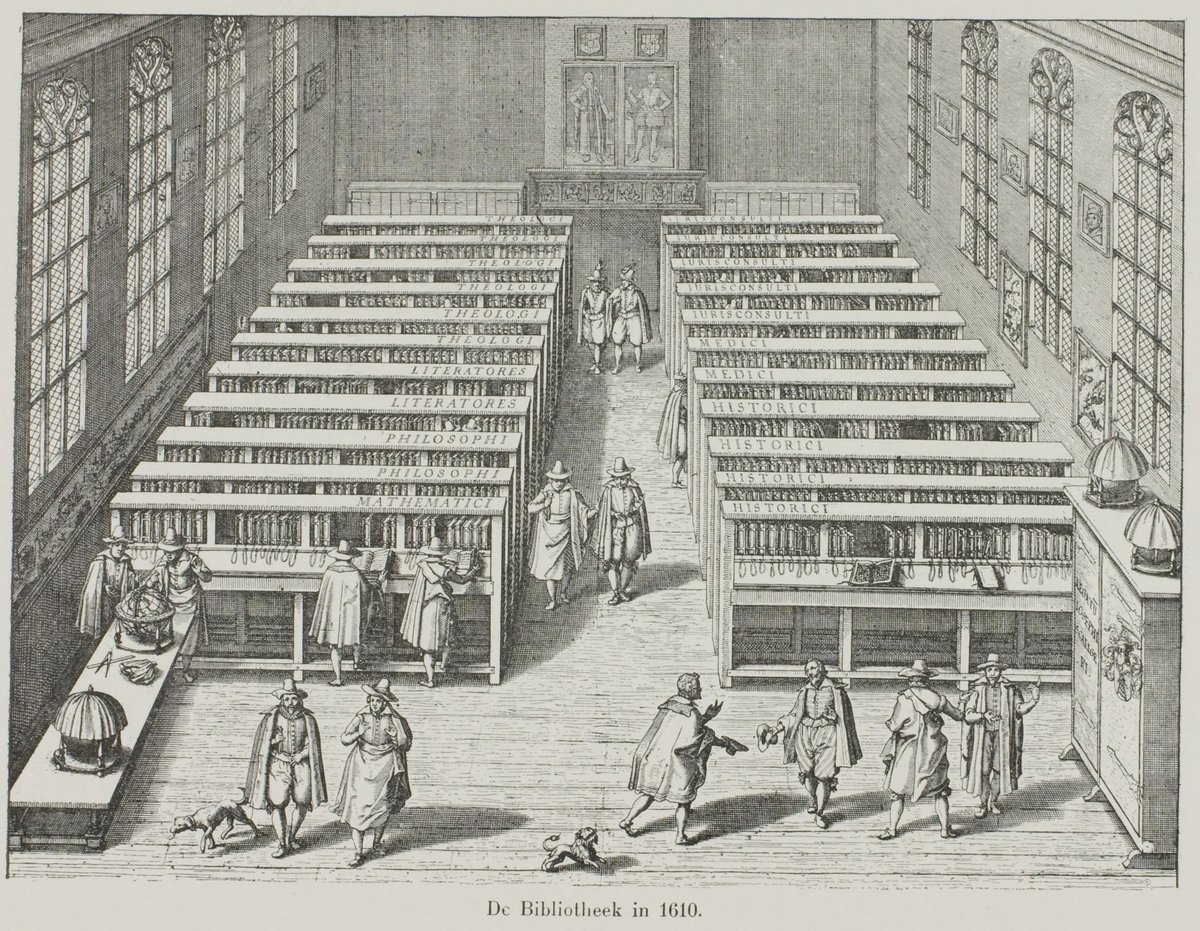
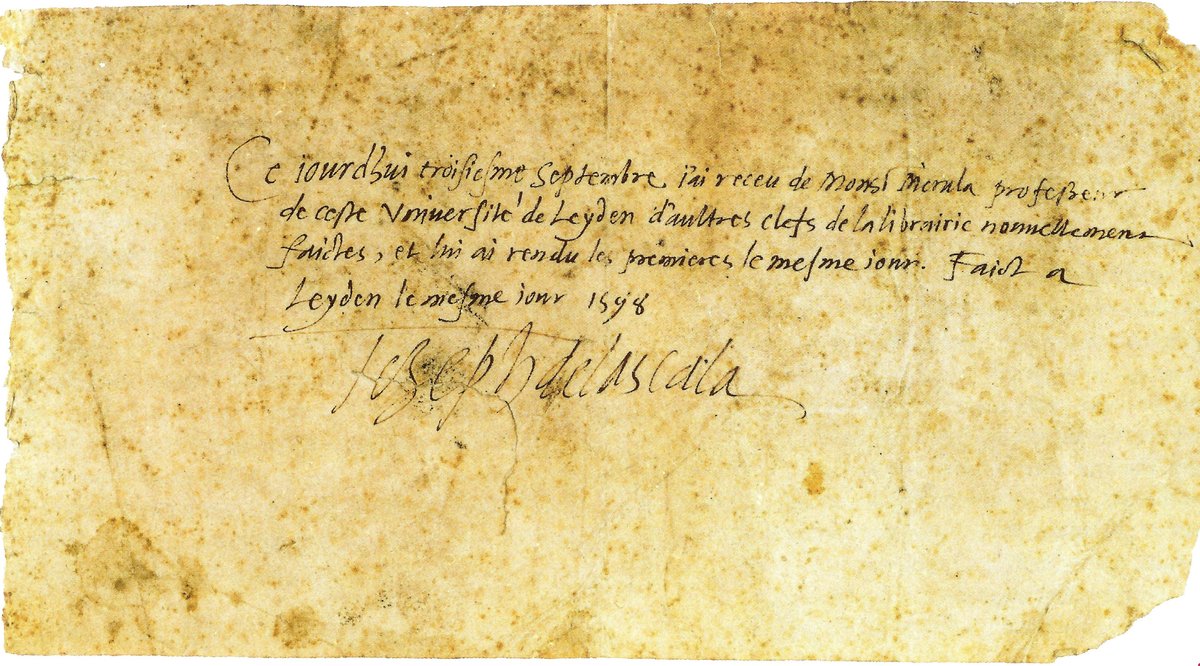
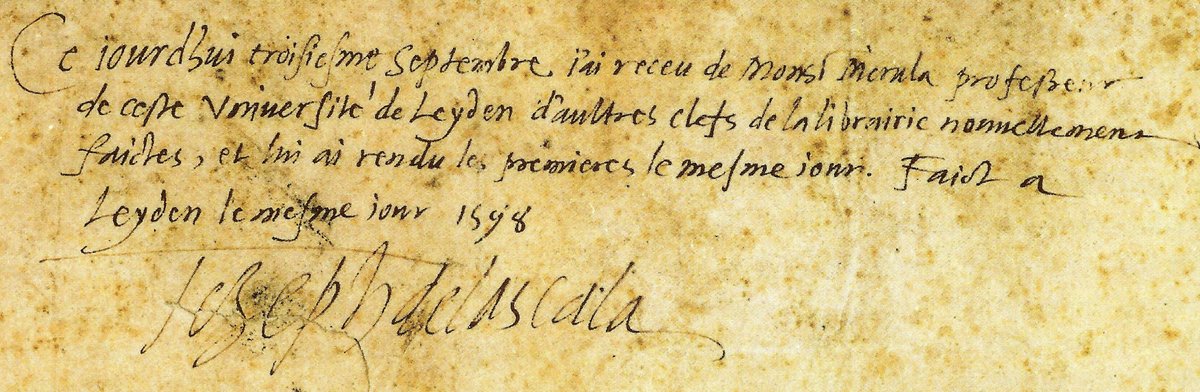
Leiden University Library was established in 1575 as one of the first university libraries in Europe. Its founding was closely tied to the city’s reward for resisting the Spanish siege during the Eighty Years’ War. The collection began with donations from William of Orange and quickly grew through contributions from scholars such as Josephus Justus Scaliger, whose Oriental manuscripts positioned Leiden as a leading center for Oriental and Islamic studies (Leiden University History; Scaliger’s Oriental Legacy).
Expansion and Scholarly Legacy
Significant growth continued in the 17th century with the Warner collection, a bequest from Dutch envoy Levinus Warner. The acquisition of Arabic, Persian, and Turkish manuscripts enriched the library’s Islamic World Special Collections (Islamic World Special Collections). Through the Enlightenment and into the 19th and 20th centuries, the library acquired further notable collections, including works from Christiaan Snouck Hurgronje and the Ottoman Turkish holdings.
Modernization and Digital Transformation
Today, Leiden University Library boasts an extensive digital platform, offering scholars and visitors access to digitized manuscripts, rare books, and archival materials worldwide (Leiden University Libraries Collection Guides). The main library on Witte Singel is a modern facility, while the historic buildings in the city center reflect centuries of academic tradition.
Architectural Evolution
Early Locations
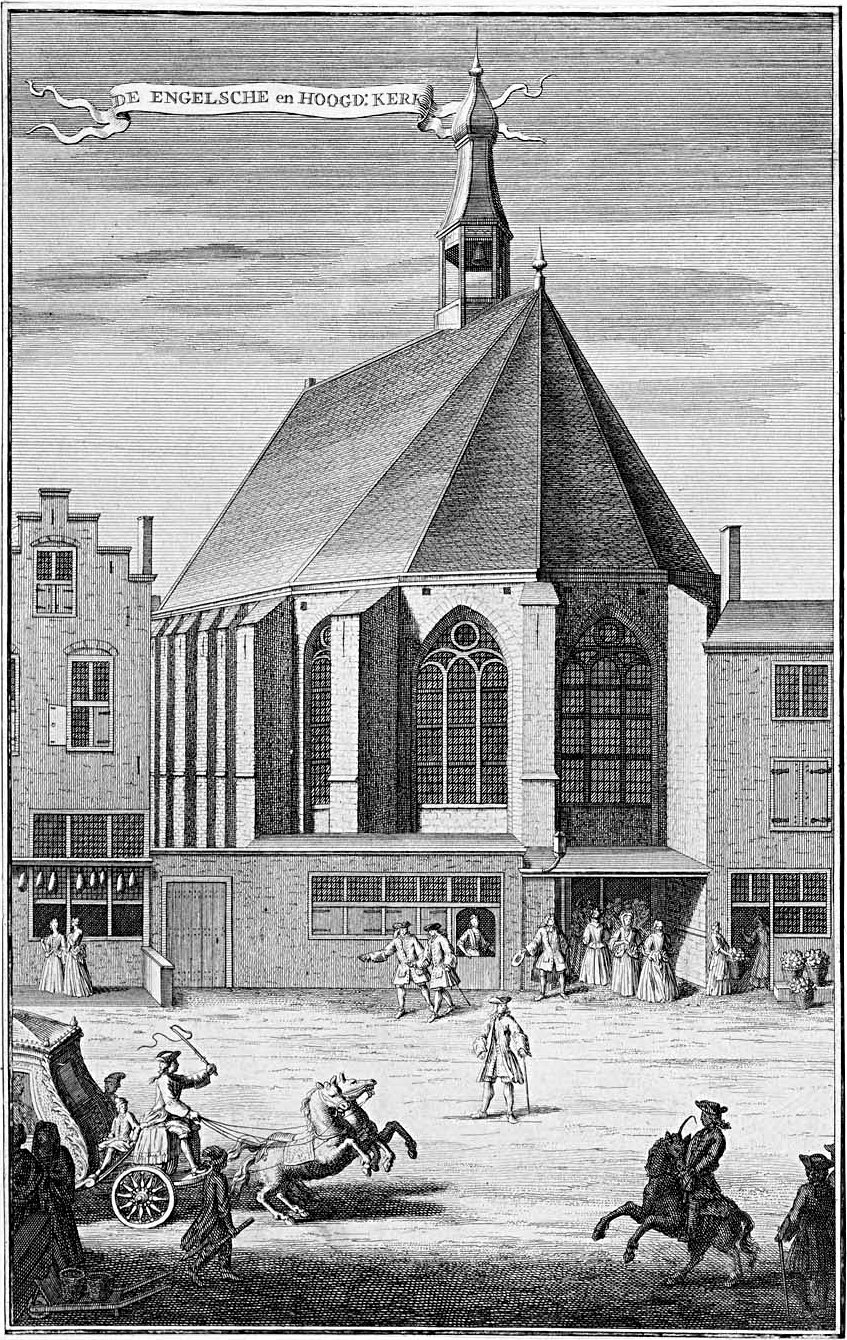
The library’s earliest location was the Academiegebouw on Rapenburg, later moving to the Faliede Bagijnkerk, a former church adapted for library use. These spaces retained Renaissance and ecclesiastical features, setting a scholarly tone for generations (Wikipedia).
Modern Complex
The present main library complex combines historic elements with modern architecture. Open-plan reading rooms, climate-controlled exhibition galleries, and digital resource centers support both traditional research and contemporary needs (Leiden University Libraries).
Accessibility and Amenities
The library is fully accessible, with elevators, ramps, and gender-neutral restrooms. Natural lighting, ergonomic study spaces, and green surroundings along the Rapenburg canal enhance the visitor experience (ScienceDirect; SoloSophie).
Collections and Special Holdings
General Holdings
With over five million items, Leiden’s collections emphasize the humanities, social sciences, and global studies, and are especially strong in Dutch, European, and Islamic world scholarship (Leiden University Library History).
Rare Books and Early Printed Works
The library holds over 150,000 rare books printed before 1800, many from Leiden presses or authored by university professors (Rare Books UBL; Early Printed and Rare Books).
Manuscripts and Special Collections
- Islamic World Special Collections: Over 6,000 manuscripts in Arabic, Persian, and Ottoman Turkish (Islamic World Special Collections).
- Western Medieval Manuscripts: Critical for European history and literature (Digital Collections).
- KITLV Collection: Extensive resources on Southeast Asia and the Caribbean (KITLV Collection Guide).
- Topographical and Visual Archives: Including the digitized Bodel Nijenhuis collection (Topographical Images News).
- Scientific Archives: Documents from leading astronomers and scientists (Leiden Observatory History).
UNESCO Recognition
Several holdings are inscribed in the UNESCO Memory of the World Register, reflecting Leiden’s global significance in preserving documentary heritage (UNESCO Memory of the World).
Visitor Information: Hours, Tickets, and Accessibility
Location and Access
Leiden University Library is located at Witte Singel 27, 2311 BG Leiden, close to major city attractions and within walking distance of Leiden Centraal station (Visit Leiden).
Opening Hours (as of June 2025)
- Monday to Friday: 08:30–24:00
- Saturday & Sunday: 09:30–23:15
Hours may vary during exam periods or holidays; always check the official opening hours page.
Admission and LU-Card
- General Admission: Free for public areas and exhibitions.
- LU-Card: Required for access to study spaces and specialized collections. Obtainable at the service desk with valid ID. Free for university affiliates; fees apply for external visitors (Leiden University Libraries – Visiting).
- Study Spaces: Over 2,300 available; some require booking, especially during exam periods.
Guided Tours and Events
Special guided tours and cultural events are offered periodically. Tickets for tours can be reserved online through the events page.
Facilities
- Lockers, printers, and computer terminals available.
- Eduroam Wi-Fi for visitors.
- Café and seating areas for relaxation.
Accessibility
The library is fully wheelchair accessible and staff are available to assist. Multilingual signage and digital guides support international visitors.
Nearby Attractions
Enhance your visit by exploring Leiden’s historical and cultural sites:
- Hortus Botanicus: The historic botanical gardens founded in 1590.
- Pieterskerk: A medieval church with significant Dutch history.
- Museum De Lakenhal: Showcasing Dutch art and history.
- Leiden’s Canals and Hofjes: Ideal for walking or cycling.
These nearby attractions make Leiden an exceptional destination for history and culture enthusiasts (Leiden Sights & Attractions).
Practical Tips and Visitor Etiquette
- Booking: Reserve study spaces in advance via the Study Spots app or library website during busy periods.
- Photography: Allowed in public areas; permission required for special collections.
- Silence: Respect quiet zones in reading rooms.
- Food and Drink: Not permitted in study or special collections areas.
- Personal Belongings: Use lockers for storage.
Frequently Asked Questions (FAQ)
Q: What are the Leiden University Library visiting hours?
A: Monday–Friday 08:30–24:00; Saturday–Sunday 09:30–23:15. Check online for exceptions during holidays or exams.
Q: Is there an admission fee?
A: General admission is free; LU-Card needed for study spaces and some collections.
Q: Can non-students use the library?
A: Yes, public areas are open to all. To use study spaces, obtain an LU-Card.
Q: Is the library accessible for people with disabilities?
A: Yes, full accessibility features are provided.
Q: Are guided tours available?
A: Yes, check the library events page for schedules and ticketing.
Listen to the full story in the app
The whole Leiden University Library,
told well.
Audio guides for 1,100+ cities across 96 countries. History, stories, and local insight — offline ready.
Verified, and shown.
Researched and written by the Audiala editorial team from historical records, architectural archives, and local expertise.
Researched from Wikidata, Wikipedia & official sources · fact-checked · How we make our guides →