Plan and listen to De Valk with Audiala.
Audio guide in your pocket, itinerary in your browser. Built for the way you actually visit.
Introduction: The Legacy of De Valk Windmill in Leiden
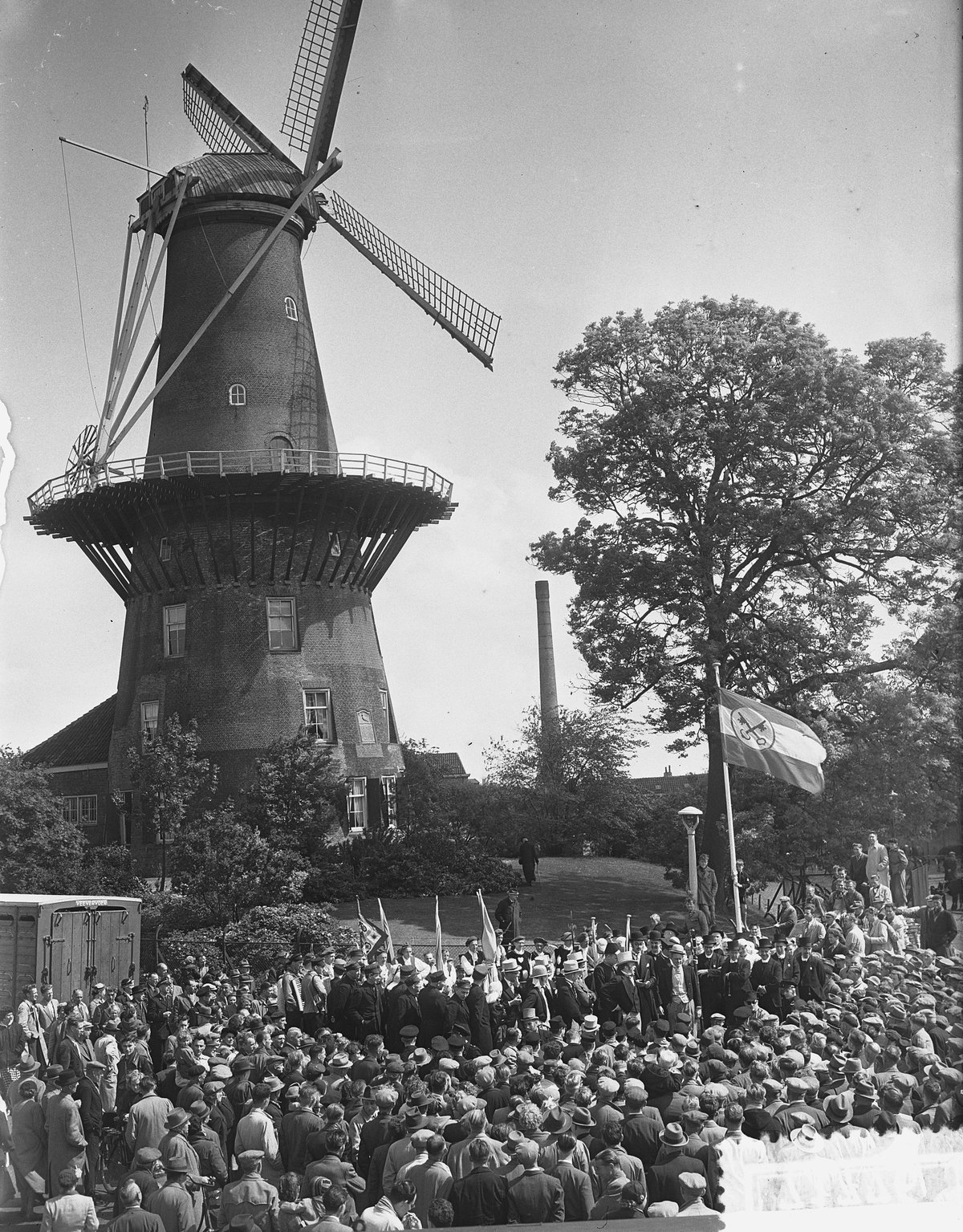
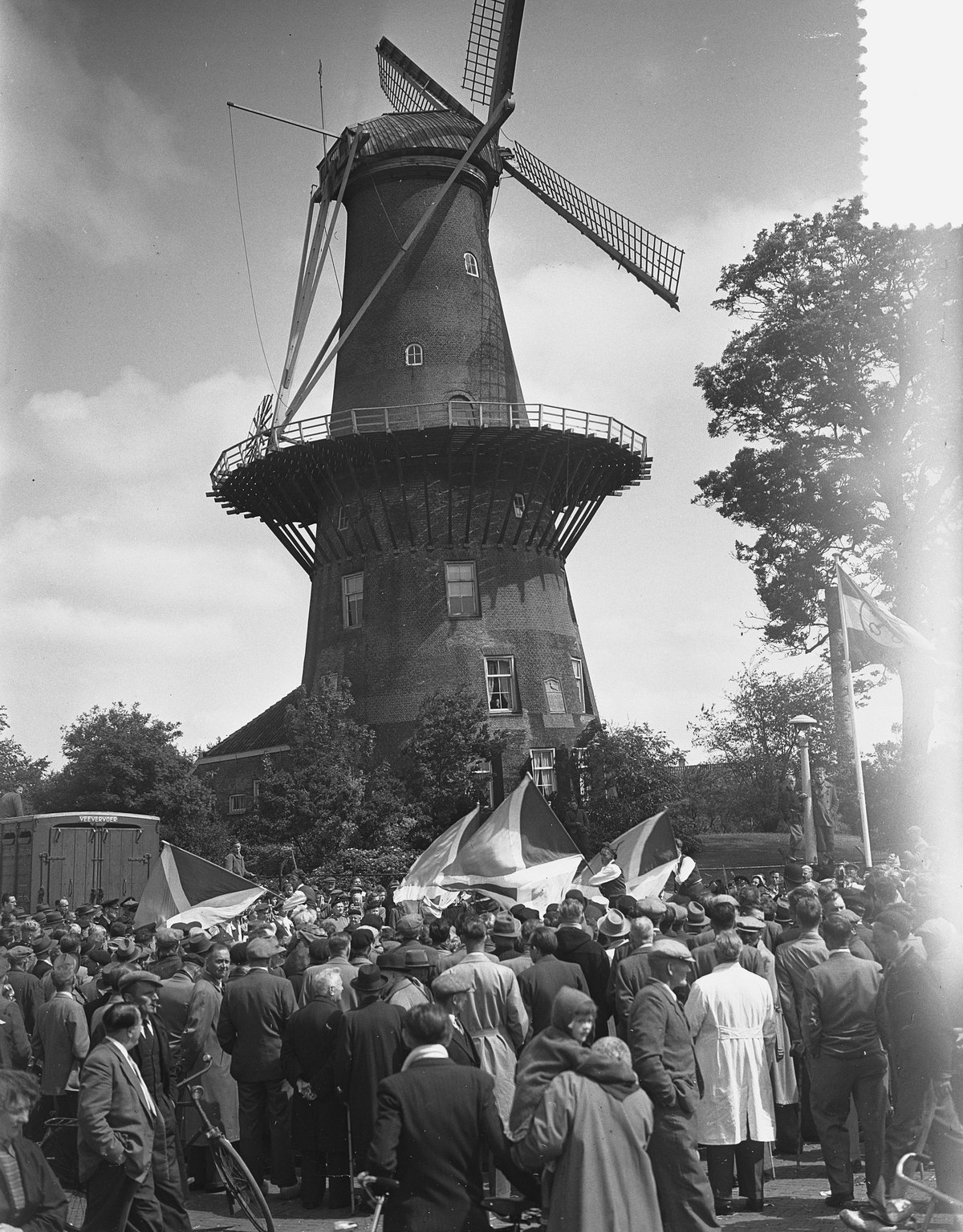
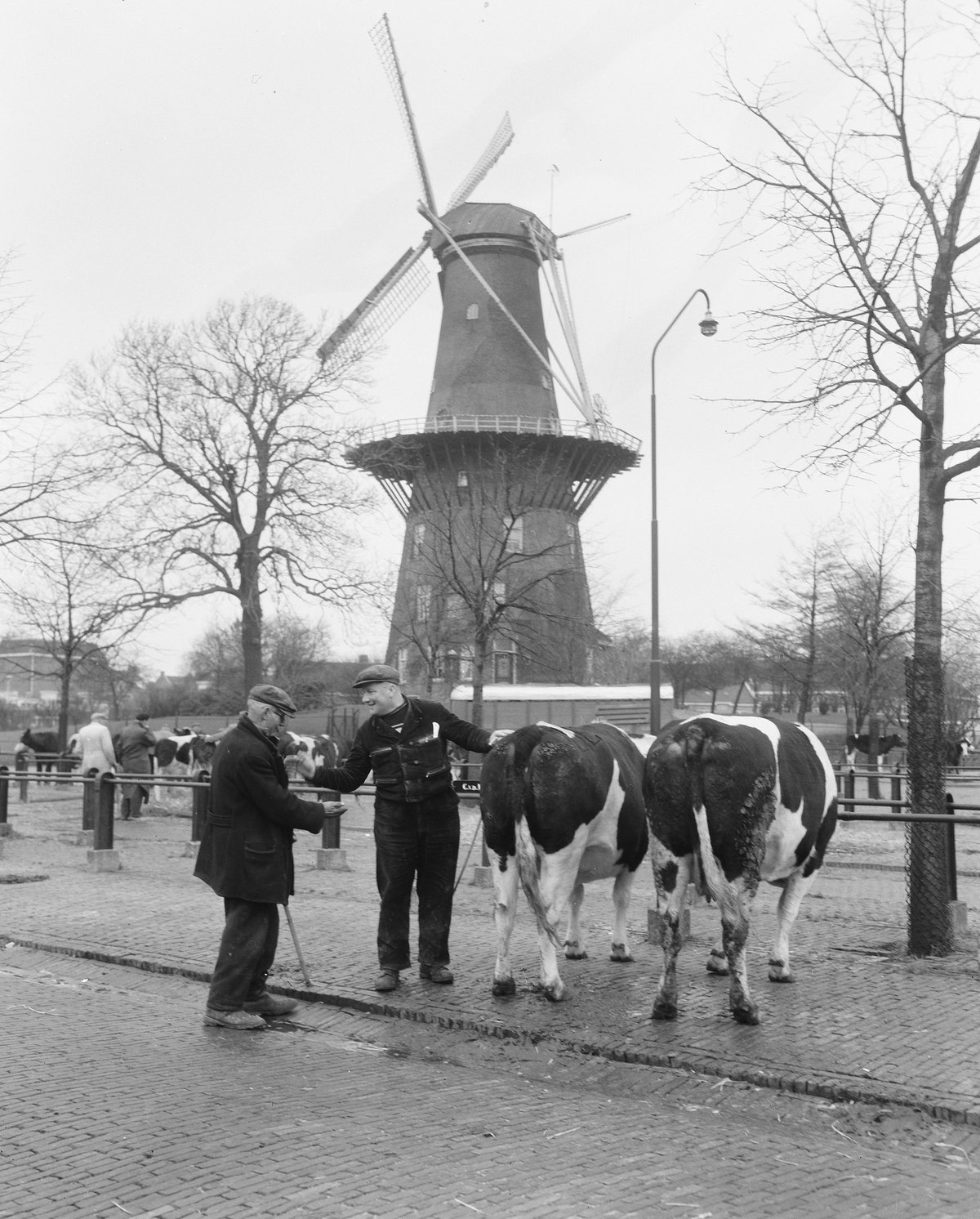
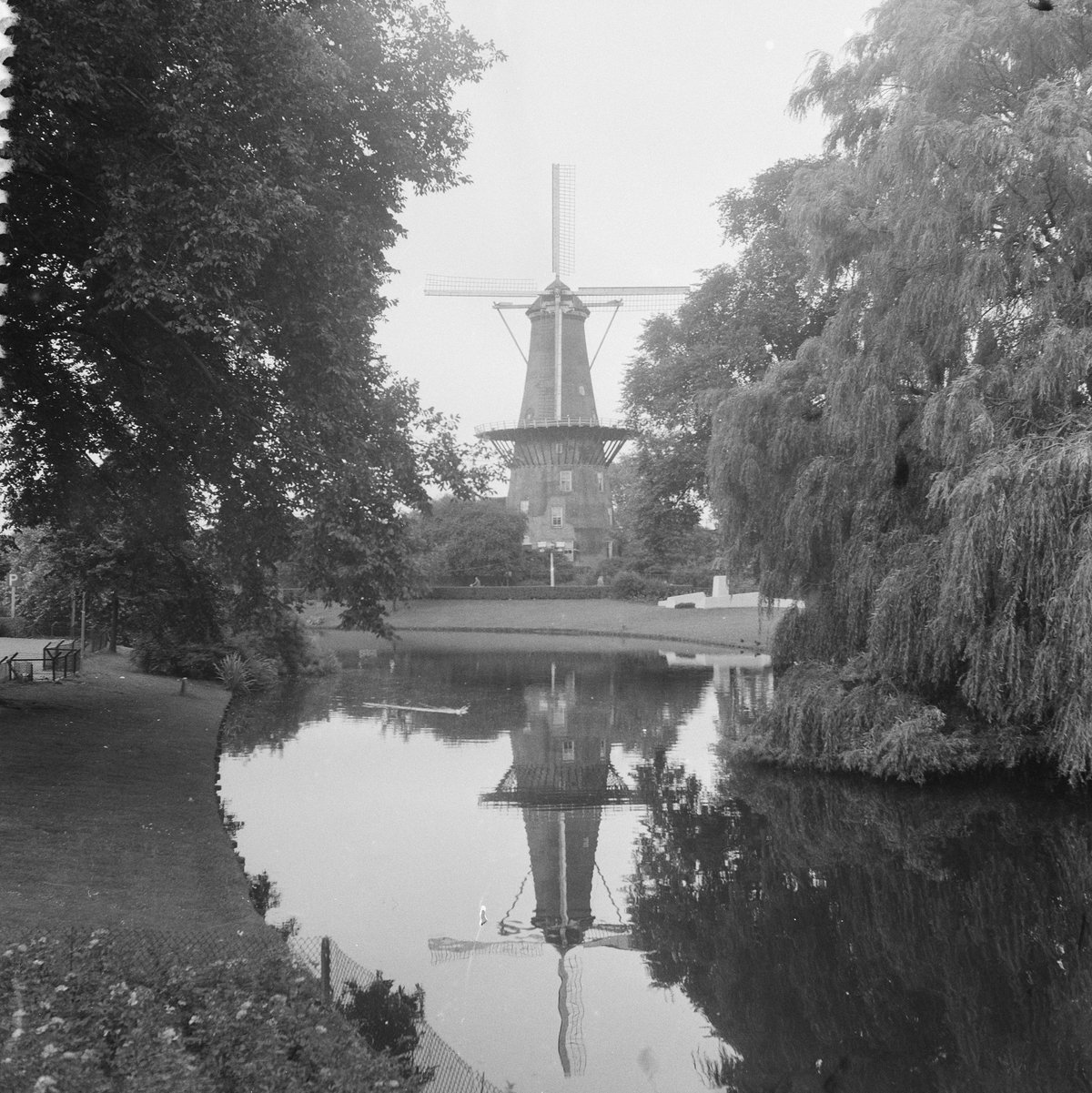
De Valk Windmill—locally known as “The Falcon”—is a landmark of Dutch industrial ingenuity and cultural heritage in Leiden, the Netherlands. Built in 1743–1744 to replace earlier mills dating back to the 17th century, De Valk stands 29 meters tall, making it one of the most prominent and best-preserved tower mills in the country. Uniquely, it also houses the only surviving city miller’s residence in the Netherlands, offering a rare look into both the industrial and domestic life of past centuries (De Valk Windmill Official Site; Notes from Camelid Country).
This guide offers a thorough overview of De Valk’s architecture, operational mechanics, and historical phases, as well as practical visitor information—ranging from opening hours and ticket prices to accessibility and travel tips. Whether you are passionate about history, architecture, or simply interested in experiencing Dutch culture, this article will help you plan an enriching visit to one of Leiden’s most iconic sites (Leiden International Centre; Visit Leiden).

Origins and Construction
De Valk’s origins date to 1611, when a wooden post mill was first constructed on the Valkenburger Rampart, part of Leiden’s old city defenses (Notes from Camelid Country). In 1667, this was replaced by a larger eight-sided “smock” mill. The current brick tower mill was built in 1743 and completed in just two months, a testament to the era’s engineering skill (Woody Buddy). Its robust construction made it suitable for the urban environment and changing wind directions, ensuring its place as a central figure in Leiden’s skyline.
Functional Evolution and Industrial Role
From its earliest days, De Valk served as a corn mill, grinding grain to supply Leiden’s rapidly growing population. Its adaptability was further demonstrated as it was used at times for grain storage and even as a dyeworks. With the industrialization of the 19th century and the advent of steam and electric milling, traditional wind-powered milling declined; however, De Valk remained operational until 1966 before its conversion to a museum (Visit Leiden).
Architectural Features and Innovations
De Valk is a classic Dutch “tower” or “stage” mill (stellingmolen), with a cylindrical brick tower, a rotating cap, and a wooden reefing stage at 11 meters. The seven main floors include both industrial workspaces and the historic miller’s family residence—making it unique in the Netherlands (De Valk Museum). The cap can be rotated using a tailpole and winch, and the four 27-meter sails are among the largest in the region (Notes from Camelid Country).
Visiting Information: Hours, Tickets, and Accessibility
Opening Hours:
- Tuesday–Saturday: 10:00–17:00
- Sunday: 12:00–17:00 (October–March, Sunday opening starts at 13:00)
- Closed Monday
- Last admission: 16:30
- Holiday hours may vary (molenmuseumdevalk.nl)
Admission Fees:
- Adults: €6.00
- Children (6–15 years): €3.00
- Children (0–5 years): Free
- CJP Pass: €4.00
- Museumkaart/ICOM: Free
- Group tours (10–15 people): €50 per group + individual admission
(WhichMuseum.com)
Accessibility:
Due to historic steep, narrow stairs, the mill is not wheelchair accessible and may not be suitable for those with limited mobility. The museum’s ground floor and shop offer some accessible displays (molenmuseumdevalk.nl).
Facilities:
Restrooms and a gift shop are available; there is no café but many eateries are nearby. Information is provided in Dutch and English.
Structural Features and Internal Layout
Reefing Stage & External Features:
The reefing stage allows for sail maintenance and offers panoramic views over Leiden—an essential stop for photography enthusiasts (The Crazy Tourist).
Living Quarters:
The lower floors recreate the miller’s home life with period furnishings from the late 19th and early 20th centuries, unique among Dutch windmill museums (Nova on the Road).
Milling Floors and Mechanisms:
Higher floors house the meal, stone, and sack hoist floors, where visitors can observe massive millstones, grinding machinery, and the wind-powered hoist system. The cap floor contains the main windshaft and gears (De Valk Museum).
Engineering Innovations
- Rotating Cap: Allows sails to face the wind for maximum efficiency.
- Brake Wheel & Wallower: Transmits wind power to the millstones.
- Wind-Powered Sack Hoist: Moves grain and flour between floors.
- Safety Brakes: Stop the sails in hazardous conditions.
De Valk’s original engineering allowed for a daily flour output of up to 1,280 kg, sufficient for thousands of residents (Notes from Camelid Country).
Preservation and Museum Conversion
Following its decommissioning in 1966, De Valk was restored and converted into a municipal museum. Today, it is the last of Leiden’s 19 original rampart mills, preserved as a working monument and educational site (Wikipedia). Restoration efforts have maintained the mill’s machinery, brickwork, and unique living quarters (Woody Buddy).
Cultural and Historical Significance
De Valk stands as a symbol of Dutch resilience, technical progress, and community identity. The Van Rhijn family, who ran the mill from 1869, played a crucial role in its preservation. Today, the museum hosts interactive exhibits, educational workshops, and seasonal events, keeping Leiden’s milling and urban history alive for new generations (Molenmuseum De Valk; Visit Leiden).
Visitor Experience Highlights
- Panoramic Gallery: Offers breathtaking city views.
- Interactive Exhibits: Explain windmill mechanics and Leiden’s urban evolution.
- Guided Tours: Available in English and Dutch; advance booking recommended.
- Photography: Permitted throughout the museum—ideal for capturing both machinery and cityscapes.
Nearby Attractions and Travel Tips
De Valk’s central location makes it easy to combine with other Leiden sights, such as:
- Burcht van Leiden: Medieval citadel with panoramic views.
- Museum De Lakenhal: Art and city history.
- National Museum of Antiquities: Archaeological treasures.
- Naturalis Biodiversity Center: Renowned natural history museum.
Leiden Centraal Station is a five-minute walk away, and the Lammermarktgarage provides nearby parking (dutchreview.com).
Frequently Asked Questions (FAQ)
Q: What are De Valk’s opening hours?
A: Tuesday–Saturday 10:00–17:00, Sunday 12:00–17:00 (13:00 in winter), closed Mondays. Last admission 16:30.
Q: How much are tickets?
A: Adults €6.00, children 6–15 €3.00, under 6 free, discounts for CJP and Museumkaart holders.
Q: Is De Valk wheelchair accessible?
A: No, due to steep historic stairs.
Q: Are guided tours available?
A: Yes, for groups by reservation. Guided tours in English are available.
Q: Can I take photos?
A: Yes, throughout the museum.
Q: Are there special events?
A: The museum holds occasional exhibitions and demonstrations—check the official website for details.
Contact Information
- Address: Molenwerf 1, 2312 CH Leiden, Netherlands
- Phone: +31 (0)71 516 5353
- Email: [email protected]
- Website: https://molenmuseumdevalk.nl/bezoekersinformatie
Listen to the full story in the app
The whole De Valk,
told well.
Audio guides for 1,100+ cities across 96 countries. History, stories, and local insight — offline ready.
Verified, and shown.
Researched and written by the Audiala editorial team from historical records, architectural archives, and local expertise.
Researched from Wikidata, Wikipedia & official sources · fact-checked · How we make our guides →