Plan and listen to Burcht Van Leiden with Audiala.
Audio guide in your pocket, itinerary in your browser. Built for the way you actually visit.
Introduction
In the heart of Leiden, the Burcht van Leiden rises above the city as a symbol of resilience, history, and architectural ingenuity. This ancient motte-and-bailey fortress—one of the Netherlands’ oldest—offers visitors not only a glimpse into medieval life but also panoramic views, tranquil green spaces, and a direct connection to pivotal events in Dutch history (The Dutch Historian, DiscoverNL). Whether you’re a history buff, photographer, or casual traveler, this comprehensive guide will help you plan your visit, discover practical tips, and appreciate the enduring significance of the Burcht van Leiden.



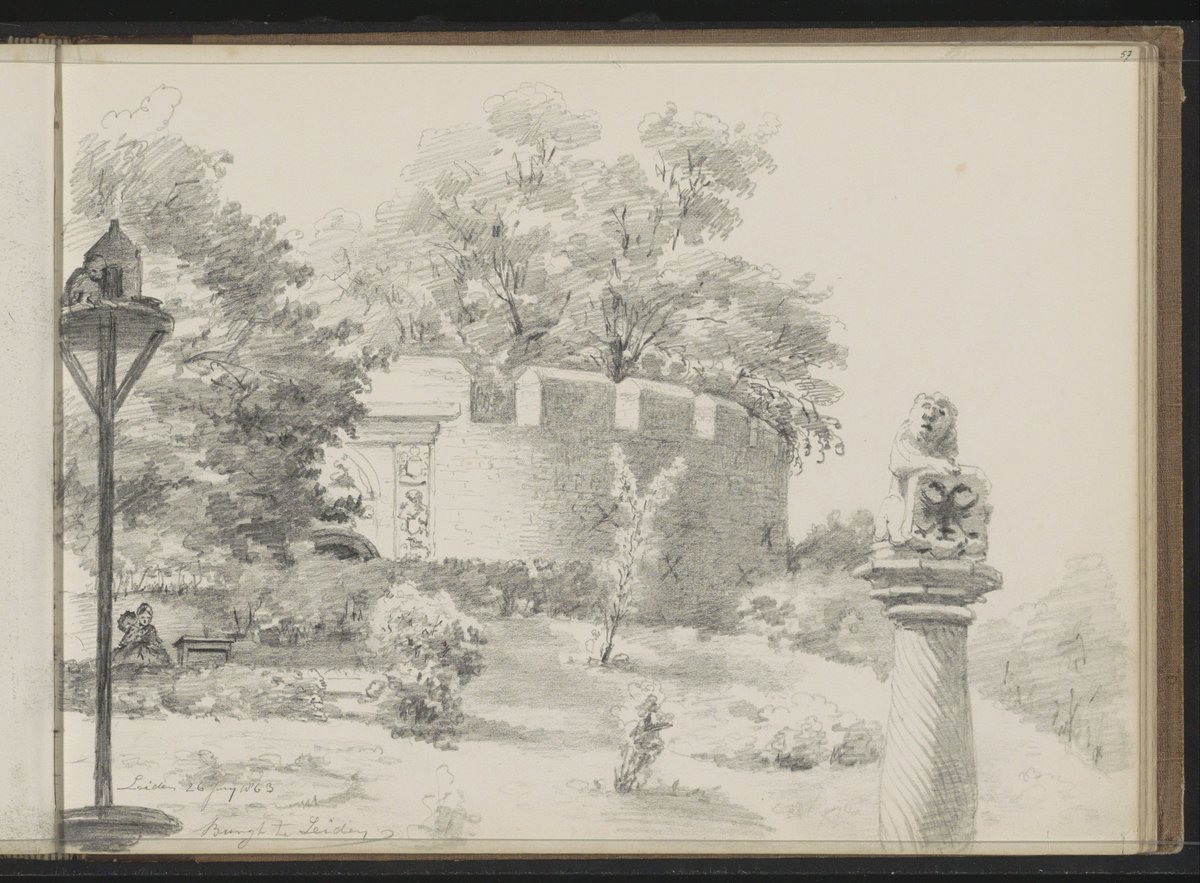
Historical Background and Construction
Early Origins
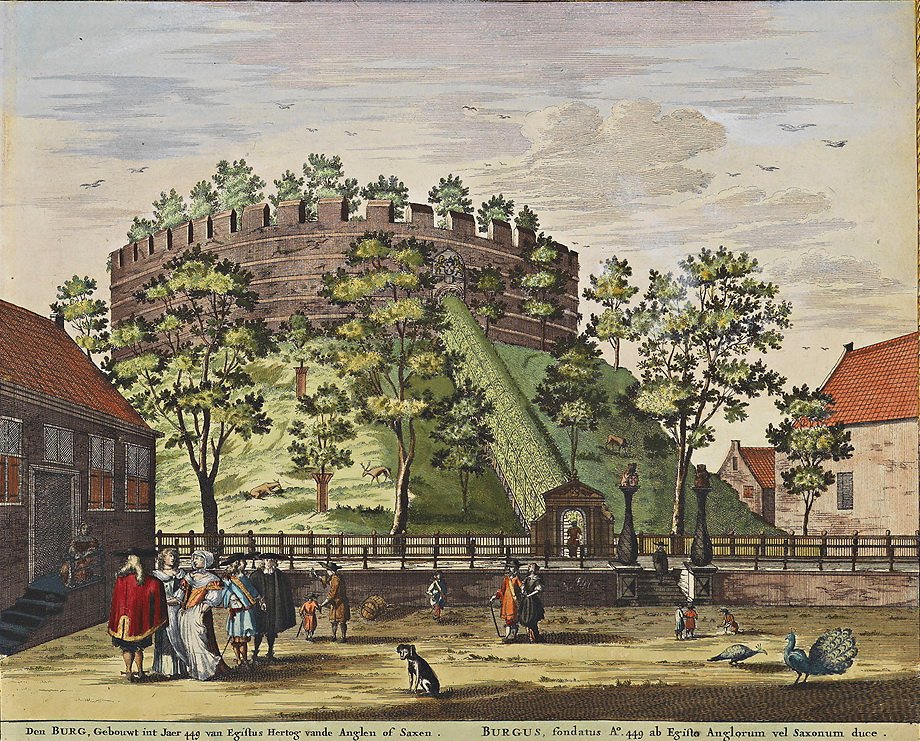
The Burcht van Leiden’s origins date back to the late 9th to 11th centuries, when the artificial hill (motte) was constructed as a refuge from flooding and conflict (The Dutch Historian). Initially protected by wooden palisades, the fortress evolved over centuries. Around 1060, the first stone fortifications were erected, soon replaced by a robust circular tuff and brick wall in the 12th century (Wikipedia, Castles.nl). The structure stands atop a 9 to 12-meter-high mound—an uncommon feature in the otherwise flat Dutch landscape—offering both defense and a commanding view of the region.
Medieval Role and Resilience
Positioned at the confluence of the Oude and Nieuwe Rijn, the Burcht played a crucial role in defending Leiden and symbolizing local autonomy (Explore Leiden). In the early 13th century, it served as a stronghold during a succession conflict involving Ada van Holland, surviving multiple sieges and subsequent rebuilds (Spotting History). By the 14th century, as Leiden expanded, the Burcht’s military importance waned, but its symbolic significance endured.
Medieval Significance and Transformation
From Fortress to Civic Landmark
During the Dutch Revolt, the Burcht’s legacy as a place of refuge was reignited, especially during the 1573–1574 Siege of Leiden. Although it no longer served a direct military function, the Burcht became a touchstone for Leiden’s spirit of resistance (Onedayhit). In the 17th century, the city transformed the Burcht into a water tower and later a public park, making it a focal point for civic pride and urban life (Wikipedia).
Cultural and Artistic Influence
The Burcht’s image appears in stained glass, literature, and local folklore. The Latin inscription above its gateway, drawn from Adriaan van Nispen’s “Verheerlyking van den Leydzen Burg,” embodies its enduring place in Leiden’s collective memory (Schouten in Leiden).
Architectural Features
The Motte and Ring Wall
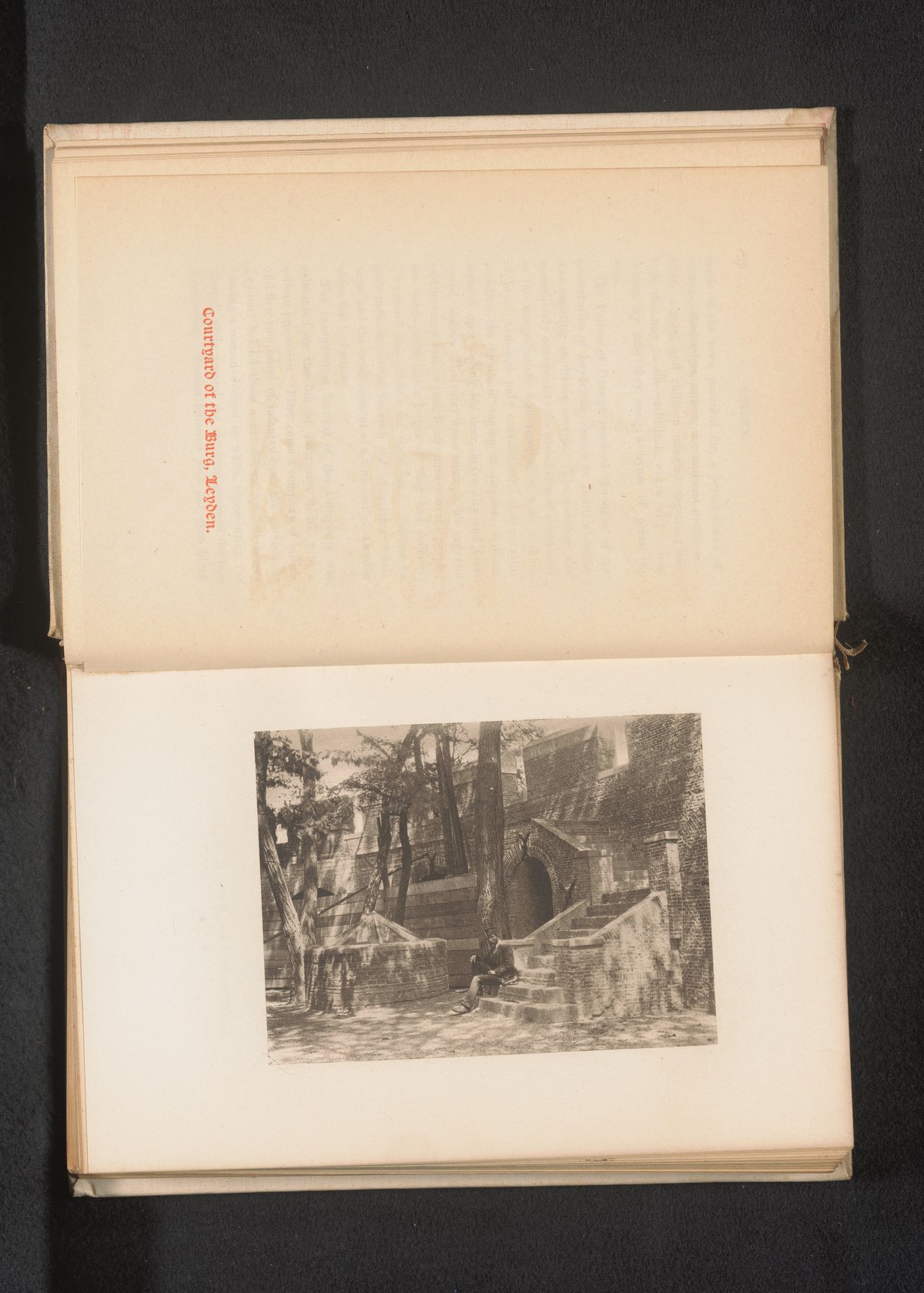
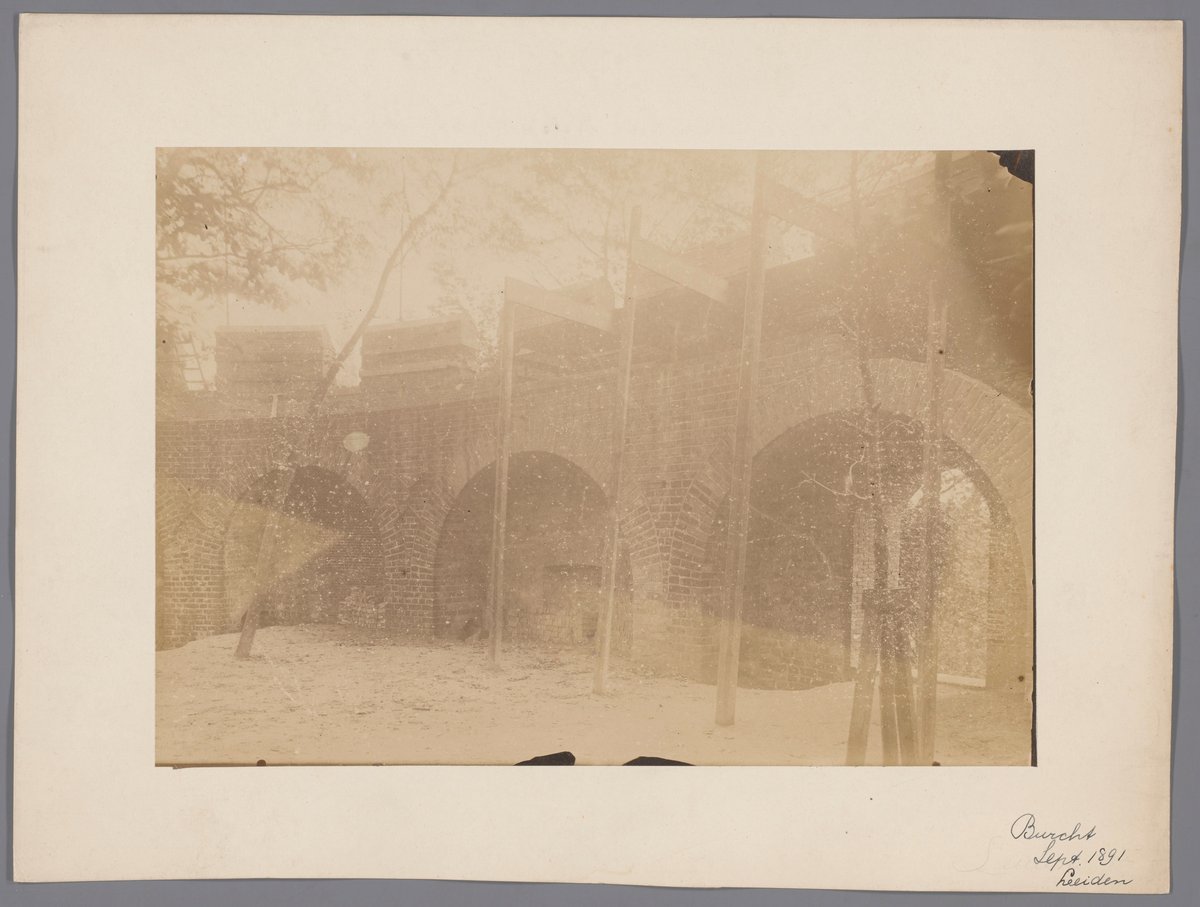
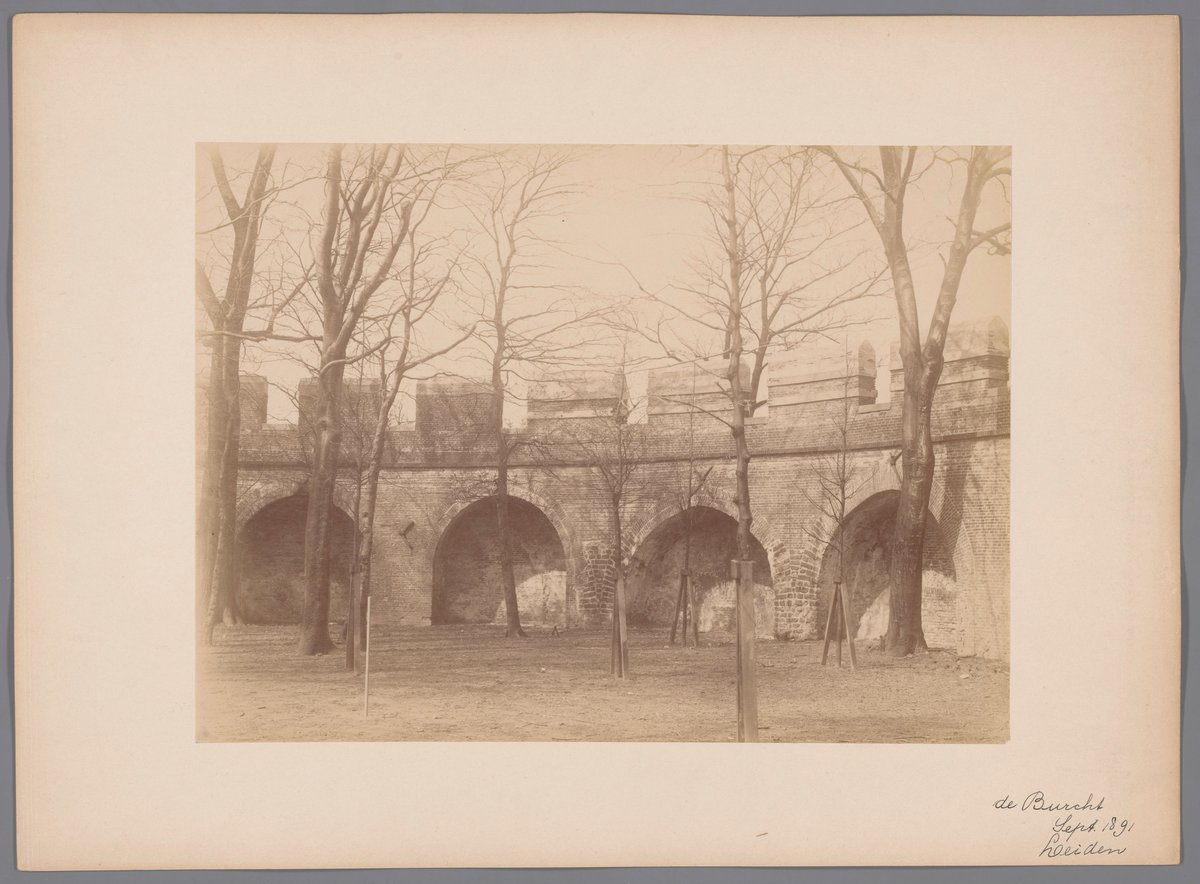
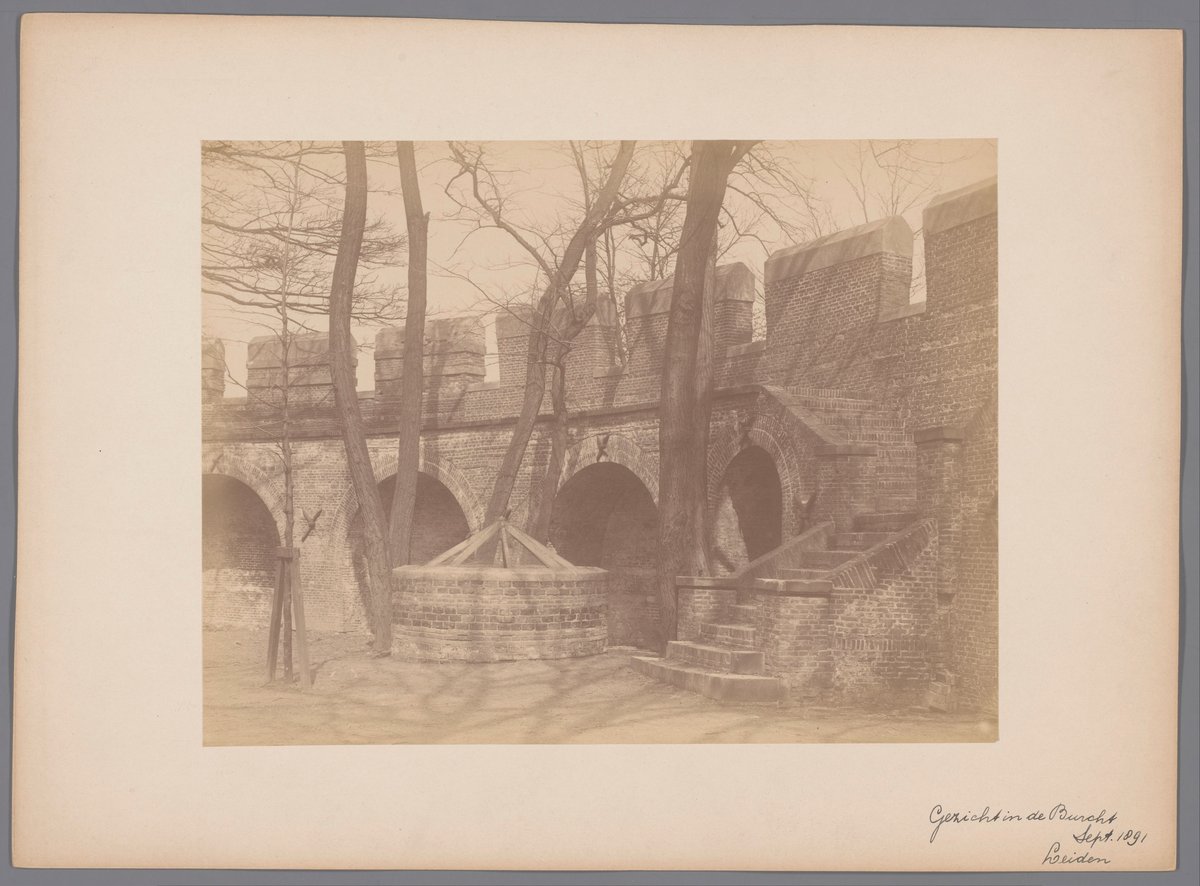
The fortress is defined by its circular shell keep, constructed of tuff and brick, with walls reaching over 6 meters high and about 85 centimeters thick. A walkway (weergang) runs along the top, supported by brick arches (spaarbogen), and arrow slits (schietgaten) offer a glimpse into its defensive past (JTravel, DiscoverNL). The motte’s steep grassy slopes and the open inner courtyard create a park-like atmosphere.
Entrances and Gateways
The southeastern entrance features a 17th-century sandstone gateway adorned with coats of arms, reflecting its later civic role. Wrought iron gates and Gothic pillars mark the transition from city street to historic refuge (JTravel). A well and ancient trees stand in the courtyard, remnants of its medieval function.
Panoramic Views and Park Setting
Visitors ascending the ramparts are treated to sweeping views over Leiden’s canals, red-brick rooftops, and nearby landmarks including Pieterskerk and Hooglandse Kerk (The Crazy Tourist). The Burcht’s transformation into a public park, complete with benches and a café at the base, invites relaxation and community gatherings (Travel Captures).
Restoration and Preservation
Designated as a Rijksmonument, the Burcht is carefully maintained, with periodic restorations to address subsidence and preserve its ancient masonry (HollyMelody). Interpretive signage and occasional exhibitions enhance the educational experience.
Visitor Information
Visiting Hours
- Hours: Generally open from 9:00 AM to 6:00 PM year-round, though access may vary slightly by season or during special events. For the most current information, check the official Leiden tourism website.
Tickets and Admission
- Entry: Free of charge; no tickets required for general access (Travel Captures).
- Guided Tours: Available for a small fee via local tour operators or the tourism office.
Accessibility
- The approach involves a short, steep walk up the motte and several stone steps; while the park area is accessible, the ramparts may be challenging for those with mobility issues.
- Benches are available for rest; wheelchair and stroller access is limited to the lower courtyard (About NL).
Guided Tours
- Guided walking tours focusing on the Burcht’s history and Leiden’s development are offered regularly, especially during festivals or educational programs for groups (Visit Leiden).
Getting There
- By Train: A 15-minute walk from Leiden Centraal Station through the picturesque city center (Travel Captures).
- By Bus: Local buses stop near the city center; follow signs to “De Burcht.”
- By Car: Public garages are available nearby, but exploring Leiden on foot is recommended due to its compact, walkable center.
Enhancing Your Visit: Tips & Nearby Attractions
- Best Time to Visit: Clear, sunny days offer the best views and park atmosphere. Early mornings and late afternoons are quieter.
- What to Bring: Comfortable shoes, camera, weather-appropriate clothing, and snacks for a picnic.
- Nearby Attractions: Combine your visit with stops at Pieterskerk, the Leiden University Botanical Gardens, Museum Volkenkunde, and canal-side cafés (Travel Captures).
- Events: The Burcht hosts festivals, concerts, and reenactments, especially during the annual Ontzet (Leidens Ontzet) festival in October (Onedayhit).
Local Customs and Cultural Insights
- The Burcht is a favorite gathering place for locals, especially during festivals and sunny days. Join in for a picnic, attend a concert, or simply enjoy the park’s peaceful ambiance.
- During Leiden’s Ontzet festival, the area comes alive with music, food, and historical pageantry (The Adventures of Panda Bear).
Sustainability and Responsible Tourism
- Help preserve this historic site by using designated paths, disposing of litter properly, and respecting the flora and fauna.
- Support local businesses, including the on-site café and nearby shops, to contribute to Leiden’s community.
Frequently Asked Questions (FAQ)
What are the Burcht van Leiden visiting hours?
Generally open from 9:00 AM to 6:00 PM, but check the official Leiden tourism website for updates.
Is there an entry fee?
No, entry is free. Guided tours may have a small fee.
Is the site accessible for those with limited mobility?
The lower park is accessible, but the ascent and ramparts involve stairs and steep paths.
Are guided tours available?
Yes, guided tours and educational programs can be booked through local operators or the tourism office.
Can I bring my dog?
Dogs are allowed on a leash; please respect local regulations.
Are there amenities on-site?
A café is located at the base, and benches are available throughout the park.
Visuals and Interactive Elements
- Explore high-quality images and virtual tours via official Leiden tourism resources.
- Maps and panoramic photos can help you plan your visit and orient yourself upon arrival.
Listen to the full story in the app
The whole Burcht Van Leiden,
told well.
Audio guides for 1,100+ cities across 96 countries. History, stories, and local insight — offline ready.
Verified, and shown.
Researched and written by the Audiala editorial team from historical records, architectural archives, and local expertise.
Researched from Wikidata, Wikipedia & official sources · fact-checked · How we make our guides →