Plan and listen to De Deelen with Audiala.
Audio guide in your pocket, itinerary in your browser. Built for the way you actually visit.
Introduction
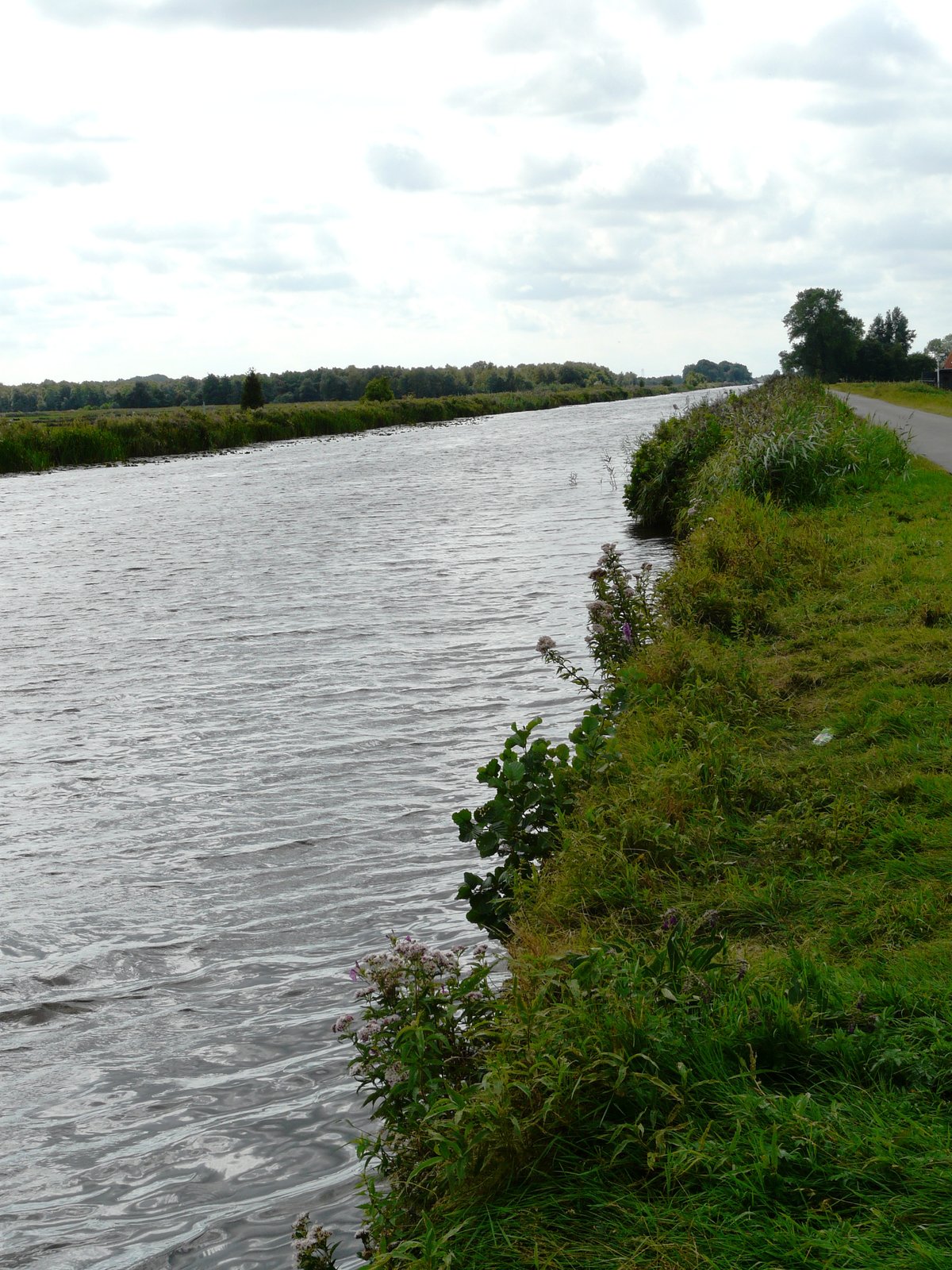
De Deelen, located in the province of Friesland, Netherlands, is an enchanting nature reserve that holds both historical and ecological significance. Known for its origins in peat mining, De Deelen has evolved into an essential habitat for wildlife and a site of profound historical value. This guide will delve into the fascinating history, ecological importance, and practical visitor information for De Deelen, ensuring an enriching experience for anyone planning a visit. The reserve's unique landscape, created by centuries of peat extraction, now serves as a vibrant ecosystem teeming with diverse flora and fauna. Visitors will not only enjoy the natural beauty of the area but also gain insights into its rich cultural heritage (Waterland van Friesland). Whether you're a birdwatcher, a history enthusiast, or simply in search of a peaceful retreat, De Deelen offers something for everyone. The reserve's transformation from an industrial site to a nature haven is a testament to successful conservation efforts, providing a sanctuary for both wildlife and visitors alike (Friesland.nl).

Peat Mining Heritage
De Deelen's history is deeply intertwined with peat mining. From the Middle Ages until the early 20th century, the area was extensively mined for peat, a type of soil formed from decayed vegetation and used primarily as fuel. The labor-intensive process of extracting peat involved workers who toiled tirelessly to provide this essential resource for heating homes. The remnants of this era are still visible today, offering a glimpse into the region's industrial past (Waterland van Friesland).
Transformation into a Nature Reserve
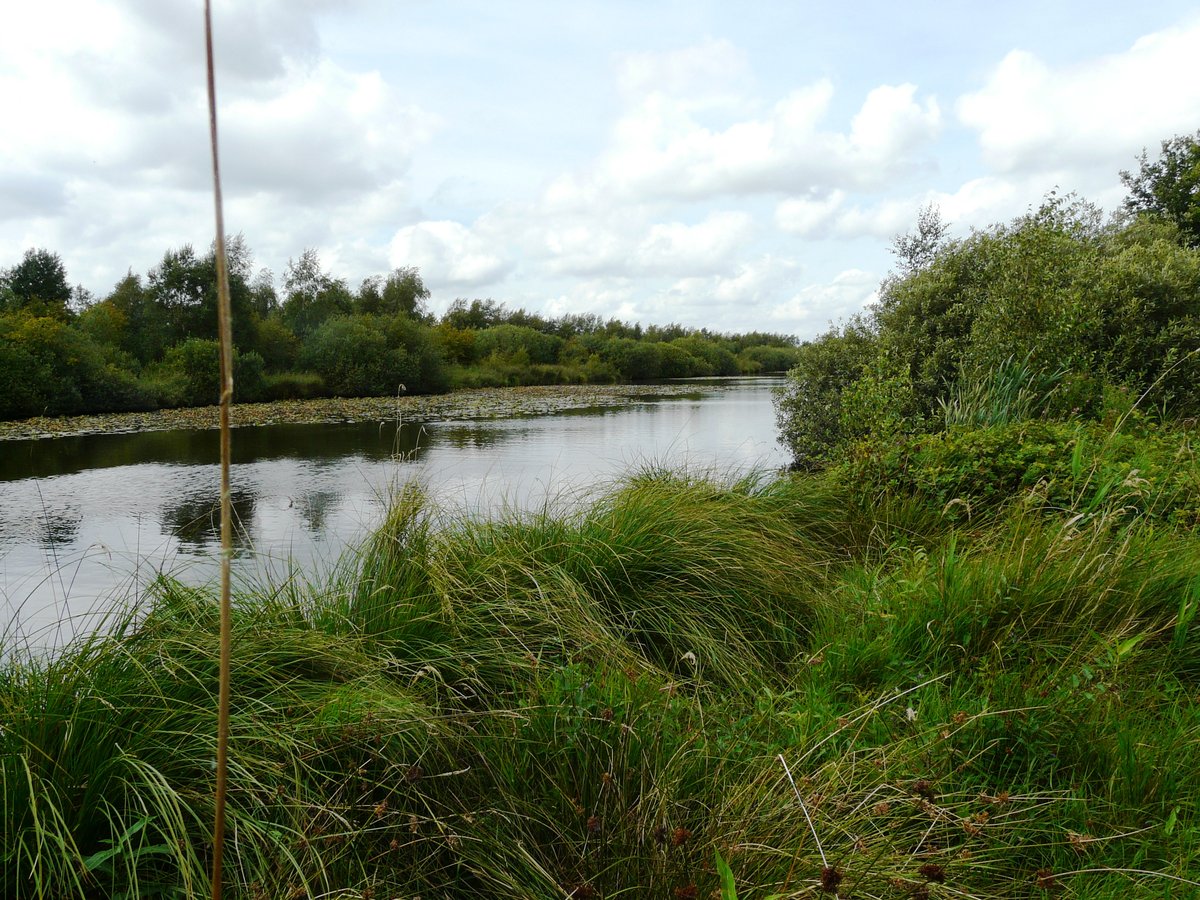
The exhaustive peat extraction left a unique landscape characterized by a mosaic of water bodies, reed beds, patches of swamp forest, and narrow strips of grassland. This transformation has created a rich and diverse ecosystem. The last peat-cutting machine, used until 1968, stands as a significant piece of industrial heritage, symbolizing the end of an era (Friesland.nl).
Archaeological Significance
Archaeological excavations in De Deelen have uncovered traces of early human habitation, suggesting the area was a bustling center during the early Middle Ages. These finds provide insights into the lives of the people who once inhabited the region, underscoring its significance as a site of early human activity (Waterland van Friesland).
Ecological Importance
De Deelen is recognized as a wetland of international importance, home to a wide variety of bird species. Birdwatchers can spot species such as the Eurasian Wigeon, Greater White-fronted Goose, and Barnacle Goose during autumn and winter months. Rare species like the Black Tern and Purple Heron also inhabit the reserve, making it a birdwatcher's paradise (Birding Places).
Visitor Information
- Visiting Hours: De Deelen is open year-round, but visiting hours may vary by season. It's recommended to check the official website for the most up-to-date information.
- Tickets: Entrance to De Deelen is free, but certain guided tours or special events may require tickets. Check the official website for details.
- Travel Tips: De Deelen is accessible by car and public transport. The nearest train station is in Heerenveen, from which you can take a bus or taxi to the reserve.
- Nearby Attractions: While in Friesland, consider visiting other historical sites such as the Frisian Maritime Museum and the picturesque town of Sneek.
- Accessibility: De Deelen offers several easy hikes and walks, making it accessible for families and individuals of all ages.
The Turf Boating Route
The Turf Boating Route is a popular way to explore De Deelen. This serene journey through the wetland's landscape allows visitors to appreciate the natural beauty and historical significance of the area (Friesland.nl).
Cultural and Historical Insights
The large-scale production of turf in the early Middle Ages likely brought trade and prosperity to the area. Traces of early human habitation provide valuable insights into the lives of the people who lived and worked there, highlighting De Deelen's importance as a site of cultural and historical significance (Waterland van Friesland).
Conservation Efforts
Efforts to conserve and protect De Deelen have been ongoing for many years. The preservation of its unique landscape and diverse ecosystem is a priority, ensuring it remains a haven for wildlife and a place of natural beauty for future generations (Waterland van Friesland).
Visitor Experience
Visitors can enjoy activities such as hiking, birdwatching, and boating. The well-marked trails and scenic routes offer an opportunity to connect with nature and explore the area's rich history. The Turf Boating Route, in particular, offers a unique perspective of the wetland landscape (Komoot).
FAQ
- What are the visiting hours for De Deelen? Visiting hours vary by season. Check the official website for the latest information.
- How much are tickets to De Deelen? Entrance is free, but certain tours or events may require tickets.
- How do I get to De Deelen? De Deelen is accessible by car and public transport. The nearest train station is in Heerenveen.
Listen to the full story in the app
The whole De Deelen,
told well.
Audio guides for 1,100+ cities across 96 countries. History, stories, and local insight — offline ready.
Verified, and shown.
Researched and written by the Audiala editorial team from historical records, architectural archives, and local expertise.
De Deelen Nature Reserve
De Deelen Nature Reserve
De Deelen
Easy Hikes in De Deelen
Researched from Wikidata, Wikipedia & official sources · fact-checked · How we make our guides →